Inspiration In the Netherlands ther are a lot of health workers, that have to do their job without proper protectection

What it does. Prevent the healthworker for getting corona

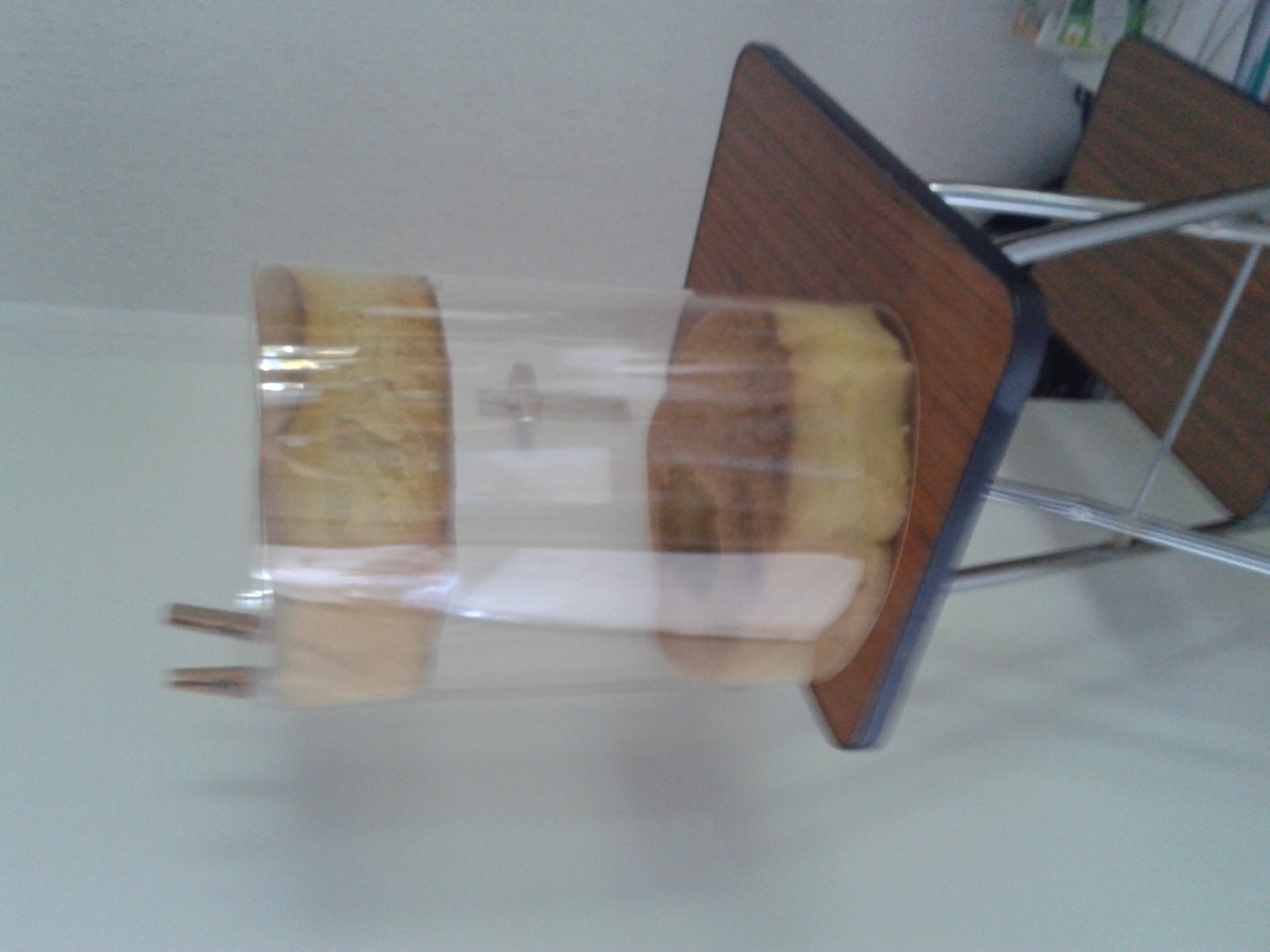
How I built it: with a sheet of flexible transparant pvc size w * h = 0.8 * 0.35 meters, thickness 2 mm

Challenges I ran into; 1. how to get it sealed enough from the outside world. 2. what do I need to get [slightly] compressed air into the helmet.

Accomplishments that I'm proud of: starting from rigid plate material I came to the flexible material. The idea came when I saw the flexible transparant material that you find in the collar of a new shirt. I had to seal the helmet and out of nowhere came the idea of using cell rubber plate of about 6 cm thickness.

What I learned: At first I thought that I could use a pump of the kind that is used for inflating matrasses. At trying out I found that at least the 220 Volt AC type makes too much noise. So for now compressed air as used by divers and fireman will do. Besides the air comes from a safe place.

What's next for protective helmet against the corona virus 1 Finding out how to go to mass production. 2 Making contect to organisations of healtcare workers and testing the helmet. 3. Finding out what is the best air inlet and air outlet of the helmet [with compressed air you will have cooling] 4. Checking if the 12 Volt DC air pump for inflating matresses makes less noise. In this case we will also need an air filter because the air comes from a potentially unsafe place. 5. Finding out what kind of filter works the best. This week I happened to speak with a pest controller, who has to protect himself from dangerous substances in the air. He told me he used a filter. I was right when I asked if it was an activated carbon filter. Maybe one with fine grains will do. I will have to ask virologists about this.

Built With

Share this project:

Updates