-
-
TO KNOW
Inspiration
Our team is based in Naples, Campania, an Italian region where densely populated areas complicate the management to the crisis response. Since we all were born and live in areas of high-density population, the inspiration to develop our project came from our home.
What it does
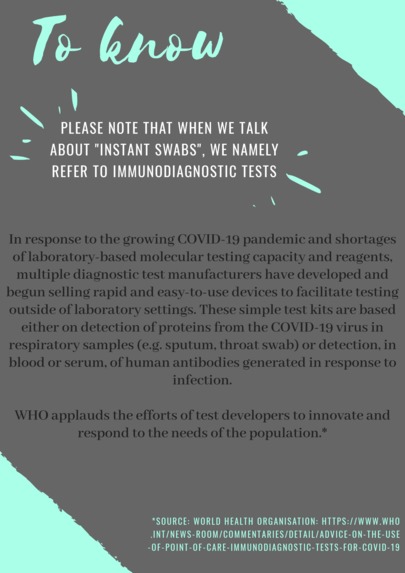
The problem we are trying to solve relates to the concerning number of deaths of the Italian healthcare personnel and the lack of a solution capable of reducing their exposure to infection. In particular, our solution focuses on shortening delivering times of instant swabs and on reducing the risk of infection of LHA employees when they are asked to personally deliver instant swabs door to door.
How we built it
Our project is based on a collaboration between volunteer organizations with an international profile, the Red Cross and the Civil Protection specifically, that already have several functioning drone units available, and the Local Health Authority. Potentially, the participation is open to voluntary applications in order to increase the number of drone units available.
Challenges we ran into
We spent considerable time in solving problems related to technical details of drones operations.
Accomplishments that we're proud of
We were capable of going through legal implications and we found already existing examples of drones applications in Naples.
What we have done during the weekend
Our team has been focusing on all those innovations that emerged in Healthcare management during the COVID-19 Emergency period, believing that they represent just a starting point to make the future smarter, faster, and better. The researches we have done proved us right: we assessed the availability of drone units and operators and defined crucial operational details in order to put our idea into practice and then consulted with Red Cross and Civil Protection operators in order to assess the feasibility of our project and the positive impact it could produce. We also presented our project to a variety of skill mentors so as to evaluate its strengths and weaknesses, in technical, financial, and legal terms as well. Finally, we refined our work following their advice in order to propose the most feasible and effective solution.
What we have learned
Confronting with different stakeholders; facing the problems by searching for viable solutions that could combine both bounds and advantages; thinking about the social and well-being impact new technologies could bring; believing in the implementation of the Healthcare system, more aligned with patients’ expectations and needs.
What's next?
We believe in the concrete possibility to implement the project on an international scale. Besides, we truly believe that in times like these it is fundamental to reflect on the use of drones units to help slow Coronavirus. In doing so, we tried to think critically about the problem and the solution.


Log in or sign up for Devpost to join the conversation.