-
-
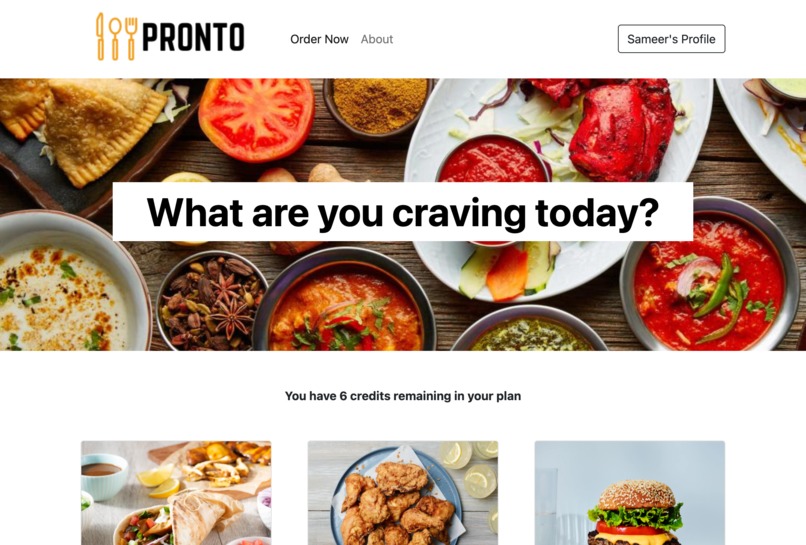
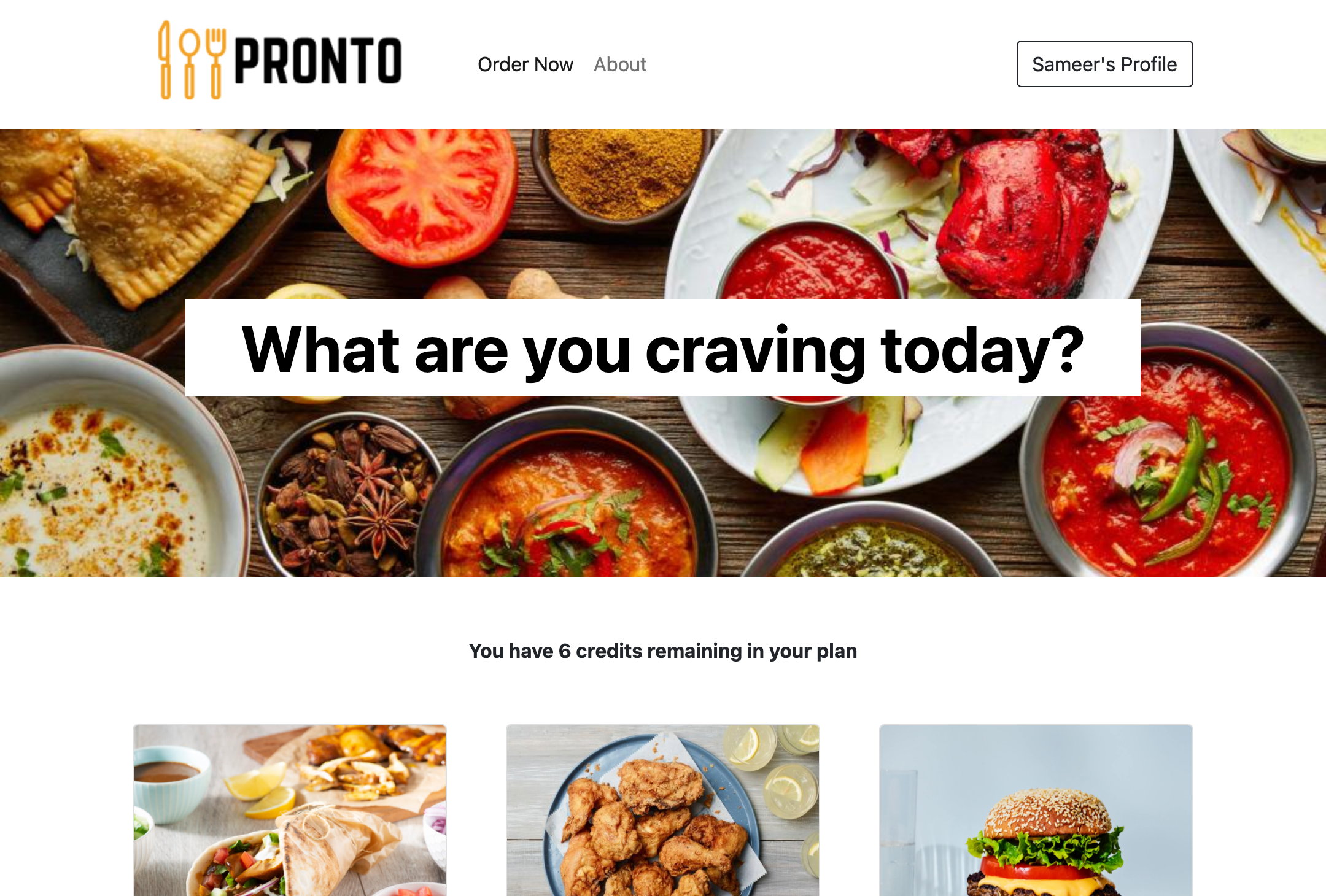
View restaurants page
-
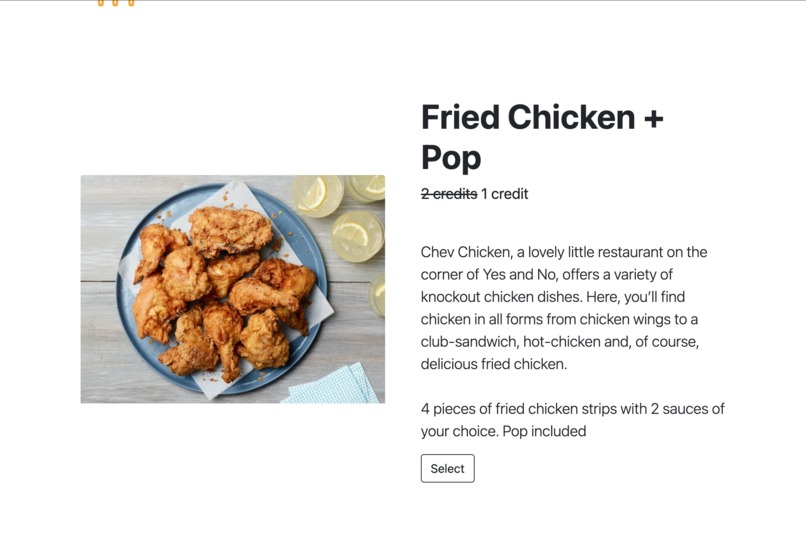
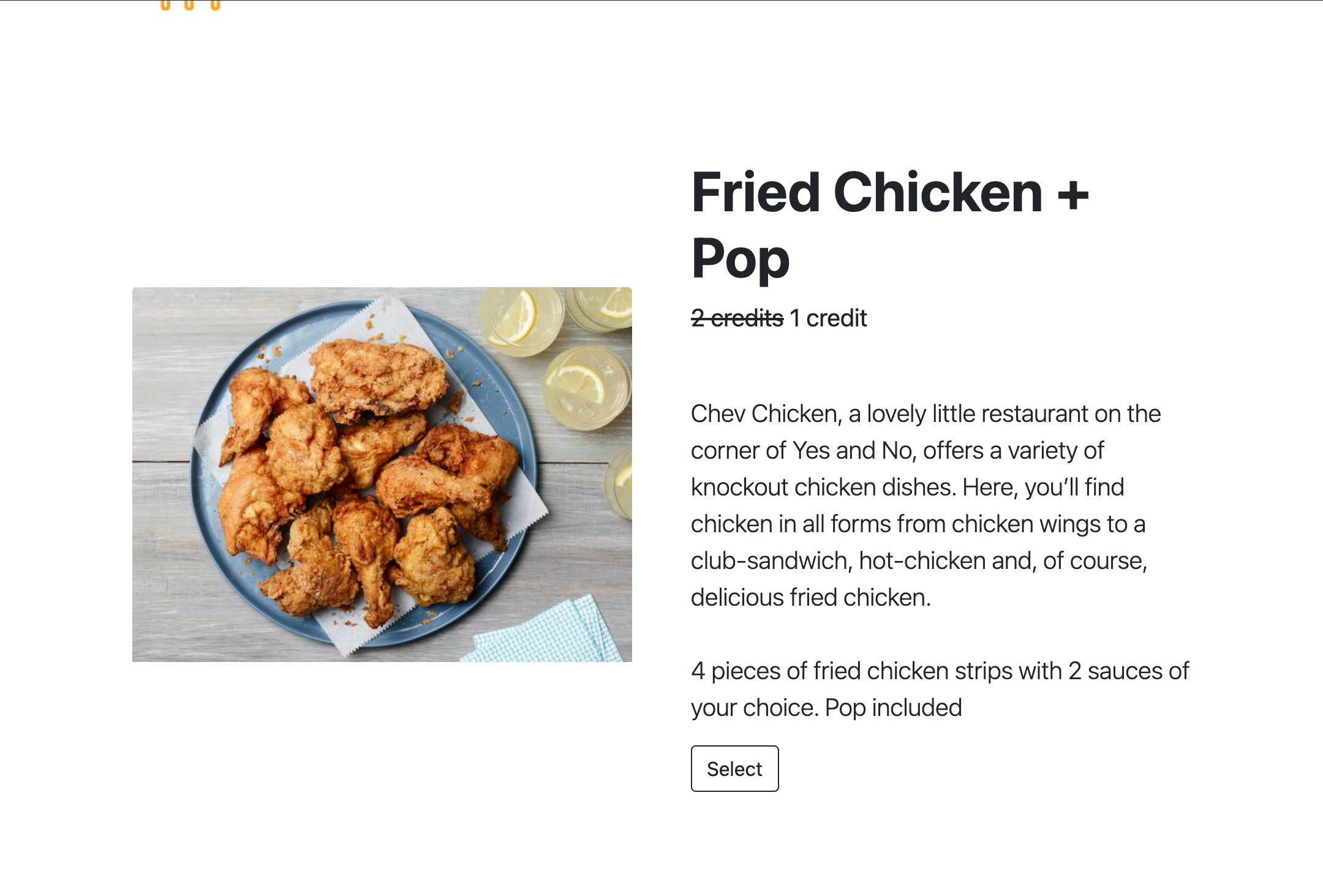
Restaurant/meal description page
-
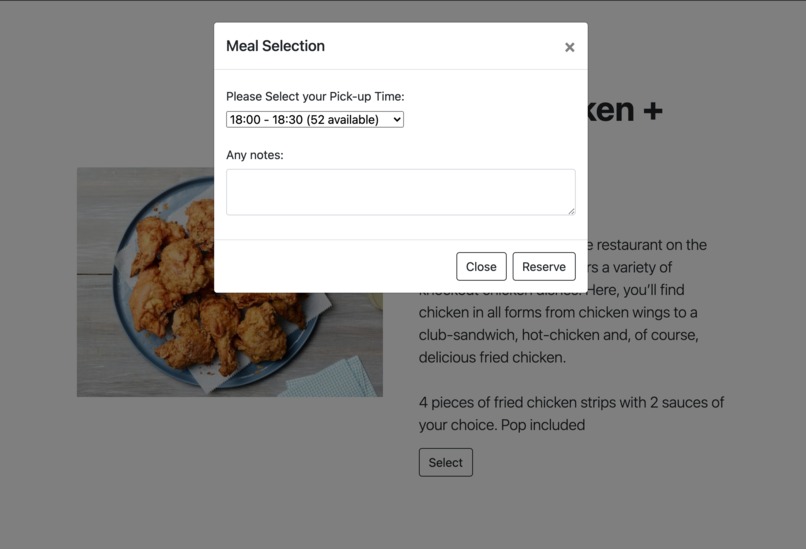
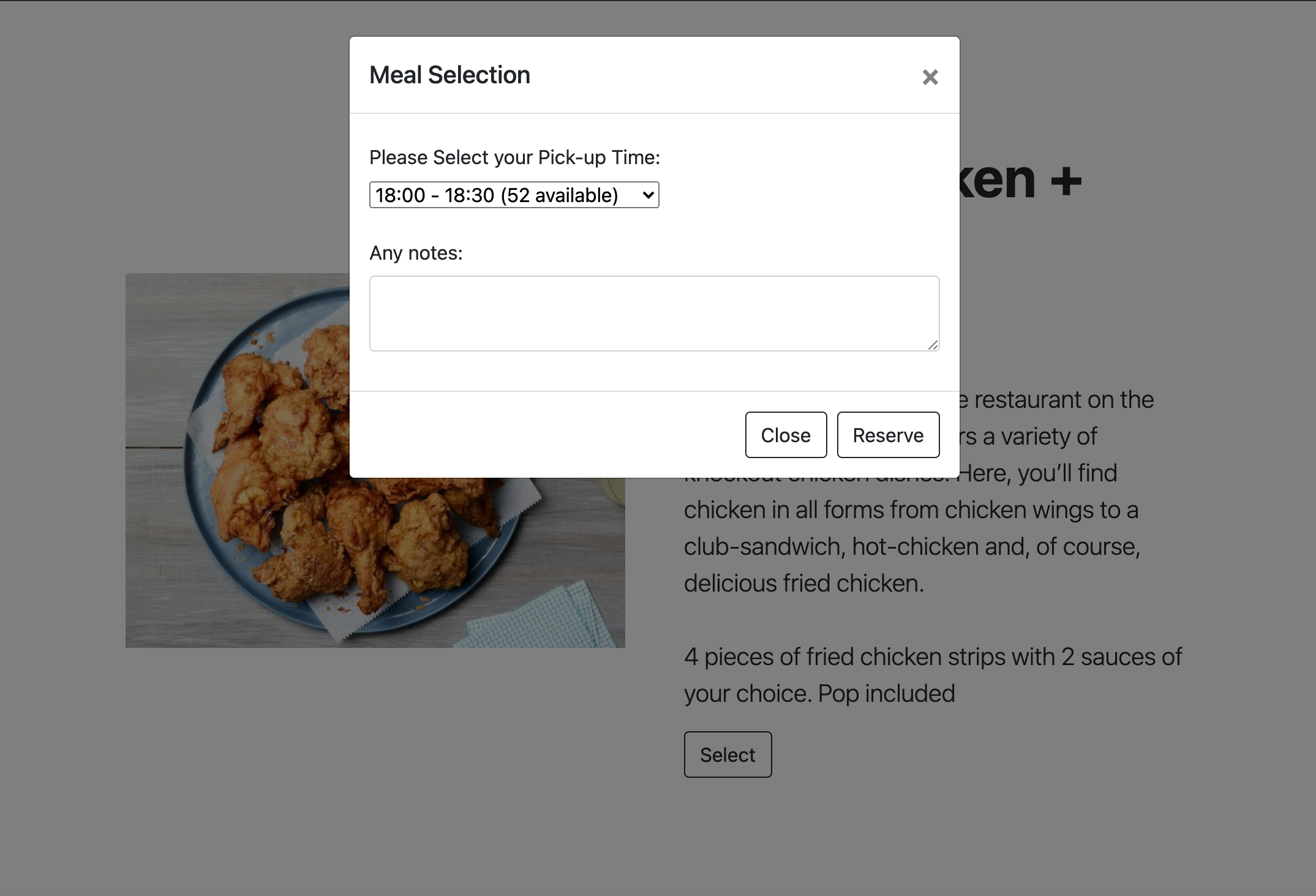
Reserve meal page
-
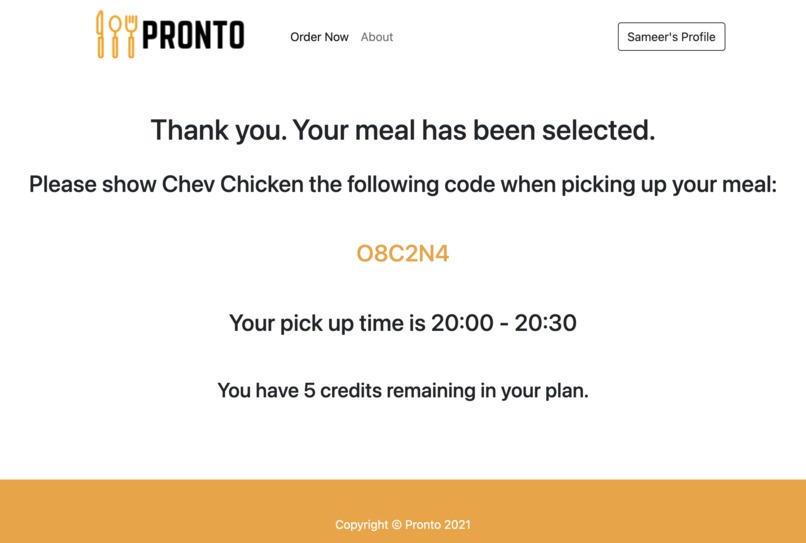
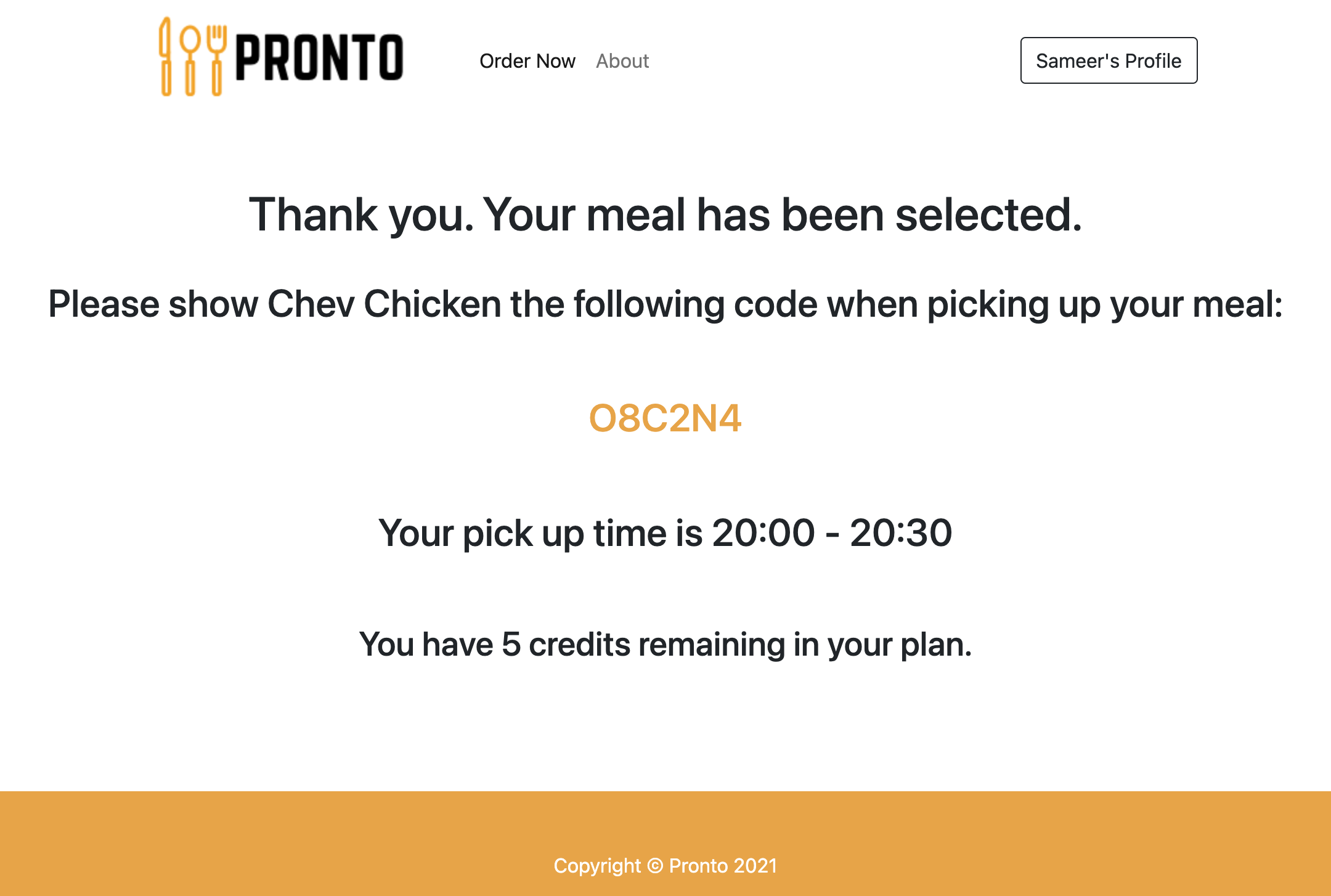
Order confirmation and code page
Inspiration
I found it extremely difficult to eat healthy during the pandemic and exam season at university. At the same time, I also couldn't afford to eat out every day. I always thought that there had to be a better way. That's when I thought about Pronto. Cheap, easy, and fast meals.
What it does
Pronto is a credit-based subscription service to your favourite restaurants. Prontonians select 1 meal a day from a restaurant of their choice (and on our list of restaurant partners) by 10 am on the day they are selecting. They also select the dinner pick-up time that they are planning on going to the restaurant at. Finally, they receive a unique pick-up code that they show to the restaurant when they go to pick up their food. The restaurant automatically keeps the food ready for the pick-up time so the Prontonian can just walk in and walk out in less than 30 seconds.
On the other side of the platform is our restaurant partners. Restaurants log in to their portal and upload 1 (yes, only 1) menu item that they are willing to on Pronto for that day. Be it a beef burrito, a medium pepperoni pizza, or a chicken club sandwich. What's important here is that Pronto does not allow any customizations and swaps. This is to keep things simple for the restaurant and the customer. We want the restaurant to be able to quickly produce 100 of the same item without having to take on any extra strain.
There might be two questions that come into your mind:
1. What's in it for the restaurants? Demand smoothing. When you think about it, a restaurant has to pay their staff for all the hours that they are at work, regardless of how busy (or not) it is, and what the staff is doing. This is what Pronto is taking advantage of. Since Prontonians HAVE to select their meal by 10 am, Pronto can give the restaurant the quantity of the meal that they have to prepare and by what time they need to have a certain quantity ready. Thus, this means that the restaurant can generate more contribution margin by using staff that it is already paying for more efficiently. Simply put, the restaurant takes the quantity of food it has to prepare for a particular time and does it during their off-peak hours with staff that it is already paying for.
For example, if I am a Mexican restaurant owner, I can put Burritos + Soda on Pronto for the day. By 10 am I receive 100 orders for burritos through Pronto. It's only 10 am! My restaurant is empty because no one wants food at 10 in the morning, but I'm already paying for my waiters to start opening up the store, my chefs to start up the grill and prepping the ingredients, and then they just wait for customers to come in so they can cook. They are still paid to work but there is no work, so I can use this idle time for them to start prepping the 100 burritos for dinner tonight. They can make sure there's enough rice, prepare beans, prepare the vegetables and keep it all ready in this idle time.
Now, restaurants would be more than happy to sell the food a little bit cheaper if they can sell more. They have unused capacity and producing more will only increase their total contribution margin. So Pronto can get the burritos for cheaper, and pass these savings on to the Prontonians after taking a small cut.
2. What's in it for Prontonians? Extreme savings and convenience! Imagine walking into the restaurant and walking out in 30 seconds or less. Now imagine doing that but at a fraction of the cost of regular pick-up. That's what's in it for Prontonians.
Place your order by 10 am, forget about it. Get your reminder text, go to the restaurant, show them the code and you're done.
How I built it
I used CockroachDB to store the list of restaurants and the list of orders. I used Django and Python for the backend and a bunch of bootstrap templates for the front-end. Twilio was used for the chatbot and the order confirmation.
Challenges we ran into
For this hackathon, I was more focused on the business side of things so I just hard-coded a lot of stuff. I also spent a lot of my time learning Django and Python so I could try something new.
In an ideal implementation, I would've filtered restaurants based on user location, put them on a map, etc.
I would've implemented an actual chatbot instead of just hard-coding one for the demo
I would've ideally liked to design my own front-end for the first time. May I will do this for my next hackathon with React.
Finally, I would've loved the website to be a little more dynamic rather than always going to Chev Chicken no matter which restaurant you clicked on. The same applies to reminder notifications, order codes, etc. They were all hard-coded mainly because I wanted to focus on the business presentation and just thought of this as a proof of concept.
Accomplishments that we're proud of
I learned a lot, and I completed this entire project on my own. I learned Django and Python, how to use ngrok properly, and even CockroachDB/SQL. I literally switched my entire tech stack from MERN and I really enjoyed learning new things.
What's next for Pronto
I definitely believe in this business idea and I'd love to build a working version and see how it works in my university town. I am thinking about it and will try and build something with my friends when I have a bit of downtime.


Log in or sign up for Devpost to join the conversation.