-
-
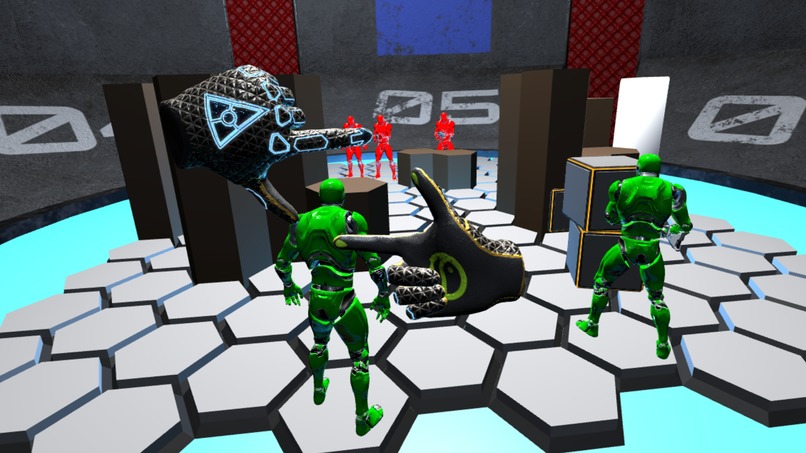
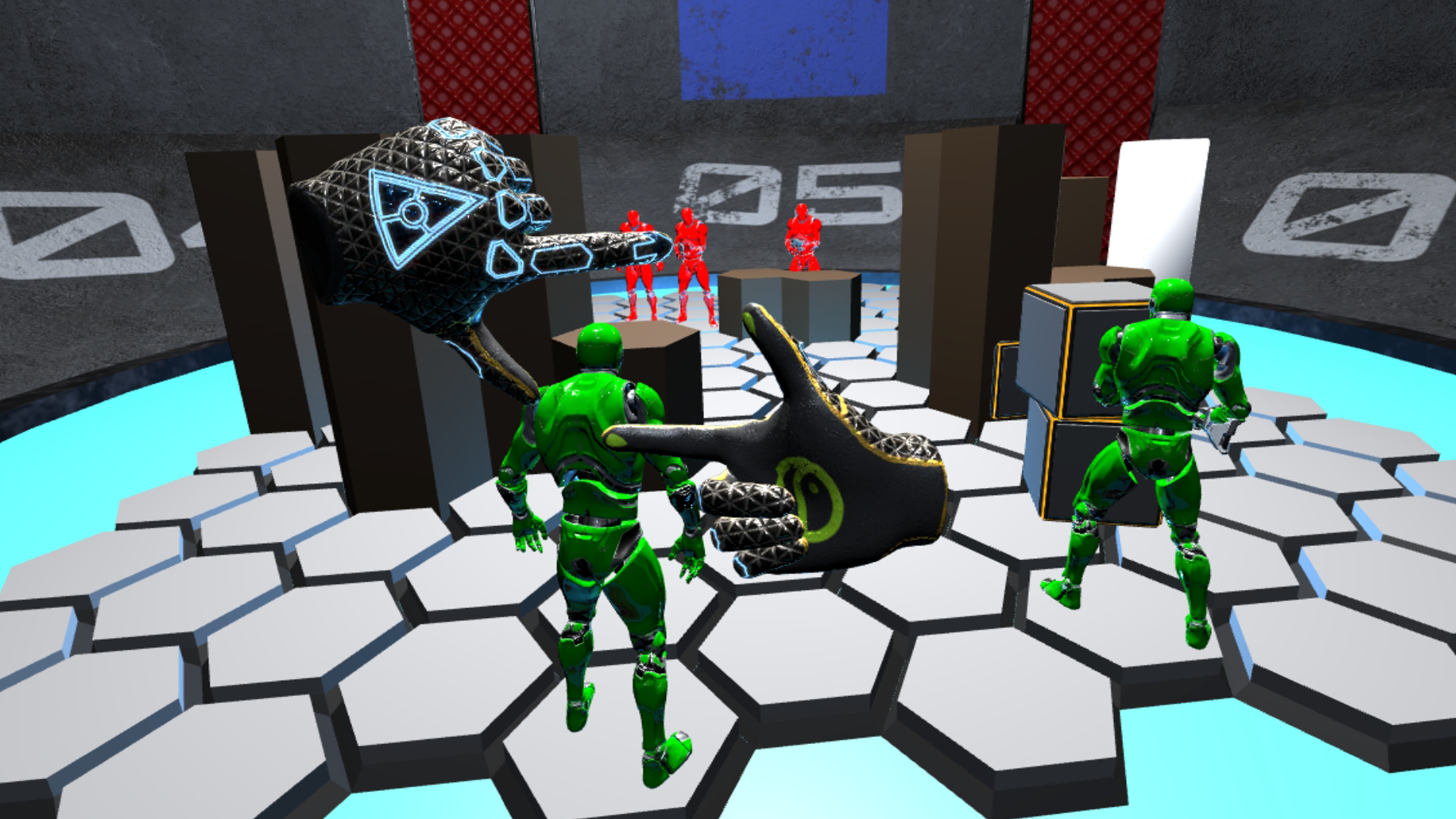
Test level envirement with custem 3d assets.
-
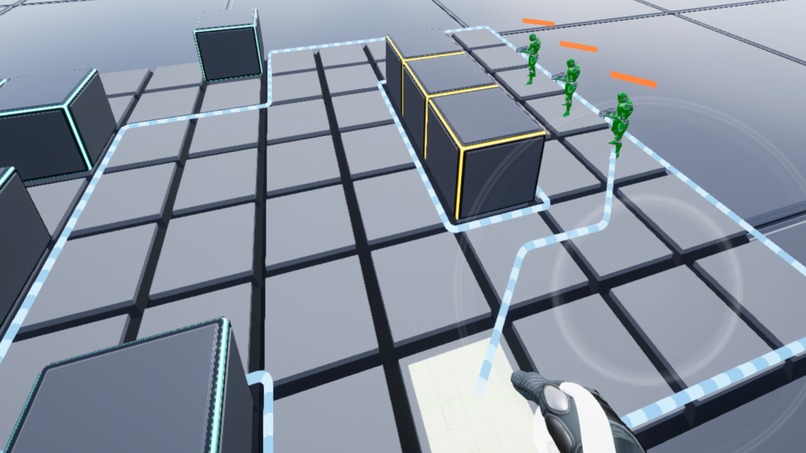
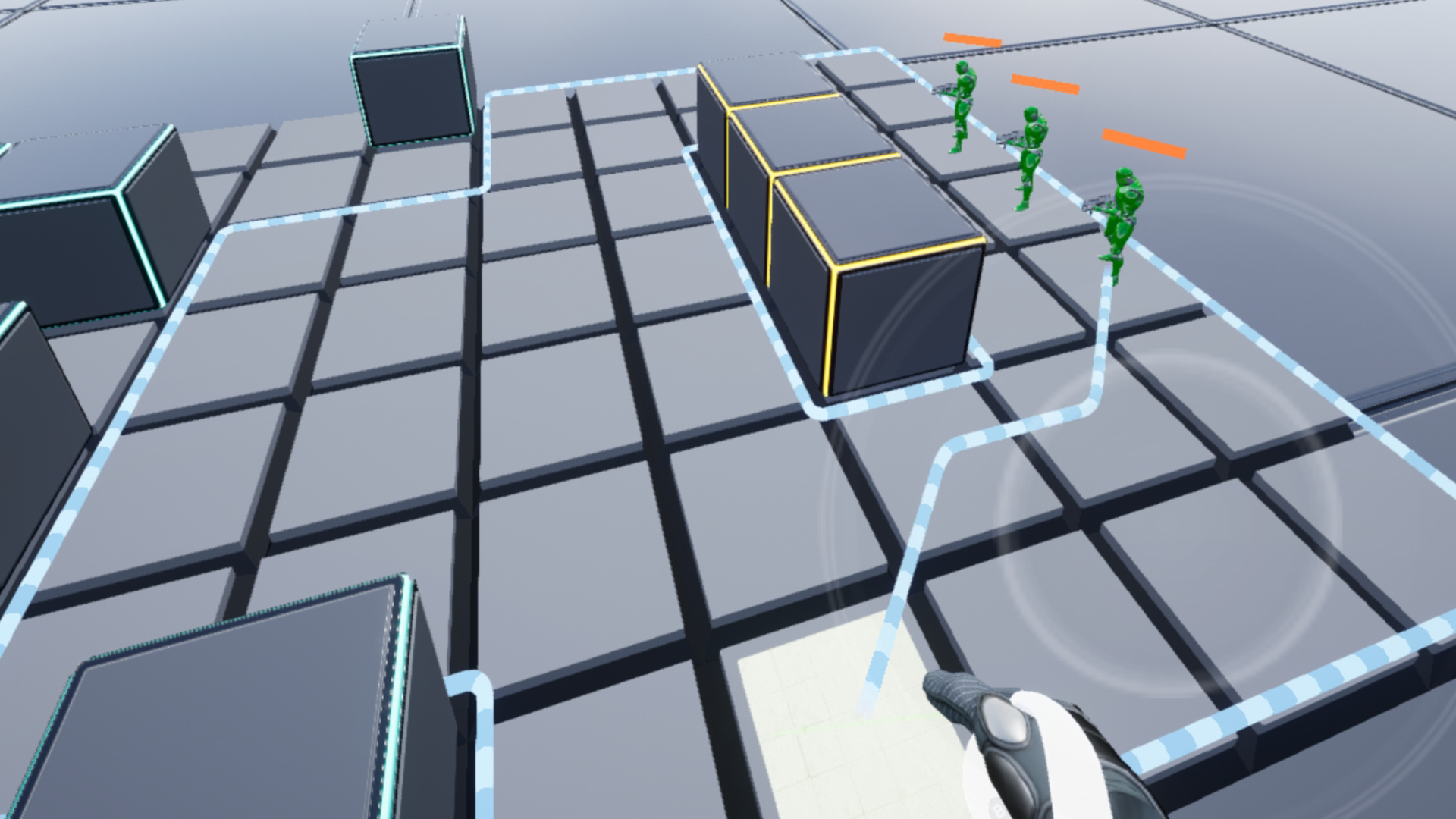
Blueprint proof of concept with the Advanced Turn-Based System.
-
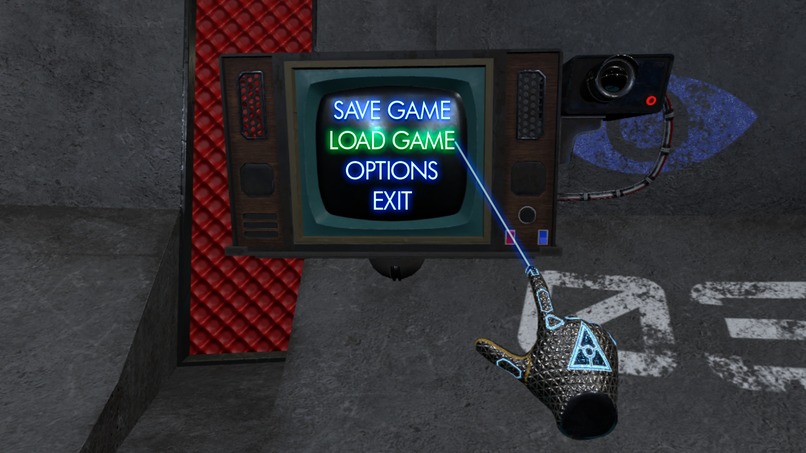
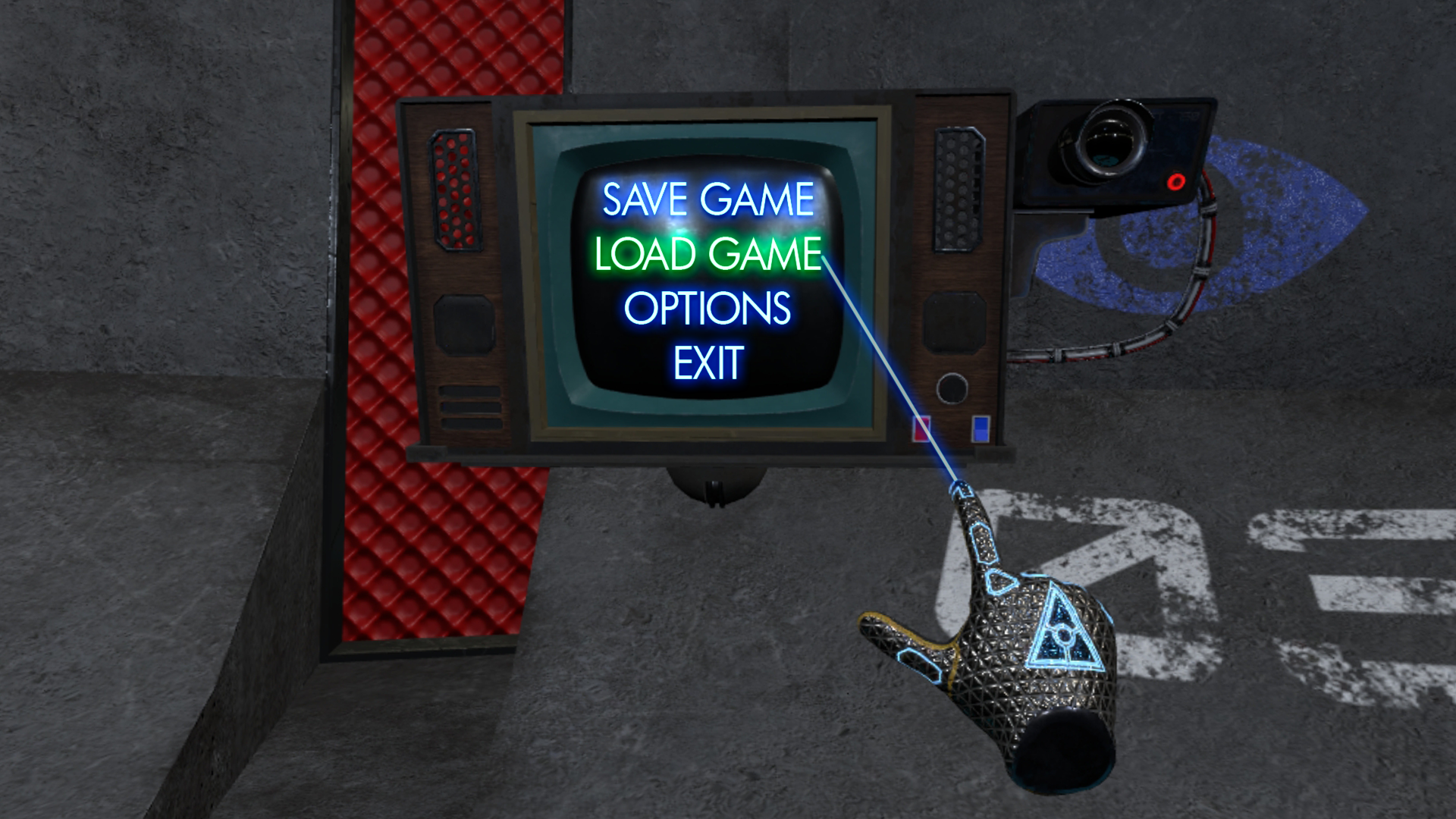
Use of envirement for ui elemts.
-
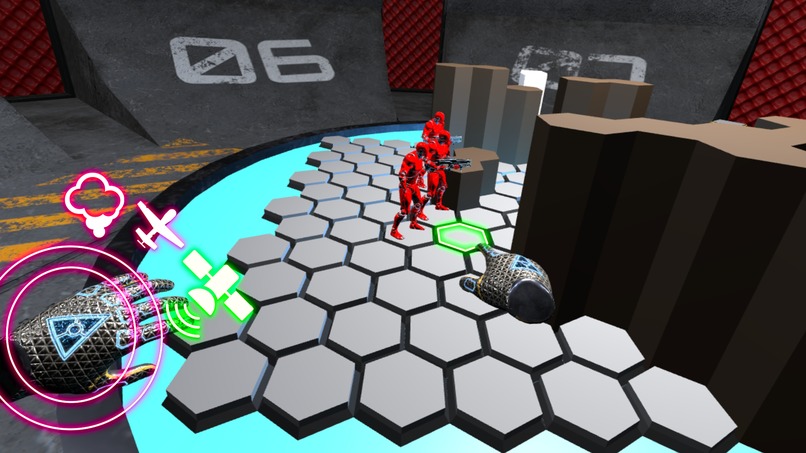
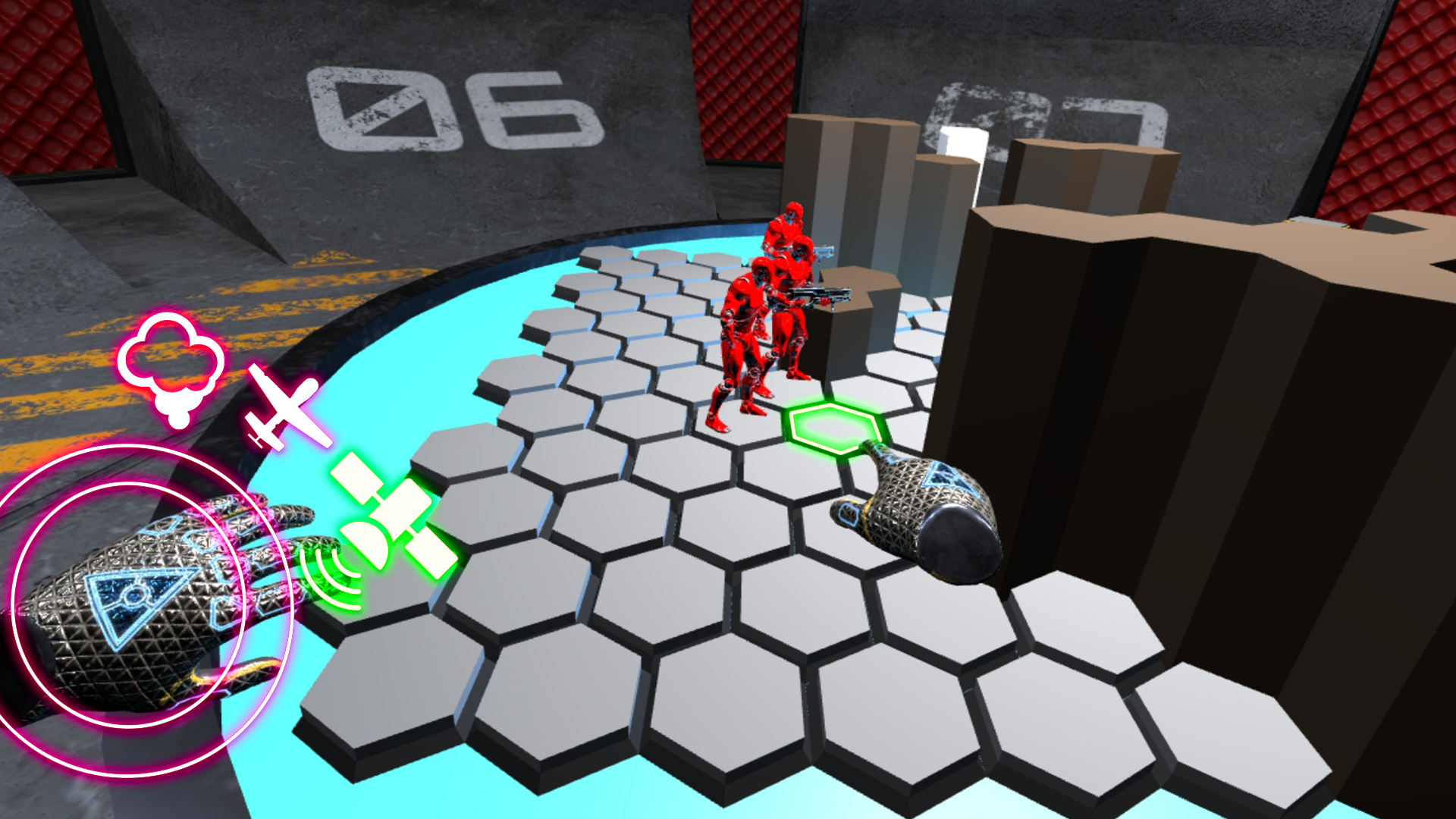
UI mock-up for the user abilitys.
Inspiration
In the beginning, my focus was on brainstorming ways to incorporate various VR opportunities, including the integration of the new sense and interaction packs. I was surprised to find that most of my ideas were already in existence. However, after conducting some research, I discovered that there is a significant lack of true turn-based strategy games. While there are a few classic RPGs and turn-based tabletop games influenced by Dungeons and Dragons, there are no genuine 4X-style games.
What it does
When the game is first launched, players will enter the starting lobby where they will be introduced to a short story or mission briefing. From there, players will take control of their custom warriors and lead them through a series of terrains and scenarios, facing off against enemy units and completing mission parameters and minigames. Thanks to VR technology, players can enjoy exciting gameplay mechanics like custom aiming and cover mechanics, as well as powerups and interactions that allow the player to directly influence the game's flow. The idea is that the player is a robotic drone with skills and items participant on the maps.
How I built it
For my project, I utilized a wide range of software and tools, from advanced 3D programs to simple office applications, with the Unreal Engine serving as my primary framework.
Challenges I ran into
During my project, I faced several challenges, particularly because I was new to using Unreal Engine. Although I had tinkered with it around 8 years ago, the software has undergone many changes since then. So, for the first few weeks, I spent most of my time learning about the development environment while simultaneously creating the design and test level assets. Although I'm better at designing than programming, I managed to create a working prototype by putting together all my assets, sound designs, and even some game events. Unfortunately, I wasn't able to complete the blueprint for integrating the turn-based battle system.
Accomplishments that Im proud of
I'm really proud of how much I was able to learn about the Unreal Engine, starting from almost zero and progressing beyond just the basics. Another thing that I am particularly proud of is successfully integrating the interaction package SDK, which allowed for fully functional advanced hand tracking in the application!
What I learned
I've found the VR development environment in Unreal to be quite challenging compared to Unity, especially with the limited integration of the open XR Library. Additionally, the workflow for importing assets into Unreal can be repetitive and time-consuming. I'm currently exploring ways to automate certain elements like materials and animations to make the process more efficient.
What's next for Project-X - Turn-based strategy
I plan to continue working on the project and may even finalize it, although I anticipate having to make compromises due to the complexity of the concept. I am aware that the scope of the project is significant, so creating something that is functional and effective will require a lot of effort and time. Which will not be easy alongside work ;)
Built With
- 3ds-max
- c++
- cinema4d
- substancepainter
- unreal-engine

Log in or sign up for Devpost to join the conversation.