-
-
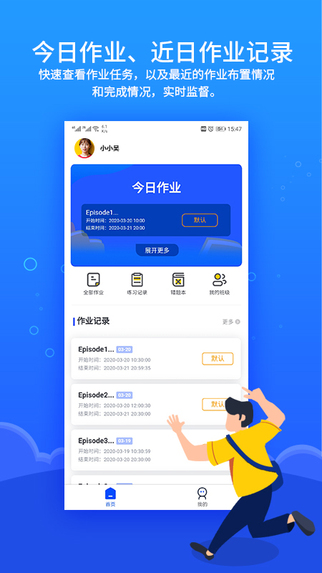
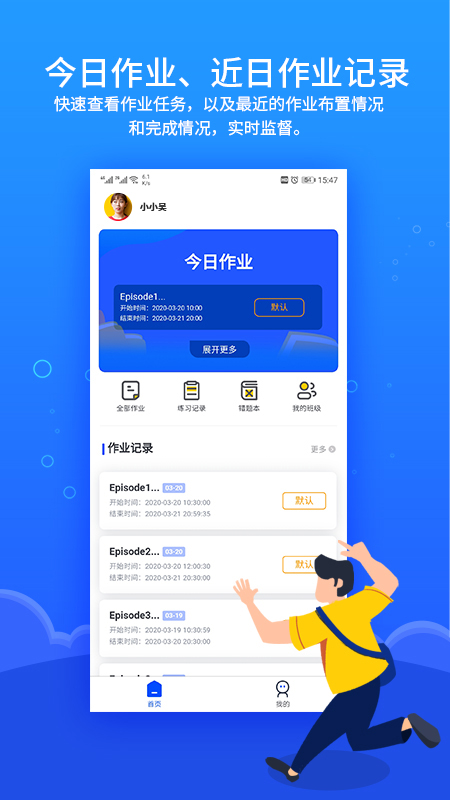
Today’work
-
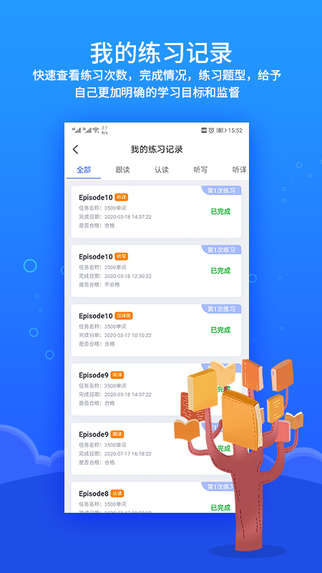
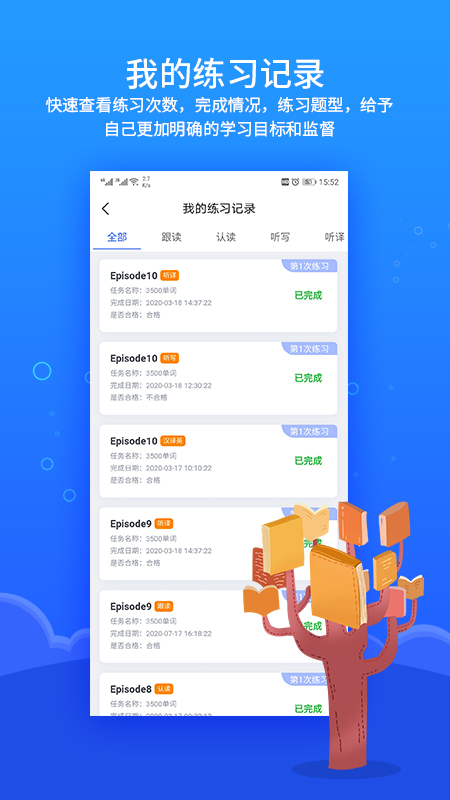
Practicerecord
-
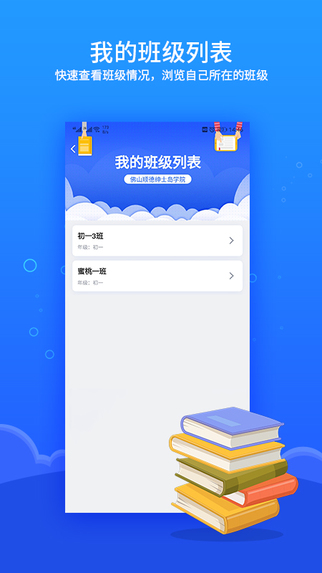
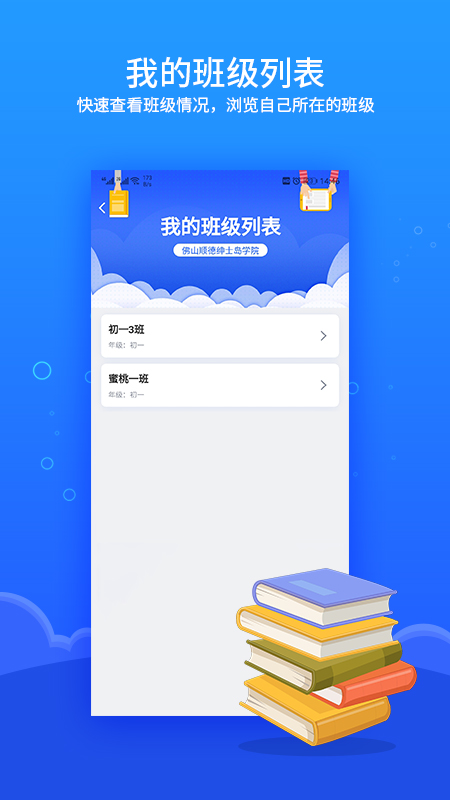
Listofmyclasses
-
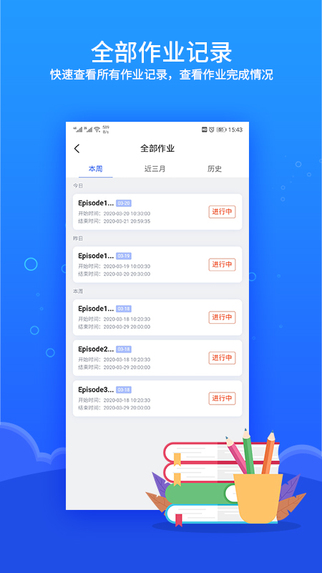
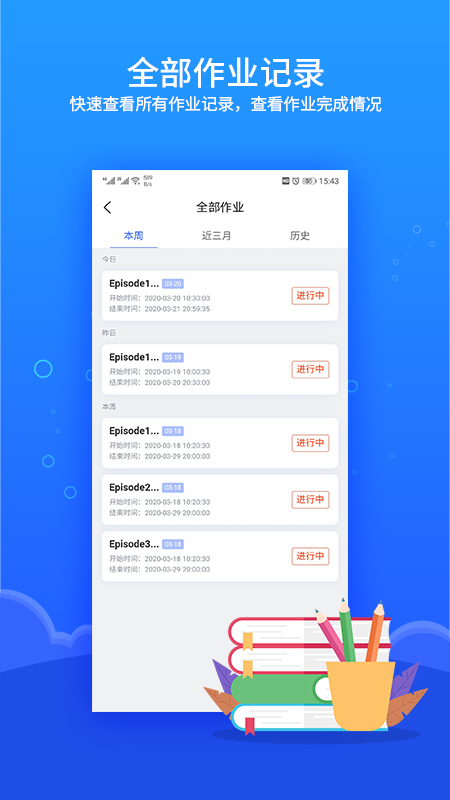
Allassignments
Inspiration
Noticeably, distance-teaching and learning have become the only way of schooling in most parts of the world under the threat of Covid-19. Dealing with students’ English homework generates a big problem for teachers who are some distance from students. Because of the limited teaching hours and communication, teachers cannot evaluate the homework individually, especially when it comes from more than 50 students at once. That motivated us to produce a software—Extendedlearning, which can distribute, check, analyze and report the homework to teachers automatically. We hope Extendedlearning can redirect the teacher’s time and passion from dealing with homework to finding a better way of improving students’ performance.
What it does
All that teachers and students need is a smartphone with the apps for Extendedlearning. There are two different types of apps for the software; one is at the teacher’s end, which is a WeChat mini-program; the other is at the student’s end, an app in Android or IOS store. The teacher’s app is used for organizing his/her classes, inviting students as well as teachers, designating assignments, receiving reports and analysis of each student’s performance. The teacher’s app can enable teachers to select the assignments from the drill-bank and set up students’ working time, accuracy, completeness of their homework, and view what has been distributed to students and what has not.
At the student’s end, by using AI techniques, the app can handle and process almost any type of English homework: recitation, speaking, reading, spelling, the cloze, multiple choices, listening, picture question, writing, calculated reading speed and cognition etc. The app contains more than 800,000 man-made exercises in audio, video, drawing or text forms, covering most aspects of English practice from primary school to college level.
How we built it
    1.Confirm the current issues of the teaching process.
    2.Narrow down solutions to issues and prioritize functions.
    3.Create output design with sketch.
    4.Create templates using vue and mini-programs on WeChat.
    5.Establish a united databank format of question types.
    6.Solved the problems of how to input various kinds of questions /answers from different subjects
    7.Display the performance of students by analyzing the input data using multiple-dimensions
      (pronunciation,semantics, recognition, spelling, and so on)
    8.Collect the data and report and display it on student and teacher apps.
Challenges we ran into
It was a real challenge for programmers to understand and convert the linguistic and teaching procedures into a software that can easily be used by individuals without a manual. Another big barrier for us was to input various question/exercise types into the database with a large variety of answers/choices.
Accomplishments that we're proud of
We are delighted to see that our apps can satisfy varied requirements of assignments from teachers at different levels. What the apps can do for teachers makes us very happy.
What we learned
To program the apps, it was essential for us to understand the gap between what the software can do and what the teaching needs were. It opened a door for us to be able to promote an education transformation while facing a challenge like the coronavirus.
What's next for Extendedlearning
Try to merge all subjects (math, Chinese, physics, history, etc.) into the apps and make long distance learning fun and effective.
Built With
- css3
- html5
- javascript
- uniapp
- vue


Log in or sign up for Devpost to join the conversation.