-
-
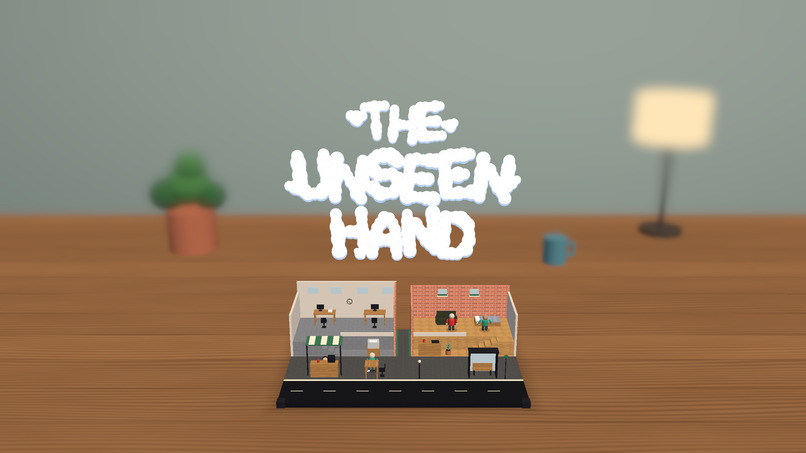
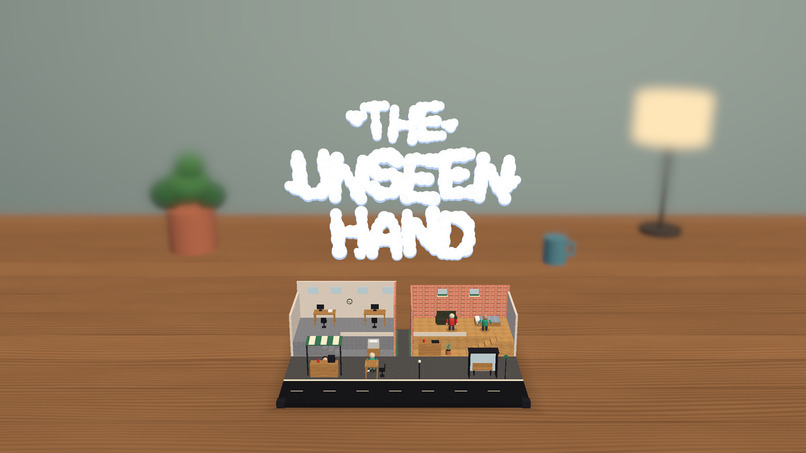
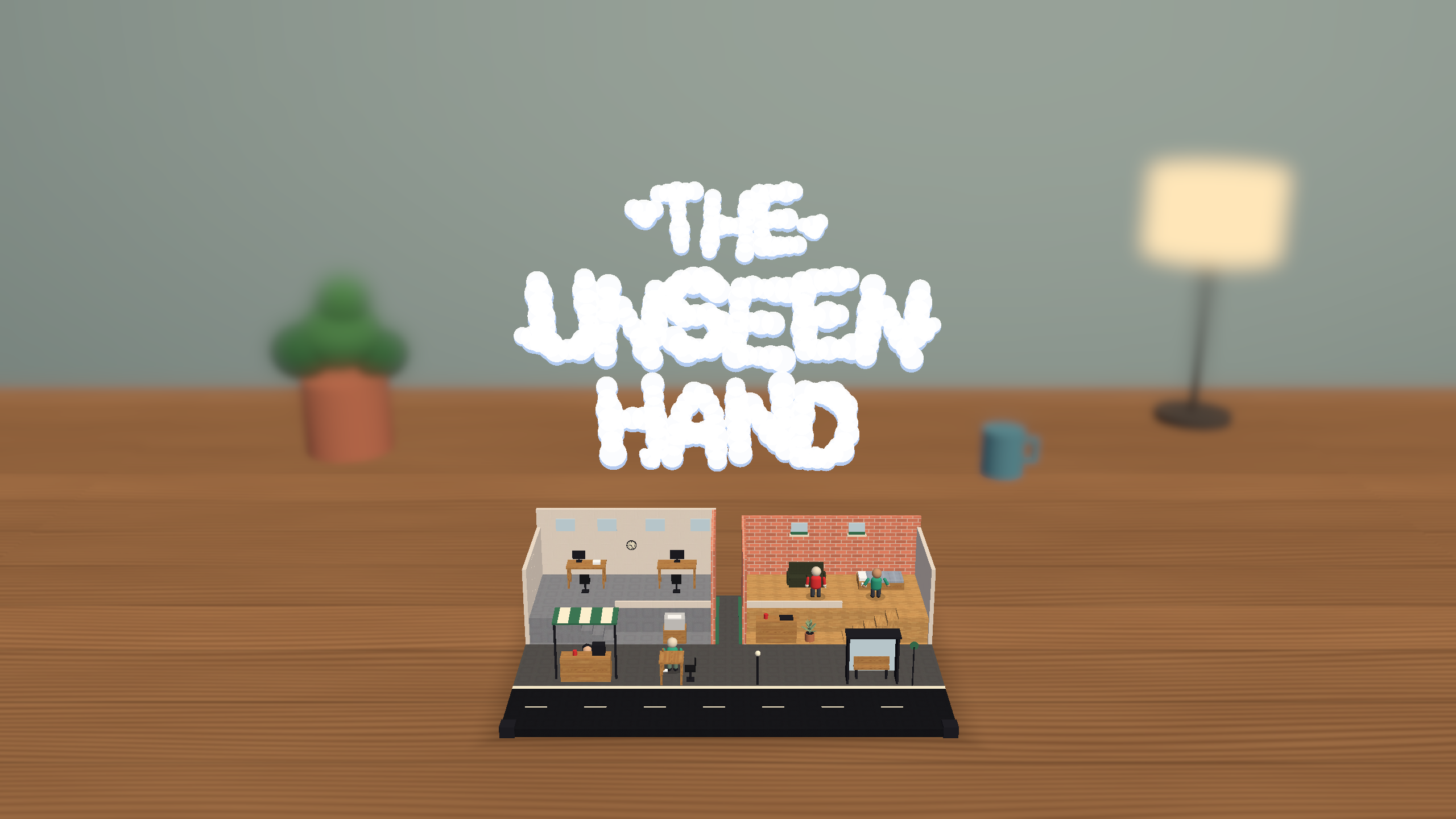
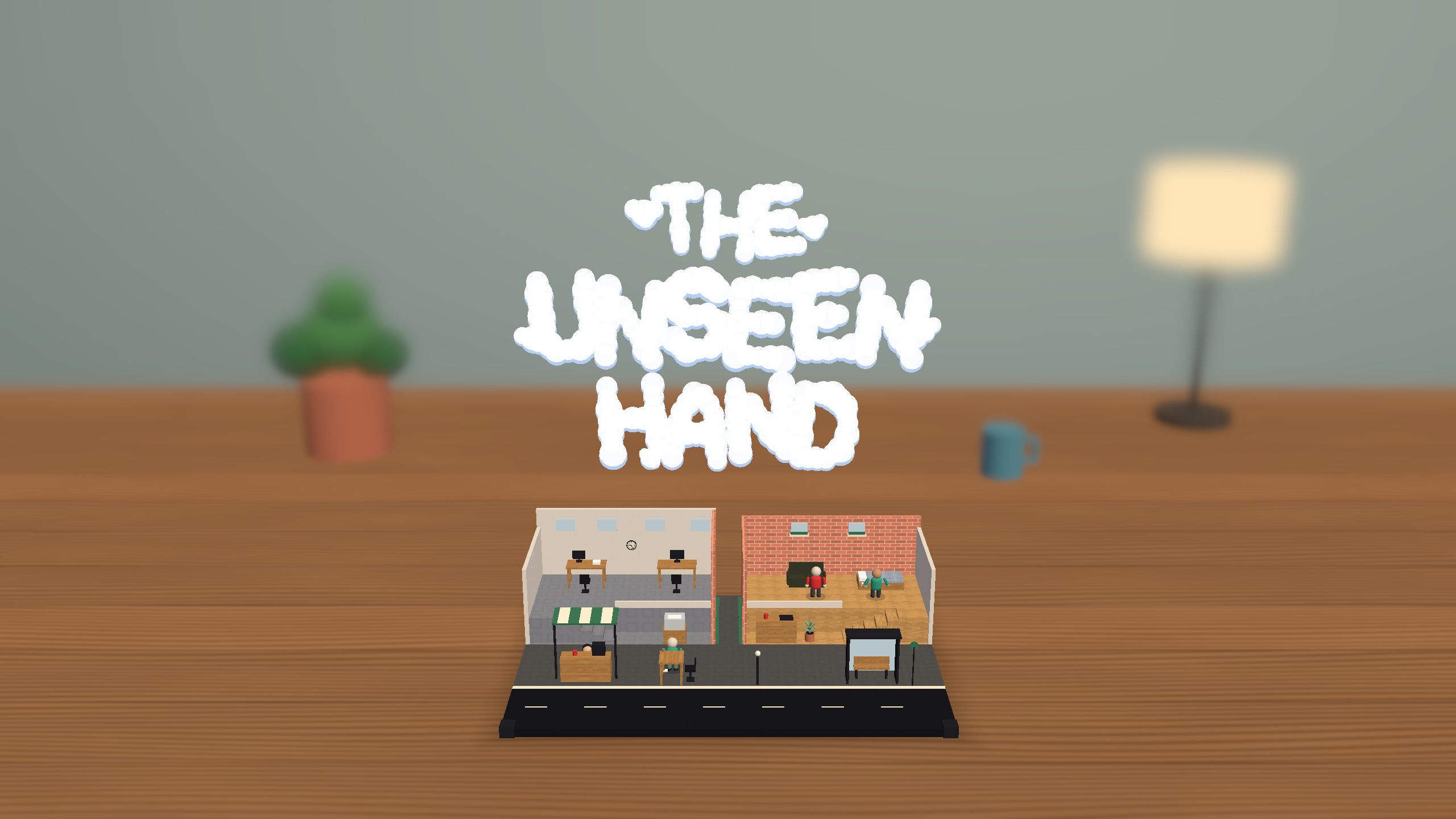
The Unseen Hand: a seated, hands-only mixed reality game for Meta Quest 3. A tiny world lives on your table.
-
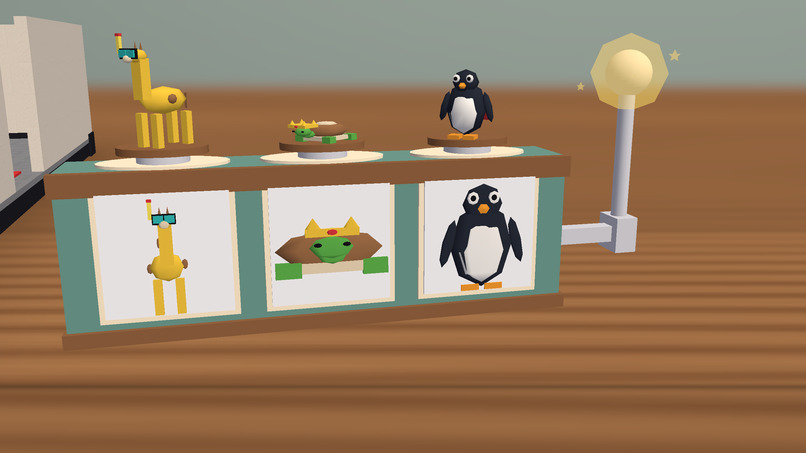
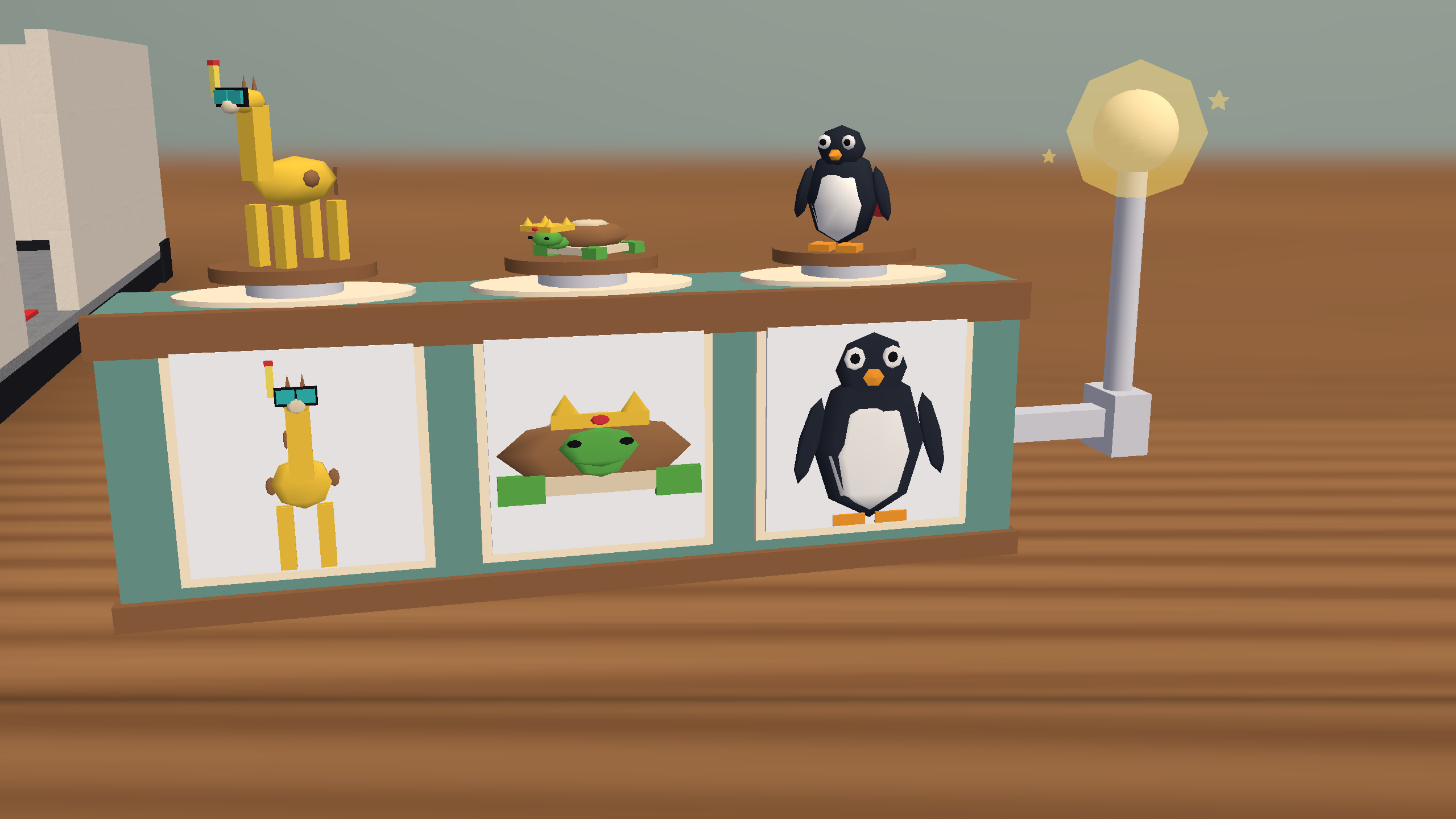
Pinch a lever's knob and pull it down. The reels decide which mischief comes next.
-
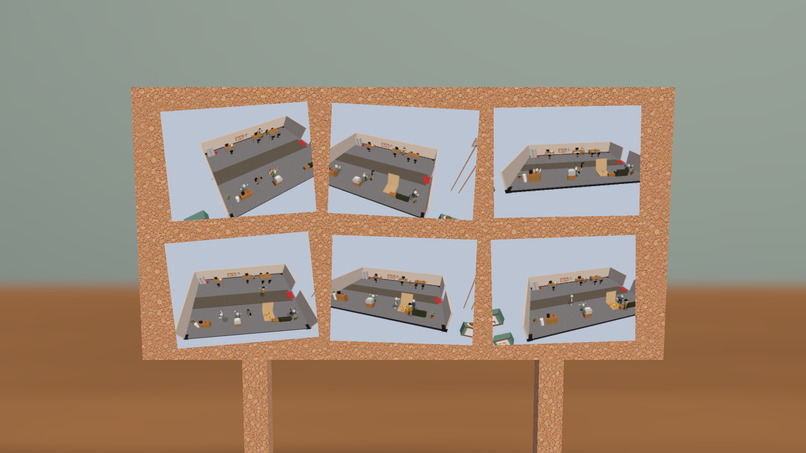
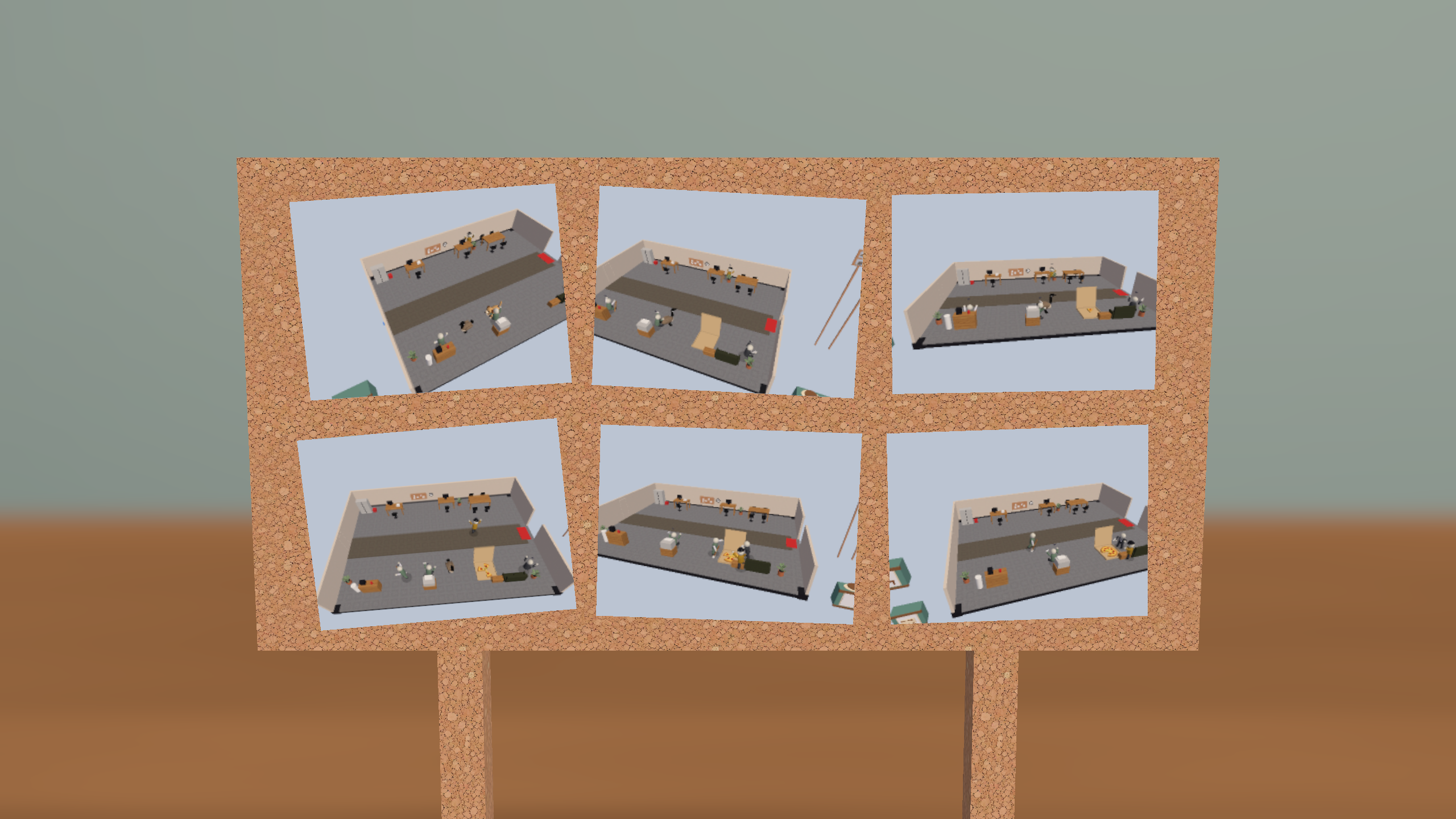
Frame a shot with both hands to take a photo. The prints pile up on your photo board.
-
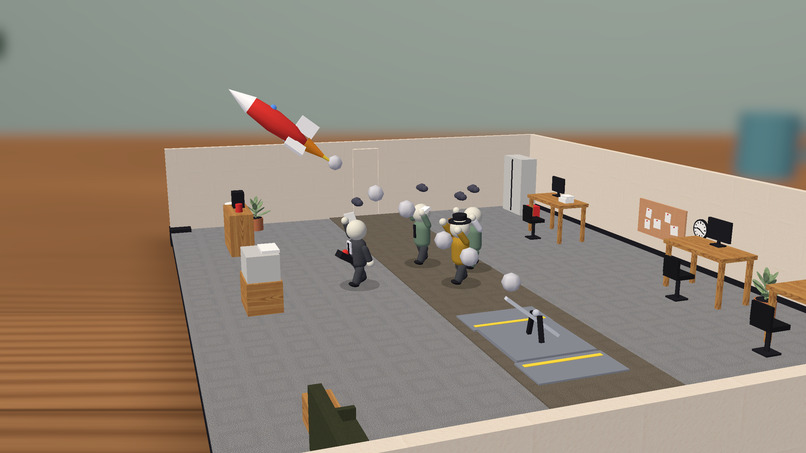
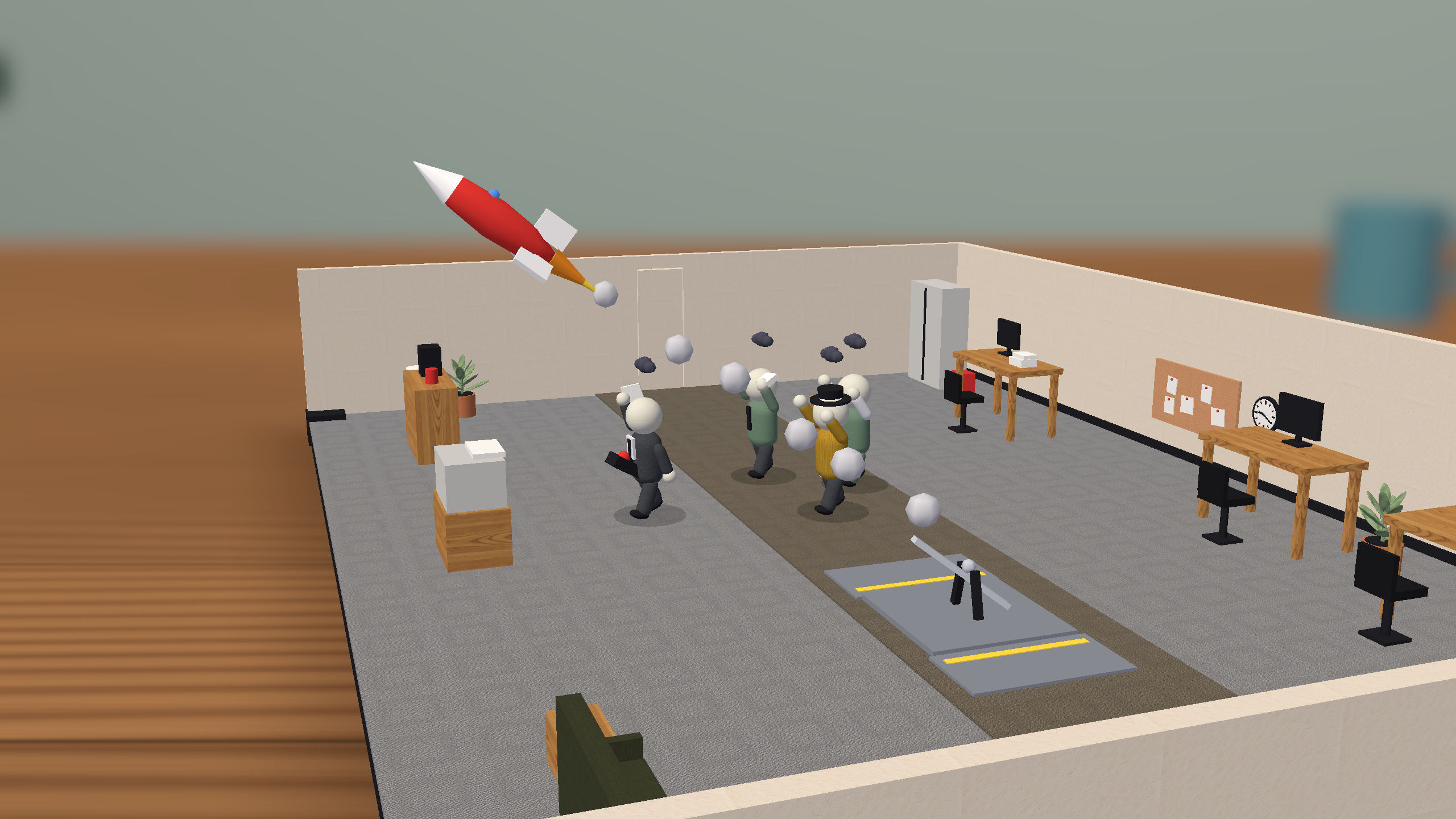
Push the dolls too far and they fight back with a cartoon toy rocket. One of 21 endings.
-
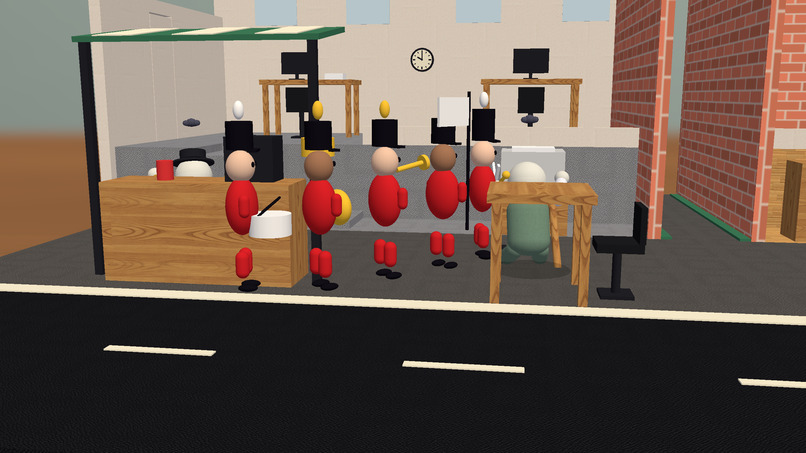
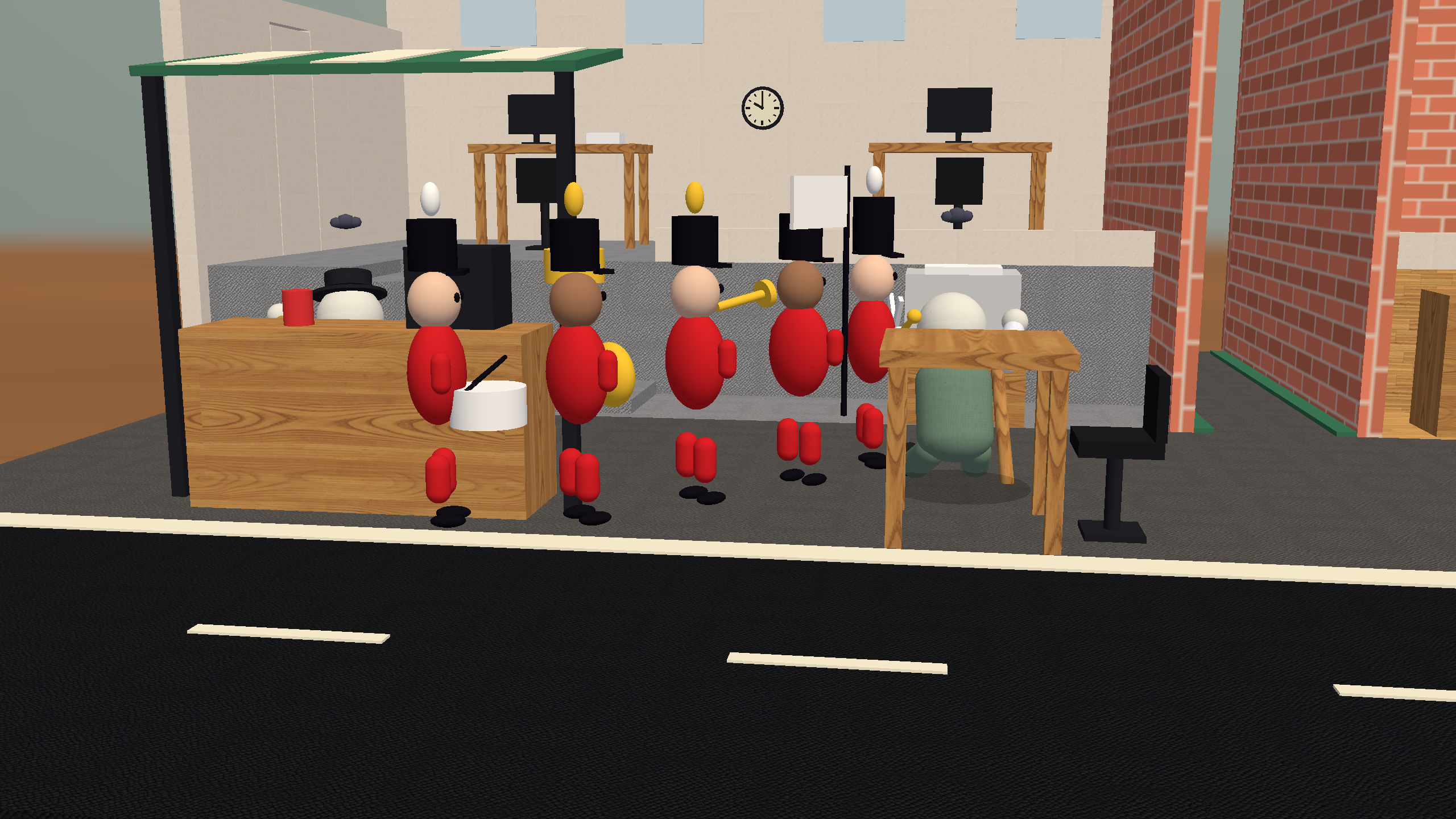
Pull a lever and a parade marches through the street. The dolls stop what they're doing to watch.
-
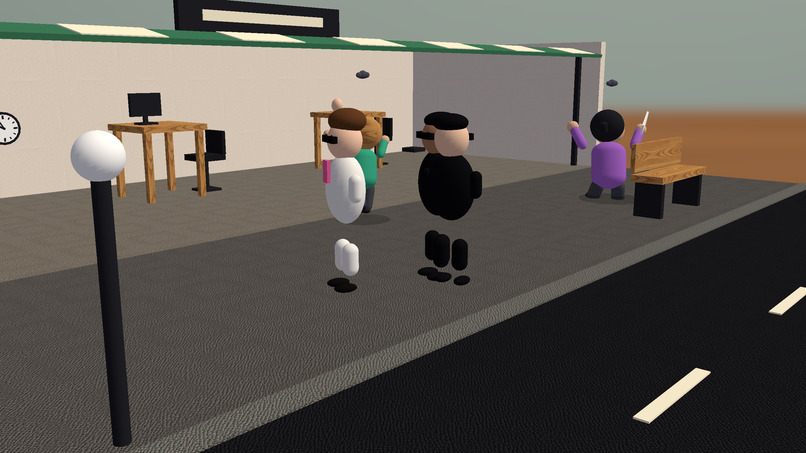
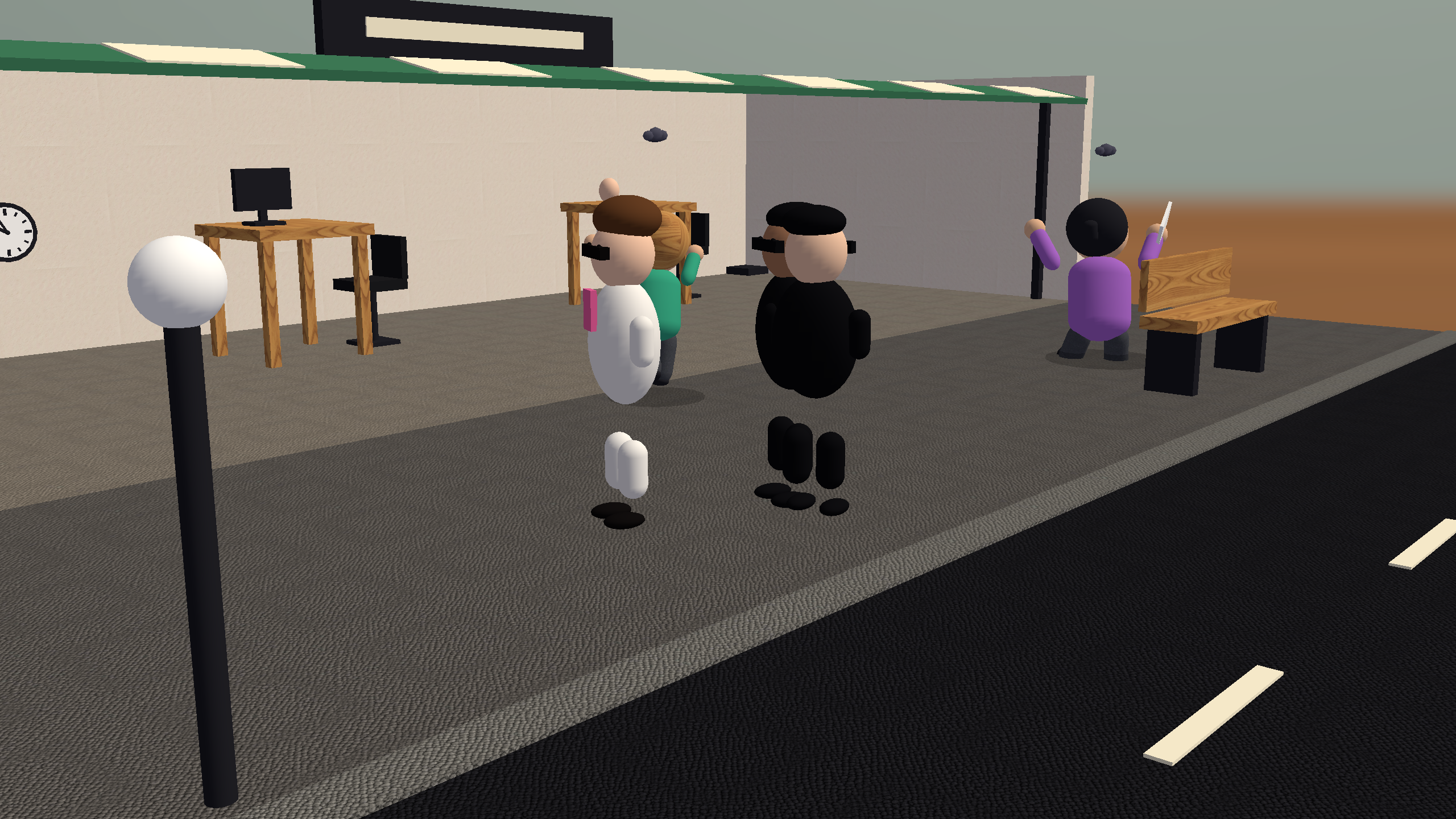
Eight places to meddle with, from the office to the street. You're the unseen hand in every one.
-
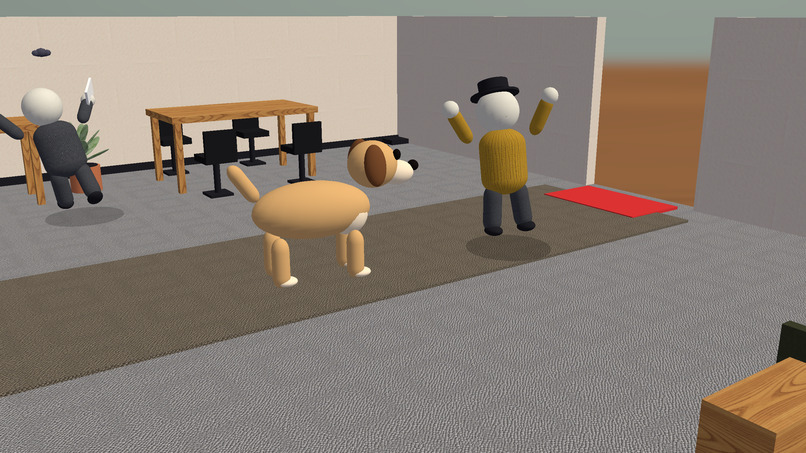
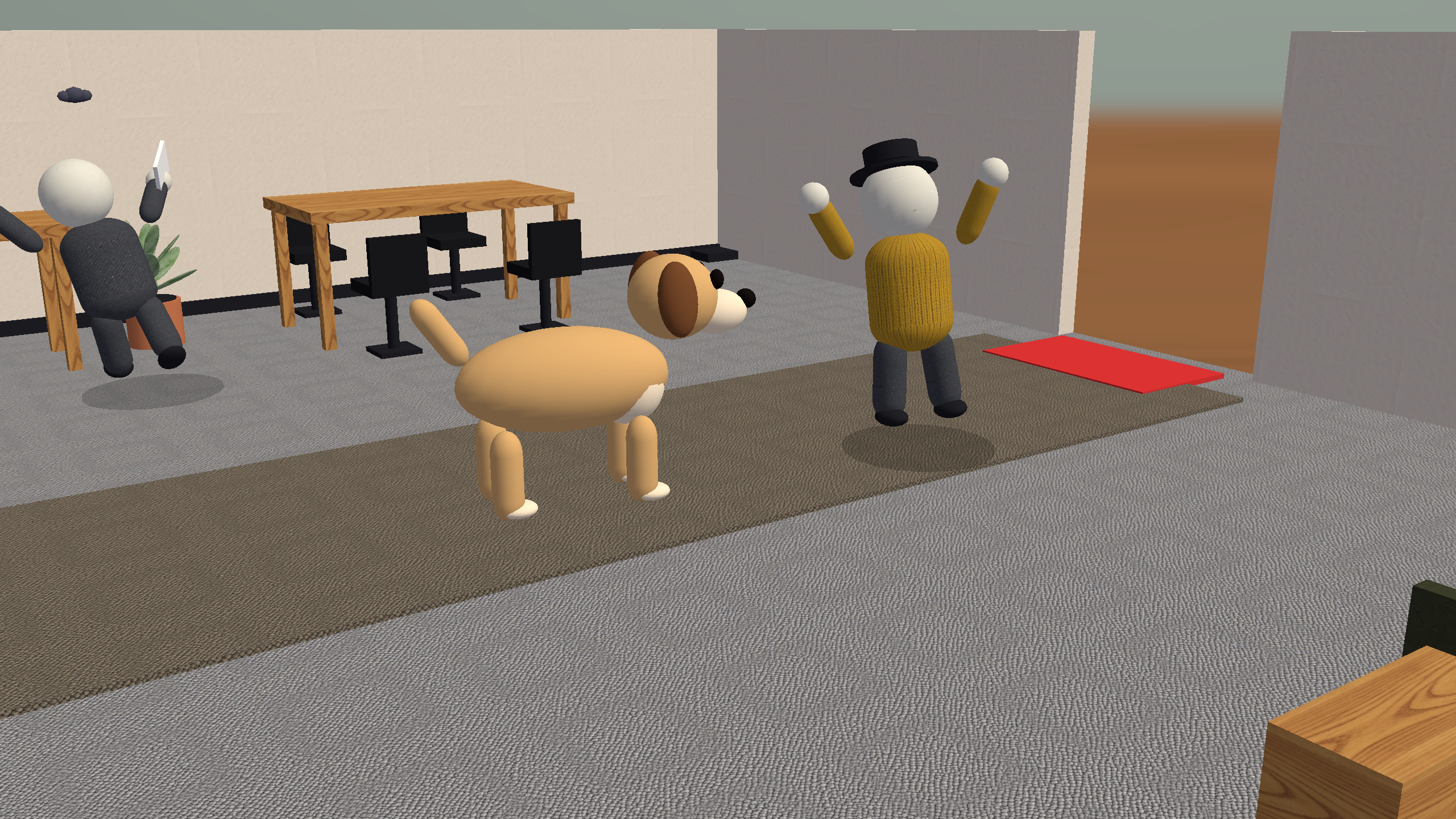
A dog runs loose in the office. Every lever lets something new into the dolls' day.
-
Inspiration
Remember being a kid at the kitchen table with a handful of toys? It took nothing to pretend. You set the scene, picked who the hero was, and decided when the dinosaur crashed the tea party. If a tower fell, you built it again. The little world made sense because you were the one running it.
Somewhere along the way that changed. Now the meeting runs long, the bus doesn’t come, the news piles up, and most days it feels like everything has slipped out of your hands.
We wanted to give that feeling back.
The Unseen Hand puts a tiny world on your real table and puts you in charge of it. Its little people go about their day, unaware that someone is watching, until you reach in. Rain on their parade, or throw them one. Knock over the office or let loose a goose. They can’t see you and they don’t know why their day just changed. They only know that something did.
You are the unseen hand. Come back to the place where you call the shots.
What it does
The Unseen Hand is a hands-first, seated mixed-reality game for Meta Quest 3 and Quest 3S, designed to carry over to the upcoming Meta VR Glasses. The Meta VR Glasses don’t come with controllers, and the whole game plays with bare hands on a tabletop, so it’s a natural fit for them.
Pick a day card and a toy-like diorama appears on your table in passthrough. There are eight places: an office, an apartment, a street, a city block, a classroom, a hospital ward, a cafeteria and a parking lot. Each one has its own day for a cast of role-dolls (men, women and, in most places, children) who go about their routines on their own.
Then you meddle:
With your bare hands: poke, flick, bonk and fling the ragdoll dolls (they always get back up). Hold your hand flat over the scene to make a storm, drop soft blocks in their path, or pull a wall open to see inside. With the chaos panel: an earthquake, a rainy day, a flood, a cat, a pizza party, a mini monster, the Easter bunny, or skip to the next day. With the slot machine: pull a lever to release a random troublemaker, like a dog, a goose, an ostrich, an elephant, bats, a parade, or a made-up star with two bodyguards. There’s no money, no betting and no prize. It’s just how the game picks what happens next.
The dolls notice how you treat them. Be kind and they throw a celebration to thank you. Be too rough and they fire a cartoon toy rocket at you, which you can try to dodge. There are 21 endings to find, and the game remembers which ones you’ve seen. Photo mode prints snapshots of the diorama onto a board, and you can save a print or share it to the headset gallery.
How we built it
The Unseen Hand is built in Unity 6.3 LTS with the Meta XR SDK. It uses passthrough, the headset’s room setup to find your table, a spatial anchor to keep the diorama fixed in place, and hand tracking for every interaction. Touch controllers are optional, and the whole game can be played with bare hands.
Every place, day, character and event is built by hand rather than generated. That keeps each day readable, fair and comfortable, and keeps the game dependable on standalone hardware. The game is fully offline: no account, no cloud service and no ads, and the release build doesn’t even request internet access.
We develop on Linux and deploy straight to Quest 3 and Quest 3S headsets for every build, with a large automated test suite guarding the simulation as the world grows.
Challenges
Making mixed reality magical without confusion. Every action has to be easy with bare hands, visible at tabletop scale, and harmless enough to stay playful. Dolls that ragdoll and always recover, chunky silhouettes, and clear cause and effect did more for that than any tutorial.
Keeping a busy world fast. Eight places full of autonomous dolls, animals and events have to hold the frame rate on a standalone headset. We set a strict draw budget for each doll and test against it.
Chaos with a conscience. A slot machine that never looks like gambling. A cast with a realistic mix of people in every place. No real brands or protected symbols (the hospital uses a green first-aid cross, not a red cross). Comfort first: seated play, no artificial movement, and big shows that stay around the player instead of moving them.
What we learned
Our first concept was a single scene: one bus stop and one tiny rain cloud. Playtesting showed that the magic isn’t in any single prop. It comes from a living routine that reacts to you. So the game grew from one moment into whole days in eight places, while the core stayed the same: a real table, a tiny world, and the joy of watching its inhabitants adapt when you interfere.
What’s next
Richer city life, with dolls that react when they bump into each other, more ways to meddle, and more endings, including the dolls’ own revenge shows.
The Unseen Hand is a trip back to the kitchen-table worlds of childhood, where everything made sense and you decided what happened next.


Log in or sign up for Devpost to join the conversation.