-
-
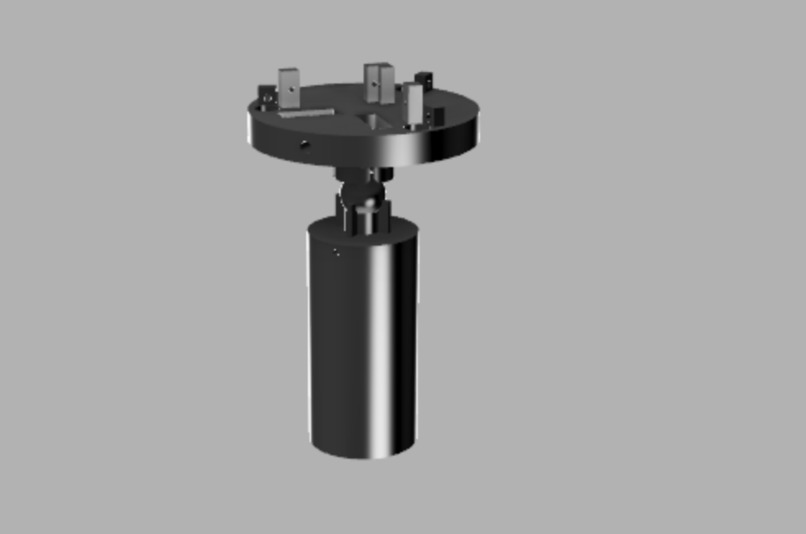
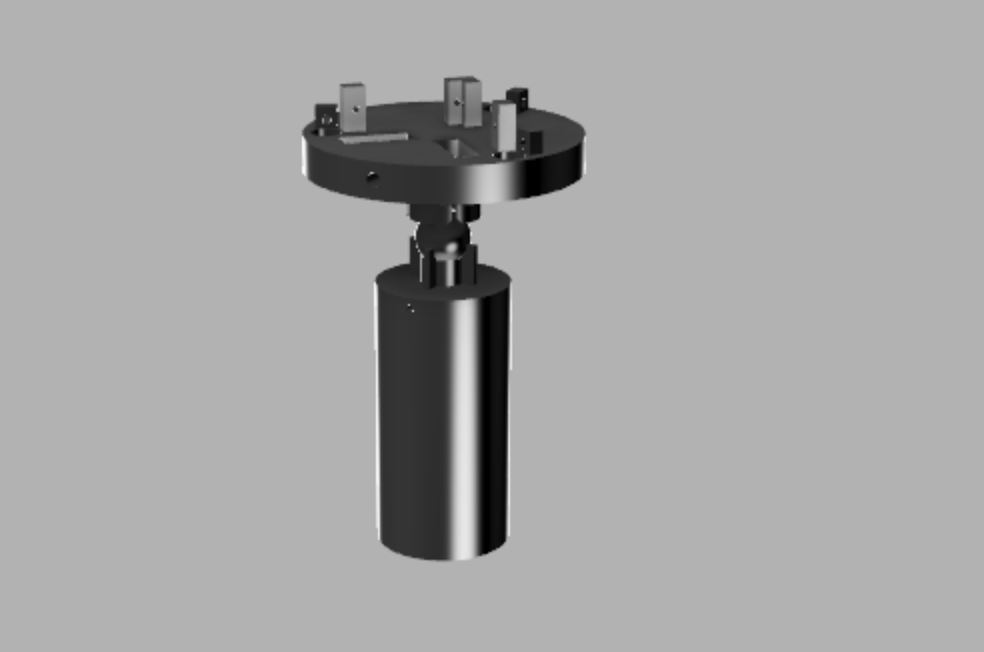
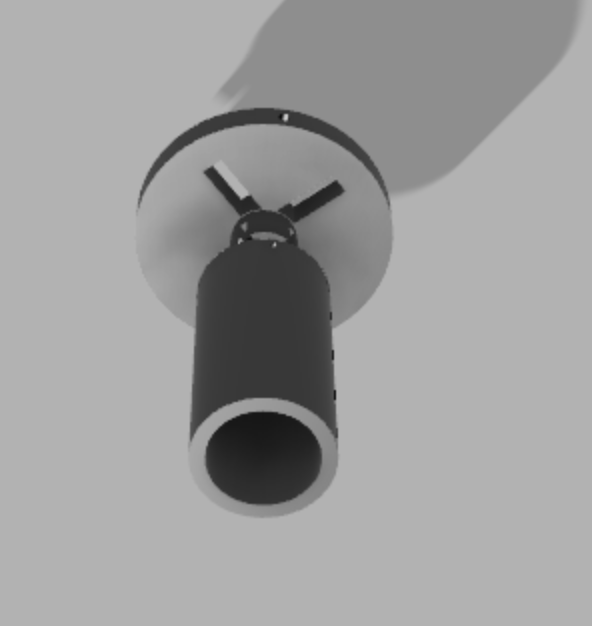
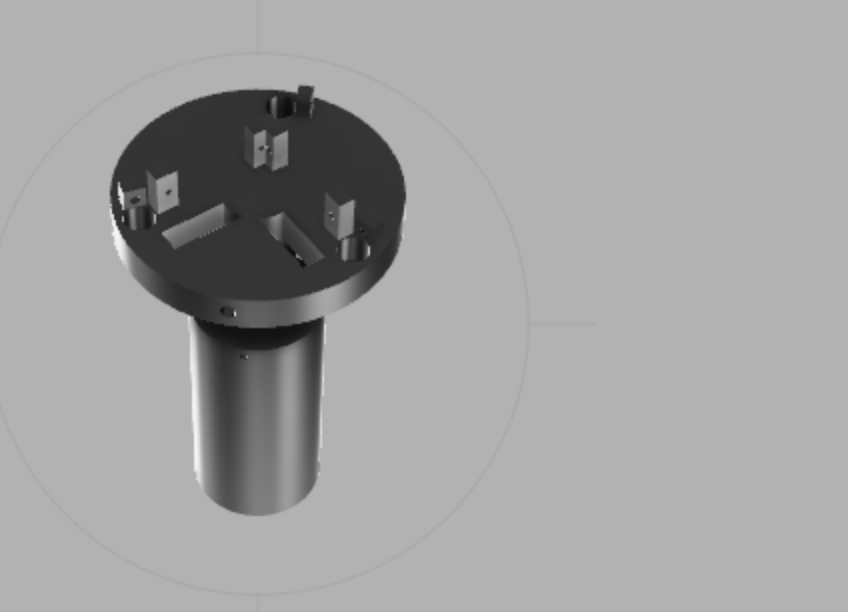
TVC Mount
-
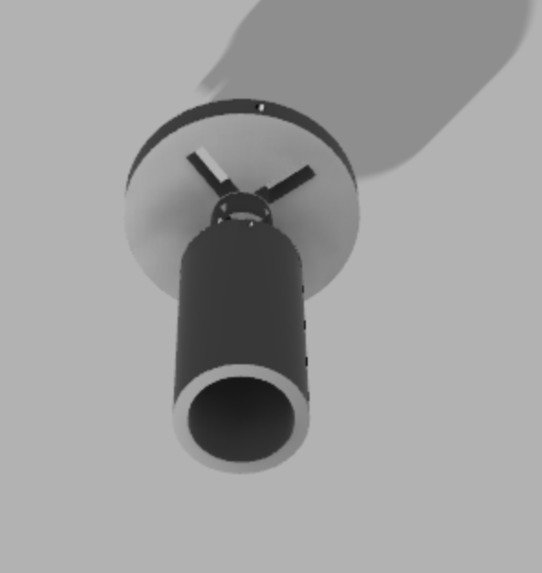
TVC MountT
-
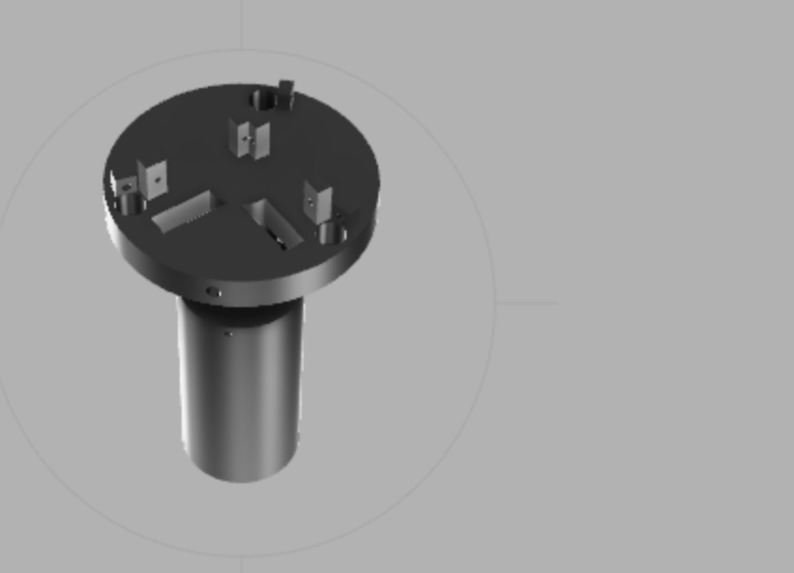
TVC Mount
-
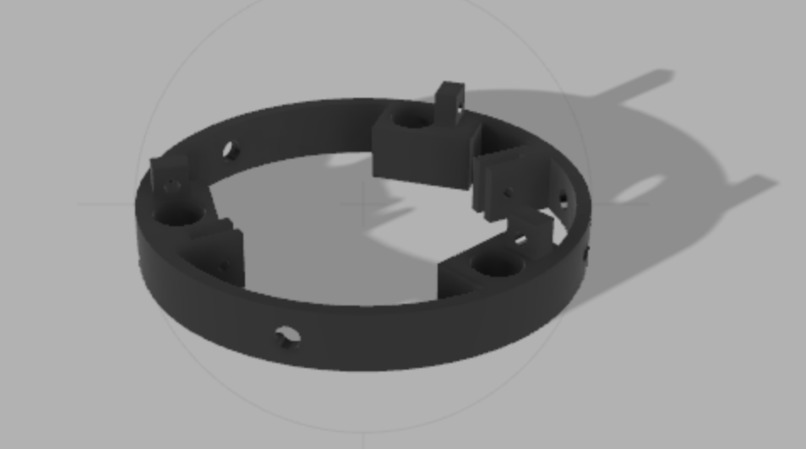
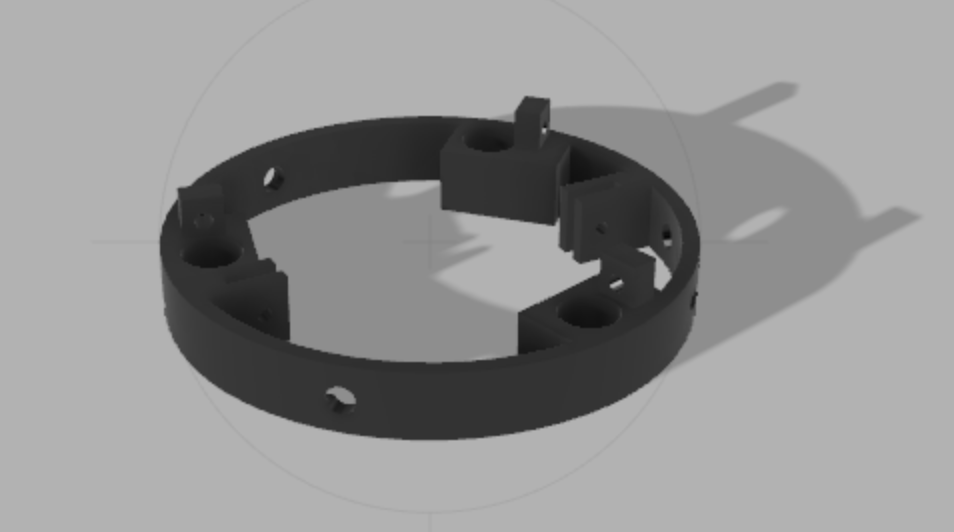
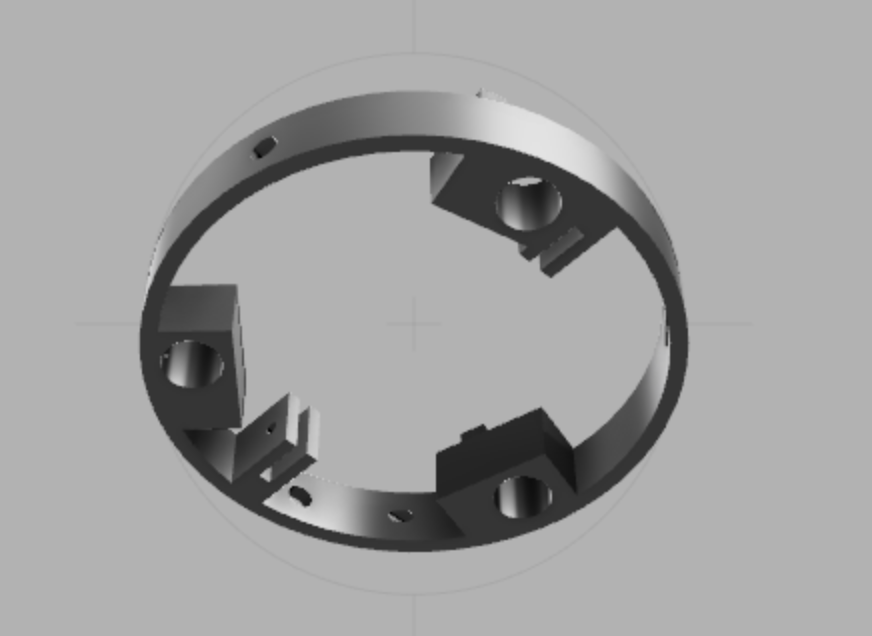
Avionics Mount
-
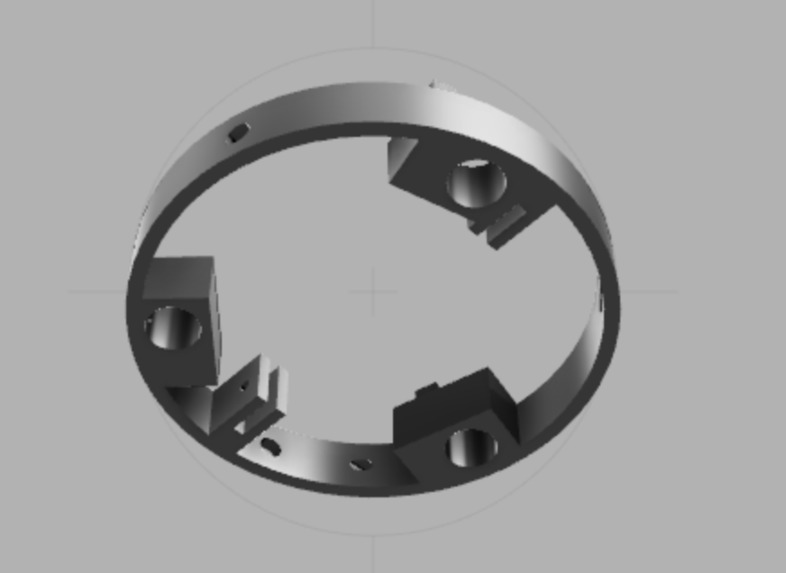
Avionics Mount
-
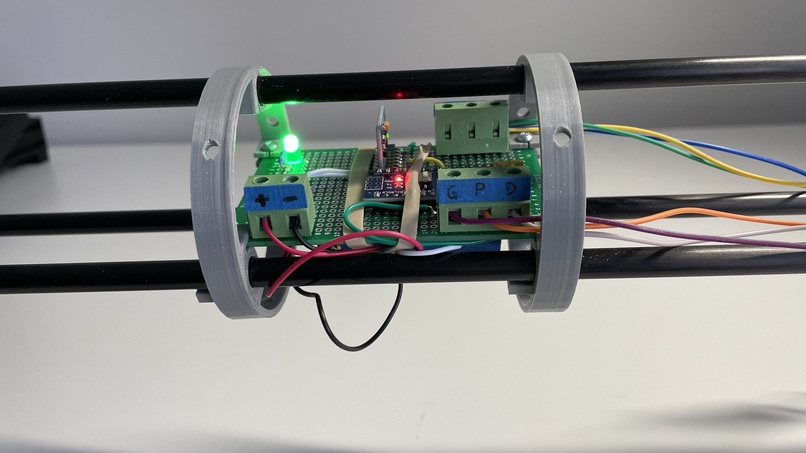
Avionics
-
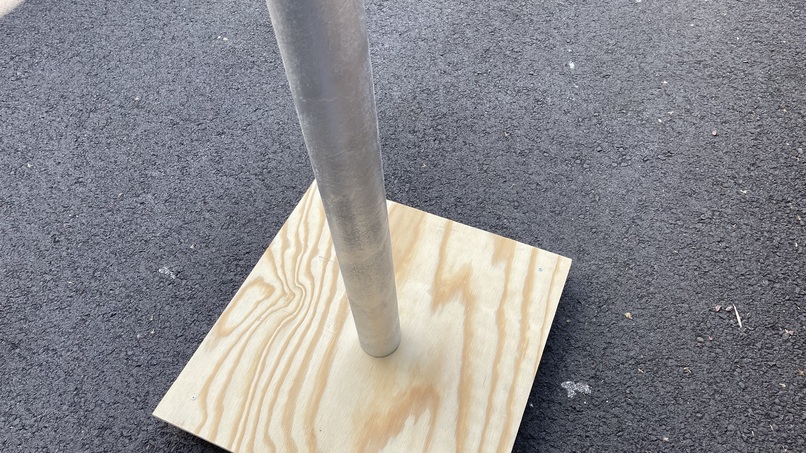
Launch pad under construction
-
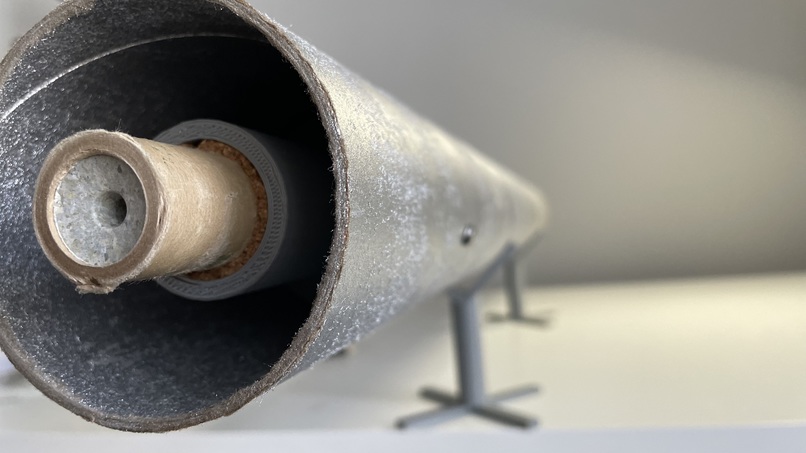
Fully assembled vehicle
-
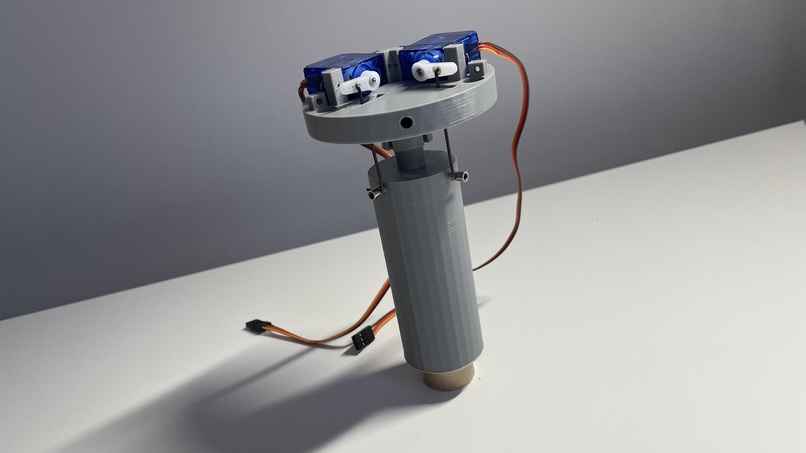
TVC Mount
-
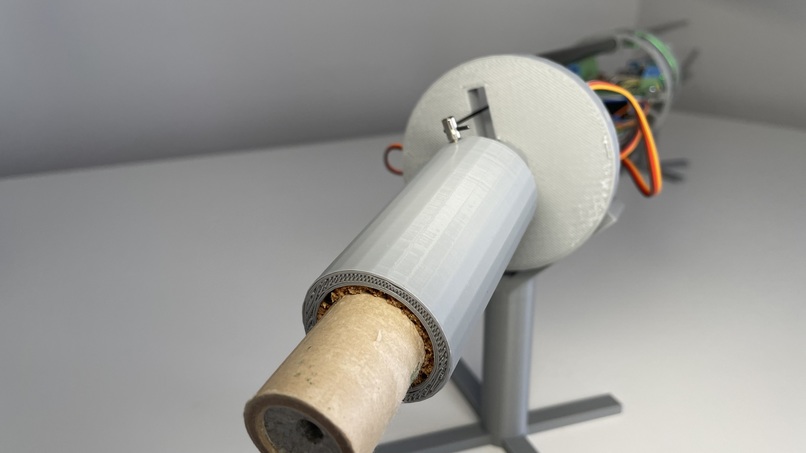
Gimbal test
-
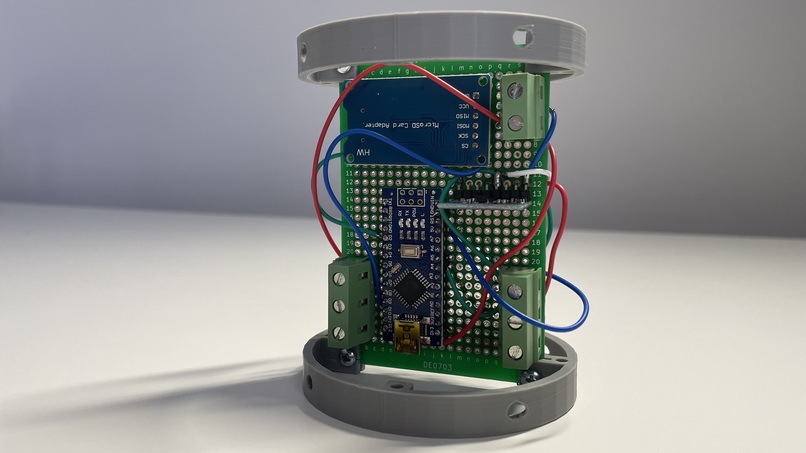
Flight Computer
Inspiration
Model rocketry has always been the peak of my interest. But when I saw a test of a model rocket dropping from 50 meters and attempting to propulsively land (landing using the rocket motor to slow down), I decided to start building advanced rockets myself.
What it does
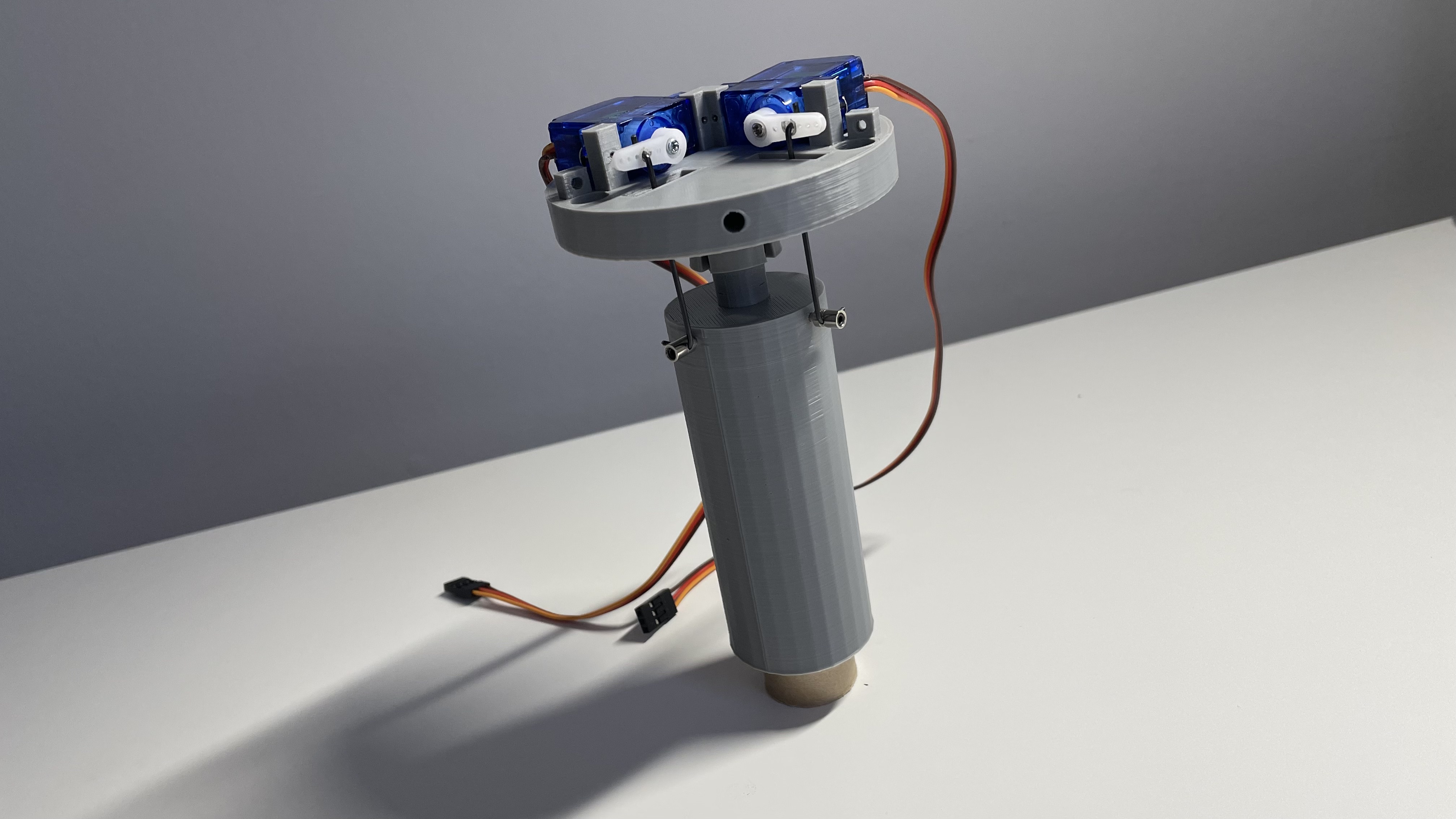
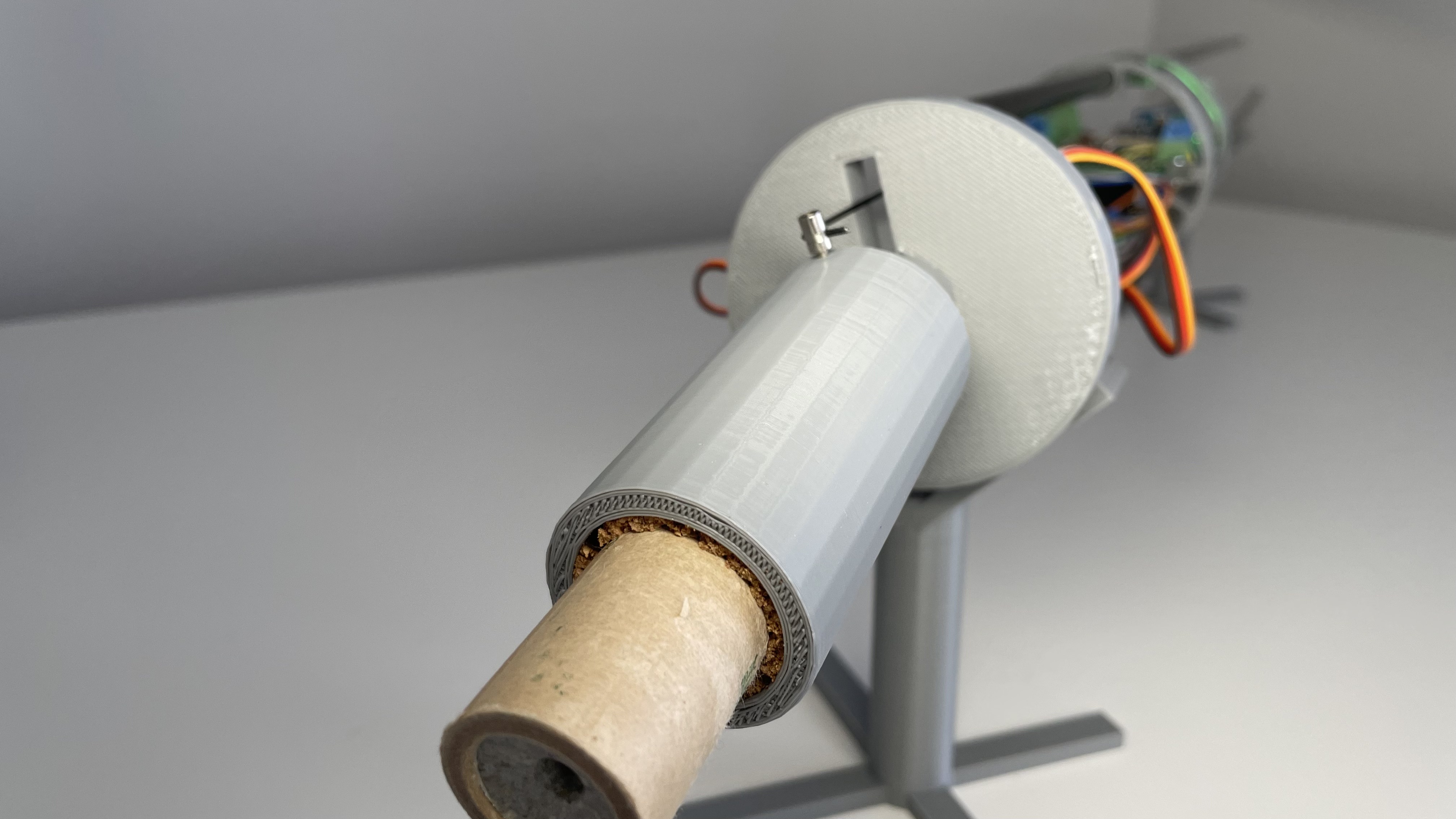
This is the first iteration of an advanced model rocket with thrust vectoring. This rocket requires no fins to keep it stable and instead, using a flight computer and a gimbaling system to keep it upright. The IMU (Inertial Measurement Unit) detects the angle the rocket is that. That angular data then goes into a PID control algorithm to find what angle the servo motors should be. Once this is decided, the motors gimbal the rocket engine to correct for the orientation.
How we built it
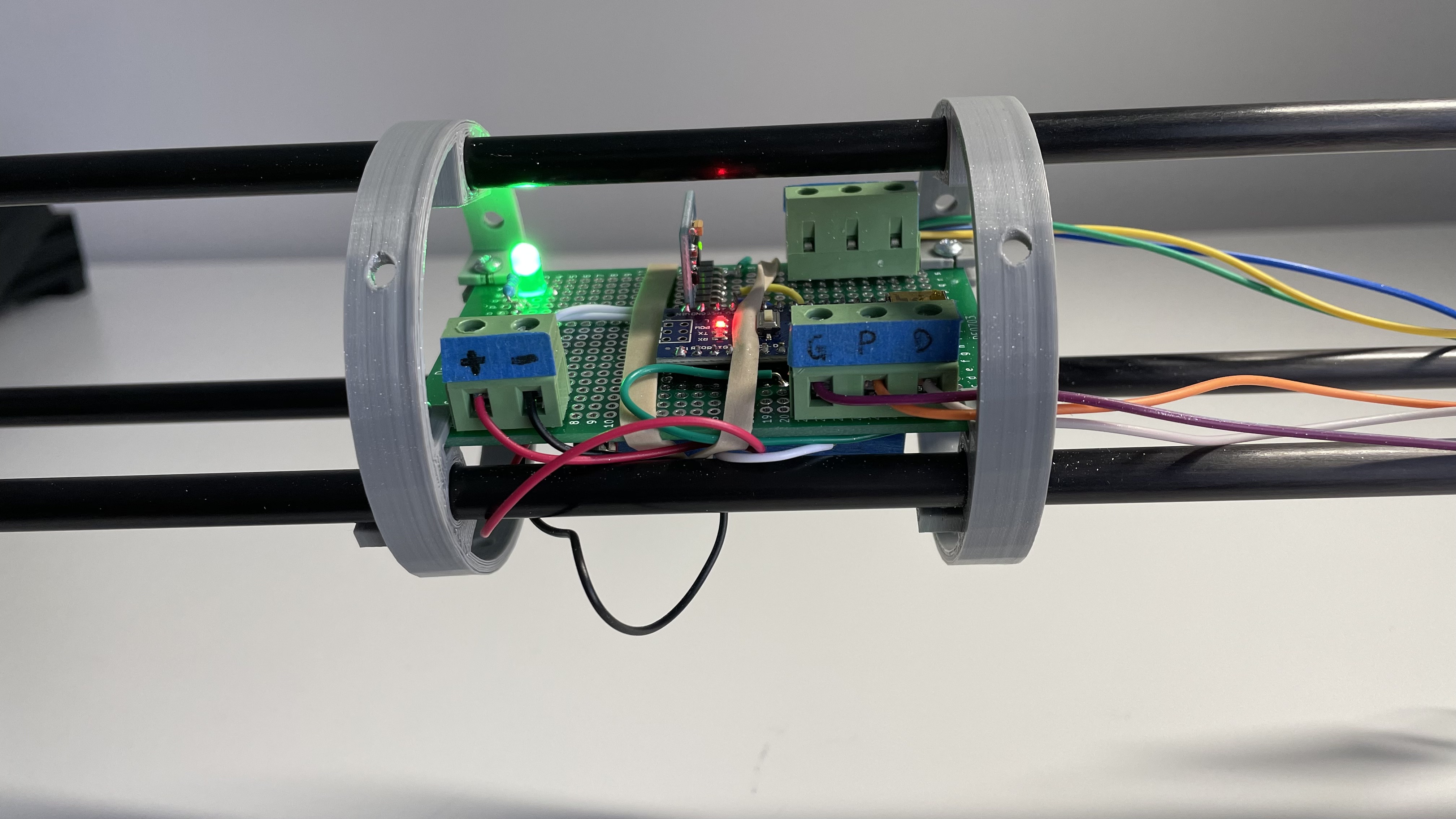
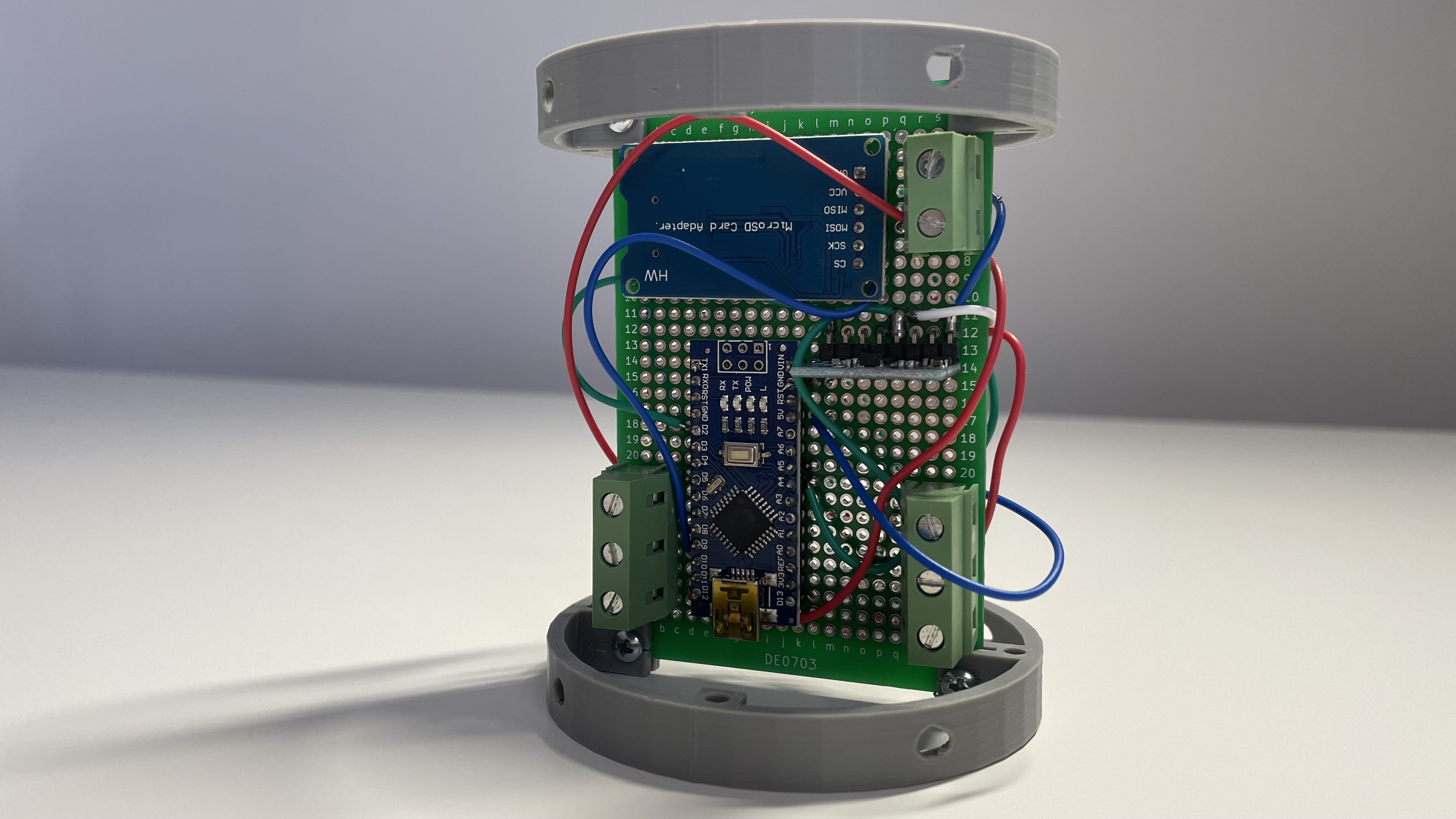
The first thing I did was design a simple flight computer to power everything. This was done on a protoboard and an arduino nano microcontroller as well as some sensors were soldered in place. After this, months were spent on iterating a new gimbling system and printing everything out as well as writing flight software.
Challenges we ran into
The gimbling system uses a ball joint which can easily be rotated 360 degrees. This is a problem when it comes to thrust vector control because it can easily offset the data values in the flight software. Small mistakes in mounting hardware, wiring errors, and software bugs all created roadblocks.
Accomplishments that we're proud of
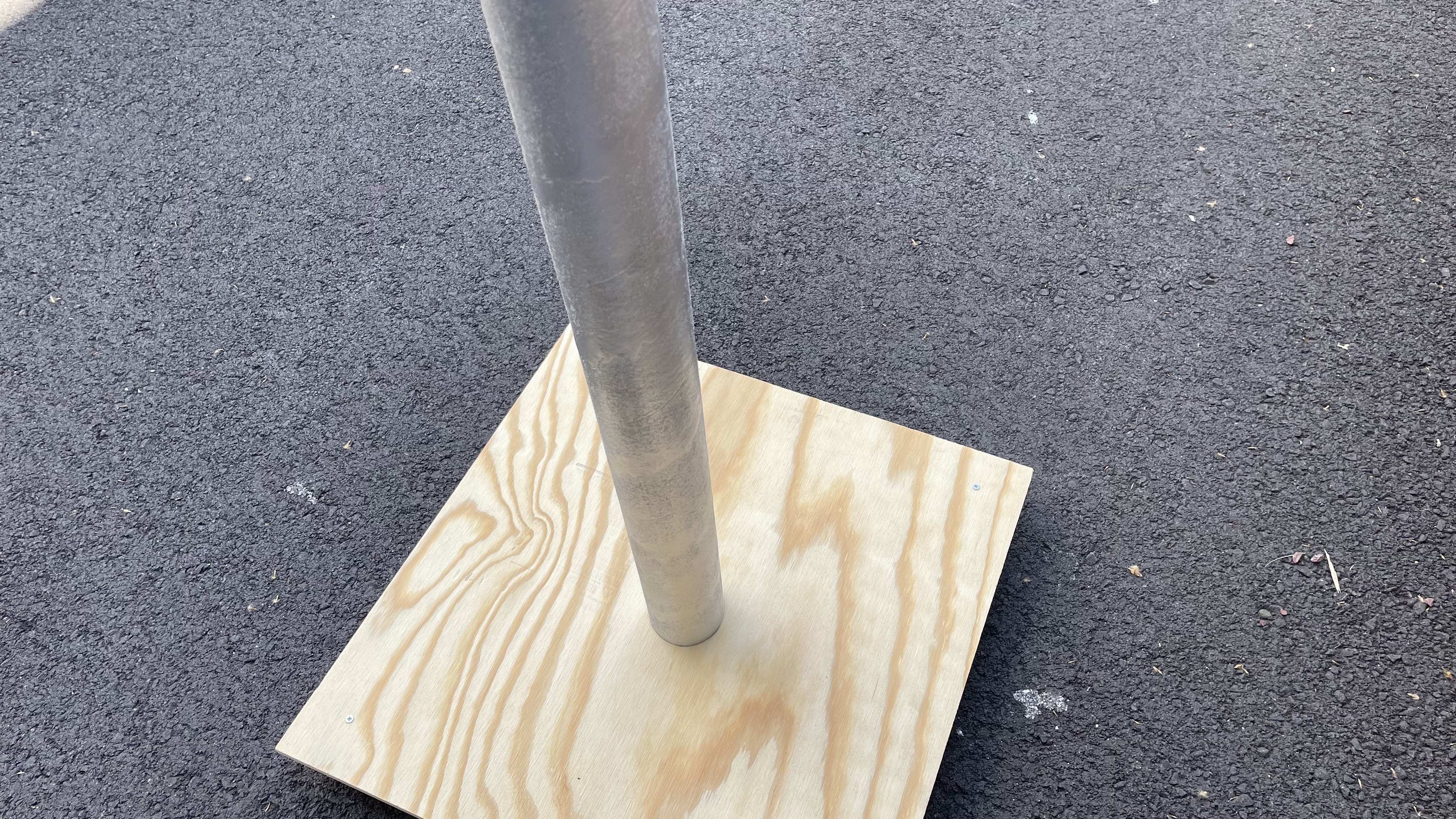
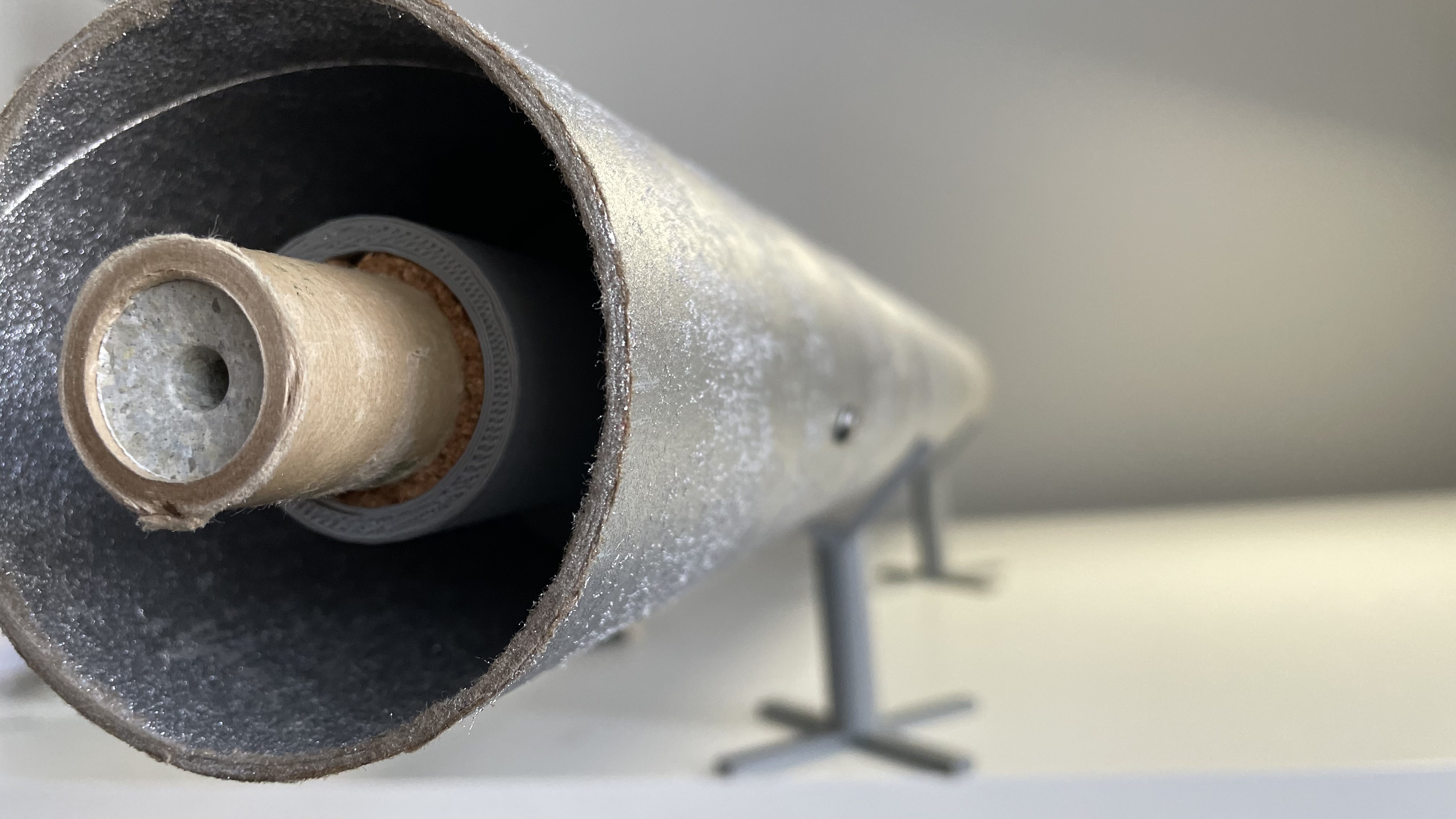
A full test version on the thrust vector controlled rocket is on the launchpad and ready for flight. After 8 months of hard work, we finally have progress worth showing.
What we learned
When I started the project, I knew almost nothing about physics, electronics, coding, and really anything to do with rockets. Starting this project has put me in a position where I now know the basics to all of these topics.
What's next for Project Starlight
Using hobby rocket motors is great. But it's definitely not as cool as a full blown liquid rocket engine. That's what I intend on making next. Although no significant progress has been made worth showing, an extensive amount of research has been done.

Log in or sign up for Devpost to join the conversation.