-
-
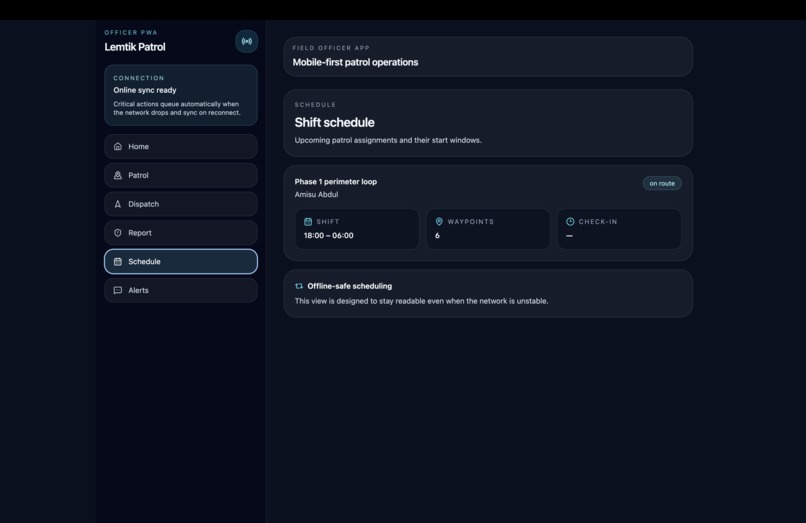
-
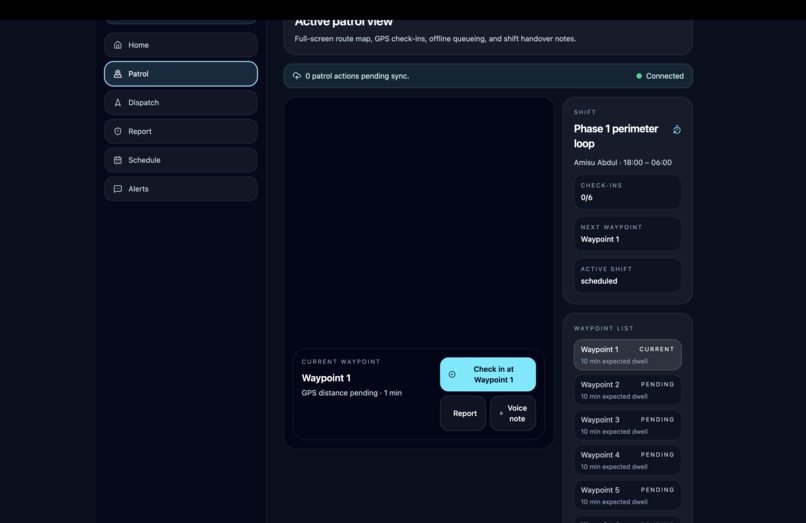
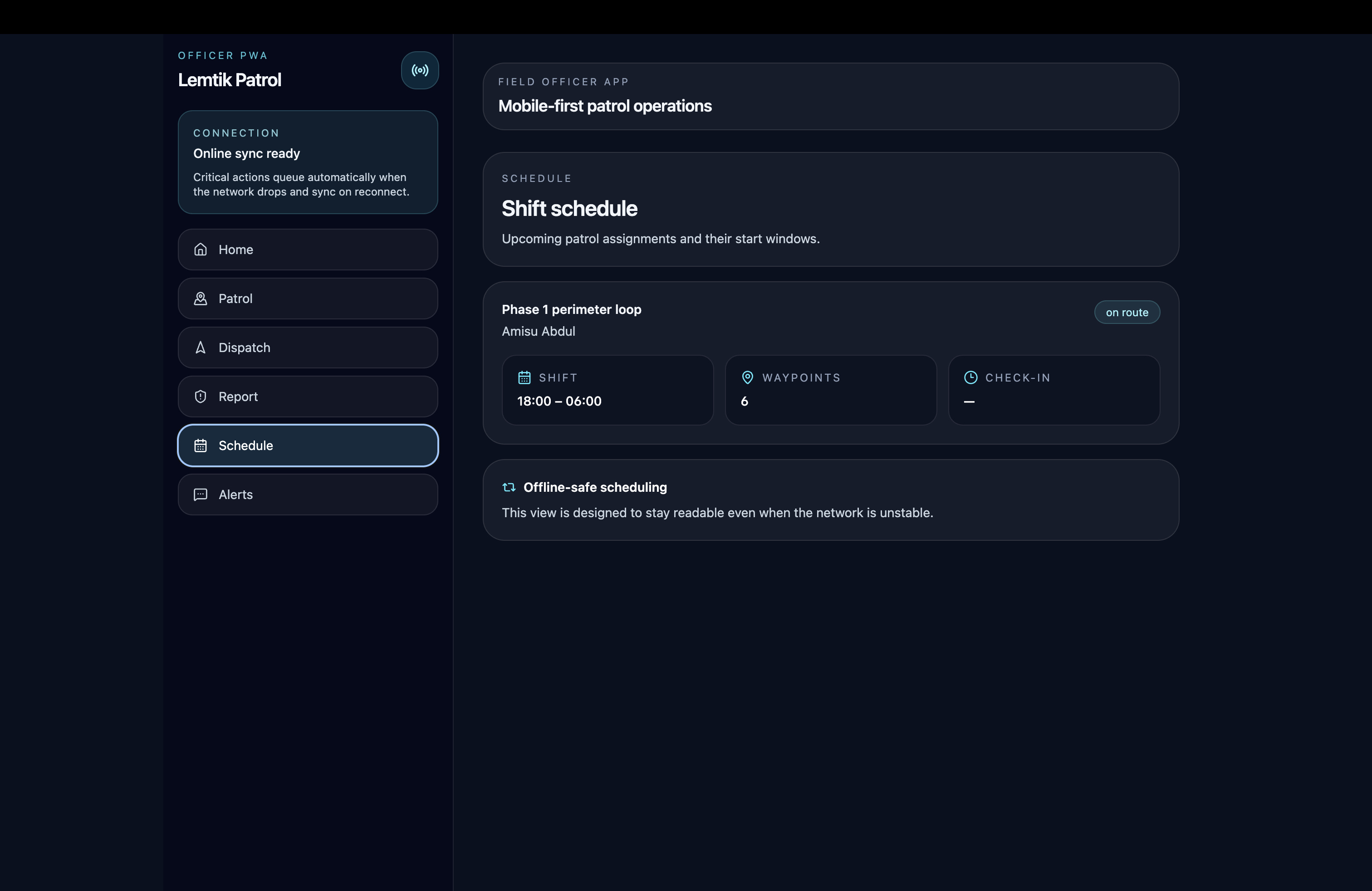
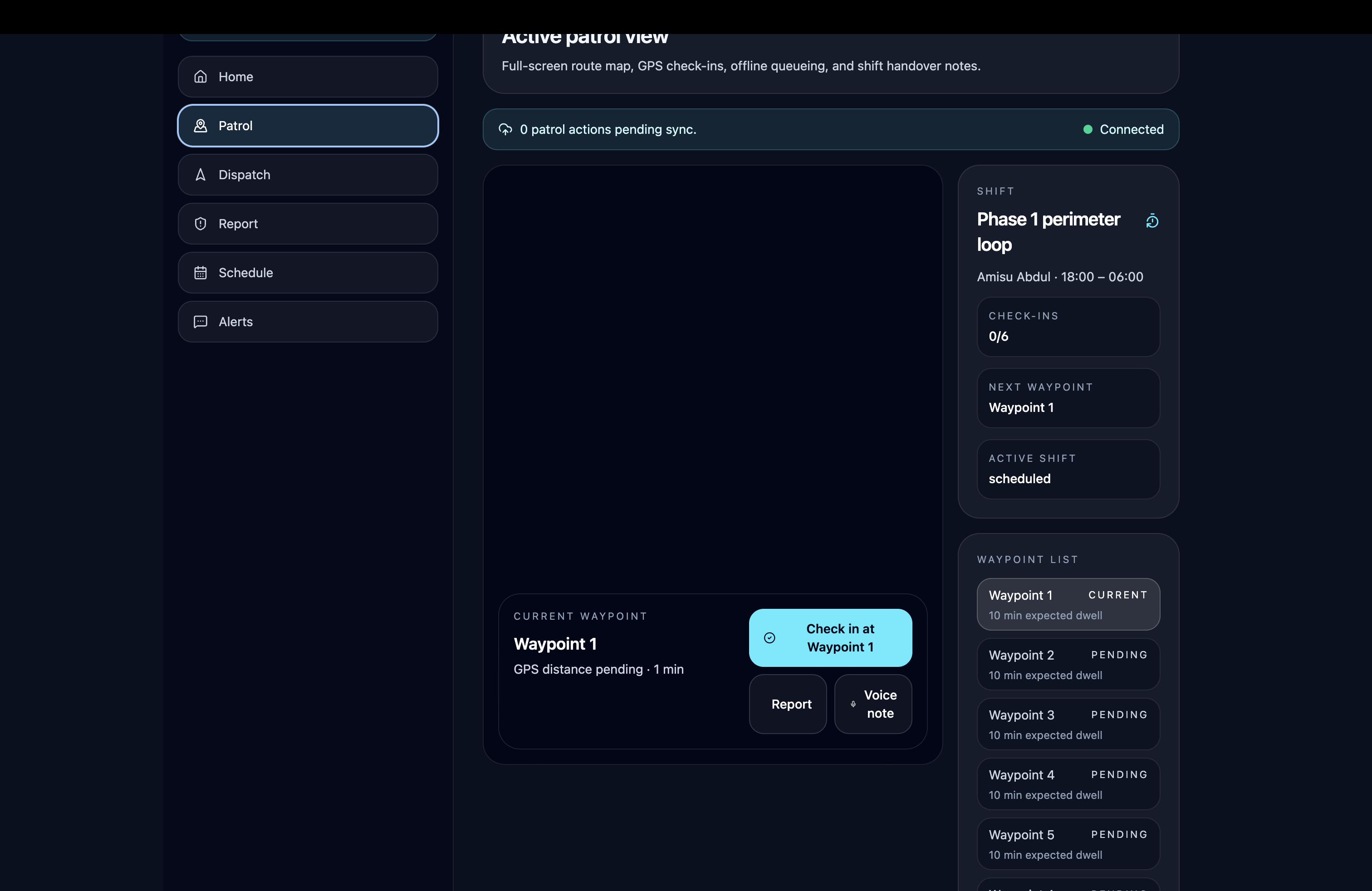
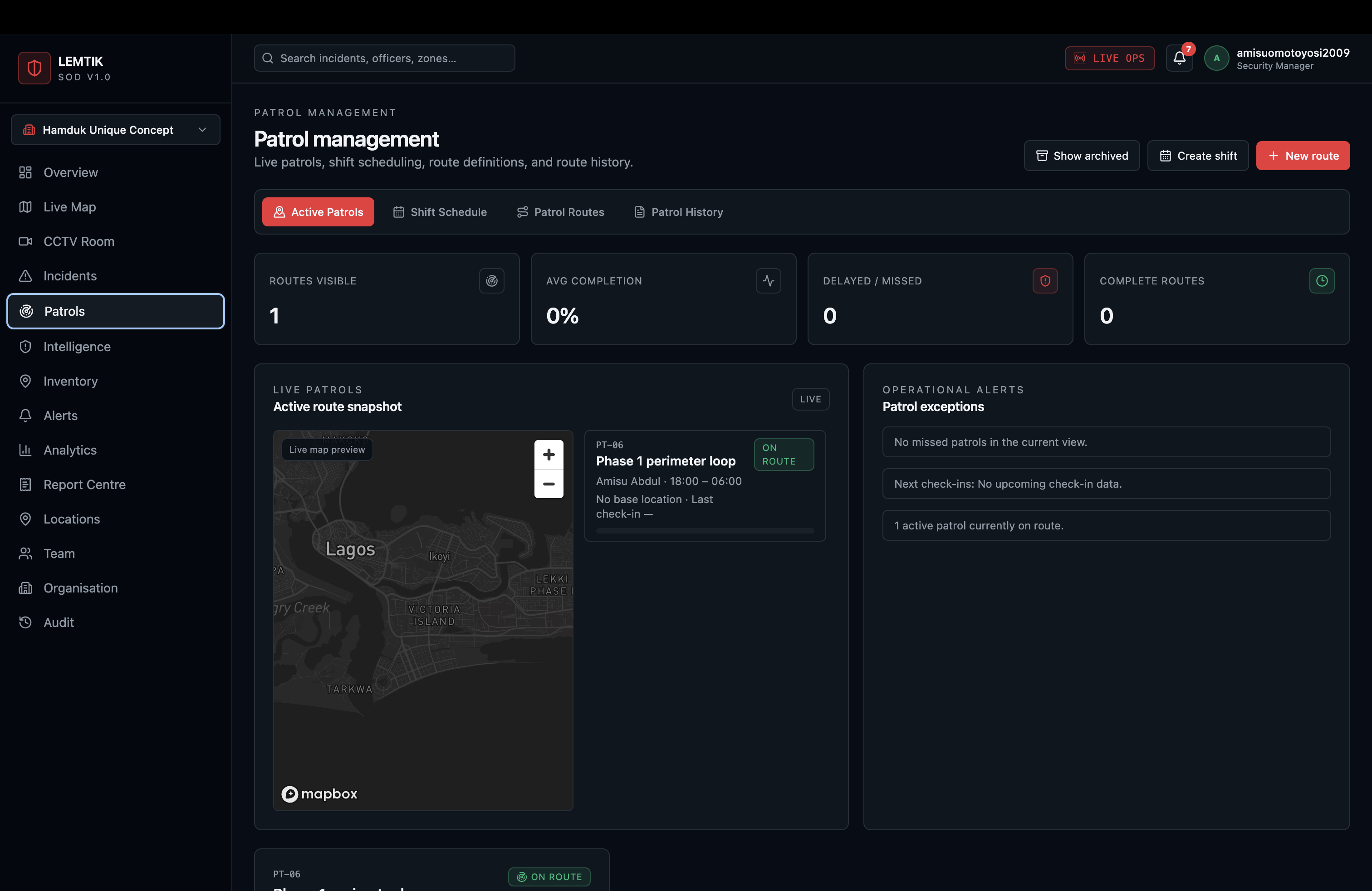
patrol
-
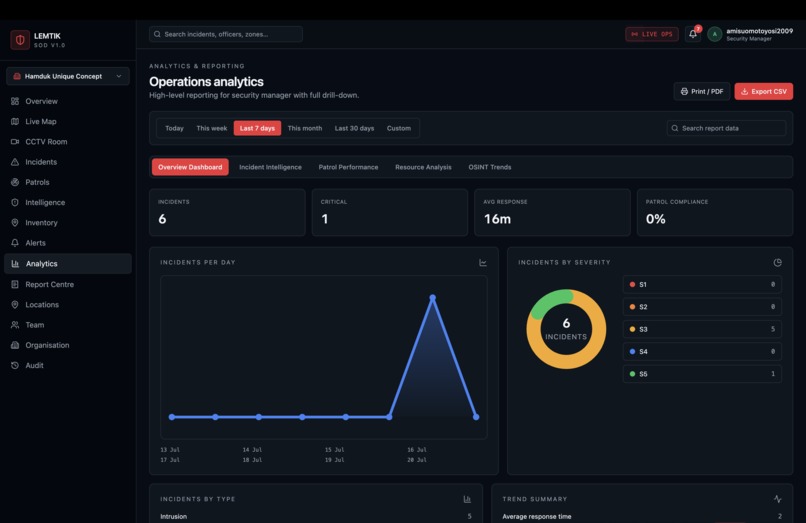
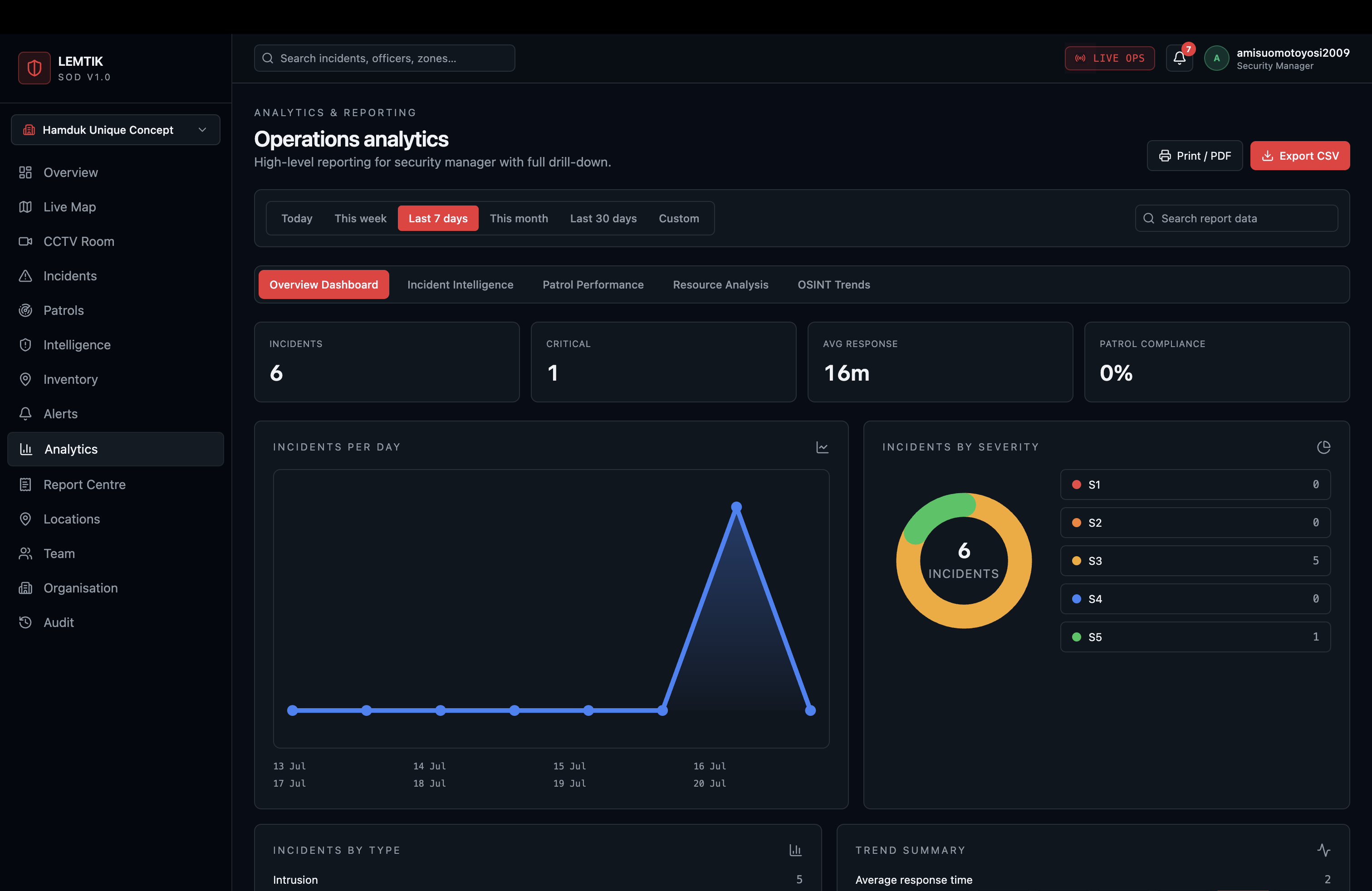
analytics
-
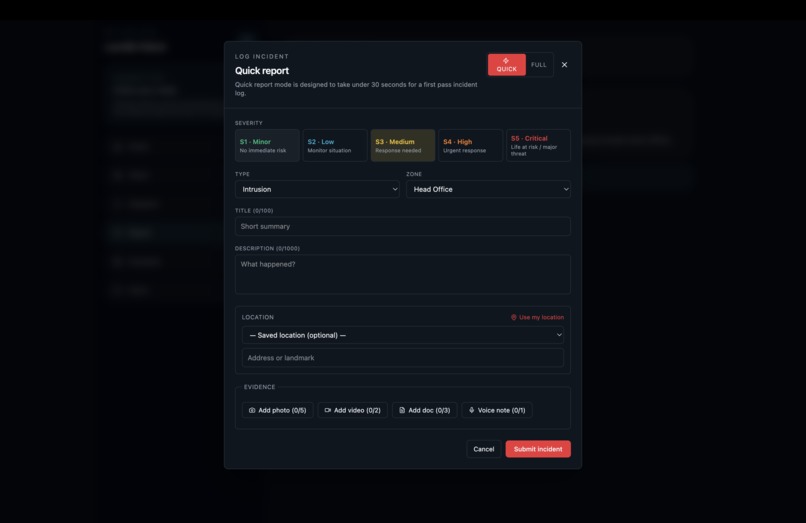
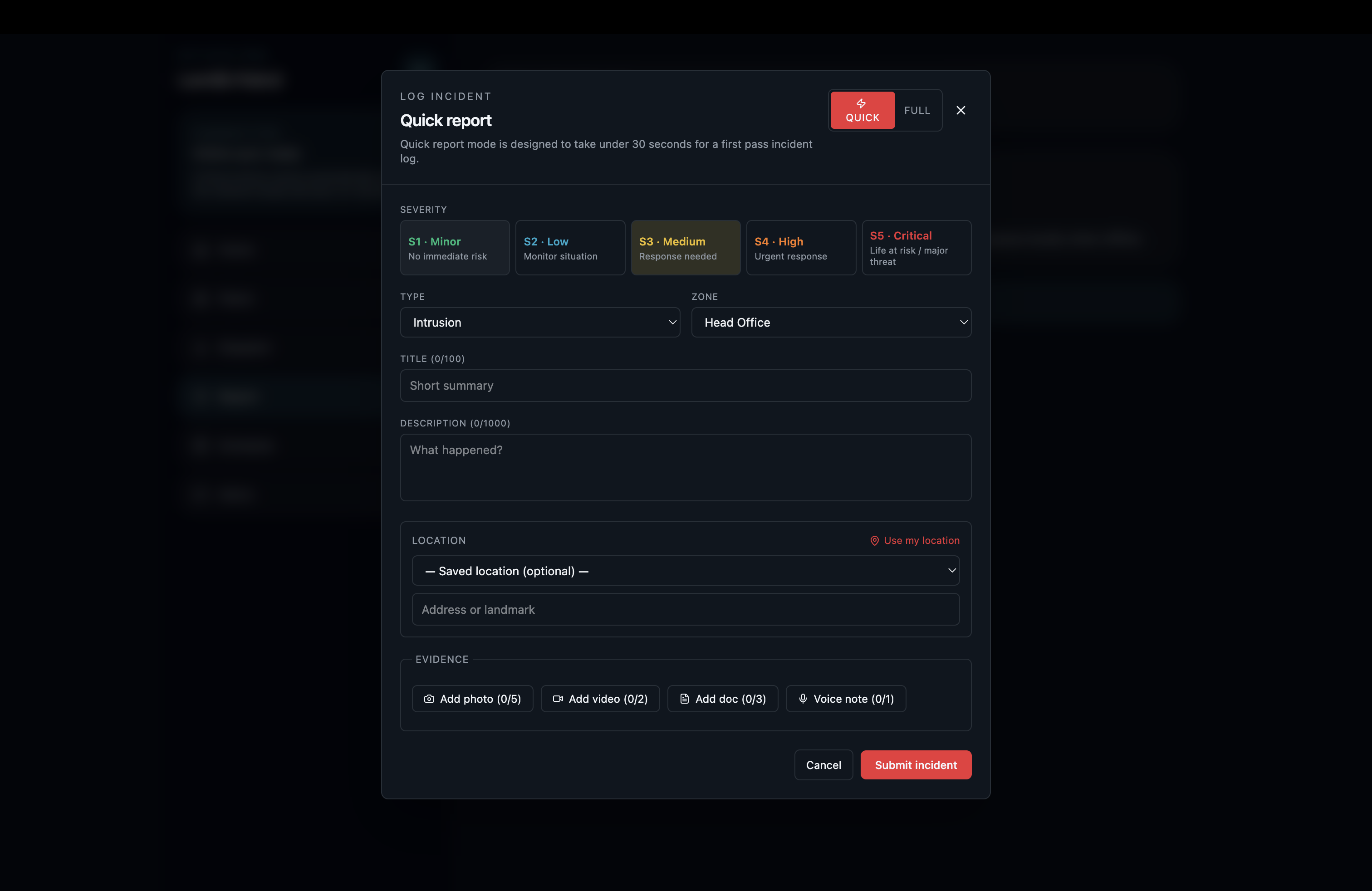
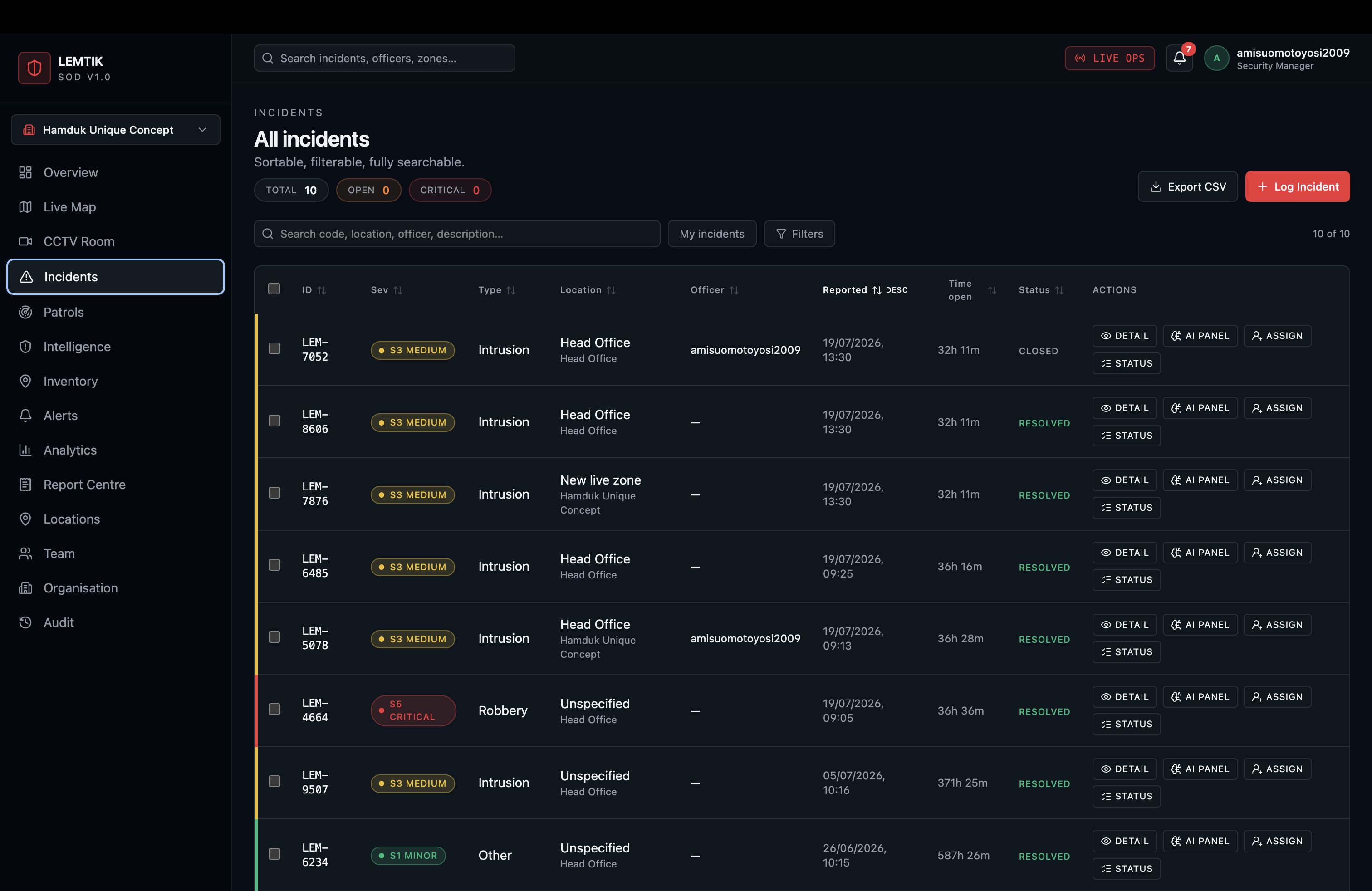
quick incident log
-
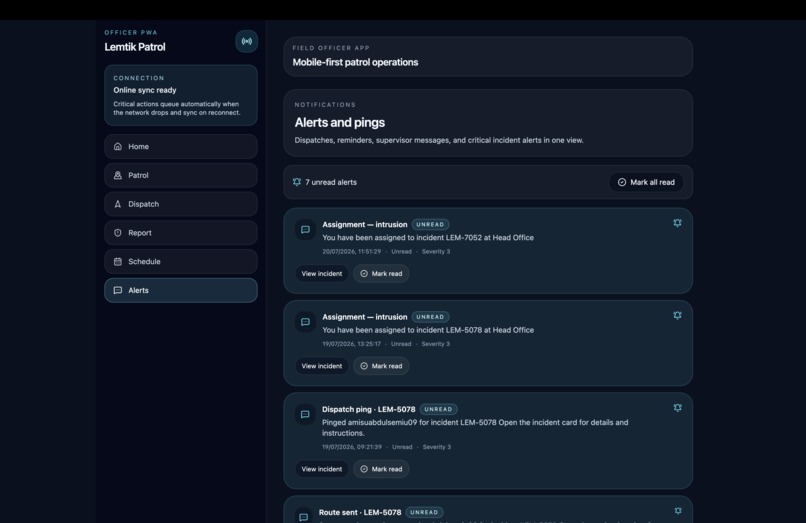
Route
-
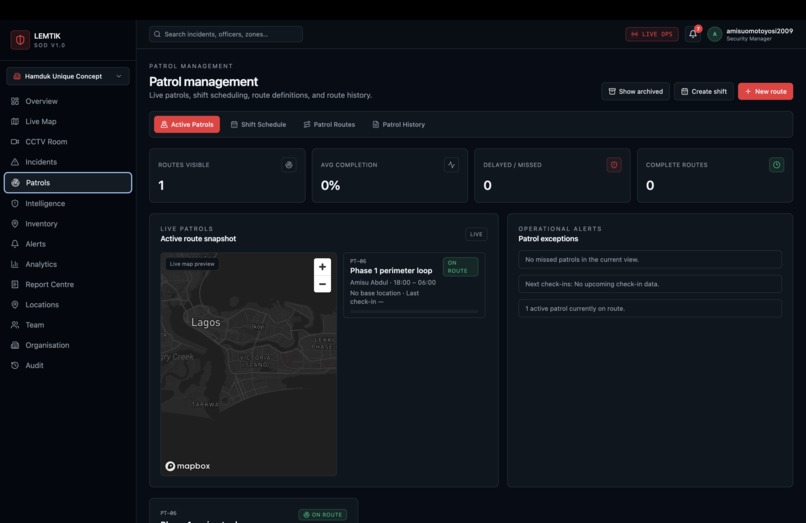
patrol
-
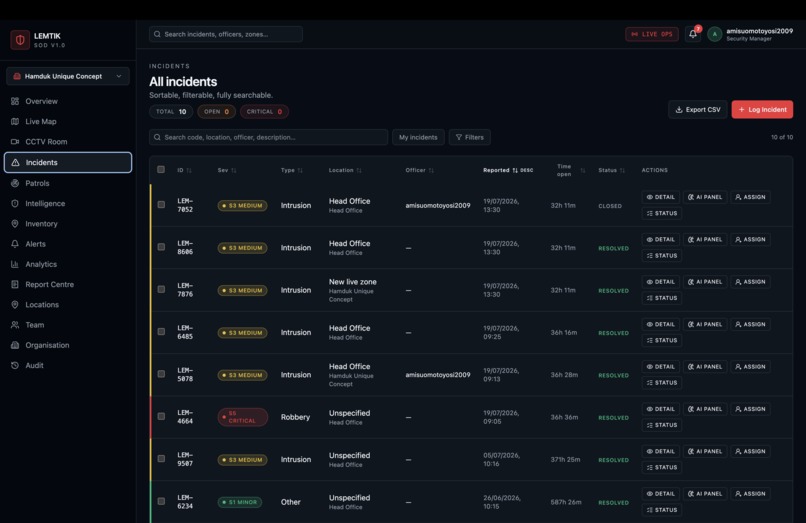
Incident
-
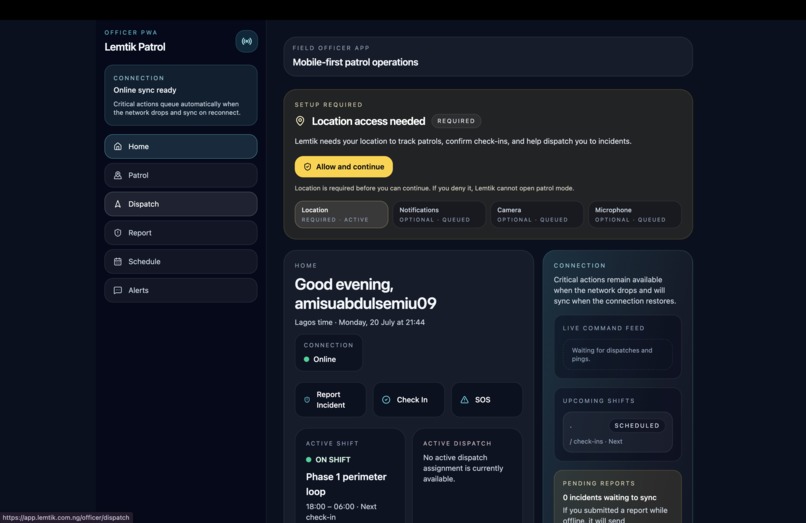
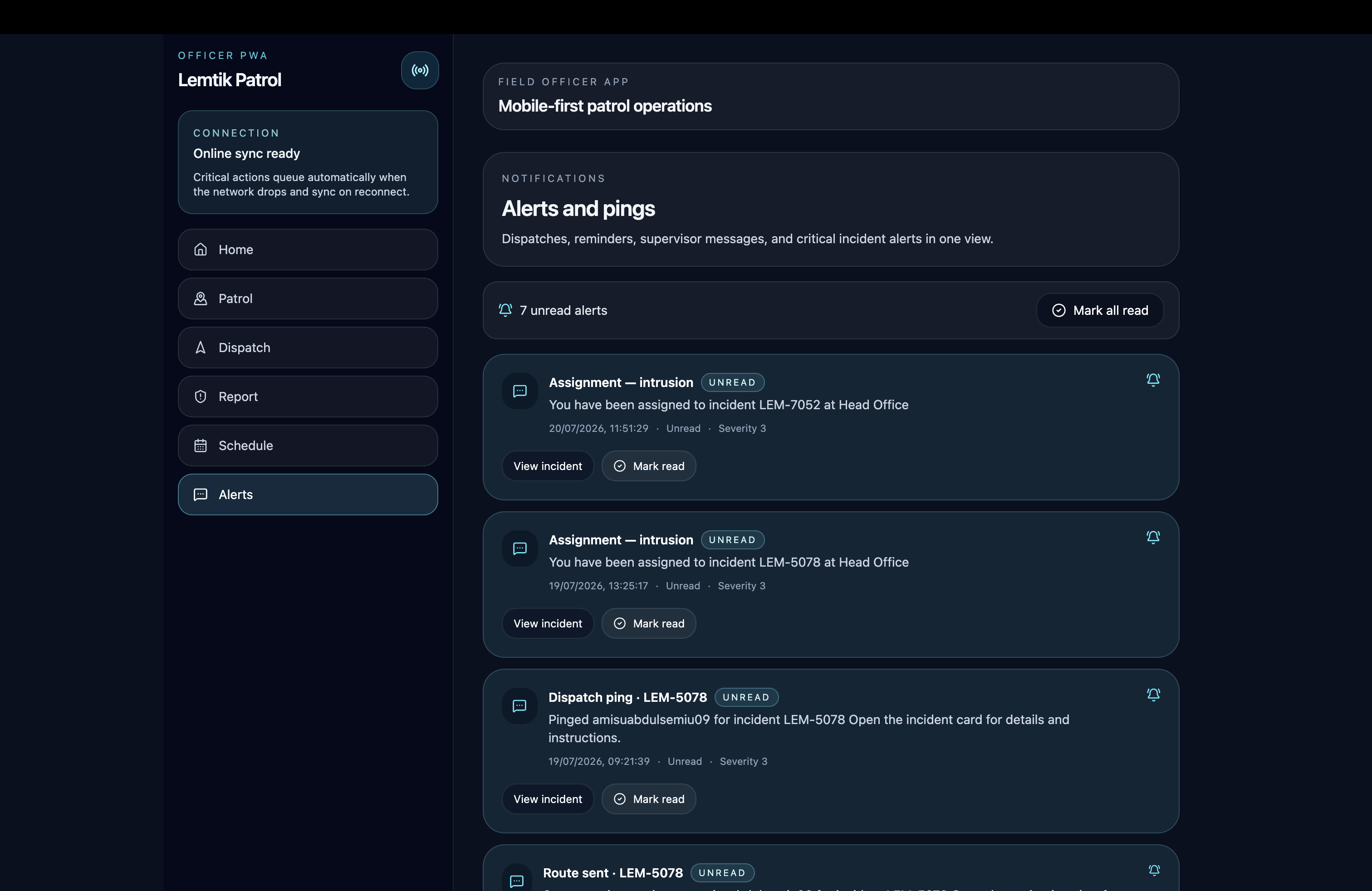
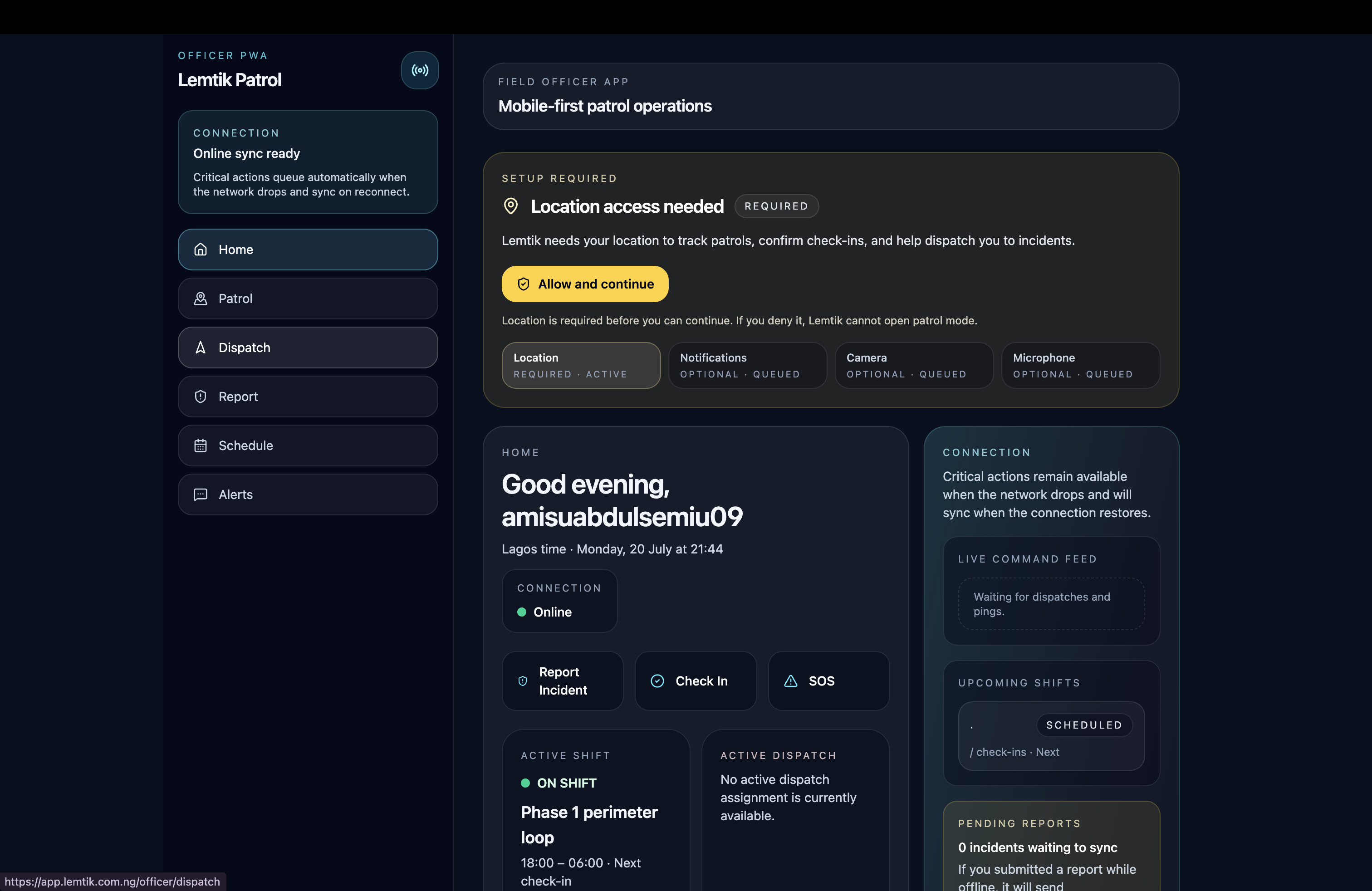
officers pwa home
-
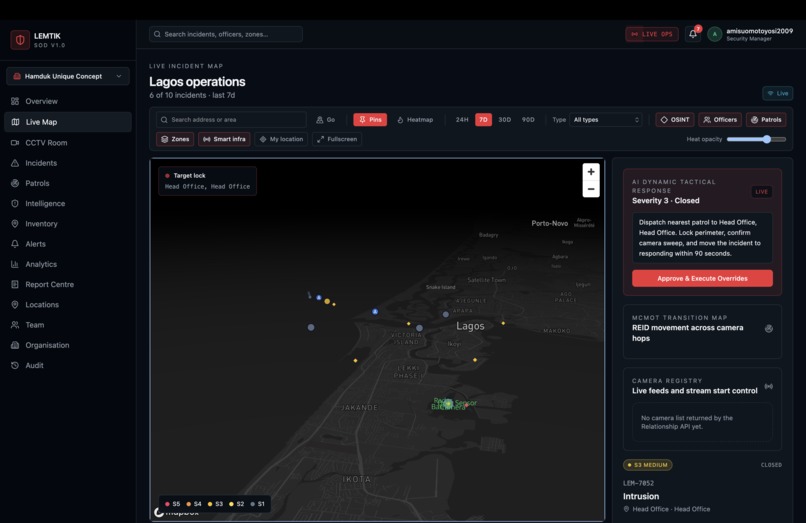
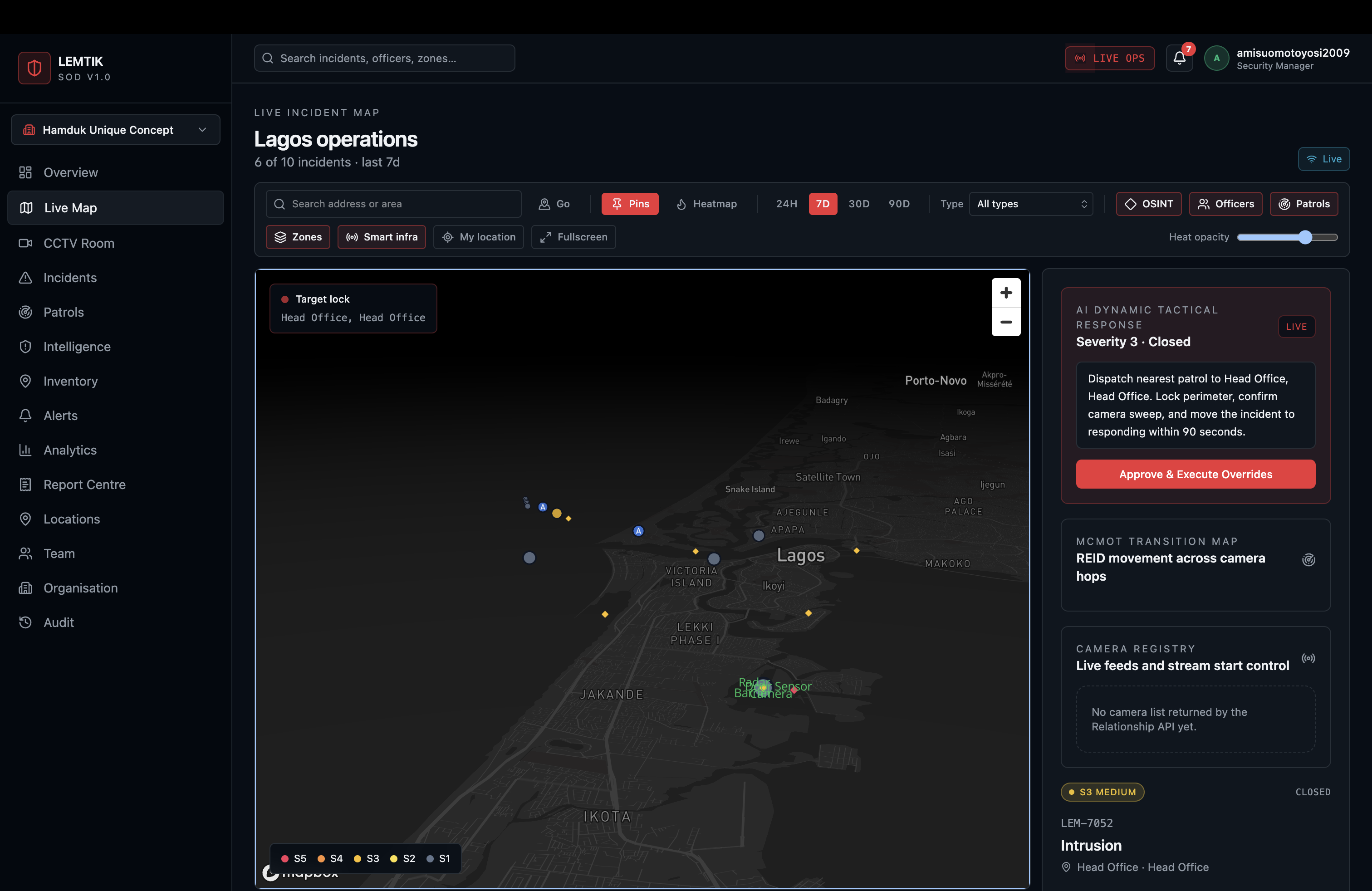
Map
-
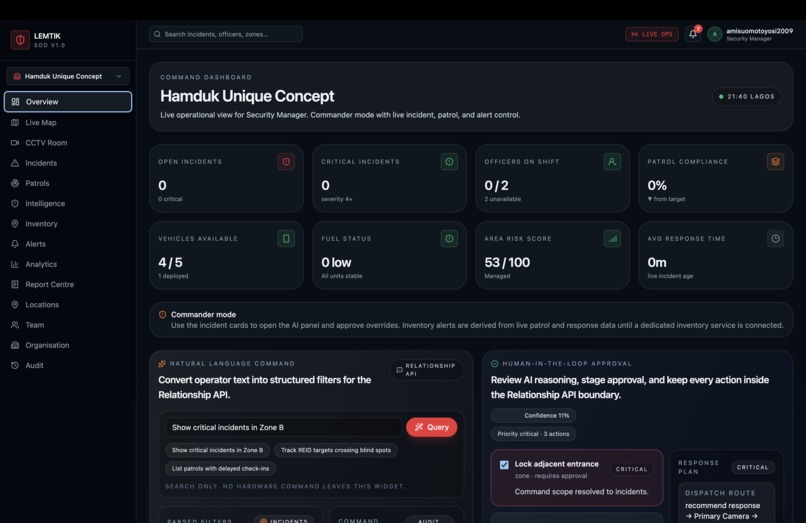
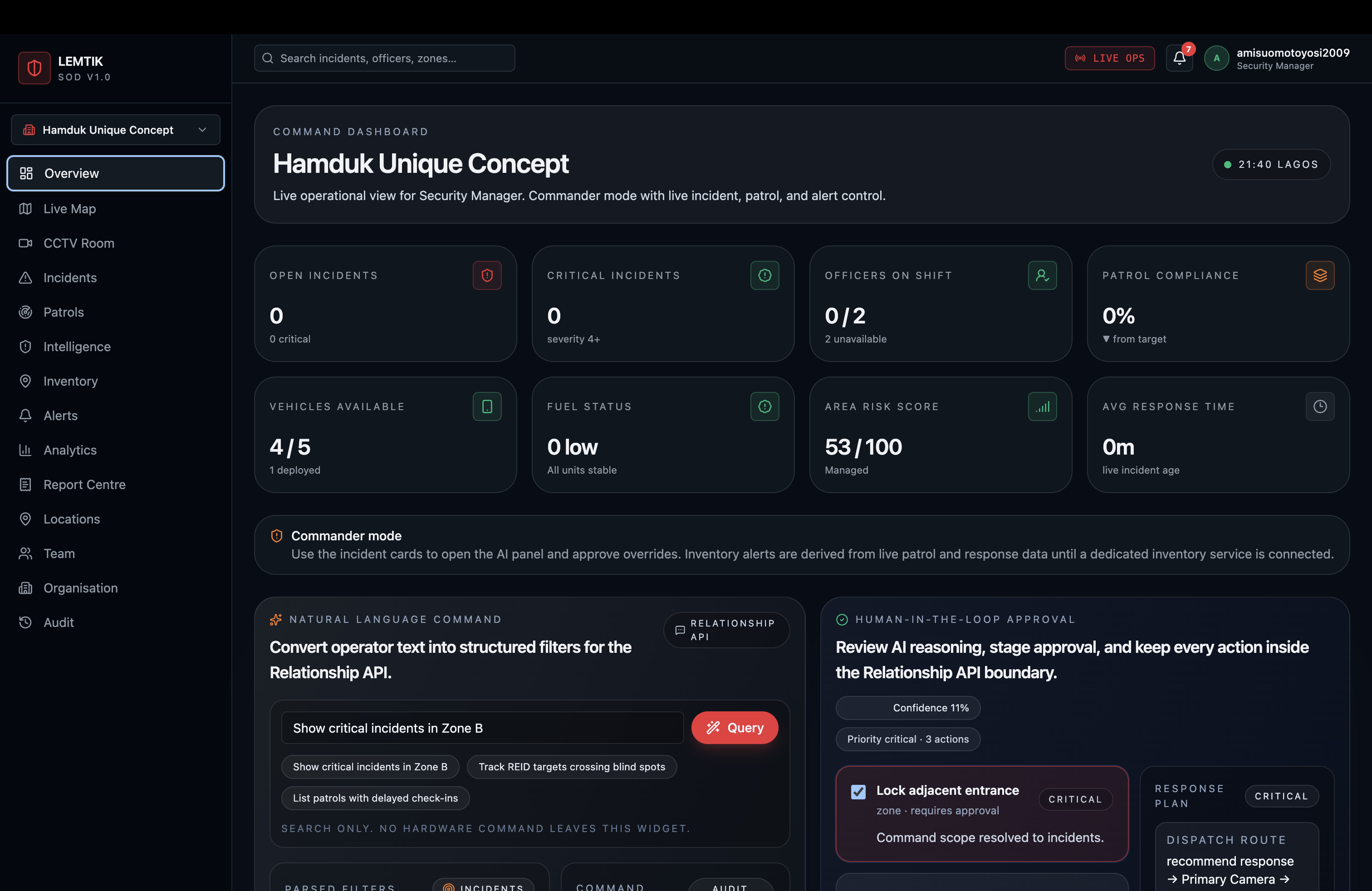
Operators Dashboard
-
Inspiration
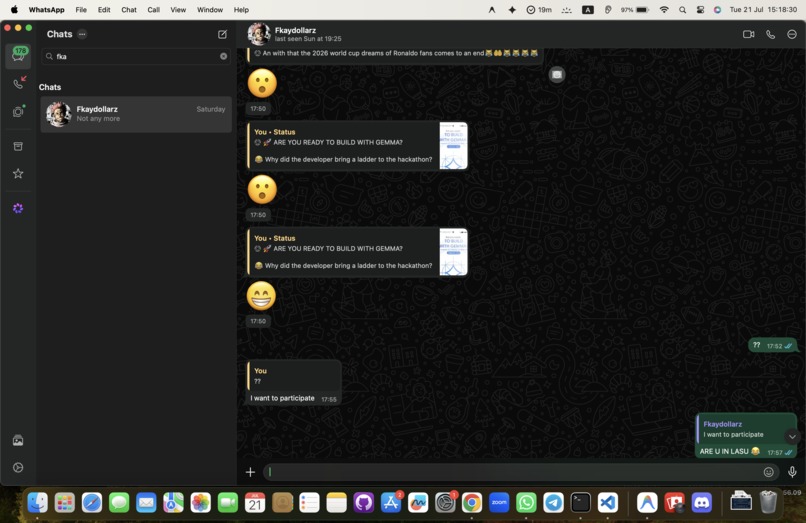
Security operations still depend on fragmented tools. Operators switch between radios, WhatsApp, CCTV consoles, spreadsheets, and phone calls just to understand what is happening during an incident. While organizations have invested heavily in cameras, access control, and security personnel, these systems rarely work together as a coordinated operational platform.
Lemtik Security was created to solve this fragmentation by building an AI-native operational intelligence platform. During OpenAI Build Week, we focused on making the platform understand unstructured operational information and transform it into safe, actionable recommendations while keeping human operators in control.
What it does
Lemtik Security is an AI-native command-and-control platform for modern security operations. It orchestrates incidents, operational intelligence, responder availability, routing, assets, and infrastructure into a unified operational picture.
For Build Week, we introduced the Structured Intelligence & Agentic Action Recommendation Engine, enabling the platform to:
- Translate walkie-talkie conversations, including Nigerian Pidgin, into structured incident records.
- Parse unstructured WhatsApp, SMS, and email reports into database-ready JSON.
- Correlate operational information and generate coordinated response recommendations.
- Present AI-generated device actions such as gate control and camera tracking for operator review.
- Enforce deterministic safety constraints so physical actions always require human approval.
Instead of replacing operators, Lemtik augments decision-making while maintaining a complete audit trail.
How we built it
Before Build Week, Lemtik already included incident management, patrol management, inventory, authentication, routing, OSINT collection, and a modular microservice architecture.
During Build Week we built and integrated:
- A Radio Intelligence Parser for conversational field communications.
- A Chat interface for security analyst
- A Structured Ingestion Engine that converts unstructured reports into validated operational data.
- A Safety Constraints Engine inside the Autonomous Controller to validate AI-generated physical actions before execution.
- An AI Command Studio where operators inspect threat analysis, review recommendations, and selectively approve actions.
- New Fastify gateway routes exposing intelligence parsing, event correlation, operational recommendations, and AI querying services.
We used OpenAI Codex Desktop as an AI engineering assistant throughout development. Codex accelerated implementation across multiple repositories by helping design Zod validation schemas, refactor TypeScript and Python code, build React components, debug gateway payload validation, and iterate on backend services while architectural decisions and implementation remained under our control.
The runtime intelligence layer is provider-agnostic. Our current deployment primarily uses Groq-hosted Llama models through OpenAI-compatible APIs, allowing the orchestration architecture to remain portable across providers.
Challenges we ran into
One of the biggest engineering challenges was maintaining strict schema consistency between the React frontend, Fastify gateway, and backend services. Intelligence payloads containing transcripts, metadata, organization identifiers, and operational context had to match Zod validation exactly to prevent runtime failures.
Another challenge involved interpreting real-world security communications. Officers rarely speak in perfectly structured English; they use abbreviations, regional Nigerian Pidgin, and incomplete radio transmissions. We built a structured intelligence pipeline capable of transforming these communications into reliable operational data.
Finally, because Lemtik can recommend actions affecting physical infrastructure, we designed a deterministic safety layer that prevents AI from directly controlling devices. Every recommendation is validated and requires explicit operator approval before execution.
Accomplishments that we're proud of
- Built a working Structured Intelligence & Agentic Action Recommendation Engine.
- Added secure human-in-the-loop approval workflows for AI-generated actions.
- Built a chat interface for security analyst
- Successfully translated conversational radio traffic into structured operational intelligence.
- Integrated intelligence parsing directly into the operational dashboard through the AI Command Studio.
- Built a modular architecture that cleanly separates reasoning, orchestration, validation, and execution.
What we learned
OpenAI Codex Desktop proved most valuable as an engineering accelerator rather than a code generator. It helped us iterate faster across frontend and backend repositories, reduce repetitive development work, and solve integration problems while allowing us to maintain full ownership of system architecture and engineering decisions.
We also reinforced an important lesson: in safety-critical environments, AI should advise, not decide. Combining structured reasoning with deterministic validation and mandatory human approval produces systems that are both more trustworthy and more practical to deploy.
What's next for Lemtik Security
Our next milestone is expanding the operational intelligence engine with richer incident correlation, stronger geospatial reasoning, additional infrastructure integrations, and larger-scale commercial pilots. We also plan to enhance the AI Command Studio with richer operational workflows and broaden support for additional AI providers while preserving the same human-governed architecture.
Our long-term vision is to build the operational intelligence layer that coordinates responders, assets, infrastructure, and AI into one trusted decision platform for enterprise security, critical infrastructure, and smart cities.
Built With
- dashscope
- fastapi
- fastify
- groq
- jwt
- mapbox
- mqtt
- node.js
- openai-api
- openai-codex
- postgresql
- python
- qwen
- qwen-vl
- react
- rest-api
- supabase
- tailwind-css
- tanstack
- tanstack-router
- tanstack-start
- typescript
- vite
- webhooks
- zod


Log in or sign up for Devpost to join the conversation.