-
-
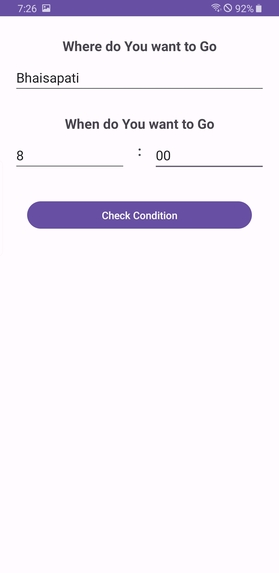
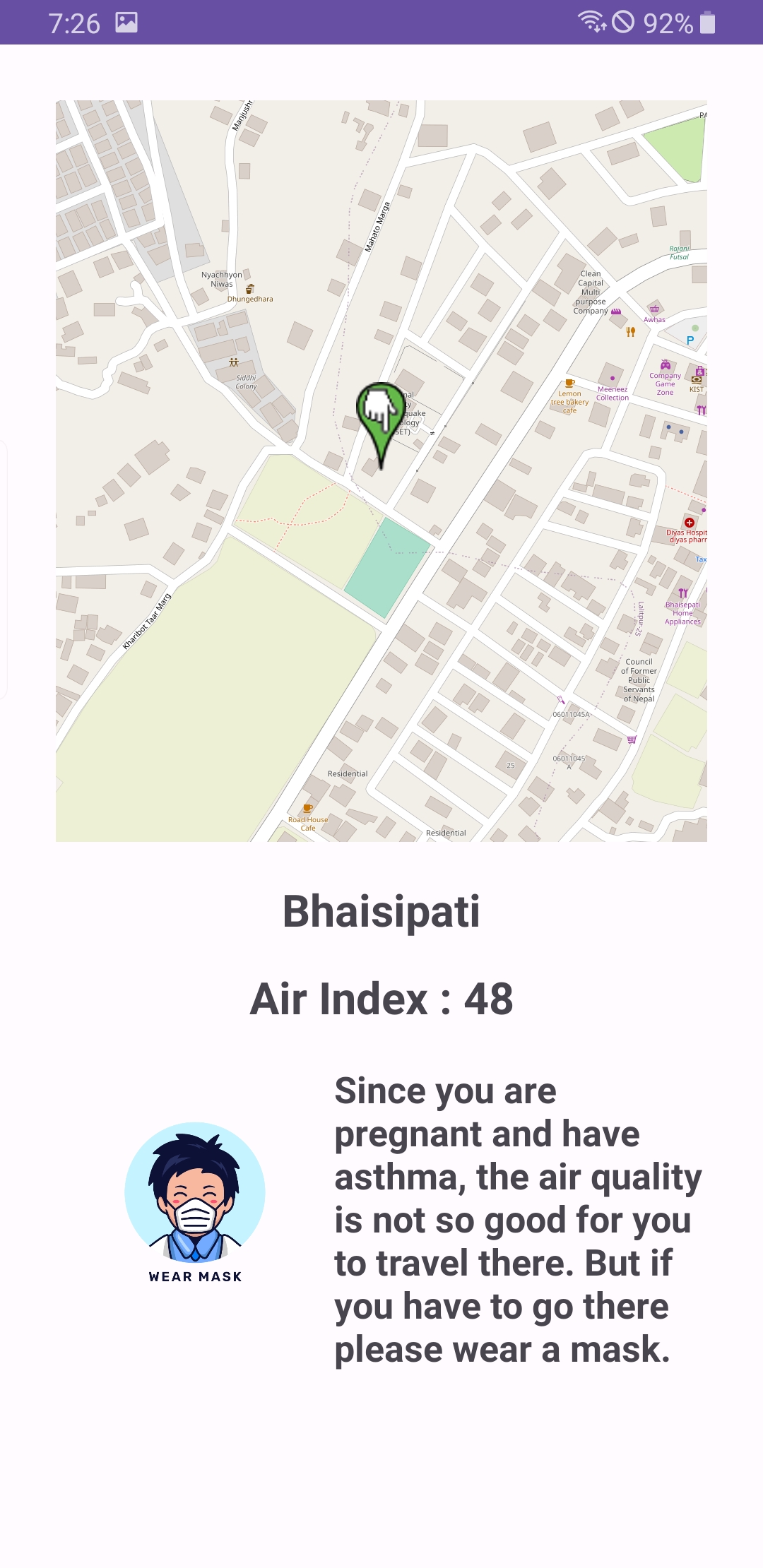
Location Search
-
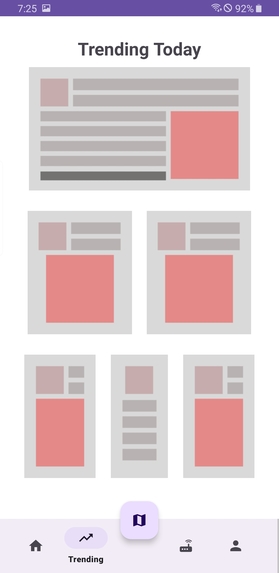
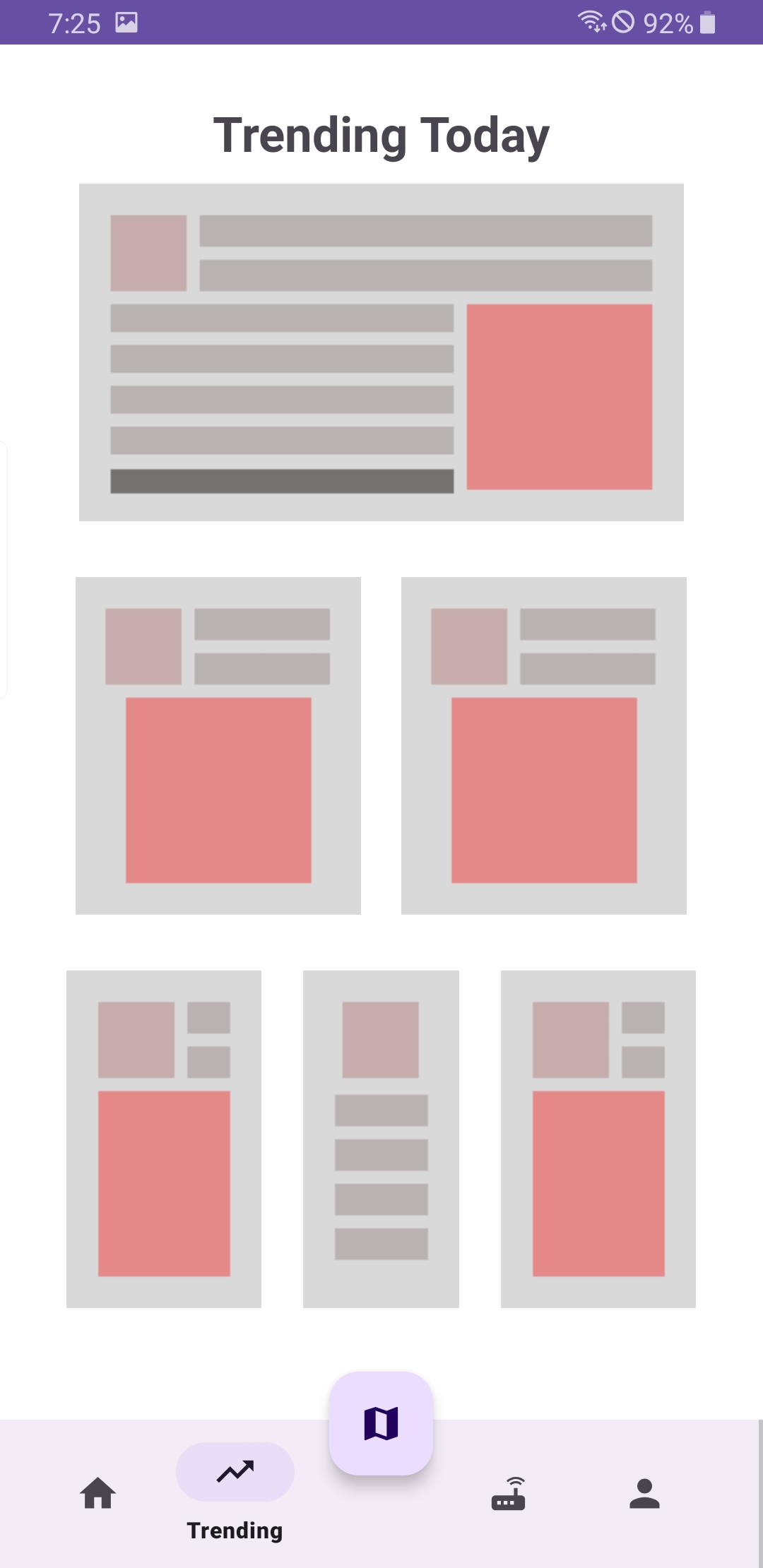
Trending Page
-
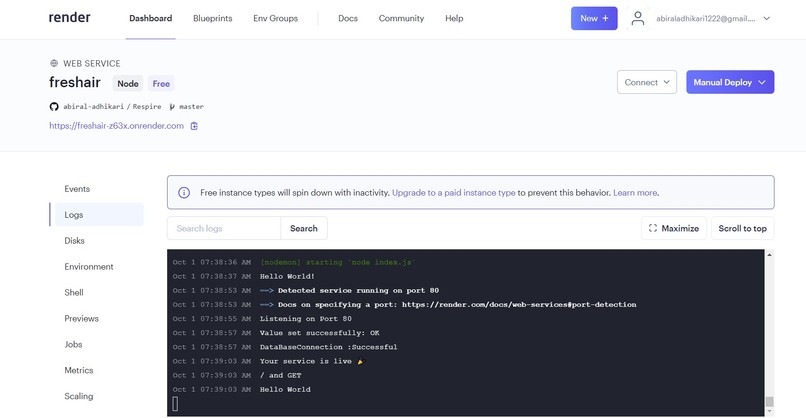
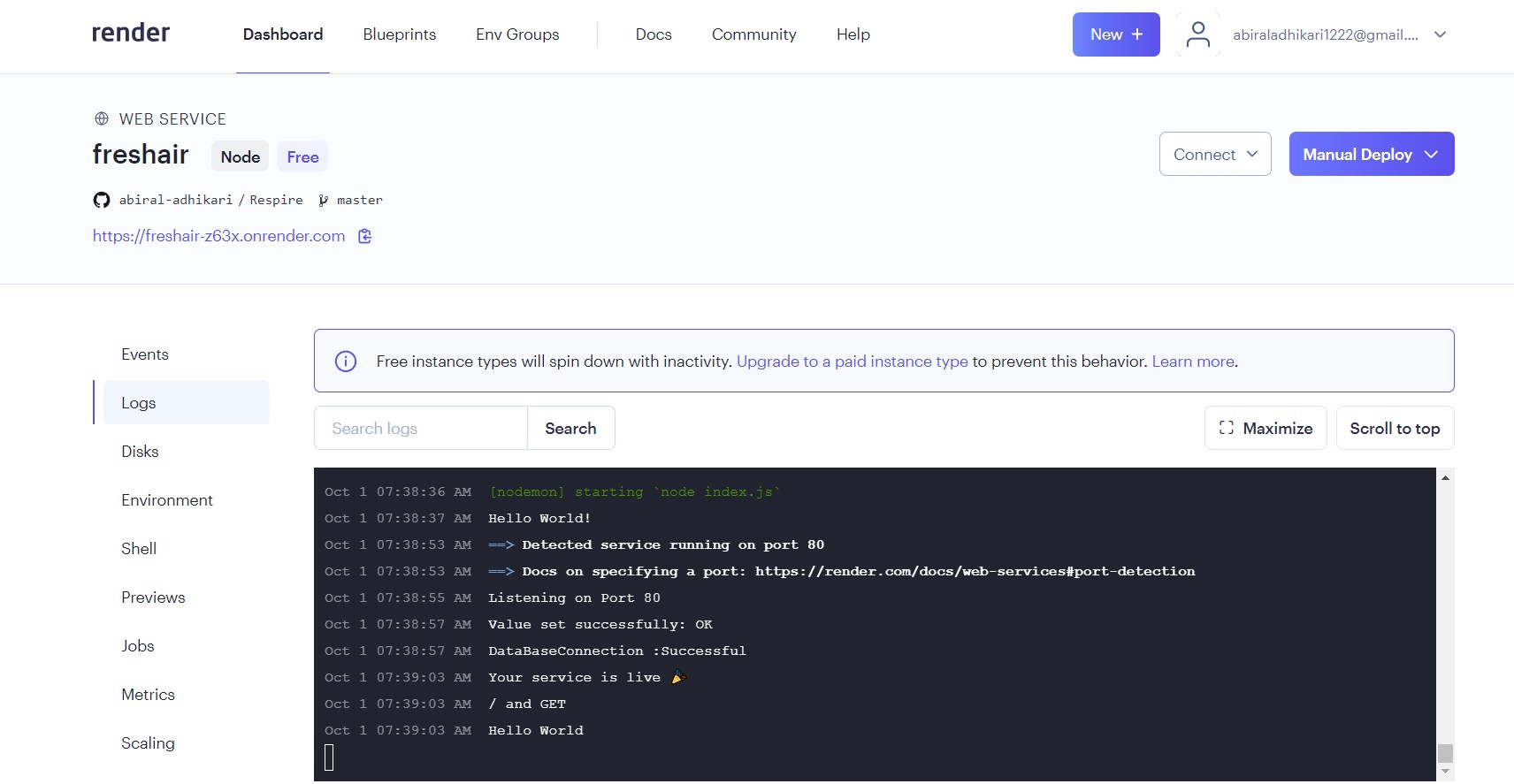
Render Deployment
-
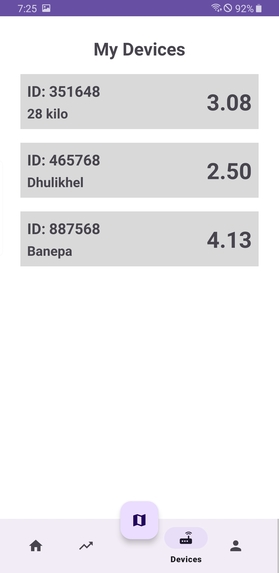
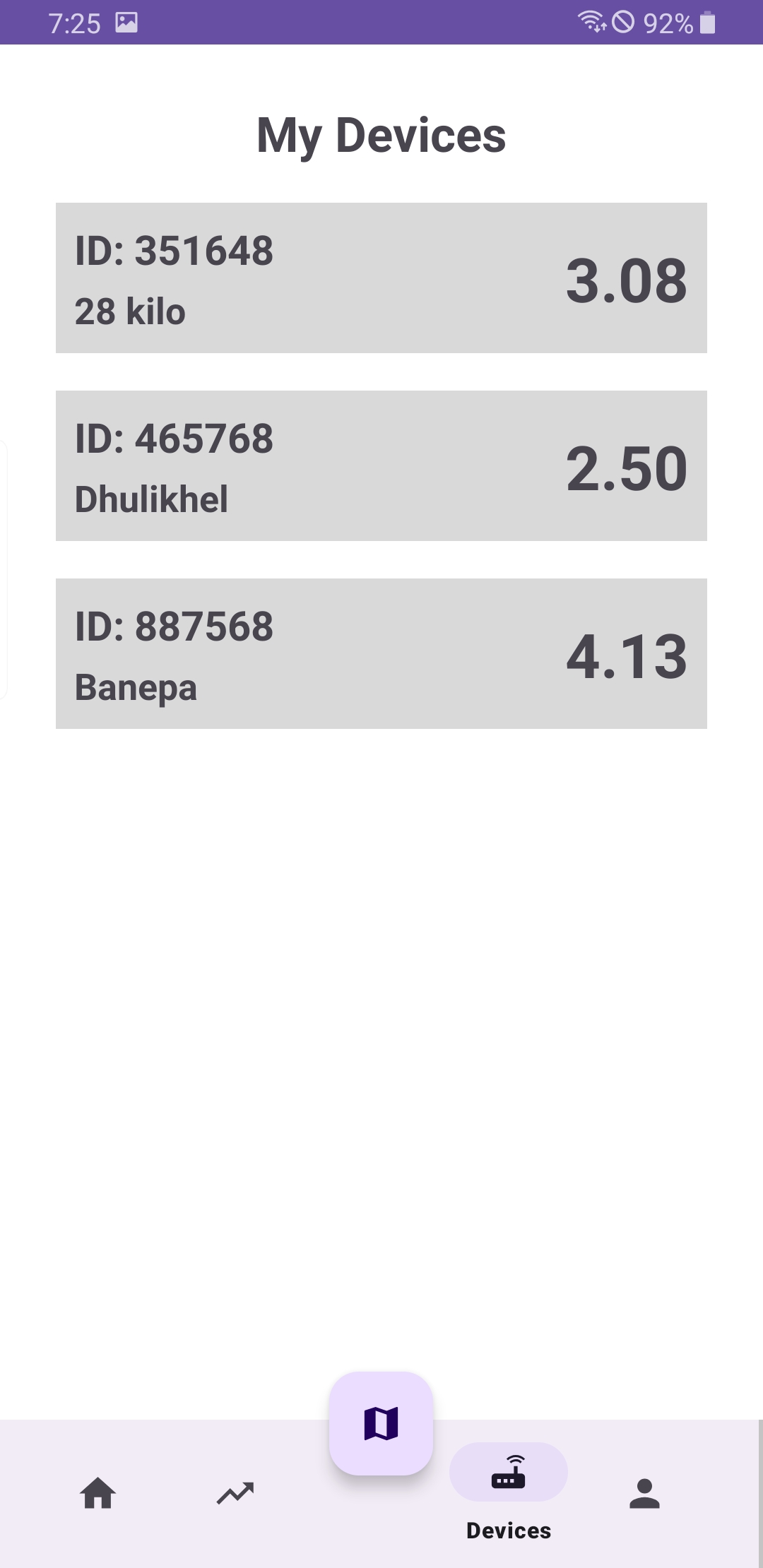
My devices
-
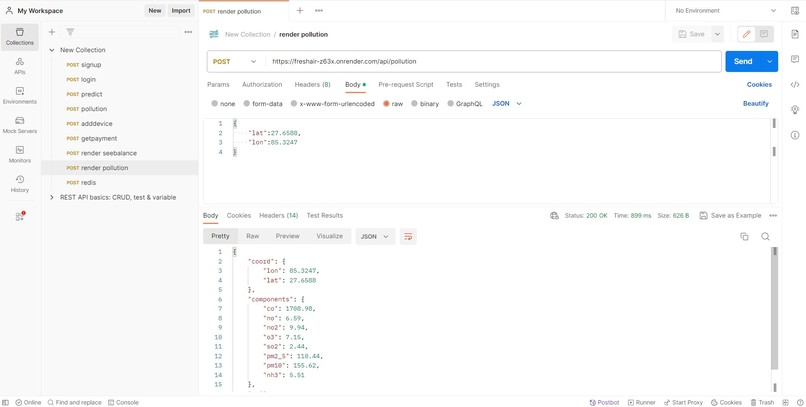
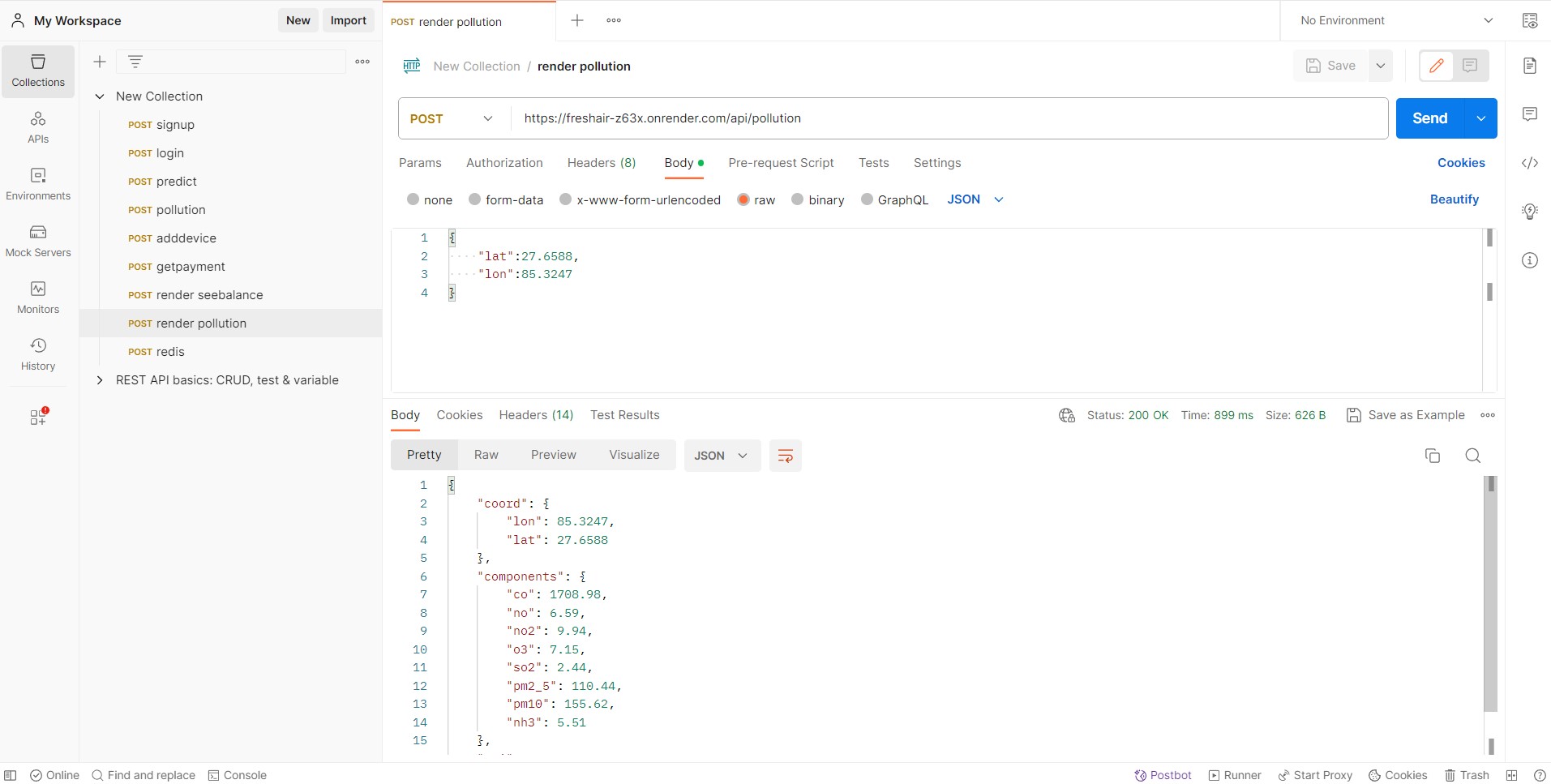
Postman
-
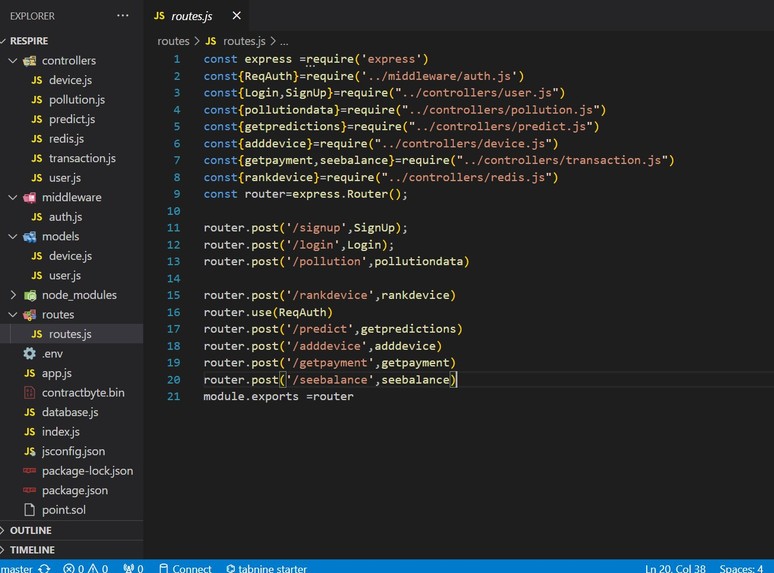
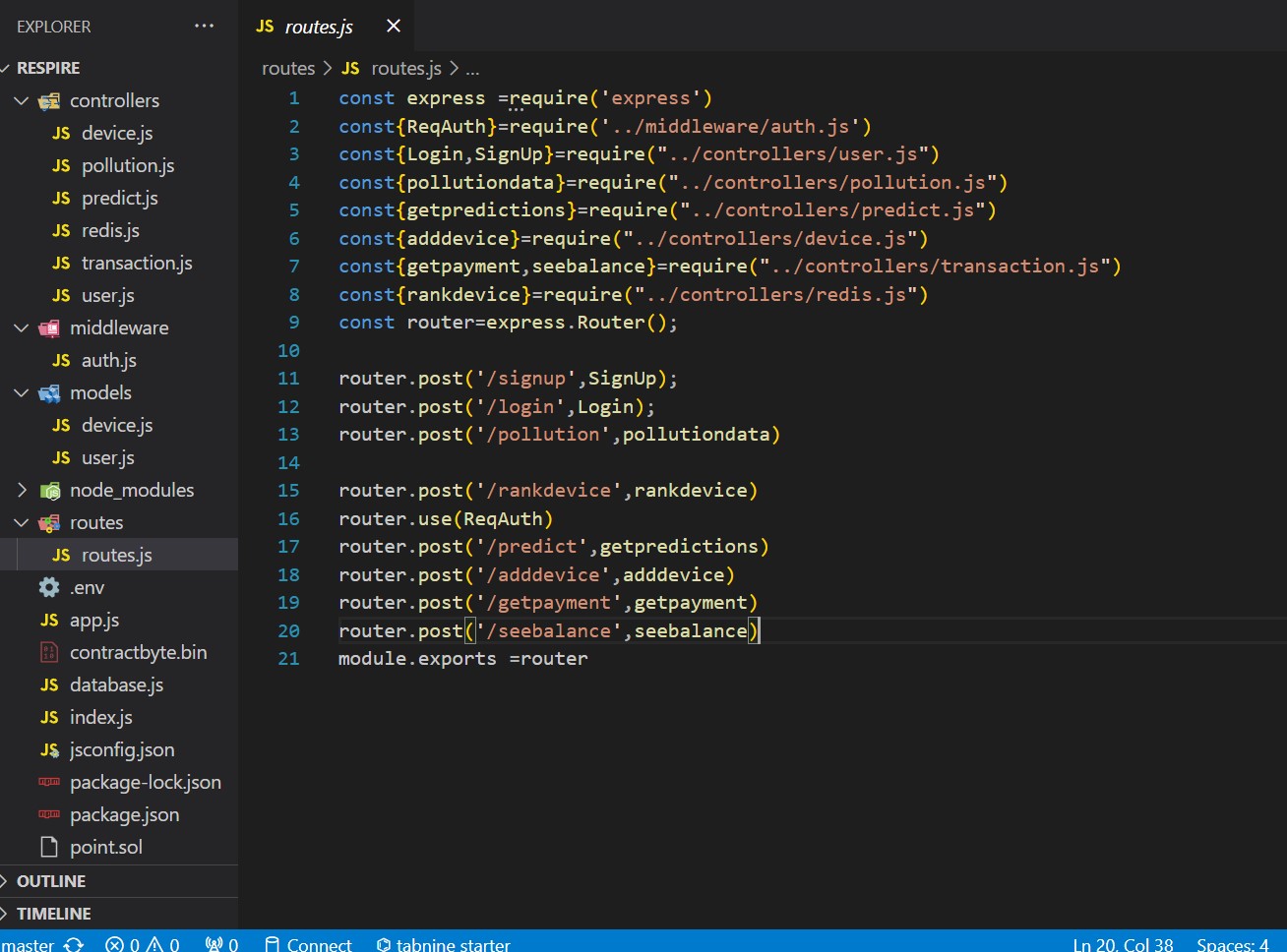
Backend Routes
-
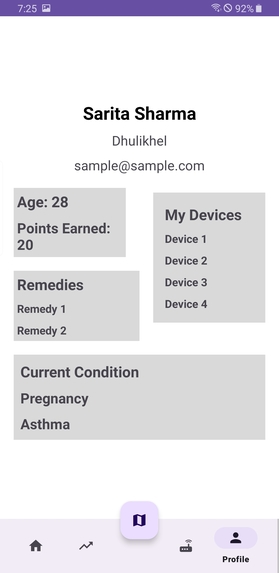
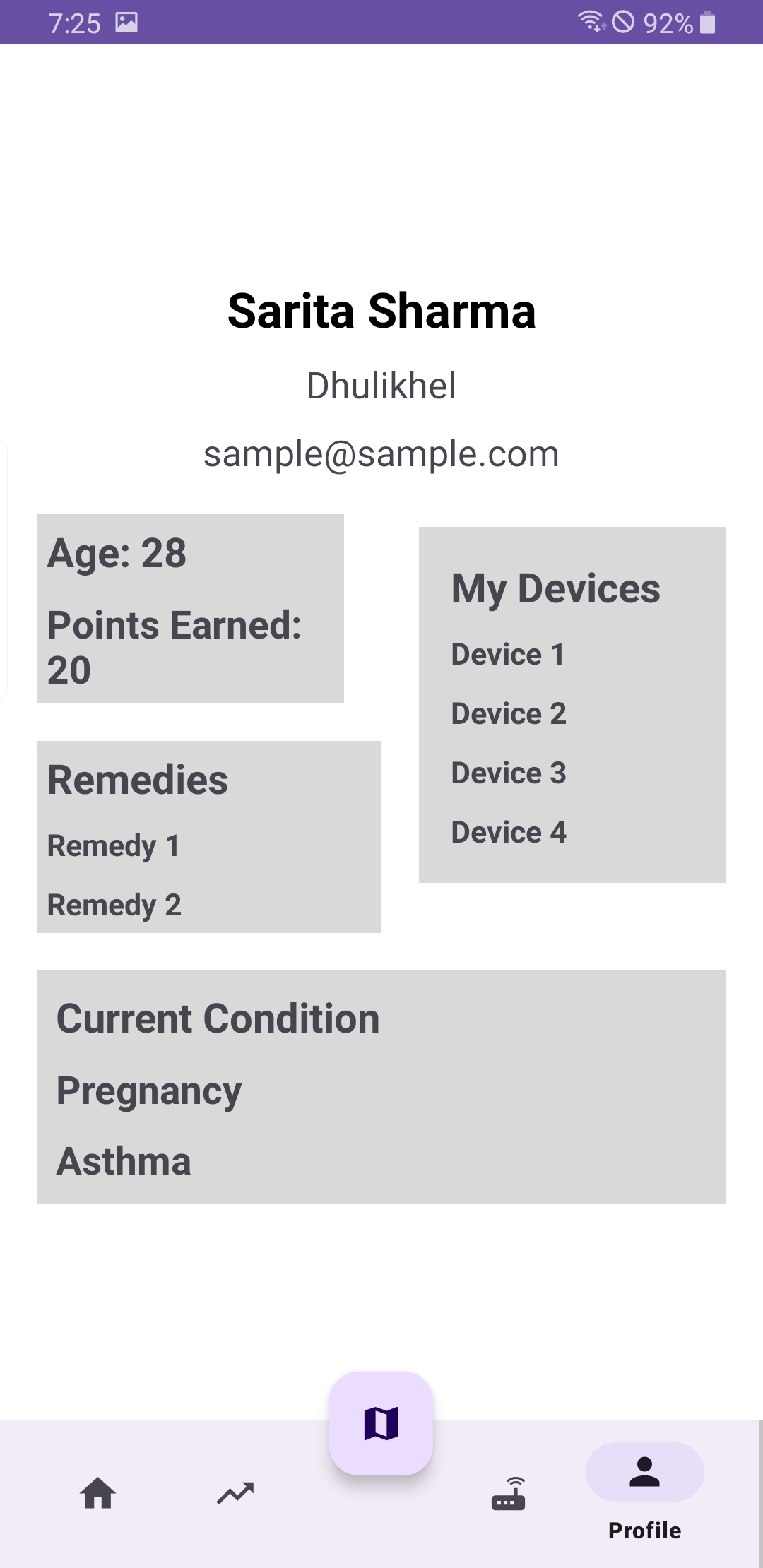
My profile
-
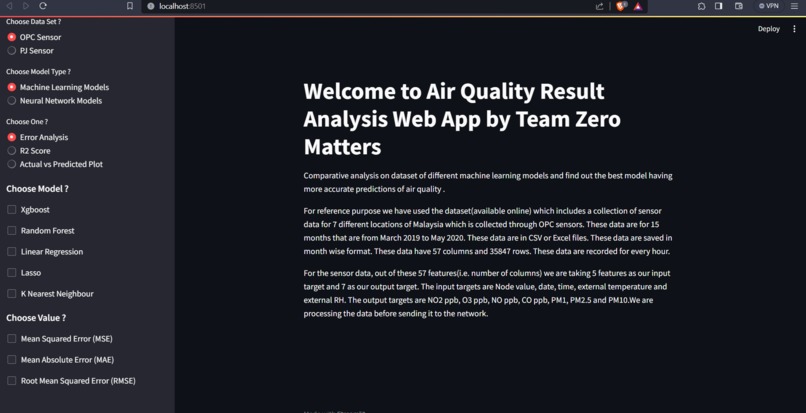
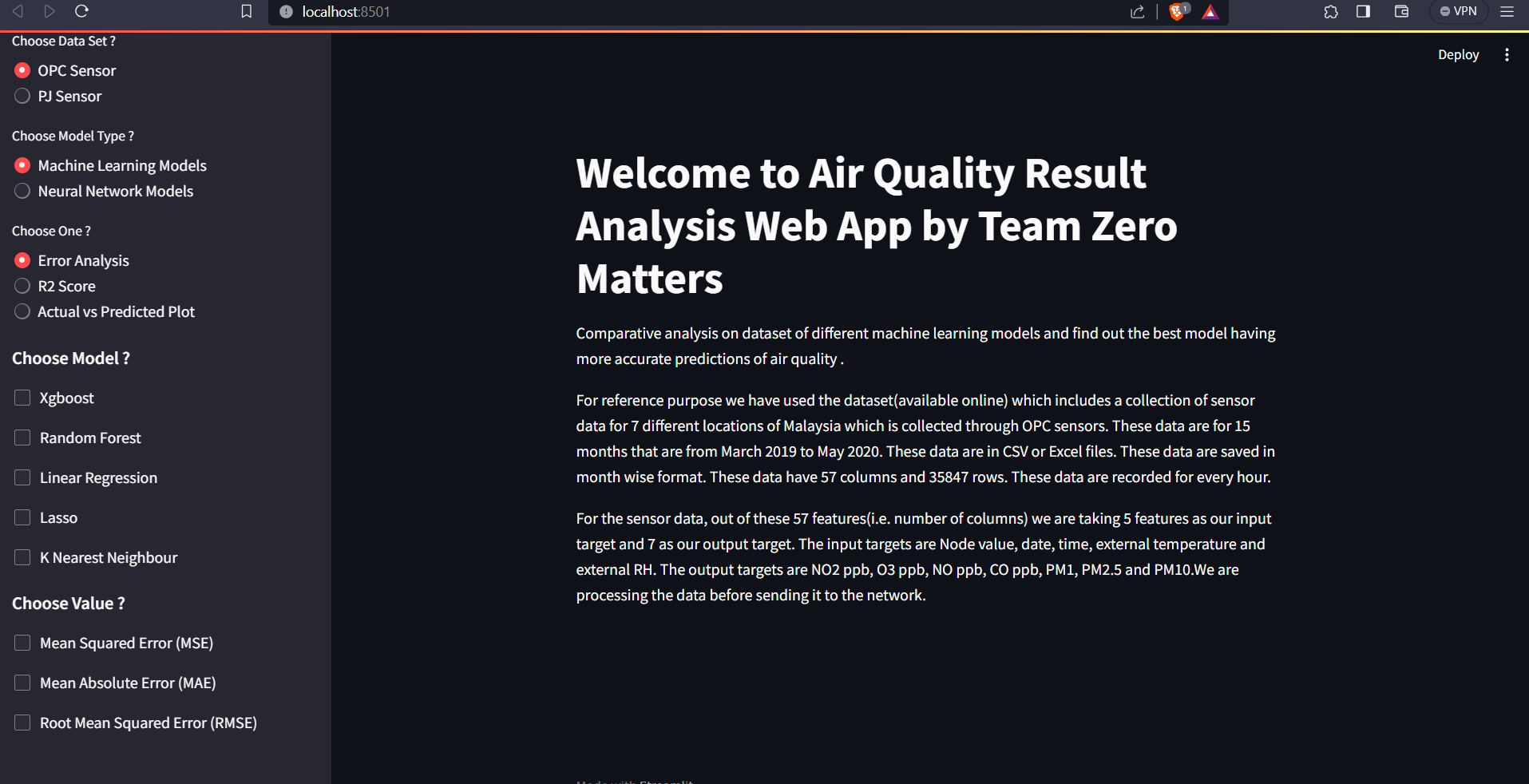
Streamlit HomePage
-
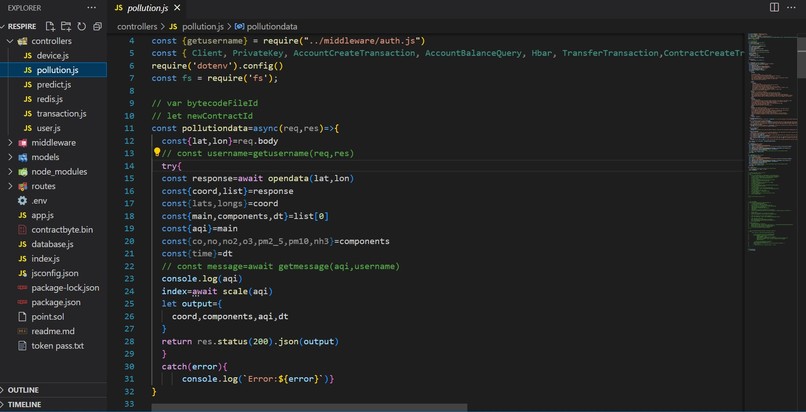
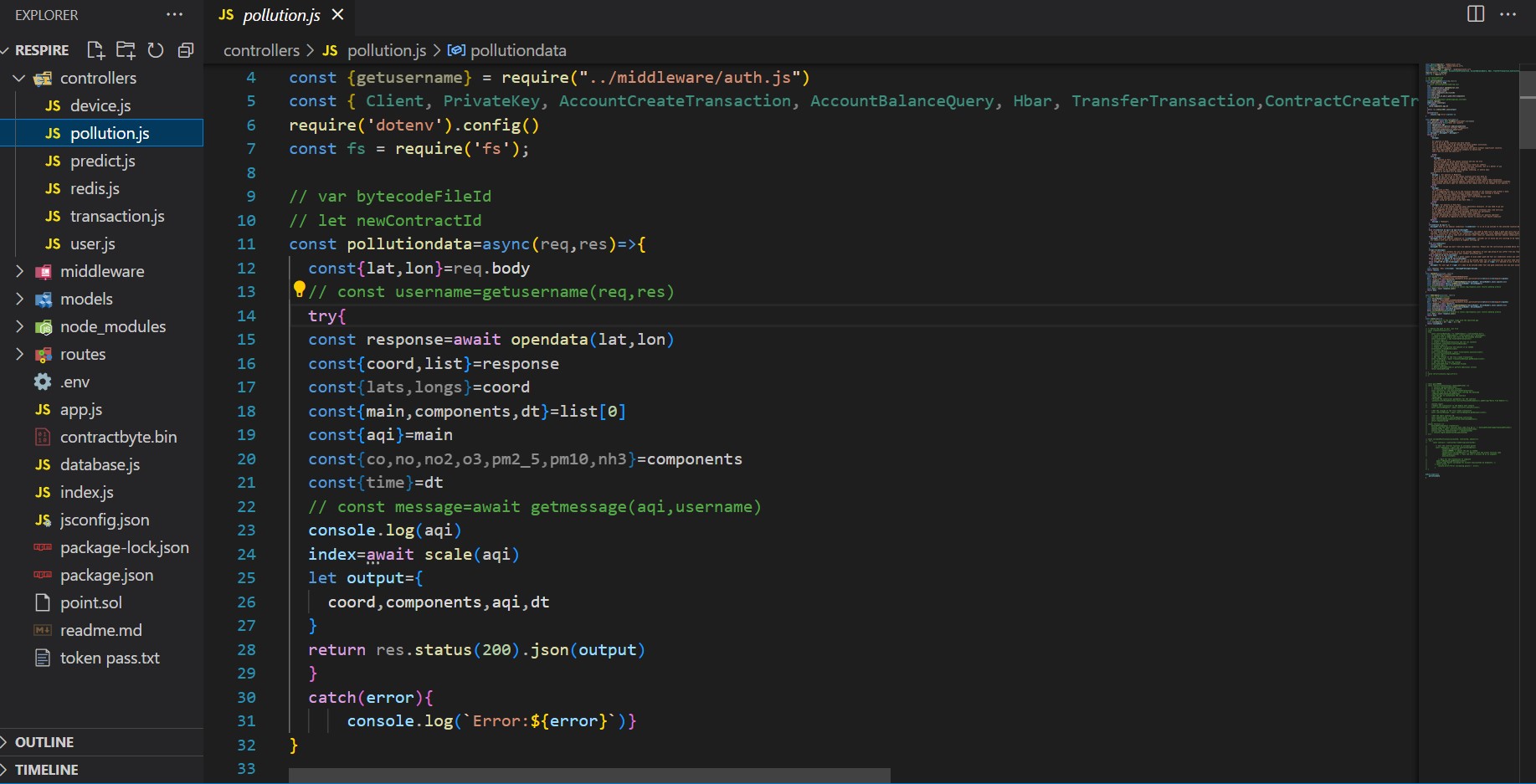
Pollution Data
-
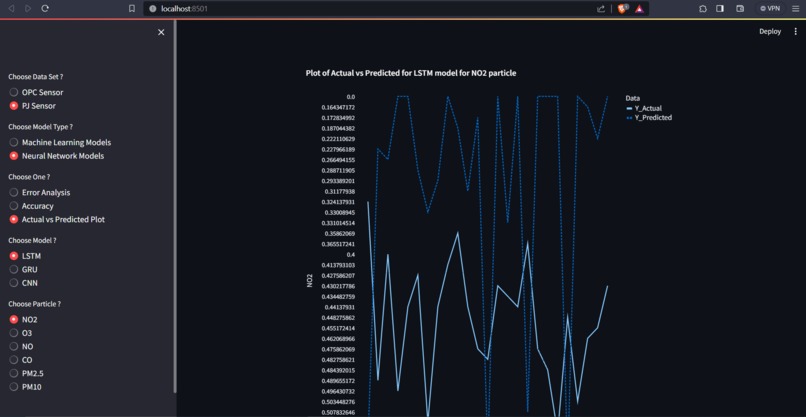
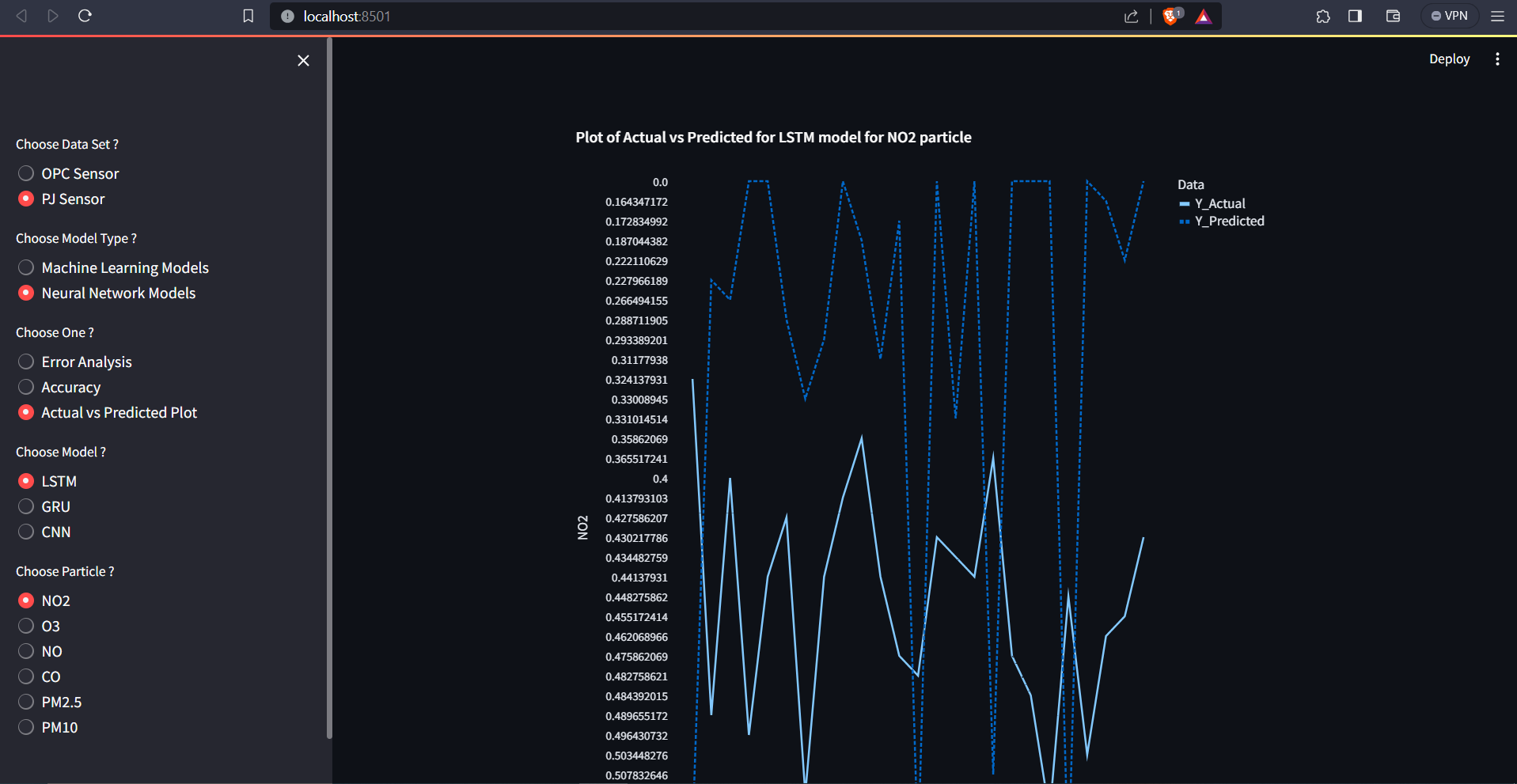
Data Analysis on Streamlit
-
Sign Up Page
-
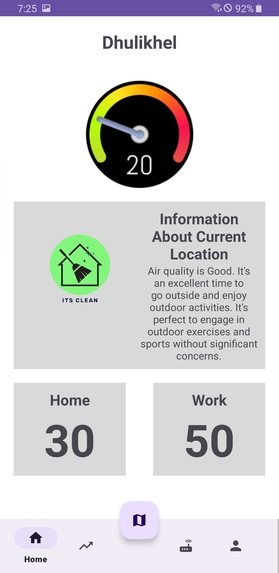
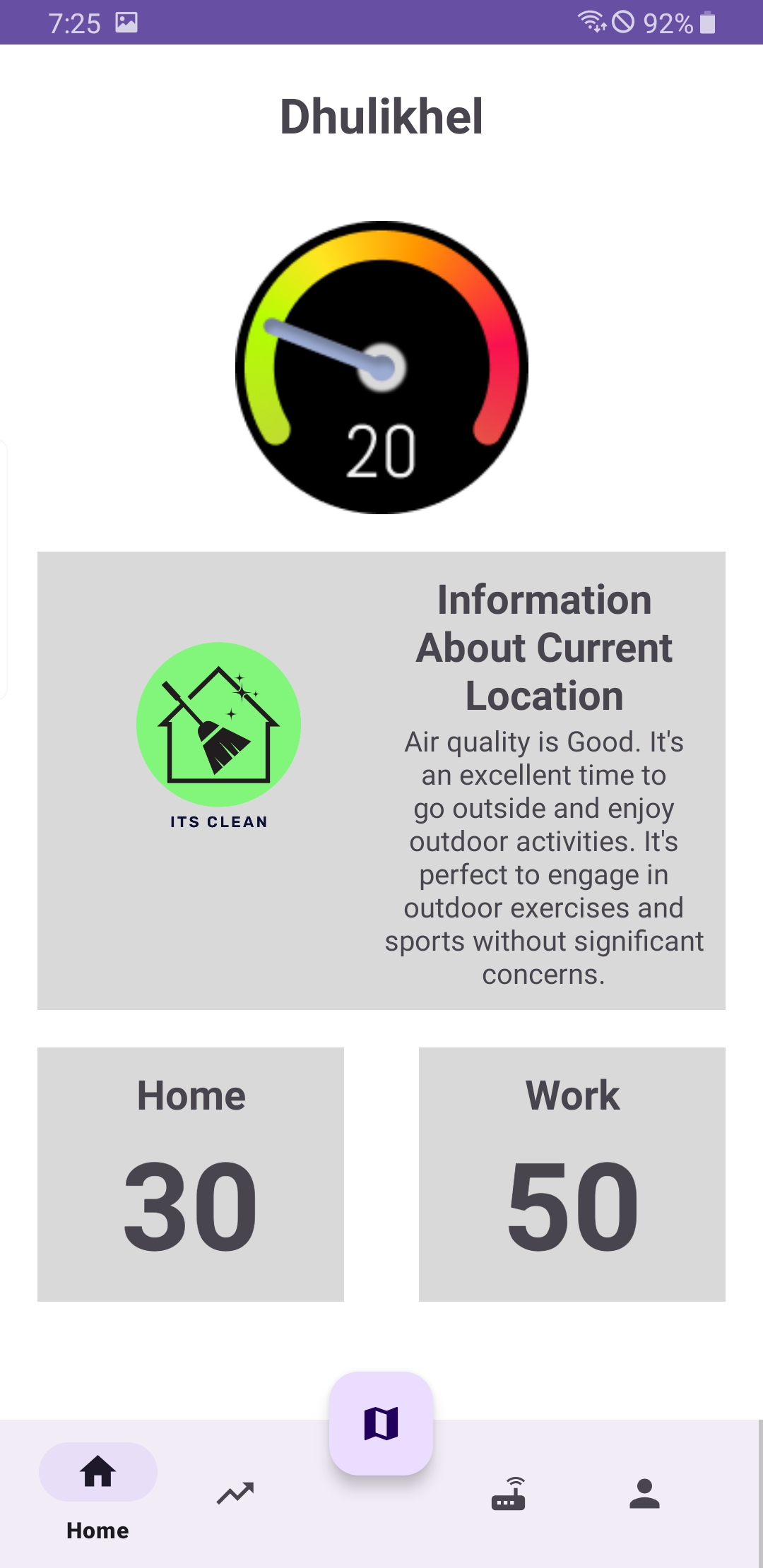
Home Page
-
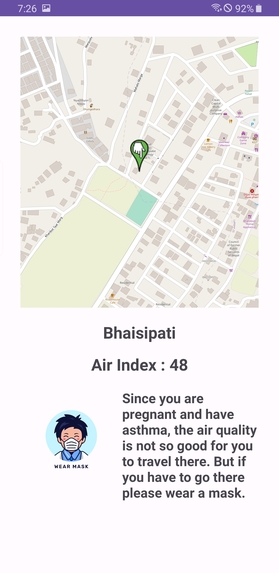
Search Results
-

Availability of Godaddy Domain


Inspiration
Kathmandu being listed as the most polluted city in the world gave us the reality check. Moreover the difference in comfort levels during travels in between Dhulikhel and Kathmandu was the key factor inspiring us to dive into this topic and work to make daily life of the general public better and healthier. Lack of adequate precise and accurate air pollution data in Nepal has been a great source of motivation for us.
What it does
The project incorporates an air pollution data sensor device and app making use of thus obtained data to upgrade the quality of life of the general public. Our device measures air pollution data while app respire can be used to index air quality and tailored suggestions to users based on age and medical conditions. Our device being cost efficient allows to be set up in large number ,thus enabling the government to acquire adequate air data as numbers of existing government stations measuring such data are insufficient .Moreover with proposed reward point system for the device owners will later come handy with tax reduction benefits when implemented in conjunction with the government of Nepal . The app by itself firstly solves the problem of lack of general consciousness about air pollution and its adequate effects on human health .Though the available weather apps provide user with AQI we further indulge in using such data to enable general public to plan for necessary precautions during their travels .We further leap into to the state of individualized recommendations for respiratory improvements using the pollutant metrics and user's response to the said air conditions. The limited amount of data available and data generation by available services with interpolation between two available stations has resulted in availability of inconsistent readings and metrics .Our project in collaboration with the government will provide precise air pollution data at locality level which is our vision as well. Our project aims better breathing and healthy living of our our consumers.
How we built it
We designed the project application to be an android app based on Kotlin while backend was an Node.js web application.We used the Hedera Hashgraph to implement the reward system for device owners using digital wallets and Hedera currencies :highbars and tiny bars in Hedera testnet.We designed the app to provide user with aqi and tailored prompt based on user age and medical conditions using data from the device but ultimately used open api for data due to damage to the the device sensor.We set the device point to increase with each api call which ultimately converted and paid to user as reward points.We implemented the use of OSM for geocoding and obtaining latitude and longitude data for api calls.The web service was ultimately deployed on Render . We created a webpage using Streamlit for ML models predicting the AQI based on previous data as well.
Challenges we ran into
Deployment of web service: We faced problems during online deployment of node app (web service) on render especially while configuring ports and permitted IP’s for the MongoDB Atlas service. We manually added all the permitted IP’s onto Atlas network access list. Integration of the project: As the project is an android app with node backend ,there were some hiccups while integrating frontend and backend .The problem was solved by the use of CORS headers and Retrofit library. The updated library had also its fair share of problem. RestfulAPI implementation were a little frustrating due a bunch of status code other than 200. Lack of adequate Data: Due to damage of our gas sensor while testing and intermittent unavailability of the sensor on the market we were stranded without any data. So, we had to improvise in this situation by using the API service provided by open weather for necessary data. Reward System Setup: The setting up of reward system using Hedera Hashgraph were quite the hassle .We faced problems with initializing the instance of Transaction Object and during method calls. We had to find alternative ways of writing the code than that provided without the documentation. The TypeError and undefined outputs over the slow internet were sometime tedious.
Accomplishments that we're proud of
The completion of “Respire” app, a full fledged android app within 48 hours in the somewhat inconsistent and unreliable internet connectivity is an accomplishment worth taking note of. The implementation of Hedera Hashgraph for digital wallet and hbars/tiny bars based transactions. Air Quality Result Analysis Web App using Machine Learning and Deep Learning: We were able to analyze Air Quality Result for error analysis, R2 score using different models like Xgboost, Random Forest, Linear Regression, Lasso and K Nearest Neighbor. Designing of Low cost device: We were able to achieve a low cost circuit design for our device which measures the air quality data when installed in different places. Full fledged working android app: Even using newer libraries like open street mapping, auth 0, and so on, we were able to complete the app within the 48 hours time frame. Digital Wallet Implementation: We were able implement our rewards system mechanism on the app using the Hedera Hashgraph Technology . Air Quality Index Prediction: Our app can predict the AQI of a certain place at a certain time using previously obtained data using Machine Learning and Deep Learning Models. Reward System Implementation: The functional transaction system using Hbars(Hedera’s native currency) for transactions is a brownie point for us. Emergency Alert System: Our device can send emergency alerts to the respective authorities upon detection of unusual changes in the environment like fire, excessive smoke, excessive temperature and acid fumes.
What we learned
The KU Hackfest has provided us with a tremendous boost to our role as both programmers and problem solvers. While working in this project we learned about the condition of air pollution in Nepal. We were shocked to find the number of weather stations with particulate matter measurement ability to be so few in Nepal. We learned a lot about major air pollutants like :CO,NO2,PM2.5,PM10 etc. With this project we improved our error finding and debugging capabilities. This project has also opened the gateway for us in the field of blockchain and Hashgraph. The limited timeframe for the event also broaden our horizon in regards to concept of compartmentalization.
What's next for Project Respire
We will be working further on the device design improvement and increase its cost efficiency. We plan to collaborate with the government of Nepal to install our device and app among the general public for large data generation. All of which will be used to get data driven solutions to the current blazing problem of air pollution. The reward system implemented allowing users to get tax subsidies will be a positive sign for our long term vision. We hope to scale our project to national level. Beyond this hackathon we want to shape this project into a full fledged service rather than a demonstration or an experiment.
Built With
- auth0
- figma
- github
- hedera
- javascript
- kotlin
- mongodb
- node.js
- osm
- redis
- streamlit


Log in or sign up for Devpost to join the conversation.