-
-
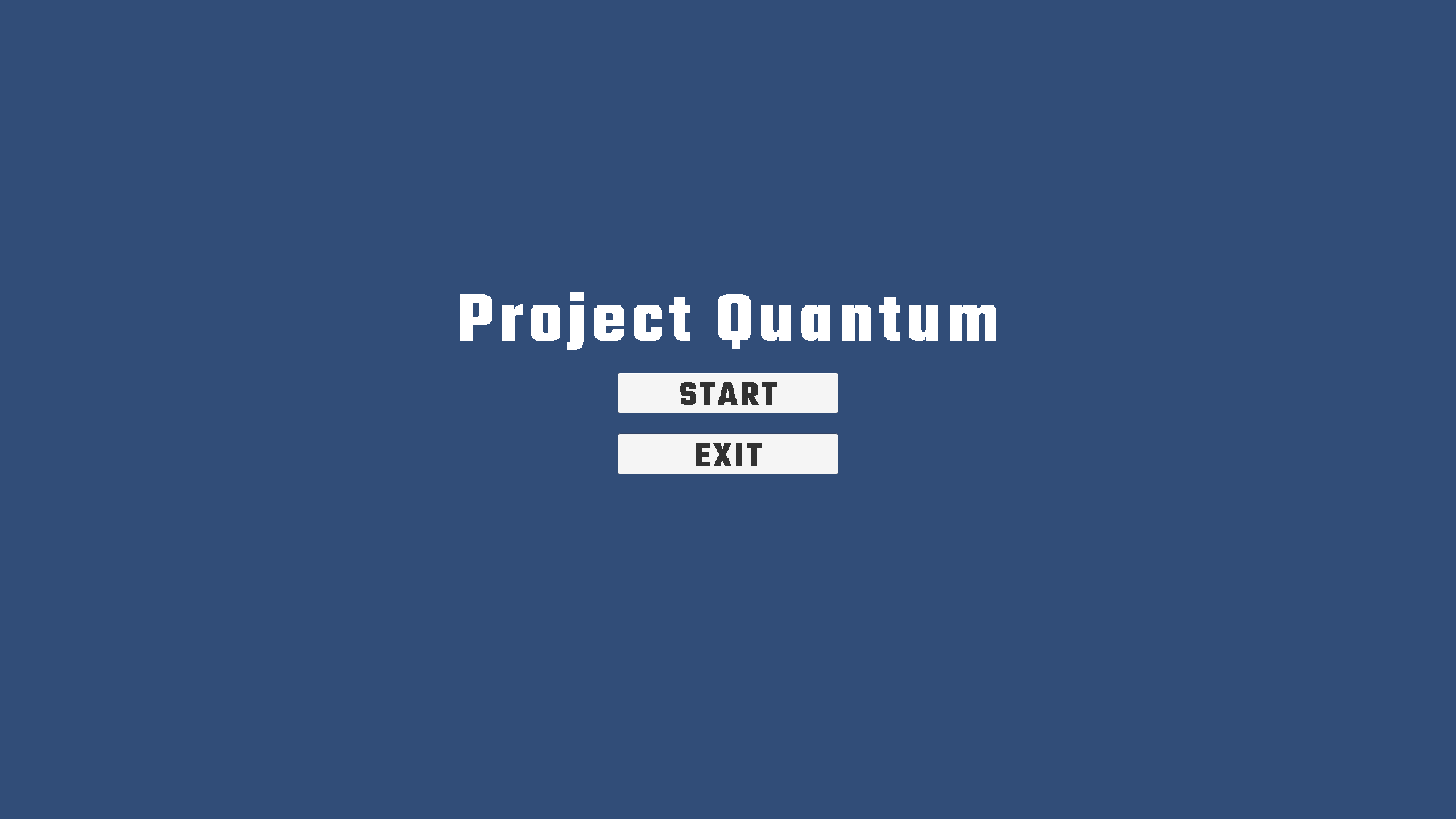
Project Quantum's Menu
-
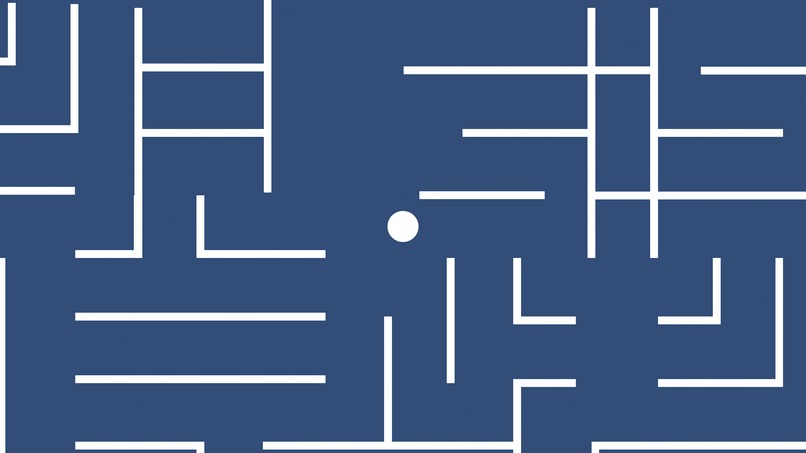
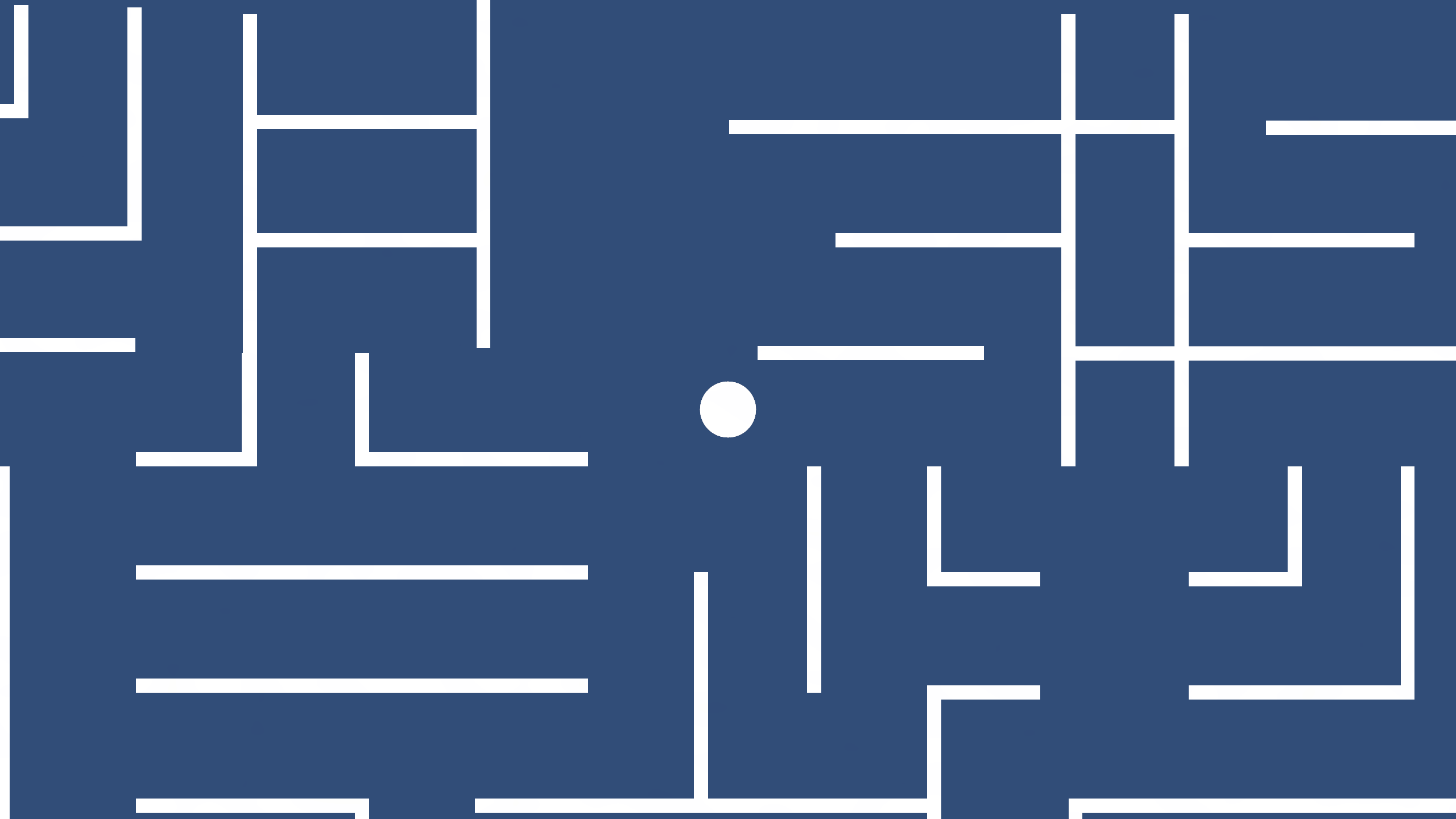
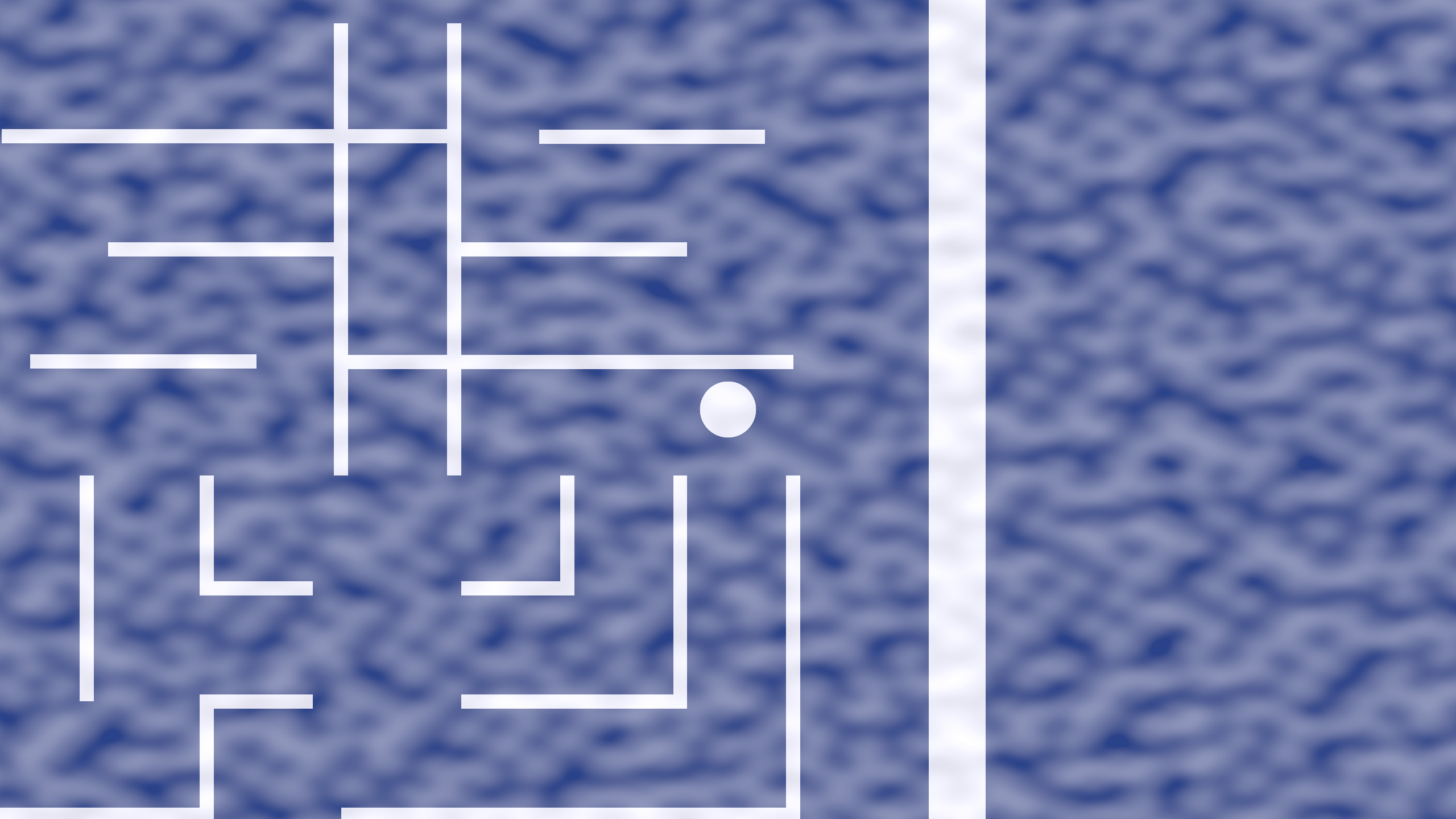
Traversing the maze when you're not near the other player
-
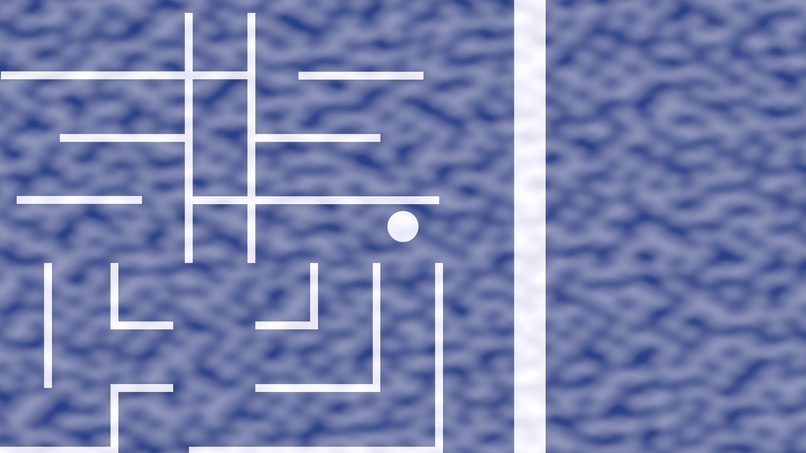
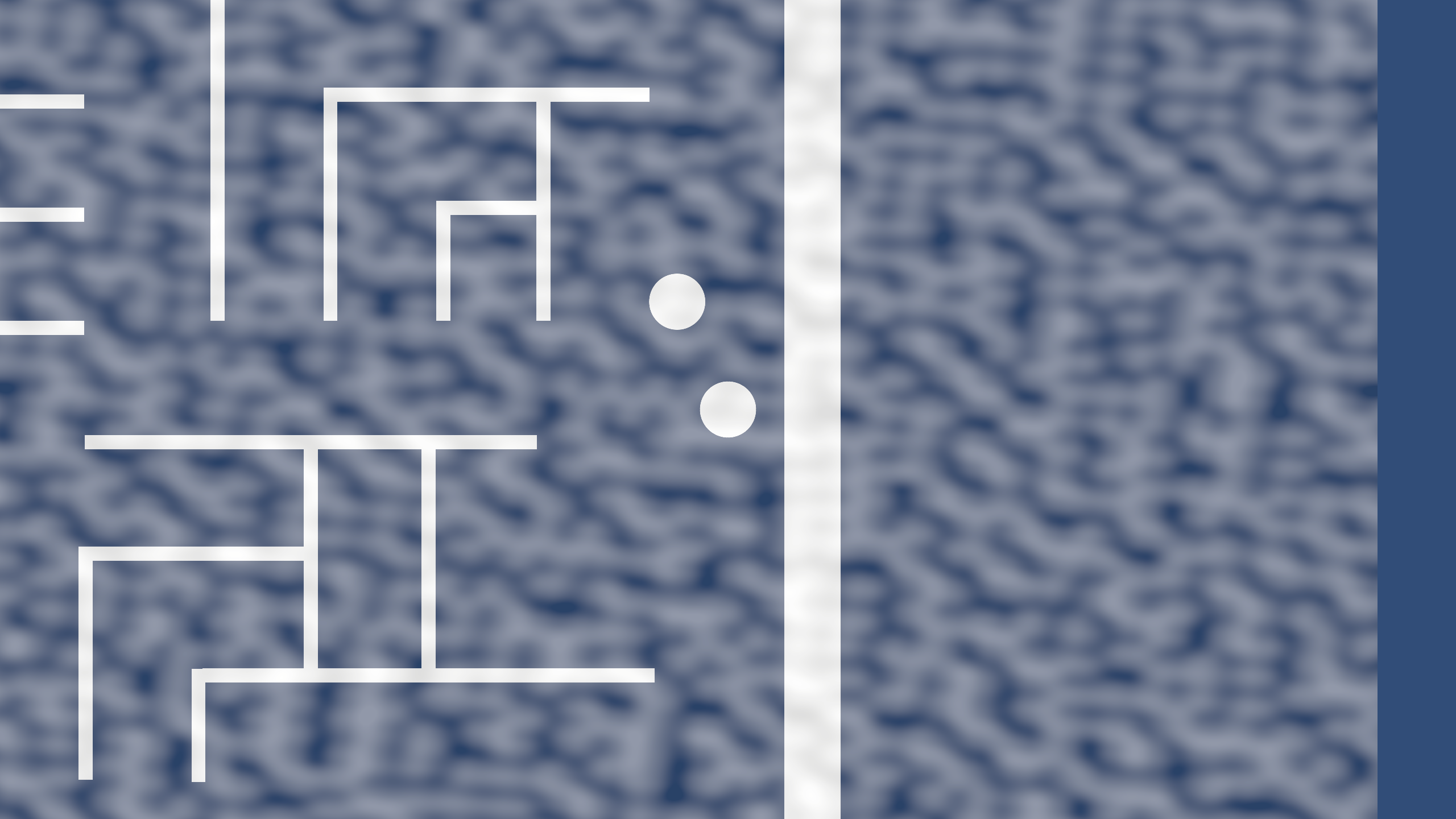
Traversing the maze when the player is near you in the parallel dimension
-
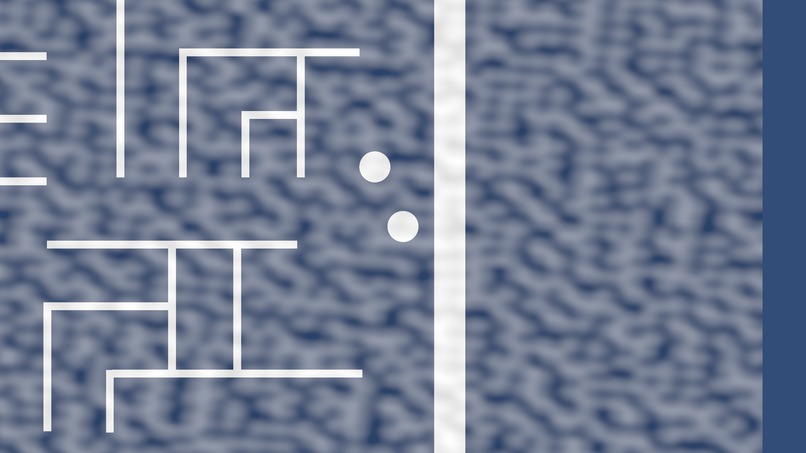
Traversing the maze when the other player is near you in your same dimension
-
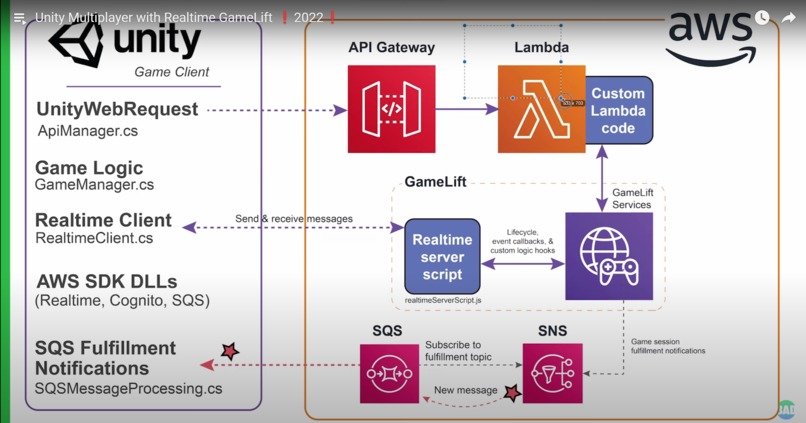
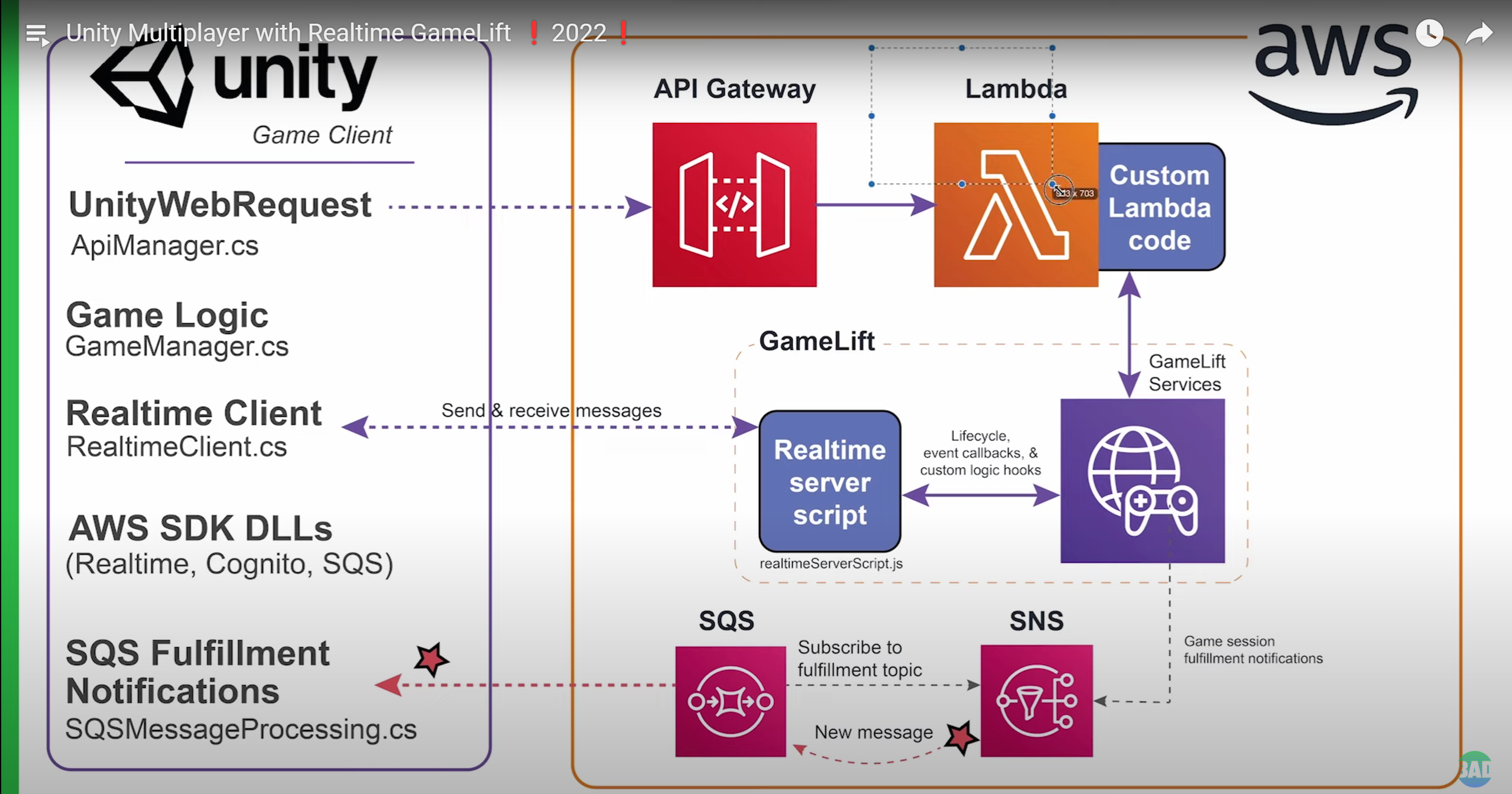
AWS Architecture Diagram
-
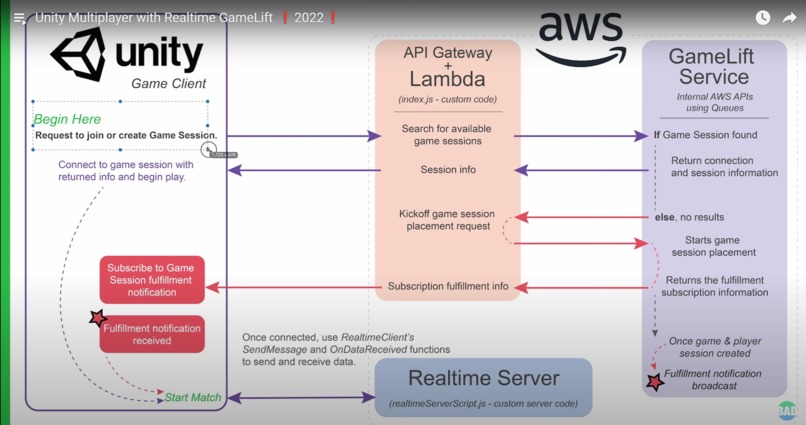
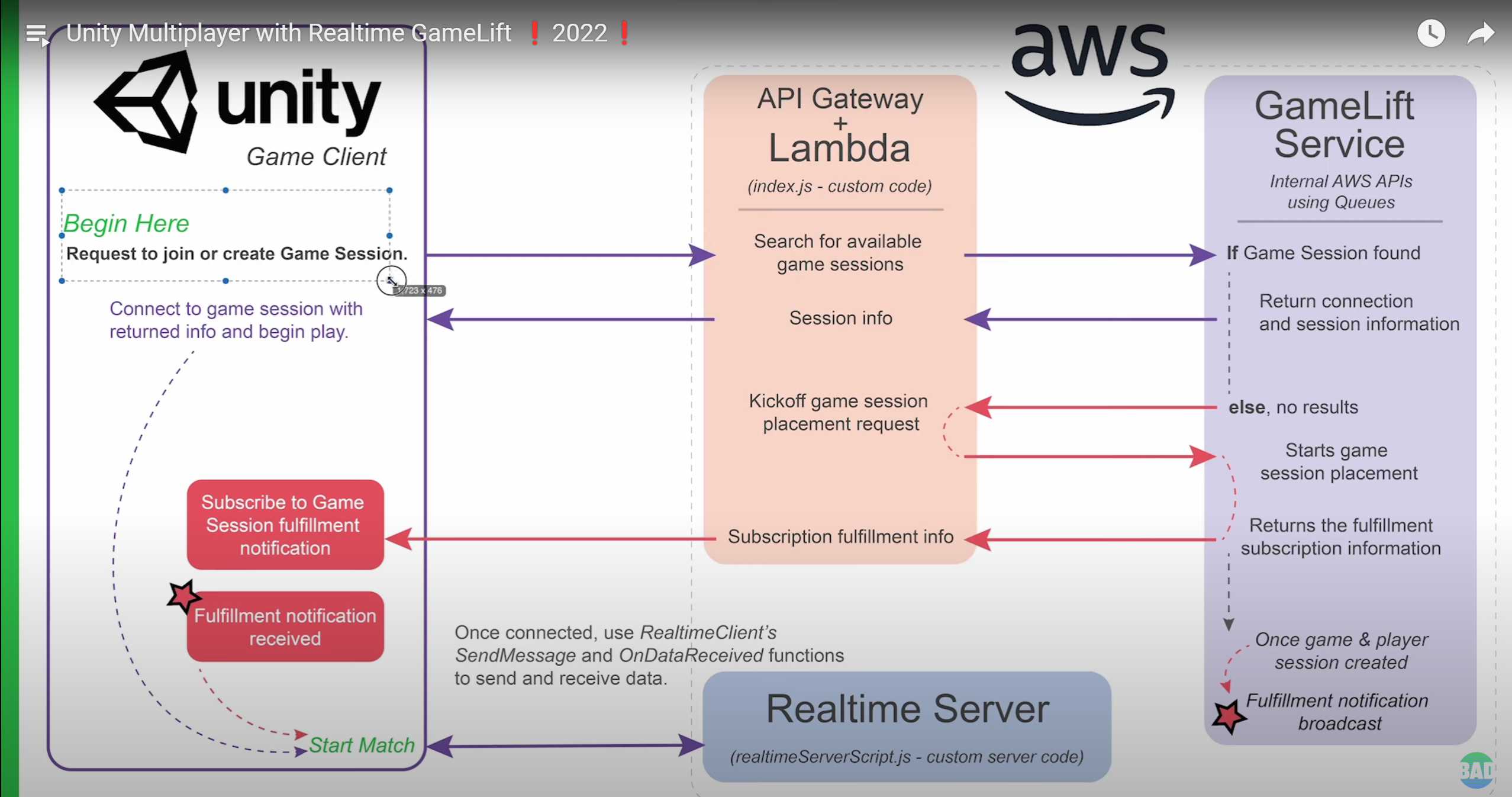
AWS Server Code Flow Diagram
Inspiration
This game is based off the quantum-mechanical properties of particles and how they interact. The basis for this game is a cat and mouse type of game where one player is a controlled quantum particle and the other player represents a parasitic particle that is trying to disrupt the state of the controlled quantum particle.
The analogy of the game is that particles like these can exist on multiple energy levels, here more commonly shown as the red and blue tints that appear. The player can 'excite' or 'relax' the particle by pressing space which causes the particle to move between the two maze zones. When a red static appears on screen, it means the particle is being excited or it is being attempted to be decohered by the more energetic parasitic particle. When a blue static appears, it means it is either relaxing or trying to be decohered by the less energetic parasitic particle. This works well in the game as it lets the 'qubit' player know when the 'parasitic' player is close which allows the 'qubit' player to try and get away.
This is a real problem that is encountered in real life in the field of quantum computing. In this field, people try to do quantum computations using 'qubits'. The world makes this hard and tries to constantly introduce the controlled qubit to other particles. If the qubit comes into contact with these other particles, the qubit decoheres and the computation needs to start again.
What it does
We're still in the ideation stage, but we know we want to make a multiplayer game that's fun to play and also educational, with themes surrounding quantum mechanics throughout.
How we built it
Built in the Unity game engine, C# scripting, and a backend tech stack powered by AWS GameLift for server management.
Server architecture inspired by Second Dinner, the creators of Marvel Snap. Check out their AWS case study here: https://aws.amazon.com/solutions/case-studies/second-dinner-nuverse-case-study/
Challenges we ran into
We had issues with integrating the game world and the server side of things. While we were able to get both of our sides of the code to work, we found it hard to integrate the more generalized server code into the more specific game world.
Accomplishments that we're proud of
We were excited that we were able to put together a simple game in this period of time despite sickness and other constraints.
What we learned
We learned how to use unity and how to use github to optimize our workflows.
What's next for Project Quantum
We want to finish the game by adding in a second player via the AWS gamelift backend and to add win conditions. Win condition for parasitic particle: catch qubit. Win condition for qubit: run away from parasitic particle for a set length of time.

Log in or sign up for Devpost to join the conversation.