-
-
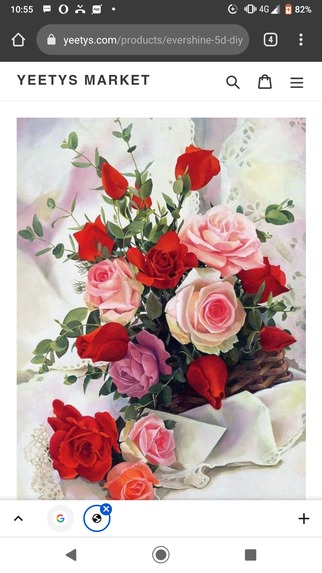
Floral waste
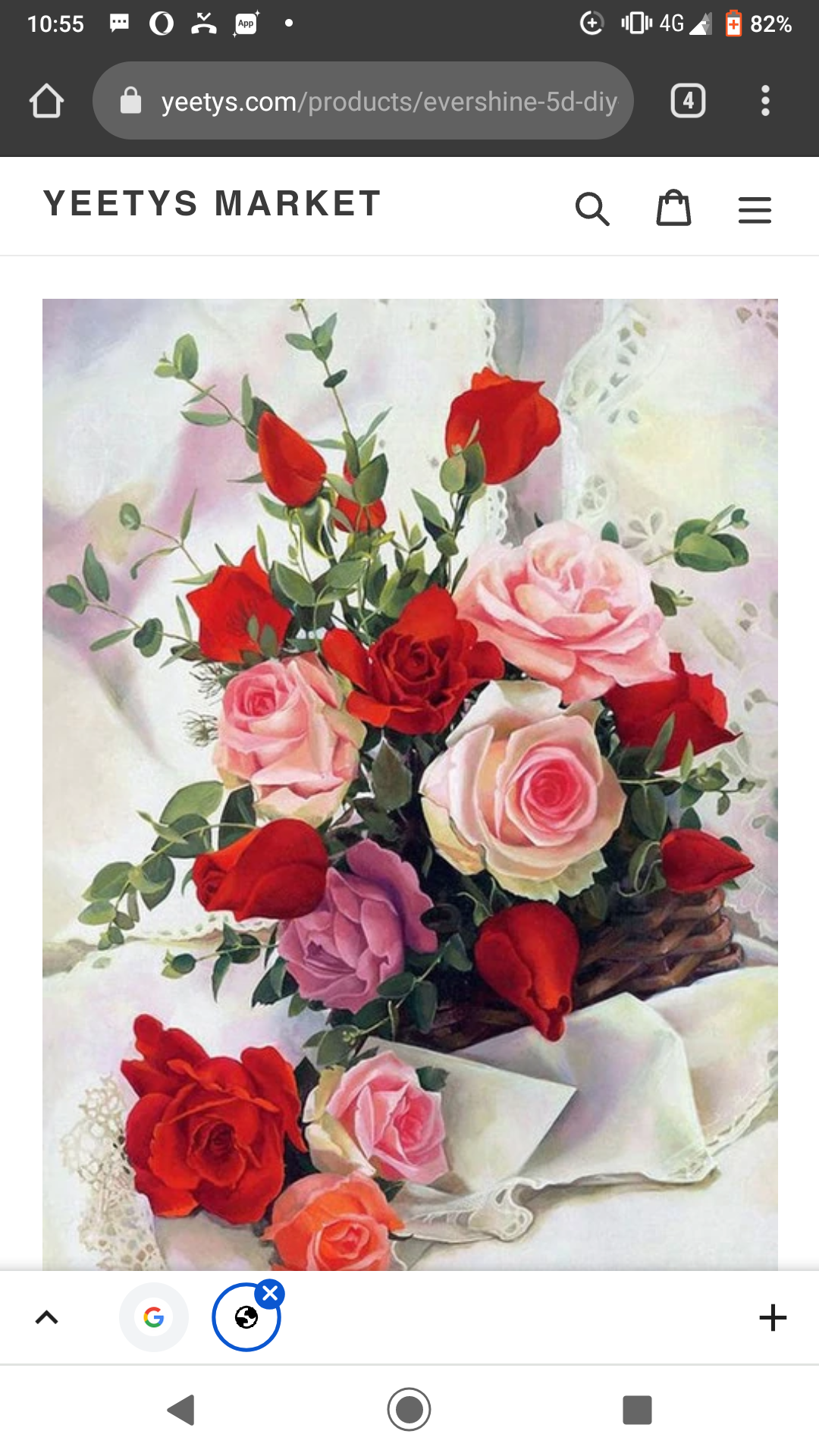
Project Palaash is highly committed towards solving the problem of water pollution by managing the floral waste.Uganda and India discards millions of tonnes of floral waste into its streams.These worn-out flowers contaminate the water quality and residue of pesticides used on the flower percolates into the waters,thereby hampering our marine life.Another factor contributing to the hazard on the quality of water is the impurity caused by various dyeing and textile industries.Through the project-palaash,we aim to utilise these flowers and create organic dyes which are purely non-synthetic in nature.These organic dyes are used on fabrics which creates employment opportunities for destitute community members. The problem of water pollution by textile industries and floral waste isn't just limited to India or Uganda,Project Palaash could help promote sustainable fashion on a larger scale and create a positive impact across the globe such as beyond Africa. Problem: Uganda's religious and cultural activities vgenerate a yearly 8million tonnes of hazardous bio-waste that seeps into water bodies and has detrimental impact on marine life Floral waste from compounds gardens,wedding and introduction parties,baby showers,birthday celebration and Indian temples make a out 17% of water pollutants Synthetic dyeing industries also expel nearly 80% of the world's wastewater in the environment.when discarded,the untreated water depletes the oxygen levels of water bodies.We have introduced the concept of sustainable fashion by providing 100% vegan fabric for the handlooms industry,we also support artisan and weavers by giving them better market penetration teaching them the process of organic dyeing
What it does
Under this project,we tackle the problem of water pollution by collecting floral waste and formulating organic dyes out of it.Wevbring sustainability in the fashion and revive the traditional Ugandan art form of handlooms.By doing this we not only tackle floral waste but also simultaneously replace synthetic dyes and polyester fabric. The utilisation of floral waste along with the promotion of natural dyes helps make water bodies cleaner and enhances the quality of life under water.It also increases the fertility of the land around and drastically helps in reducing pollutant runoff.we aim to install a zero-waste system through our business model,we cut down on our production costs by sourcing raw materials for free from temples,churches,and compounds.The floral matter remaining after the dyeing process is converter I to compost,and the wastewater generated in the dyeing process is used to water plant.
How we built it
We have been working directly together towards meaningful improving the lives of people from underprivileged sections of the society.We have composed synergic collaboration s with the renowned Directorate of Industrial Training and TASO- global movement that has been dedicated working towards the mission of rescuing victims of HIV/AIDs and oppression by empowering them through the means of education, employment under legal domains,vocational training and rescue them from the recurrent challenges in our community such as prostitution.
Challenges we ran into
Bussiness model(go to market strategy) Financial Public Relations
Accomplishments that we're proud of
One of the main goals of the project is to impact lives and make it better. This past year we have directly served 189 people and we are hopeful that this will increase to 600 this year and more than 1009 in the next five years
What we learned.
Innovativeness of our project: The problem of floral waste is highly overlooked.In Uganda ,the yearly approximate of 8million tonnes of floral waste from religious ceremonies accounting 17% of river pollutants,these flowers are cast aside and does into river streams,hampering marine life.Project Palaash dye not only using conventional methods of just making composts of floral waste but rather using them for dyeing first gives our idea a very innovative and improved approach. The project runs on the concept of collecting floral waste from places and cultural centres and using them to create natural dyes,along with this,it also aims to promote sustainable fashion by using 100% vegan free cotton fabric in collaboration with the handlooms industry.
What's next for Project Palaash
Currently we are impacting 123 local underprivileged community members.With financial support we are targeting 10,000 people in the next Five years. We preserve and restore aquatic as well as terrestrial ecosystems a solution with multifield impact waste management on land and preservation of water bodies by preventing the chemical runoffs from synthetic dyes from harming the water bodies.We are creating scalable economic opportunity for many local communities. Our beneficiaries are given a chance to earn a sustainable livelihood that are aligned with thriving and bio diverse ecosystems.


Log in or sign up for Devpost to join the conversation.