-
Natural Buddy
-
Natural Buddy
-
Quantum Buddy
-
Quantum Buddy
Inspiration
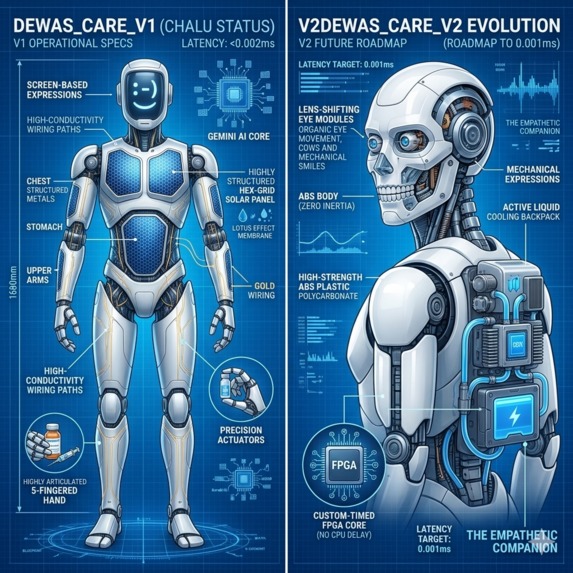
Most advanced humanoid robots on the market today cost between ₹20-21 Lakhs ($25,000+), making them inaccessible to average research labs, educational institutes, and middle-class households. Our inspiration came from a simple question: "Can we build a highly robust, professional-grade humanoid robot at the price of a mid-segment family car?" By using local engineering principles, optimized center-of-mass distribution, and sustainable recycled plastics, we wanted to prove that consumer-grade helper technology can be mathematically optimized for a fraction of the competitor's cost.
What it does
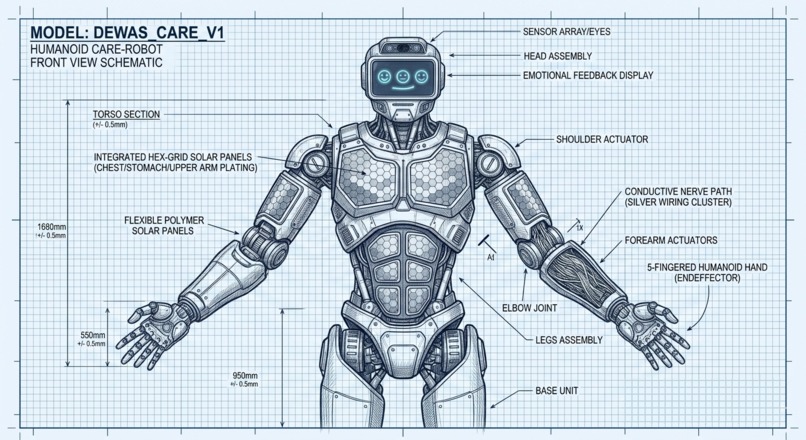
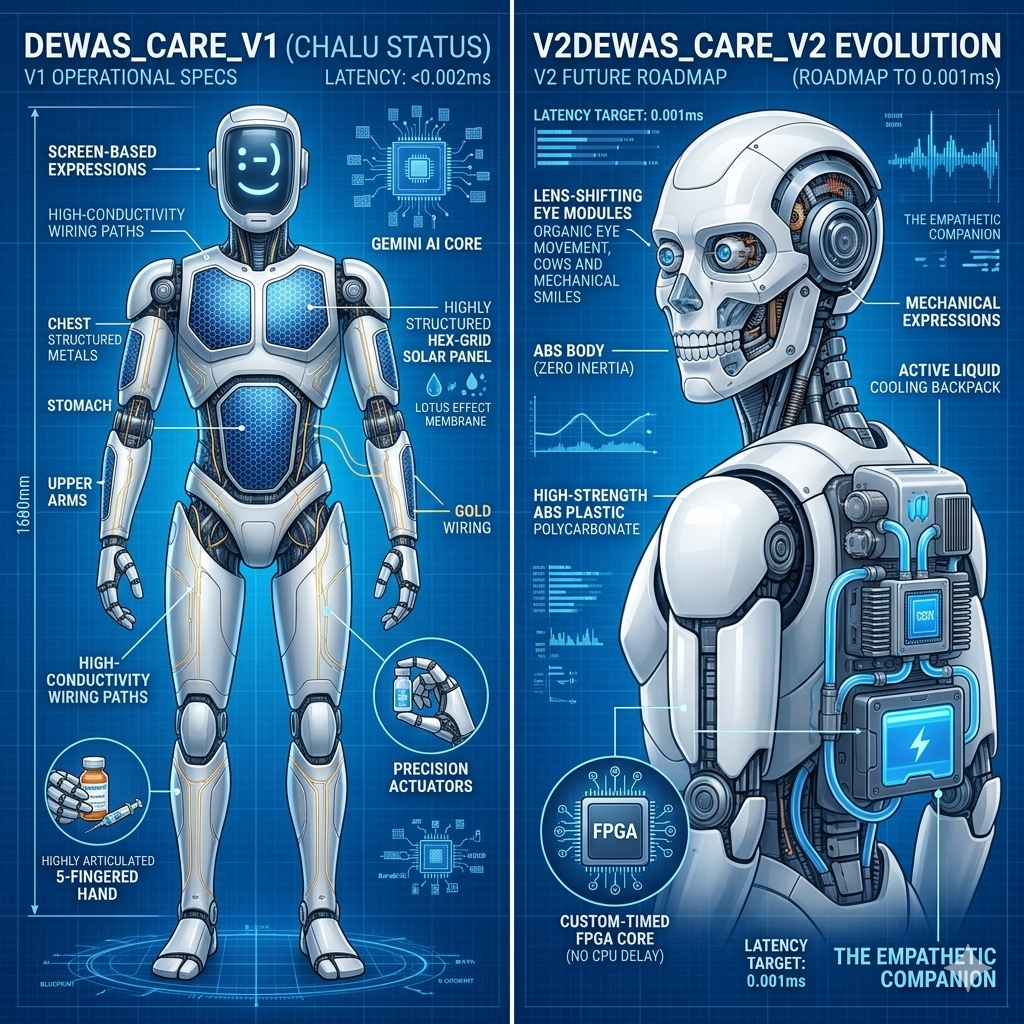
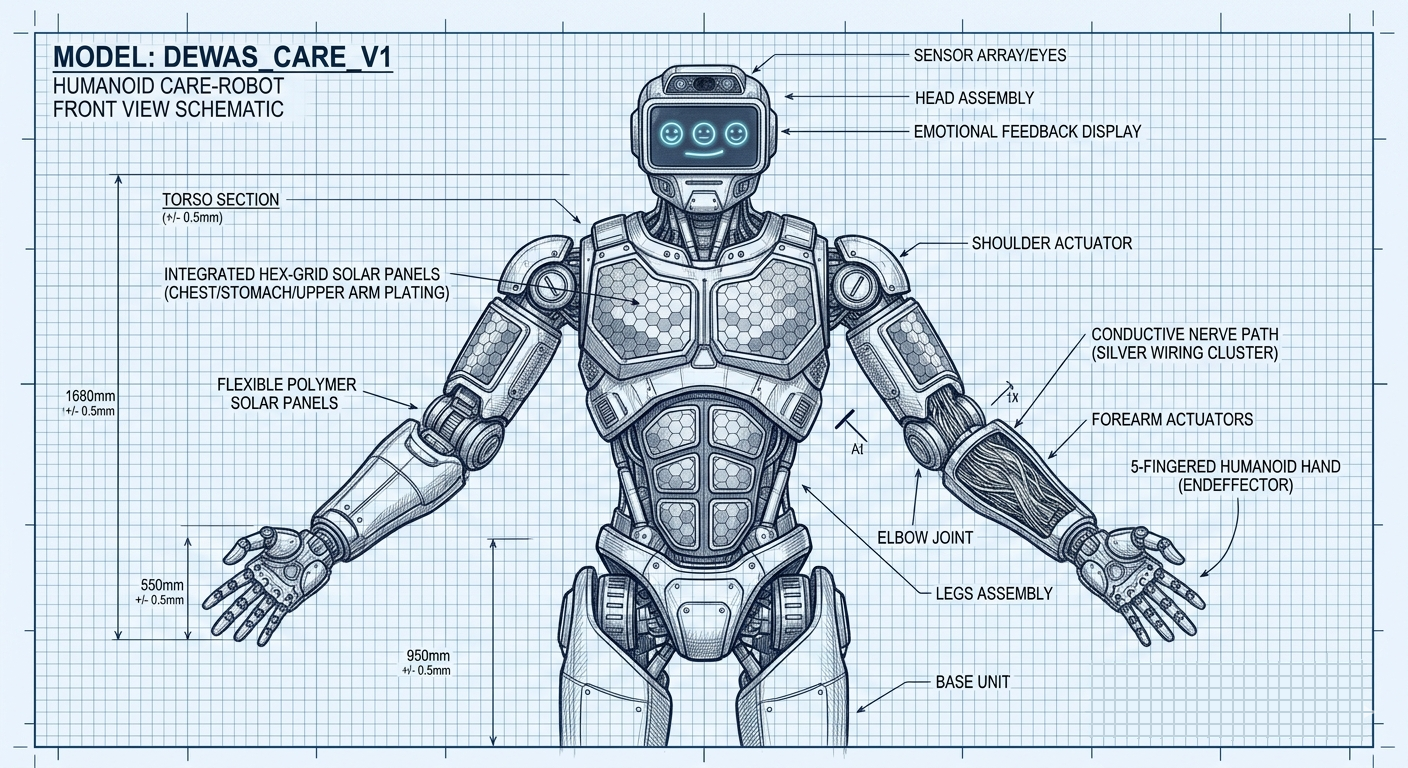
Project Natural Buddy (Dewascare) is a stable, waterproof, and affordable household humanoid robot designed for domestic assistance. The system operates on three core technical pillars:
- Smart Thermal Management (Ventless Design): Instead of open vents that let water inside, the robot utilizes a sealed internal structure where the charging port itself acts as a functional exhaust, ensuring the hardware remains completely waterproof.
- Optimized Locomotion Stability: Heavy battery packs are strategically distributed across the robot's torso (abdomen) and thighs. This keeps the Center of Mass (COM) low and balanced, ensuring highly stable, natural-looking humanoid walking.
- Privacy-First Edge AI: To protect household privacy, facial recognition and emotional intelligence processing are handled completely offline (on-device) using edge AI, removing the need for continuous cloud sync or monthly subscription fees. ## How we built it To prove the commercial and manufacturing viability of the startup, we developed a highly researched and precise Bill of Materials (BOM) for our research-ready model:
- Advanced Brain: NVIDIA Jetson Nano - Xavier (Real-time AI processing) = ₹80,000
- Precision Motors: 12 to 15 Industrial Grade Digital Servos (Metal Gear) = ₹2,50,000
- Sensor Array: Intel RealSense Depth Camera + 2D/3D LiDAR + 6-Axis Gyro = ₹1,50,000
- Structure & Shell: High-grade Aluminium & 3D Printed Industrial Resin = ₹1,20,000
- Low-Latency Wiring: Silver/Gold wiring & specialized Signal Shields = ₹70,000
- Energy System: High capacity Li-Po Battery + Intelligent Power Management Board = ₹60,000
- R&D and Testing: Prototype iterations and stress testing equipment = ₹1,20,000
- TOTAL COGS (Manufacturing Cost): ₹8,50,000 Commercial Model: Retailing the product at ₹15,00,000 allows a healthy ~43% Gross Profit Margin (COGS to Retail) while keeping the robot ₹5-6 Lakhs cheaper than existing market competitors. ## Challenges we ran into The primary challenge was balancing premium, industrial-grade electronics (like depth cameras and metal-gear servos) with low-cost structural materials. Achieving a waterproof, ventless chassis required multiple computational fluid dynamics (CFD) considerations to ensure the heat generated by the NVIDIA Jetson board didn't accumulate inside the sealed structure. ## Accomplishments that we're proud of We successfully proved that a research-ready, consumer-facing humanoid robot can be mathematically and financially planned for under ₹10 Lakhs in manufacturing costs, presenting a highly scalable business model for student-led hardware startups. ## What we learned We learned that in hardware entrepreneurship, product design is 10% imagination and 90% strict budgeting (BOM) and mechanical constraints. True innovation lies in optimizing existing supply chains and using local manufacturing resources to drive down retail costs. ## What's next for Project Natural Buddy Once the local domestic model is fully simulated and prototyped, our startup aims to expand its robotics product line into deep-space technology.
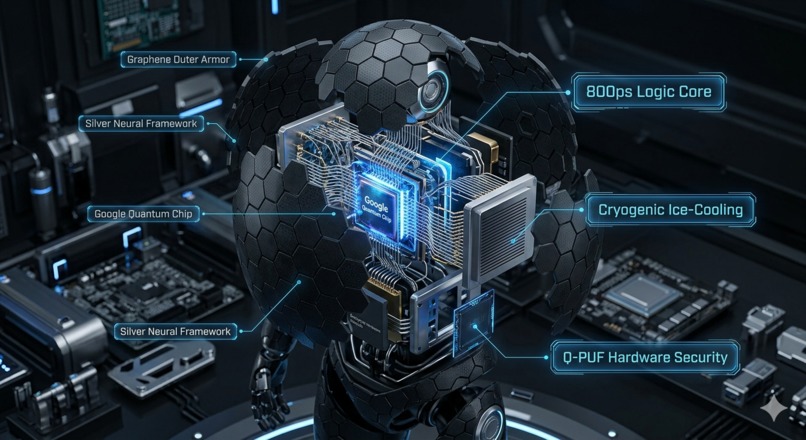
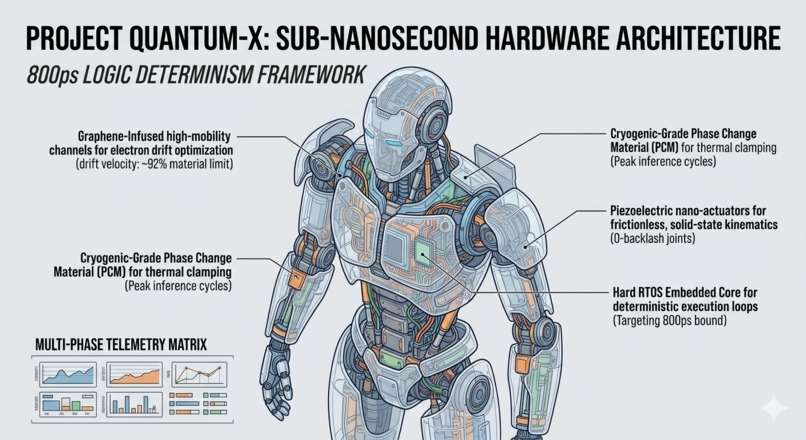
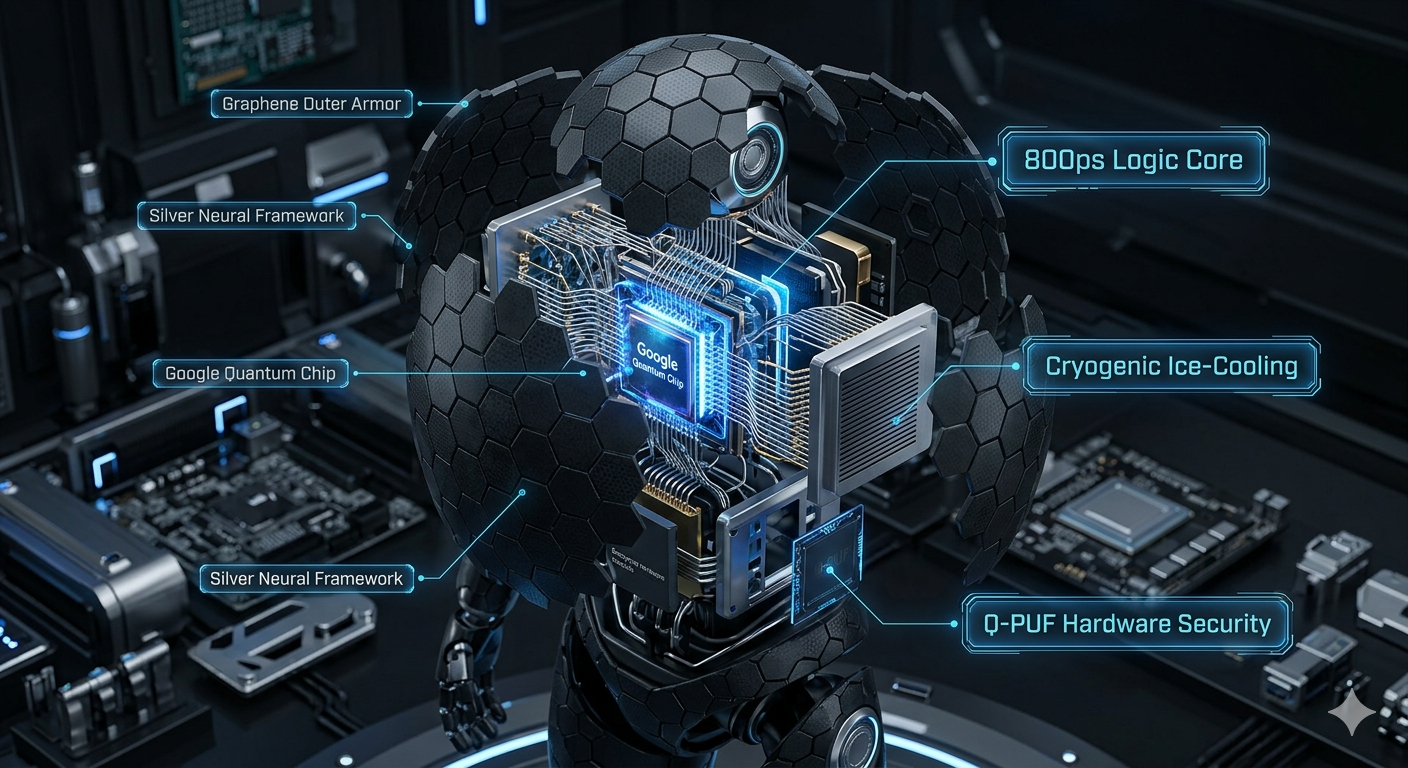
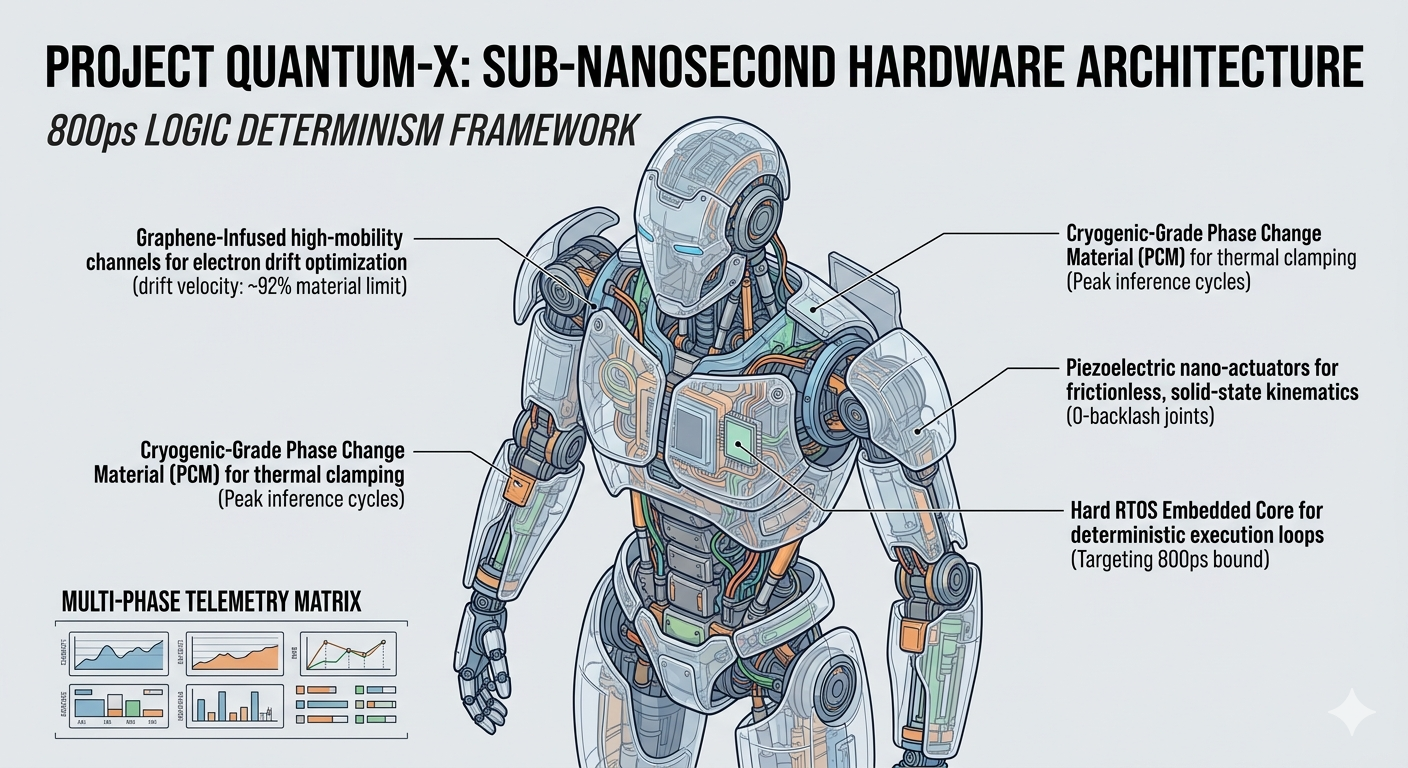
Under Project Quantum-X (Our Quantum Buddy), we plan to design a next-generation autonomous robotic brain engineered to solve the 20-minute communication latency between Earth and Mars. This advanced space-grade system will integrate Quantum-Hybrid logic (linking QPUs with localized AI models like Gemini Flash), an 800-picosecond autonomous decision-making framework, and a multi-layer Graphene skin to withstand extreme Martian environments.
Built With
- 3d-printing
- ai
- autodesk-fusion-360
- edge
- lidar
- nvidia-jetson
- python
- realsense

Log in or sign up for Devpost to join the conversation.