-
-
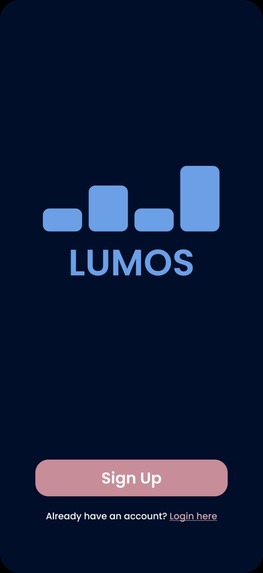
login
-
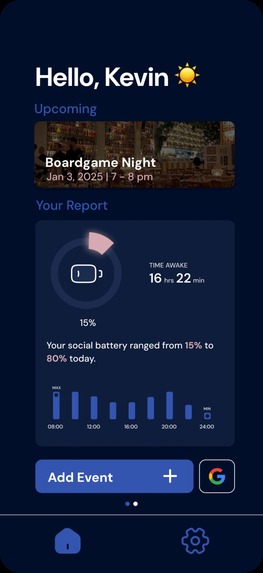
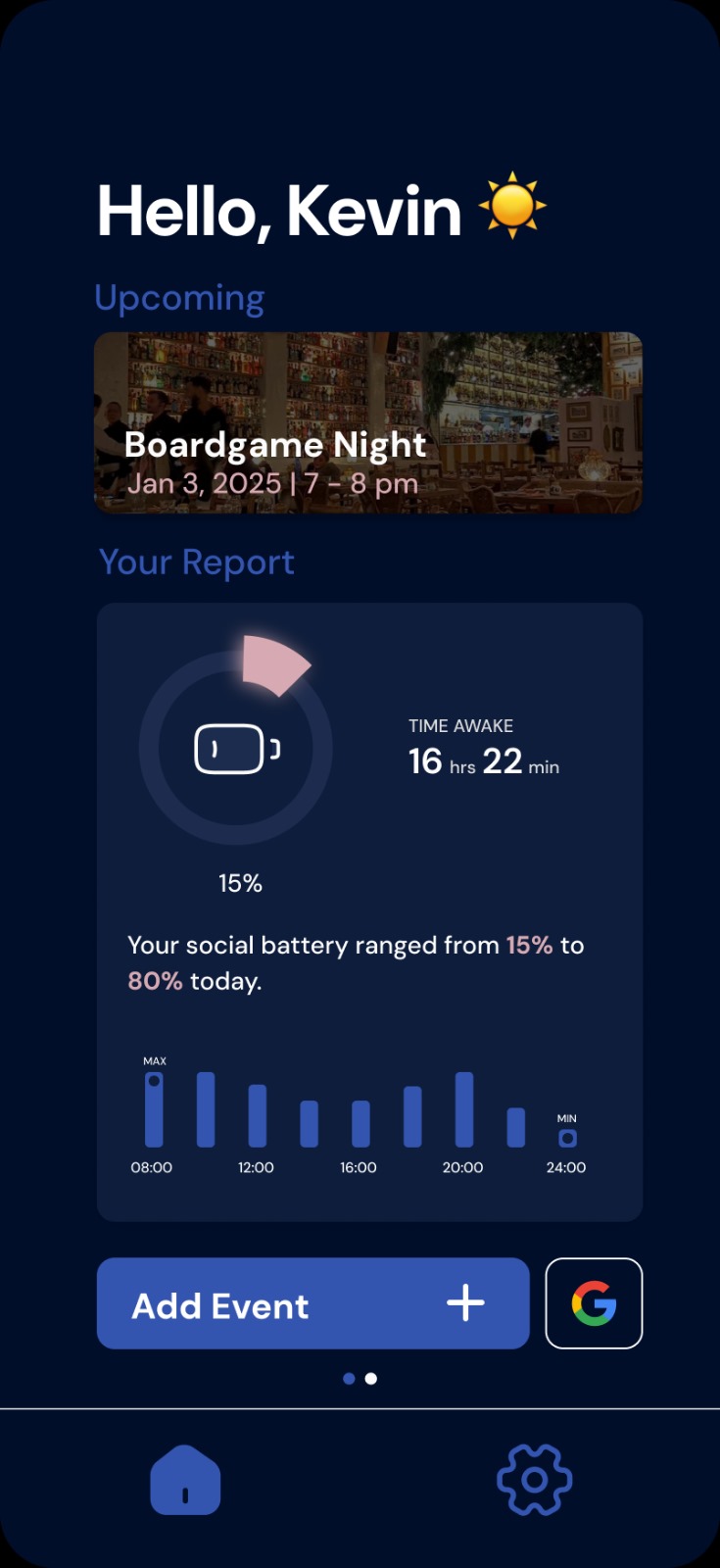
home
-
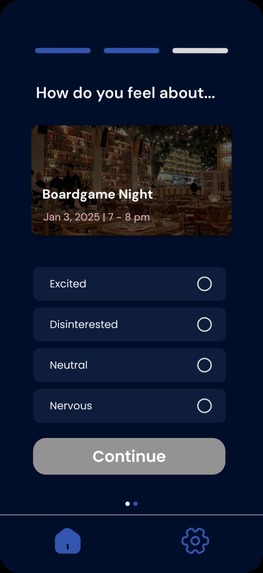
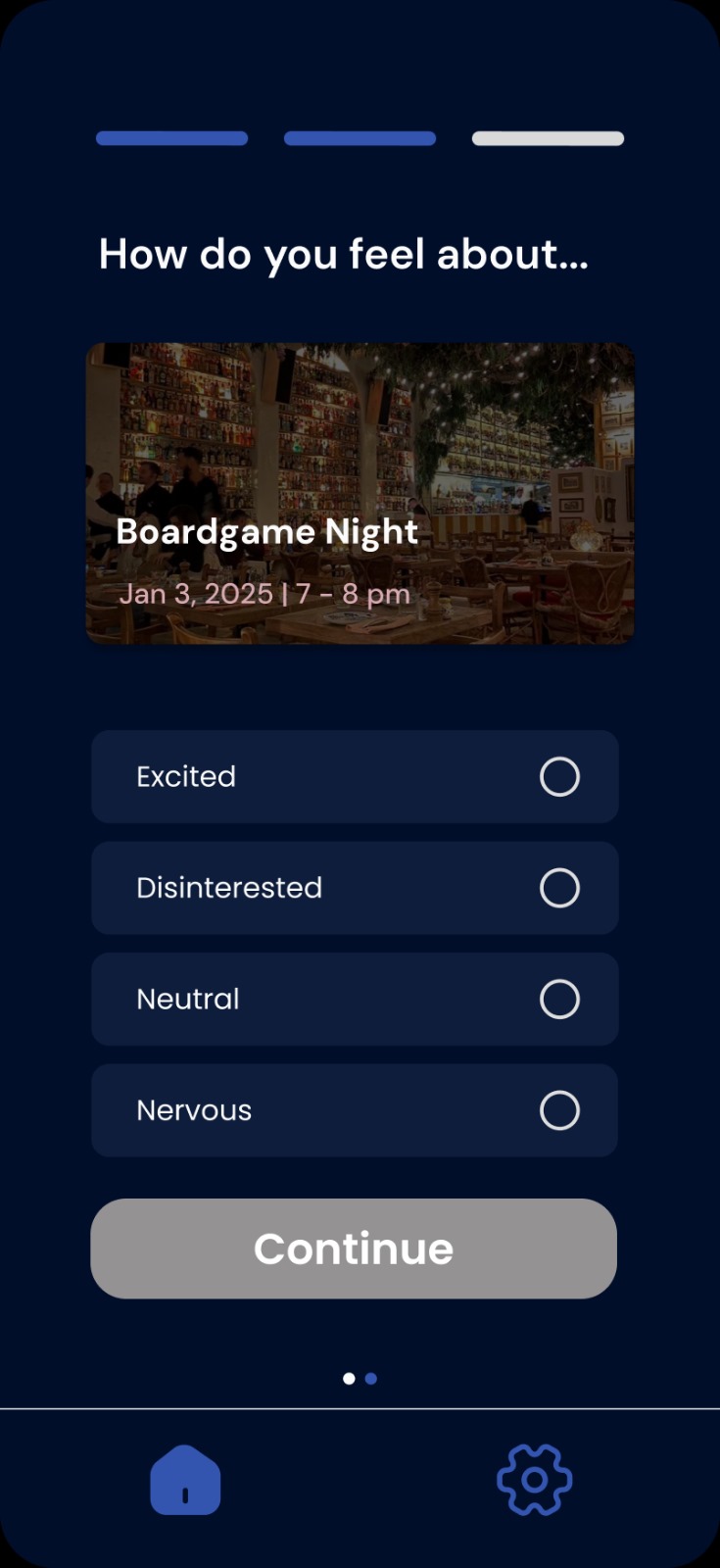
survey
-
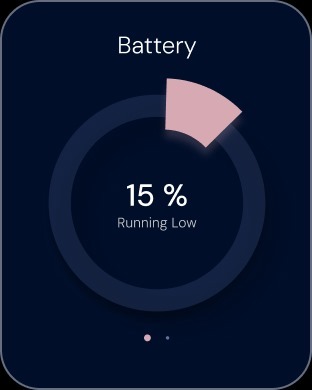
social battery
-
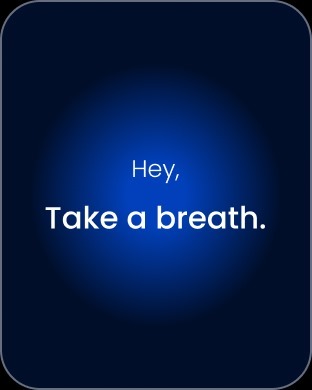
watch screen
Prototype link (Please submit a link to a playable prototype, not a link to your design file) Link
Describe your project (max 150 words) Lumo is an AI-powered wellness app that aims to help users understand and manage their social battery. By analyzing scheduled events and occasional check-ins, Lumo provides insights into energy levels, ensuring users maintain a healthy balance between social engagement and personal downtime. The app functions as a supportive companion, offering timely reminders to take breaks and recharge when needed.
Lumo’s AI tracks patterns in user behavior, identifying trends in social fatigue and energy replenishment. By leveraging this data, it suggests personalized strategies, such as optimizing social plans, setting quiet time, or recommending self-care activities. The app adapts to individual lifestyles, making it an essential tool for those seeking better self-awareness and emotional well-being.
With a user-friendly interface and intuitive recommendations, Lumo empowers individuals to take control of their social energy, fostering sustainable habits that improve mental wellness and prevent burnout.
- Describe your research process and findings. If you conducted any surveys or interviews, please include the survey form and/or interview questions here. If you conducted secondary research by pulling from online sources, please include a link to your sources. (Max 500 words) For our project Lumo, we conducted both secondary research and interviews to understand how individuals manage their social energy. Secondary research highlighted several key insights. Studies on social fatigue indicated that factors like personality traits, social anxiety, and work breaks significantly impact an individual’s social energy. Research on lunch breaks found that psychological detachment and control during breaks help reduce exhaustion, while social fatigue management strategies included setting boundaries and scheduling downtime. Wearable data, such as heart rate variability (HRV) and oxygen saturation (SpO2), provided additional physiological indicators of fatigue. Combining these findings, we identified the need for a digital tool to track and manage social energy by integrating data from sources like Google/Apple Calendar for meeting frequency and sleep quality from Apple Watch data. We also considered environmental factors like time of day and noise levels that may affect social energy.
To further inform the design, we conducted interviews with five participants who provided valuable insights into how they perceive and manage their social battery. Key findings from the interviews included that some participants were highly aware of their social energy levels, planning their days and weekends accordingly. Others were less aware, often pushing themselves until they experienced emotional or physical signs of exhaustion, such as irritability or mental fog. Recovery methods varied: some preferred complete solitude, while others needed specific activities like short breaks or quiet walks to recharge. A common theme across interviews was that social battery depletion often went unnoticed until it caused significant discomfort. This insight suggested the need for a tool that proactively tracks signs of exhaustion before it becomes overwhelming. Overall, the research highlighted the importance of providing users with personalized, actionable insights to help them balance social engagement and recovery, integrating both wearable data and user-provided information for a holistic understanding of social energy.
- Describe your most important design decisions. What research findings and/or user testing results led you to make these decisions? (Max 500 words)
- Personalization in Onboarding and Insights Finding: Users have different levels of awareness regarding their social battery. Some actively monitor it (e.g., Ethan and Leo), while others don’t think about it until they are completely drained (e.g., Sofia). Implementation: Our onboarding process tailors the experience by asking users about their social habits, energy levels, and recovery methods. The responses help customize recommendations and notifications, ensuring that each user receives insights that align with their personal needs.
- Custom Social Battery Tracking Finding: Users experience social battery depletion differently based on social context. Some find one-on-one conversations refreshing, while others find them just as exhausting as large group settings. Implementation: The app allows users to log different social events (e.g., hangouts, meetings, sports) and track how each setting affects their battery levels. This adaptive tracking system helps users recognize patterns over time and make informed decisions about their social schedules.
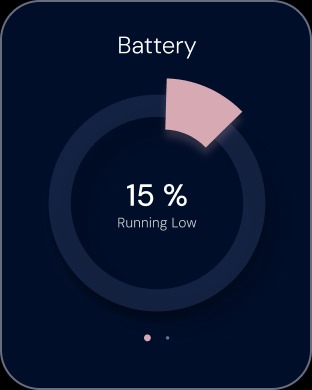
- Proactive Social Battery Alerts Finding: Many users, especially those who frequently overcommit (e.g., Sofia), struggle with recognizing when they are approaching exhaustion. They often push past their limits and only realize their fatigue when they are already drained. Implementation: We integrated early depletion warnings based on historical patterns and biometric data. If a user is predicted to be running low on social energy, the app can prompt them with a gentle nudge to take a break, schedule downtime, or adjust upcoming plans.
- Recovery Recommendations Based on User Behavior Finding: Different users have different recovery strategies. Some need complete solitude (e.g., Jordan), while others prefer structured rest periods (e.g., Ethan). Implementation: The app suggests personalized recovery activities, such as taking a walk, engaging in quiet time, or meditating, based on the user's preferences and past behavior.
Built With
- figma

Log in or sign up for Devpost to join the conversation.