-
-
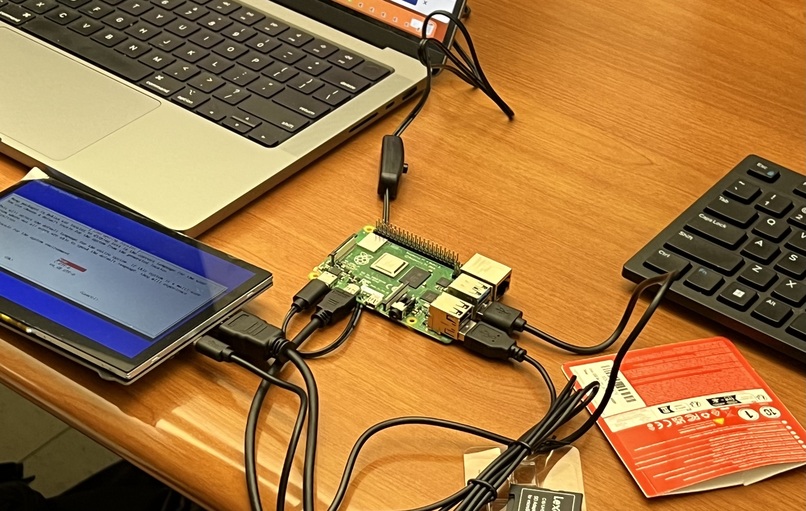
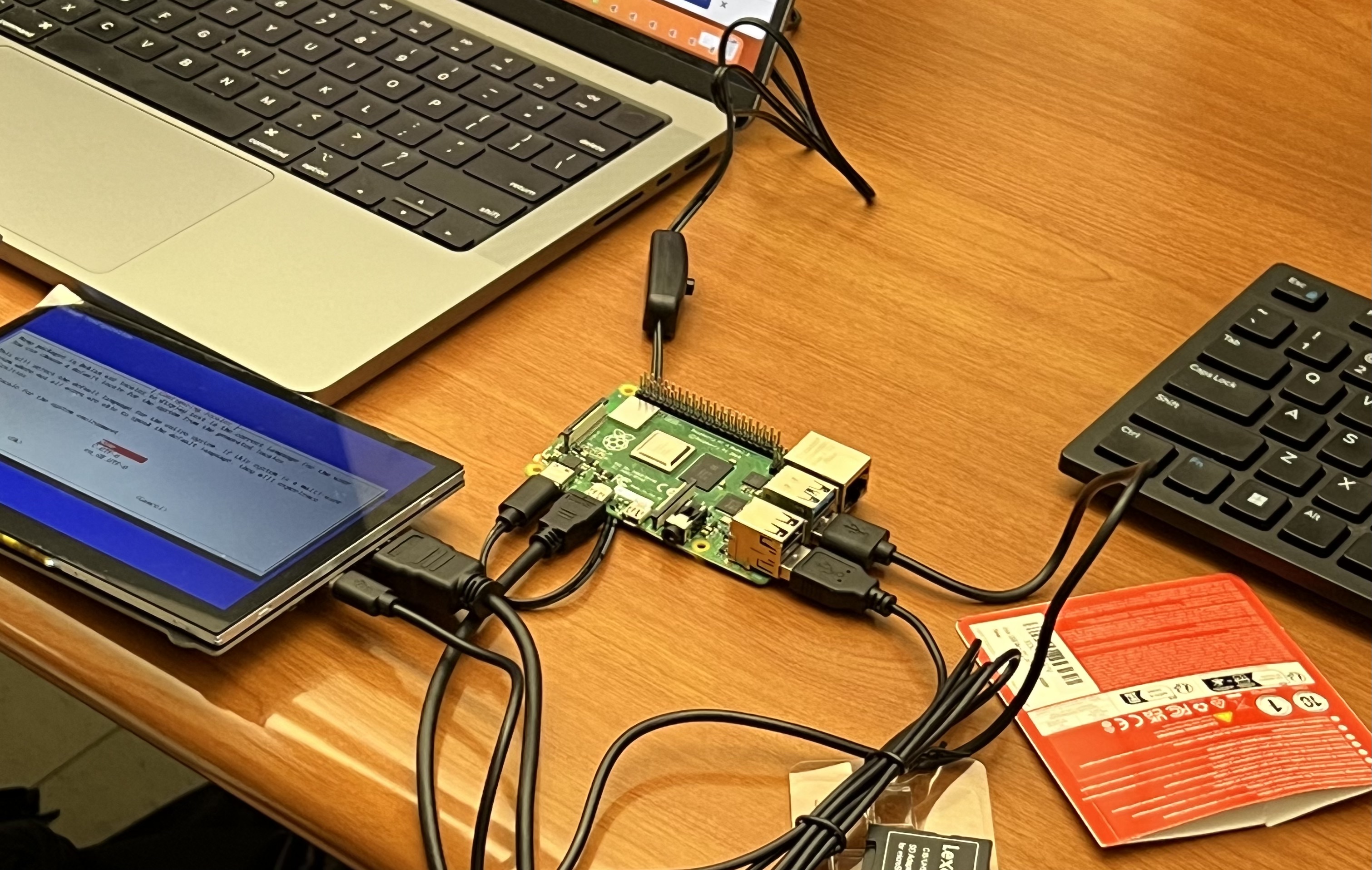
The setup to connect the Raspberry Pi to SSH.
-
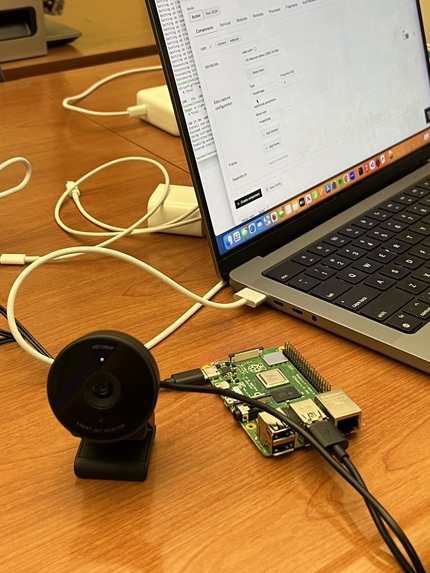
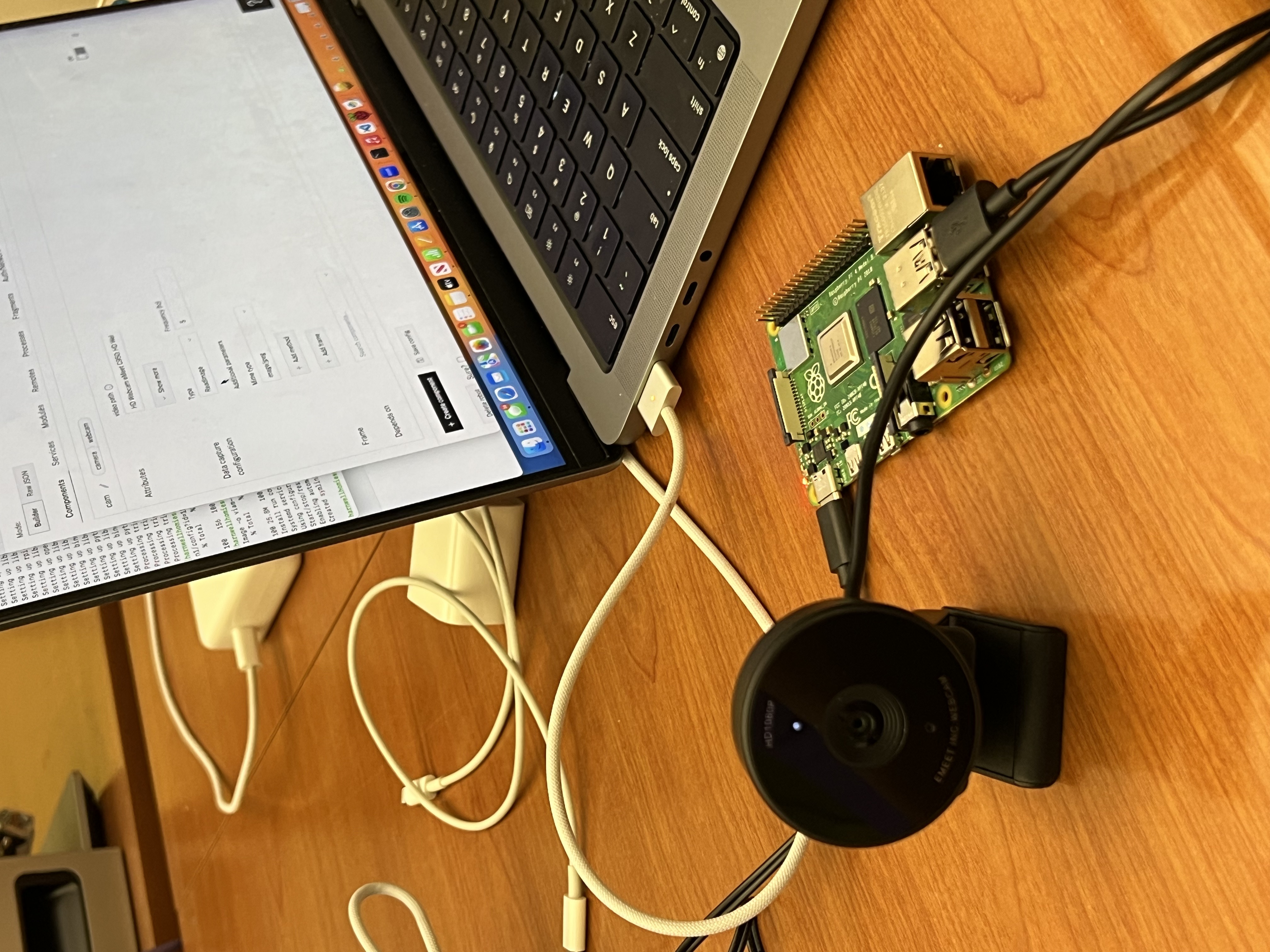
The setup with the camera, Raspberry Pi, and the Viam platform.
-
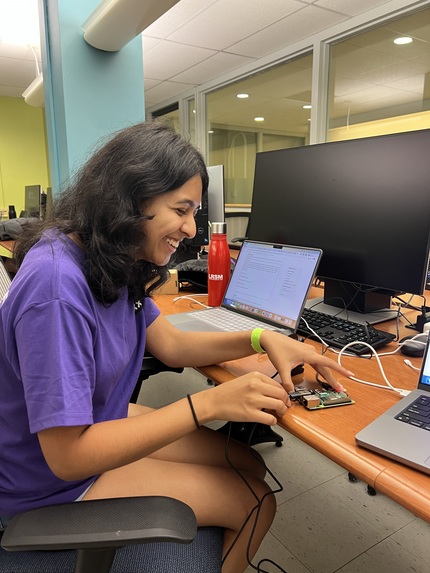
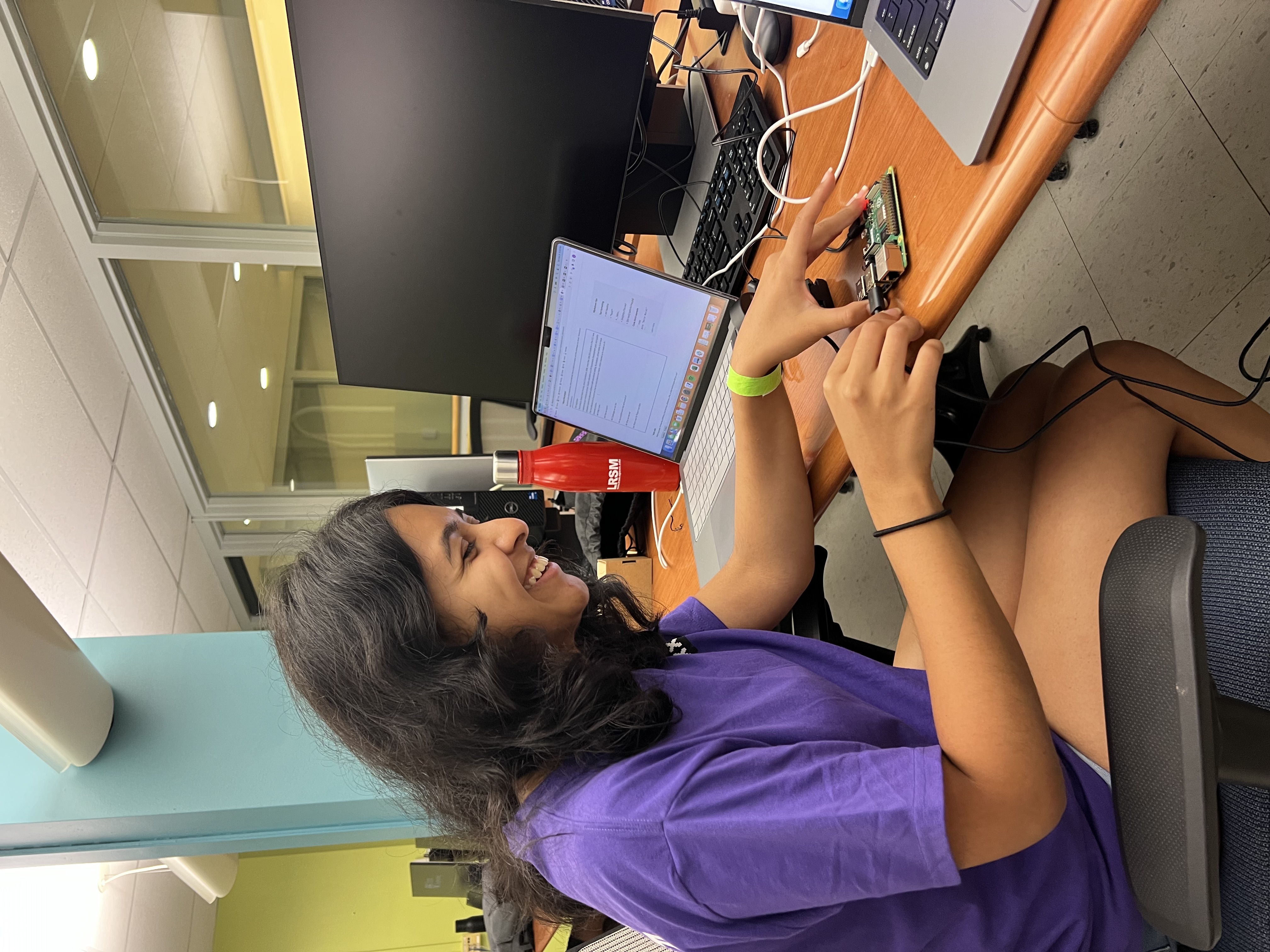
Anika connecting the camera to the Raspberry Pi after configuration.
-
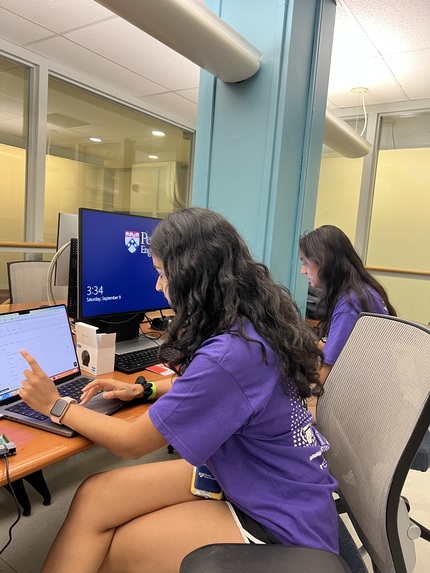
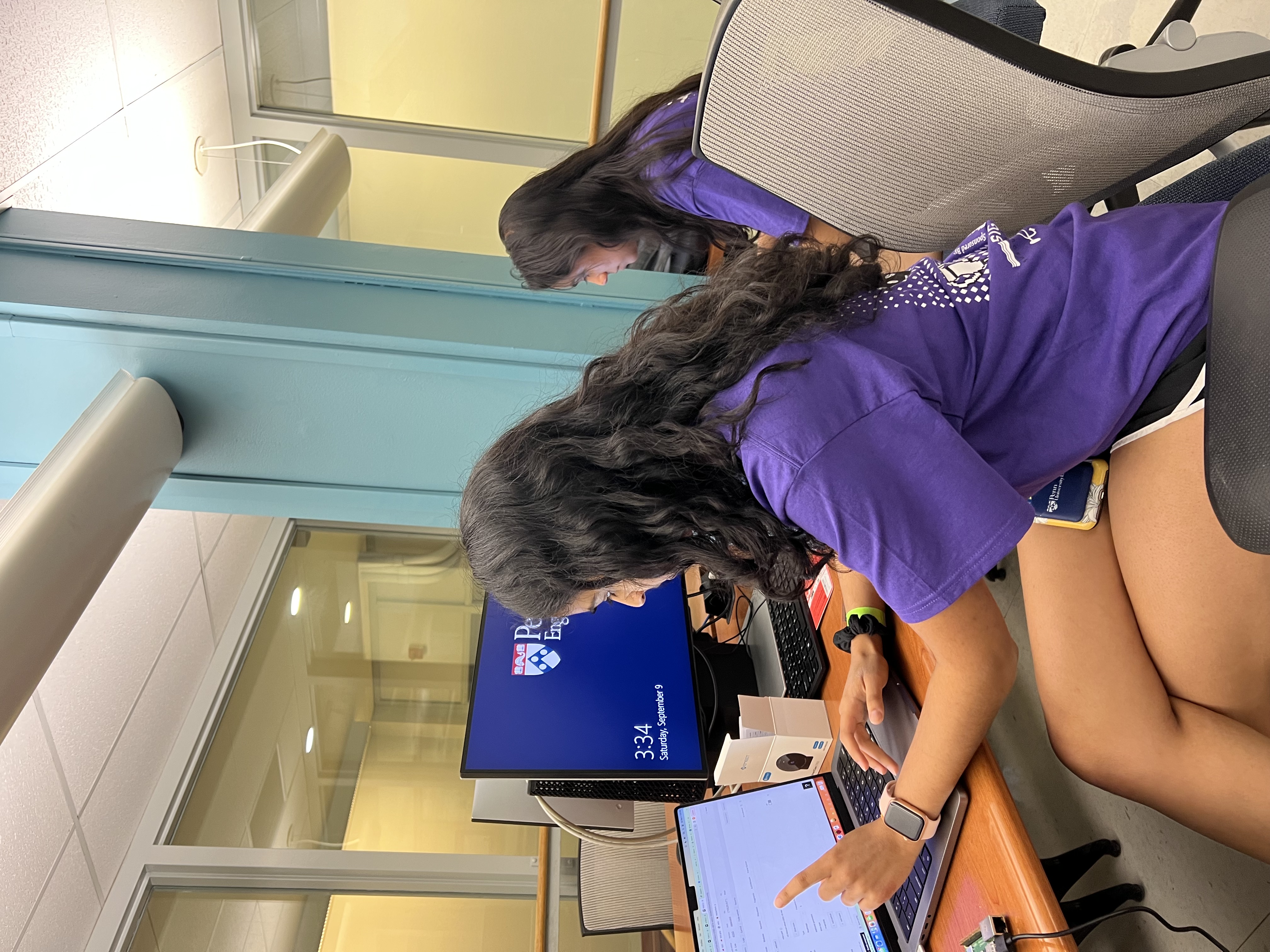
Nandini (left) and Sonali (right) working on the machine learning model.
-
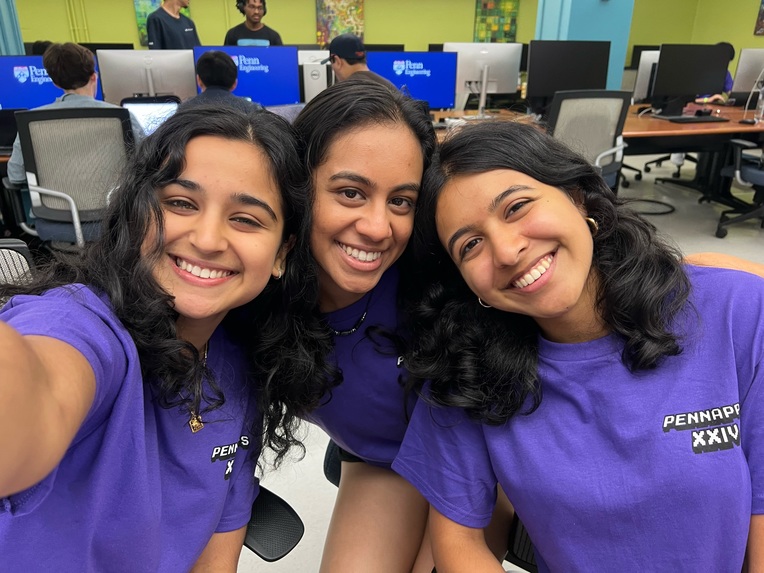
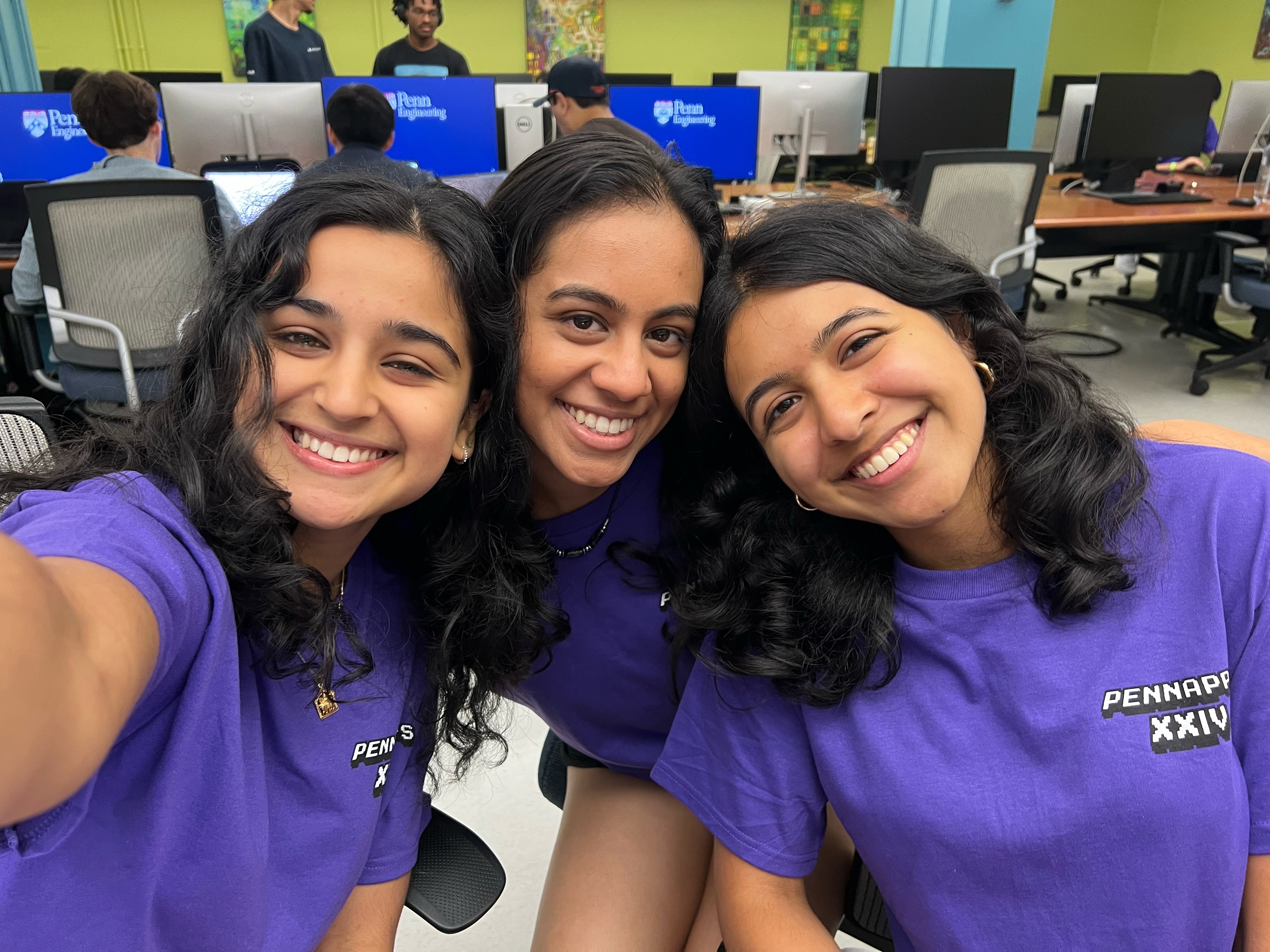
The team!
Inspiration
According to the Washington Post (June 2023), since Columbine in 1999, more than 356,000 students in the U.S. have experienced gun violence at school.
Students of all ages should be able to learn comfortably and safely within the walls of their classroom.
Quality education is a UN Sustainable Development goal and can only be achieved when the former becomes a reality. As college students, especially in the midst of the latest UNC-Chapel Hill school shooting, we understand threats lie even within the safety of our campus and have grown up knowing the tragedies of school shootings.
This problem is heavily influenced by politics and thus there is an unclear timeline for concrete and effective solutions to be implemented. The intention of our AI model is to contribute a proactive approach that requires only a few pieces of technology but is capable of an immediate response to severe events.
What it does
Our machine learning model is trained to recognize active threats with displayed weapons. When the camera senses that a person has a knife, it automatically calls 911. We also created a machine learning model that uses CCTV camera footage of perpetrators with guns.
Specifically, this model was meant to be catered towards guns to address the rising safety issues in education. However, for the purpose of training our model and safety precautions, we could not take training data pictures with a gun and thus opted for knives. We used the online footage as a means to also train on real guns.
How we built it
We obtained an SD card with the IOS for Raspberry Pi, then added the Viam server to the Raspberry Pi. Viam provides a platform to build a machine learning model on their server.
We searched the web and imported CCTV images of people with and without guns and tried to find a wide variety of these types of images. We also integrated a camera with the Raspberry Pi to take additional images of ourselves with a knife as training data. In our photos we held the knife in different positions, different lighting, and different people's hands. The more variety in the photos provided a stronger model. Using our data from both sources and the Viam platform we went through each image and identified the knife or gun in the picture by using a border bounding box functionality. Then we trained two separate ML models, one that would be trained off the images in CCTV footage, and one model using our own images as training data.
After testing for recognition, we used a program that connects the Visual Studio development environment to our hardware. We integrated Twilio into our project which allowed for an automated call feature. In our program, we ran the ML model using our camera and checked for the appearance of a knife. As a result, upon detection of a weapon, our program immediately alerts the police. In this case, a personal phone number was used instead of authorities to highlight our system’s effectiveness.
Challenges we ran into
Challenges we ran into include connection issues, training and testing limitations, and setup issues.
Internet connectivity presented as a consistent challenge throughout the building process. Due to the number of people on one network at the hackathon, we used a hotspot for internet connection, and the hotspot connectivity was often variable. This led to our Raspberry Pi and Viam connections failing, and we had to restart many times, slowing our progress.
In terms of training, we were limited in the locations we could train our model in. Since the hotspot disconnected if we moved locations, we could only train the model in one room. Ideally, we would have liked to train in different locations with different lighting to improve our model accuracy.
Furthermore, we trained a machine learning model with guns, but this was difficult to test for both safety reasons and a lack of resources to do so. In order to verify the accuracy of our model, it would be optimal to test with a real gun in front of a CCTV camera. However, this was not feasible with the hackathon environment.
Finally, we had numerous setup issues, including connecting the Raspberry Pi to the SSH, making sure the camera was working after setup and configuration, importing CCTV images, and debugging. We discovered that the hotspot that we connected the Raspberry Pi and the laptop to had an apostrophe in its name, which was the root of the issue with connecting to the SSH. We solved the problem with the camera by adding a webcam camera in the Viam server rather than a transform camera. Importing the CCTV images was a process that included reading the images into the Raspberry Pi in order to access them in Viam. Debugging to facilitate the integration of software with hardware was achieved through iteration and testing.
We would like to thank Nick, Khari, Matt, and Hazal from Viam, as well as Lizzie from Twilio, for helping us work through these obstacles.
Accomplishments that we're proud of
We're proud that we could create a functional and impactful model within this 36 hour hackathon period.
As a team of Computer Science, Mechanical Engineering, and Biomedical Engineering majors, we definitely do not look like the typical hackathon theme. However, we were able to use our various skill sets, from hardware analysis, code compilation, and design to achieve our goals.
Additionally, as it was our first hackathon, we developed a completely new set of skills: both soft and technical. Given the pressure, time crunch, and range of new technical equipment at our fingertips, it was an uplifting experience. We were able to create a prototype that directly addresses a topic that is dear to us, while also communicating effectively with working professionals.
What we learned
We expanded our skills with a breadth of new technical skills in both hardware and software. We learned how to utilize a Raspberry Pi, and connect this hardware with the machine learning platform in Viam. We also learned how to build a machine learning model by labeling images, training a model for object detection, and deploying the model for results. During this process, we gained knowledge about what images were deemed good/useful data. On the software end, we learned how to integrate a Python program that connects with the Viam machine learning platform and how to write a program involving a Twilio number to automate calling.
What's next for Project LearnSafe
We hope to improve our machine learning model in a multifaceted manner. First, we would incorporate a camera with better quality and composition for faster image processing. This would make detection in our model more efficient and effective. Moreover, adding more images to our model would amplify our database in order to make our model more accurate. Images in different locations with different lighting would improve pattern recognition and expand the scope of detection. Implementing a rotating camera would also enhance our system. Finally, we would test our machine learning model for guns with CCTV, and modify both models to include more weaponry.
Today’s Security. Tomorrow’s Education.
Built With
- python
- raspberry-pi
- sd-card
- smartcam
- twilio
- viam
- visual-studio


Log in or sign up for Devpost to join the conversation.