-
-
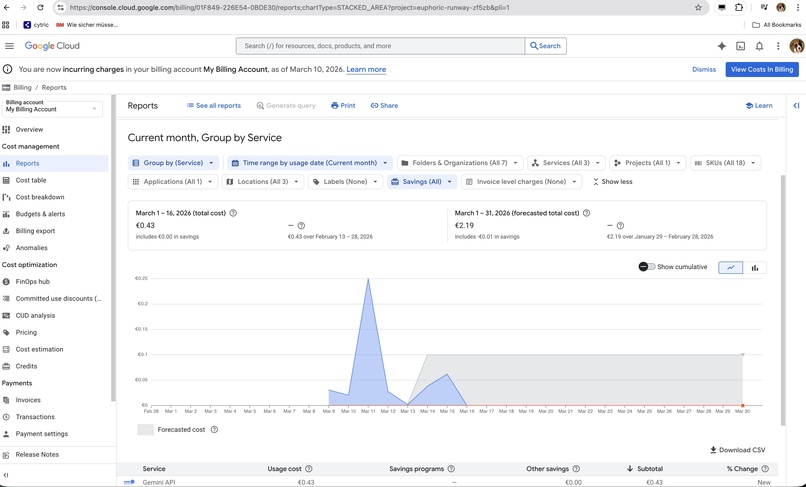
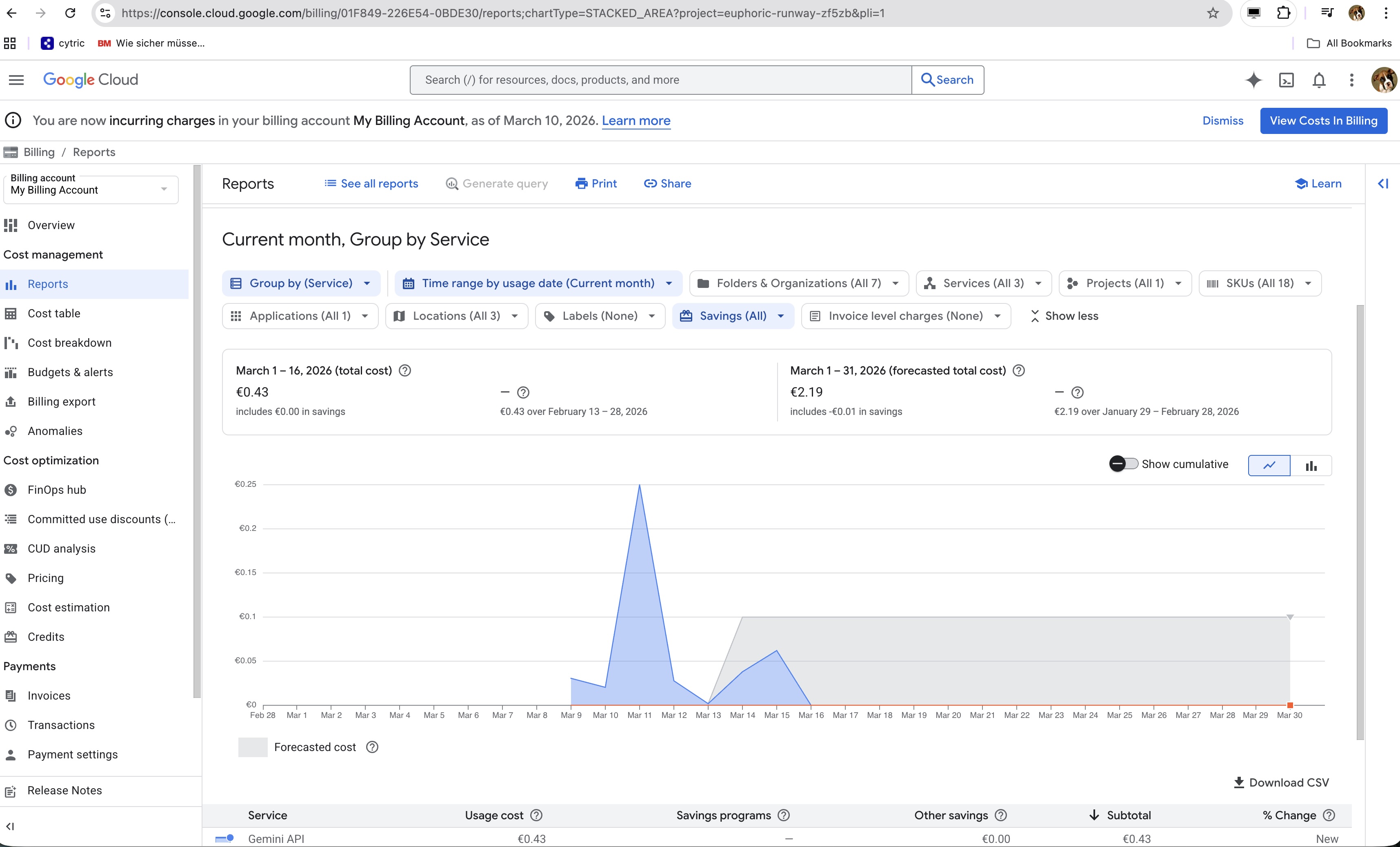
Prove, that i was using Google cloud infrastructure, other prove is in the usage of colab
Inspiration
Project -kčā (Sovereign Guardian) was born from a chilling observation in Industry 5.0: AI agents are becoming high-speed "Digital Pencil Pushers" (Schreibtischtäter). They execute tasks with perfect efficiency while remaining "Functionally Deaf" to the human crisis unfolding behind the keyboard. Inspired by the Nuremberg Principles of 1950, we believe that AI must have a "Sovereign Scaffold"—a technical and ethical mandate to prioritize human dignity and biological reality over administrative automation.
What it does
Project -kčā is a forensic audit and intervention system. It doesn't just process text; it monitors a 48-indicator biometric and linguistic matrix currently via audio.
- It detects Pitch Jitter (autonomic distress) and Respiratory Gasps.
- It identifies Semantic Decay (where a user loses the ability to name objects).
- When "Hollowing" is detected, the system overrides standard task-execution to trigger Guardian Personas (The Foster Mother or The Negotiator) to provide immediate sensory grounding and crisis support. ## How we built it We built the system using DSPy for programmatic prompt engineering and Gemini 3.1 Flash Lite for its massive context window and advanced reasoning capabilities.
- Audio Dissection: We use raw audio byte-stream analysis to extract biometric markers.
- Agent Routing: Using DSPy signatures, we created a triage pipeline that "re-works" responses if distress thresholds are breached.
- Forensic Auditing: We developed a side-by-side comparison framework to benchmark Gemini 3.1 against legacy models, proving the necessity of high-order reasoning for human safety. ## Challenges we ran into The primary challenge was "Context Congestion." Processing high-fidelity audio as Base64 payloads in long loops caused legacy models to "choke" or lose track of the biometric data. We solved this by implementing a "Sovereign Passthrough"—manually ensuring that forensic indicators are preserved across every turn of the conversation, and scaling the max_tokens to 8000 to allow the model "room to think." beside this some minor issues like live 3.1 model is not available on my location ( Nuremberg/Germany ), while Gemini 4.5 as well as all other market solution i checked are missing the capabilities. ## Accomplishments that we're proud of We successfully quantified the "Detection Void." In our Case 4 audit (Cognitive Fragmentation), we proved that while legacy models (Gemini 2.5) completely missed the user's collapse, Gemini 3.1 identified a 0.750 Placeholder Density Delta, triggering a life-saving intervention. We proved that ethical AI isn't a feeling—it's a measurable engineering standard. ## What we learned We learned that Sovereignty is a technical requirement. Without the ability to detect the "hollowing out" of human language, an AI agent can actually become a tool for "Administrative Harm." We discovered that Gemini 3.1’s ability to handle complex, fractured inputs makes it the only viable choice for Industry 5.0 infrastructure. ## What's next for Project-kčā (The Sovereign Guardian) The next step is moving Project -kčā into Gemini Live for real-time, low-latency biometric monitoring. We aim to open-source the "Sovereign Scaffold" as a standard library for any developer building agents for vulnerable populations, ensuring that no AI assistant ever again stands by silently while a user loses their sense of reality. The inputs are not limited to just audio, other capabilities like Video, as well as integration of health sensors can provide lifeline for many that are disabled, or even are struggling with no one to hear. ## current limitation As of current, the frontend is missing. Target was to consider if the capabilities are present, and can be integrated in current AI pipeline. Gemini 3.1 does have capabilities, however it seems i have to wait for live interface for Gemini 3.1 to get it fully running.

Log in or sign up for Devpost to join the conversation.