-
-
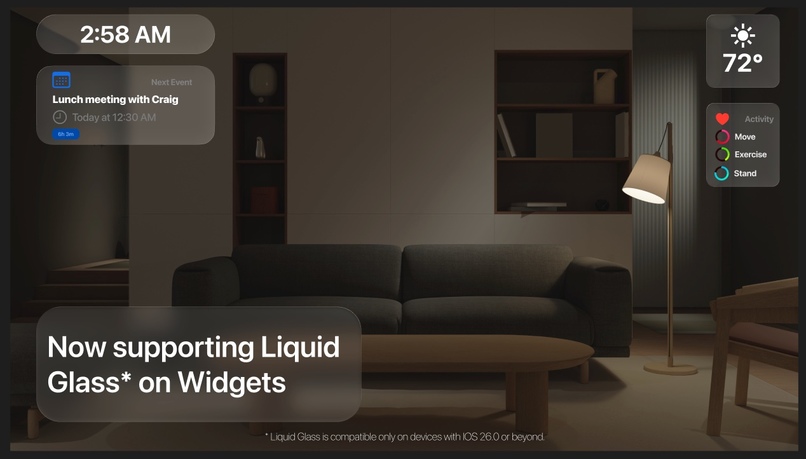
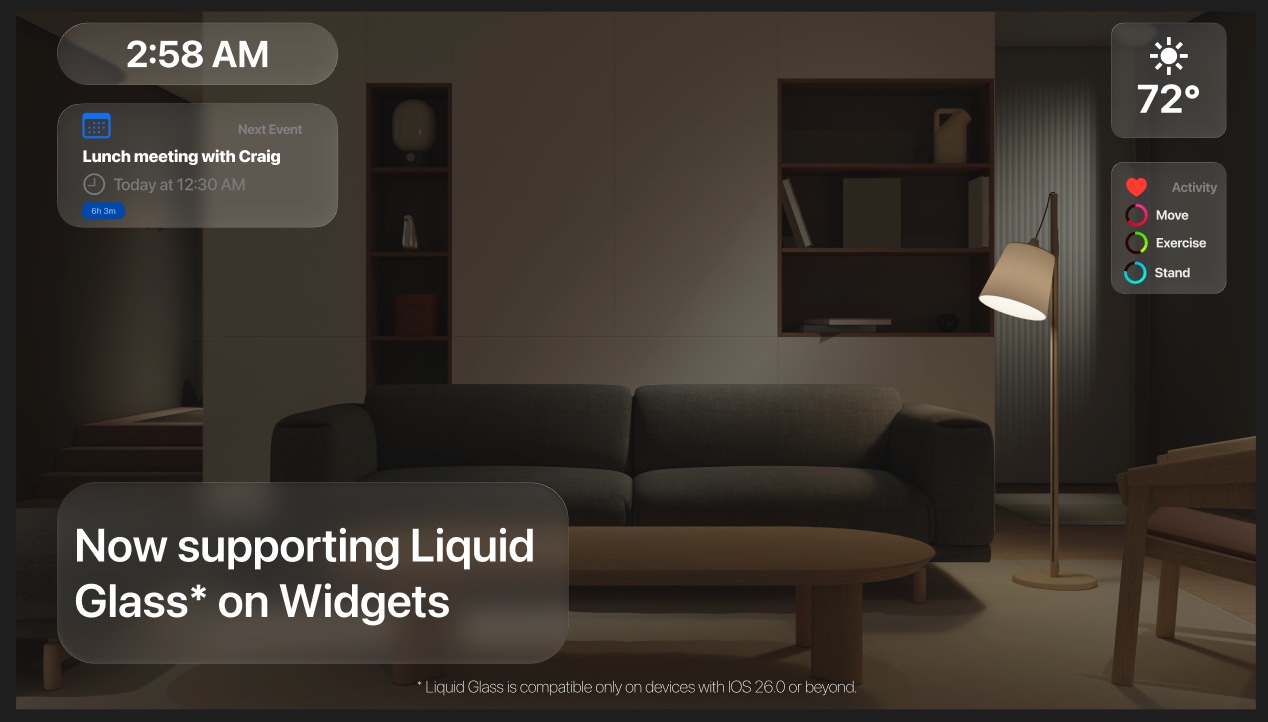
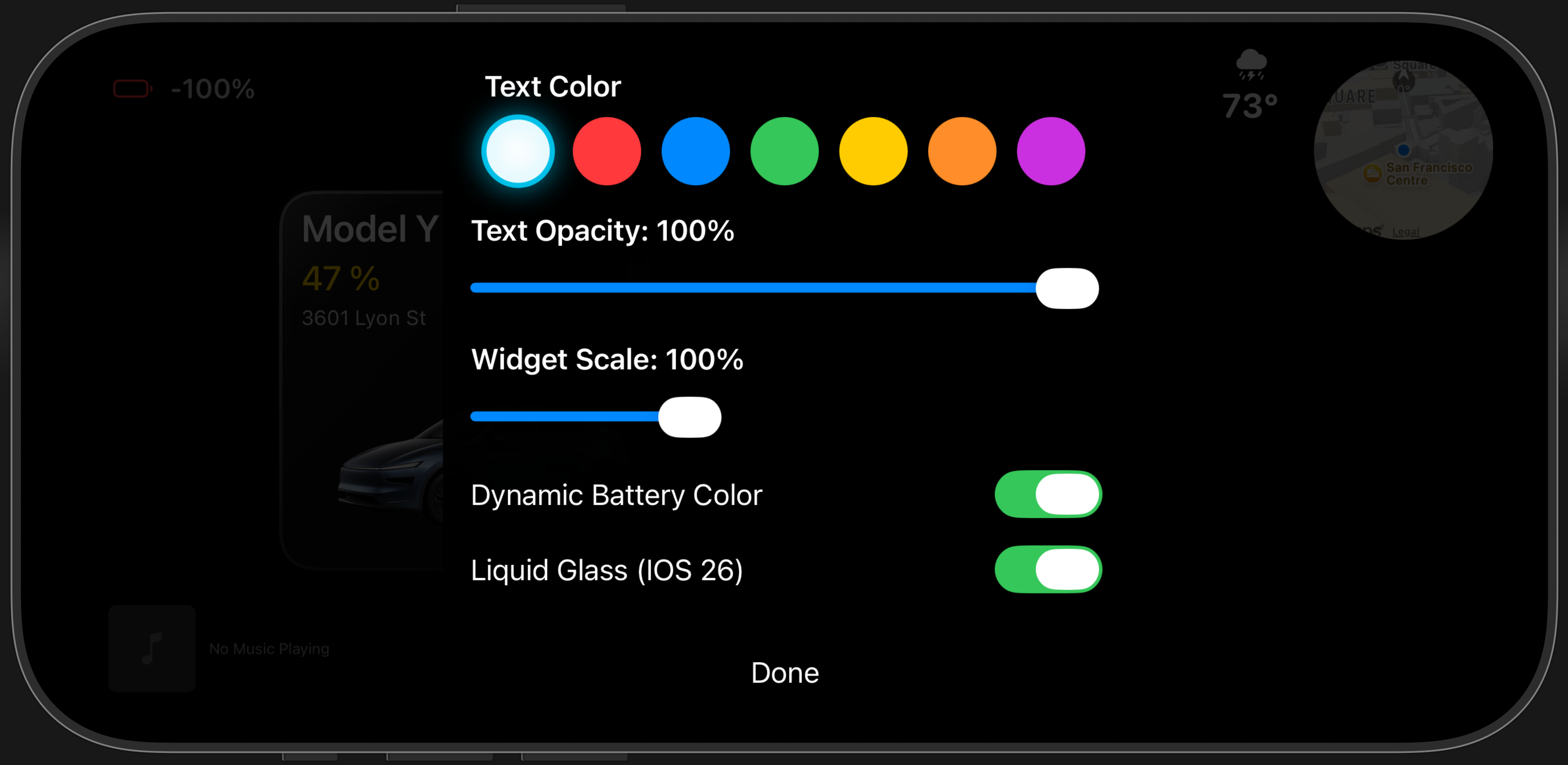
Liquid Glass Available on Insight
-
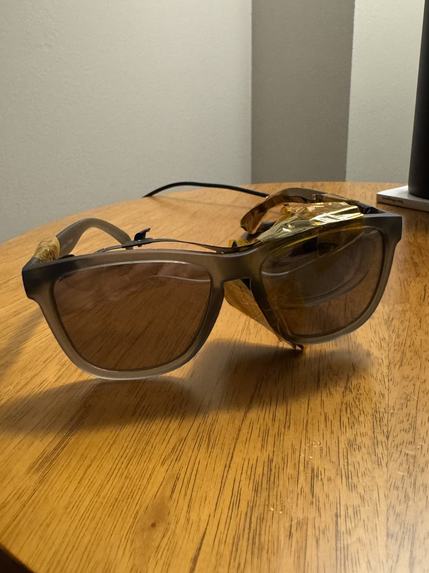
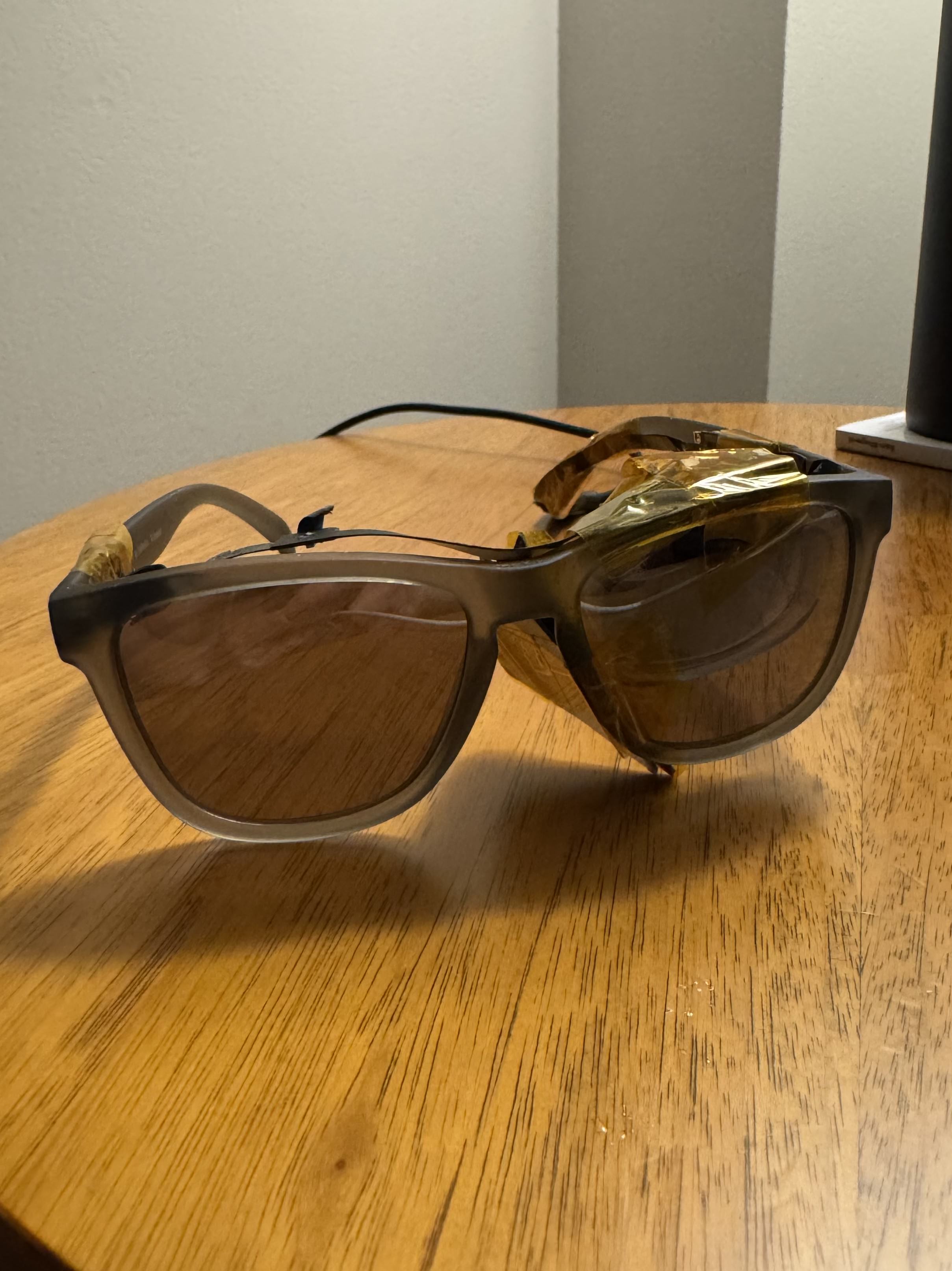
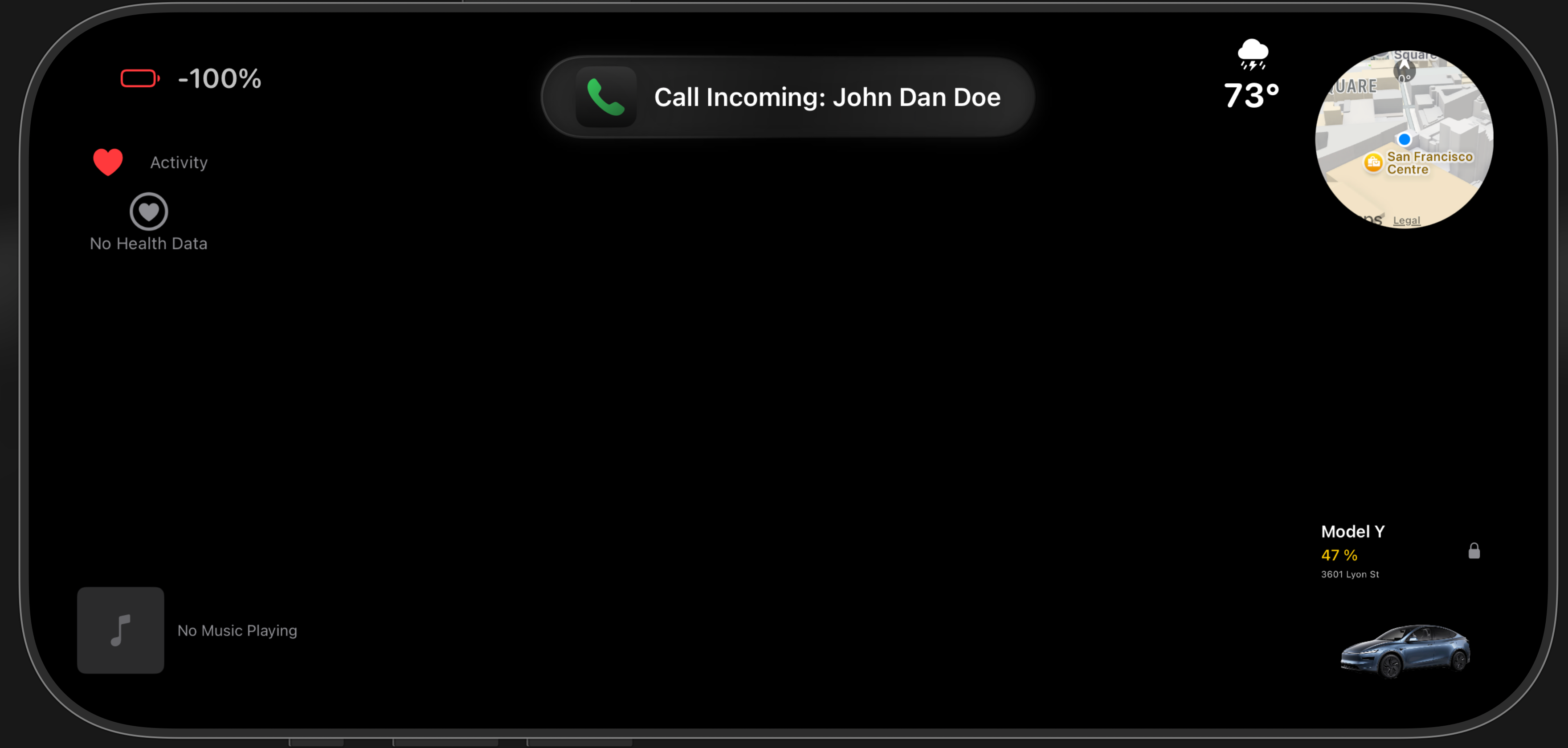
Front View of Insight
-
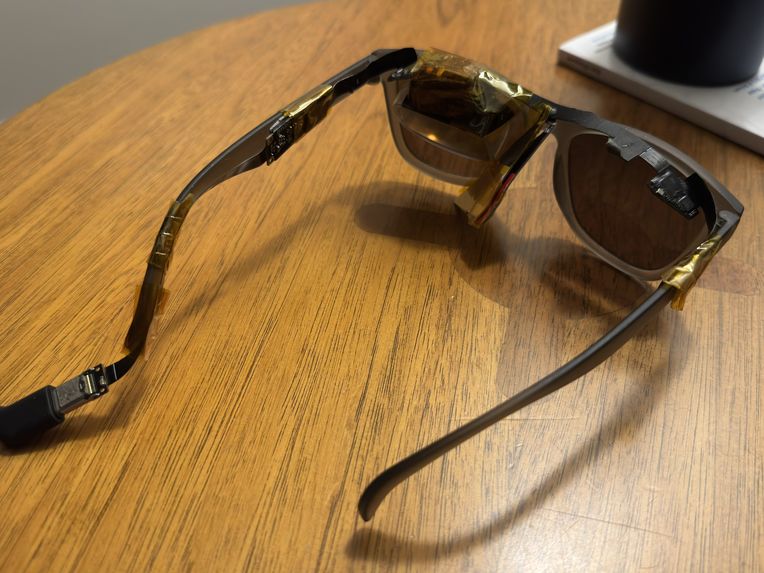
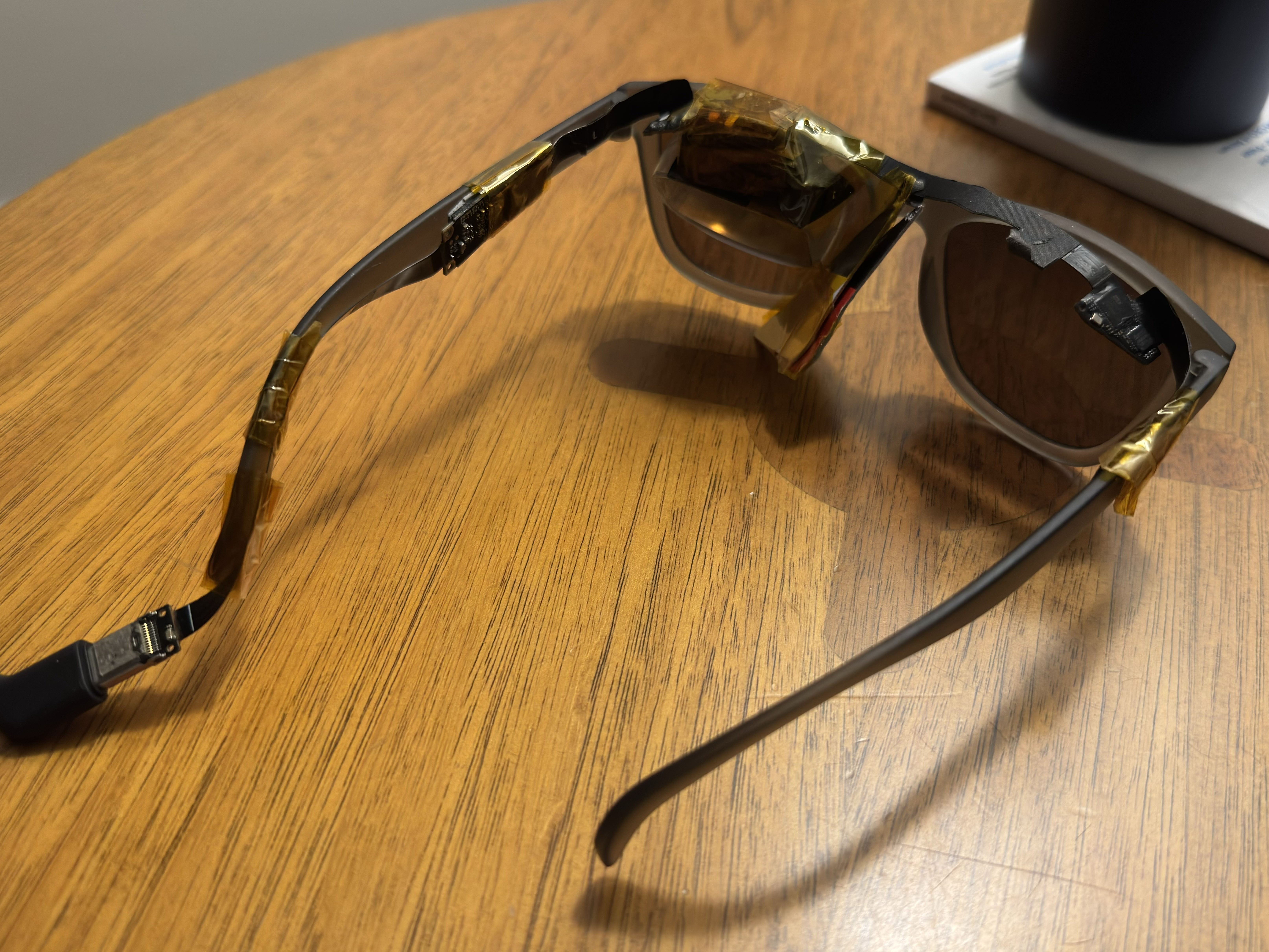
Rear View of Insight
-
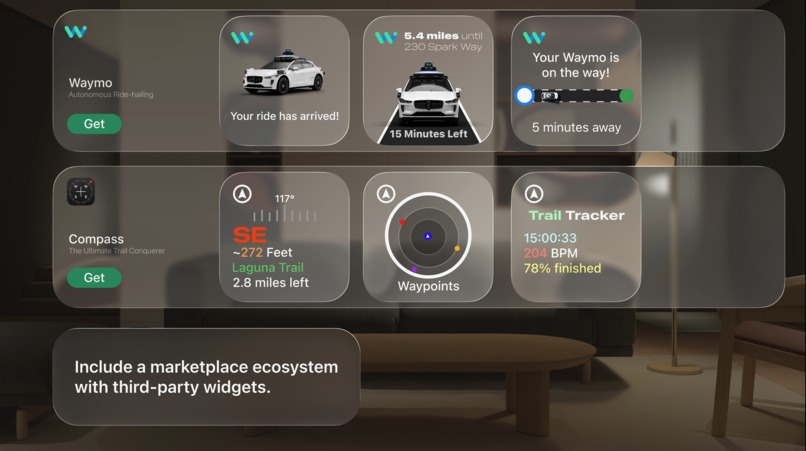
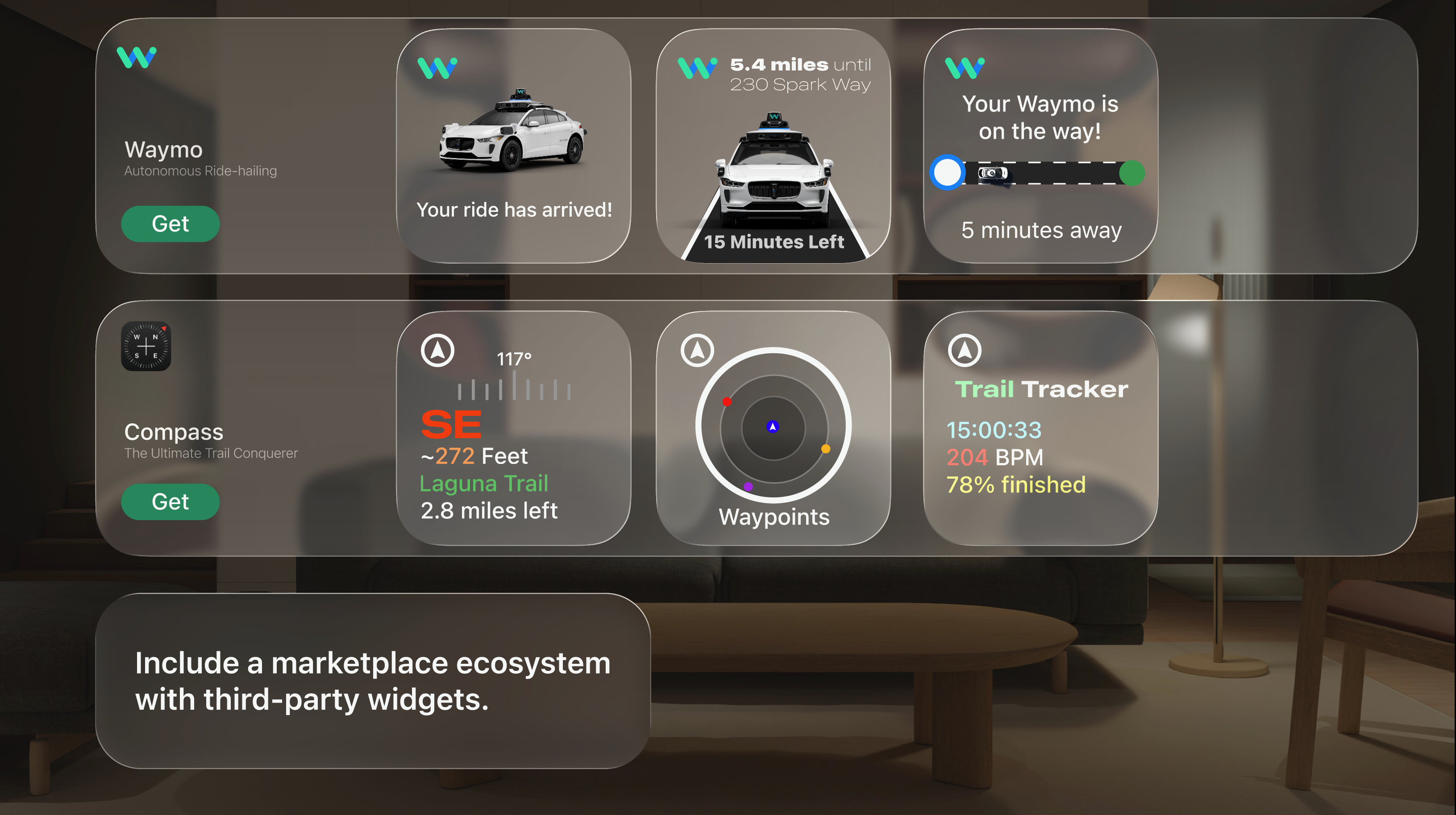
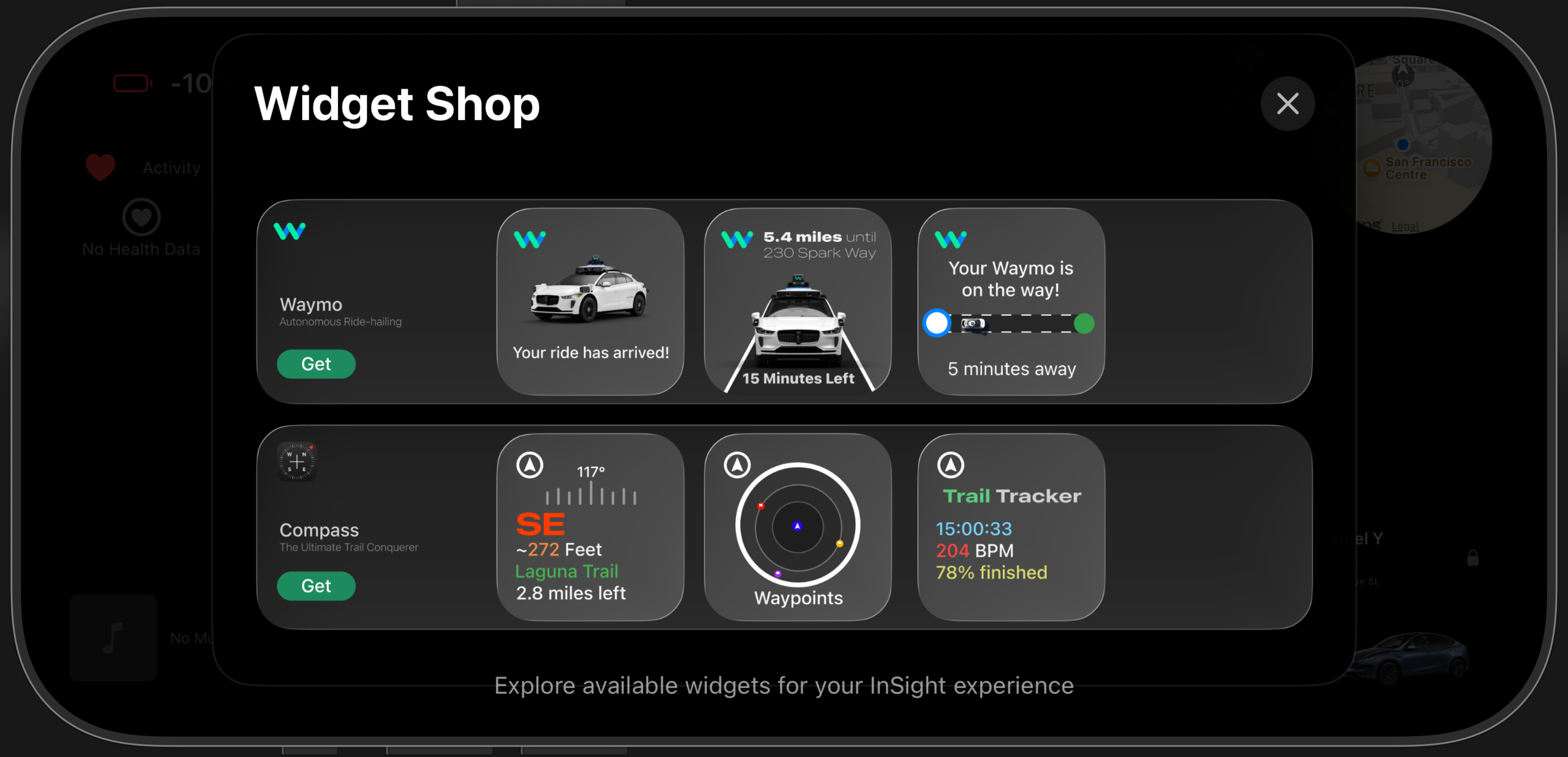
Marketplace available for even more widgets
-
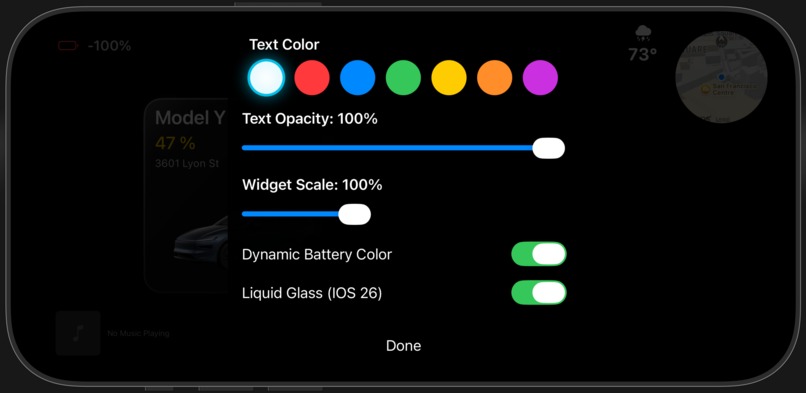
Widget Editing Menu for Insight
-
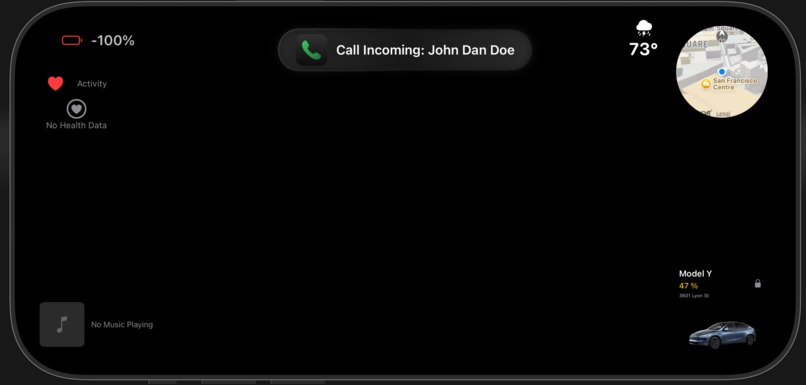
Interface to edit Insight on phone
-
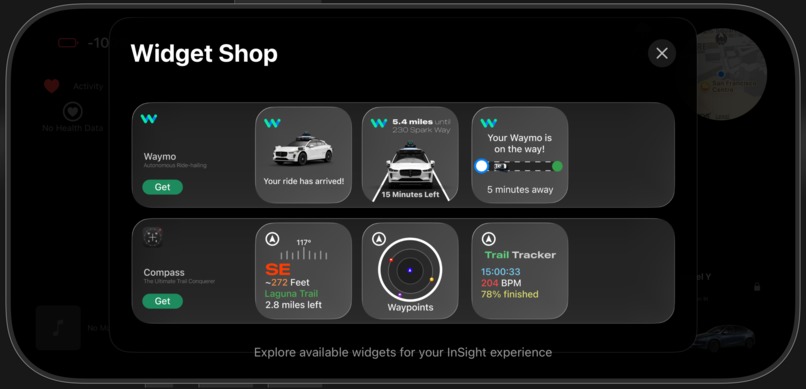
Marketplace page on Insight
-
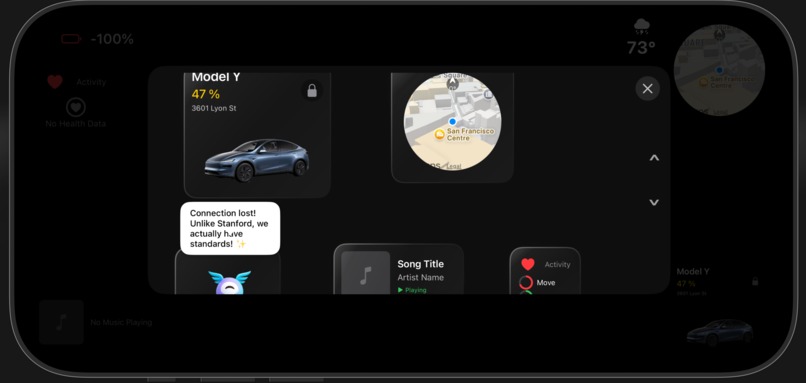
Movable Widgets on Insight
-
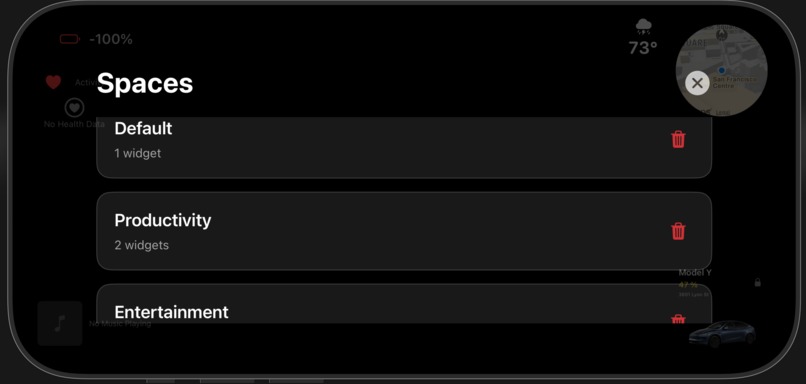
Spaces to have presets for Insight
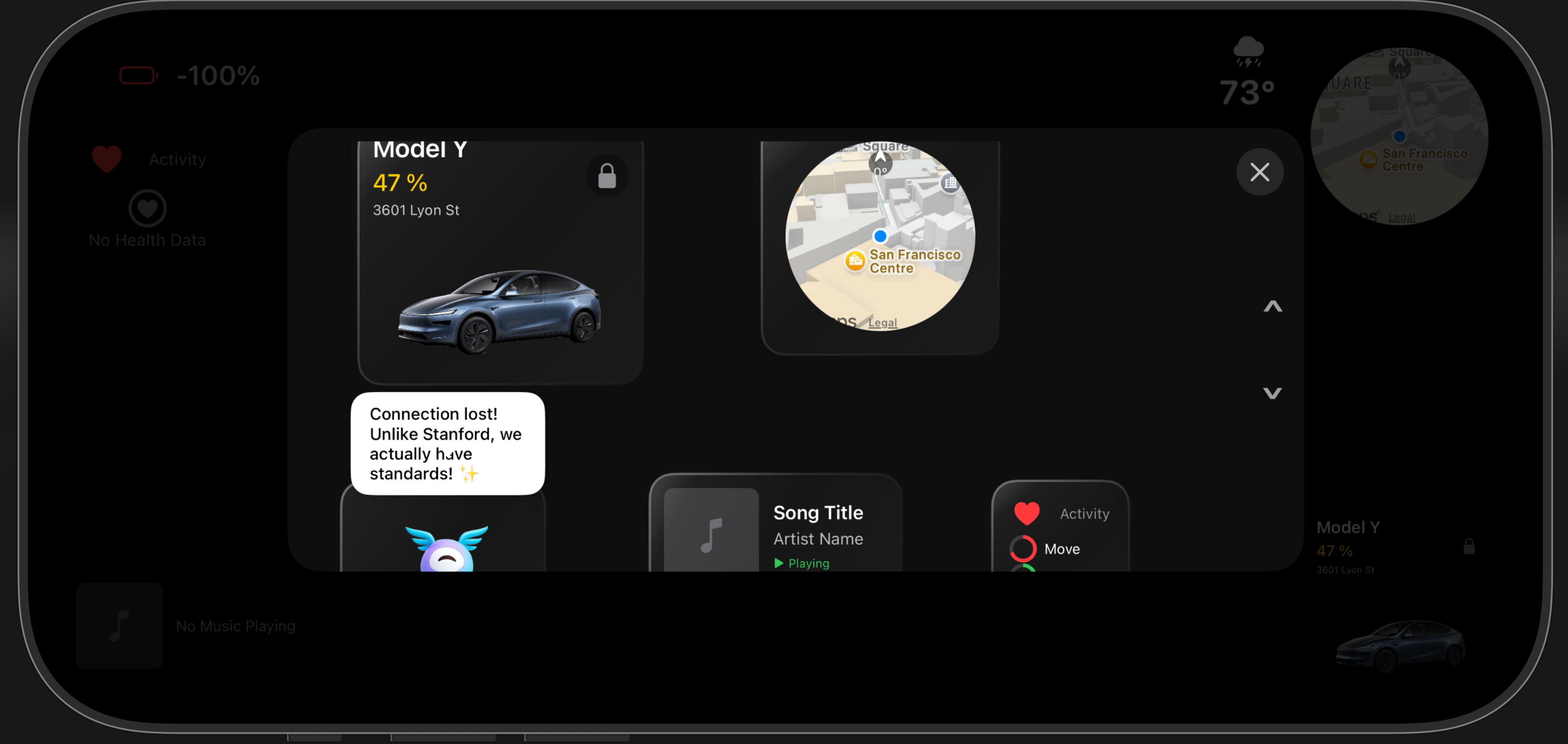
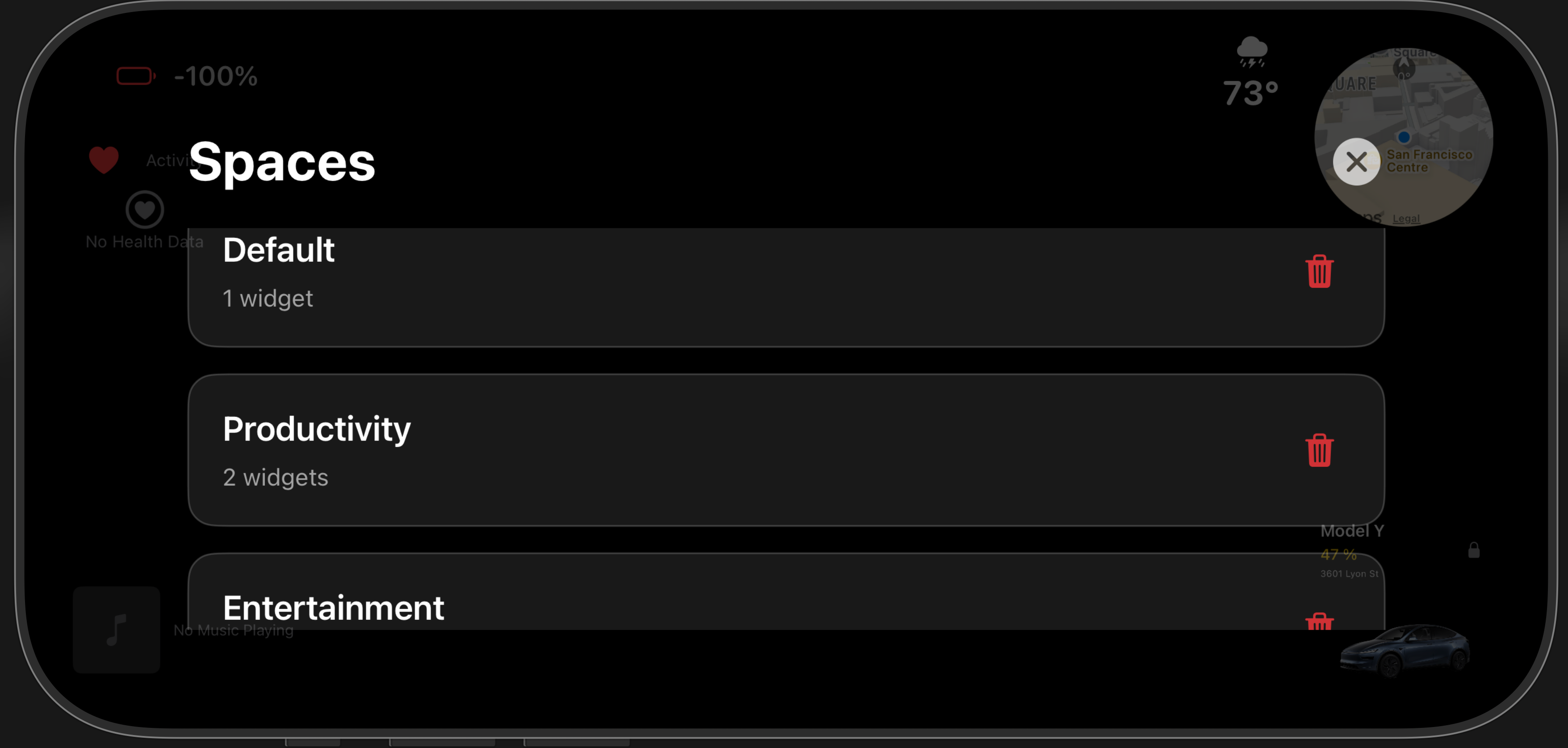
(Apologies for the hard-to-see display of the widgets, its hard to take a video of a screen in glasses.)
GIT REPO CAN BE FOUND HERE: https://github.com/Aephn/calhacks-Insight
Inspiration
We all like augmented reality hardware, but find the user experience to be lacking, the designs unappealing, and the utility to be near non-existent. We decided to create a platform to address these criticisms of the augmented reality landscape.
What it does
Project InSight is a pair of understated augmented reality glasses that are designed to operate without an internal computer and interface, either wired or wireless, with a tethered device. This allows us to achieve better battery life, comfort, energy efficiency, and at a lower cost. Alongside the head mounted display, the InSight software allows for an unmatched degree of user customization with a near infinite number of information displayable, the separation between your minds eye and reality is non-existent.
How we built it
We first began spec'ing out the hardware we were going to use to demo the software. We went with a pair of Sony μ-OLED displays originally designated for automotive applications with the intent of using them for stereoscopic 3D, a series of custom ribbon cables and a small driver board to allow them to be interfaced with via Type-C Display Port. That display port connection is either used to connect internally to a SBC performing a P2P connection with an external computer or as a direct connection to a pocket computer such as a smartphone. After settling on the hardware we spent the vast majority of the hackathon chipping away at the software.
Challenges we ran into
We designed a custom frame that we were going to 3D print, but because of the internet issues plaguing Calhacks we were unable to do so. As a result, we were unable to create a dual-screen implementation of our test hardware that had a satisfactory user experience because of display alignment issues. The lack of custom frames was the root cause of numerous packaging issues that ultimately lead us to abandon our wireless prototype in favor of a lighter, tethered approach.
Accomplishments that we're proud of
We were able to produce both custom hardware and software in a time crunch despite numerous roadblocks. From facing design challenges on what our roadmap should look like to understanding what is optimal for our hardware packaging, we were able to leap through each hurdle with a creative fix.
What we learned
We learned more about the development of creating an app through Swift, along with putting together hardware to match with our operating system. We also learned from experimenting with multiple different types of integrations and working amongst group members to create an equal and quick workflow to reach our deadline.
What's next for Project InSight
We plan to involve more integrations with other APIs to provide even more widgets and create a more compact packaging in the future. We would also look into a wireless solution along with range extender options for an even more seamless experience for the user. Another feature we have on our roadmap is to offer dual display lenses to create stereoscopic 3D views for the user to get an even more immersive view.


Log in or sign up for Devpost to join the conversation.