Project-HungerAid
Inspiration
Food insecurity remains one of the biggest global challenges, with millions struggling to access nutritious meals daily. Inspired by the United Nations' Sustainable Development Goal 2: Zero Hunger, we wanted to create a platform that connects food donors with those in need, reducing food waste and ensuring efficient distribution of resources. The idea stemmed from witnessing food wastage in restaurants and grocery stores while knowing that many people in nearby communities go hungry. We believe technology could bridge this gap and create a more sustainable system.
What it does
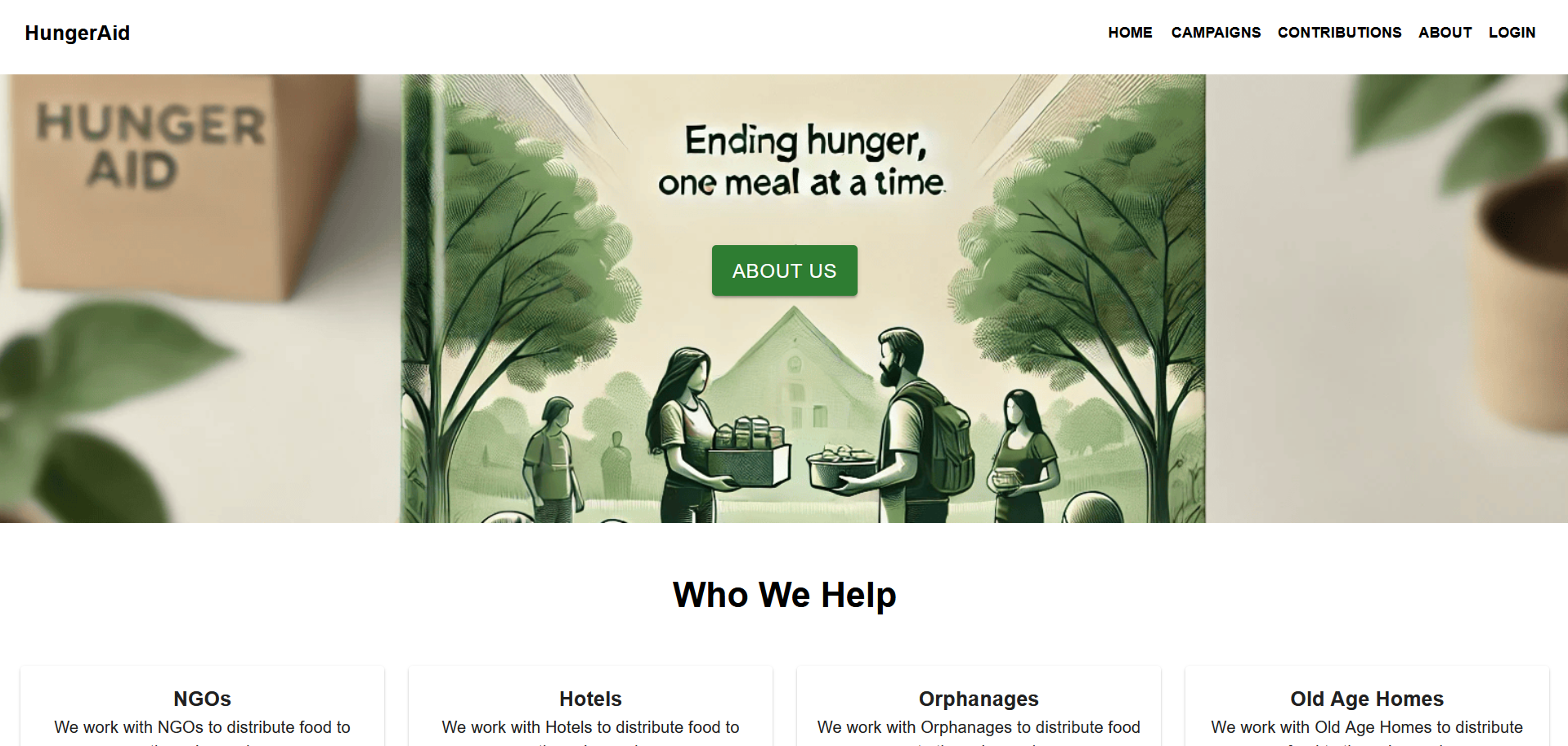
Project-HungerAid is a web-based platform that connects food donors (restaurants, grocery stores, and individuals) with local NGOs, shelters, and food-insecure communities. The platform allows:
- Donors to list surplus food available for pickup.
- NGOs and community organizations to claim available food and coordinate logistics.
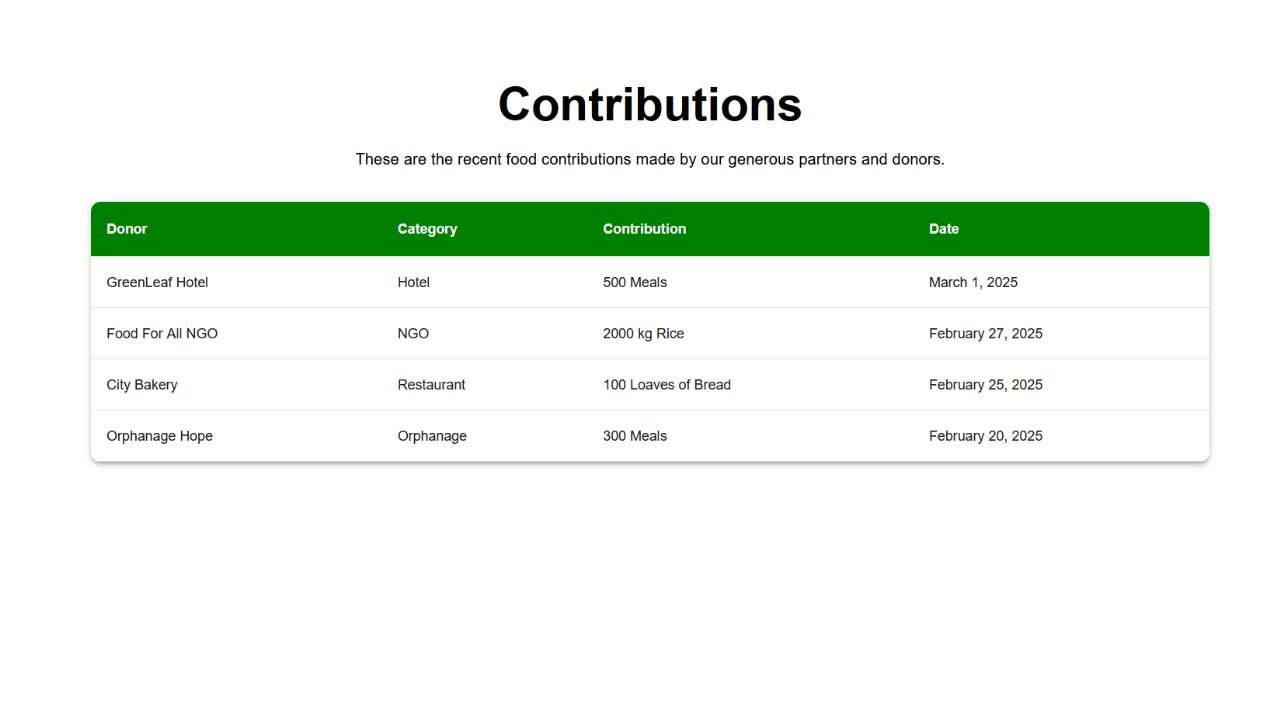
- A real-time dashboard to track donations and measure impact.
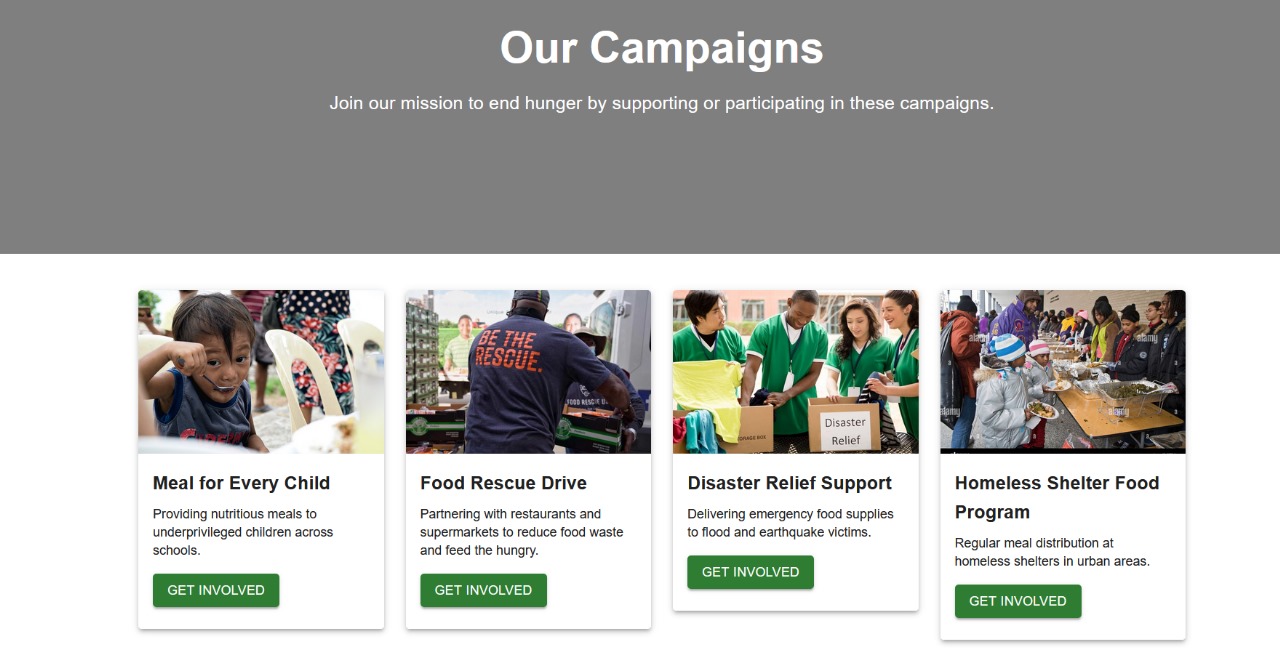
- Users to view ongoing food campaigns and contribute monetarily.
By streamlining food donations, HungerAid ensures that surplus food reaches those who need it most before it goes to waste.
How we built it
- Frontend: Developed using React and Next.js for a seamless user experience.
- Backend: Built with Node.js and Express, handling API requests efficiently.
- Database: Firebase for real-time data management and authentication.
- Styling: Tailwind CSS and Material-UI for a modern, responsive design.
- Hosting: Deployed on Vercel for frontend and Firebase for backend services.
We also integrated Google Maps API to help donors and recipients locate each other easily.
Challenges we ran into
- Real-time logistics: Ensuring food is picked up and delivered before spoilage required dynamic updates and coordination.
- Authentication & Security: Implementing a secure authentication system while making the platform accessible.
- Optimizing UX: Balancing simplicity with functionality to ensure ease of use for both tech-savvy and non-tech users.
- Data accuracy: Verifying donor and recipient information to prevent fraudulent claims.
Accomplishments that we're proud of
- Successfully built a working prototype within the hackathon timeframe.
- Designed a responsive and user-friendly interface.
- Integrated a real-time database to manage food donations efficiently.
- Created a meaningful project that can make a real impact in reducing food waste and hunger.
What we learned
- The importance of UX/UI in making social impact solutions accessible.
- How to integrate Firebase for real-time data handling.
- The role of geolocation in food distribution logistics.
- Effective teamwork and agile development under a time constraint.
What's next for Project-HungerAid
- Mobile App: Expanding into a mobile-friendly version for easier access.
- AI-based Matching: Implementing AI to match donors with nearby recipients efficiently.
- **Gamification & Rewards: Encouraging more participation by introducing incentives for donors.
- Multi-Language Support: Expanding accessibility to reach a global audience.
- Corporate Partnerships: Collaborating with restaurants, supermarkets, and food suppliers to increase impact.
We believe HungerAid can play a crucial role in reducing food waste and fighting hunger. With further development, we aim to make it a widely adopted platform for food security worldwide. 🚀
Built With
- express.js
- firebase
- nextjs
- node.js
- react
- vercel


Log in or sign up for Devpost to join the conversation.