-
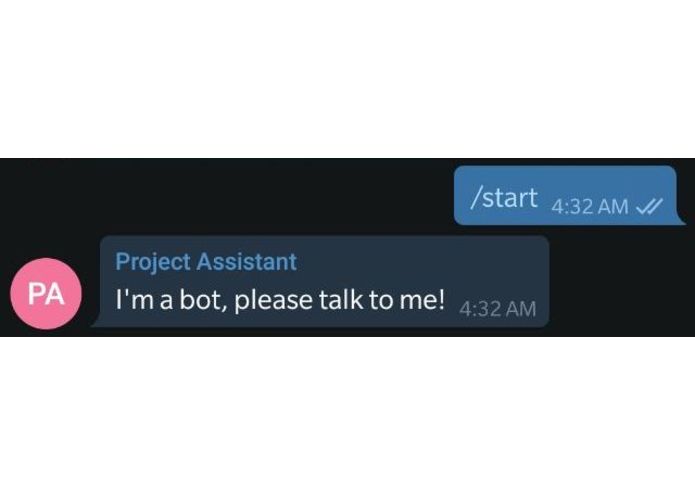
Start the bot
-
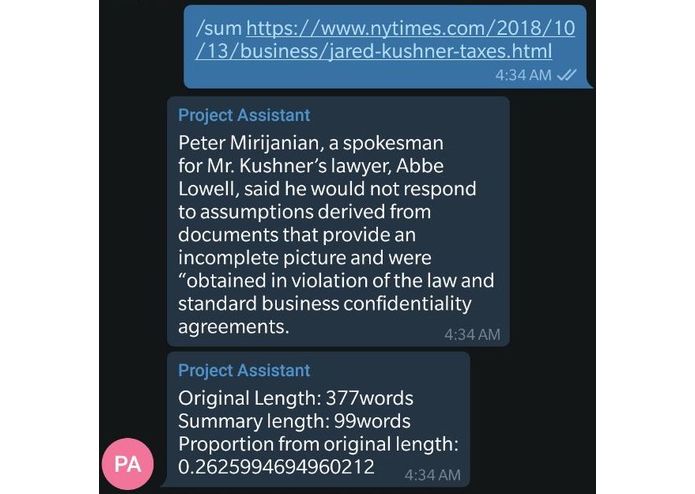
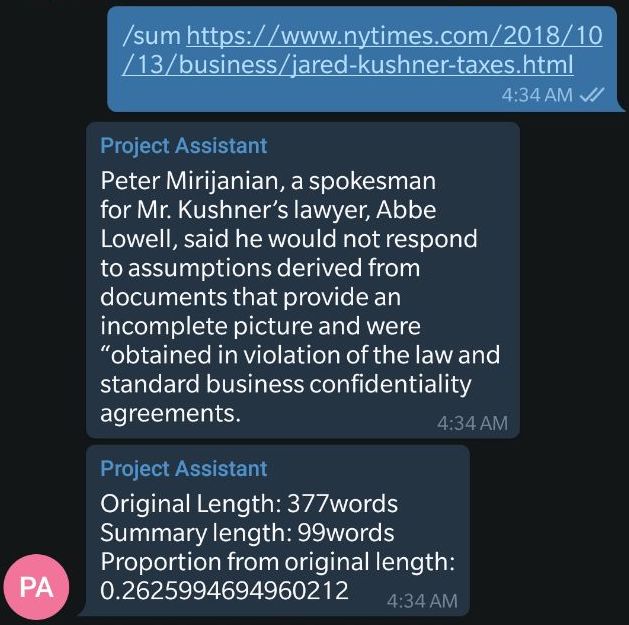
Summarise an article
-
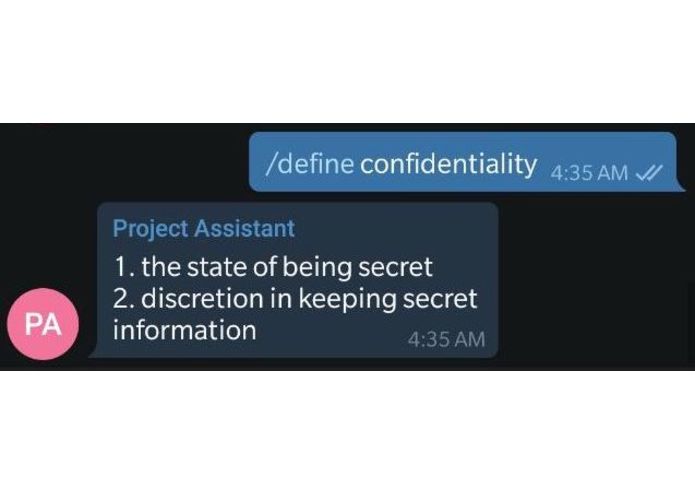
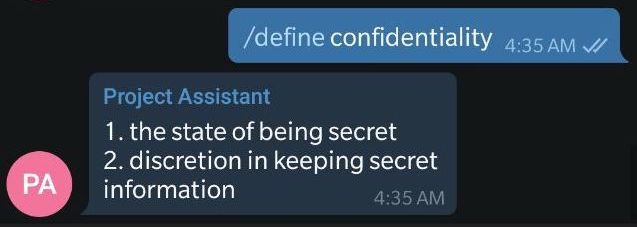
Get definitions of a word
-
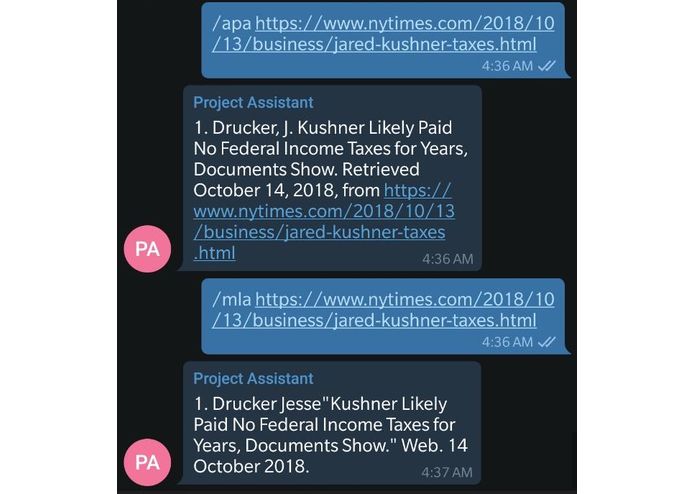
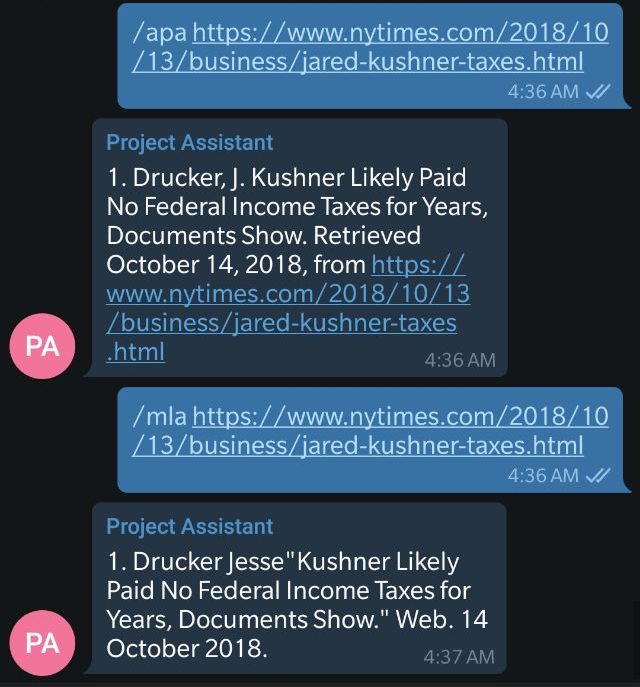
Get the APA/MLA citation for a website
-
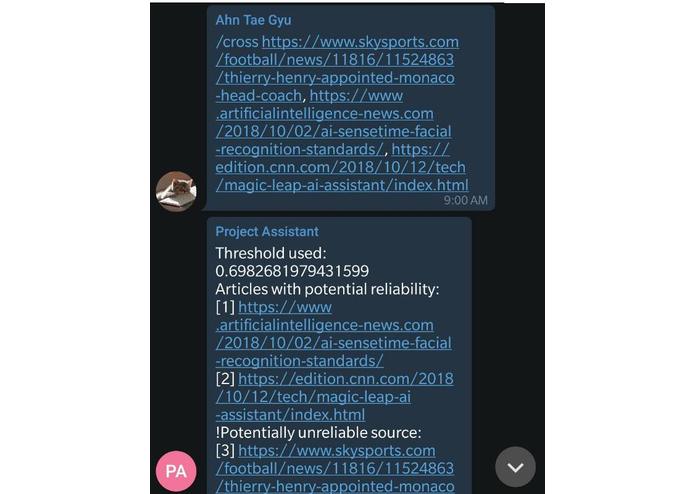
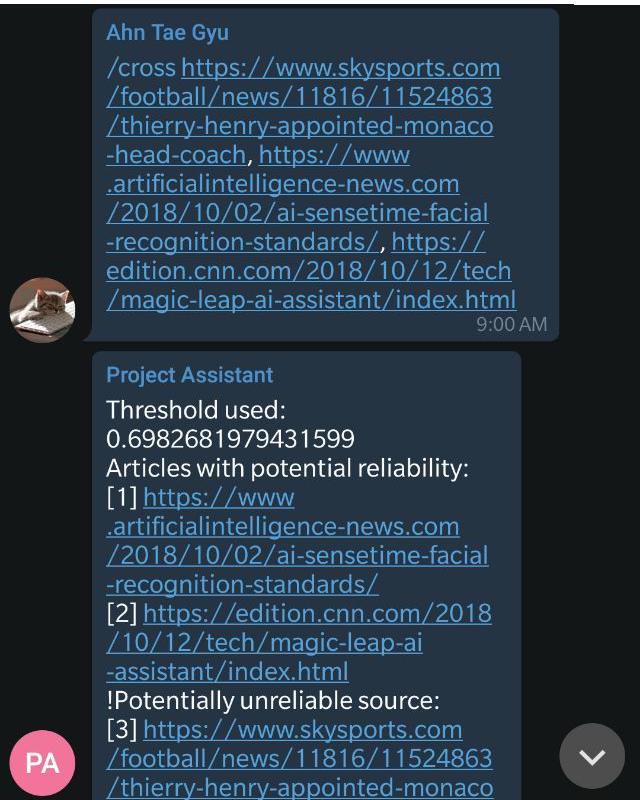
Cross reference multiple articles

Inspiration
Reading long articles are a hassle; they are boring, and most of the information is actually unnecessary. This can make researching or just reading the news painstakingly long and off-putting. Even worse, referencing while strictly adhering to the MLA or the APA referencing style can also be a thorn in your side.
What it does
Our telegram bot has 3 main functions
- Summarise
- Cross Reference
- Reference Generator
Our telegram bot summarises any article or text significantly, ensuring a no-frills reading experience. references**. In case you do not know the meaning of a word in the article, you can ask the bot to define it for you.
You can also cross-reference multiple articles and see how relevant/similar they are to one another.
Additionally, it converts the URLs into MLA/APA references that you can slot right into your paper or report. All this to make sure that you can put your energy into things that really matter.
How I built it
The telegram bot was built using Python. Various libraries such as nltk and gensim were also utilized. Pycharm was the IDE of choice.
Challenges I ran into
- Working around the character and flooding limits in Telegram
- Cross-reference function very difficult to implement
- Various overflow errors
- Server-side issues
- Choosing an appropriate threshold in cross-referencing
Accomplishments that I'm proud of
- Successfully deployed a Telegram bot that was able to fetch the contents of web pages and provide a summary that was around 20 percent of the original length
- Successfully implemented functions to generate the MLA and APA references for a list of URLs
- Successfully implemented a function to cross-reference across multiple URLs
- Successfully implemented a define word function
What I learned
- Applying external python librarires
- Making a Telegram Bot
- Adding command words to a Telegram Bot
- Deploying a Telegram Bot
What's next for Project Assistant Bot
- A bias detector for articles
- Fake news detector


Log in or sign up for Devpost to join the conversation.