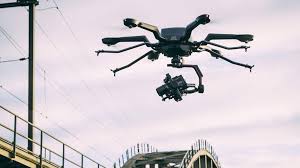
*Project Overview*
The project aims to use a hexacopter drone equipped with various sensors to monitor the water quality of the Yamuna River. The goal is to detect pollutants such as heavy metals, phosphates, chlorides, and other harmful elements to take timely precautionary measures, thereby preventing issues like smog formation.
*Components*
1. *Hexacopter Drone*: A drone platform capable of carrying sensors and communication equipment.
2. *Sensors*:
*TDS Sensor*: To measure Total Dissolved Solids.
*Dissolved Oxygen Sensor*: To measure Biochemical Oxygen Demand (BOD) and Chemical Oxygen Demand (COD).
*pH Meter*: To measure the acidity/alkalinity of the water.
3. *Communication Module (LM7090C)*
4. *ESP32 Microcontroller*: To process data from the sensors and transmit it.
*Data Analytics and DevOps Integration*
1. *Sensor Data Collection*
- *Sensors*: Collect real-time data on TDS, dissolved oxygen, and pH levels.
- *Microcontroller (ESP32)*: Gather data from sensors and transmit it via the communication module.
2. *Data Transmission*
- *Communication Module (LM7090C)*: Ensures reliable transmission of data from the drone to a ground station or cloud platform.
3. *Data Processing and Storage*
- *Cloud Platform*: Use a scalable cloud service like AWS, Azure, or Google Cloud to store and process the data.
- *Data Processing Pipeline*:
*Ingestion*: Data is ingested in real-time using services like AWS Kinesis or Azure Event Hubs.
*Storage*: Use databases like AWS S3, Google BigQuery, or Azure Data Lake for storage.
4. *Data Analysis*
- *Analytics Framework*: Use frameworks like Apache Spark or TensorFlow to analyze the data.
- *Machine Learning Models*: Develop models to predict pollution levels and identify trends.
- *Dashboards*: Create dashboards using tools like Tableau or Power BI to visualize the data and generate reports.
5. *DevOps Implementation*
- *Continuous Integration/Continuous Deployment (CI/CD)*:
*Code Repositories*: Use GitHub or GitLab for version control.
*CI/CD Pipelines*: Use Jenkins, GitHub Actions, or GitLab CI to automate the deployment of data processing and analytics code.
- *Monitoring and Logging*:
*Monitoring*: Use Prometheus and Grafana for real-time monitoring of the system.
*Logging*: Implement logging using ELK Stack (Elasticsearch, Logstash, Kibana) or similar solutions.
6. *Real-Time Alerts and Notifications*
- *Alerting System*: Set up an alerting system using AWS SNS, Twilio, or similar services to notify stakeholders of critical pollution levels.
- *Mobile and Web Applications*: Develop applications to provide real-time updates and alerts to users.
*Implementation Steps*
1. *Setup and Calibration*
*Calibrate Sensors*: Ensure that TDS, dissolved oxygen, and pH sensors are accurately calibrated for the specific conditions of the Yamuna River.
*Drone Integration*: Integrate sensors with the hexacopter drone and ensure stable data transmission via the ESP32 microcontroller and LM7090C module.
2. *Develop Data Processing Pipelines*
*Data Ingestion*: Configure the cloud platform to receive real-time data from the drone.
*Data Storage*: Set up a scalable and secure storage solution for the collected data.
3. *Analytics and Machine Learning*
*Develop Models*: Train machine learning models to predict pollution levels and identify patterns.
*Visualization*: Create dashboards to visualize the data and highlight critical areas.
4. *CI/CD and DevOps*
*Implement Pipelines*: Set up CI/CD pipelines for automated testing and deployment.
*Monitoring*: Configure monitoring and logging to ensure system reliability and performance.
5. *User Interface Development*
*Web and Mobile Apps*: Develop user-friendly interfaces for real-time monitoring and alert notifications.
6. *Testing and Deployment*
*Field Testing*: Conduct thorough testing of the drone and sensors in the Yamuna River.
*Deployment*: Deploy the solution and continuously monitor its performance.
*Expected Outcomes*
- *Timely Alerts*: Early detection of pollutants will enable timely interventions to prevent smog formation and other environmental issues.
- *Data-Driven Decisions*: Authorities can make informed decisions based on real-time data and predictive analytics.
- *Environmental Impact*: Improved monitoring will help maintain the river's natural habitat and reduce health risks for the population.
This integrated approach using data analytics and DevOps ensures a robust, scalable, and efficient solution for monitoring and managing the water quality of the Yamuna River.