-
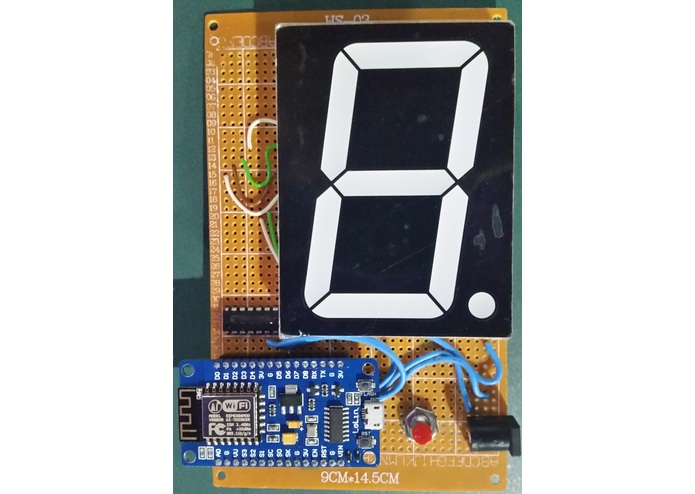
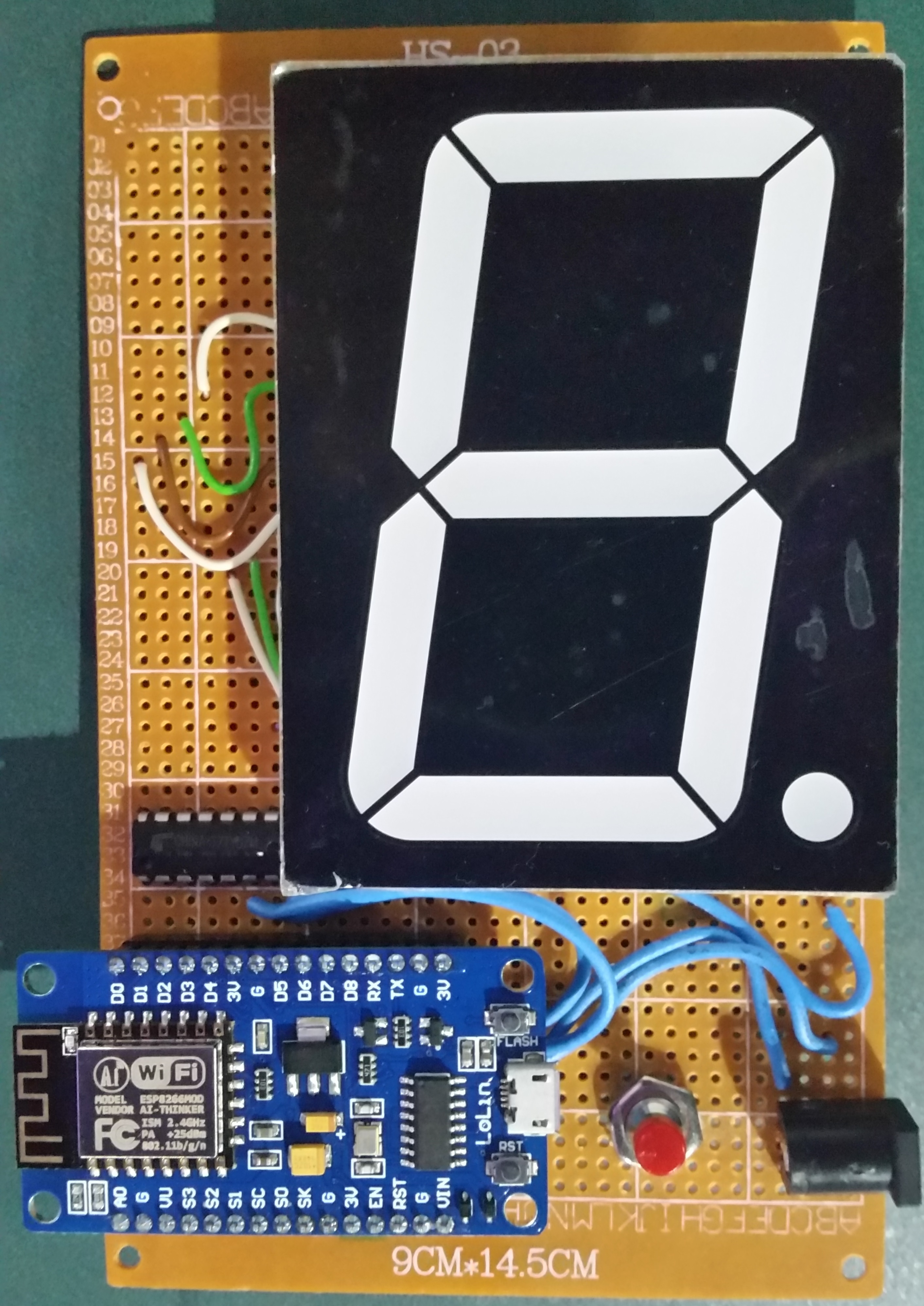
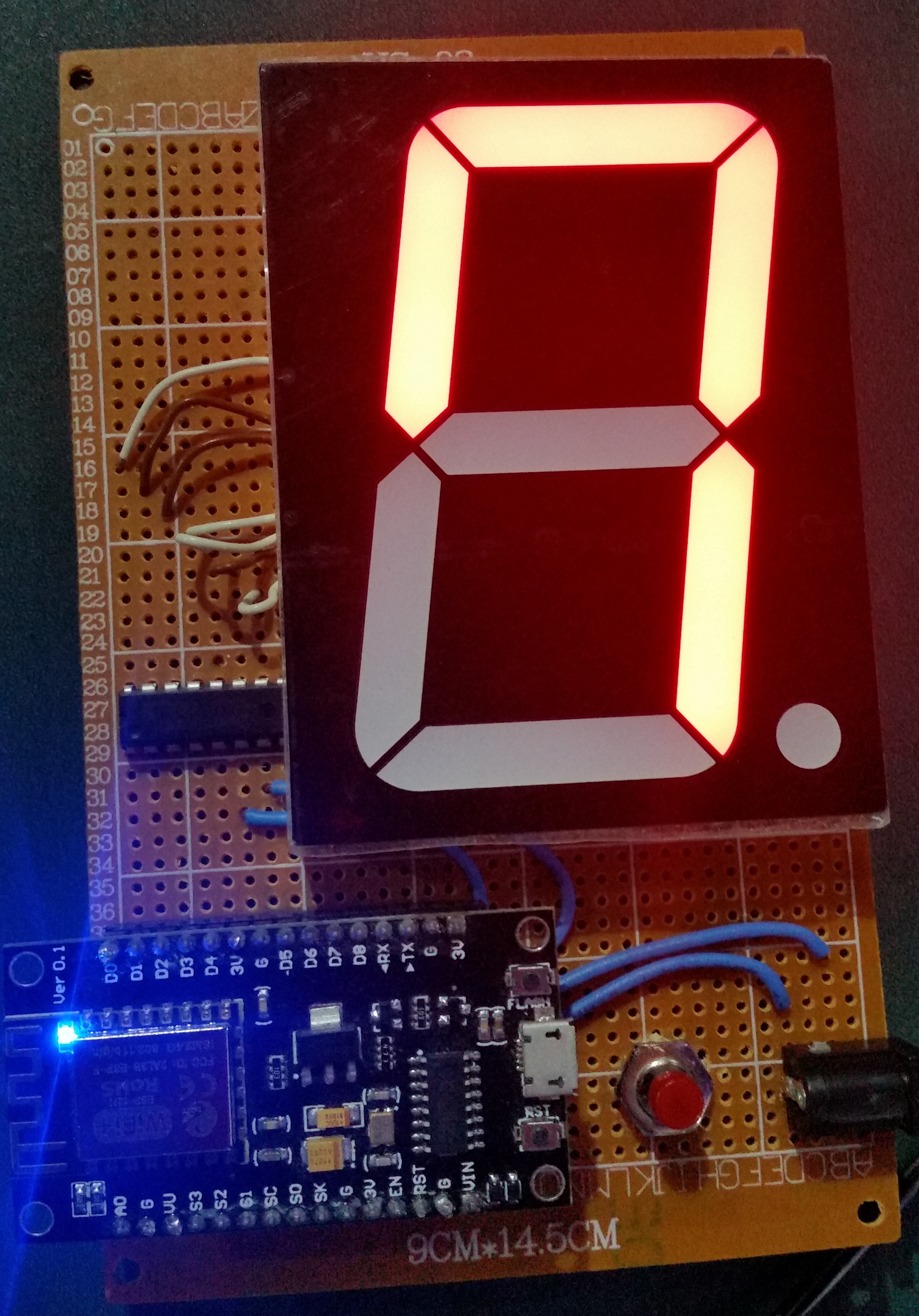
Bus Sign Board
-
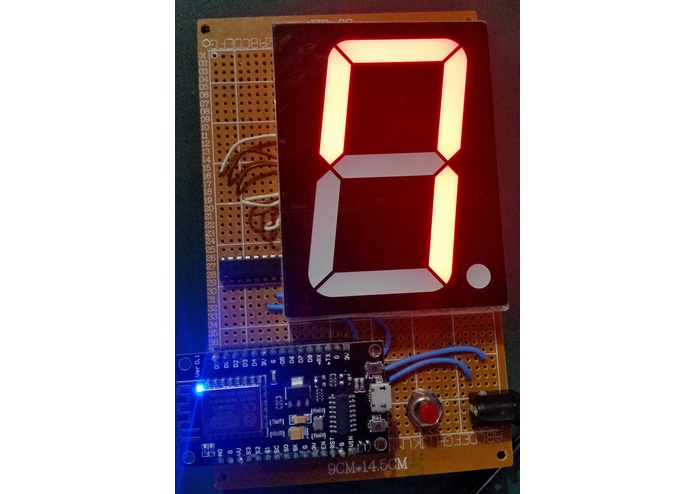
Bus Sign Board showing road #7
-
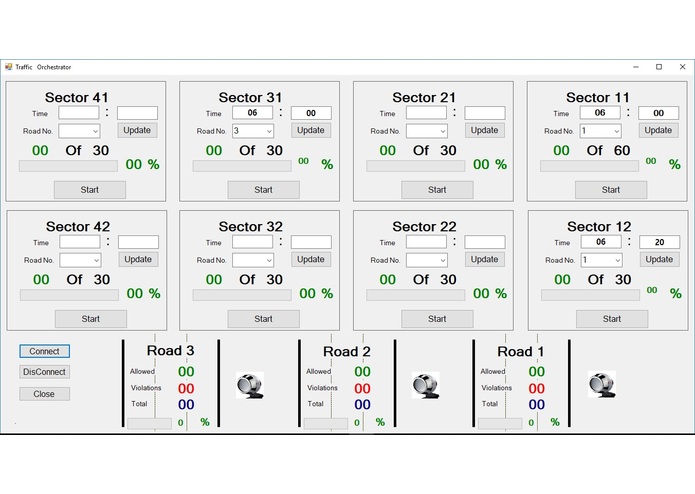
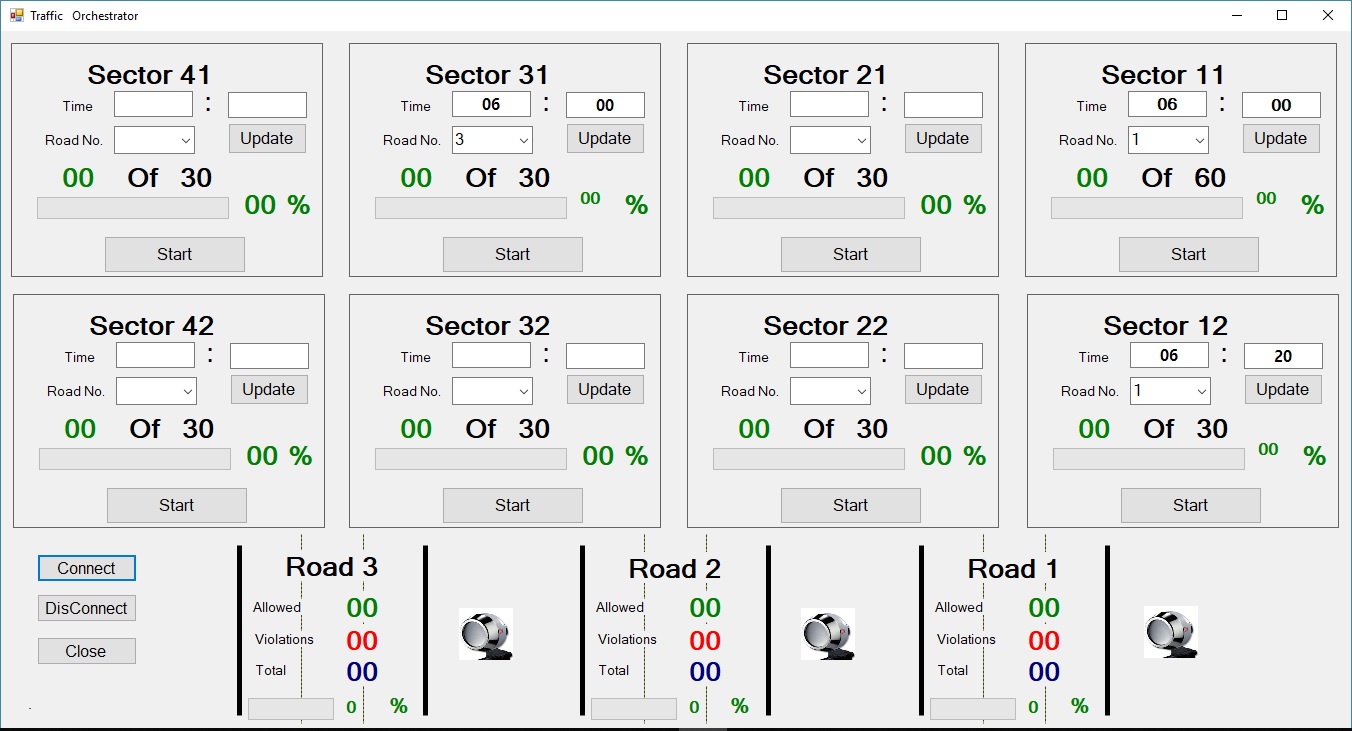
Hajj Hackathon Control Command Center application
Inspiration:
From our previous Hajj experiences, we noticed that it is always a very difficult and chaotic scene when the pilgrims begin to move from Arafat to Muzdalifah. The enormous number of vehicles that start to travel on the limited number of roads with little or no organization inspired us to come up with this idea. Careful observation and analysis of the problem shows that this situation occurs because of the immense number of vehicles that all depart at the same time; causing traffic to come to a complete standstill. This, in turn, creates a bottleneck in traffic on all the roads.
What it does:
Our system simply “orchestrates” the traffic flow, by preventing the roads from overloading and thus keeping the traffic flow at the maximum rate the entire time.
The following points outline the system’s operation: 1. Vehicles are equipped with an IoT device that links the vehicle to the Traffic Command Center (TCC). 2. The intended destination (Mena, Muzdalifah, Arafat) is segmented into sectors. 3. Each sector is assigned to a group of vehicles as their destination. 4. A time- based transportation management program is developed early so that the roads will not be overcrowded. 5. Wireless IoT detectors are deployed on the roads to quantitively measure the traffic. They subsequently send this data to the TCC. 6. Vehicles, especially large ones, are only allowed to travel on their specified roads at their scheduled time. 7. Vehicles violating the system can be reported to the TCC.
How I built it:
- We are a highly professional team covering electronic circuit design, IoT technologies, programming and firmware development.
- We’ve built a sample demo to show the hardware and the software components of the system and how they interact together in real time.
Challenges I ran:
-Technically, this job was not really challenging to our highly professional team. -The only challenge was to develop the hardware and firmware in a very short amount of time.
Accomplishments that I'm proud of
- We are proud that we developed the original idea of “Programmed Traffic Management and Monitoring.”
- To lessen the burden of this exhausting situation because of pilgrims being stuck in traffic for a long time.
- We would be honored with the opportunity to first apply the IoT technology of this idea to Hajj.
- We used relatively inexpensive hardware to implement the project that makes it more feasible to execute.
What I learned:
How to work in a team.
What's next for Programmed Management & Monitoring of High Volume Traffic.
-Integrating our system into a larger “Hajj Facilities Management System”.
- Expanding the concept to include the evacuation of large numbers of people from disaster areas in a short amount of time.
- Developing an IoT network for monitoring traffic in big cities.

Log in or sign up for Devpost to join the conversation.