-
-
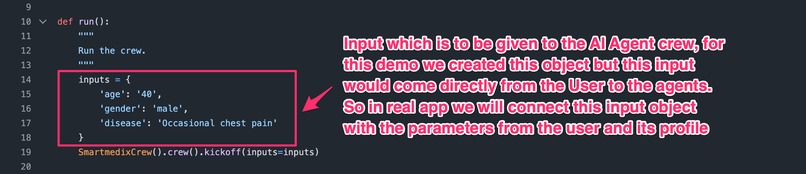
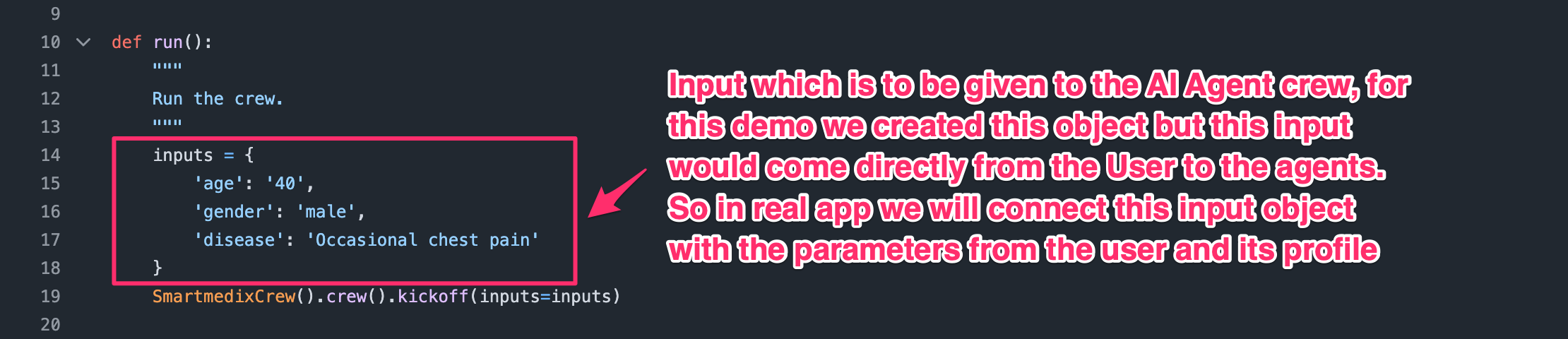
Input
-
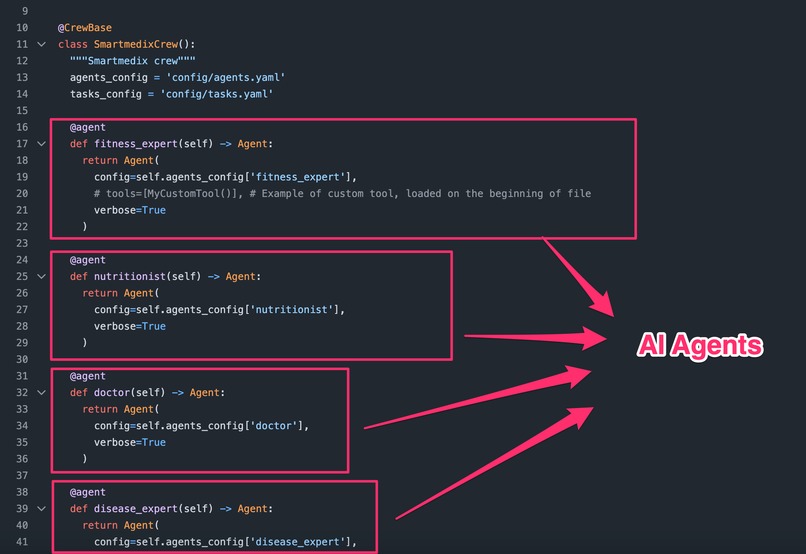
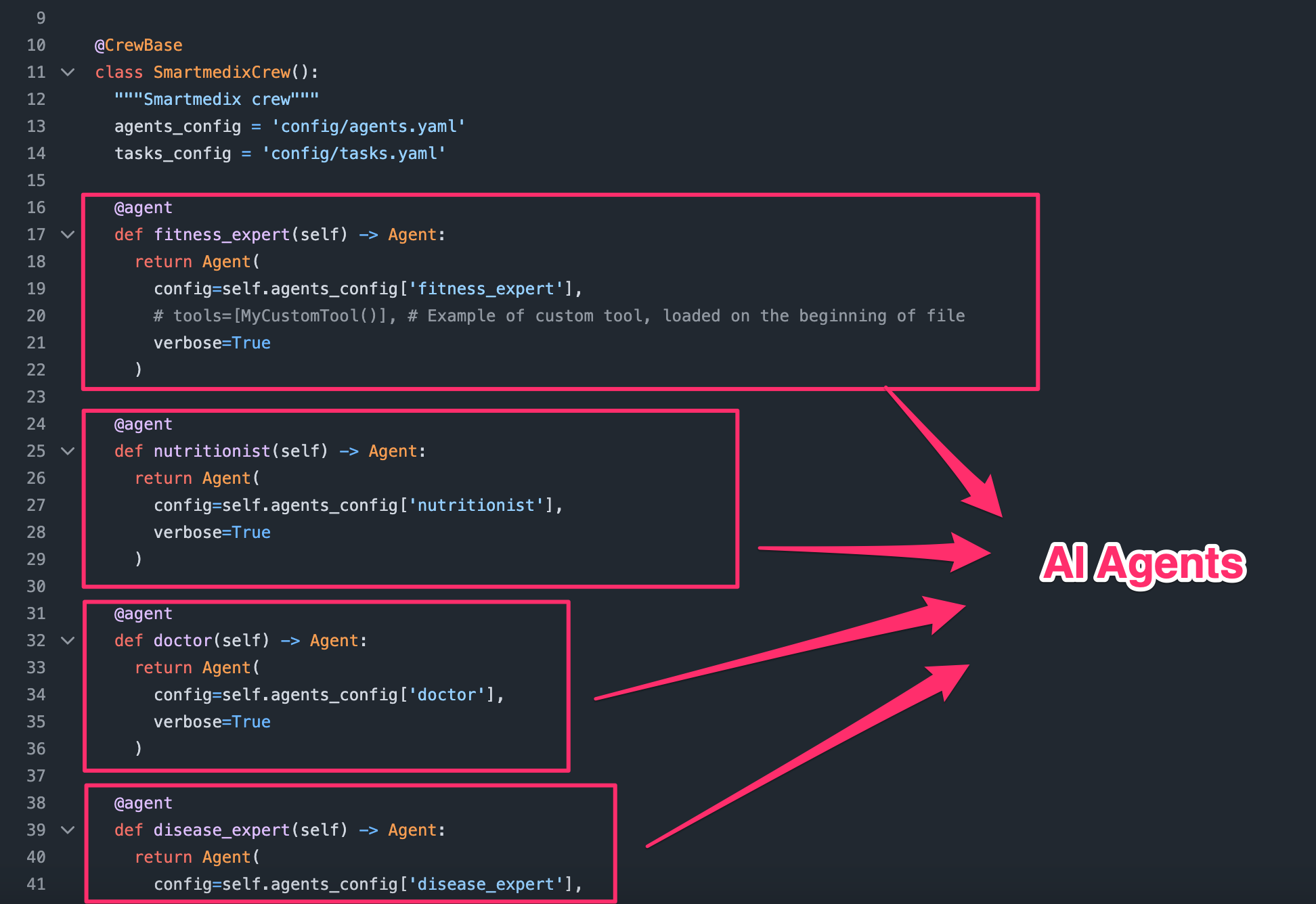
AI Agents
-
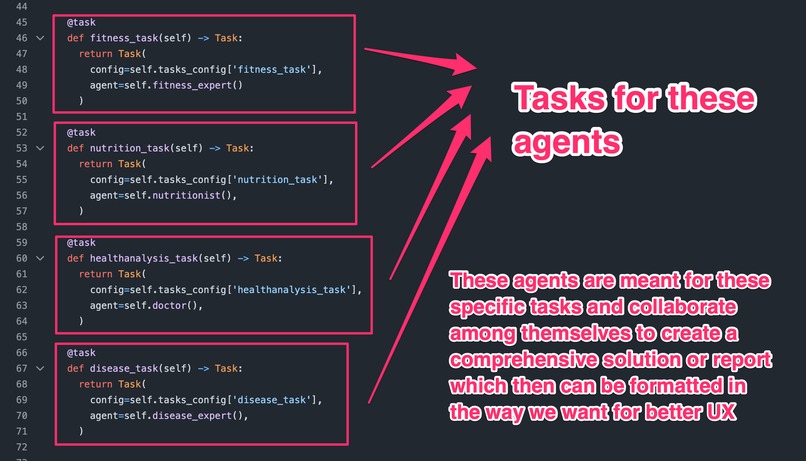
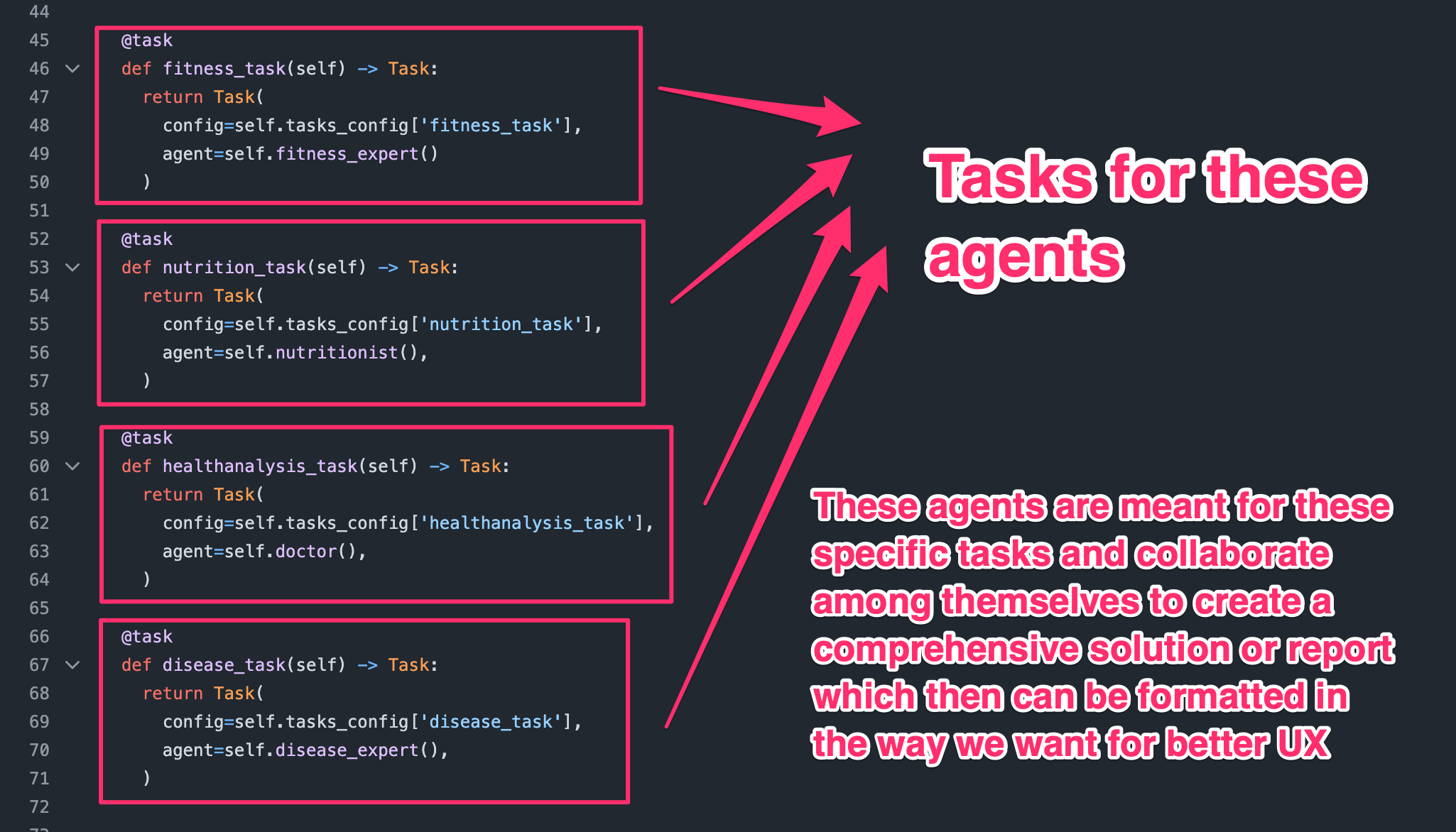
Tasks
-
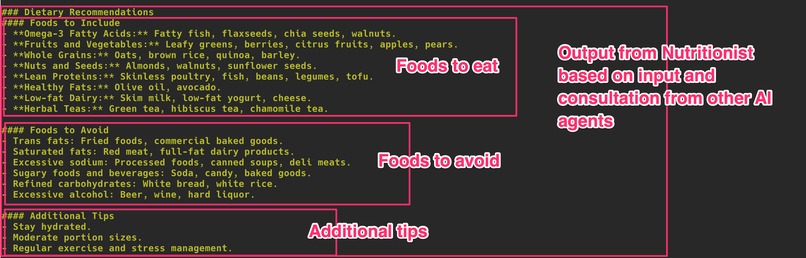
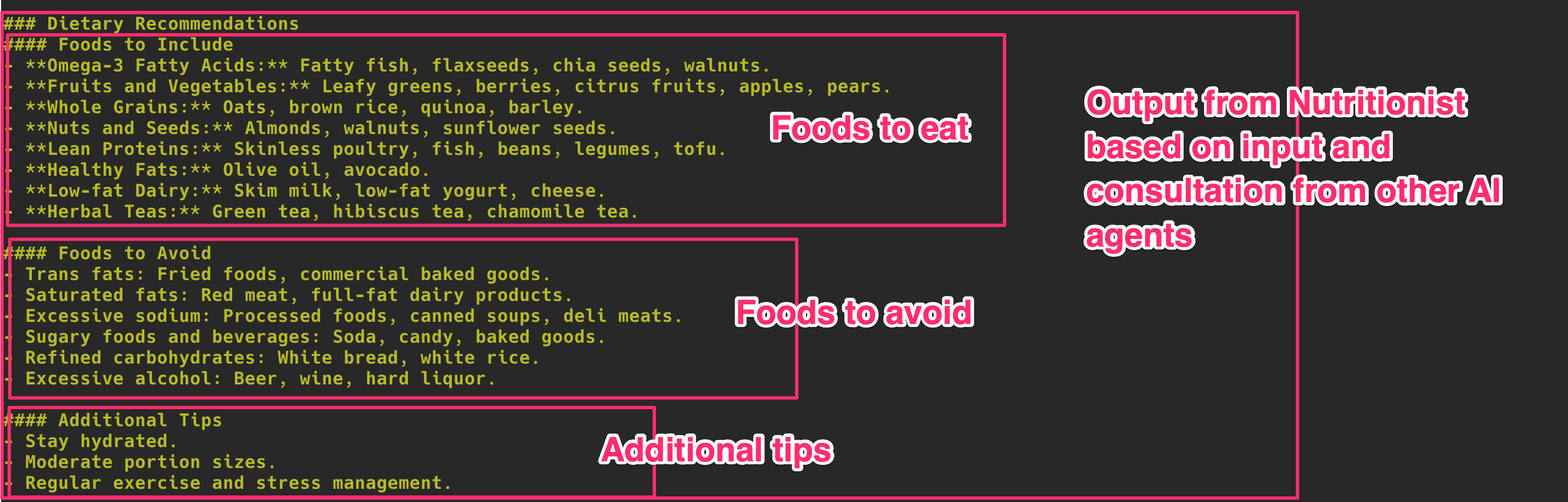
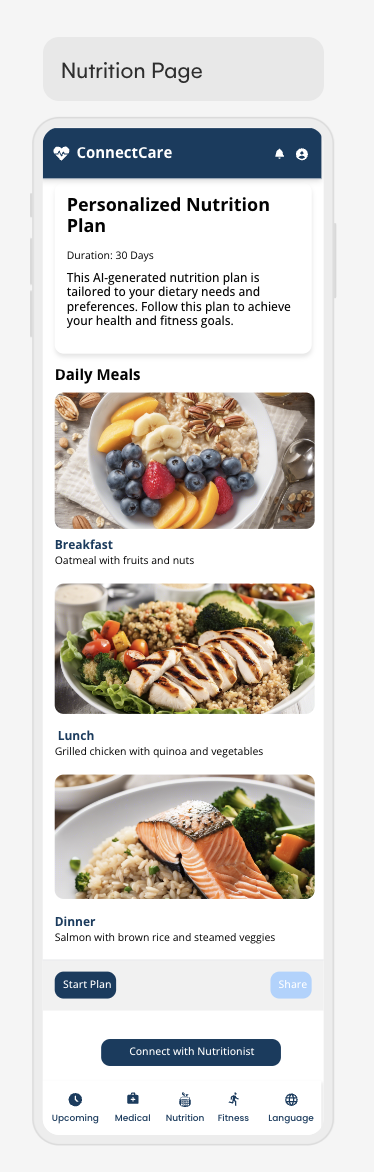
Nutrition
-
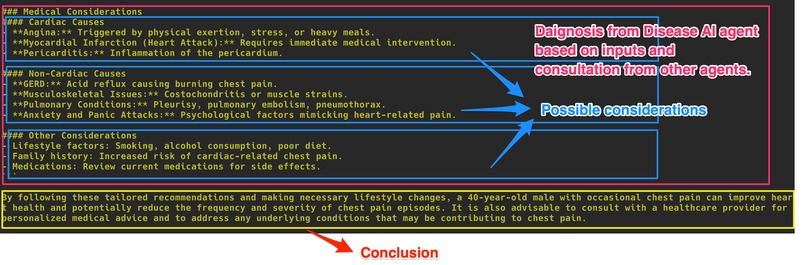
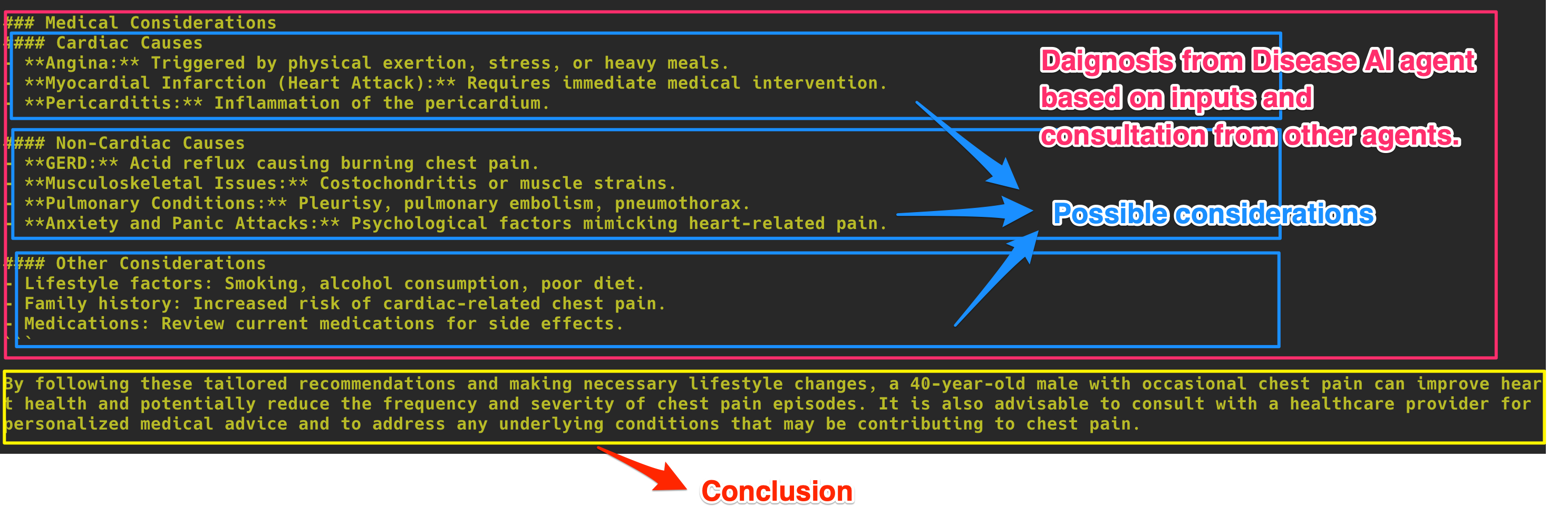
Disease expert
-
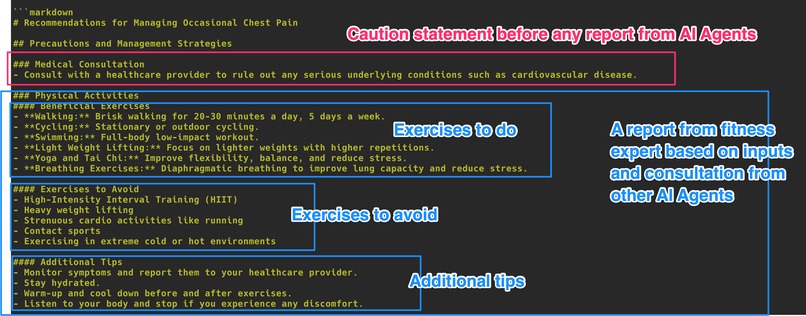
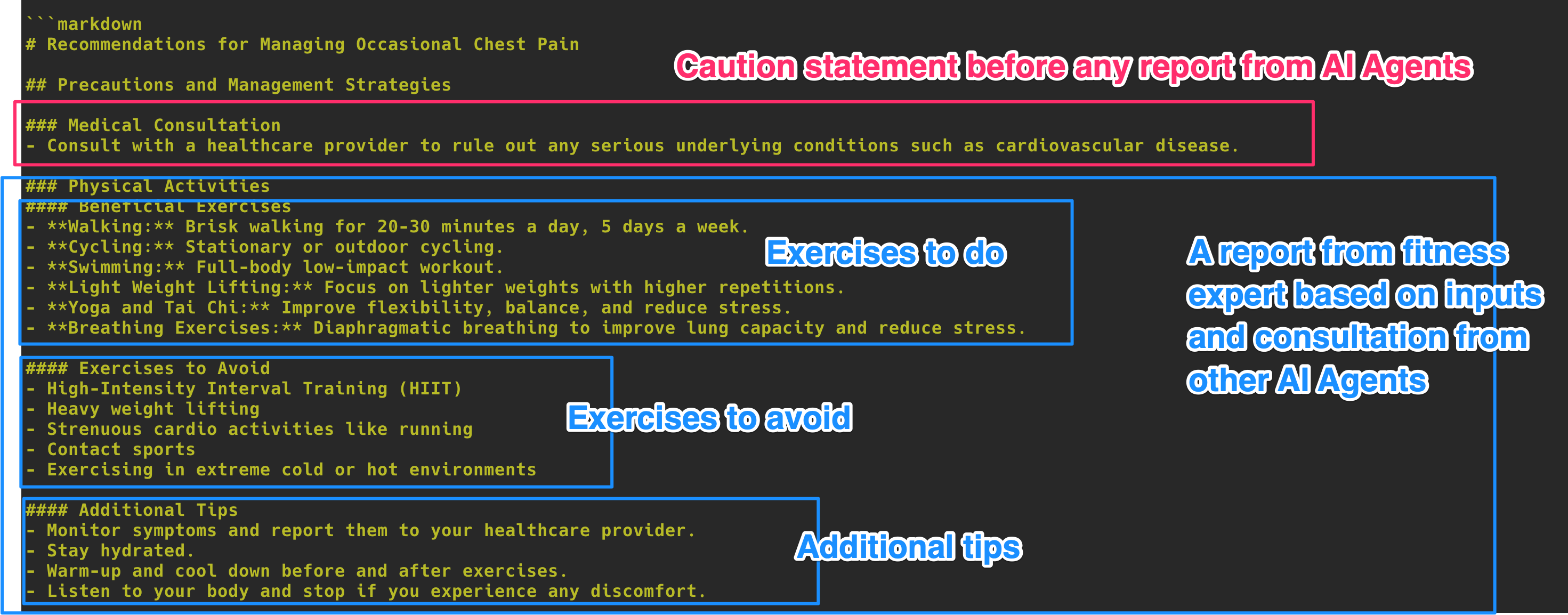
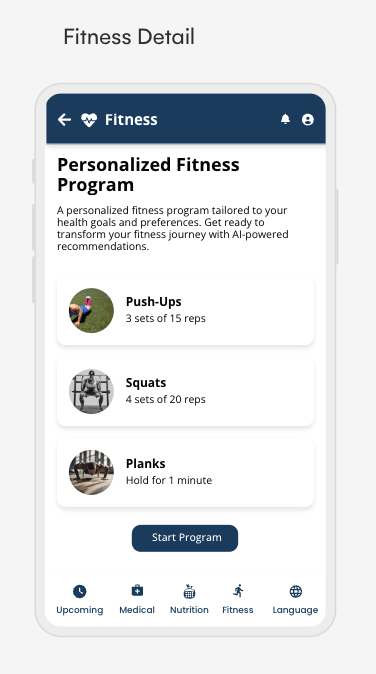
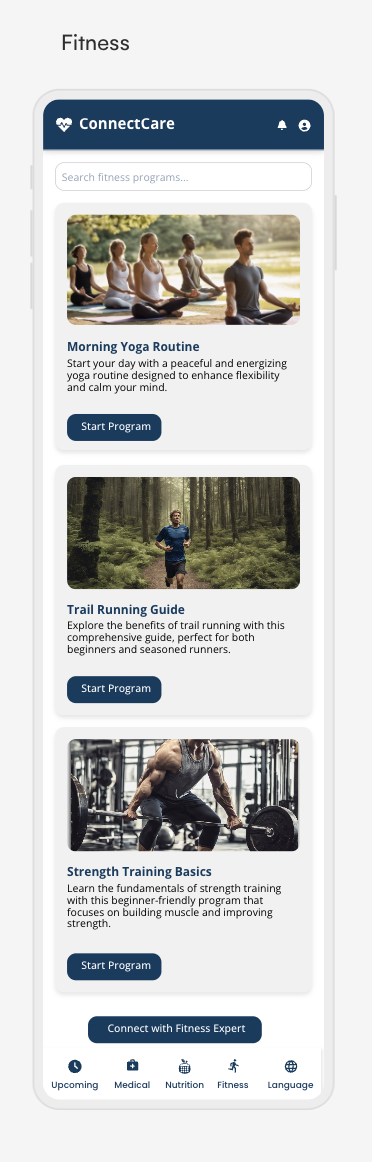
Fitness
-
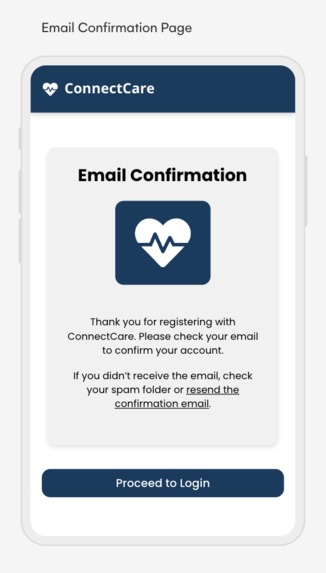
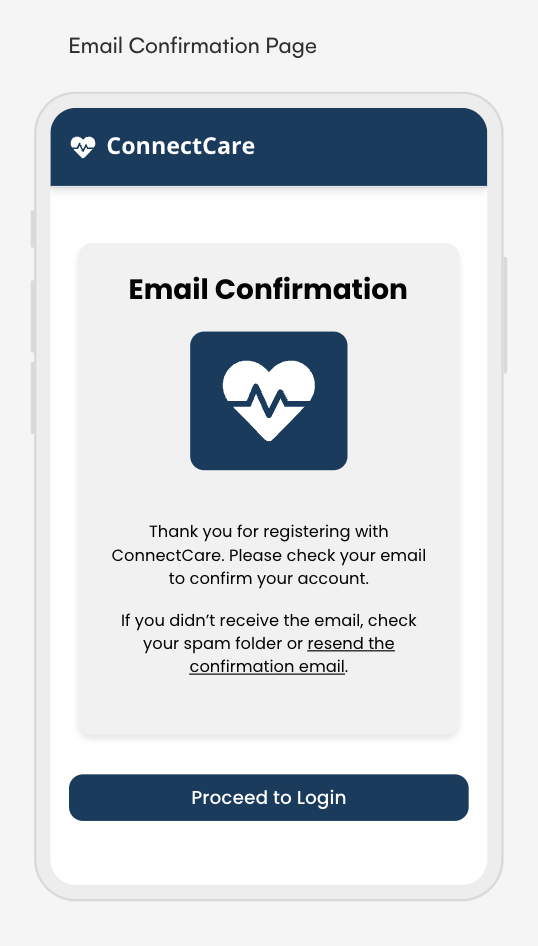
Email verification
-
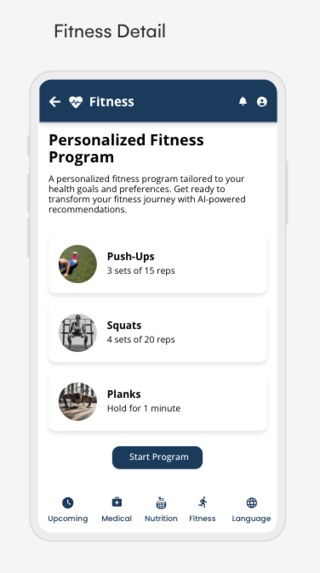
Fitness program
-
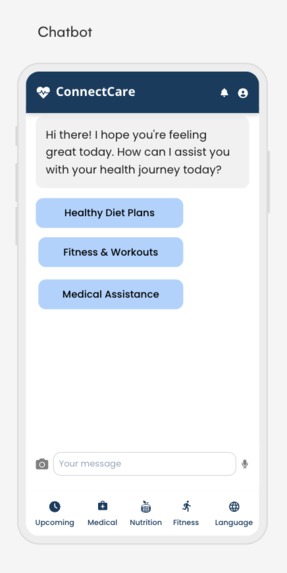
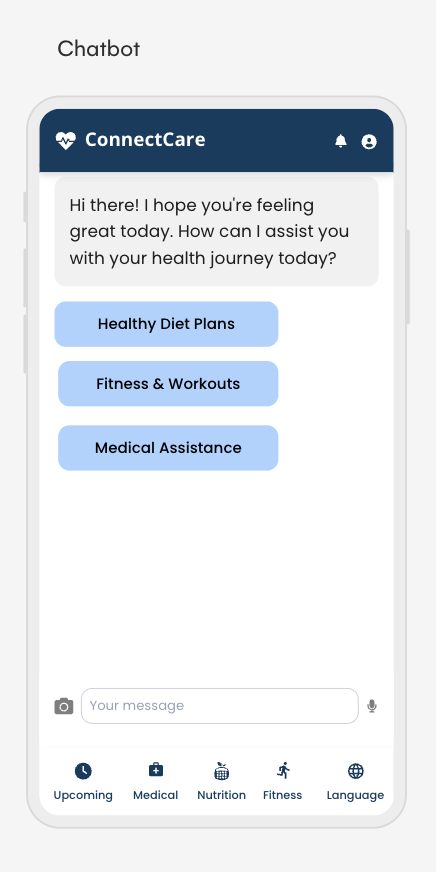
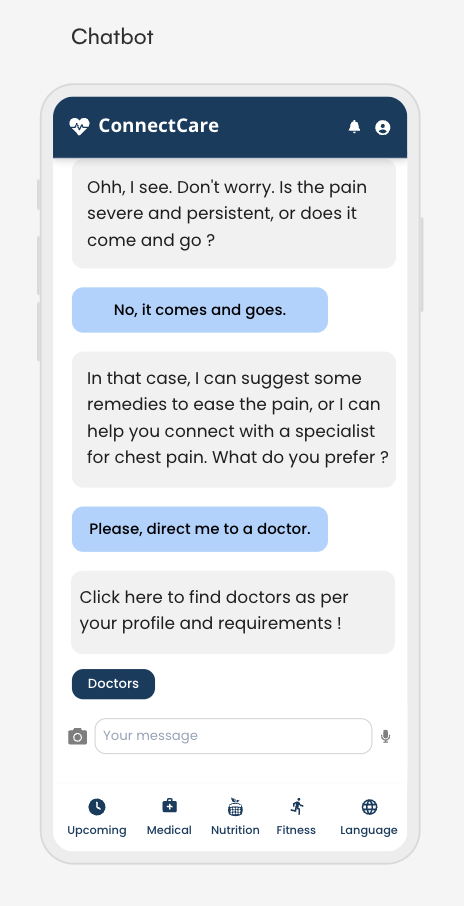
chatbot 1
-
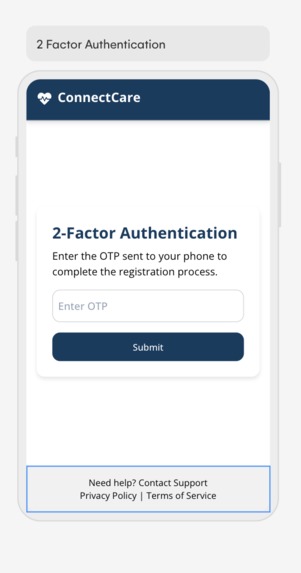
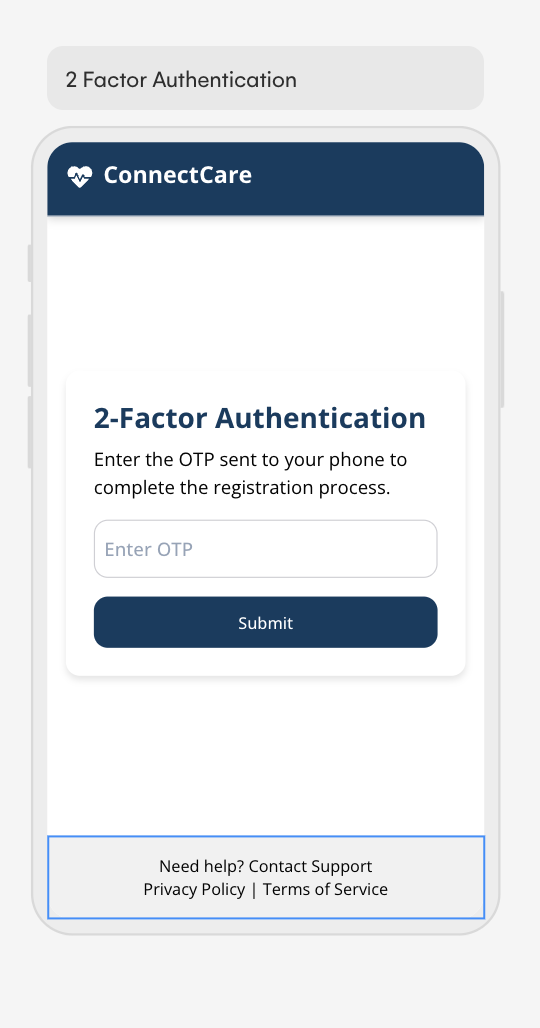
2 factor authentication
-
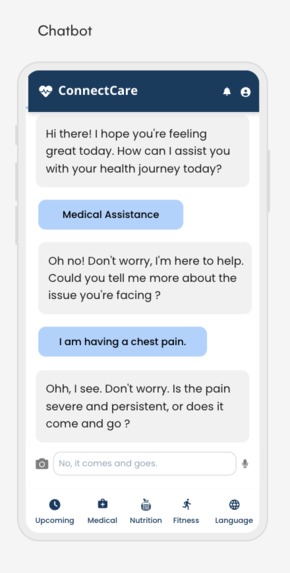
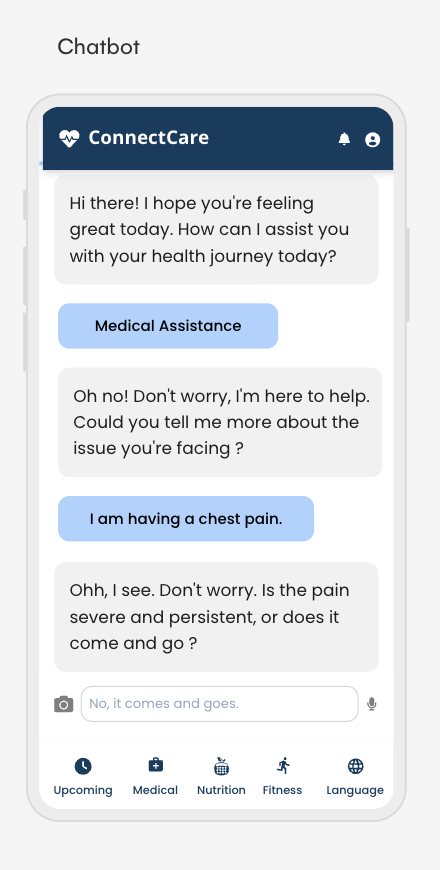
chatbot 2
-
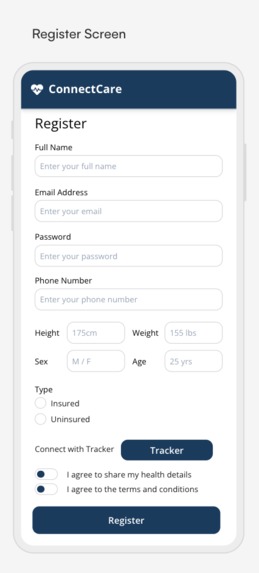
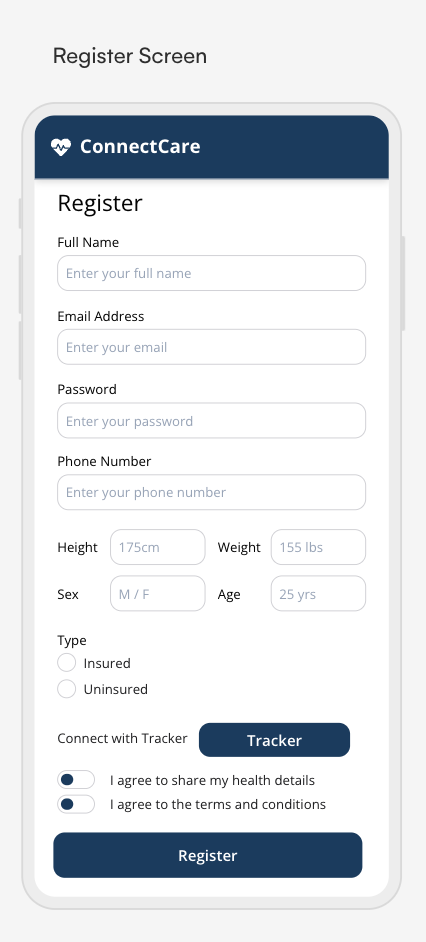
Register page
-
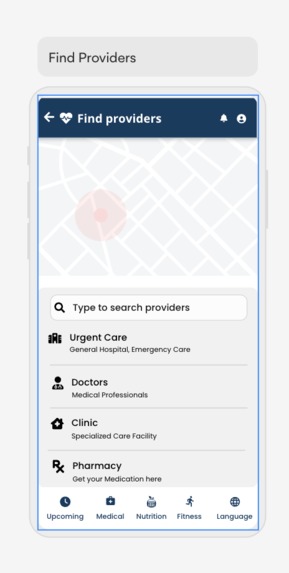
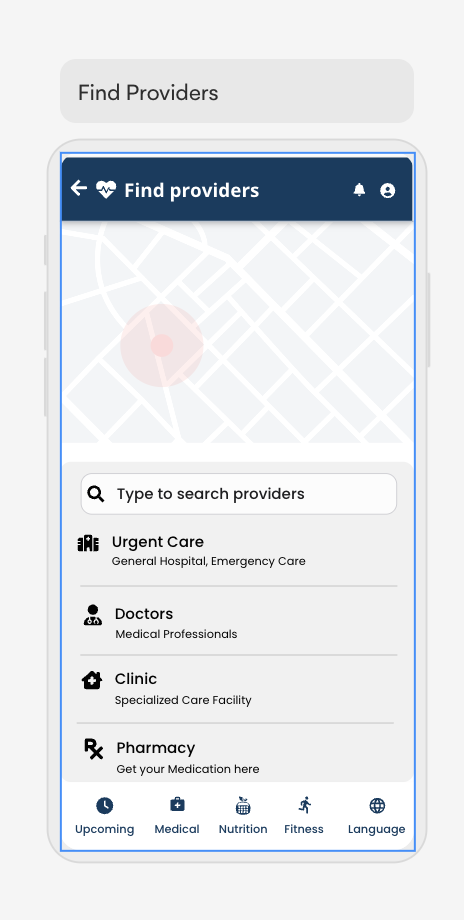
Map listing like airbnb
-
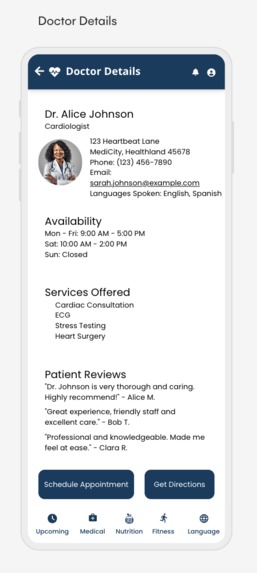
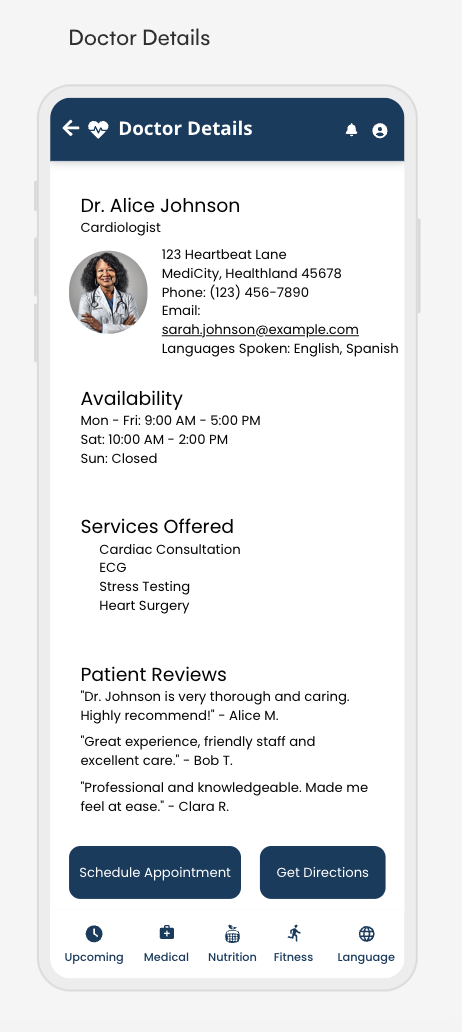
Doctor profile
-
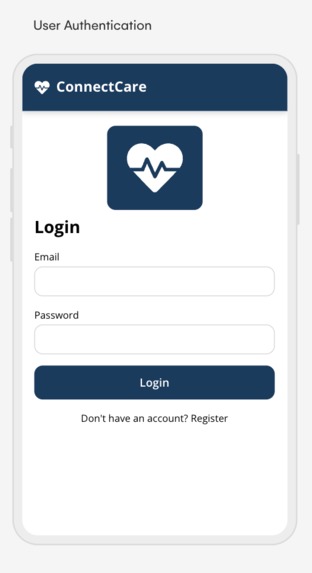
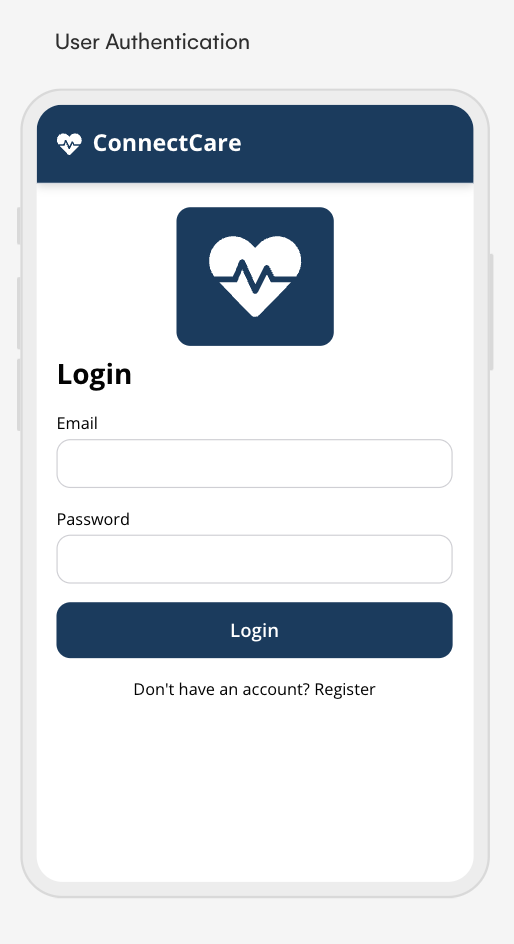
Login page
-
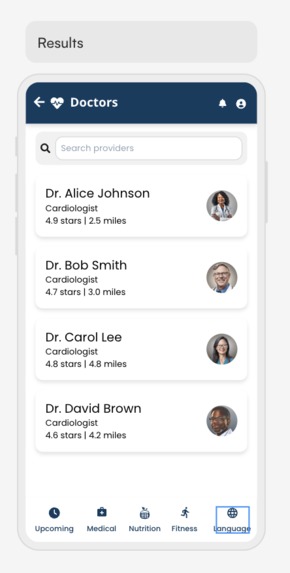
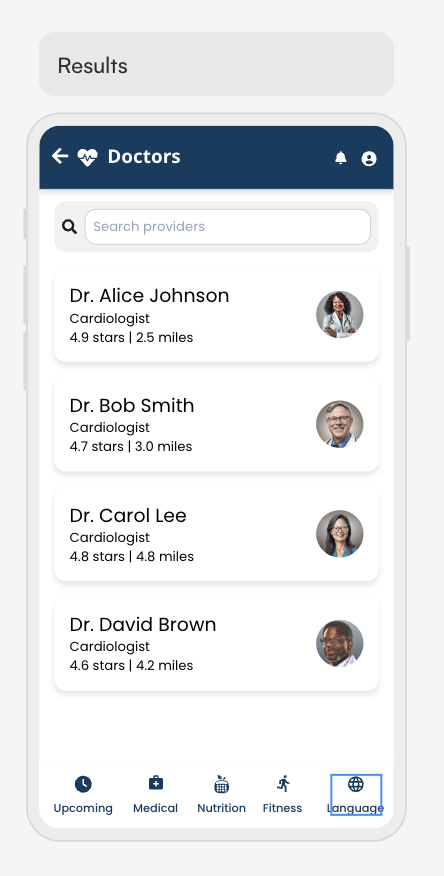
Doctor listing
-
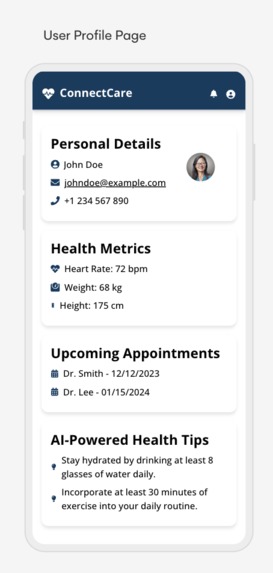
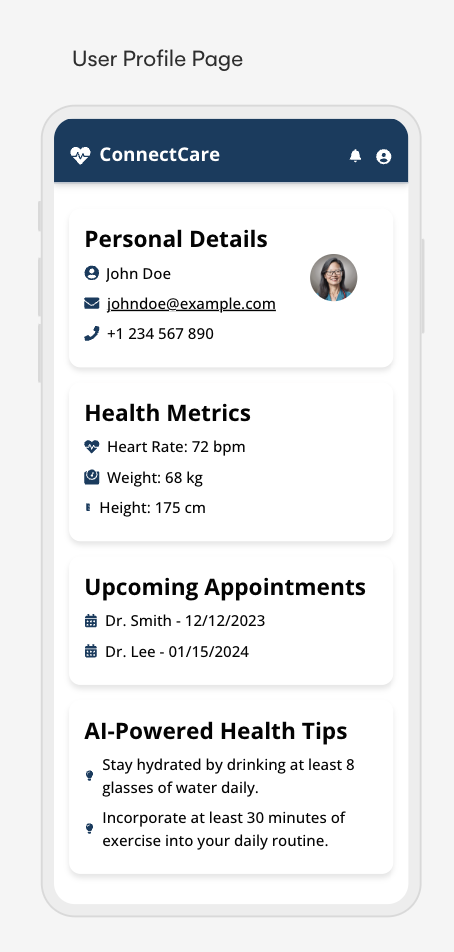
User Profile
-
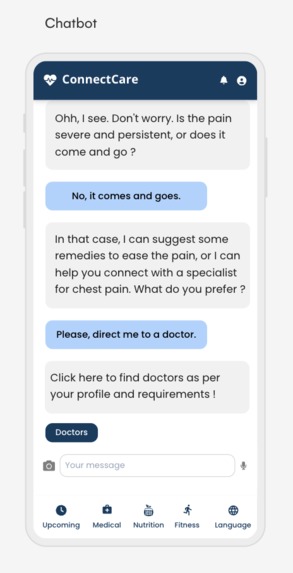
chatbot 3
-
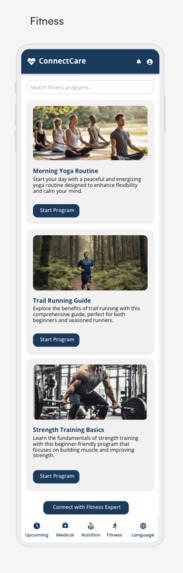
Fitness listing
-
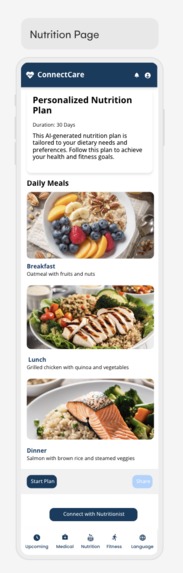
Nutrition
Inspiration
Our inspiration stemmed from witnessing firsthand the struggles that underserved and uninsured patients face when accessing healthcare services. Many individuals in our community have difficulty finding appropriate healthcare providers due to language barriers, low literacy levels, or limited access to technology. We were motivated by the desire to create a solution that could bridge this gap, empowering patients to find the care they need regardless of their circumstances easily. By leveraging generative AI and focusing on accessibility, we aimed to develop a platform that could impact people’s lives.
What it does
Our application is a user-friendly Progressive Web App (PWA) designed to help patients effortlessly locate and identify healthcare providers based on their specific needs. Key features include:
Natural Language Processing (NLP): Users can describe their healthcare needs in plain language, either through text or voice input. The app interprets this input to understand their requirements. Voice Interaction: The app supports both voice input and output, making it accessible for users with low literacy or those who prefer auditory communication. Multilingual Support: To serve our diverse community, the app supports multiple languages commonly spoken in the Buffalo area. Provider Matching: Based on the user’s input, the app presents a tailored list of healthcare providers, including details like services offered, location, operating hours, and languages spoken. Accessible Design: The interface is simple and intuitive, featuring large buttons, clear icons, and high-contrast text to accommodate users with varying levels of technological proficiency.
How we built it
We built our solution using a combination of modern web technologies and AI tools:
Frontend: Developed the user interface with React.js, enabling a responsive and interactive experience across devices. Progressive Web App Features: Implemented service workers and a web app manifest to allow offline access and an app-like experience on mobile devices. Natural Language Processing: Utilized pre-trained NLP models from Hugging Face to process and understand user inputs effectively. Voice Interaction: Integrated the Web Speech API for voice recognition and text-to-speech capabilities, enhancing accessibility for users who prefer voice communication. Multilingual Support: Employed the i18next library for internationalization, providing seamless language switching throughout the app. Backend: Set up a server using Node.js and Express.js to handle API requests and manage data securely. Database: Used MongoDB Atlas for storing and retrieving healthcare provider information efficiently. Design and Prototyping: Created wireframes and prototypes with Figma to plan the user experience and ensure accessibility standards were met.
Challenges we ran into
Throughout the development process, we faced several challenges:
• Voice Recognition Limitations: Implementing reliable voice input across different browsers and devices was challenging due to inconsistent support for the Web Speech API, especially on iOS devices.
• NLP Accuracy: Ensuring the natural language processing accurately interpreted a wide variety of user inputs required extensive testing and fine-tuning of our models.
• Data Compilation: Gathering a comprehensive and up-to-date list of healthcare providers in the Buffalo area was time-consuming and required verification for accuracy.
• Accessibility Design: Designing an interface that was both simple for low-literacy users and functional with screen readers and other assistive technologies required careful planning and iteration.
• Time Constraints: Balancing feature implementation with the hackathon’s limited timeframe necessitated prioritizing essential functionalities.
Accomplishments that we're proud of
We are proud of several key accomplishments:
• Creating an Accessible Platform: Developed an app that is genuinely user-friendly for individuals with low literacy and limited technology experience.
• Successful AI Integration: Effectively incorporated NLP and voice technologies to enhance user interaction.
• Multilingual Functionality: Implemented support for multiple languages, making the app more inclusive.
• Collaborative Teamwork: Our team worked cohesively, combining diverse skill sets to overcome obstacles and deliver a functional product within the hackathon period.
• User-Centered Design: Prioritized the needs of our target users in every aspect of the design and functionality.
What we learned
This project was a valuable learning experience in many ways:
• Technical Skills:
Gained proficiency in integrating AI technologies like NLP and voice recognition into web applications.
Learned how to develop Progressive Web Apps with offline capabilities and app-like performance.
Enhanced our understanding of implementing multilingual support and accessibility features.
• User Experience Design:
Deepened our appreciation for designing with empathy, especially for users facing literacy and technology barriers.
Learned how to apply accessibility standards (WCAG) to make our app usable for all users.
• Project Management:
Improved our ability to work under tight deadlines, making strategic decisions about feature prioritization.
Enhanced our collaboration and communication skills within the team.
• Community Insight:
Gained a better understanding of the healthcare challenges faced by underserved populations in our community.
What's next for PROGEN
We have several plans to further develop and expand PROGEN:
• Expand Provider Database: Work with local health organizations to include more healthcare providers and keep the information up to date.
• Enhance AI Capabilities: Continue refining our NLP models for better accuracy and expand language support.
• Native Mobile App Development: Explore creating native apps for iOS and Android to improve performance and access to device features.
• Additional Features: Implement features like appointment scheduling, user reviews, and personalized recommendations.
• Community Outreach: Partner with community centers and clinics to promote the app and gather feedback from real users.
• Accessibility Improvements: Incorporate more assistive technologies, such as compatibility with screen readers and haptic feedback.
• Security and Privacy: Strengthen data protection measures to ensure user privacy, complying with all relevant regulations.
• Sustainability: Seek partnerships or funding opportunities to maintain and grow the platform, ensuring it remains free and accessible to users.
Built With
- crewai
- express.js
- node.js
- ollama
- python
- sqlite

Log in or sign up for Devpost to join the conversation.