-
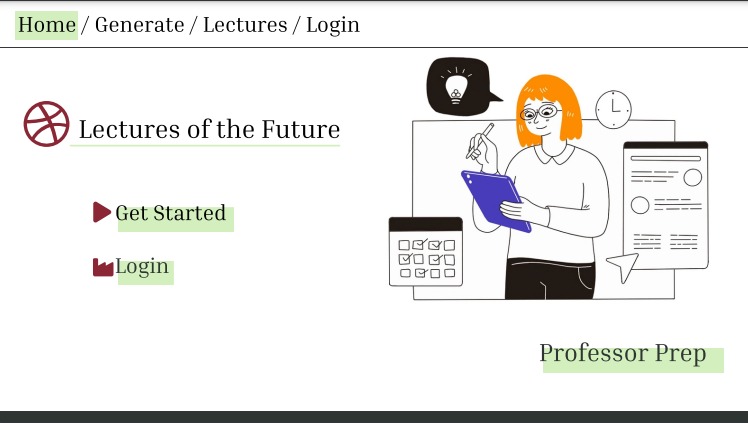
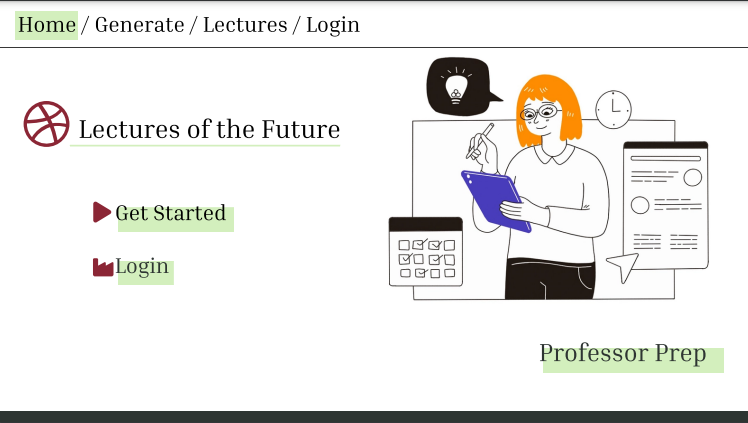
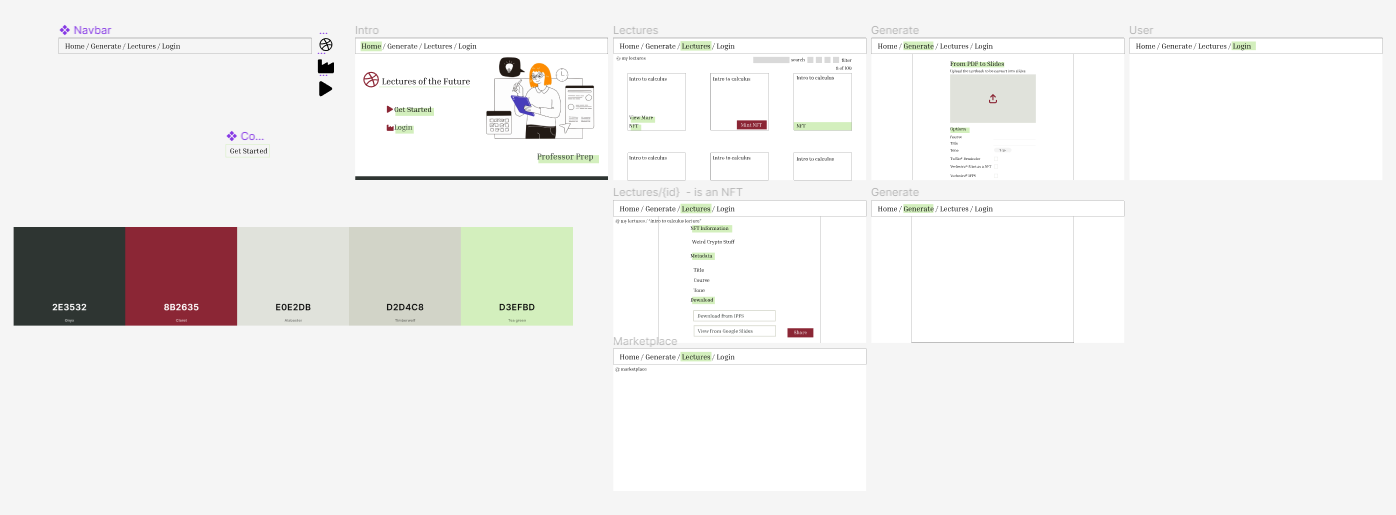
Home Page Figma Prototype
-
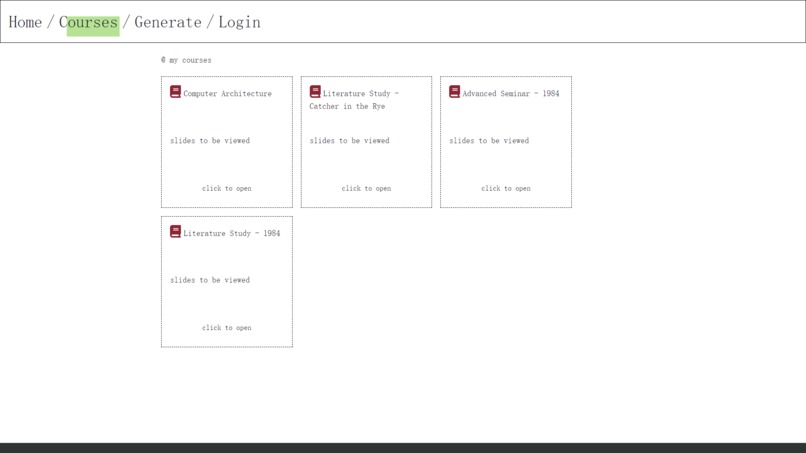
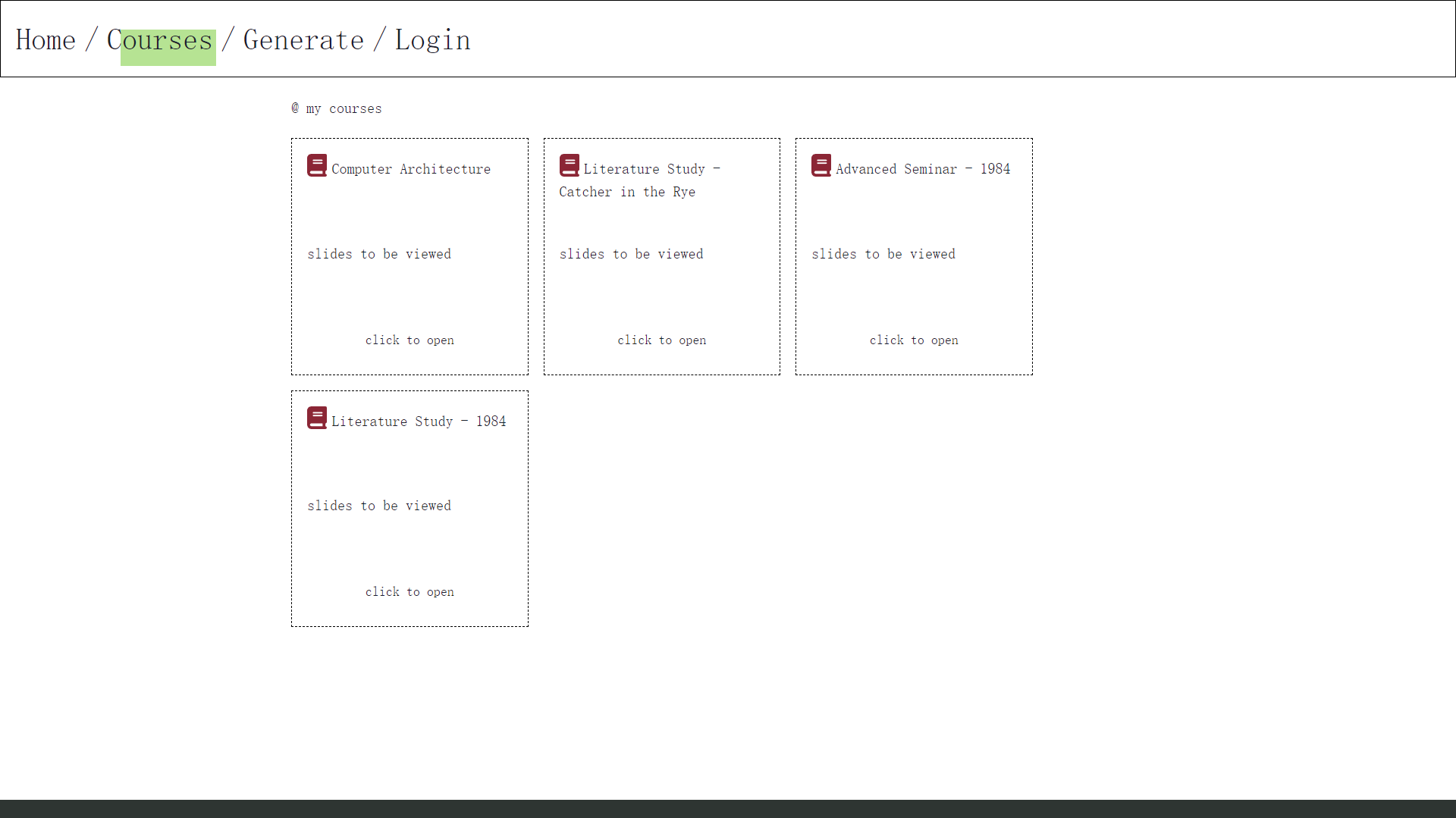
Slides generated organized in group of courses
-
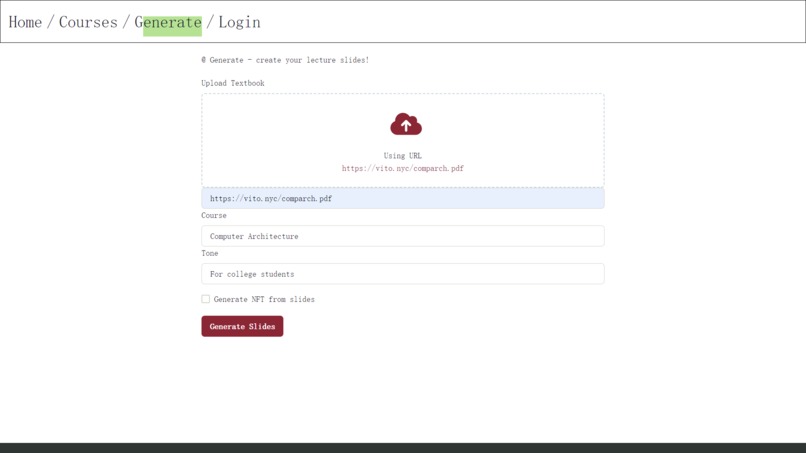
Upload a textbook to generate lecture slides
-
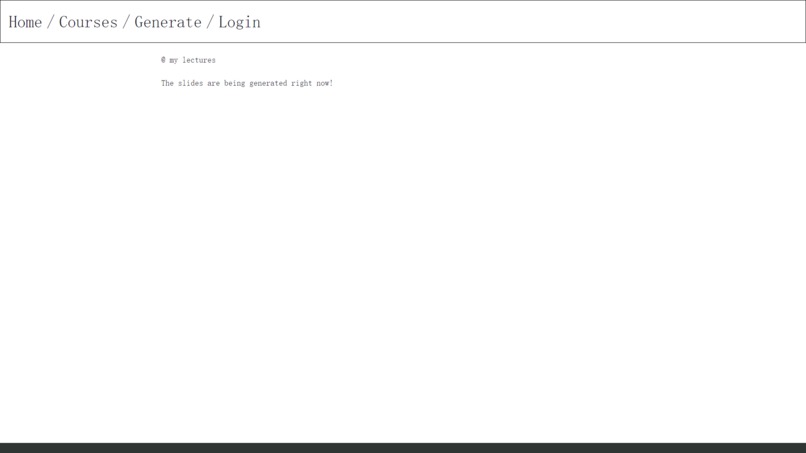
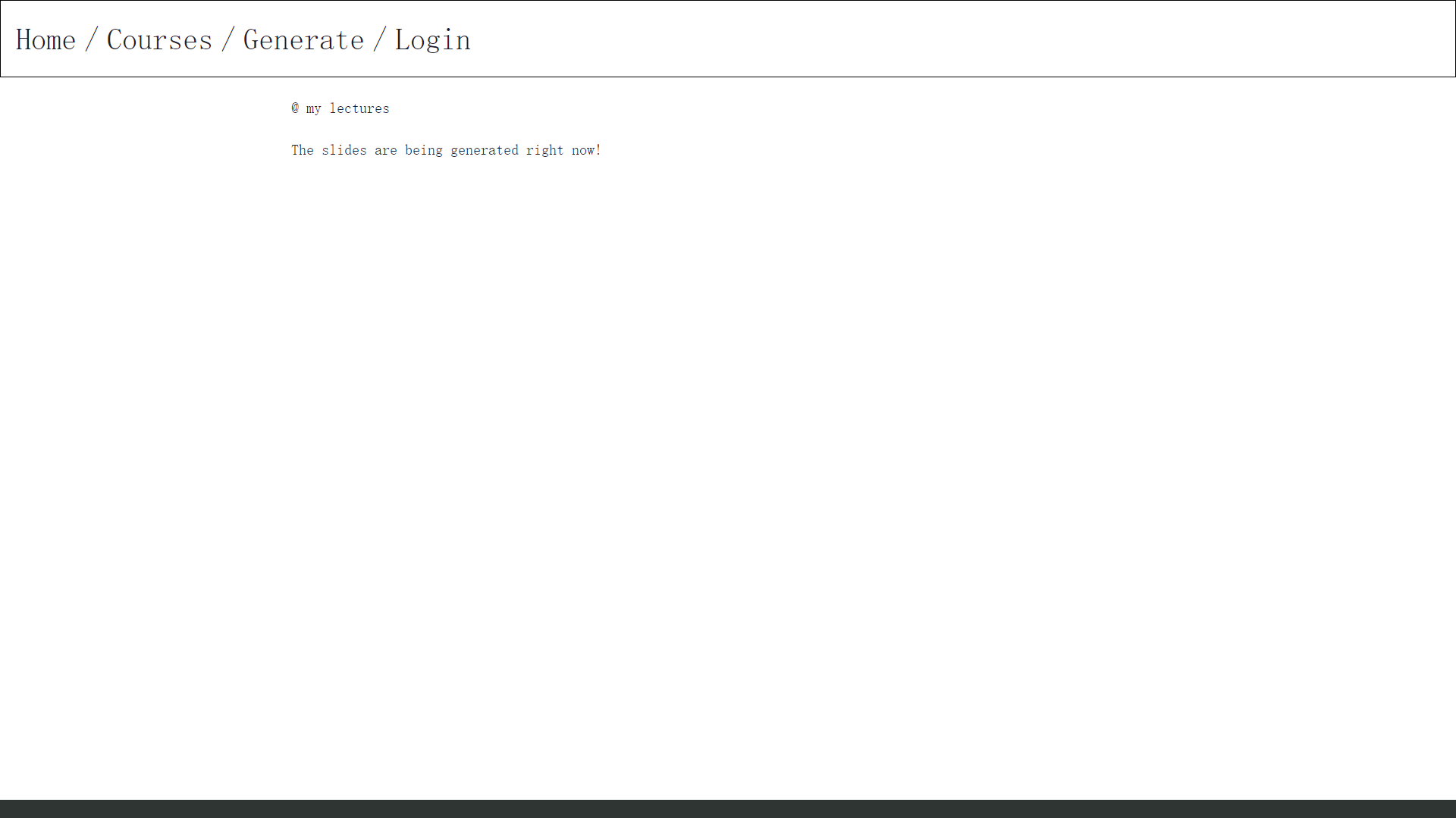
Slide Pending
-
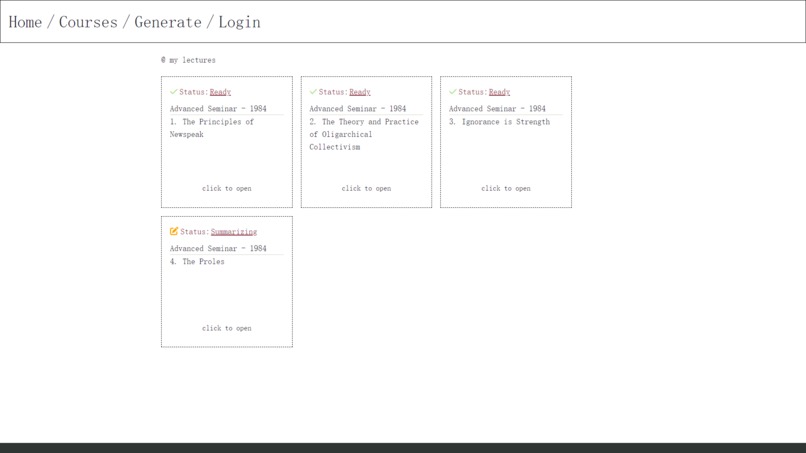
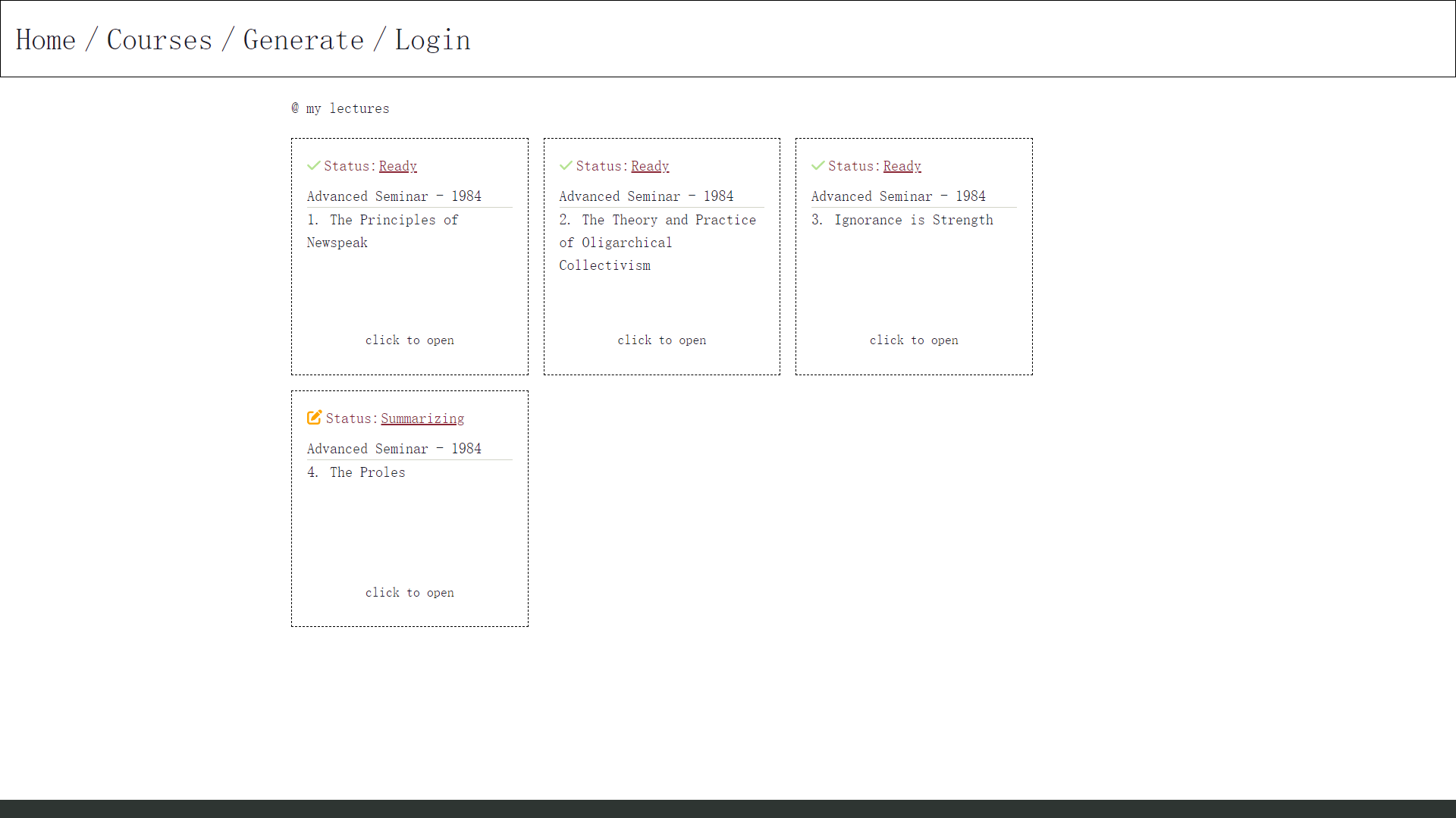
Lecture slides for a single course, fully generated from the textbook
-
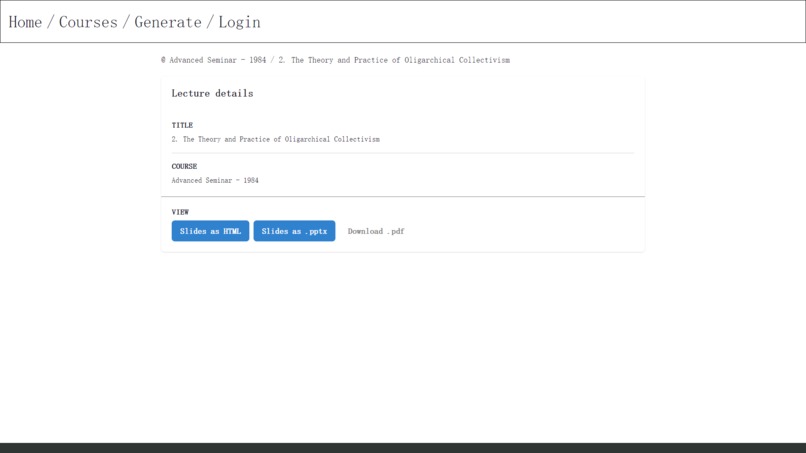
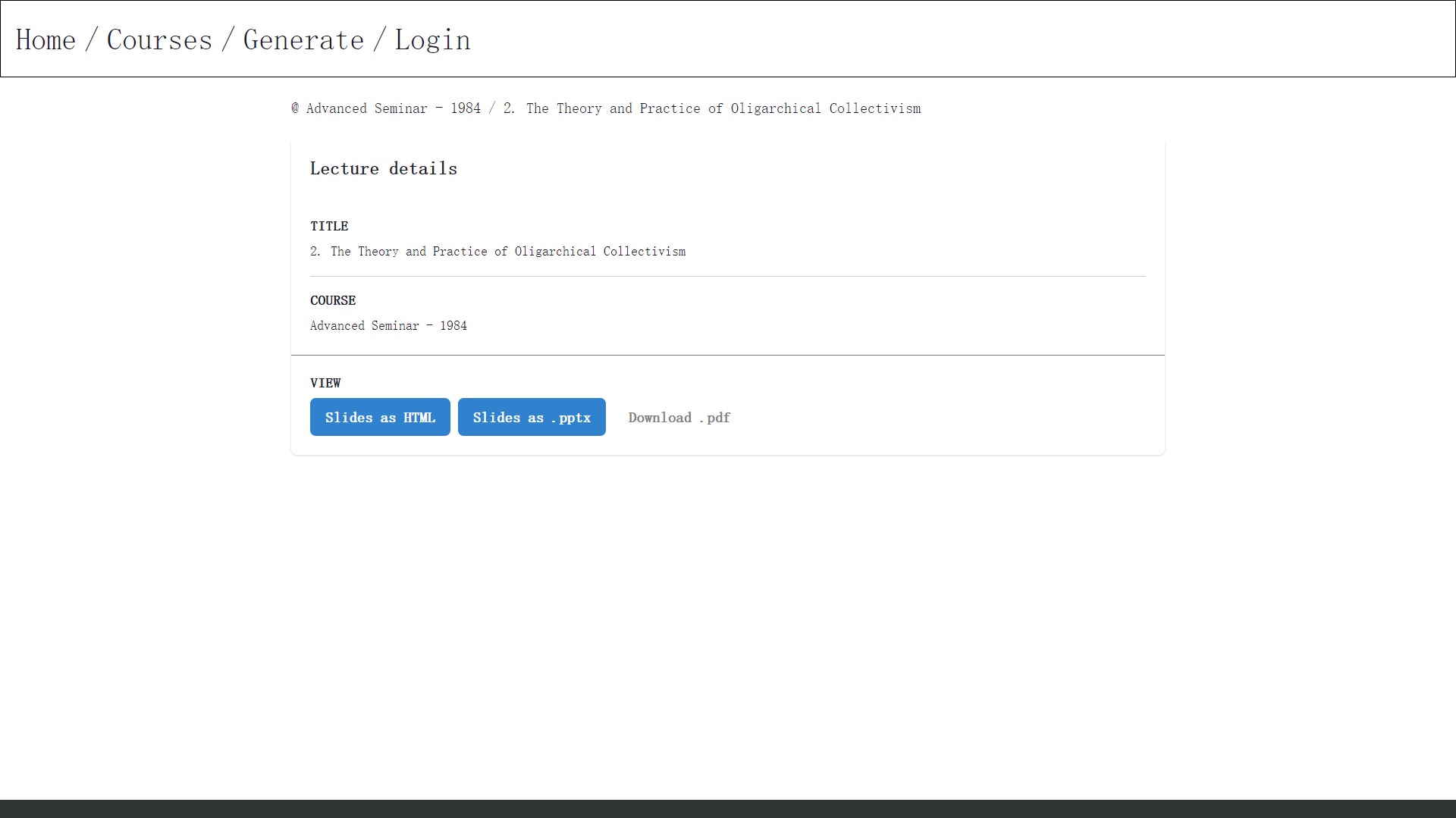
Download Generated Slides (Different formats supported!)
-
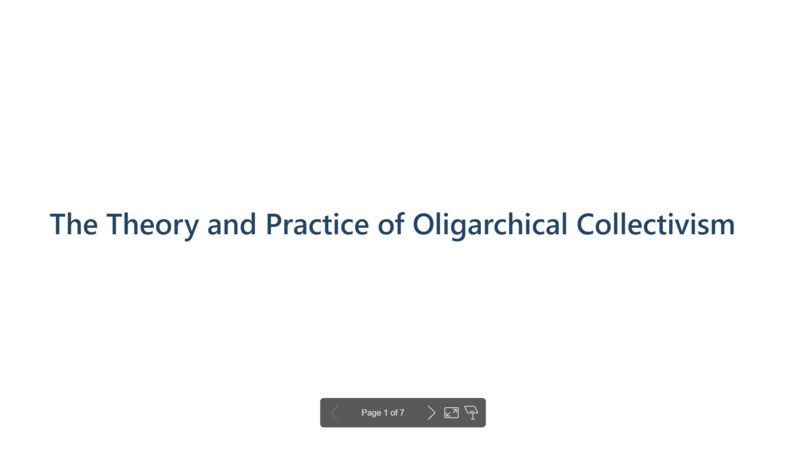
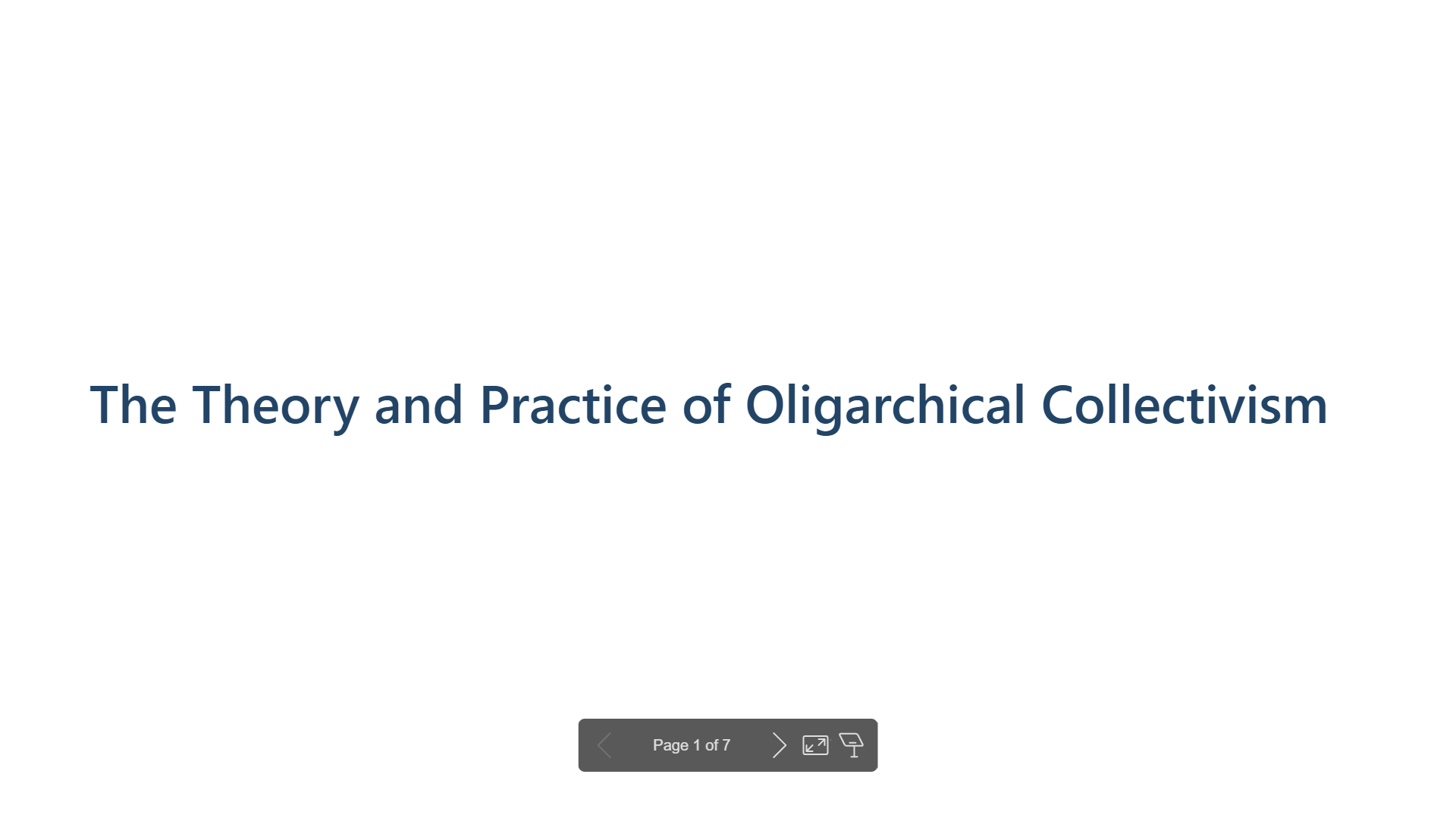
Title slide (generated)
-
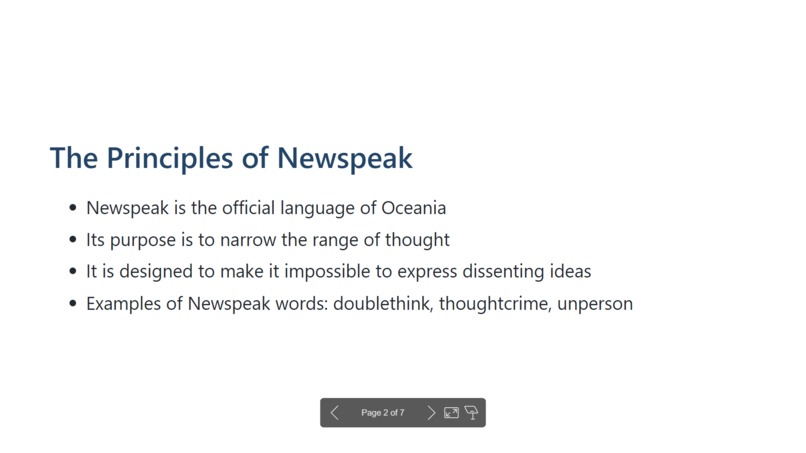
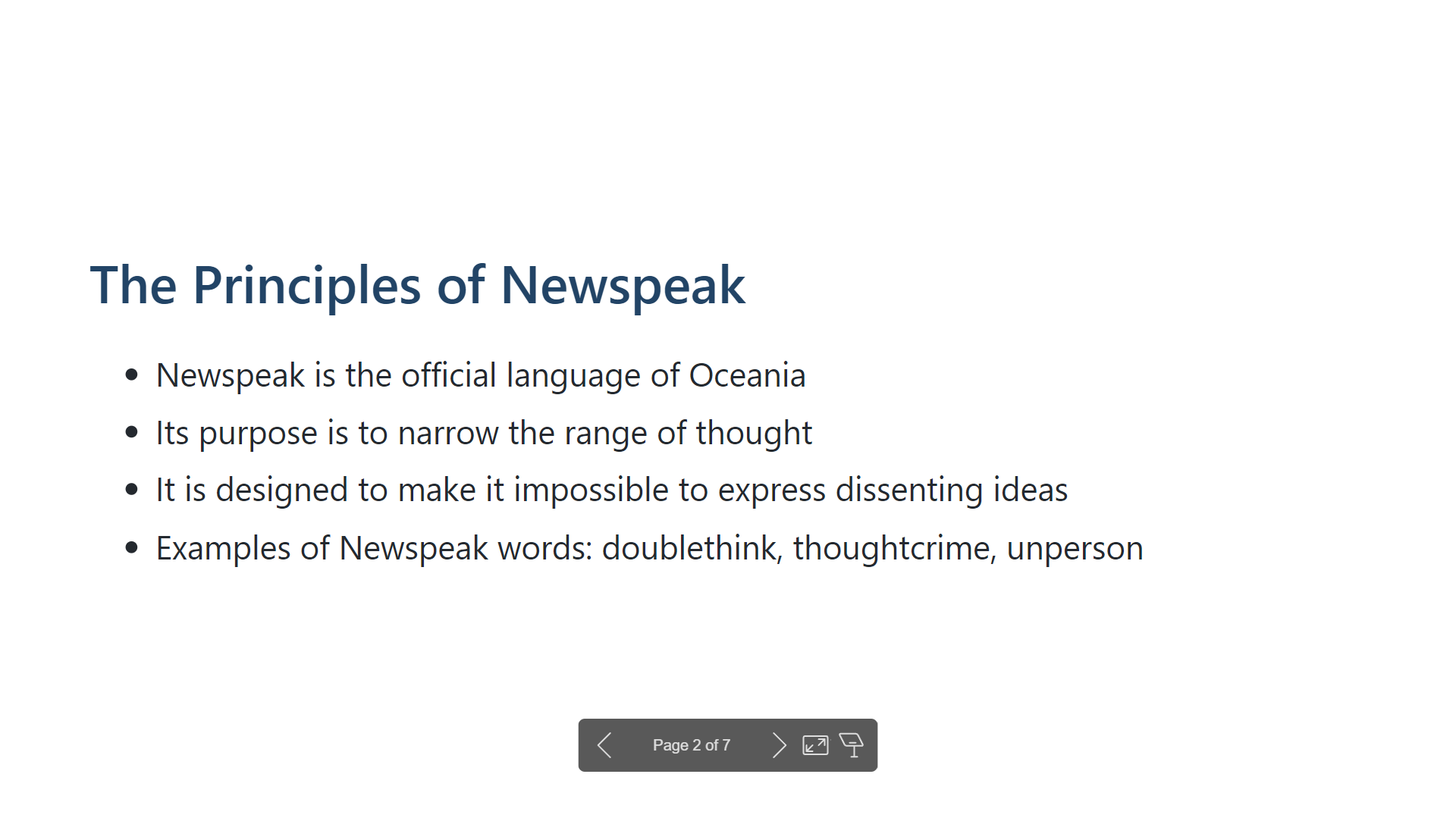
Example slide (generated)
-
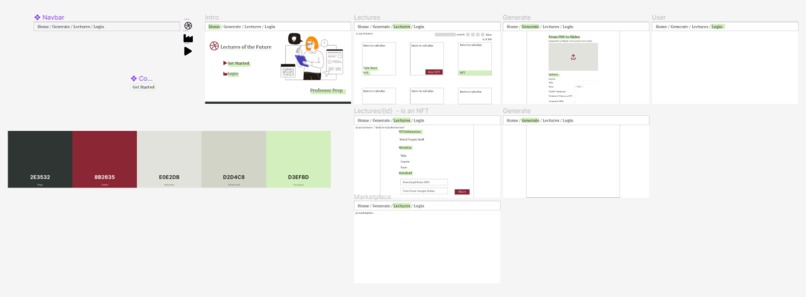
Figma Prototype
-
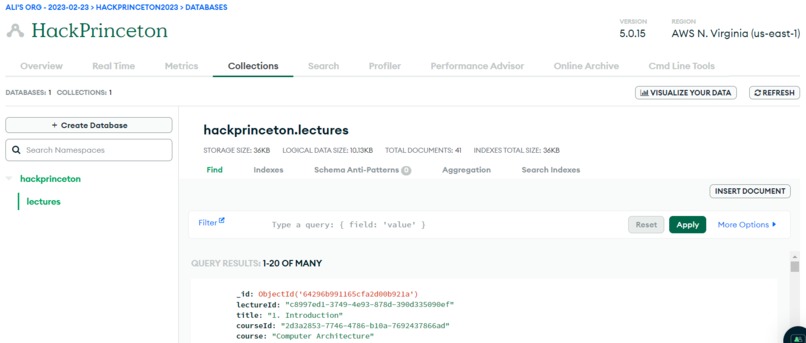
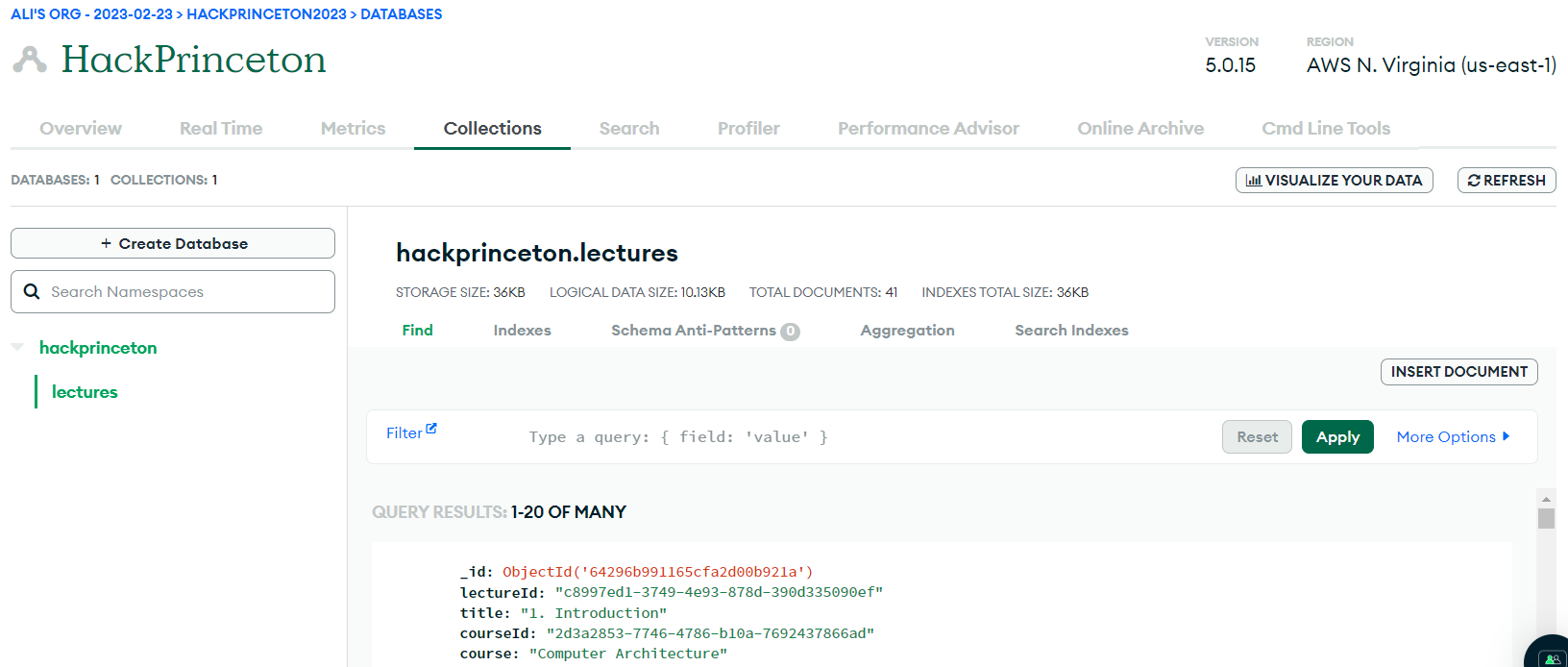
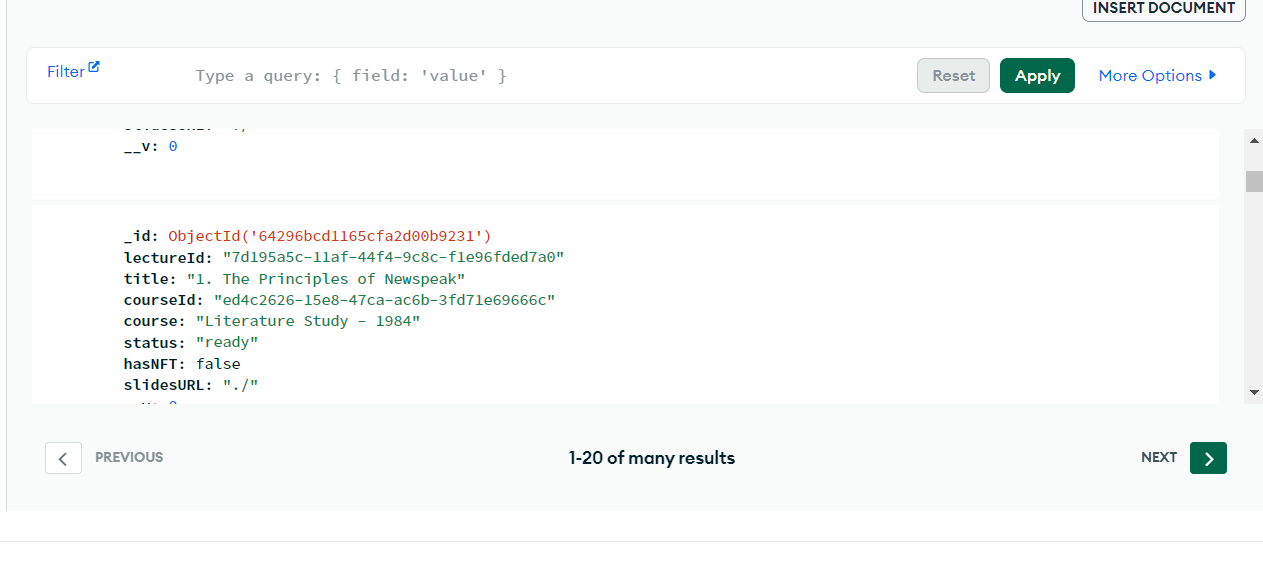
MongoDB 1
-
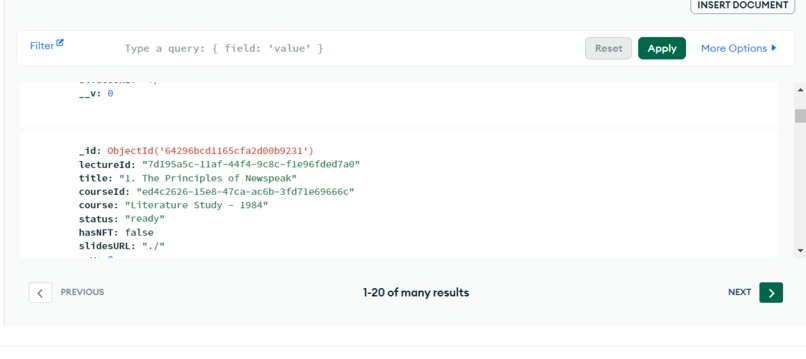
MongoDB 2

Inspiration
As teaching assistants, people who work closely with educators, we know firsthand the time and effort it takes to create engaging lecture slides. We wanted to develop a tool that could automate the process, allowing educators to focus on what matters - teaching. Our inspiration came from the desire to create a more efficient and effective way of generating lecture slides.
What it does - Education Track
Our web app, ApolloDeck - Textbook2Slides generator, generates accurate and relevant presentation slides from any textbook PDF using cutting-edge AI technology.
Users can download a .pptx or HTML version of the slides and further edit them as needed, giving educators full control over their presentation materials. With ApolloDeck, educators can create high-quality presentation slides quickly and easily, ensuring that their lecture content is both informative and engaging for their students.
How we built it
We used a number of cutting-edge technologies, including Node.js, React, JavaScript, and OpenAI's GPT3.5 API. We also used the VerbWire API to mint every slide we generated, which ensured that each lecture slide was stored securely and permanently on the IPFS decentralized network.
JavaScript and TypeScript are used throughout the application. Node.js is our server-side runtime environment, which allowed us to build scalable and efficient backend services implementing a set of REST APIs that supports a React-based frontend to view, generate, and download slides. As for data storage, we set up MongoDB to store the lecture slides generated.
We explored new avenues for minting lecture slides onto blockchain, such as NFTs, to provide even more value to professors and students.
OpenAI's API is used to generate accurate and relevant presentation slides from any textbook PDF by leveraging these powerful technologies.
Challenges we ran into
As with any web app development project, we encountered several challenges along the way.
One of the biggest challenges we faced was ensuring that our app was both fast and responsive, especially when generating slides from large textbook PDFs. We had to optimize our code and server configurations to ensure that the app could handle large files and complex data processing promptly without exceeding the limits of the third-party APIs.
One of the biggest challenges we faced was designing the API endpoints and data models to handle complex data structures, including large textbook PDFs, slide metadata, and MongoDB storage.
Accomplishments that we're proud of
We're incredibly proud of the completion of the entire ApolloDeck - Textbook2Slides generator, with a working frontend and backend that is effective from end to end.
Despite facing significant challenges in the development process, we were able to create a cutting-edge web app that leverages the latest tools and technologies, including Node.js, React, JavaScript, MongoDB and GPT3.5.
We successfully handle the entire workflow of slides generation, from:
- Uploading a textbook to the server
- Parsing the necessary content of the textbook from the uploaded pdf
- Prompt engineering for LLMs to get an output specifically formatted in Markdown
- Pipe the output from the LLM to a Markdown-to-slides converter
- Fetch slides entries from the database and deliver them to the user
From there, our app allows users to download the HTML or PowerPoint of the lecture slides and further edit it if they like, providing even more flexibility for professors.
What we learned
We gained valuable insights into building scalable web apps with GPT3.5, about working in a team of 4 and collaborating using GitHub (with countless merges, conflicts resolution, and branch managing).
What's next for ApolloDeck - Textbook2Slides generator
First, we plan to continue to improve the user experience by implementing new features and functionality based on user feedback.
Second, we plan to integrate even more advanced AI and machine learning capabilities, such as homework and quizzes generation, and the tone that the lecturer would like to convey in the slides.
Another challenge we faced was integrating our API with other third-party services and platforms, including VerbWire API for slide minting and IPFS for storing lecture slides. This required us to develop custom integrations and implement complex data transformation and validation logic to ensure seamless communication between different systems.
Most Creative Use of GitHub
We worked as a group of 4 and, used pull requests, issues, and created separate branches to facilitate trunk-based collaborative development. Commits are signed with our GPG keys to be secure, and we try our best to keep a linear history on the main branch, avoiding merge commits as much as possible by rebasing frequently and allowing only fast-forwarding merges.
MongoDB
The entire project is based on MongoDB Atlas to manage our data. It also makes it very easy to have the project deployed on different devices without having to set up the environment. The UI/UX helped us a lot in debugging the REST API endpoints.
Twilio API
As generating slides from a textbook might take a long time, the server processes the requests asynchronously. When the task is done, we send SMS messages to the users notifying them.
Built With
- chakra
- chatgpt
- express.js
- javascript
- mongodb
- nginx
- node.js
- python
- react
- react-router-dom
- typescript
- verbwire


Log in or sign up for Devpost to join the conversation.