-
-
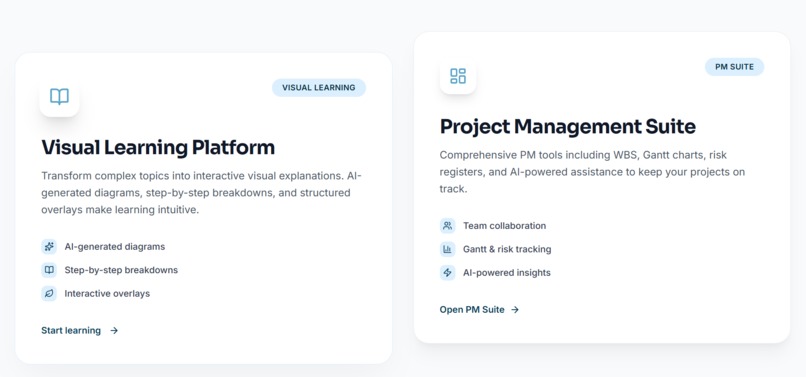
Minova Features
-
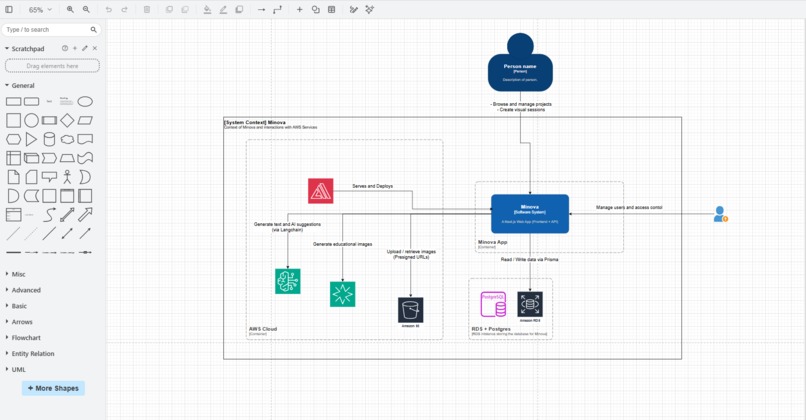
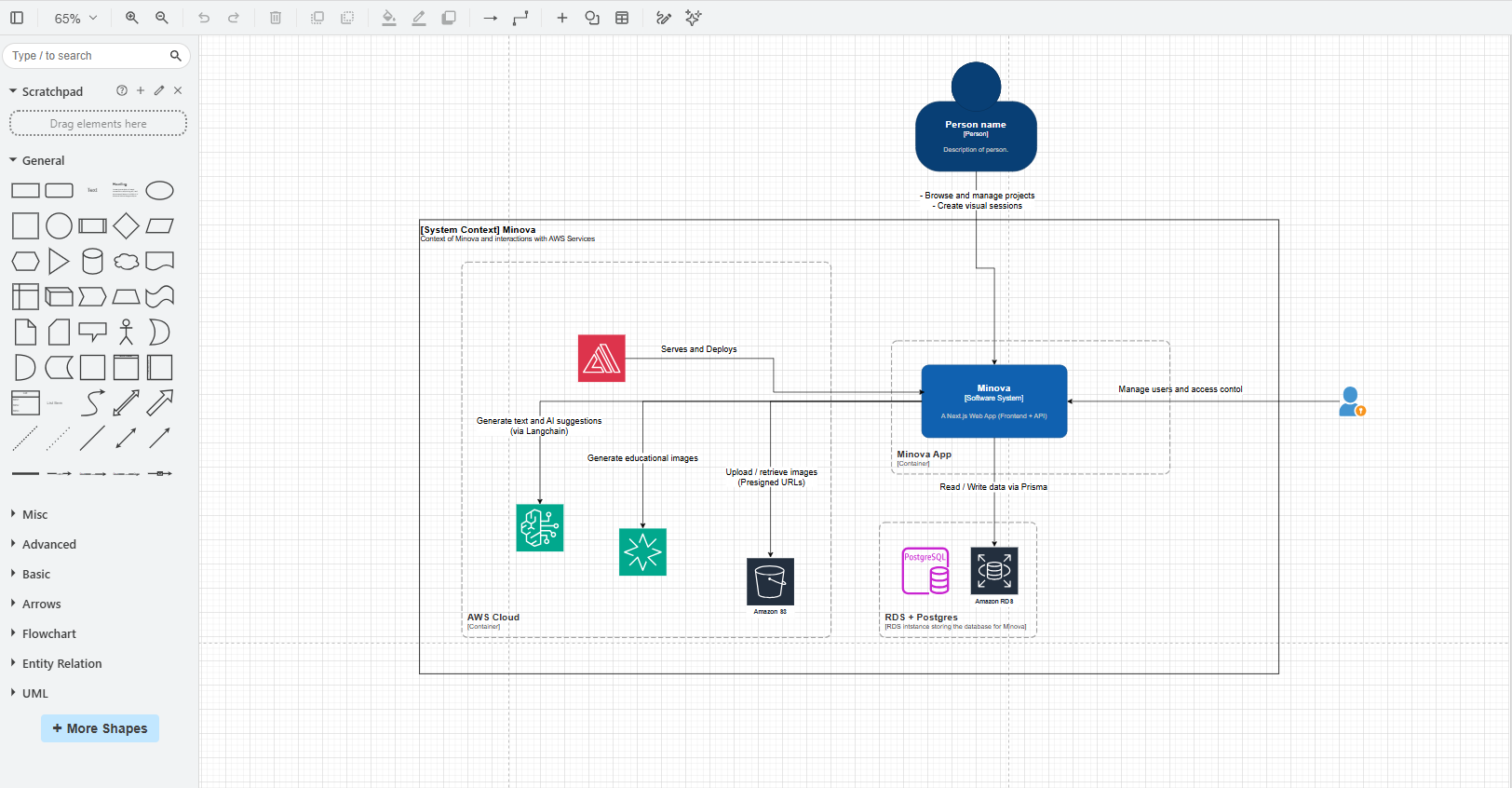
Architectural Diagram
-
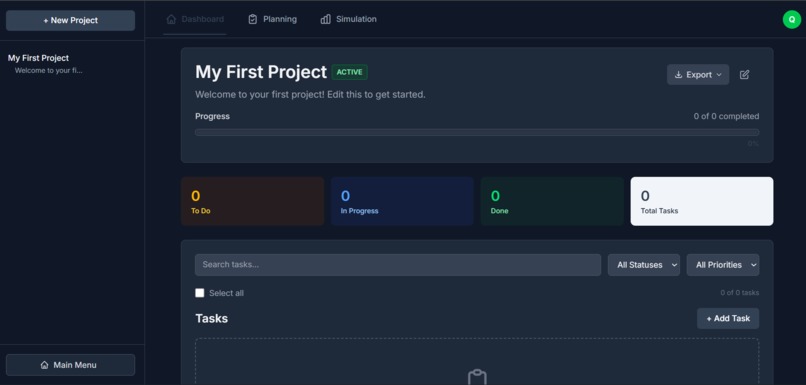
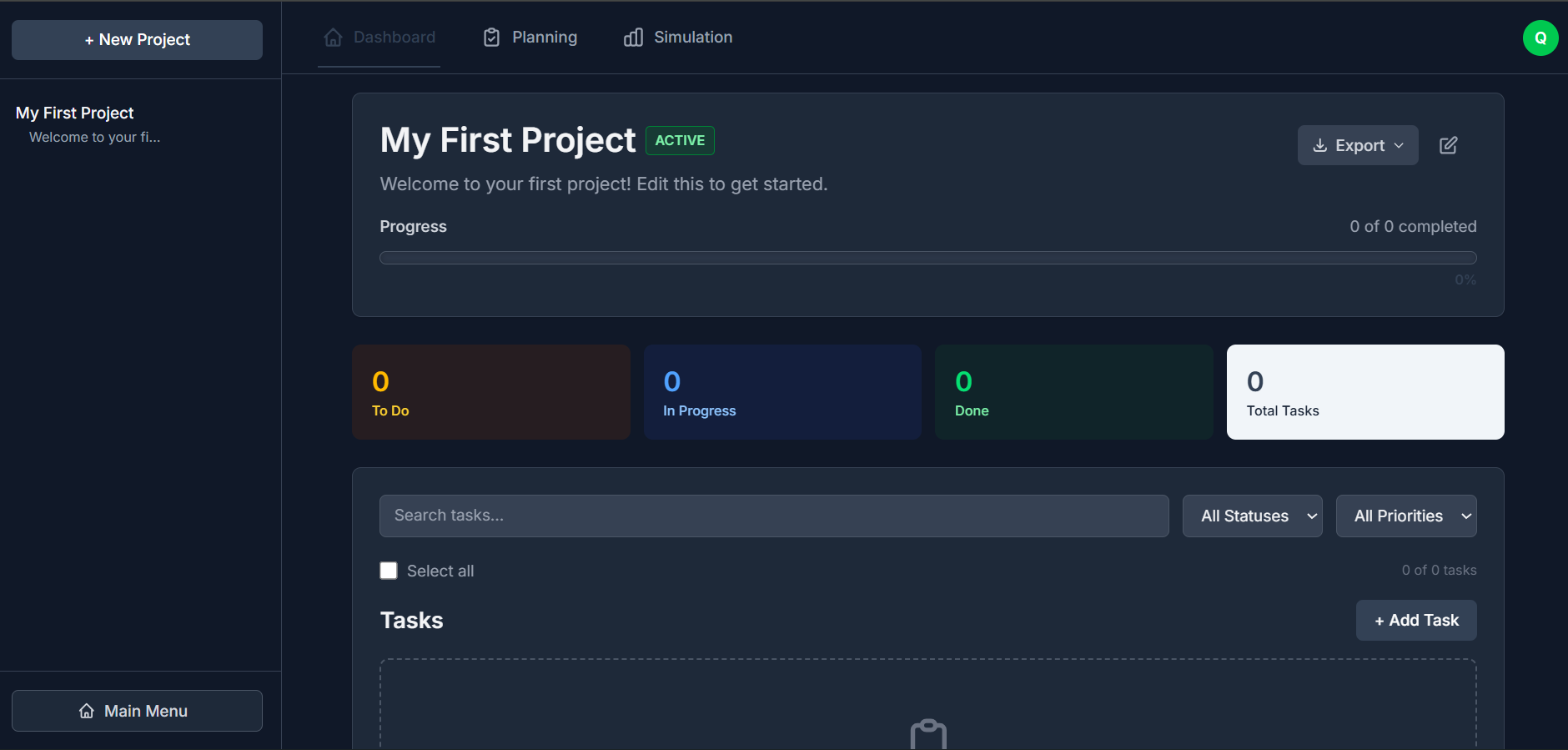
PM Suite View
-
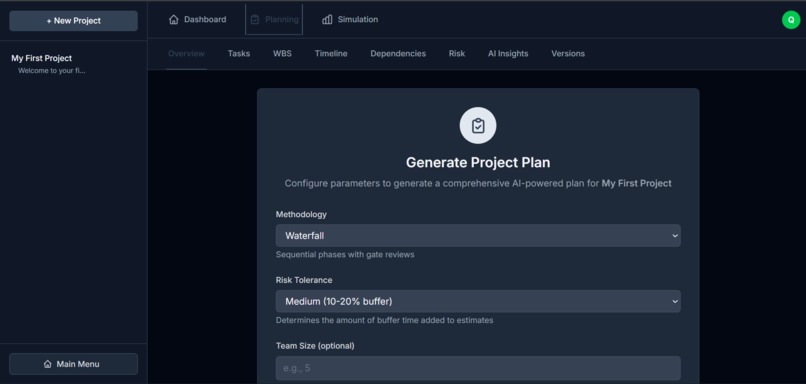
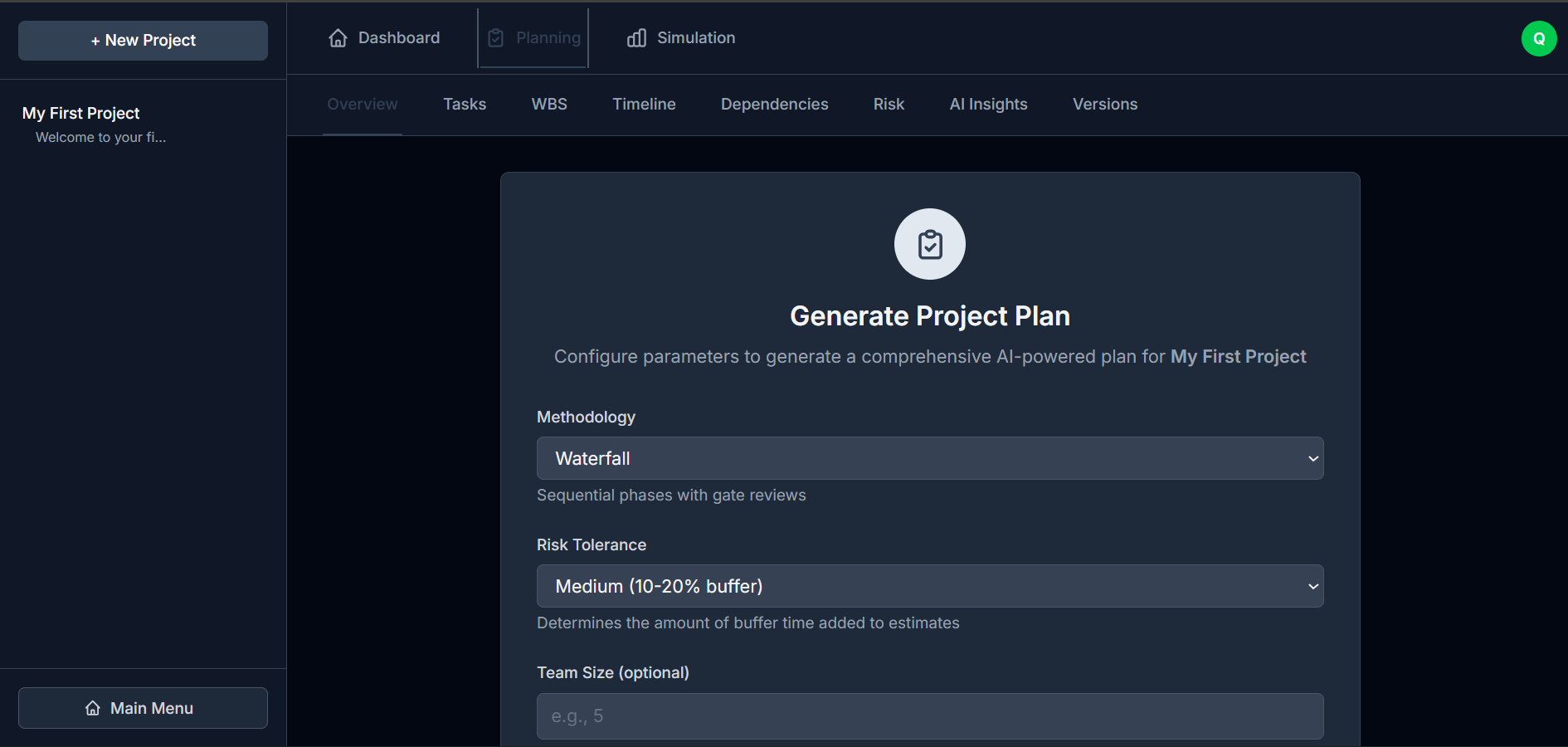
PM Suite Planning - Dark theme
-
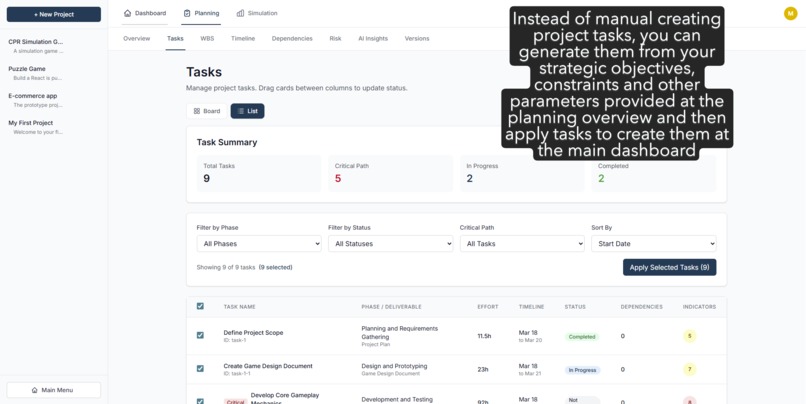
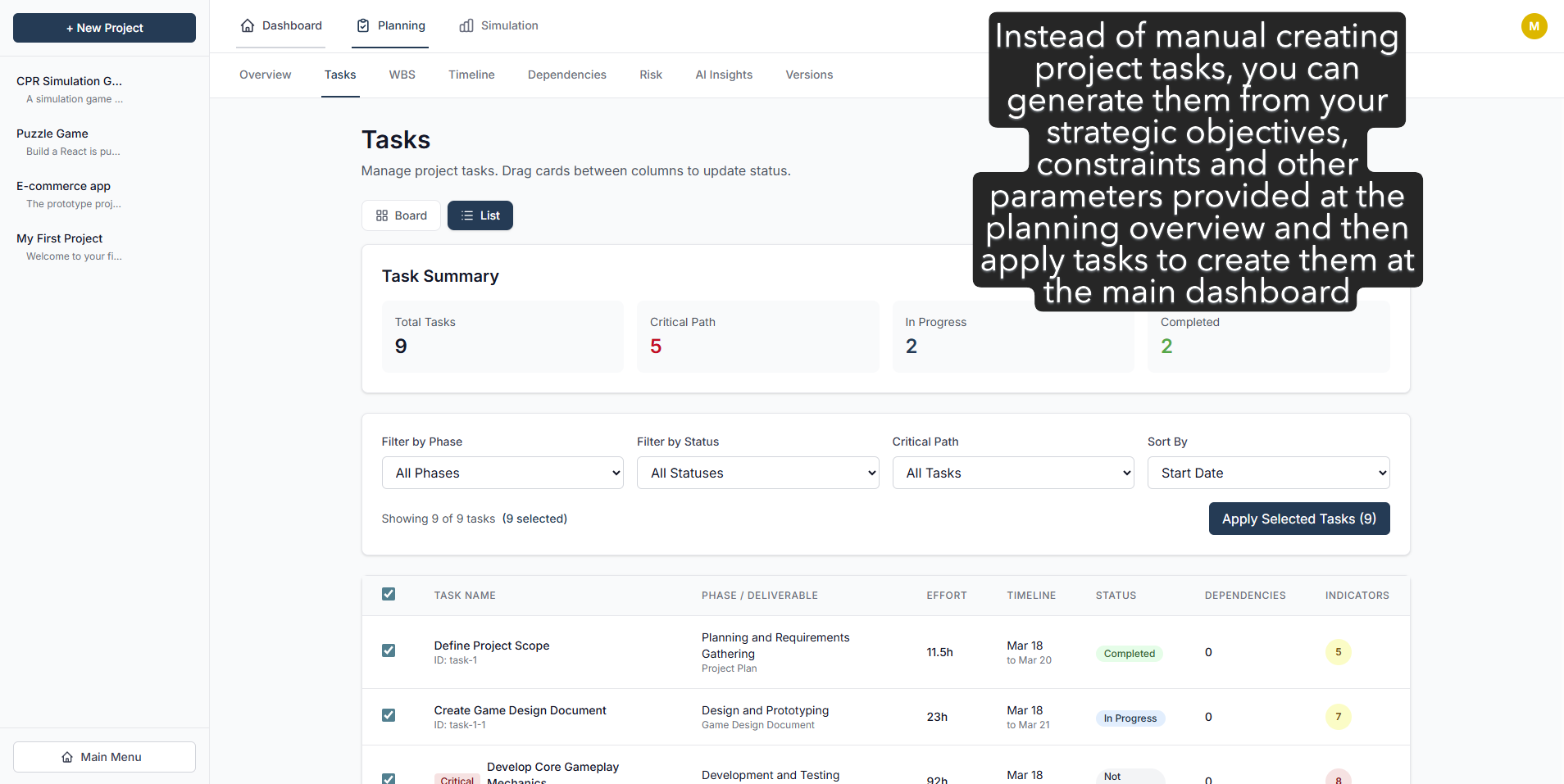
AI generated project tasks (Powered by Amazon Nova)
-
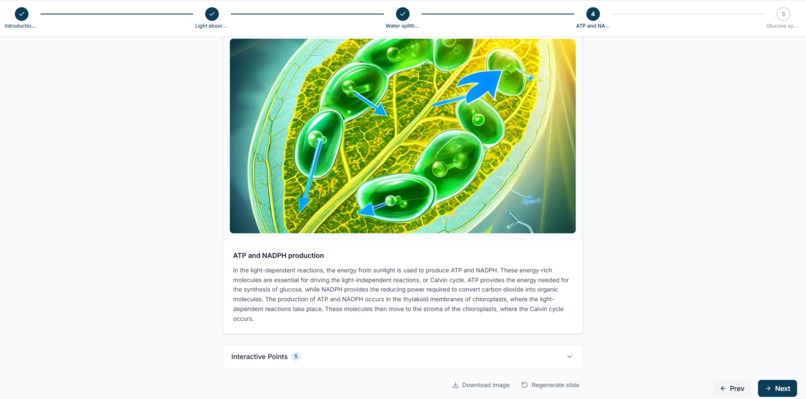
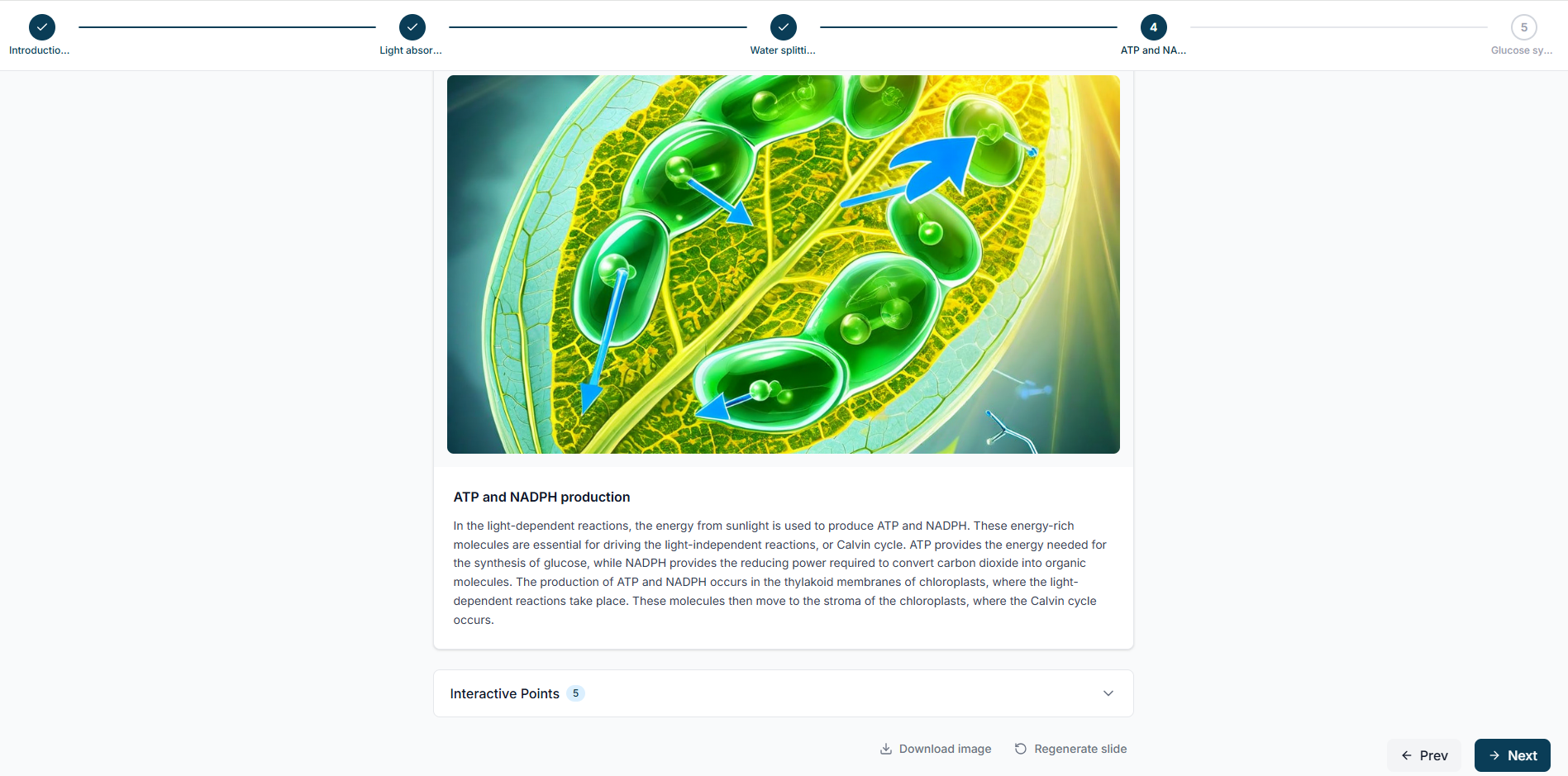
Visual learning Output (Powered by Amazon Nova Canvas)
-
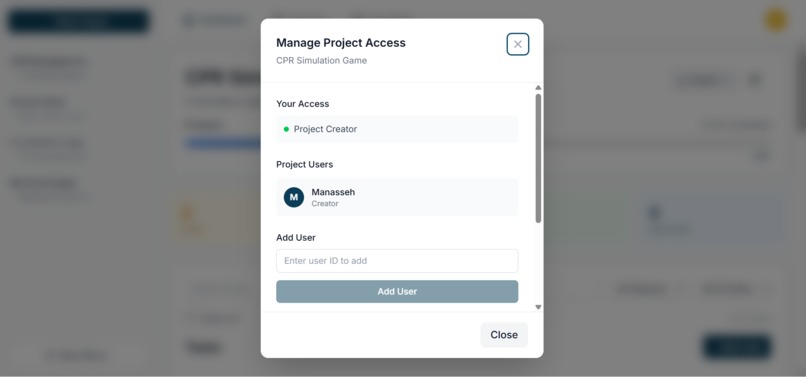
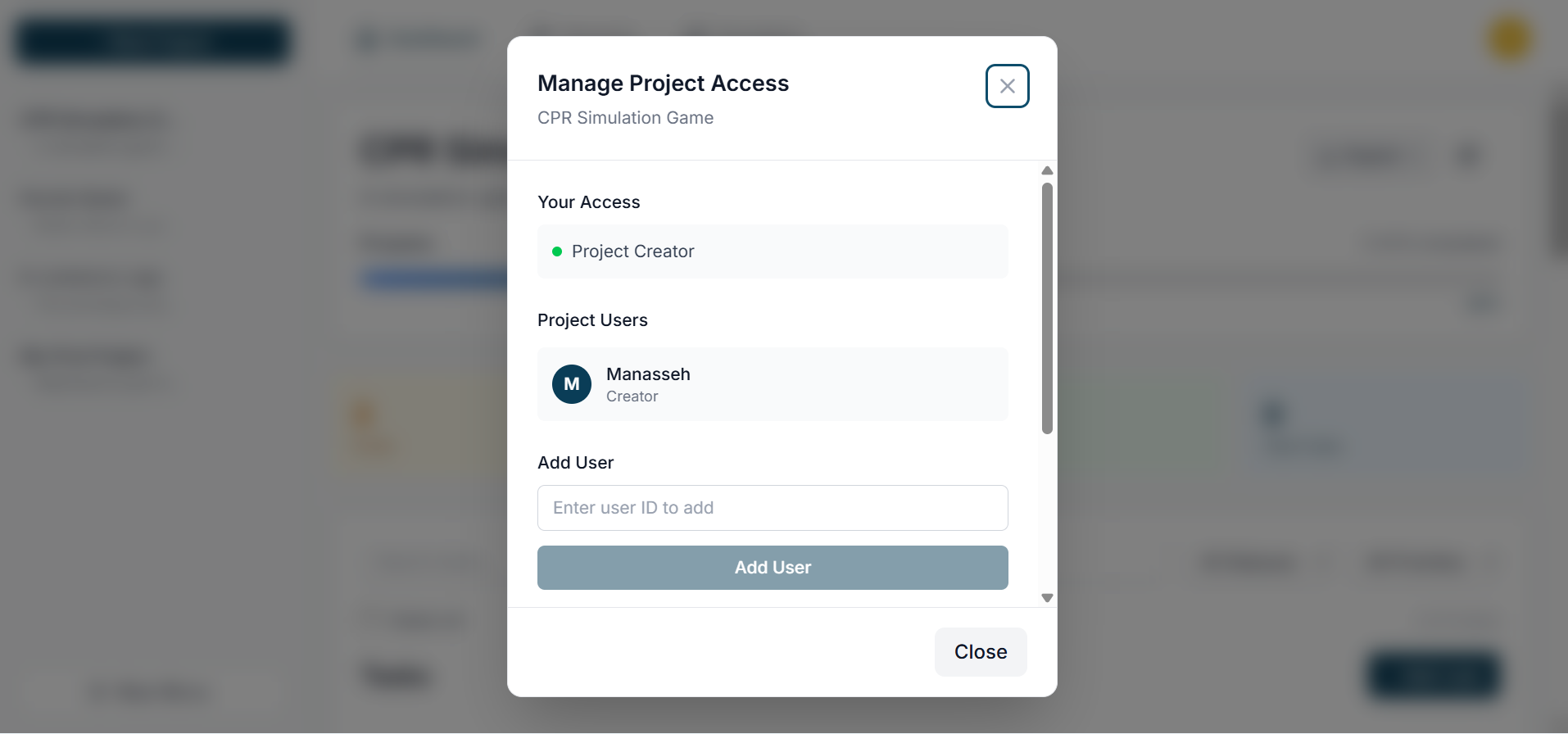
Add others to your projects
-
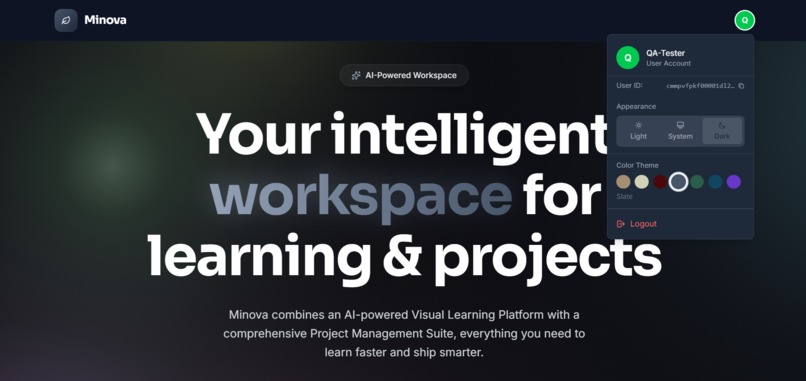
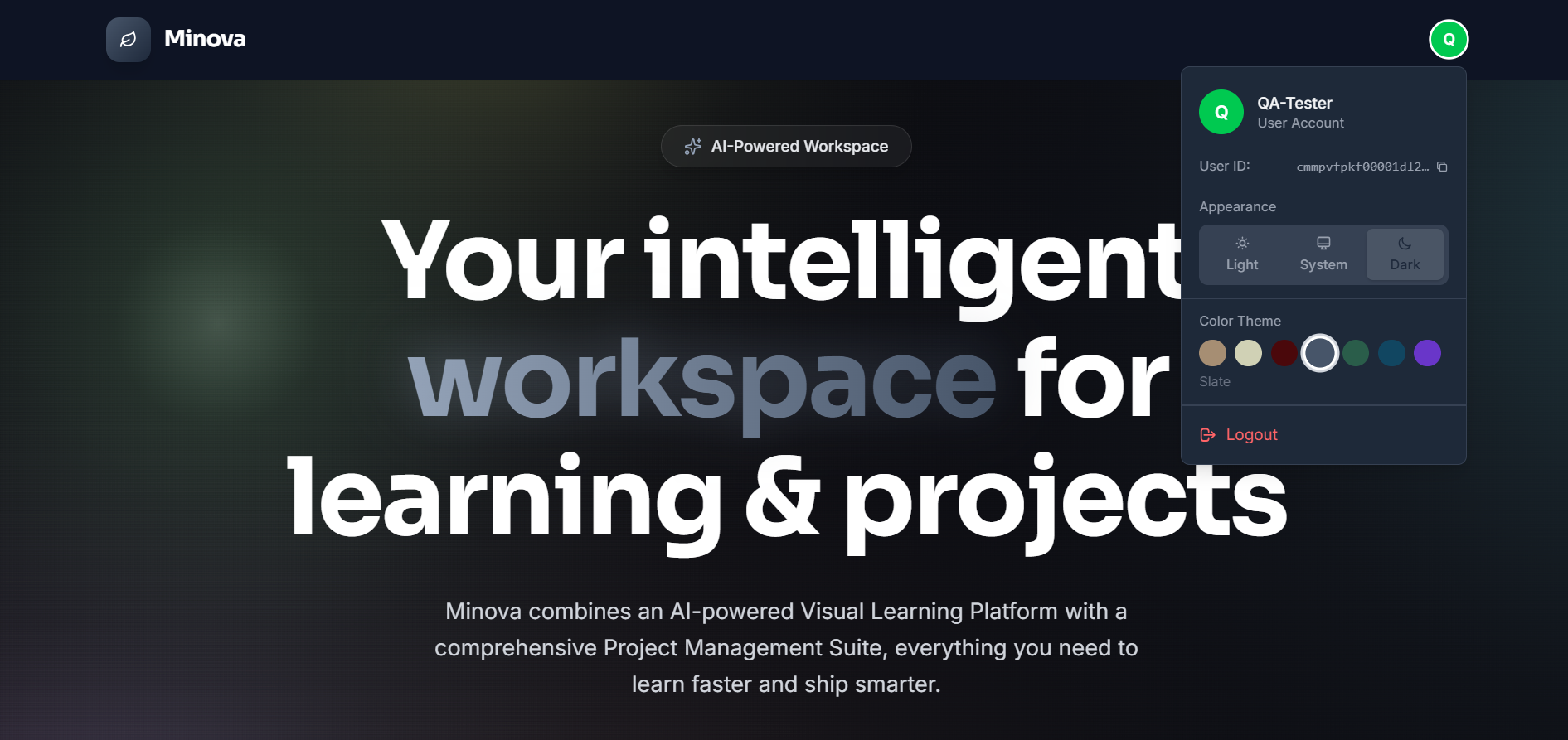
Minova Homepage Theme Selection
-
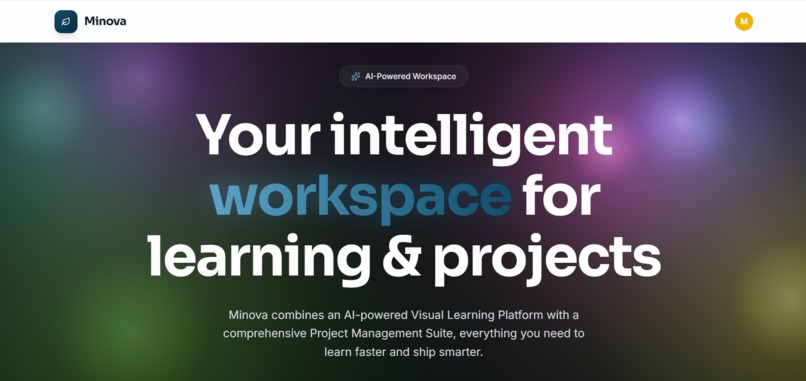
Minova Visual Learning
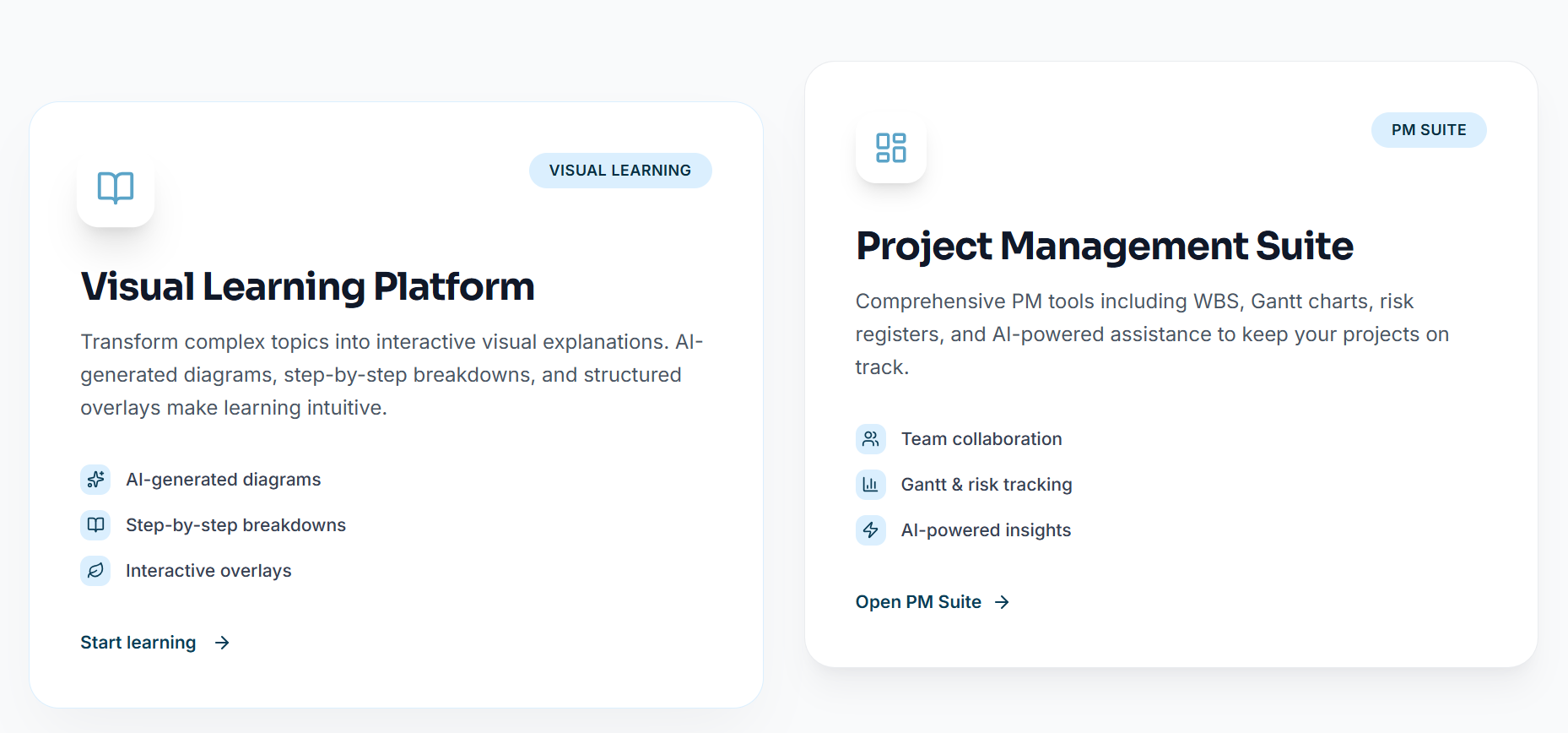
The Nova Experience with Minova
Inspiration
Project planning is something almost everyone encounters at some point. Students plan assignments, teachers organize course materials, freelancers coordinate client work, and teams manage product releases. Despite the variety of tools available today, the process of planning and executing projects can still feel fragmented. Information lives across documents, spreadsheets, and messaging platforms, making it difficult to maintain clarity and momentum. At the same time, learning new topics often requires navigating dense material before meaningful progress can even begin. Minova was inspired by a simple idea: What if the same system that helps you learn could also help you plan and execute projects? By combining visual learning with intelligent project management, Minova aims to bridge the gap between understanding a problem and delivering a solution.
Motivation
One of the most time-consuming phases of any project is planning. Before work even begins, teams often spend significant time identifying:
- project risks
- task dependencies
- potential bottlenecks
- resource allocation
- realistic timelines
These processes are typically manual and require navigating multiple tools and documents. Minova was created to explore how AI-powered assistance could simplify these early stages of project management. Using Amazon Nova foundation models through Amazon Bedrock, the goal was to build a system that could:
- help users understand complex topics quickly
- generate structured project planning insights
- visualize information in ways that make decision-making easier The result is a workspace where learning and project execution coexist.
What Minova Does
Minova combines two core capabilities:
Visual Learning Platform
The Visual Learning Platform helps users quickly understand complex topics by transforming information into structured visual explanations. Using Amazon Nova, Minova generates:
- interactive diagrams
- structured concept breakdowns
- visual learning overlays This helps users build context faster before starting or managing a project.
Project Management Suite
Minova also includes a full project management toolkit designed to support planning and execution. Key features include:
- Tasks Dashboard for managing work
- Work Breakdown Structure (WBS) for decomposing projects
- Timeline and dependency mapping
- Risk registers
- AI-generated project insights
- Scenario simulations These tools allow users to organize complex projects and anticipate potential issues before they occur.
How the Project Was Built
Minova was built using modern web technologies and cloud AI services. Core Technologies
- Frontend: React / Next.js with TypeScript
- UI Framework: Tailwind CSS
- Backend: Node.js APIs
- AI Layer: Amazon Nova models via Amazon Bedrock
The application architecture separates the system into two primary modules:
- Visual Learning Engine: Responsible for generating structured visual explanations from user prompts.
- Project Intelligence Engine: Responsible for analyzing project data and generating insights related to risks, dependencies, and planning. AI agents are used to process inputs and generate structured outputs that power the learning and project planning experiences.
Architectural Diagram - https://drive.google.com/file/d/16DusUrO8ad7qMk7crLNWx9EVNOJ0bgF7/view?usp=sharing
Challenges
Designing Effective AI Prompts One of the biggest challenges during development was prompt engineering. Both the Visual Learning Platform and the Project Management Suite rely heavily on AI agents to generate structured outputs. Finding the right prompts required experimentation to ensure the agents could consistently produce:
- clear visual learning structures
- accurate project planning insights
- meaningful recommendations Small changes in prompt structure could significantly impact the quality of the results.
Balancing Flexibility and Structure Another challenge was ensuring the system could handle many different types of projects. Projects vary widely in complexity, scale, and context. Designing AI workflows that remained useful across these variations required careful prompt design and structured output formatting.
What was Learnt
Building Minova reinforced several key insights:
- AI is most powerful when paired with structured workflows. Raw generation is helpful, but structured outputs unlock far more practical value.
- Visualization dramatically improves comprehension. Transforming dense information into visual formats significantly improves understanding.
- Project planning benefits greatly from intelligent assistance. AI can help identify relationships, risks, and dependencies much faster than manual processes.
The Future of Minova
Minova demonstrates how AI-powered learning and project management can coexist within a single workspace. By leveraging Amazon Nova through Amazon Bedrock, the platform moves beyond traditional productivity tools toward something more powerful: An intelligent collaborator that helps users understand, plan, and execute their ideas more effectively. This is the Nova experience. Welcome to Minova.
Built With
- amazon-nova
- amazon-web-services
- aws-amplify
- aws-cloud-services
- git
- github
- langchain
- next.js
- postgresql
- prisma-orm
- tailwindcss
- typescript

Log in or sign up for Devpost to join the conversation.