Inspiration
Work-life balance is one of the biggest problem within the professional life. It decreases the quality of mental health of professional workers, resulting in more burnout. While on the other hand, people frequently have the lack of productivity when they are working, and they need a little motivation to get people moving. Overall there is a lot of difficulties when finding the right balance of working, productivity, and stress levels. We wanted to find the solution to this as it will impact the entire society.
What it does
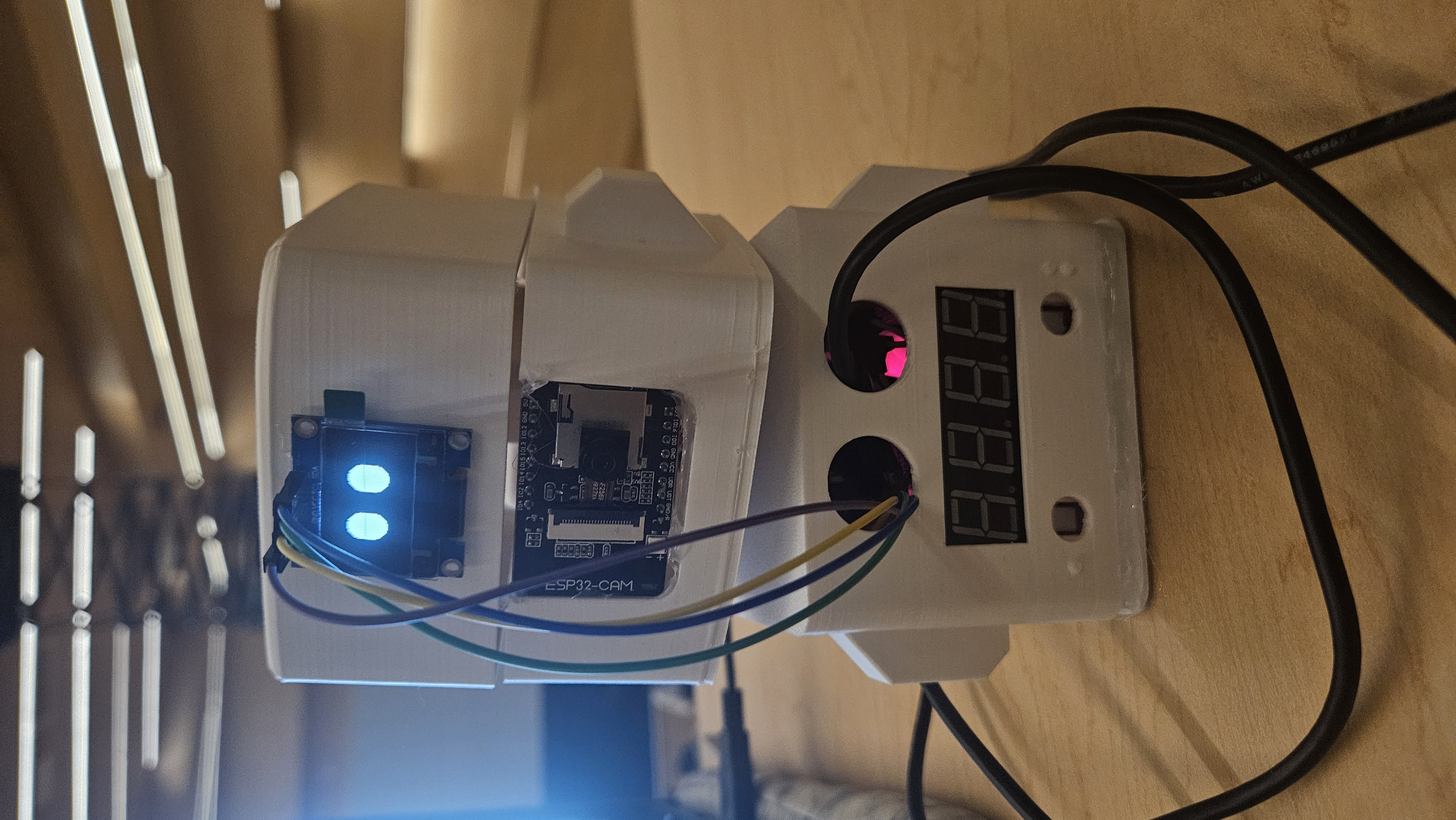
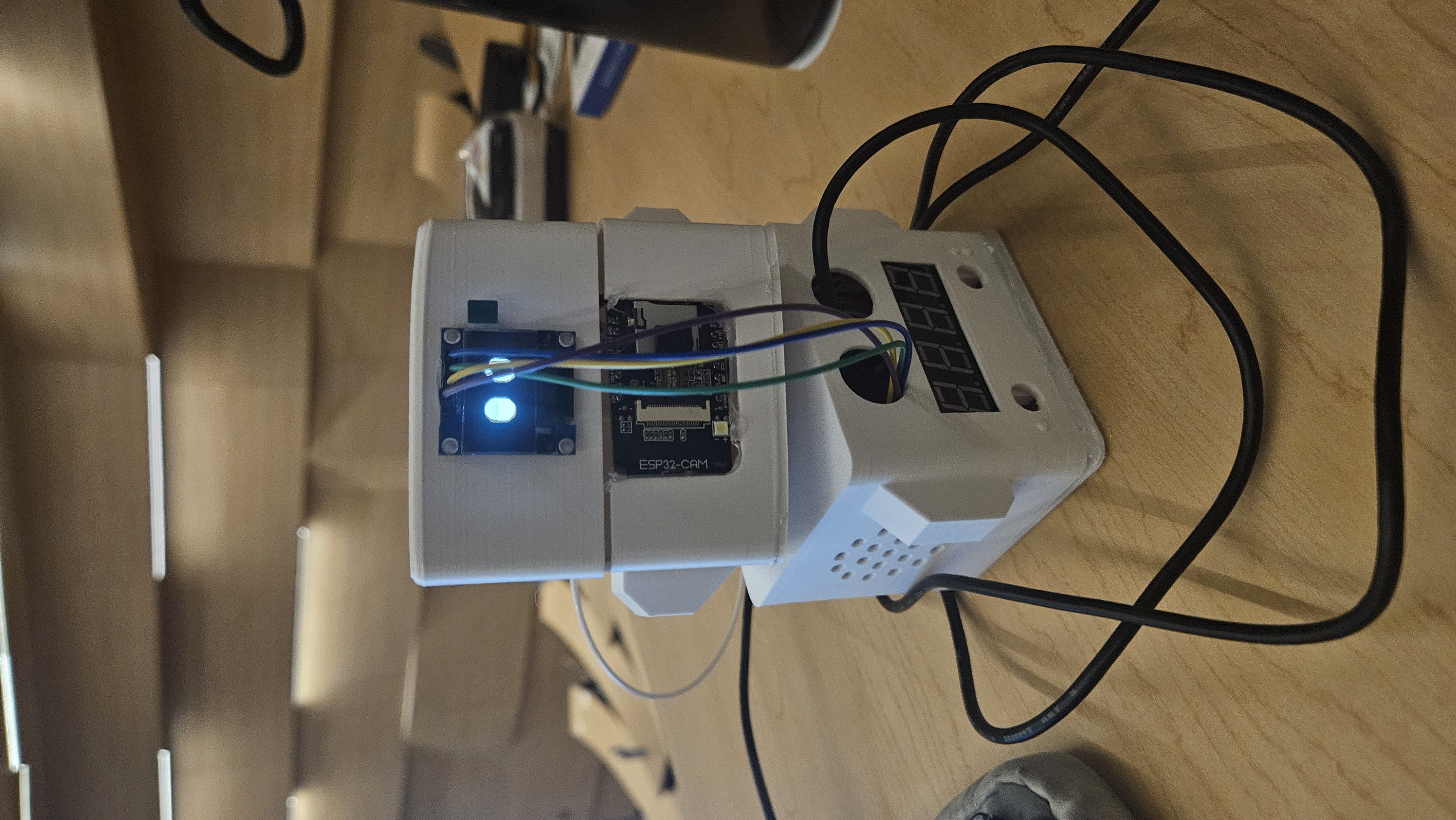
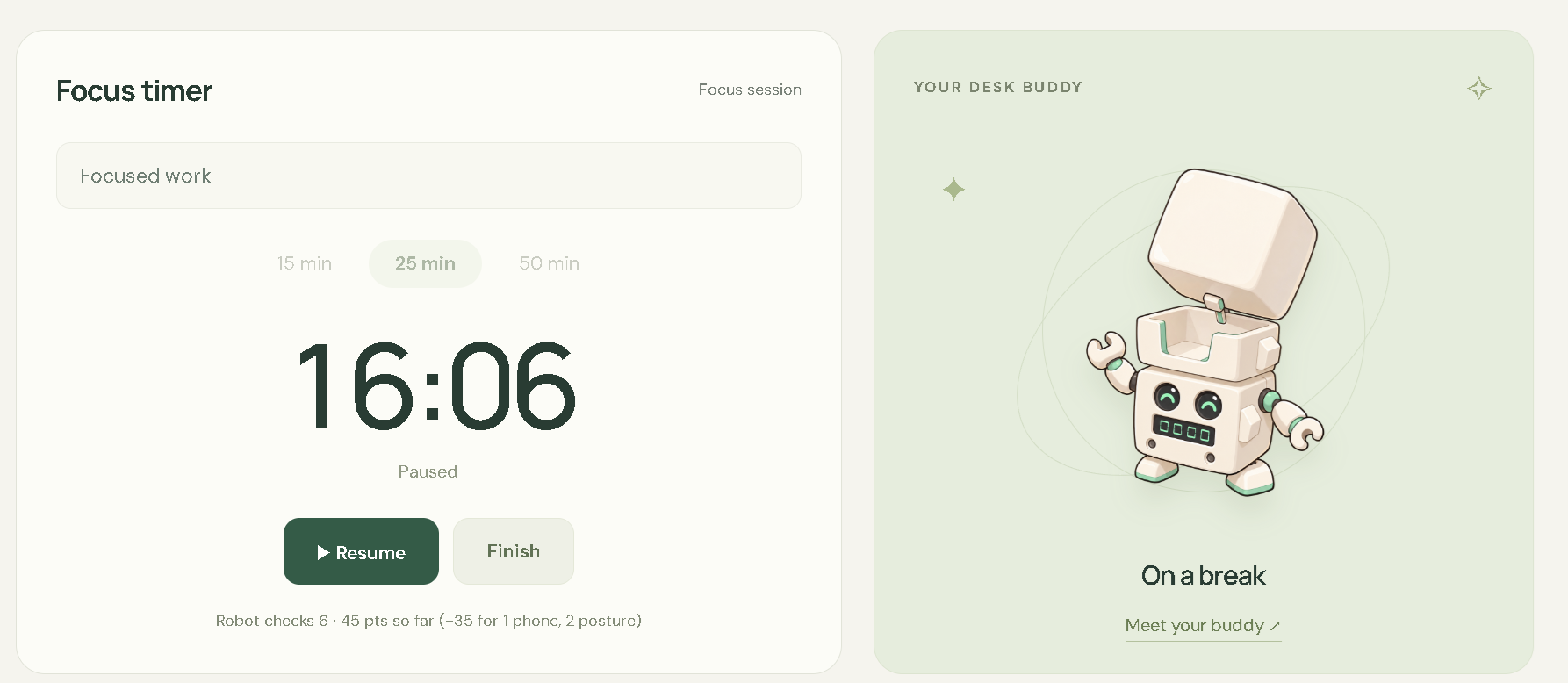
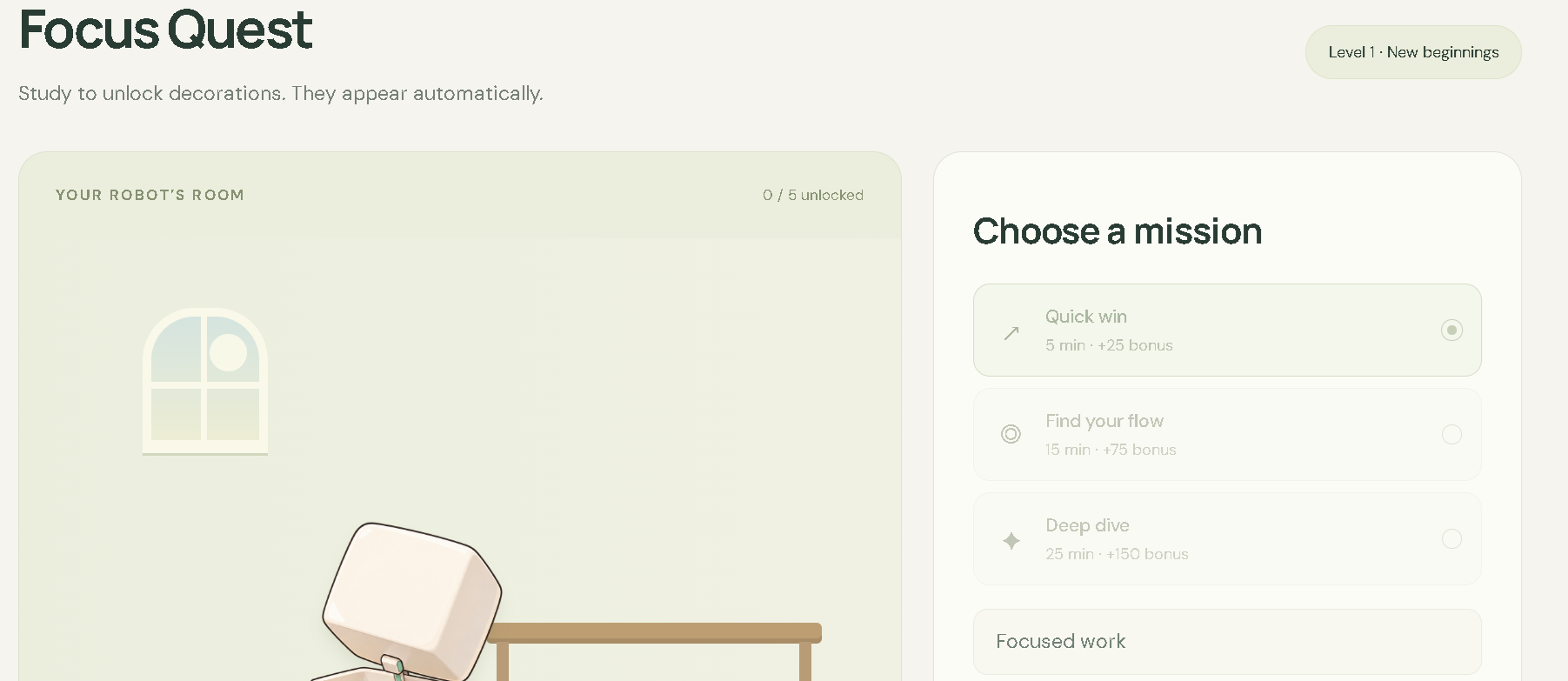
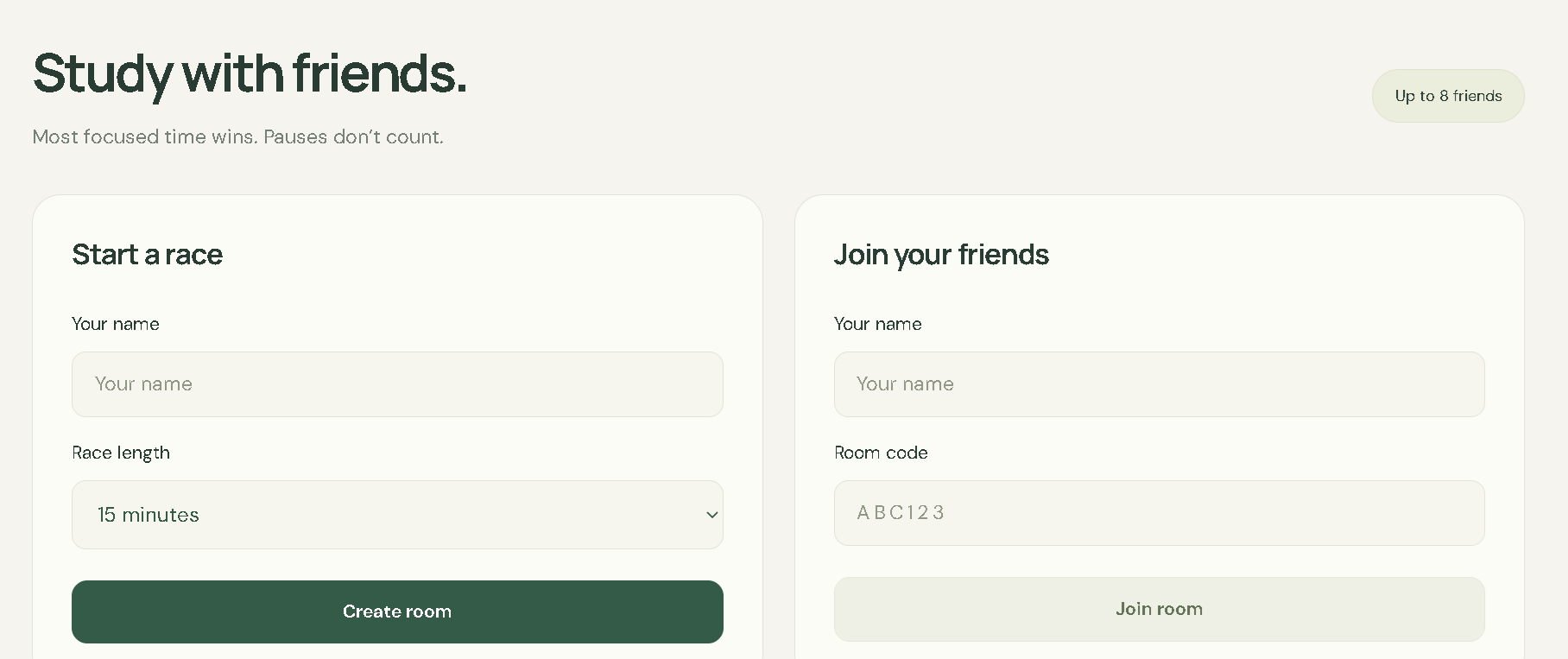
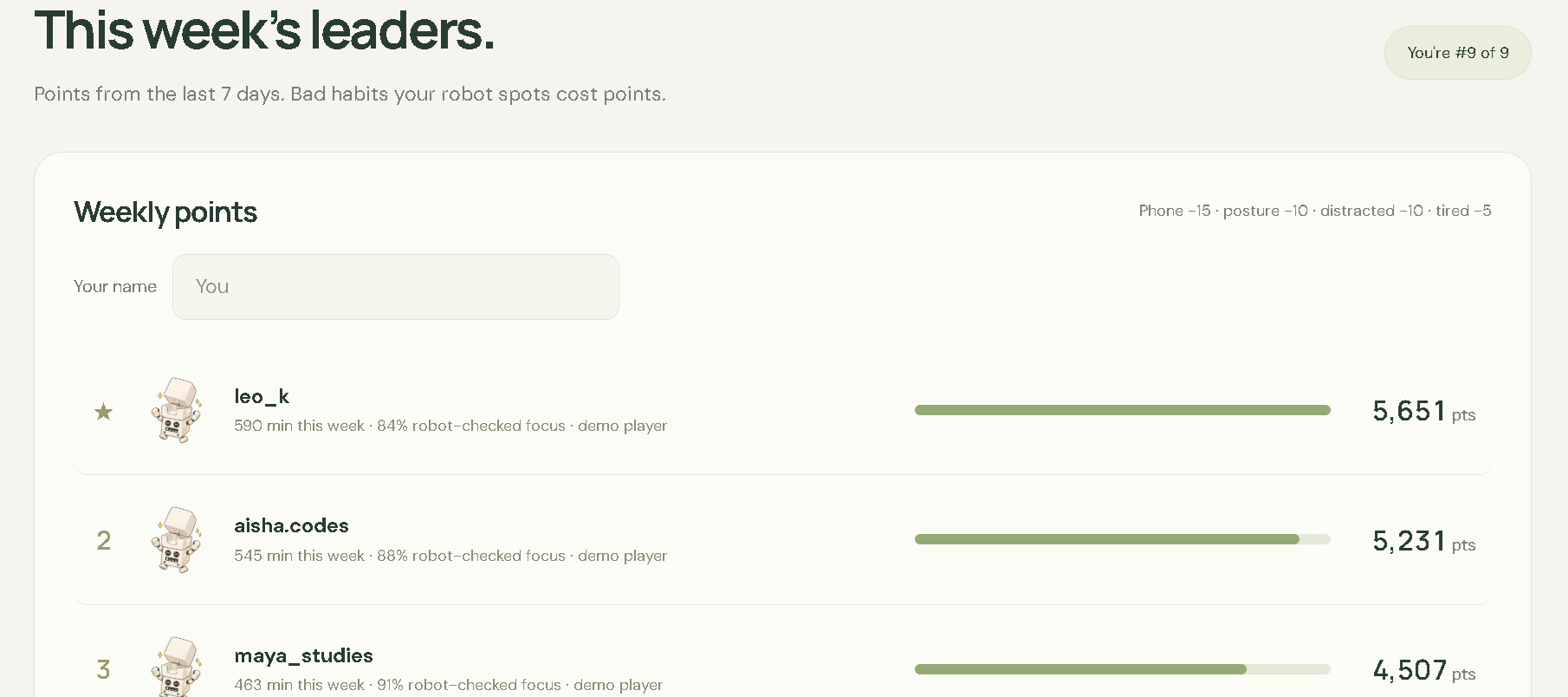
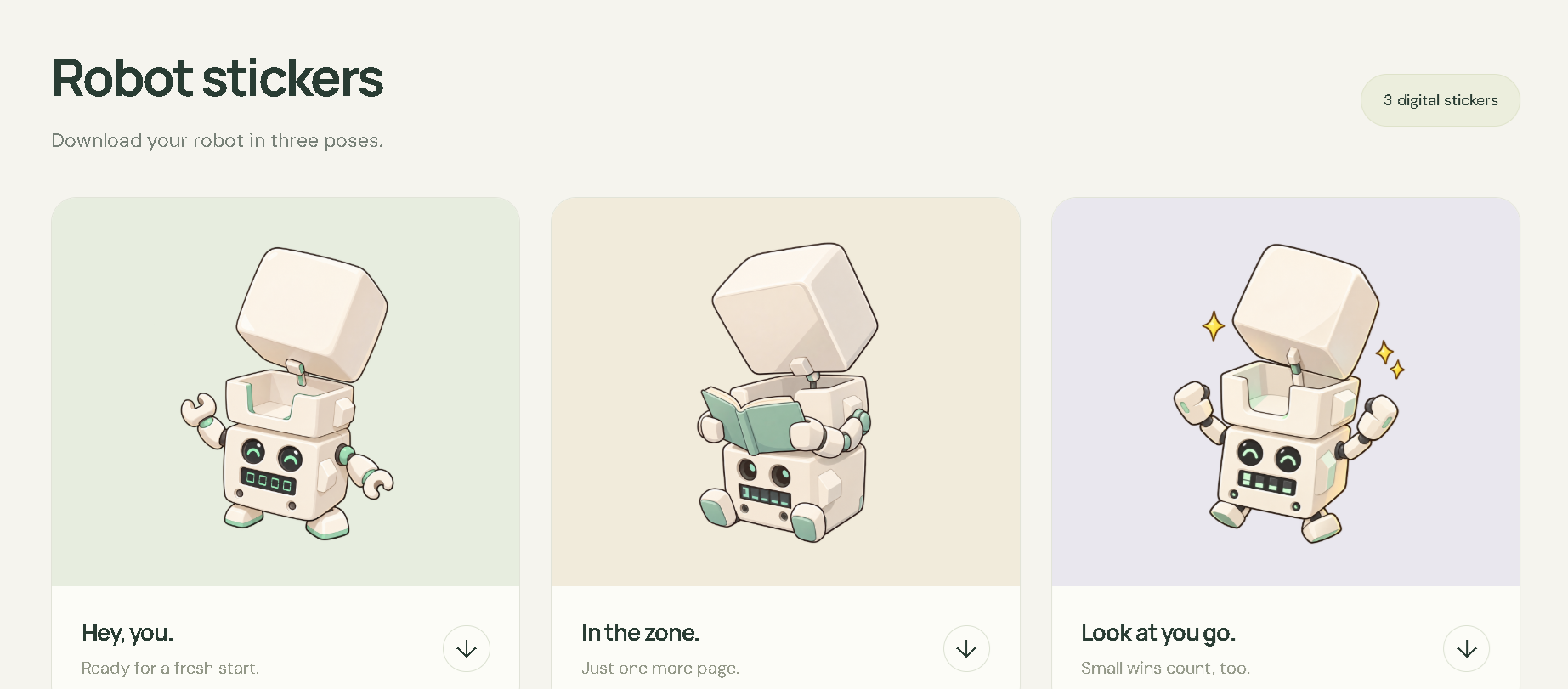
ProdPet is a personal desk robot that constantly monitors the working productivity of the person. During on how you act in your work place, the robot will give you personal advice on how you should change your working style. The desk robot shall obtain a personal connection with the person make it feel like are always accompanied during their working. Within this, we also created a web dashboard to list all of the statistics during your work session, gathered from your robot. We made it in terms of a game, where workers complete study sessions, earn points, and unlock decorations for their robot’s virtual room. Friends can join timed study races, where the most focused time wins.
How we built it
We used HTML, CSS, JavaScript, and Node.js for the dashboard and multiplayer races. Our robot uses an ESP32 and an OLED screen. We added USB commands to change its eye expressions based on study activity. We are using an ESP32 Cam with Opencv, alongside the Gemini API to detect for facial recognition and analysis. We also used the tiger data database to track all data from users, and deployed it via Vultr.
Challenges and what we learned
Matching the dashboard to the robot’s firmware and keeping multiplayer timers consistent were our biggest challenges. We learned how to connect hardware and software and turn study progress into simple rewards.
We struggle in creating a 3D print in a timely manner, as well as making sure all hardware components are compatible with each other.
What’s next
Test the full hardware connection, then add camera-based head tracking and robot movement.

Log in or sign up for Devpost to join the conversation.