-
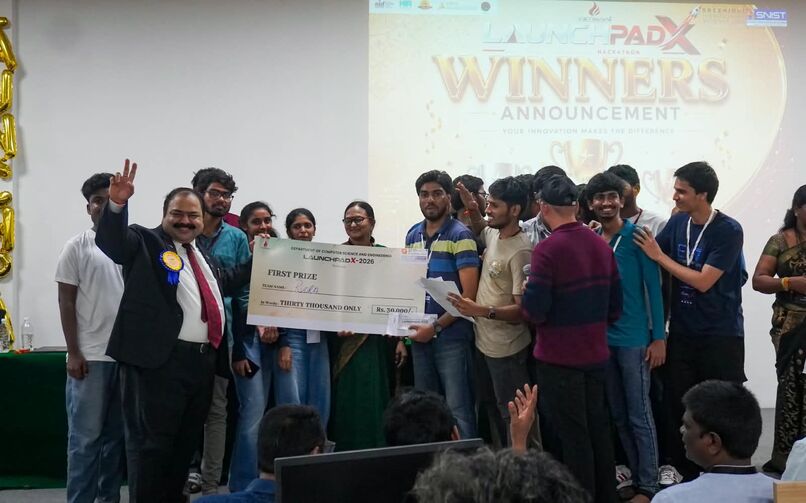
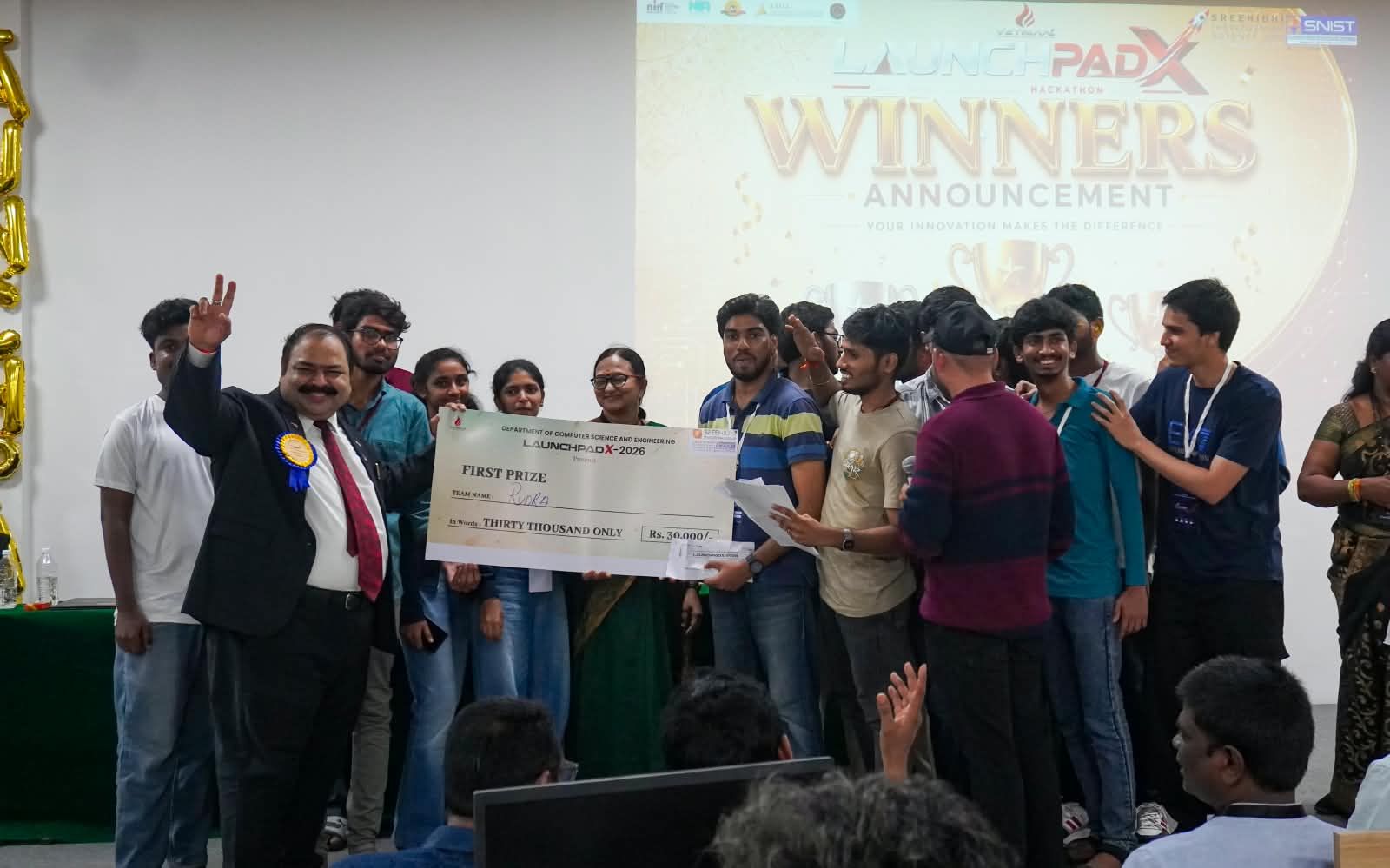
Team Rudra on stage receiving first prize at LaunchPadX 2026, SNIST Hyderabad
-
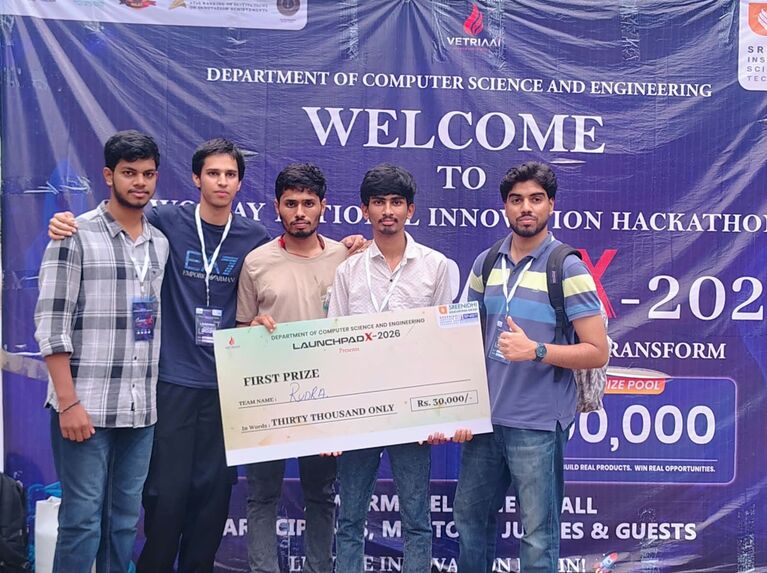
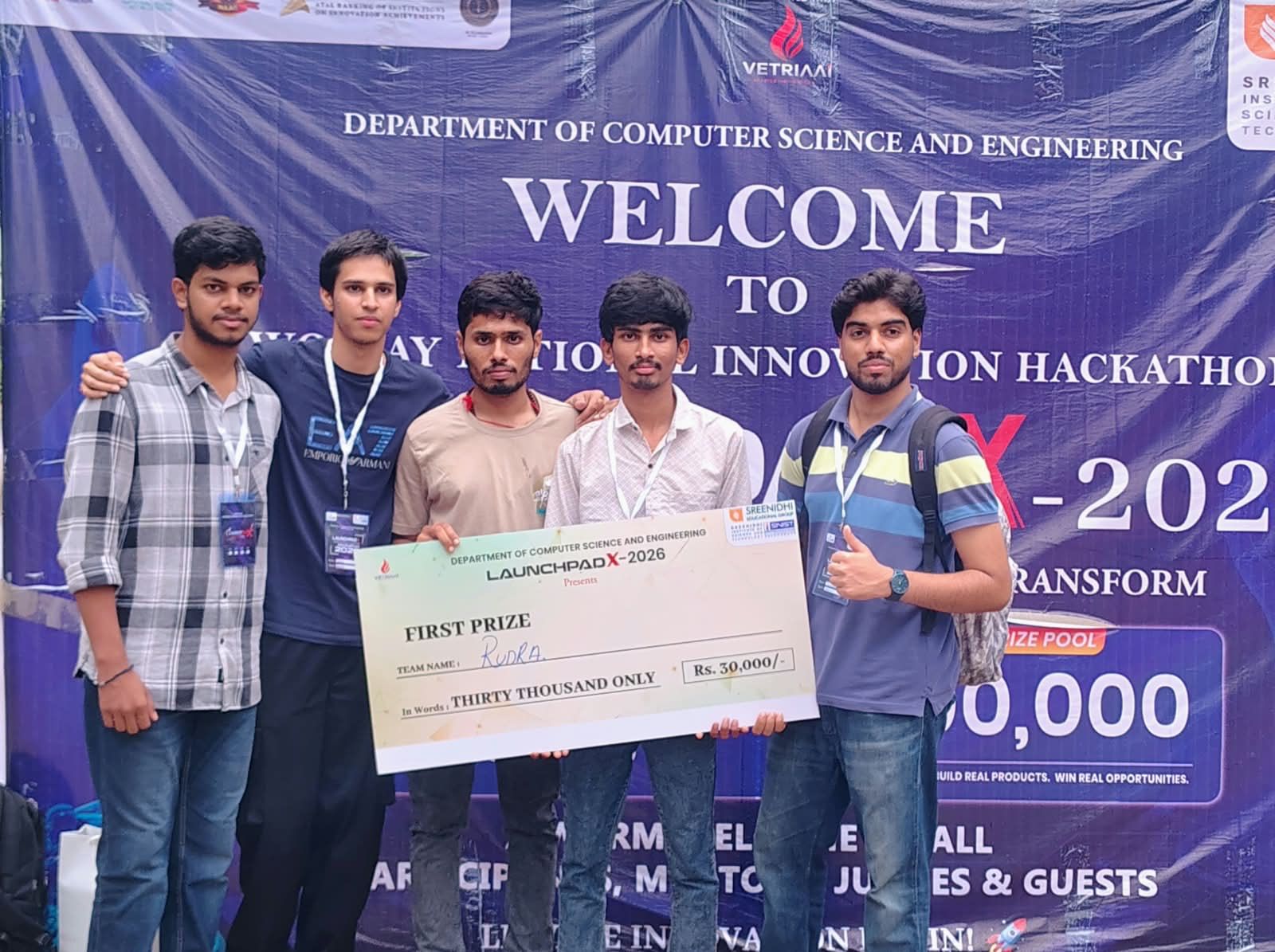
Team Rudra with the Rs 30,000 first-prize cheque
-
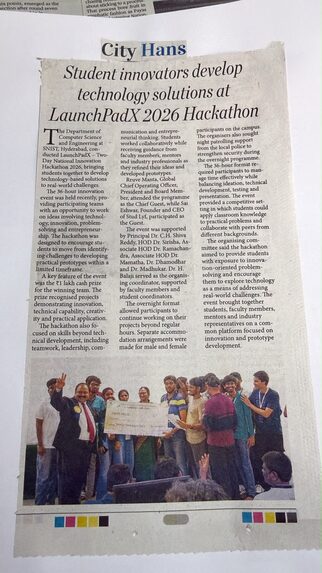
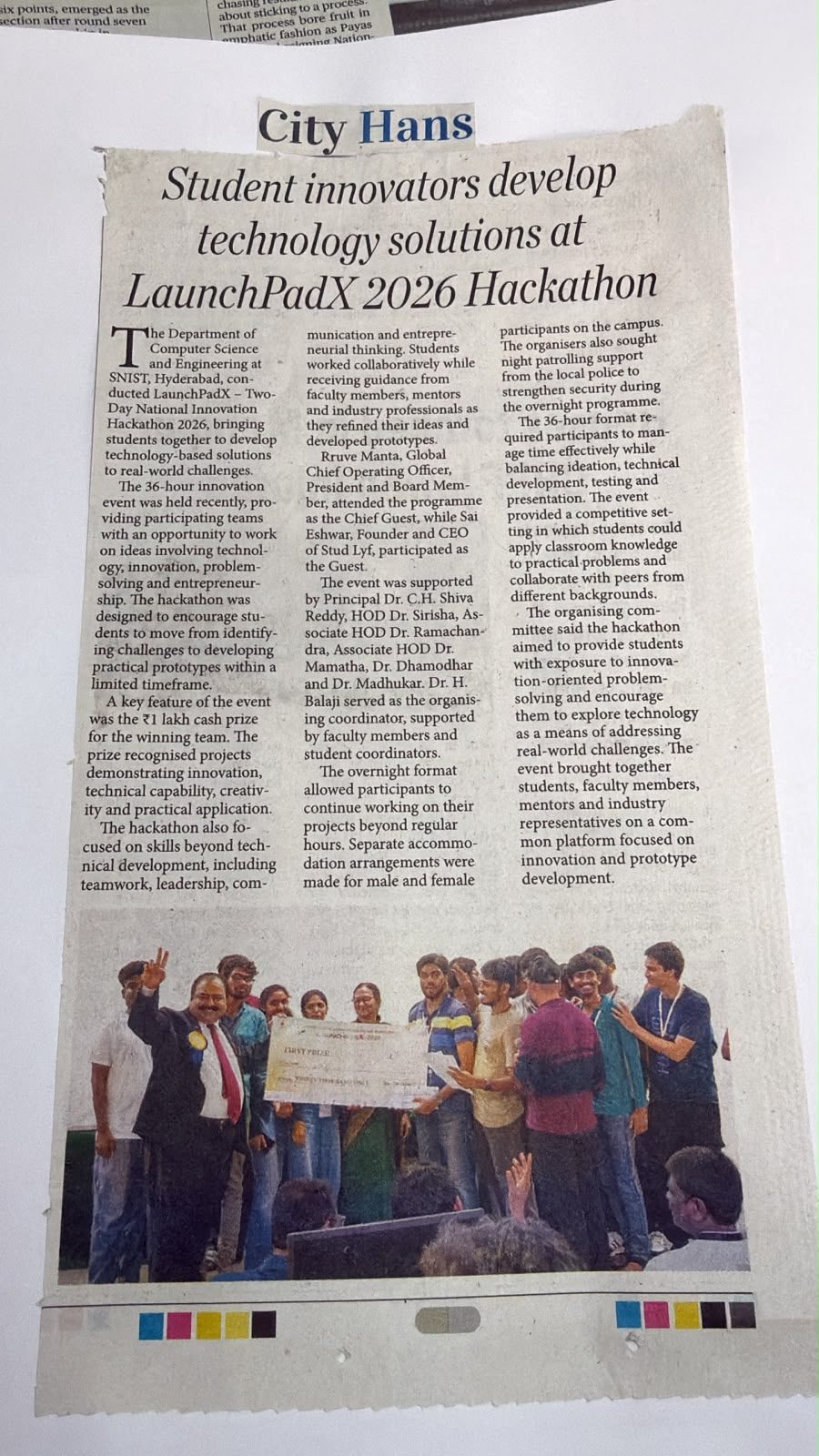
In print: City Hans coverage of the LaunchPadX 2026 hackathon
-
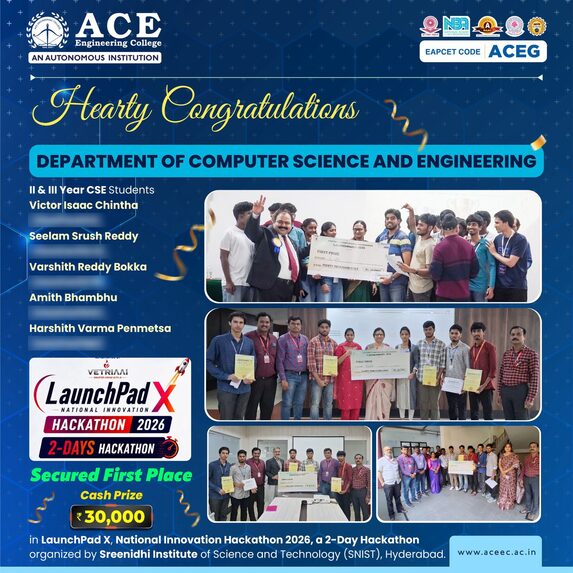
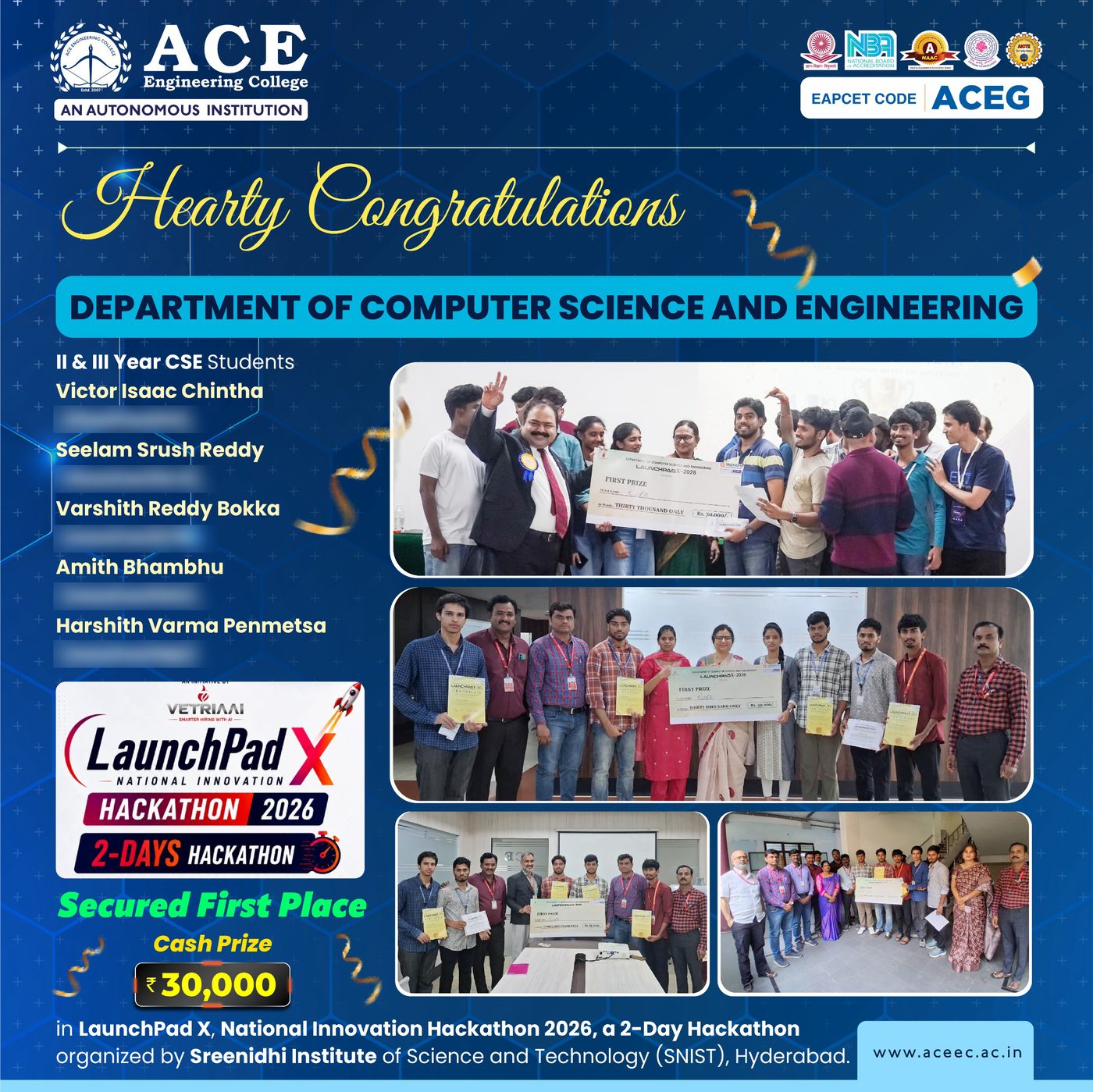
ACE Engineering College congratulating Team Rudra on first place
Inspiration
Hostel and college mess kitchens still buy vegetables, groceries and gas by phone and memory: call a known vendor, hope they have stock, hope the price is fair, scramble when they say no. Nothing compares vendors on price and reliability in real time, and nothing recovers when a trusted vendor fails to deliver.
What it does
Given tonight's menu and the student count, the agent:
- Works out exactly what is short against current inventory (deterministic math, no AI)
- Checks vendor prices and reliability scores
- Places orders inside a hard budget it cannot override
- Recovers on its own when a vendor fails, rejects an order or runs short mid-order
How we built it
- Planning: menu to ingredients to shortage in plain Python, with zero model calls
- Agent core: a reasoning loop on Groq (
gpt-oss-120b) that decides what to check and when, and never touches the arithmetic - Tools: four real actions: check price, check availability, check budget, place order
- Guardrails in code: budget caps, a ₹2,000 approval threshold and a shortage ceiling, all enforced by the backend instead of by asking the model nicely
- Memory: vendor reliability and price history in SQLite, updated after every order
- Dashboard: Next.js with a live reasoning view, vendors, orders, inventory and one-click demo controls
The vendor score (60% reliability, 40% price) is computed in Python. The agent only ever receives an already-ranked vendor list.
Challenges we ran into
Keeping the model away from the money. Every number that matters (shortage, vendor score, remaining budget) is computed in code, so the agent can plan freely without ever being able to get the arithmetic wrong.
Accomplishments that we're proud of
- 1st place overall, LaunchPadX National Innovation Hackathon 2026, organised by VetriaAI with the Department of CSE, SNIST Hyderabad (22-23 Aug 2026): 231 teams, 1,034 students, Rs 30,000 first prize. Covered by Telangana Today and The Hans India.
- In a real run against the live model: ₹1,333.20 spent of a ₹1,516.62 budget.
- The top-scored onion vendor could only supply 4 kg of a 7.6 kg order. Nobody coded a "split across vendors" branch: the agent read that limit off a real tool call and sourced the remaining 3.6 kg from a second vendor on its own.
- A forced vendor rejection was recovered in the same run, with no human input.
What we learned
Guardrails belong in code, not in the prompt. The model is good at deciding what to check next. It should never be the thing holding the budget.
What's next
- A second, model-blind budget cap the agent cannot reason around
- An automated evaluation suite, so "the agent chose correctly" is a test result
- A real pilot with an actual kitchen
- A security and multi-tenant review before a second kitchen onboards
Team Rudra (ACE Engineering College): Varshith Reddy Bokka, Harshith Varma Penmetsa, Amith Bhambhu, Seelam Srush Reddy and Victor Isaac Chintha. Victor led the team and the technical build.
Built With
- fastapi
- groq
- next.js
- python
- react
- sqlite
- typescript

Log in or sign up for Devpost to join the conversation.