-
-
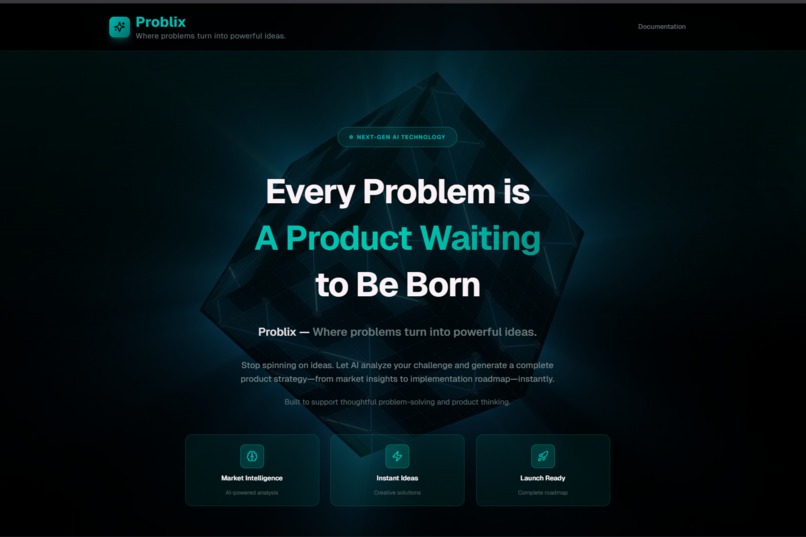
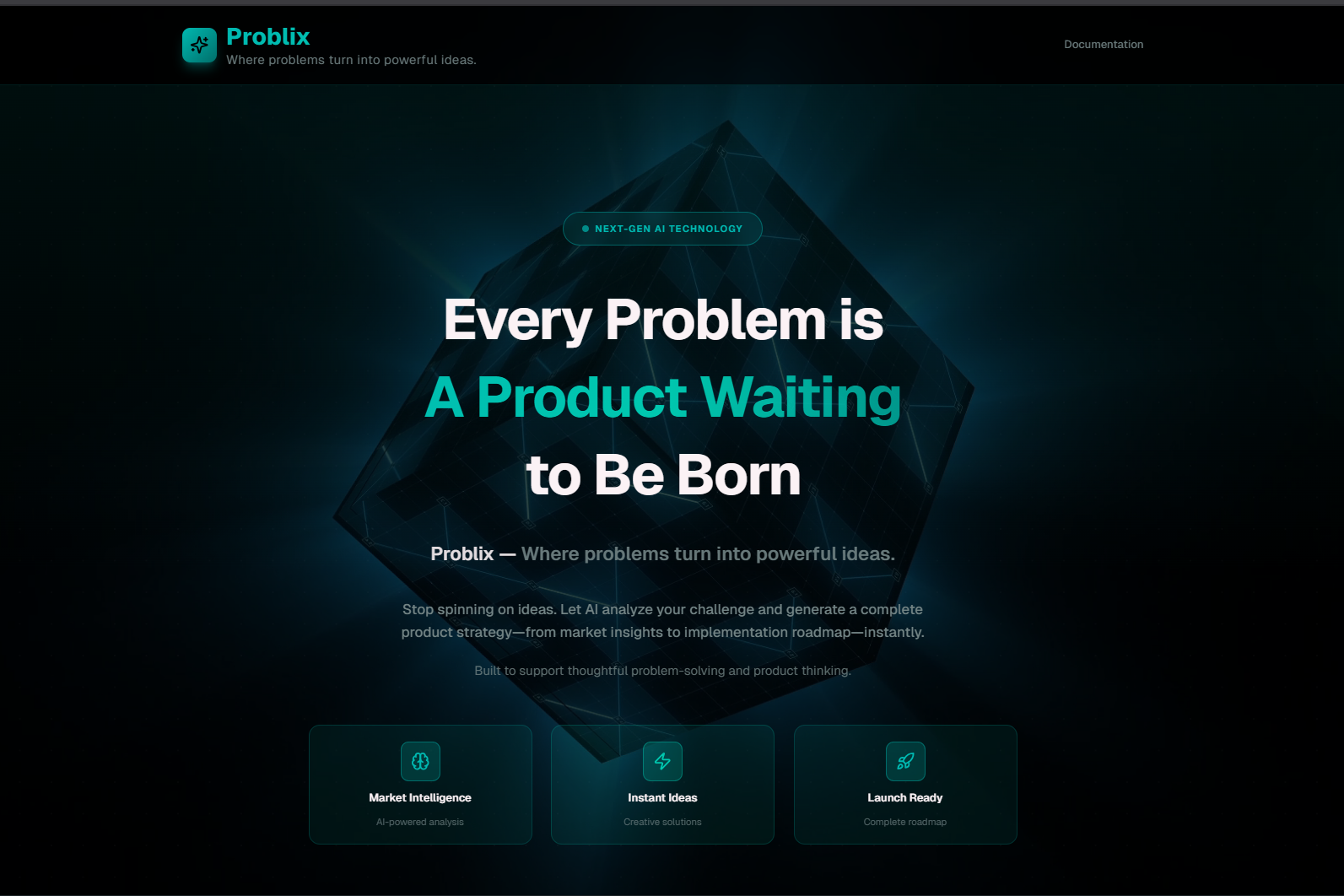
dashboard
-
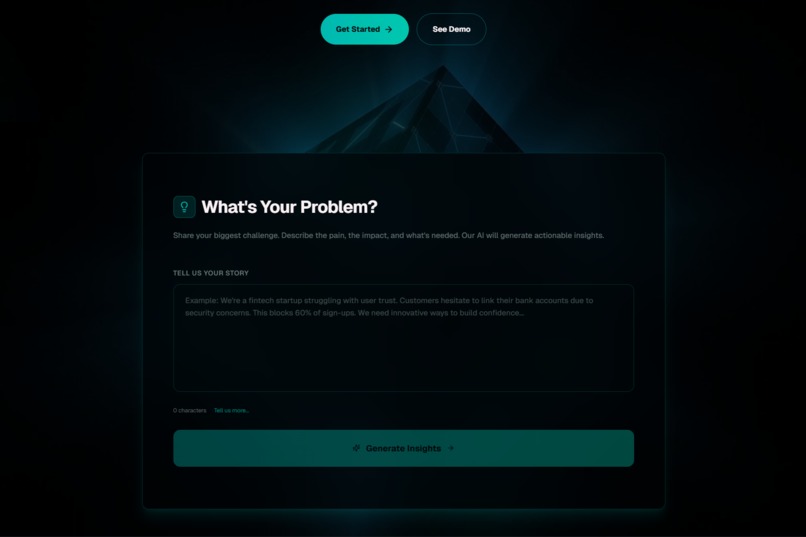
-
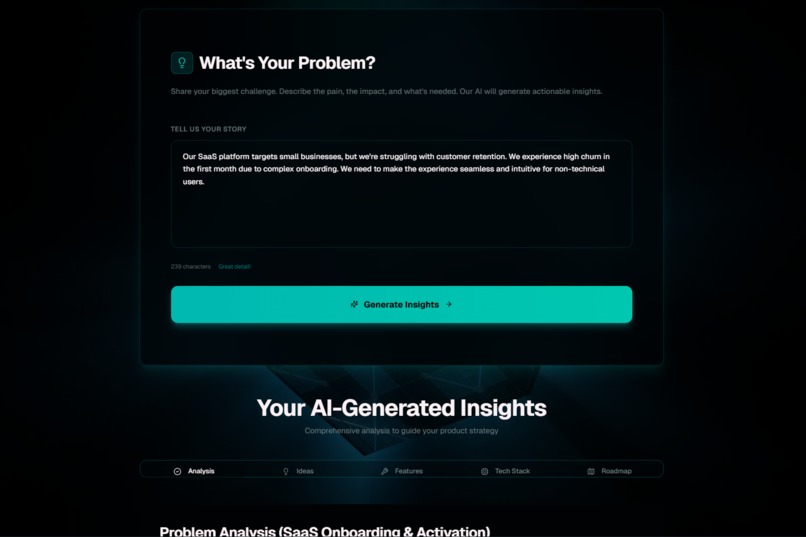
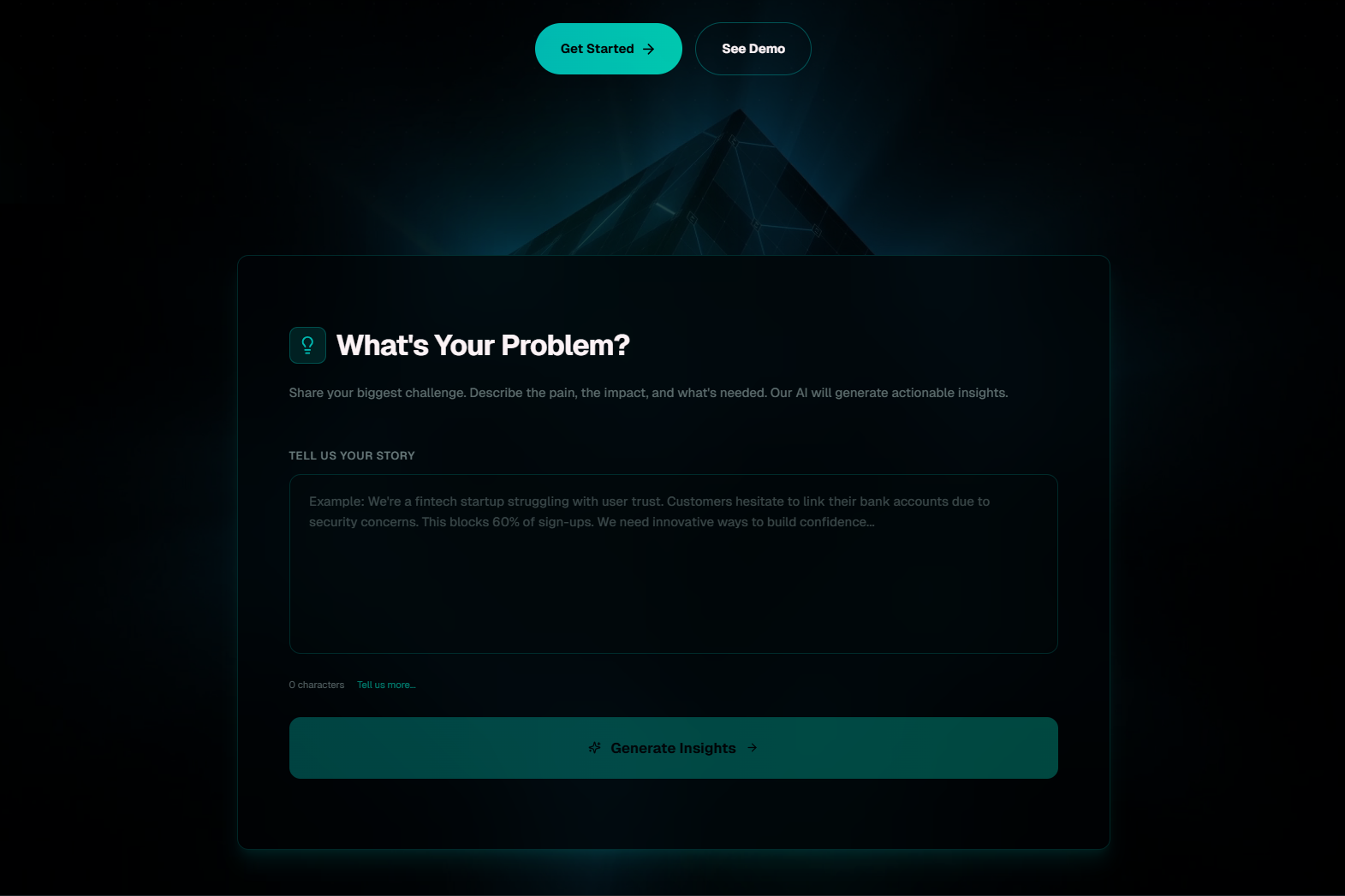
give your problem
-
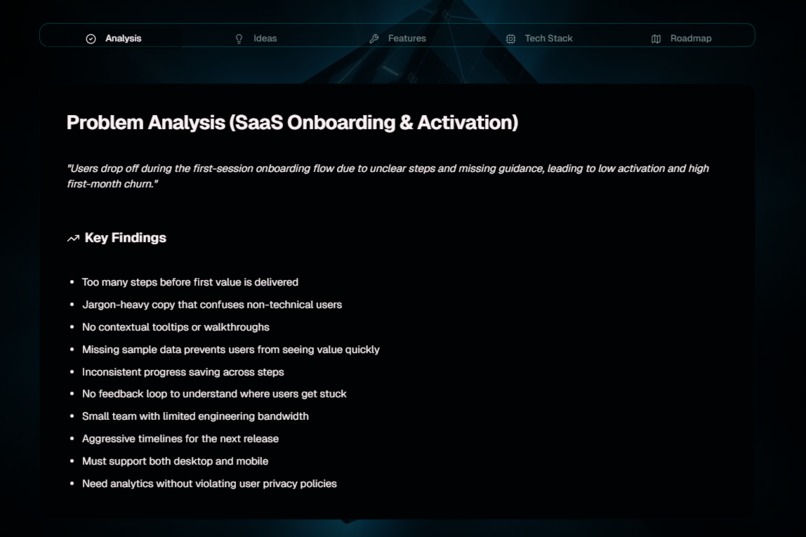
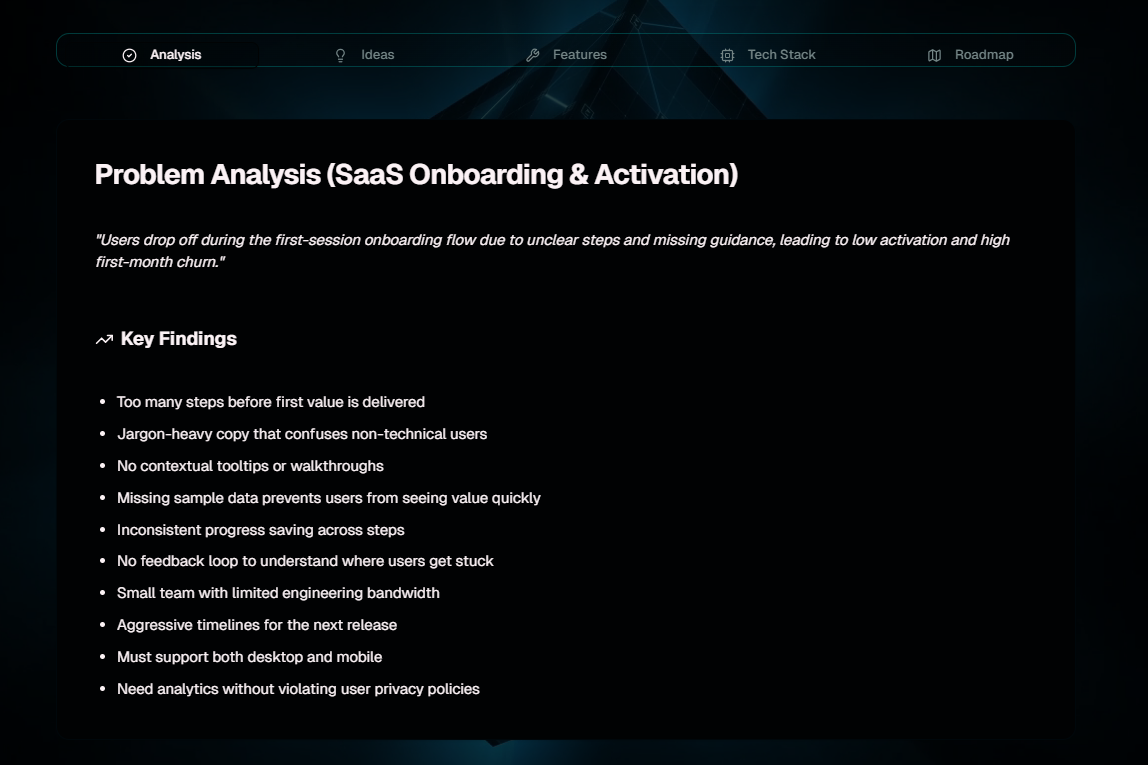
problem analysis
-
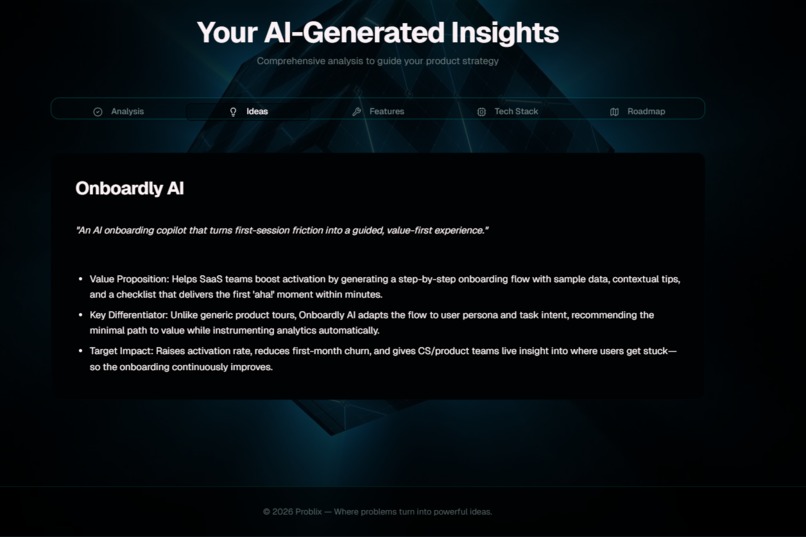
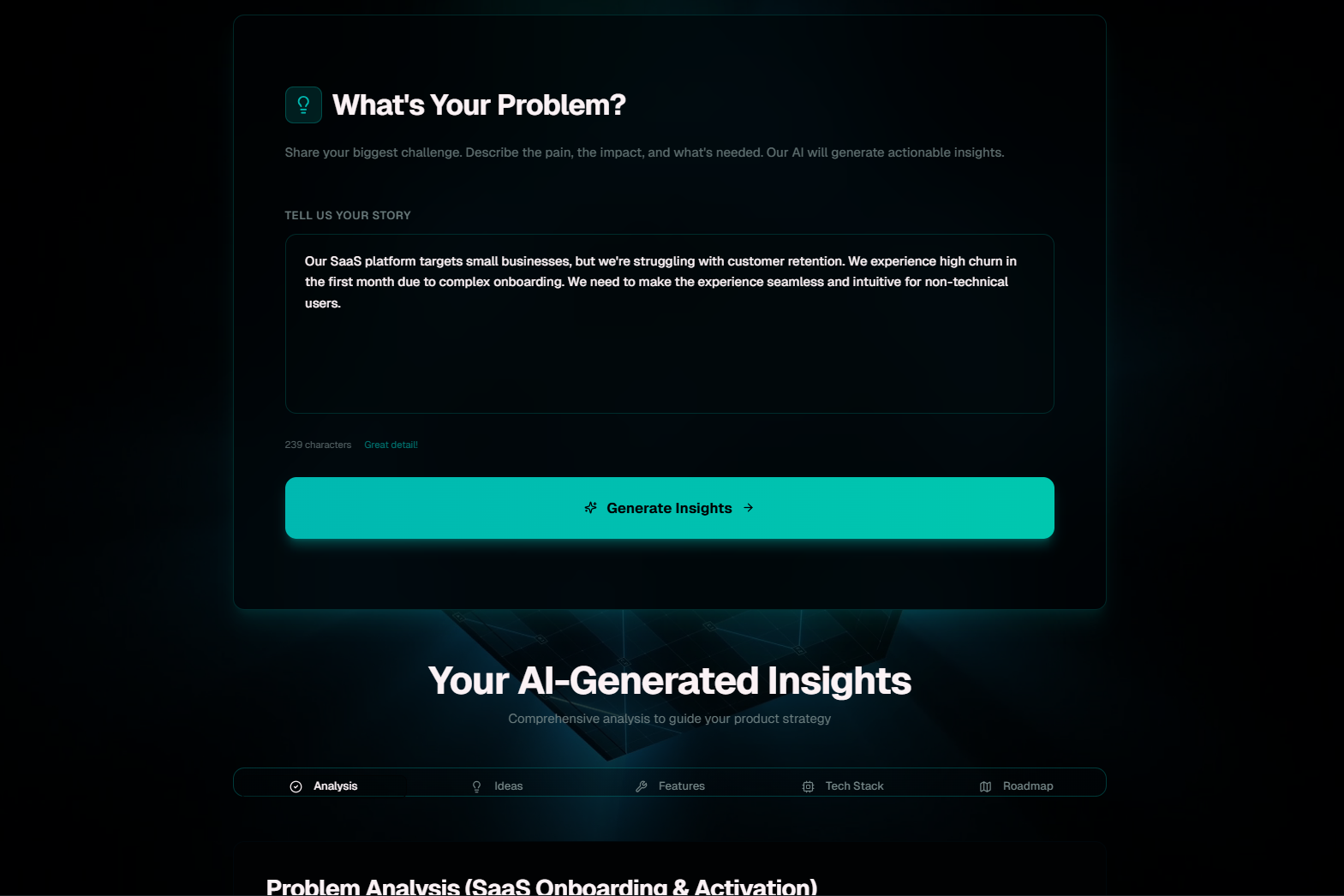
ideas
-
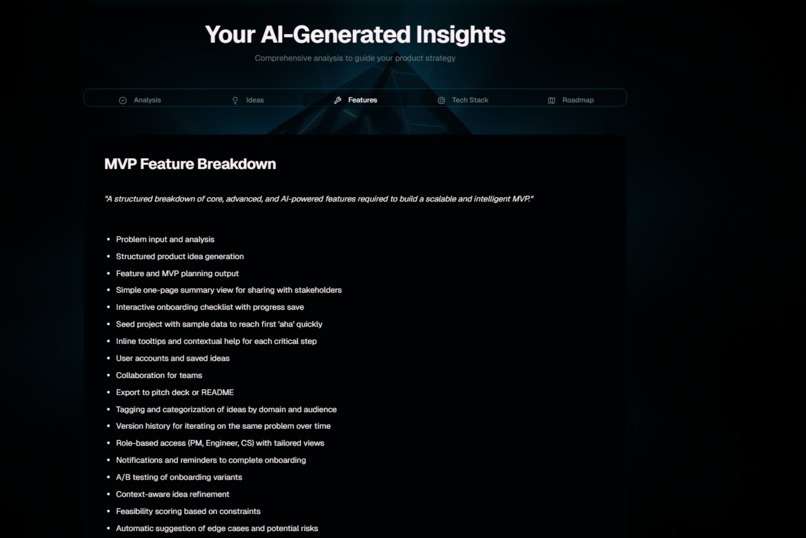
features of solution
-
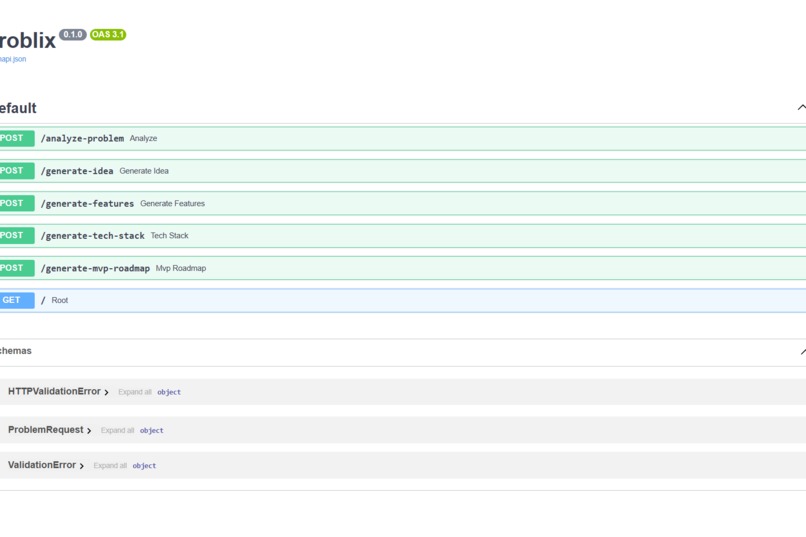
backend
-
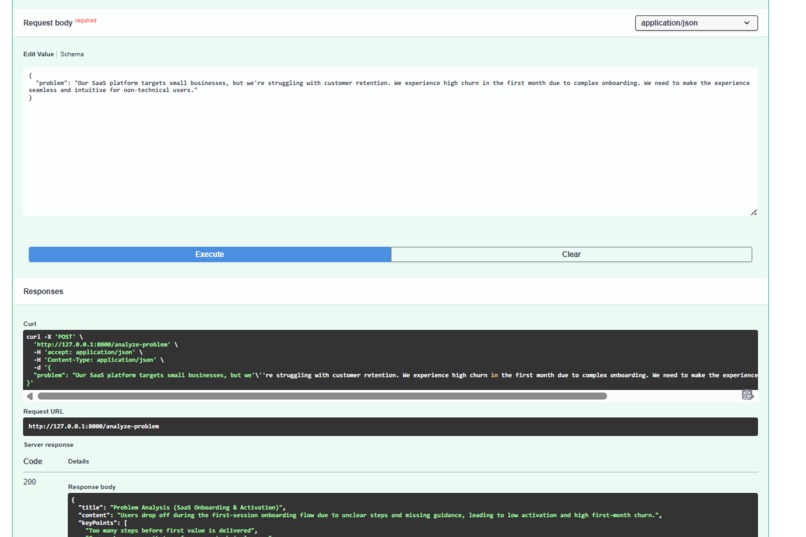
backend query run
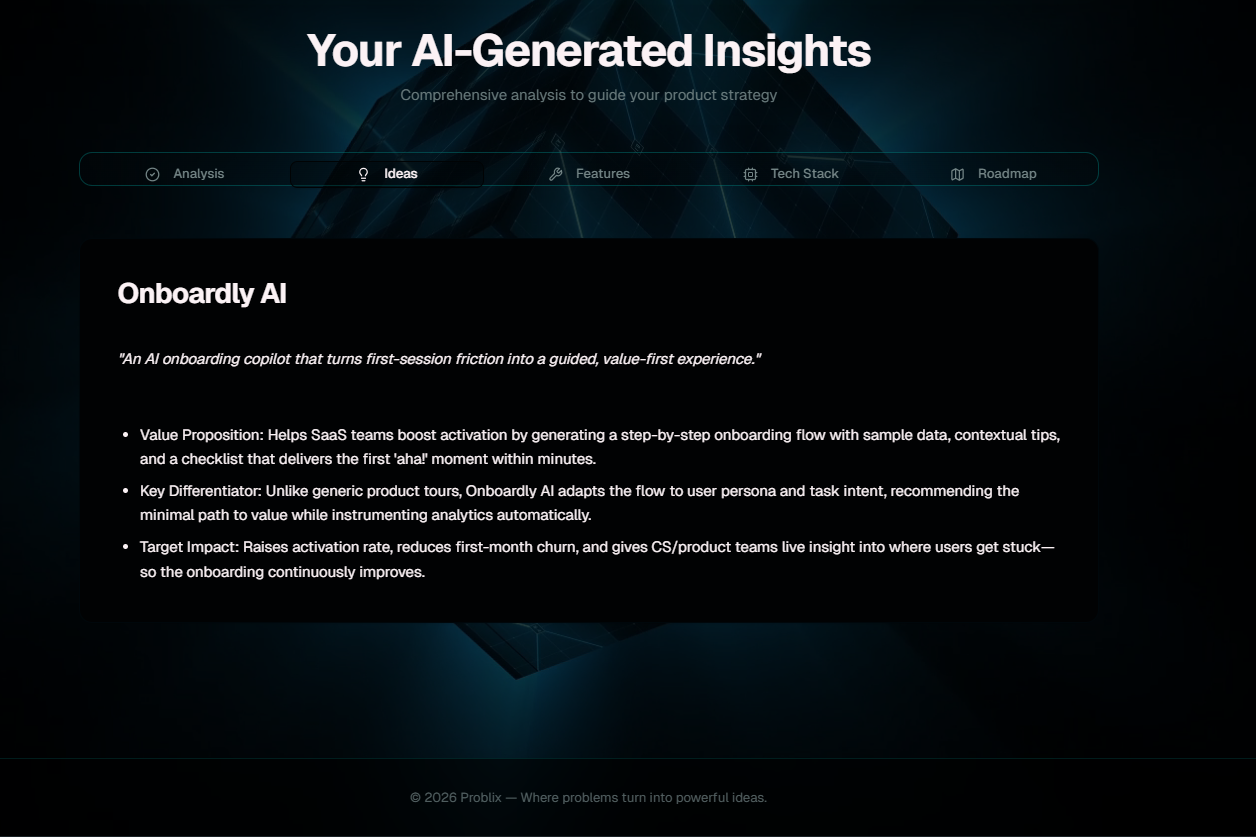
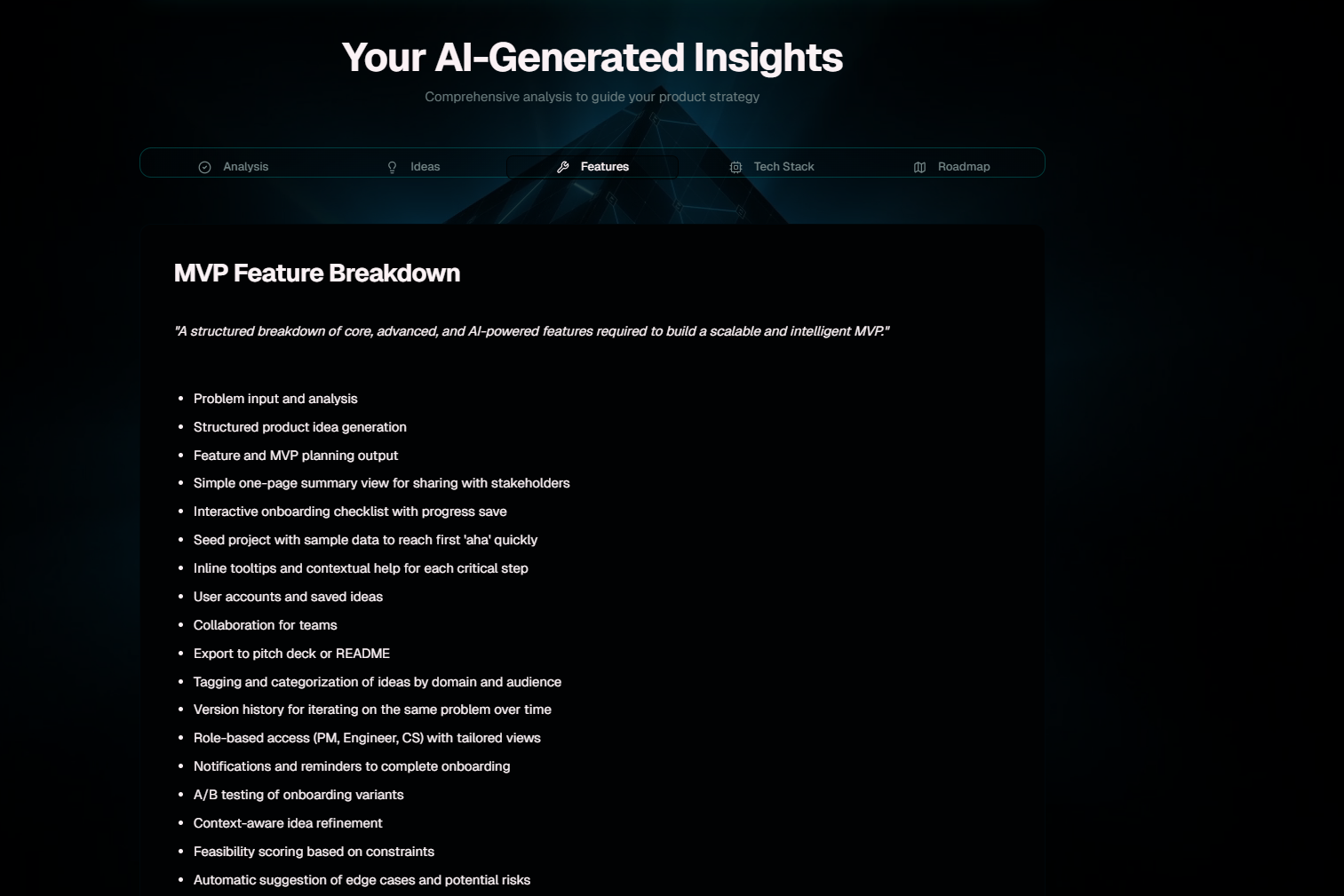
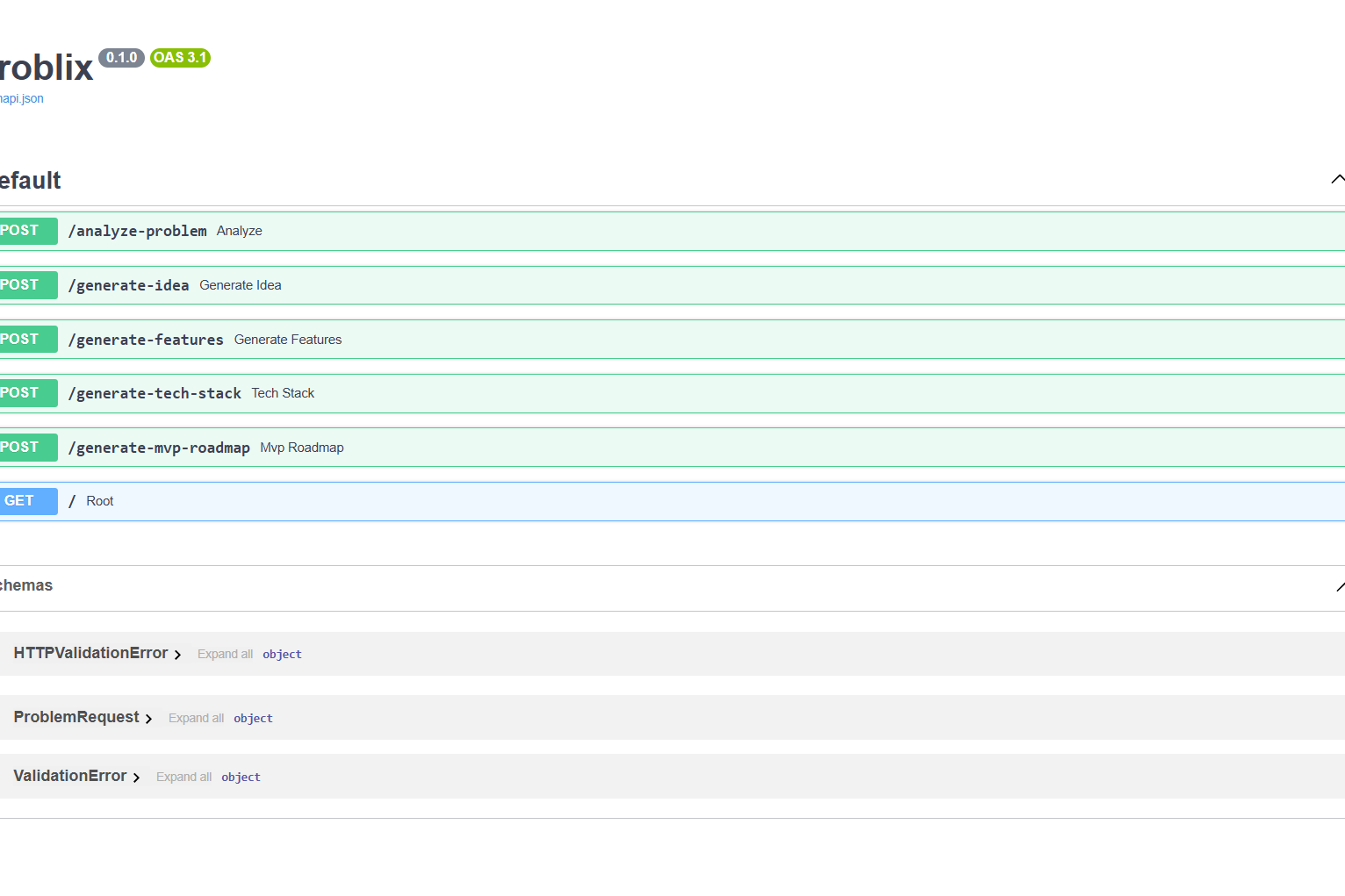
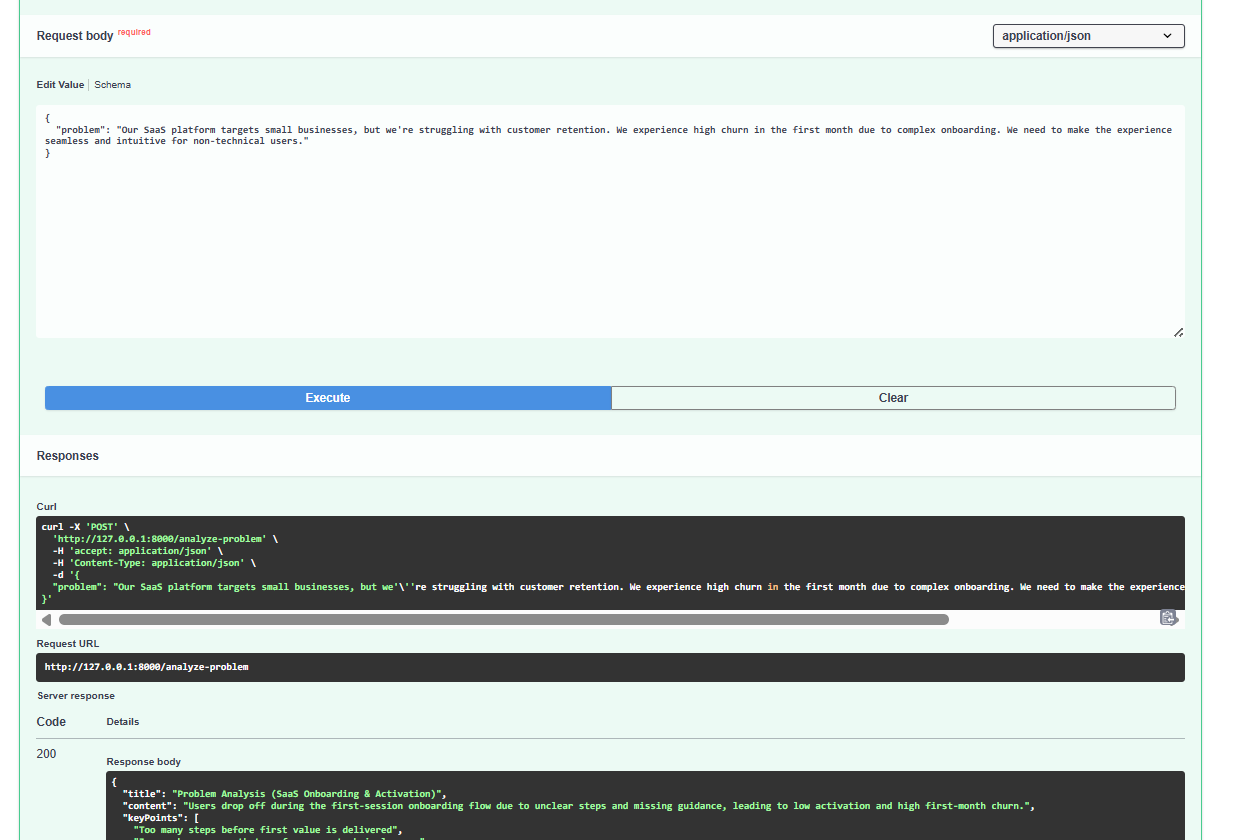
Inspiration
Many builders struggle not with coding, but with figuring out what to build. Great ideas often start as vague problems, scattered thoughts, or unstructured pain points. During hackathons and early product brainstorming, we noticed how much time is lost trying to convert a real-world problem into a clear, actionable product direction.
We wanted to create something that helps people think better before they build — a tool that bridges the gap between “I have a problem” and “I know what to build.” That idea became Problix.
What it does
Problix helps users turn real-world problems into clear, structured, build-ready insights.
Users can:
Input a real-world problem or idea in plain language
Get a structured breakdown of the problem
Understand potential user pain points and solution directions
See ideas organized clearly instead of scattered thoughts
Use the output as a starting point for products, projects, or hackathon builds
Rather than generating random ideas, Problix focuses on clarity, structure, and decision support.
How we built it
We built Problix as a clean, focused web application with a clear separation between frontend and backend.
Frontend: A responsive UI built with modern components and a dashboard-style layout focused on readability and flow.
Backend: An API-driven architecture that processes user input and returns structured insights.
AI Layer: Used AI responsibly to analyze problem statements and generate structured outputs instead of vague suggestions.
Design Philosophy: Minimal UI, reduced distractions, and clear information hierarchy.
We intentionally avoided overloading features to keep the product usable and realistic for early-stage builders.
Challenges we ran into
Avoiding overpromises: It was tempting to claim “AI that builds products,” but we focused on what we could deliver honestly.
Structuring AI output: Turning free-form text into useful, structured insights required careful prompt design and iteration.
Frontend consistency: Aligning layout, spacing, and readability across components took more time than expected.
Mock vs real API flows: Testing UI flows while balancing mock data and real API integration was a learning curve.
Accomplishments that we're proud of
Built a working, end-to-end product, not just a concept
Maintained an honest scope aligned with hackathon constraints
Designed a UI that prioritizes thinking and clarity
Successfully translated abstract problems into structured outputs
Created something genuinely useful for early-stage ideation
What we learned
Good products start with clear thinking, not more features
Simplicity increases trust more than bold claims
AI is most useful when it supports decision-making, not replaces it
UX matters even in internal tools and prototypes
Shipping something real beats perfect ideas every time
What's next for Problix
Add iteration flows (refine a problem multiple times)
Allow users to export insights for pitch decks or docs
Introduce collaboration features for teams
Improve AI consistency with feedback loops
Explore integrations with project management and design tools
Our long-term goal is to make Problix a thinking companion for builders, helping ideas mature before code is written.
Built With
- fastapi
- git
- llm-api-integration
- lucide-icons
- mock-endpoints
- next.js
- prompt-engineered-ai-workflows
- python
- react
- restful-apis
- shadcn/ui
- swagger
- tailwindcss
- typescript


Log in or sign up for Devpost to join the conversation.