-
-
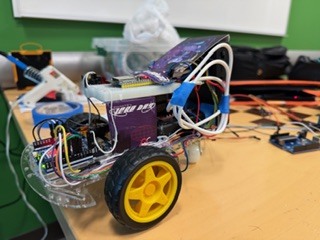
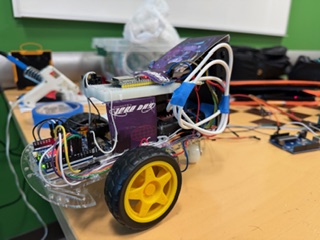
Rover view 1
-
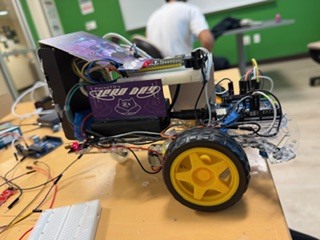
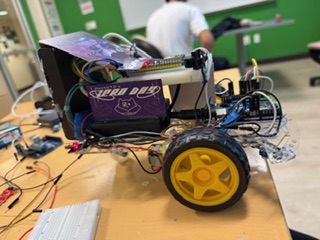
Rover view 2
-
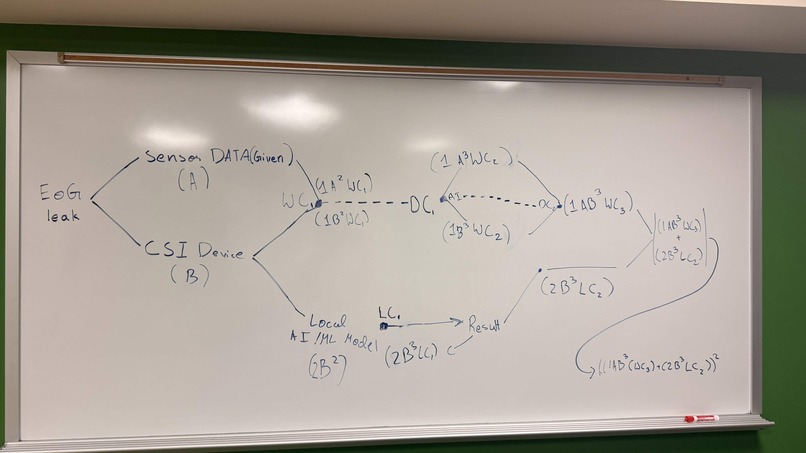
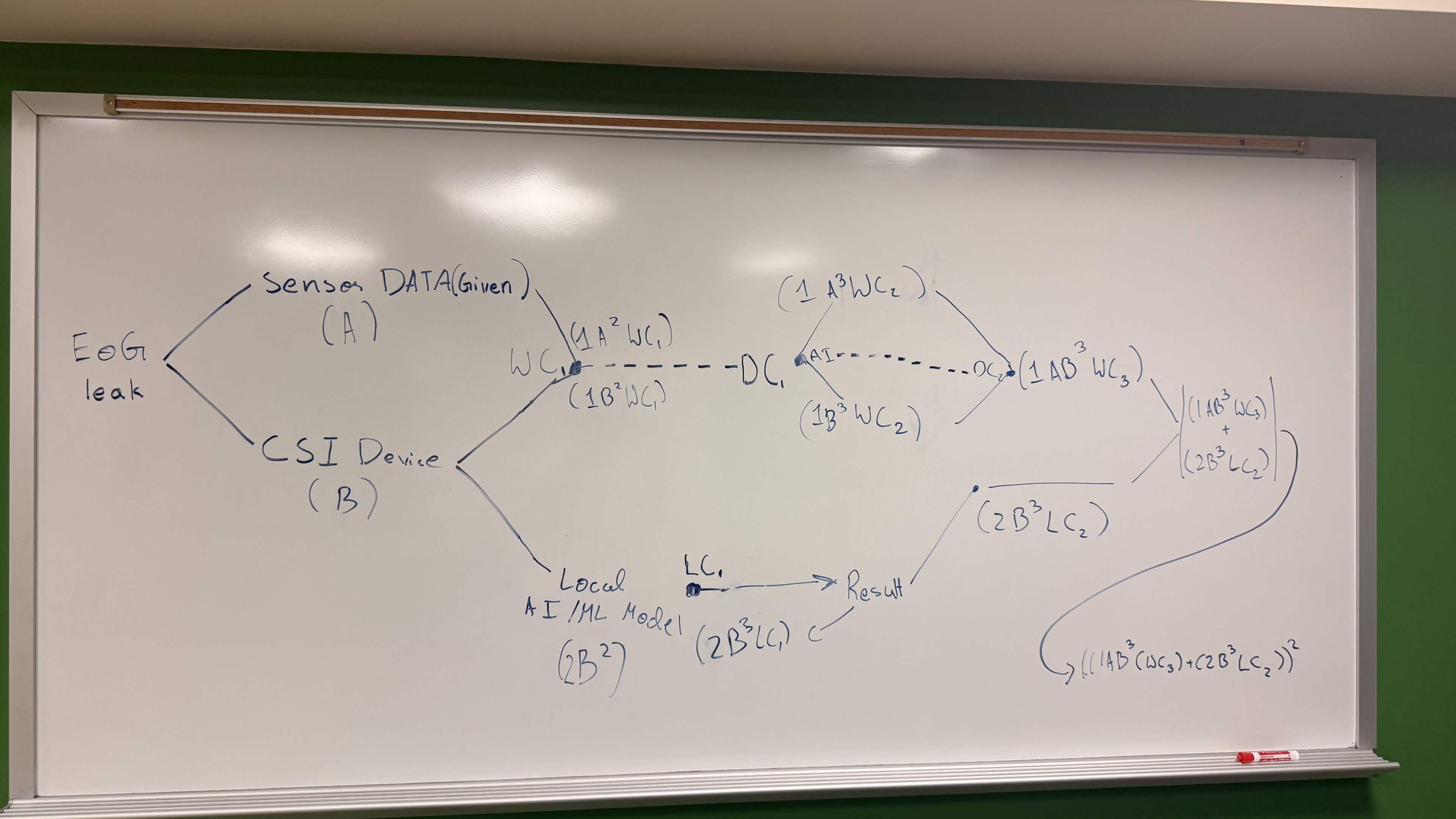
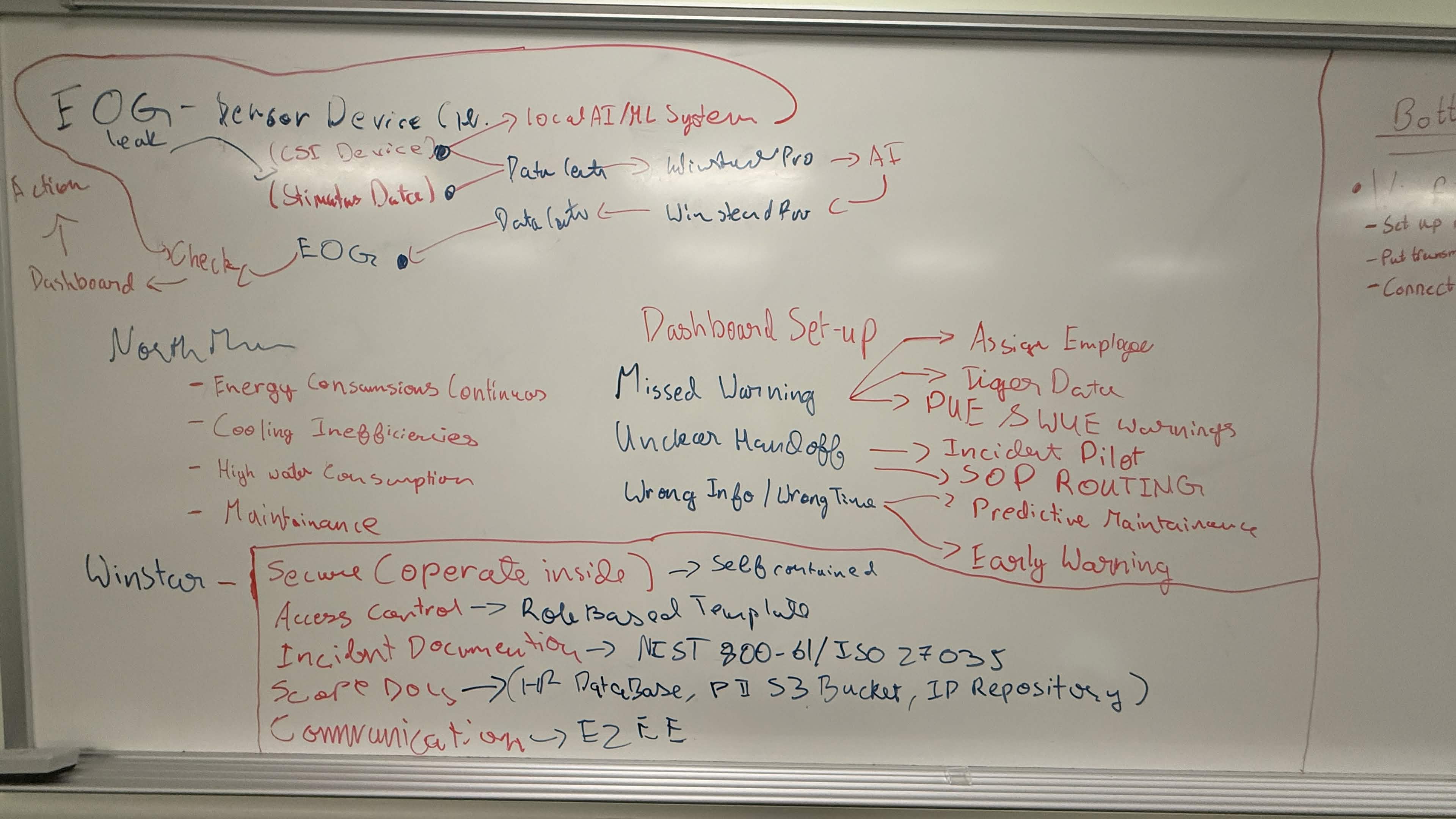
Second draft of data interactions chart
-
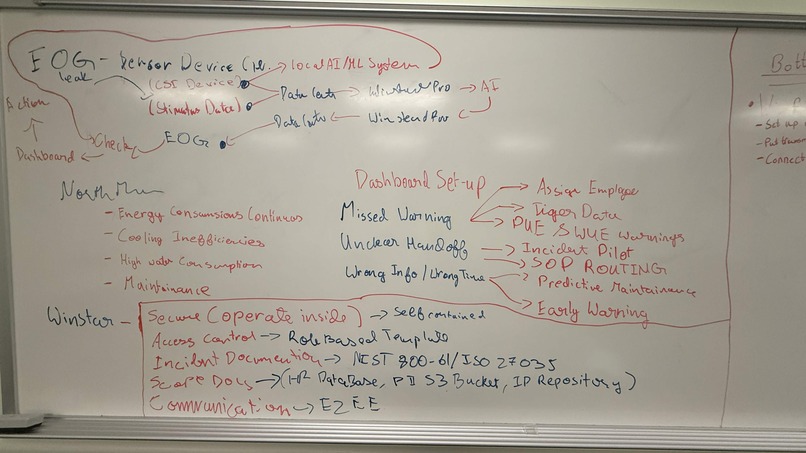
First draft of data interactions chart
-
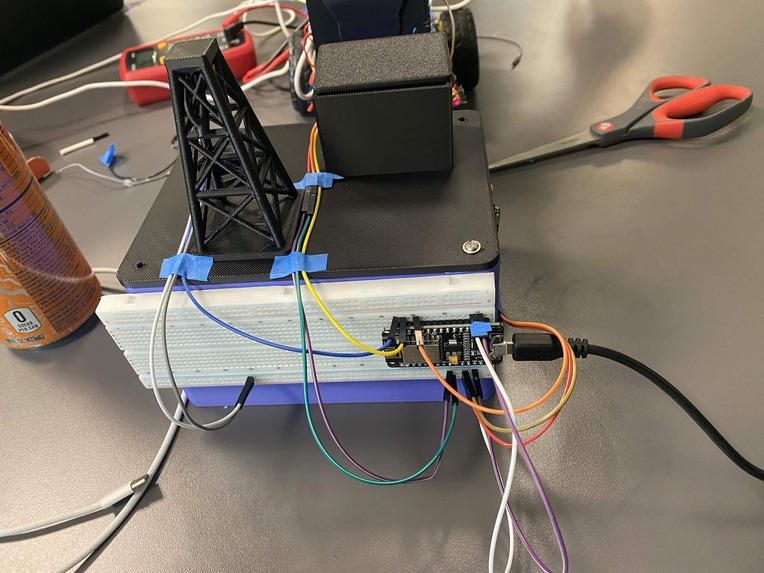
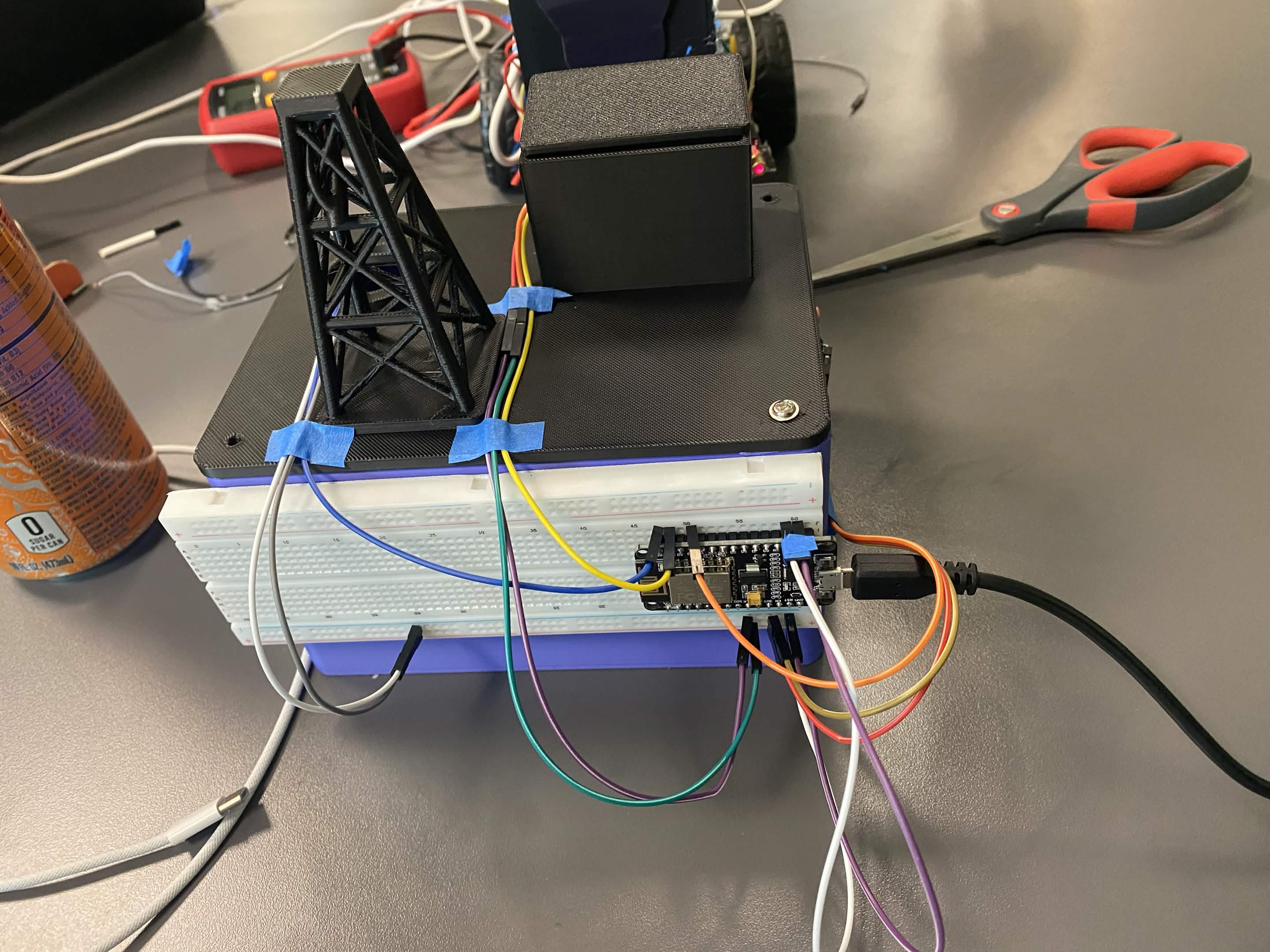
oil field model to replicate sensors and rover interaction
Privion is a unified cyber + physical site monitoring command center that integrates remote edge infrastructure, data center operations, and secure incident response. The platform addresses monitoring and security challenges across three operational domains.
For the EOG Resources track, Privion processes live operational telemetry from oil rigs and integrates an autonomous rover equipped with an ESP-CSI Wi-Fi sensing module. The rover navigates site perimeters, using RF wave signatures to detect physical anomalies such as saltwater leaks. The dashboard tracks pump statuses and tank capacities to evaluate operational risks and remediation costs. The reason we are using ESP-CSI is that regular sensors can fail to detect anomalies beneath walls, thick insulation, pipes etc and a lot of other noise, this helps with reducing redundancy.
For the NorthMark Compute & Cloud track, the platform manages data center infrastructure telemetry. It takes in edge data while monitoring local facility metrics, including power usage effectiveness, cooling efficiency, and water usage. The system filters routine operational noise to prevent missed warnings and maintains structured shift-handoff logs.
For the Winstead PC track, Privion provides an isolated, secure cyber incident response dashboard. It enforces role-based access control, defines asset compromise scope, maintains structured incident documentation, and provides encrypted real-time communications for incident command. Development challenges centered on establishing stable data transfer pipelines from the ESP-CSI rover to the backend software and filtering environmental radio frequency interference.
How we built it
For the hardware component, we built the rover using an Arduino Uno R4 and an ESP32, integrating a laser module and sensors to track environmental anomalies and transmit Wi-Fi Channel State Information (CSI). We wrote C++ for the rover's embedded control and Python for backend data ingestion and processing. For the website, we built the frontend user interface using HTML, CSS, and JavaScript.
What inspired us was while we kept working on both software and hardware we began to realize and see how useful, how well connected and layered this can be, this gave us further motivation to work on it even harder.
What we learnt while building this project was managing data transfer from the rover to our software, using Wi-Fi to detect discrepancies in an area and overall, better handling of hardware project building.
Some challenges we faced was, also, getting the data transfer (of the CSI logs) from the rover to the software and getting the Wi-Fi based ESP-CSI to work at all.


