-
-
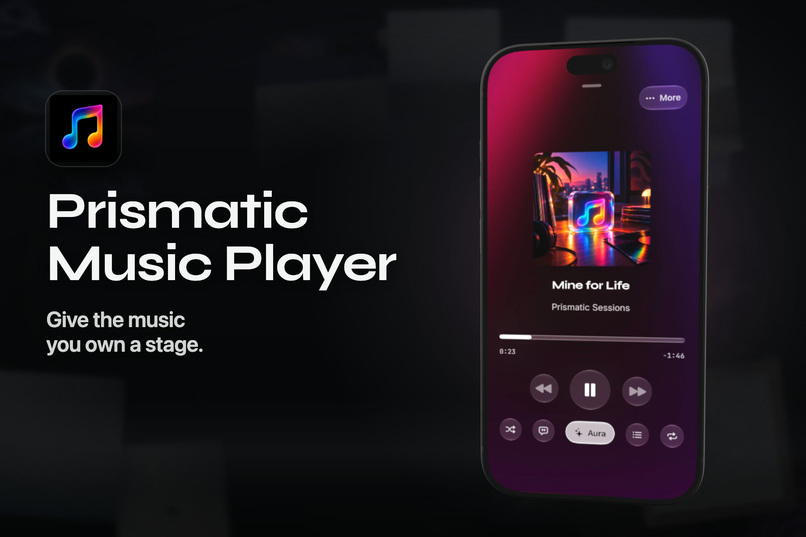
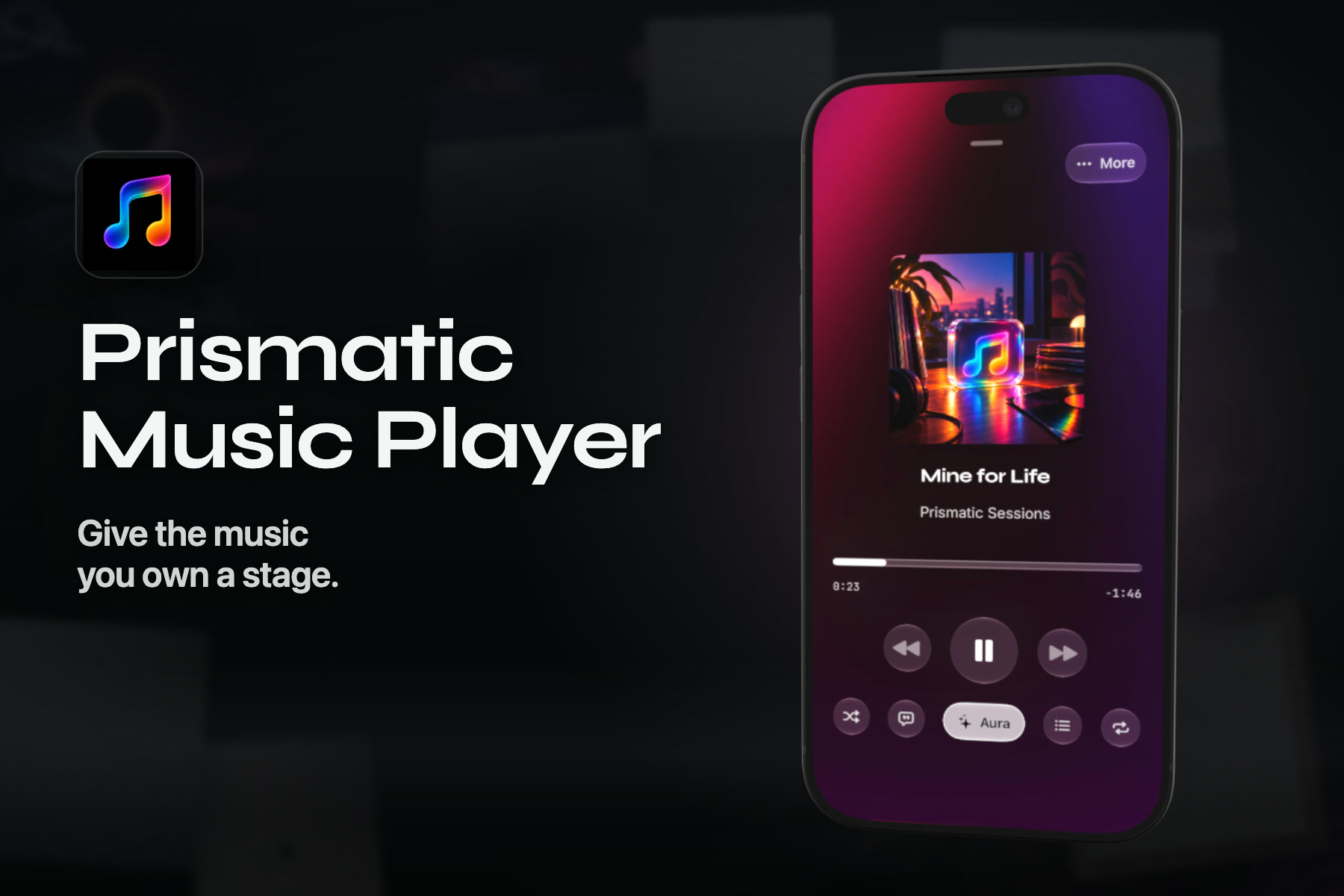
Prismatic Music Player: the music you own, fully offline, with a live performance for every song.
-
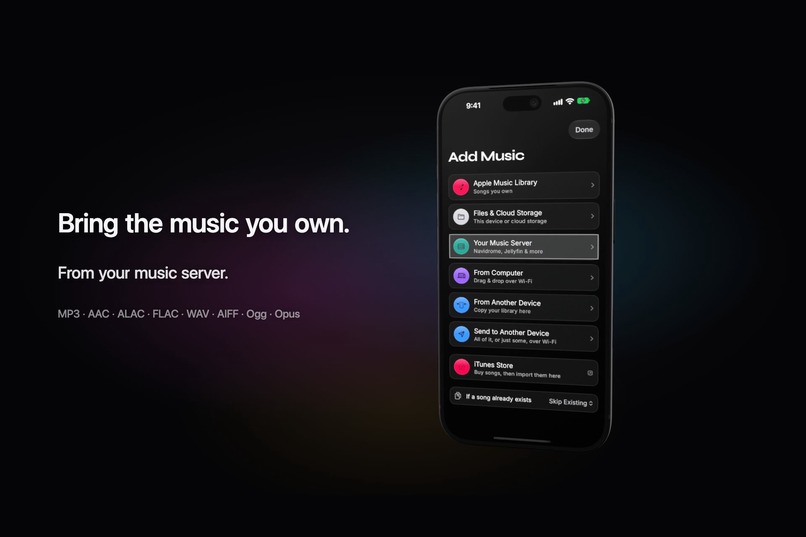
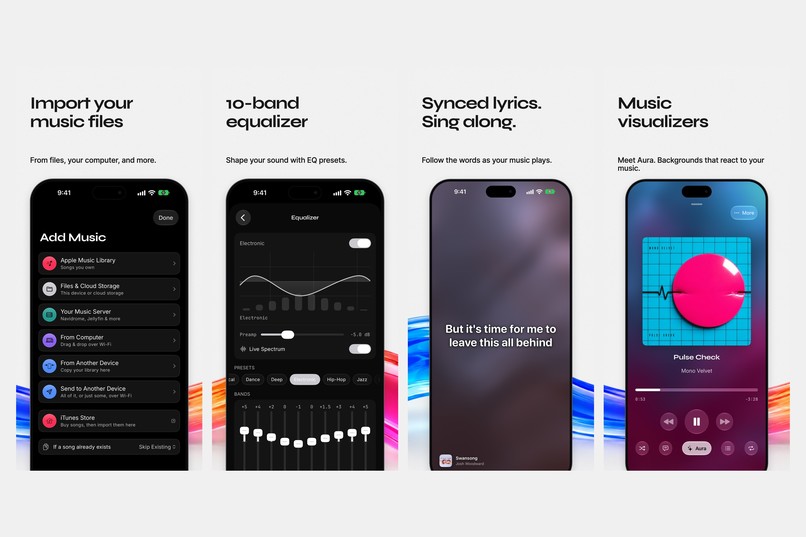
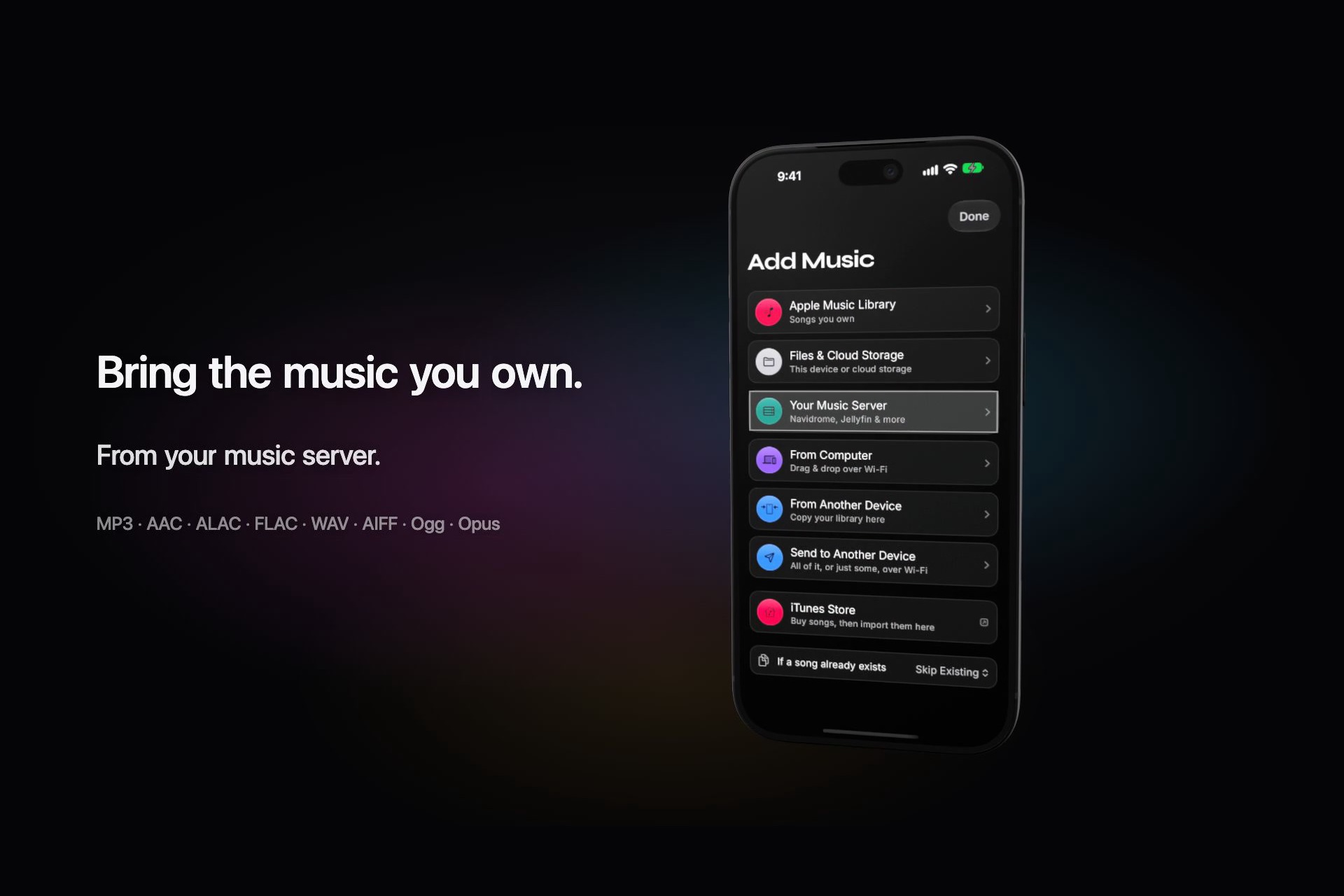
Bring the music you own: Files, your computer over Wi-Fi, your own music server or your old phone. FLAC, ALAC, MP3 and more.
-
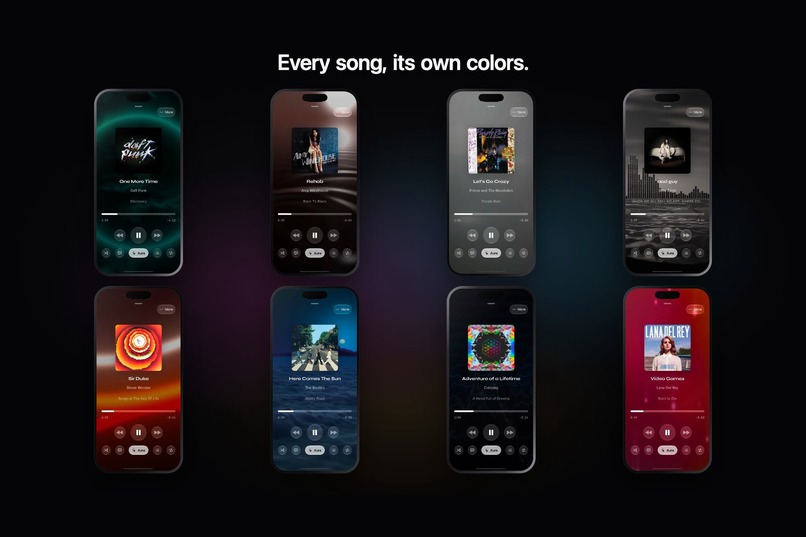
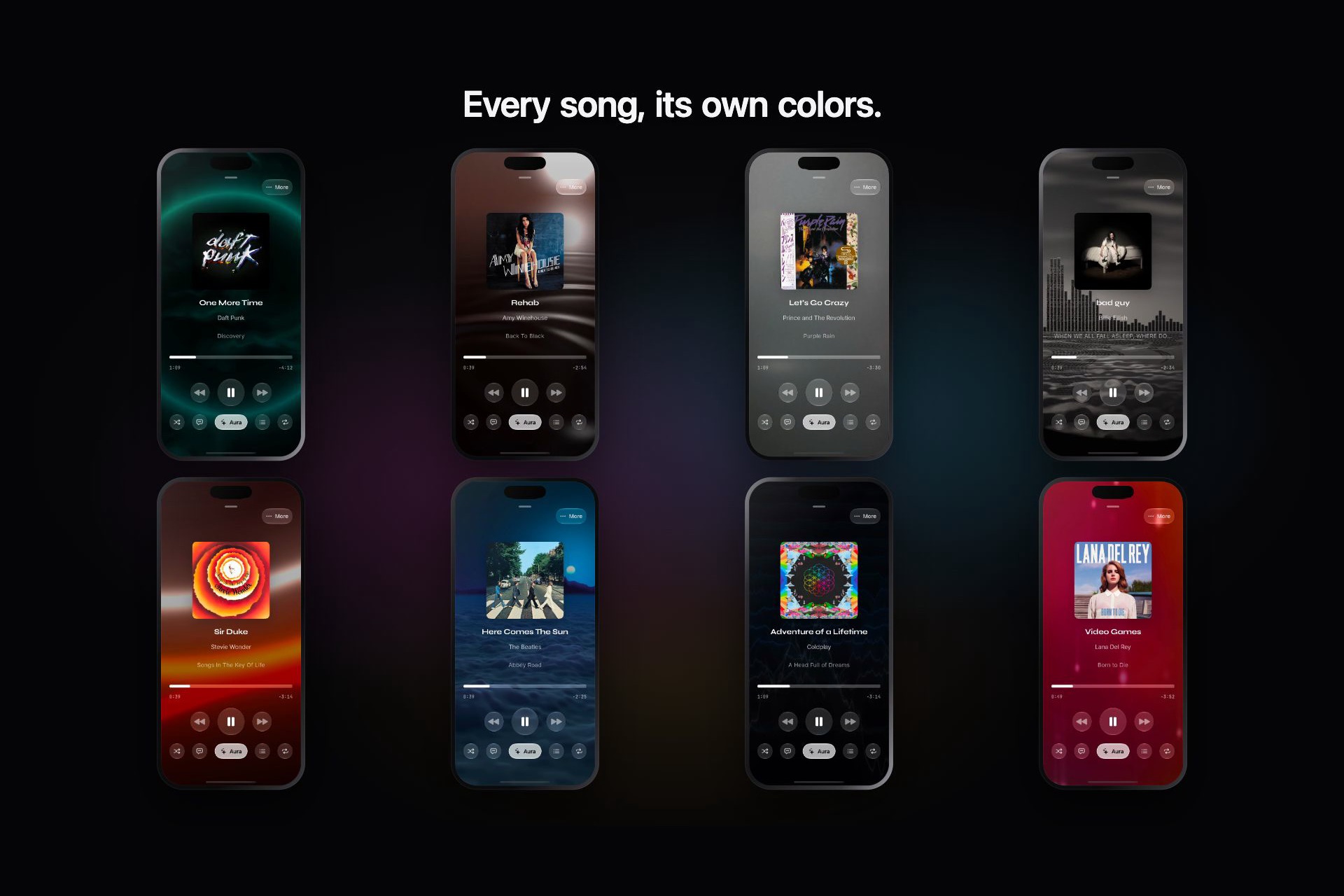
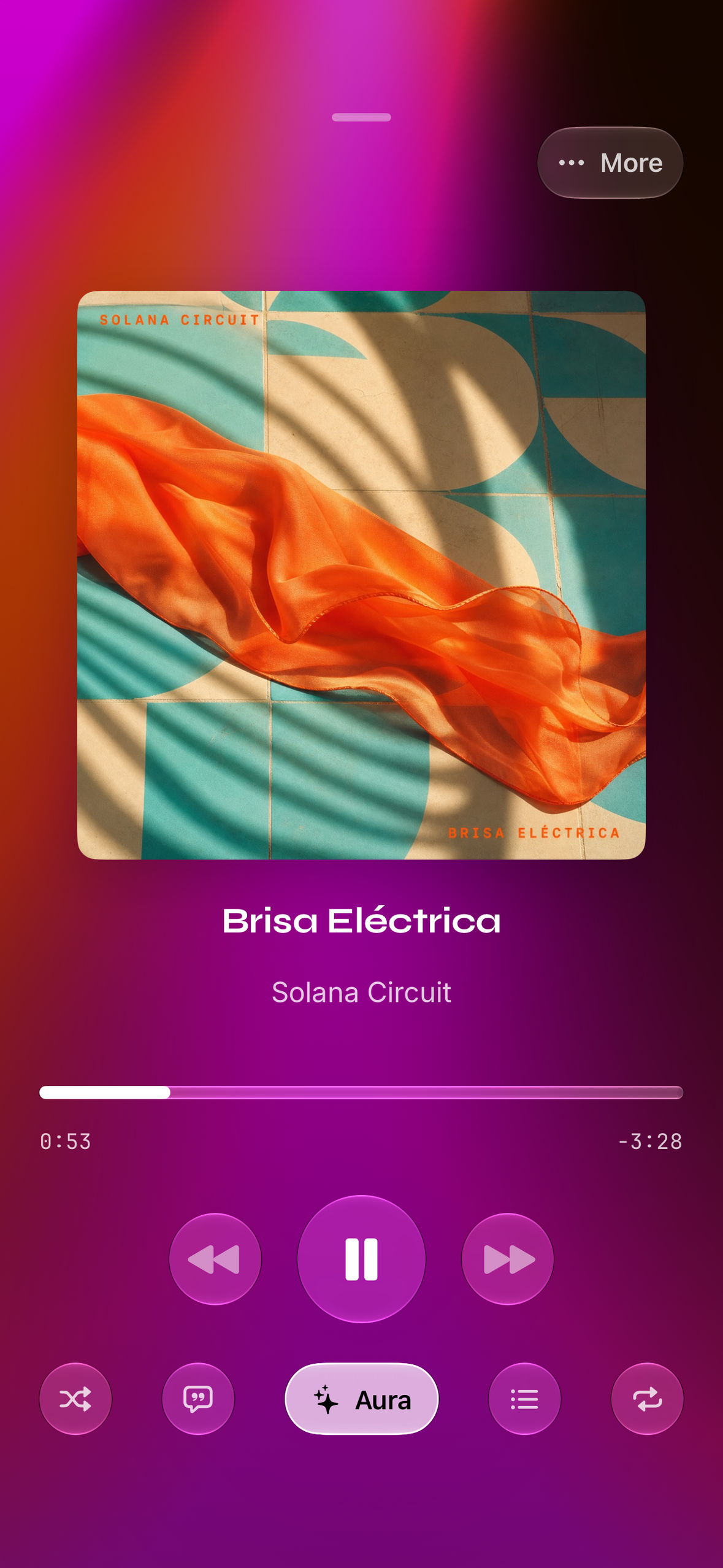
Every song, its own colors. Each aura takes its palette from the album art, so no two albums look alike.
-
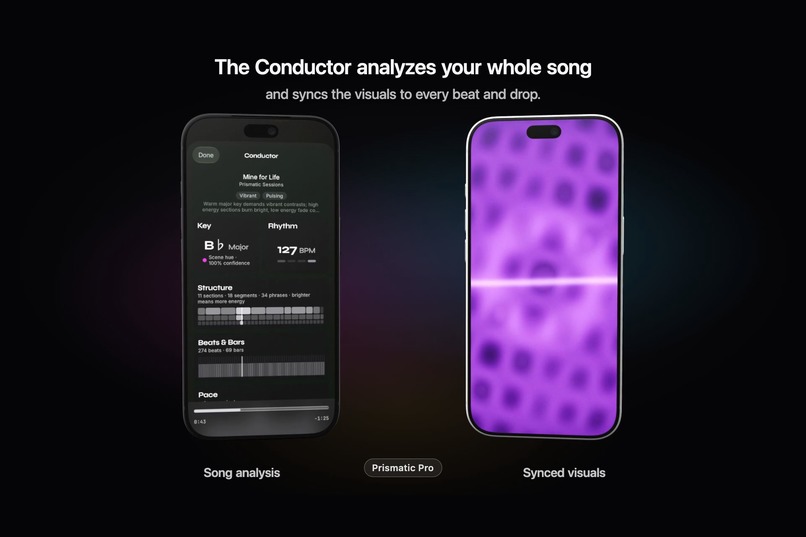
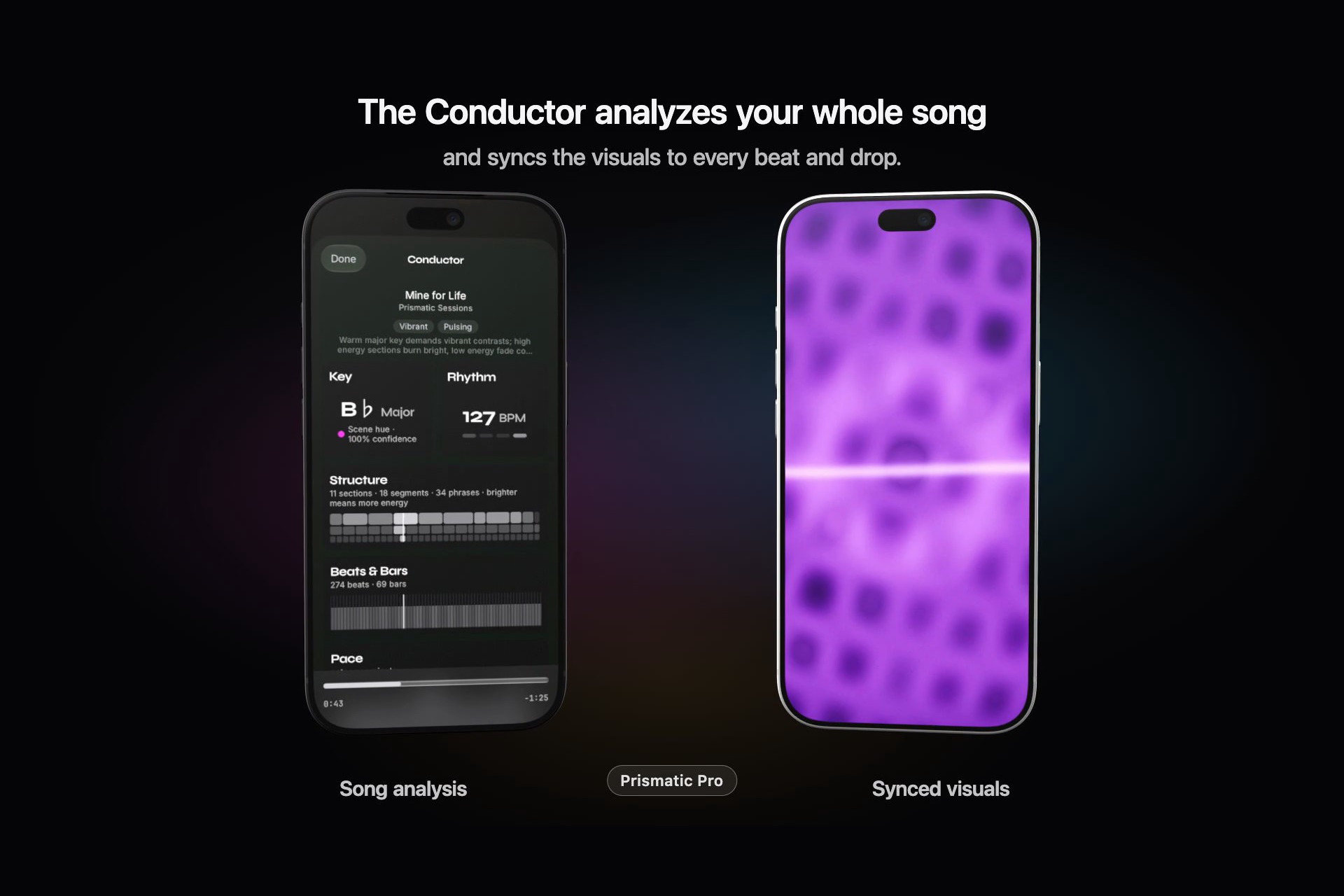
On iOS 27, the Conductor analyzes the whole song on device (key, tempo, sections, beats), so the visuals anticipate every drop.
-
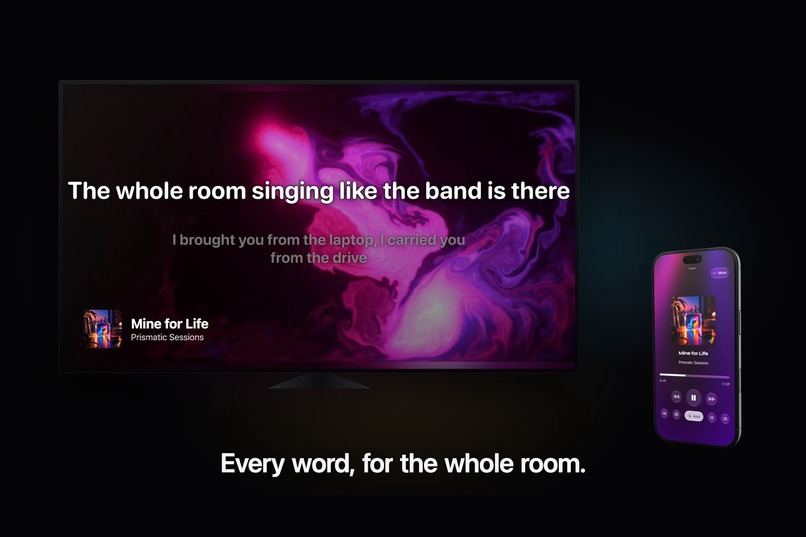
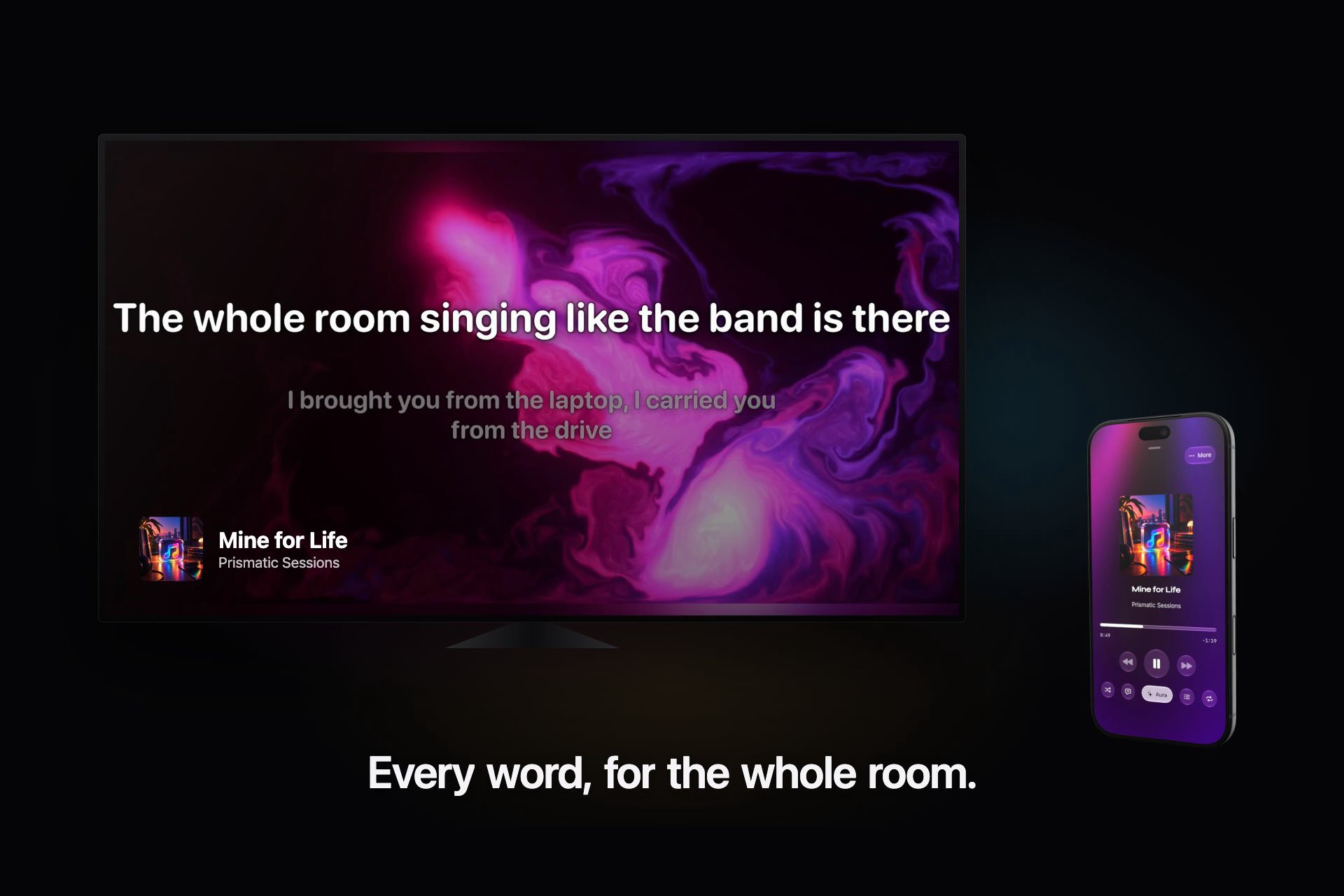
Cast to your TV: the aura, synced lyrics and artwork fill the room, and your iPhone becomes the remote.
-
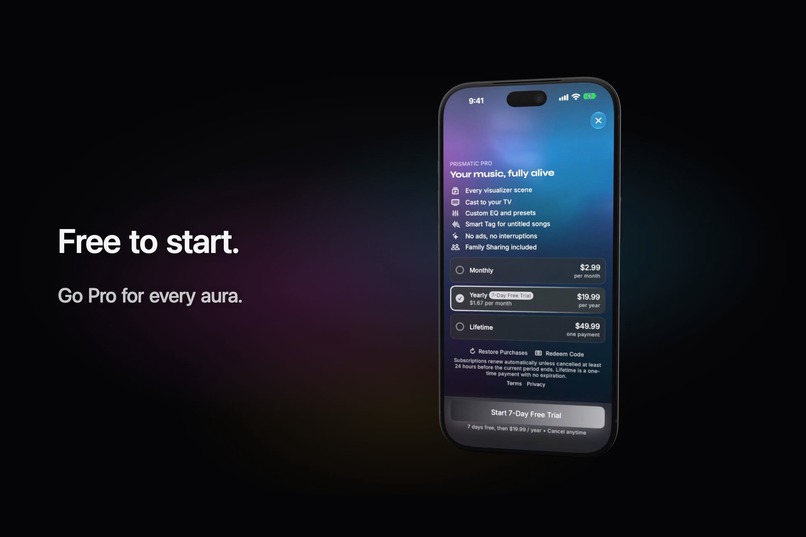
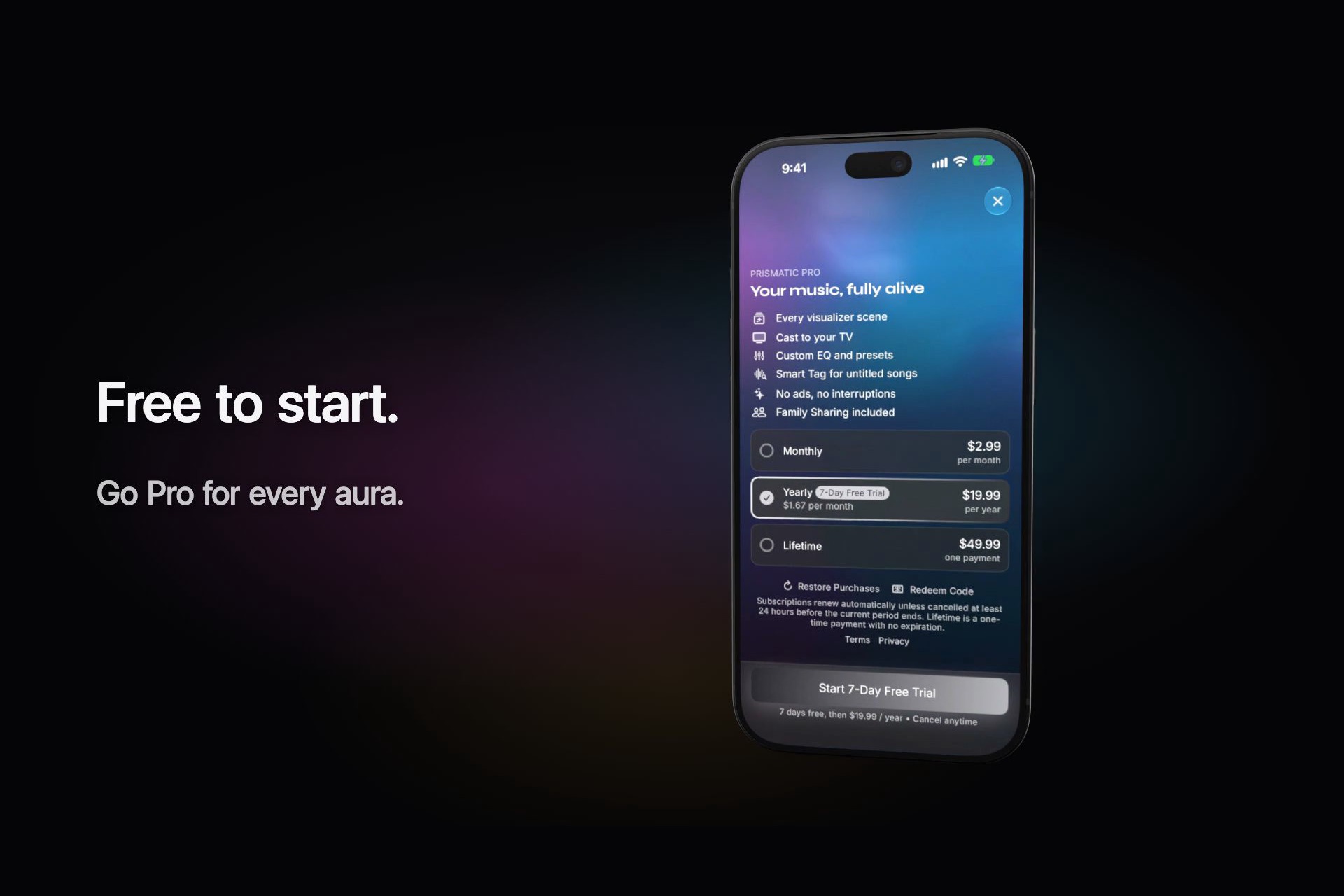
The paywall is part of the show. Tap a locked visualizer, and it becomes the backdrop, playing live to your song.
-
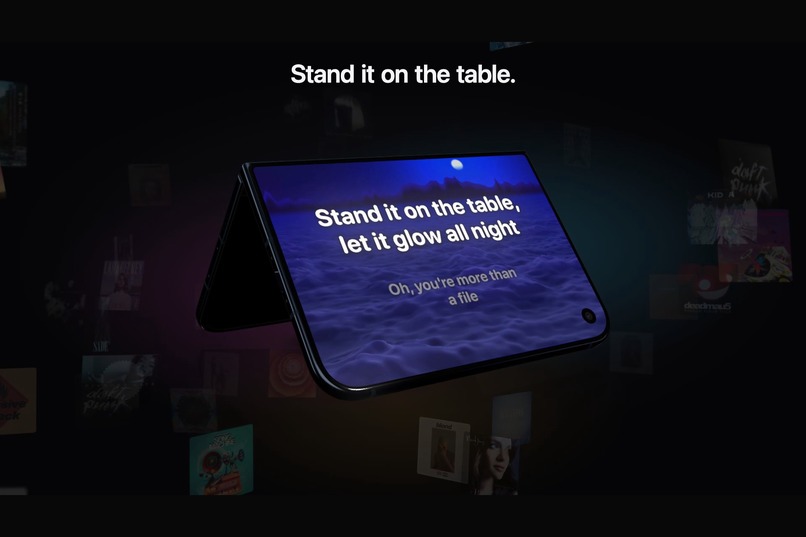
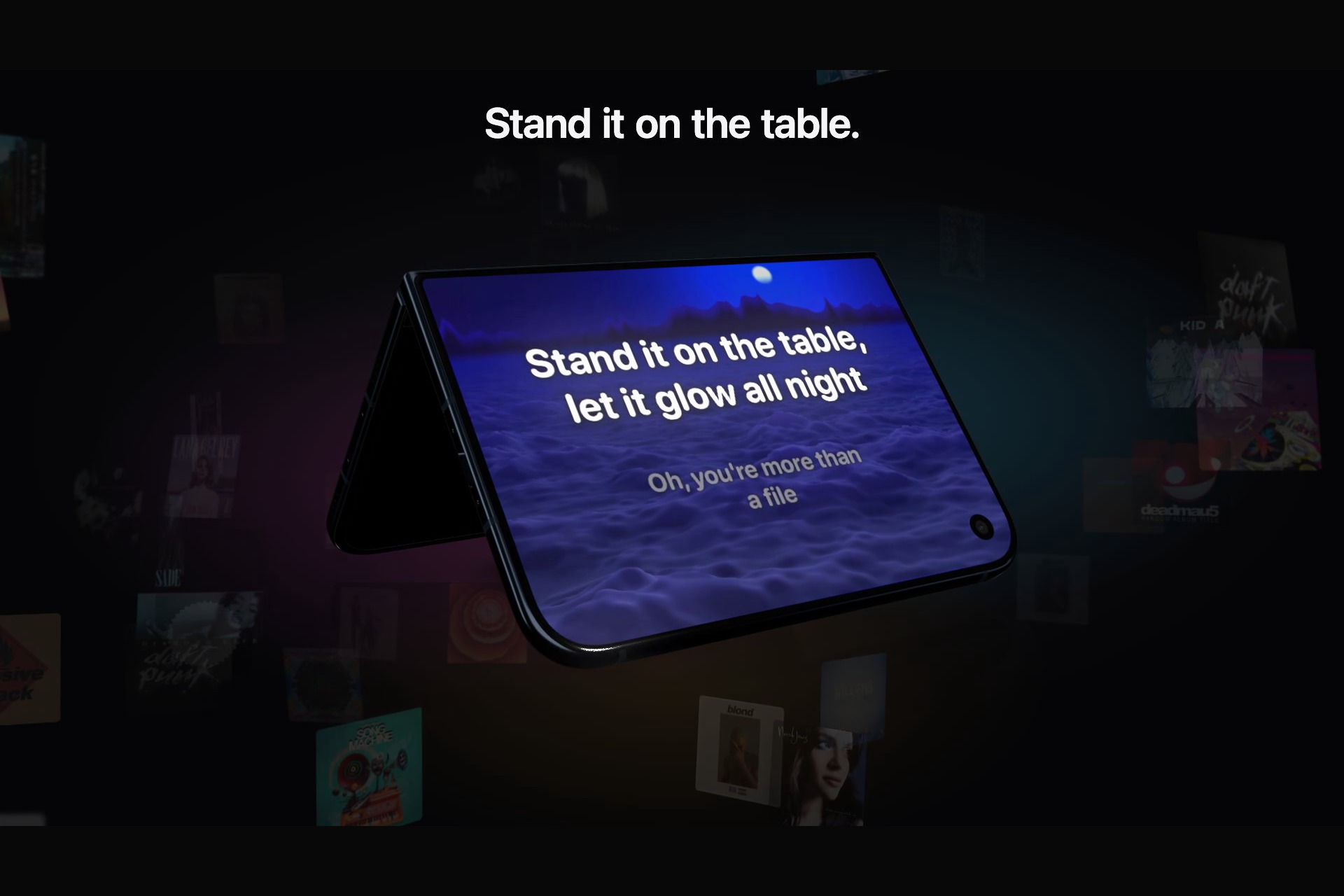
An early look at iPhone Duo: stand it up and it becomes an ambient display for the aura and lyrics. Full Duo support is next.
-
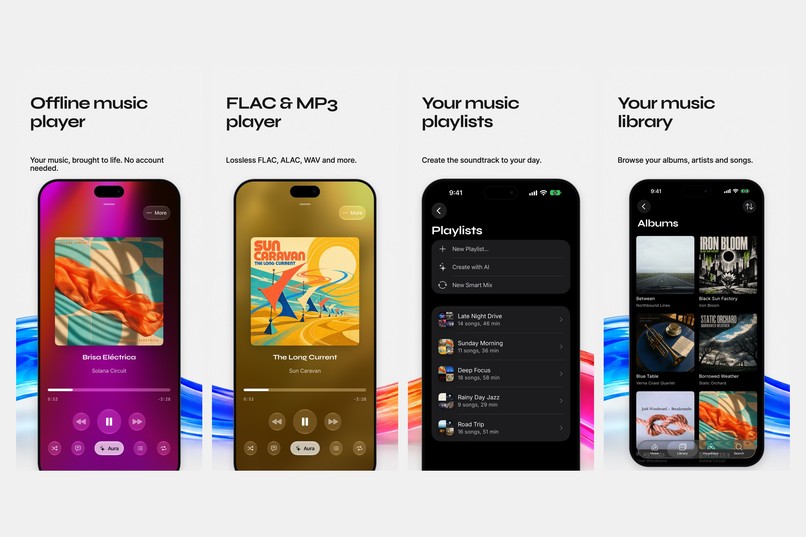
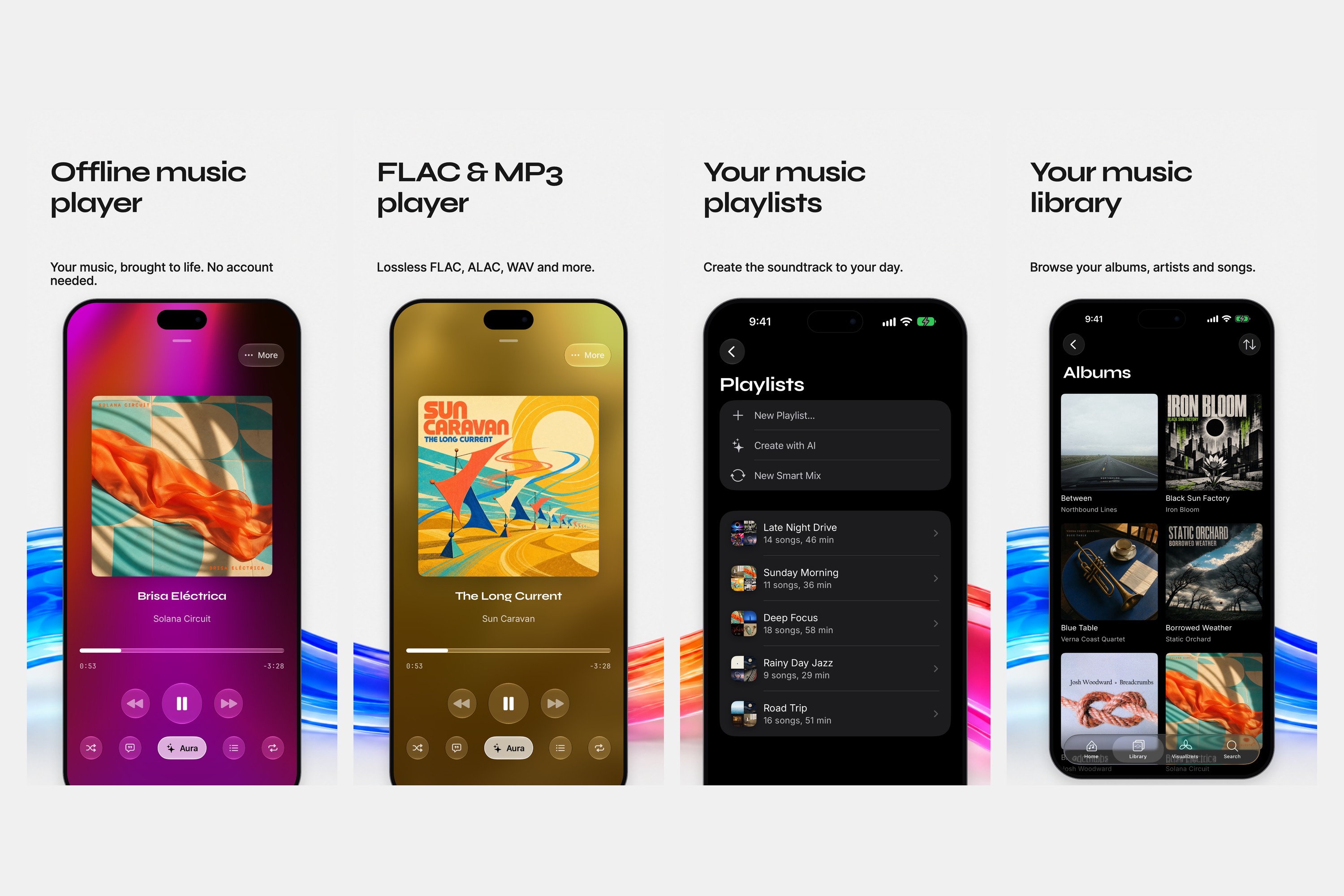
App Store Screenshots 1/2
-
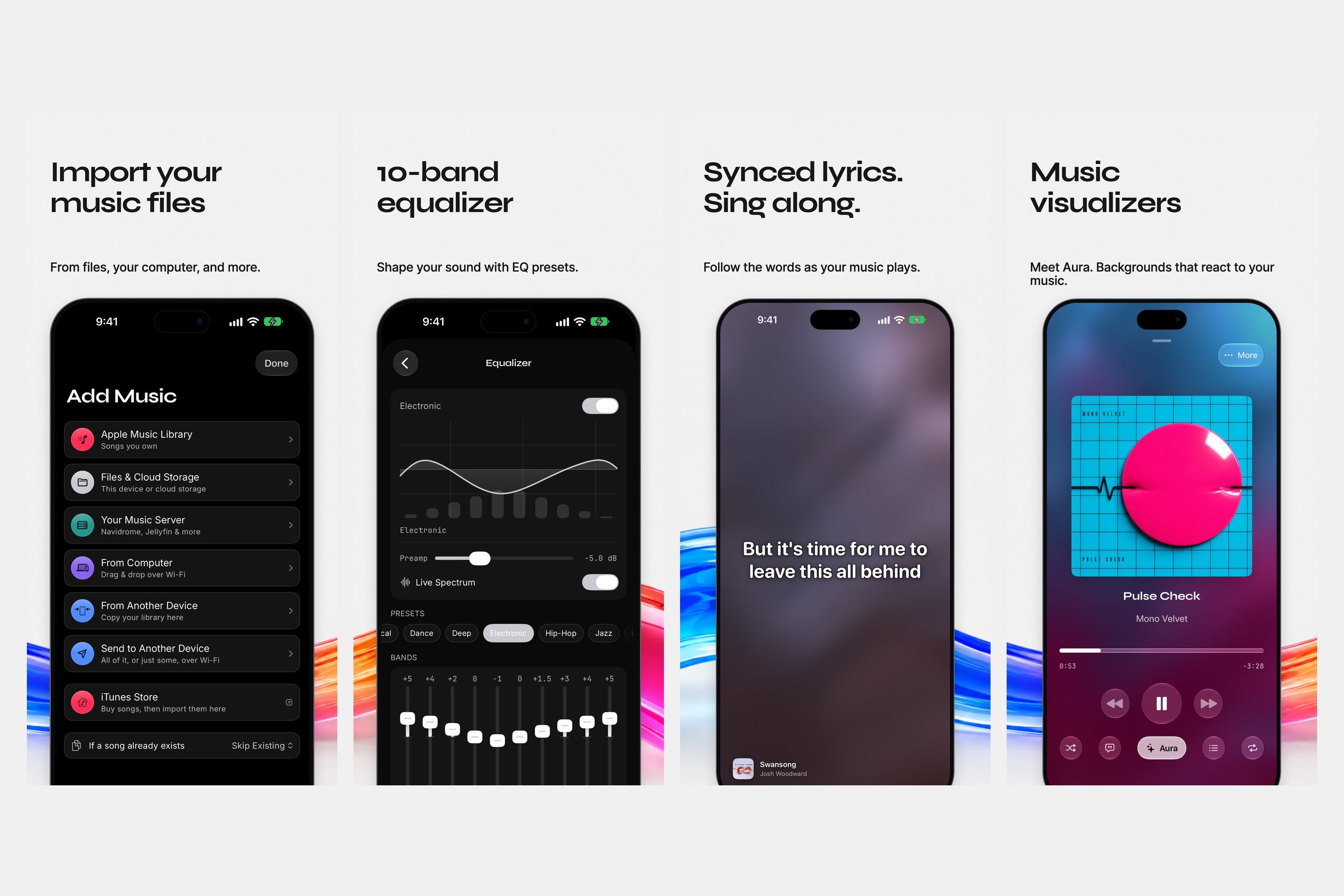
App Store Screenshots 2/2
-
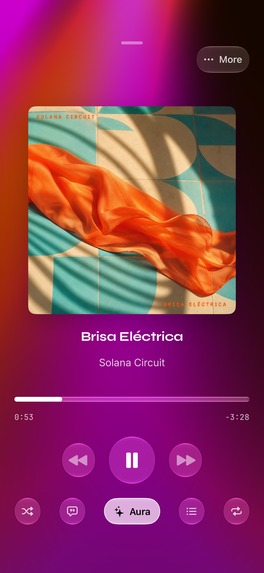
The full player: album art over a live aura, colored by the cover.
-
App Icon
Inspiration
Owning the music you love. Streaming is how I discover new music. But the albums that mean the most to me, I want to own. I've built my collection over my lifetime, from the original iTunes Store and straight from artist's stores. Owning an album means it stays yours, even when it disappears from a streaming catalog.
The apps for music you own haven't kept up, though. Streaming apps have animated artwork, synced lyrics and beautiful design. Offline players tend to be utilitarian: a list of files and a play button. I wanted to close that gap.
Music is more than a file. It's a performance. That belief is why I collect the music I love, and it's the idea behind Prismatic: every song deserves a stage that lifts the listening experience.
The last piece came at WWDC this year. Apple announced MusicUnderstanding, which lets an app analyze a whole song on the device: its sections, beats, key and energy. Visualizers have always reacted to the last few milliseconds of sound. With the whole song in view, they can anticipate. They build toward the chorus, pull back in the quiet parts and land the drop on the beat. That let me take the whole experience a level further.
What it does
Prismatic plays the music you own, fully offline, on iPhone and iPad.
- Bring your music from anywhere. Files, folders and AirDrop. Songs you own in your iPhone's music library. Your computer over Wi-Fi: drag songs into a browser tab. Your own Navidrome, Jellyfin, Emby or OpenSubsonic server. Or your old phone, playlists and play counts included. It plays MP3, AAC, ALAC, FLAC, WAV, AIFF, Ogg and Opus.
- A real player. Gapless playback, albums, artists and playlists, instant search, Up Next, an equalizer, synced lyrics, CarPlay, Siri, widgets and lock screen controls.
- Auras. Every song gets a live visual that reacts to the audio as it plays and takes its colors from the album art. It glows behind the player, goes full screen with lyrics, or casts to your TV.
- The Conductor (iOS 27). Prismatic analyzes the whole song before it plays. Instead of reacting a beat late, the visuals anticipate. They build into the chorus, hold through the breakdown and land the drop on the beat.
- AI playlists (iOS 27). Describe a mix and Prismatic builds it from your own library with Apple Intelligence.
- Insights. Your listening clock, streaks, decades and audio quality. All of it stays on your phone.
No music on hand? An empty library offers Try a Sample Song, a Creative Commons track that shows off the visuals.
How it makes money
The player is free: your whole library, playlists, search, the queue, lyrics, EQ presets, Insights and two auras. Free listening is supported by a single native ad in Search results, served through RevenueCat Ads. Ads never appear while music is playing.
Prismatic Pro costs $2.99 a month, $19.99 a year with a 7-day free trial, or $49.99 once for lifetime. It includes:
- every aura
- the Conductor
- AI playlists
- casting
- custom EQ
- every lyric style
- no ads
Family Sharing is on for every plan, lifetime included.
The paywall is part of the show. Tap a locked visualizer, and it becomes the paywall, playing live to the song you're listening to. It only appears when you reach for something Pro, never in the way of listening.
How I built it
I built Prismatic on my own. The rough scope:
- Audio: a native audio engine that analyzes the signal in real time (spectrum, beats, energy) alongside playback.
- Visuals: a growing collection of 10+ visualizers written as Metal shaders and rendered live every frame, colored from each song's artwork.
- Whole-song analysis: MusicUnderstanding runs on the device. The results are stored and read ahead of the playhead during playback. Older iOS versions fall back to real-time reactivity.
- Library: a full on-device music library. A database with instant search, imports from half a dozen sources and eight formats, lyrics, playlists and listening stats.
- Intelligence: on-device AI with Apple's Foundation Models for playlists.
- System integration: CarPlay, Siri and Shortcuts, widgets, Now Playing and casting.
- Payments: RevenueCat for subscriptions, lifetime purchases, offer codes and ad revenue.
It all runs on the phone. There's no account and no server holding your music.
Challenges I ran into
- The Apple Music wall. Most people's first instinct is to import from Apple Music. Streamed Apple Music songs are copy-protected, though, and can't be imported. At one point, 86% of people who opened that import had zero songs they could bring in. I rebuilt it to spot this instantly and point people to sources that work: Files, Wi-Fi from a computer, or a music server.
- Reacting to real music, not test tones. Detectors that look great on a drum loop barely fire on a real, mastered song. I built a collection of real songs and measured every visualizer against it before shipping.
Accomplishments that I'm proud of
- Shipped 1.0 on August 6 and a major 2.0 for iOS 27 on September 11, as one person, with the store listing in 23 languages.
- A 4.9-star rating.
- The Conductor: visuals that know when the drop is coming because they've already heard the song.
- A paywall that's a show in itself.
What I learned
- Activation is everything. People who import music on day one come back the next day at roughly three to four times the rate of people who don't.
- Ask when they reach for it. A paywall shown at app launch has never led to a sale. Paywalls that open when someone taps a locked aura, lyrics search or settings convert about three times better per viewer than the one in onboarding.
- People who own their music like to own their apps. Lifetime is about a fifth of purchases but nearly half of revenue.
- "Music app" means streaming to a lot of people. Some people download Prismatic without owning any music, expecting to play Apple Music or another streaming service. I'd love to support that, but streamed songs are copy-protected, which keeps their audio out of reach of apps like mine. Saying clearly, up front, that Prismatic is for the music you own matters as much as any feature.
What's next for Prismatic
iPhone Duo. The Duo changes shape, and so does the way we listen. Each pose suits a different moment, so each gets its own layout:
- Closed: a player that fits one hand on the go.
- Tent mode: stand it on a desk or nightstand and it becomes an ambient display, with the aura and lyrics simply playing.
- Opened up: room for the artwork, lyrics and what's next all at once.
There's an early look at 1:08 in the demo video.
Built With
- metal
- revenuecat
- swift
- swiftui


Log in or sign up for Devpost to join the conversation.