-
-
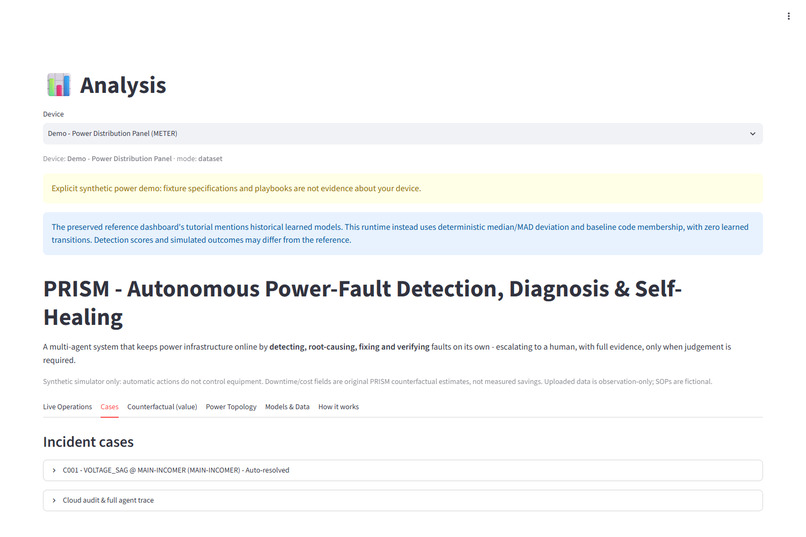
Analysis and telemetry
-
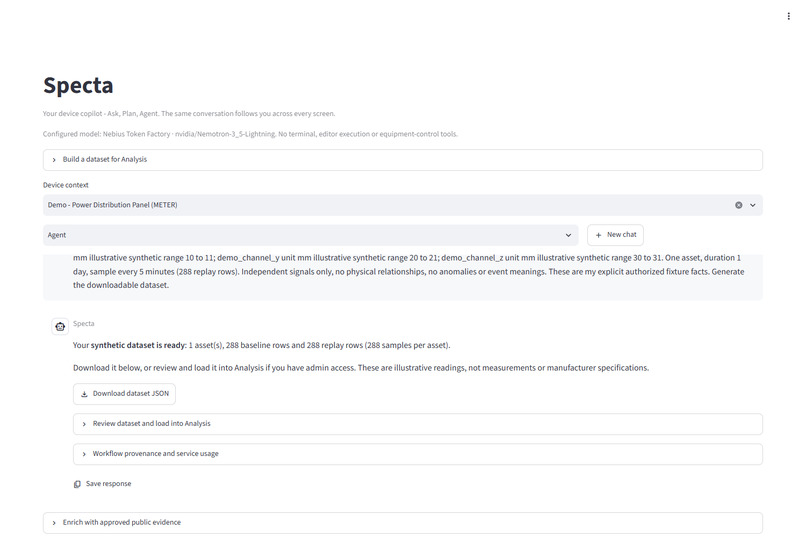
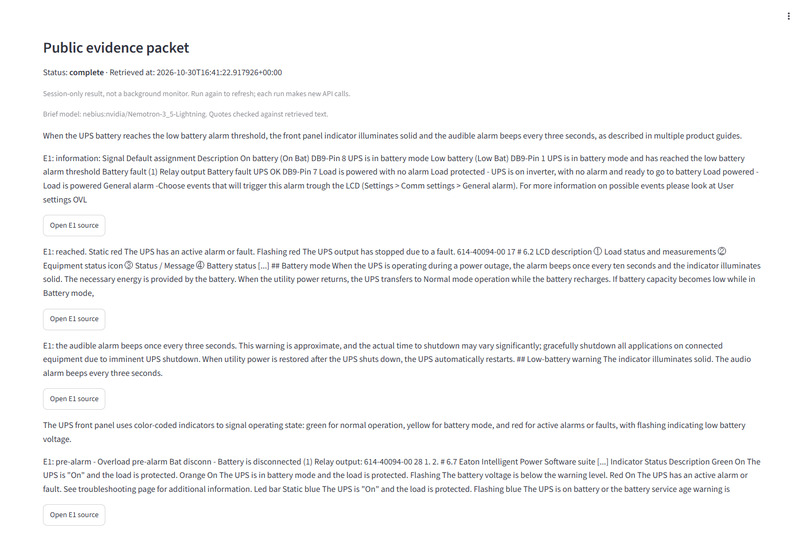
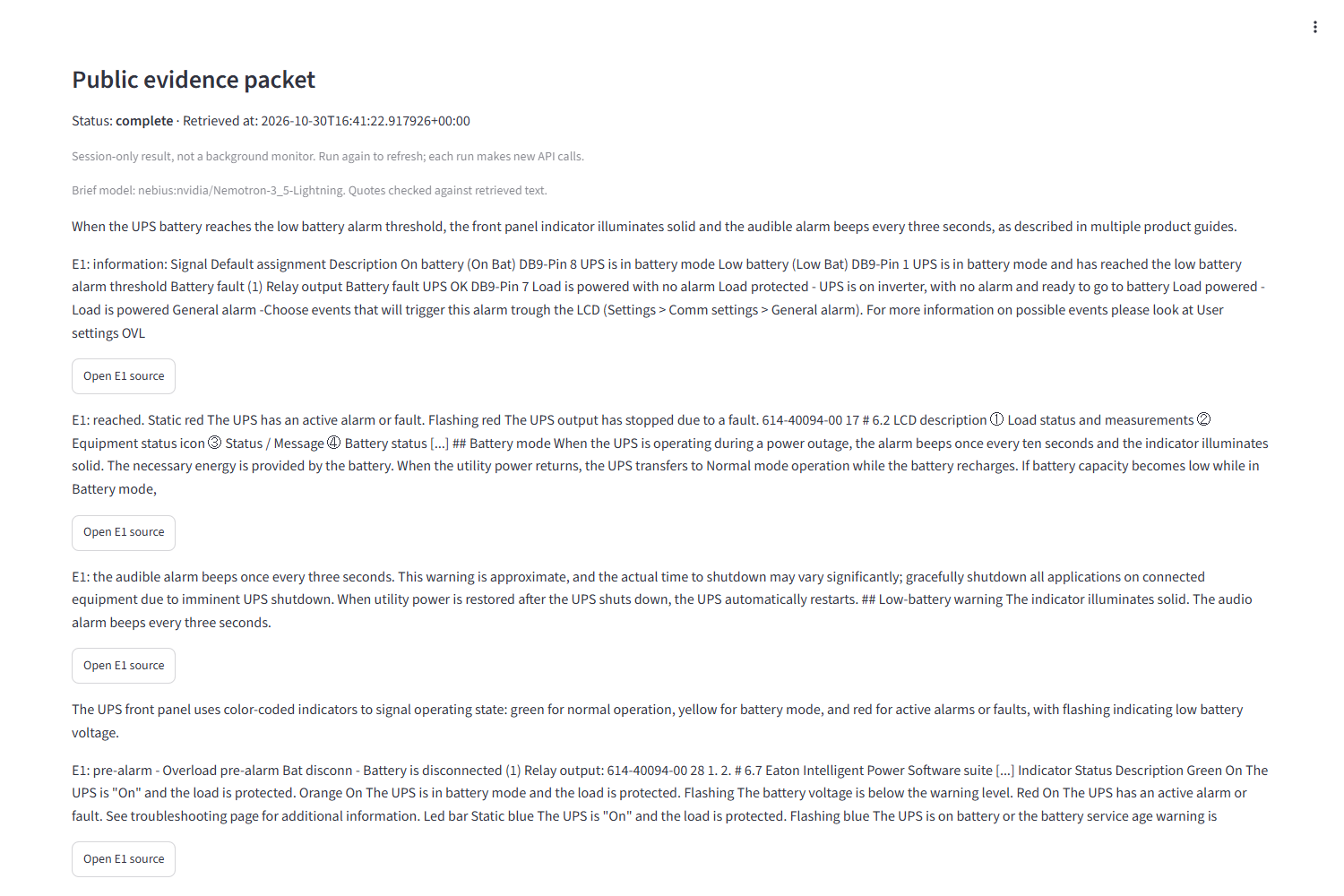
Public research with cited evidence
-
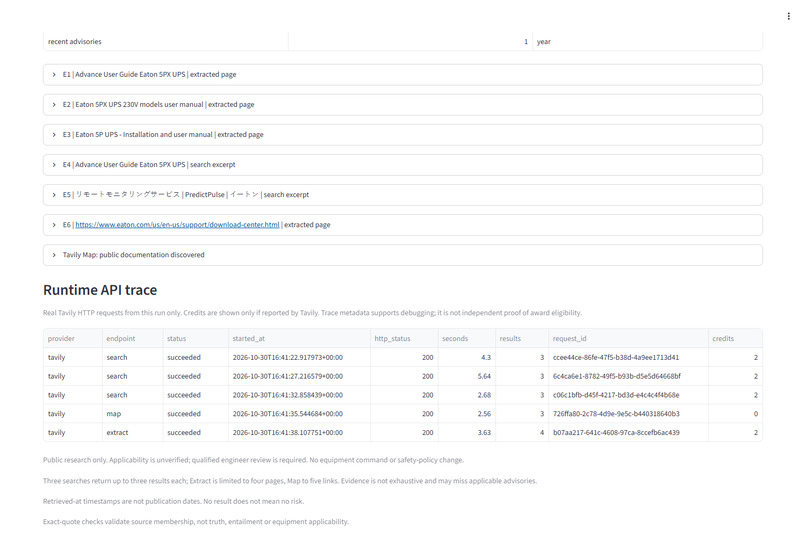
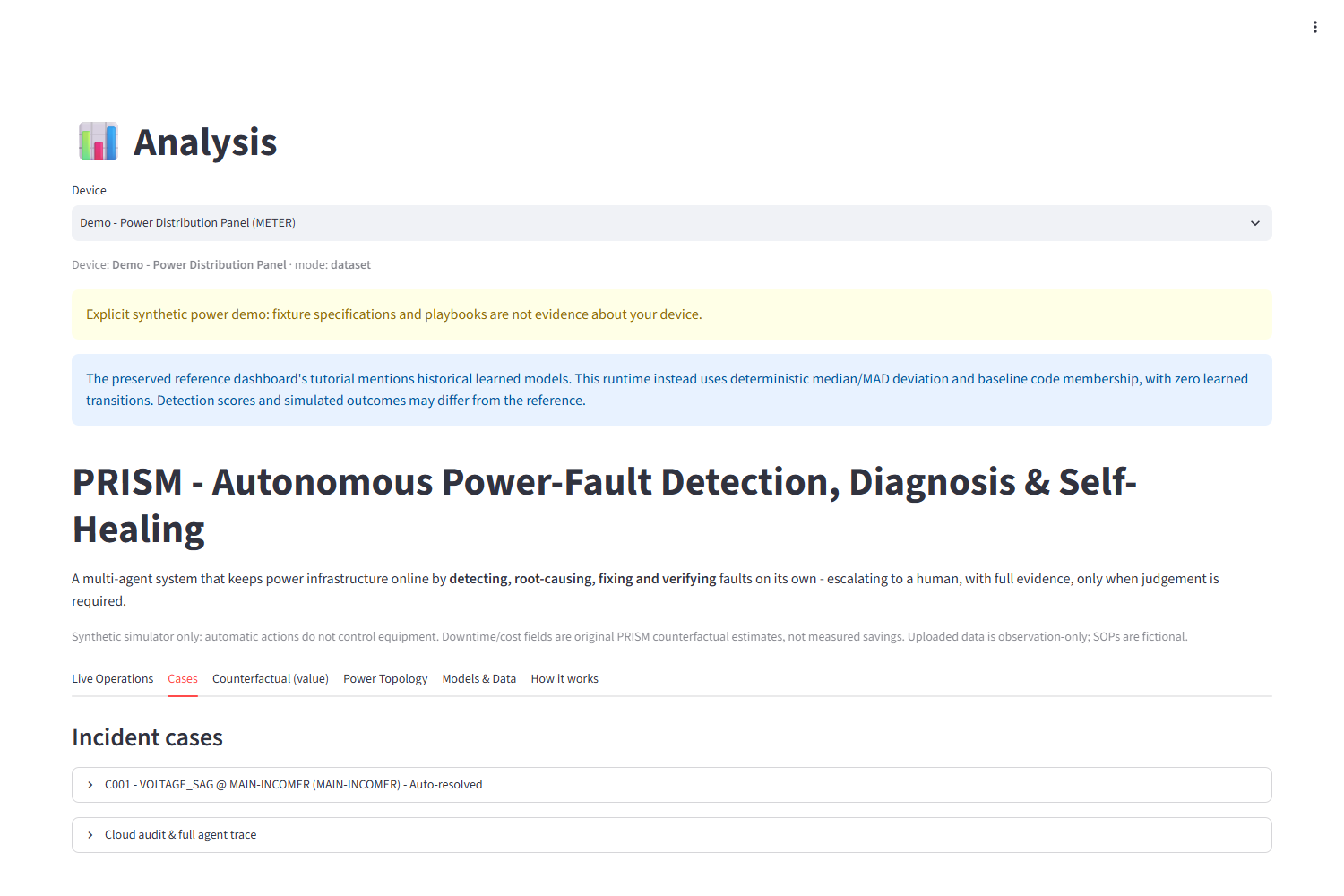
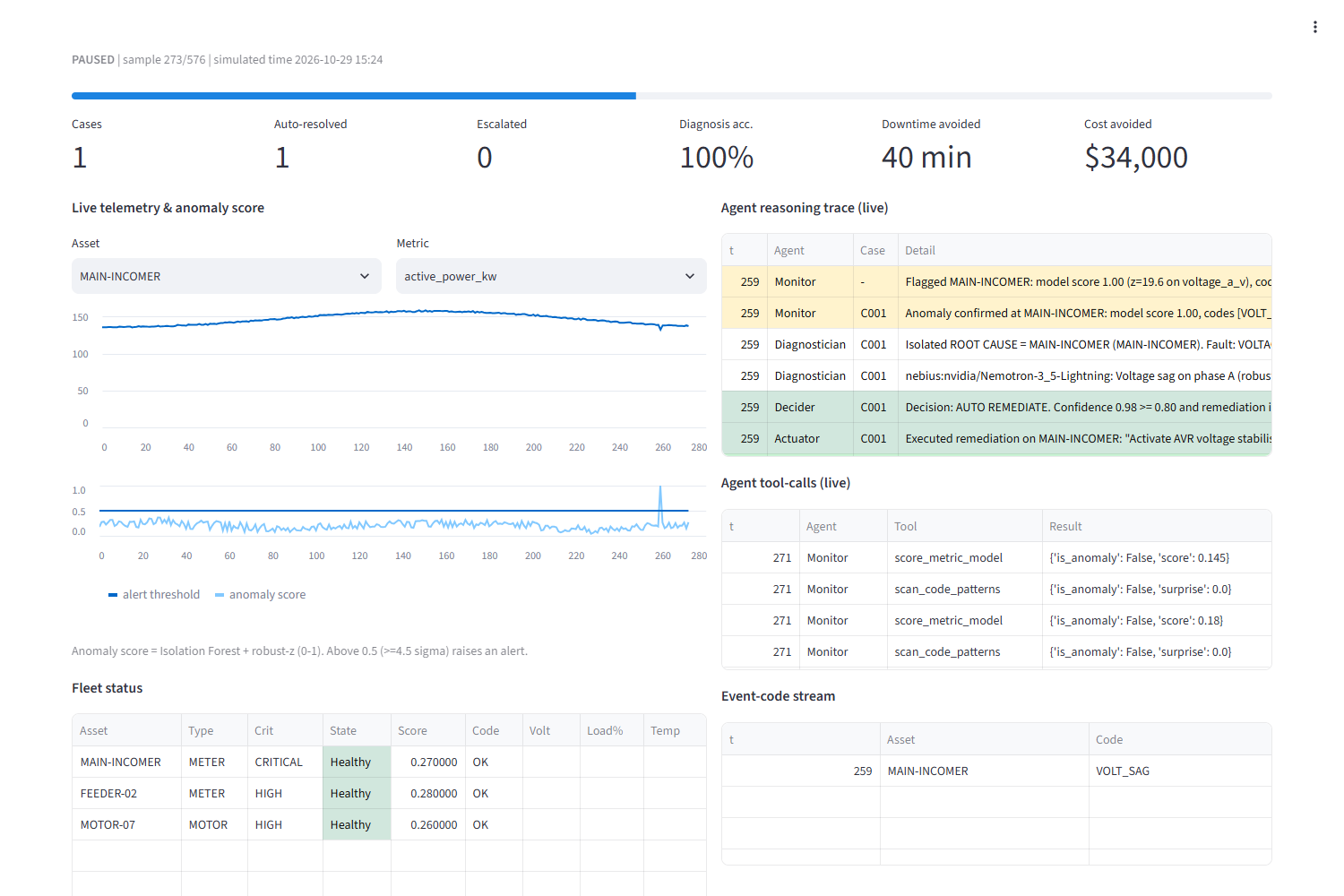
Incident case
-
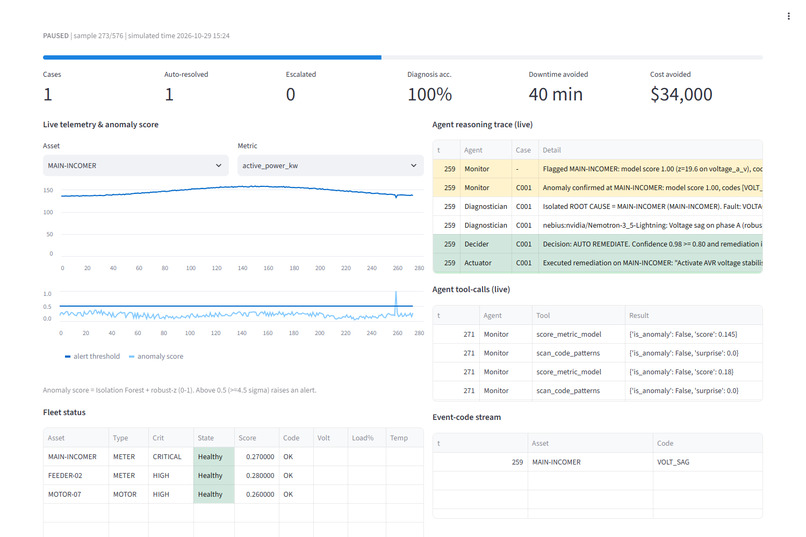
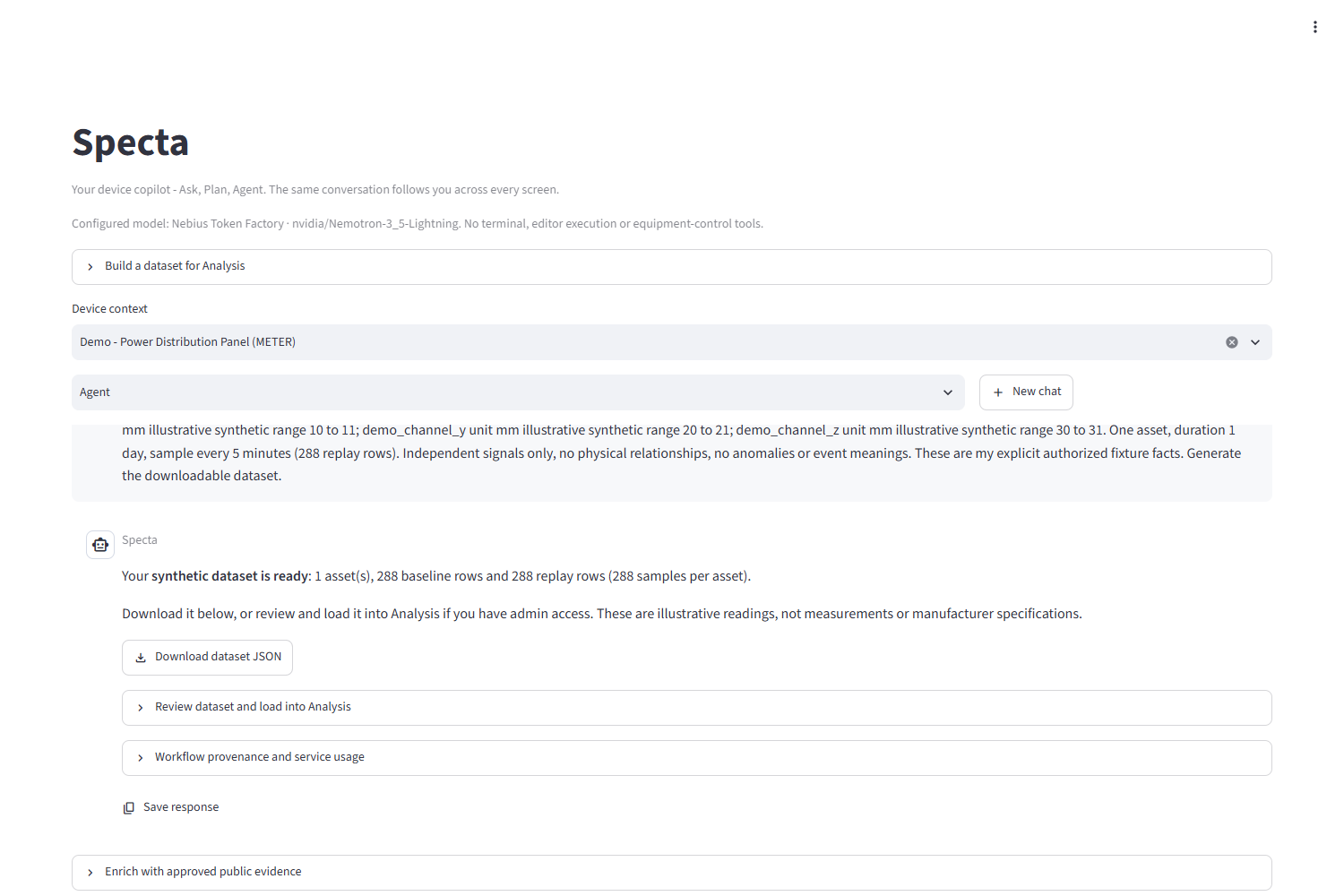
Specta dataset generation
-
-
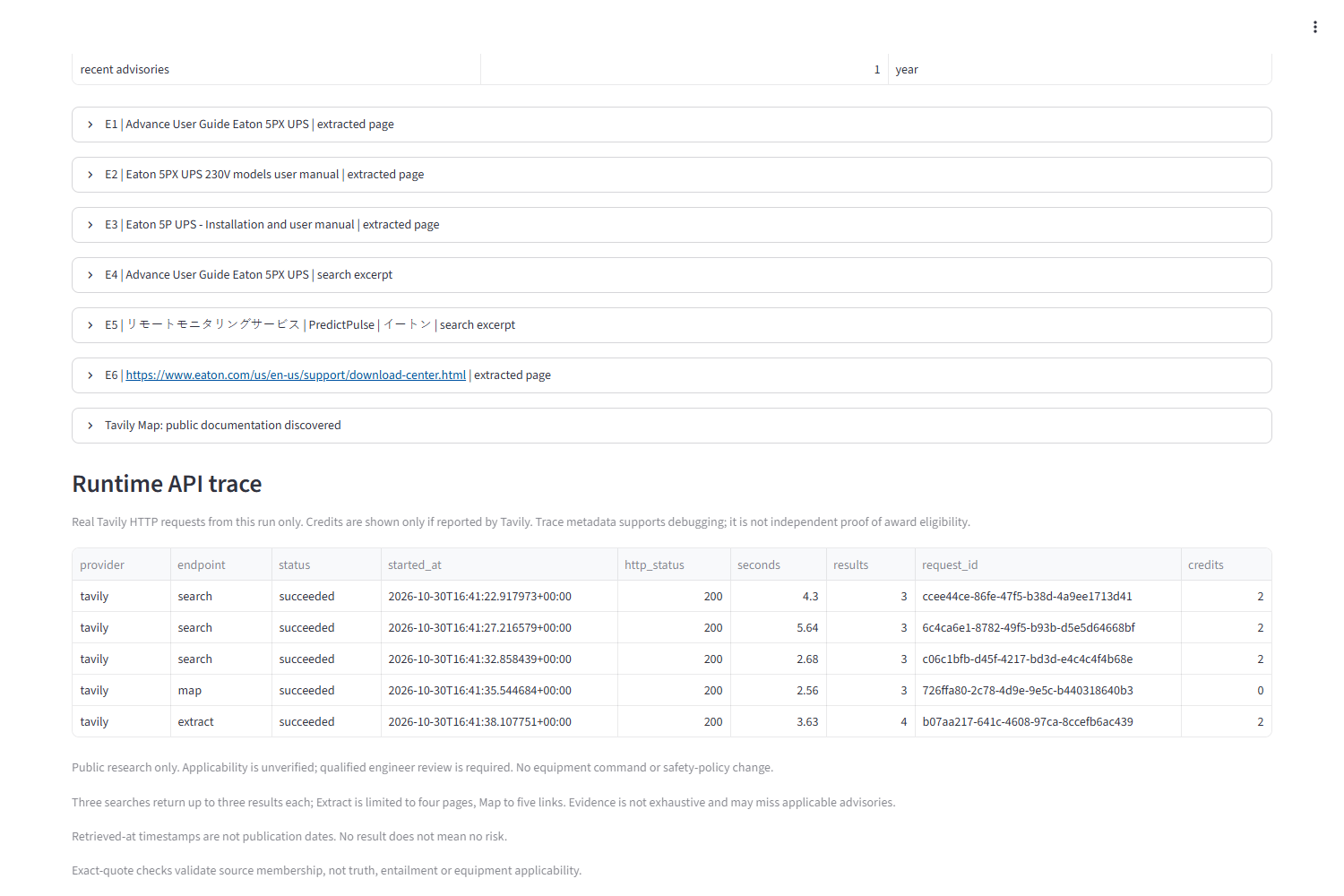
Successful Tavily API trace
Inspiration
Industrial alarms tell engineers that something changed—not what caused it, which documentation applies, or what to do next. Critical evidence is scattered across telemetry, manuals, device code, and public advisories.
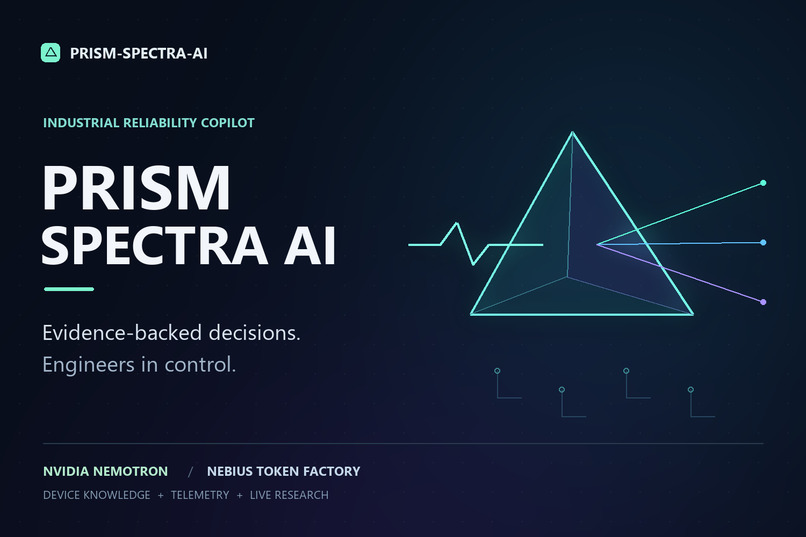
We built Prism-Spectra-AI to connect that evidence in one workspace: from alarm to an informed decision, with engineers in control.
What it does
Prism-Spectra-AI is an industrial reliability copilot organized around five stages: Monitor → Diagnose → Decide → Act → Verify.
- Analyzes synthetic, uploaded, or read-only REST telemetry.
- Uses device-specific documents and NVIDIA Nemotron to support incident investigation.
- Provides Specta, a conversational assistant for device questions, monitoring plans, and synthetic datasets.
- Uses Tavily Search, Map, and Extract to gather current public documentation and advisory evidence.
- Prepares review-only work-order drafts and supports sandbox demonstrations—not real equipment commands.
Unlike a generic chatbot, it connects operational observations, device knowledge, source evidence, and a reviewable engineering handoff.
How we built it
NVIDIA Nemotron-3.5-Lightning through Nebius Token Factory powers diagnosis and assistant generation. Qwen3-Embedding-8B on Token Factory supports device-scoped retrieval.
LangChain orchestrates workflows; LangSmith records metadata-only traces without prompts or device text. Tavily adds consent-based public research, separate from private device knowledge.
The Python/Streamlit application runs on Google Cloud Run with Firestore persistence. Structured schemas, source-membership checks, and deterministic policy gates make outputs inspectable.
Challenges and what we learned
Reliable industrial AI requires more than fluent answers. We addressed reasoning-token exhaustion, structured-output failures, citation errors, and hosted download routing.
We learned to separate reasoning from repetitive field extraction, require explicit dataset sampling settings, and distinguish optional display labels from operational facts. Missing device information should trigger clarification—not invented specifications.
Source checks improve traceability; they do not prove engineering correctness.
Accomplishments
We deployed a working application and passed 259 regression tests and 134 integration checks.
Published-server tests generated monitoring plans containing 54 fabricated parameter IDs, including 18 time fields with documented units, at 60-second polling. Separate dataset tests produced 54 metrics and exactly 288 replay rows for one day at five-minute sampling.
These demonstrate tested functionality—not production accuracy or measured downtime savings.
Existing project and hackathon work
This submission significantly extends an existing reliability prototype. Hackathon work includes the Nebius/Nemotron inference path, Token Factory embeddings, Tavily research, conversational generation workflows, metadata-only observability, and deployment hardening.
What's next
Pilot with authorized industrial data, evaluate diagnoses against engineer-reviewed cases, and add durable shared artifact storage for multi-instance deployment.

Log in or sign up for Devpost to join the conversation.