-
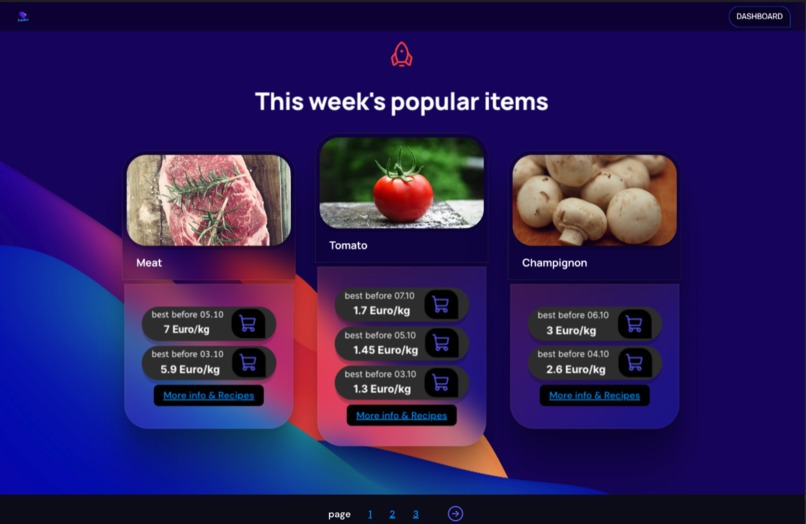
prototype
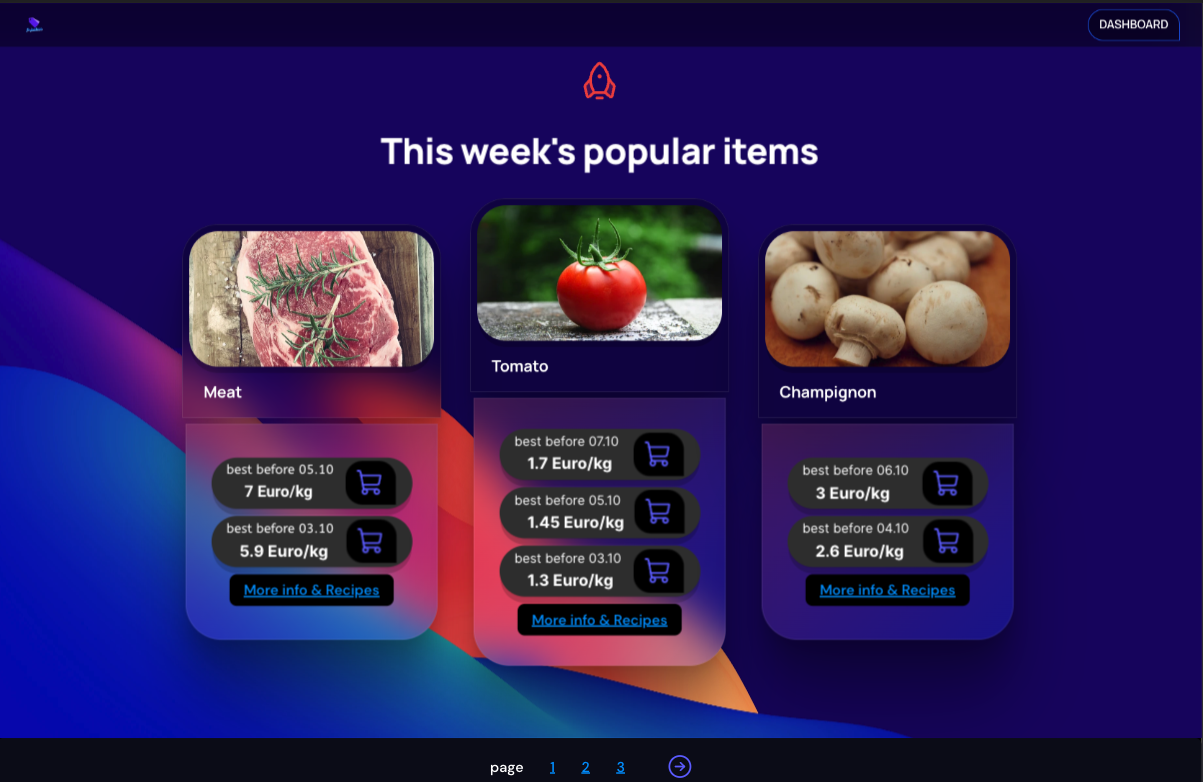
Inspiration
In the food sector in Germany, around 500.000 tons of food are thrown away every year. This is a problem that urgently needs a solution. Taking into account the fact that more people are not able to afford food due to inflation and rising prices, we also aim to help people afford basic groceries while at the same time combat food waste problems.
What it does
It predicts an optimal price for a product that minimises food waste. The price decreases when for example, the product will expire soon. This way, supermarket has a way of selling soon-to-expire products and people could buy them at a cheaper price.
How we built it
We used reinforcement learning to build our model. The model aims to sell as many products as possible (to reduce food waste) by finding an optimal price. We had to balance economic and environmental goals, to avoid the model from just setting the price to 0, bankrupting the supermarket in the process. We also modelled a customer profile to test our model.
Challenges we ran into
It was our first time implementing a reinforcement learning model, which is quite different from other machine learning algorithms. We needed to build an environment for RL.
Accomplishments that we're proud of
Successfully implementing our RL model and modelling customer behaviour.
What we learned
We learned how to work in a team with everyone being away from each other. We also learned how to use RL algorithm and implementing it in Python.
What's next for PriceLess
The next step would be implementing the model with a real grocery store and improve the algorithm. We will also build a pipeline for a seamless process between processing data, getting optimal prices and displaying them in the online shop.


Log in or sign up for Devpost to join the conversation.