Inspiration
The idea for PriceIt came from a real-world experience. My father went to purchase a grocery, only to realize later that he had paid a massive price for an item which was listed at a much lower price in a neighboring stores.
It became instantly clear that both domestic and international markets penalizes everyday consumers for not having real-time price signals. Driven by the desire to level the playing field and bring transparent prices to everyone's fingertips, PriceIt was born.
What It Does
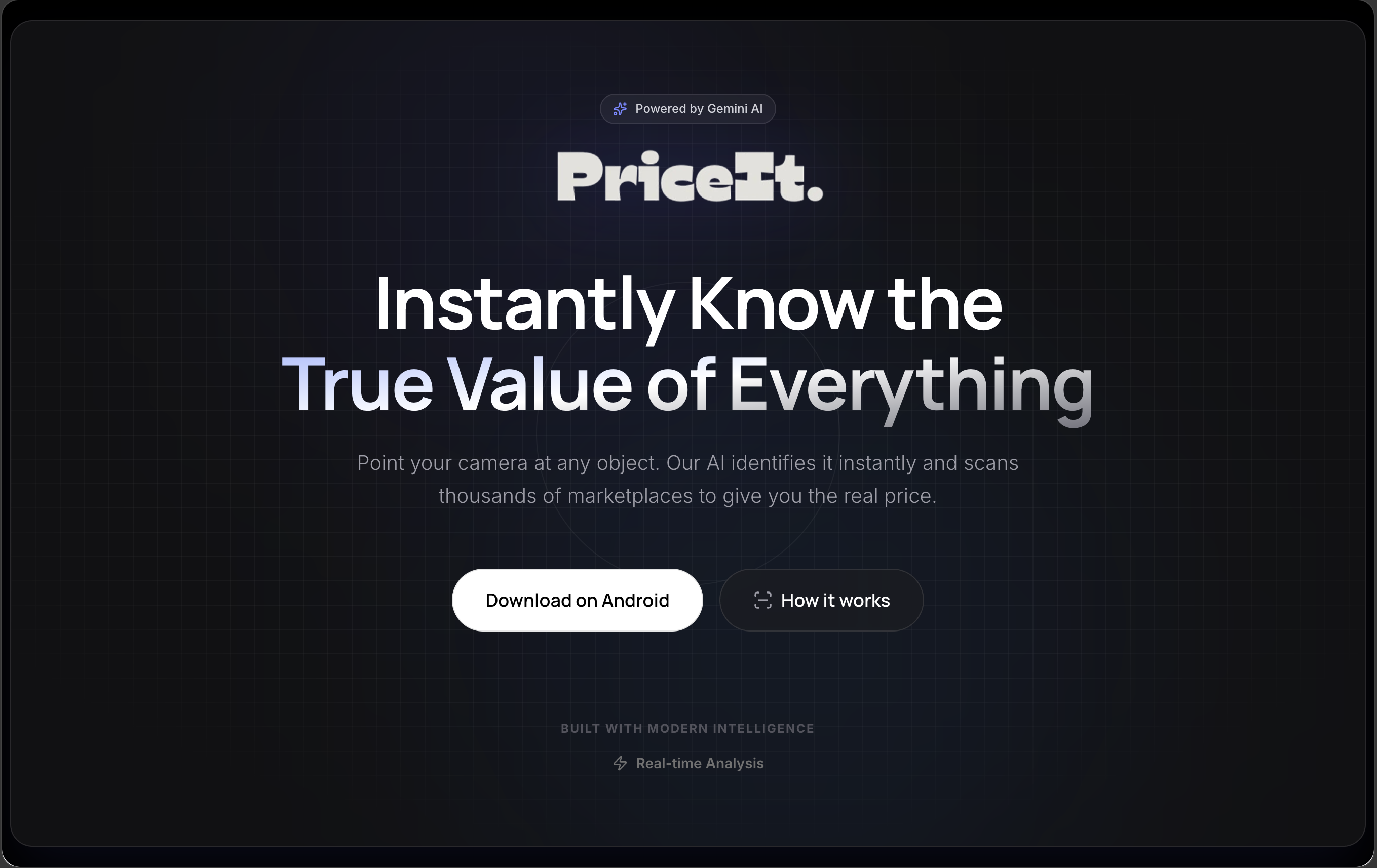
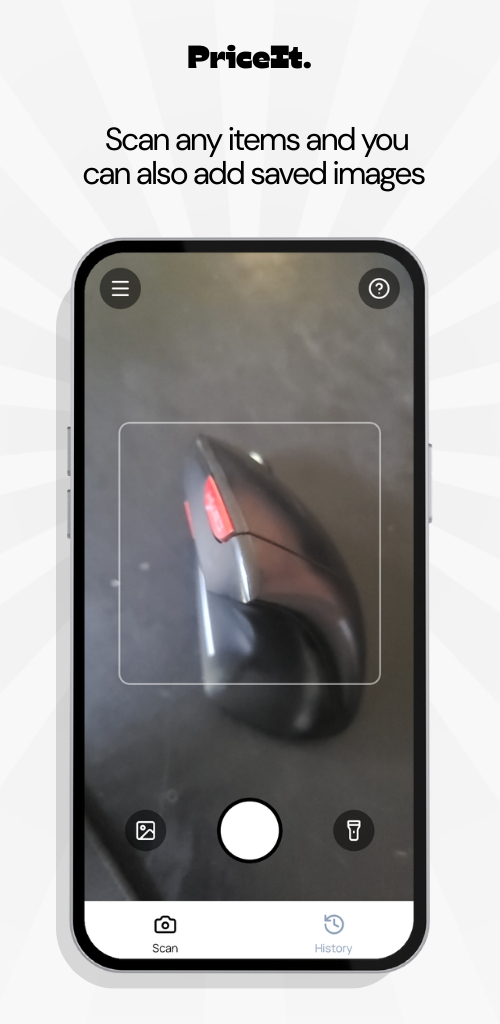
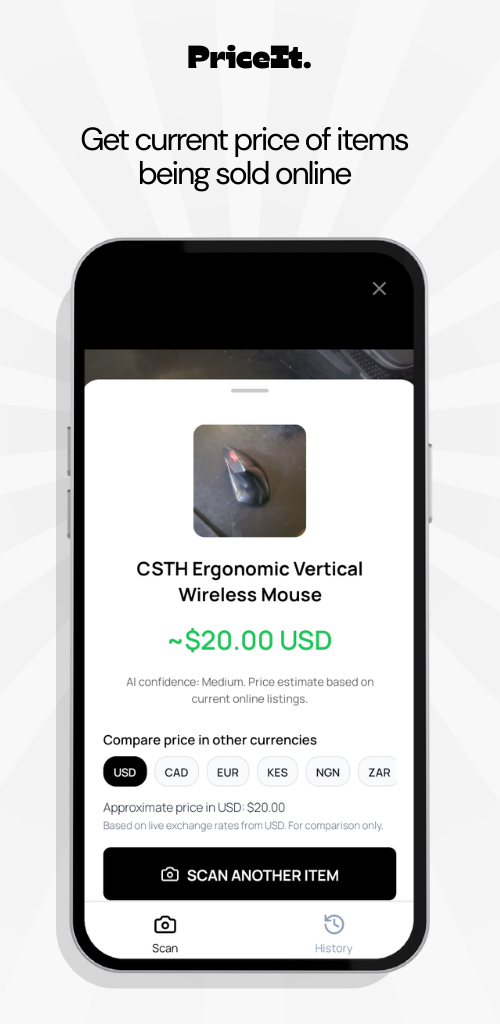
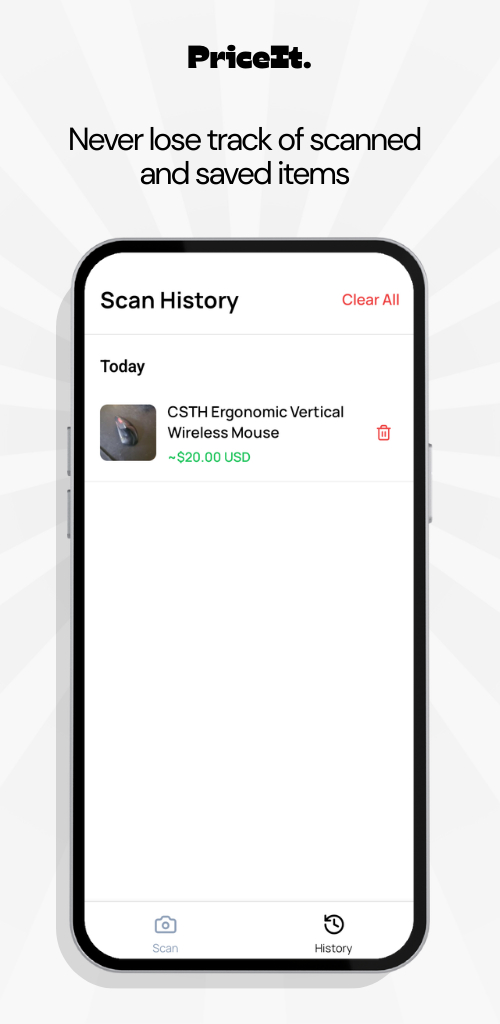
PriceIt is an AI-driven price scanner that removes the guesswork from shopping. By simply capturing an image or scanning a consumer item, the app processes the visual data and cross-references it against our intelligent AI search system.
Instead of returning generic web results, PriceIt evaluates the real-time market value tailored dynamically to the user’s specific geographic location, ensuring hyper-localized price transparency.
How We Built It
We engineered PriceIt with a focus on cross-platform accessibility, real-time synchronization, and robust architecture:
- Frontend: Built with React Native and Expo to ensure a smooth, native mobile experience.
- Backend & Storage: Powered by Convex for real-time data state synchronization and fluid file storage.
- Authentication: Secured seamlessly via Clerk.
- AI Engine: Driven by Gemini AI, which serves as our intelligent core for analyzing visual inputs, extracting product details, and computing value contextualization.
- Novus & Sentry: for AI Analytics, and Error tracking
Challenges We Ran Into
Building a real-world asset localization engine brought two distinct engineering hurdles:
- Hyper-Local Price Variations: Consumer goods fluctuate wildly across different regions and store tiers. Designing an aggregation logic that accurately maps prices relative to a user's local coordinates required careful data filtering.
- Infrastructure Realities: Mid-way through development, unexpected testing traffic triggered aggressive automated flag blocks on our cloud infrastructure. Navigating API credit limits and rapidly migrating, securing, and validating a new Google Cloud Platform account under tight hackathon timelines forced us to prioritize high-availability architecture and quick triage workflows.
- Integrating Novus AI: Encountered some challenge integrating novus ai because it seems like their documentation relating to Expo, react-native applications is outdated. Had to make attempt to reach out to the team for support.
Accomplishments That We're Proud Of
We didn't just build a prototype—we shipped a product..
PriceIt is currently at a World-class distribution product stage. We've carefully gone through the core features and ensured it works seamlessly across various versions of android.
What We Learned
Building a real product for real users—especially when managing non-deterministic AI outputs—is entirely different from building in a vacuum. It requires an product-first mindset, a strong willingness to constantly learn, and the humility to pivot when real-world user workflows reveal gaps in your system design.
What's Next for PriceIt
Now that the foundation is live in production, our roadmap focuses on scaling sustainably:
- Performance Optimization: Refining our image caching and AI processing pipelines to minimize latency for users with constrained network bandwidth.
- User-Centric Research: Conducting structured market surveys to deepen our understanding of regional consumer pain points.
- Ecosystem Expansion: Securing the resources necessary to bring our minimalist and intelligent tool to the Google Play and iOS App Store.


Log in or sign up for Devpost to join the conversation.