-
-
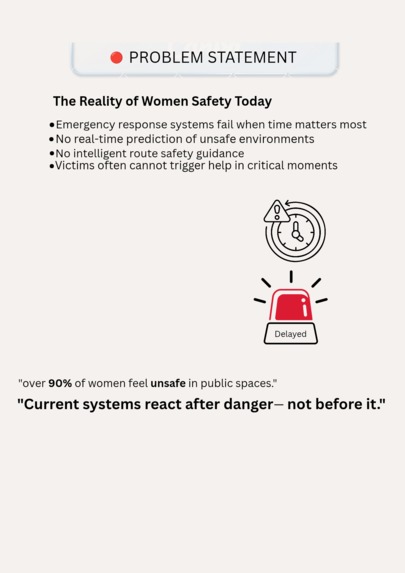
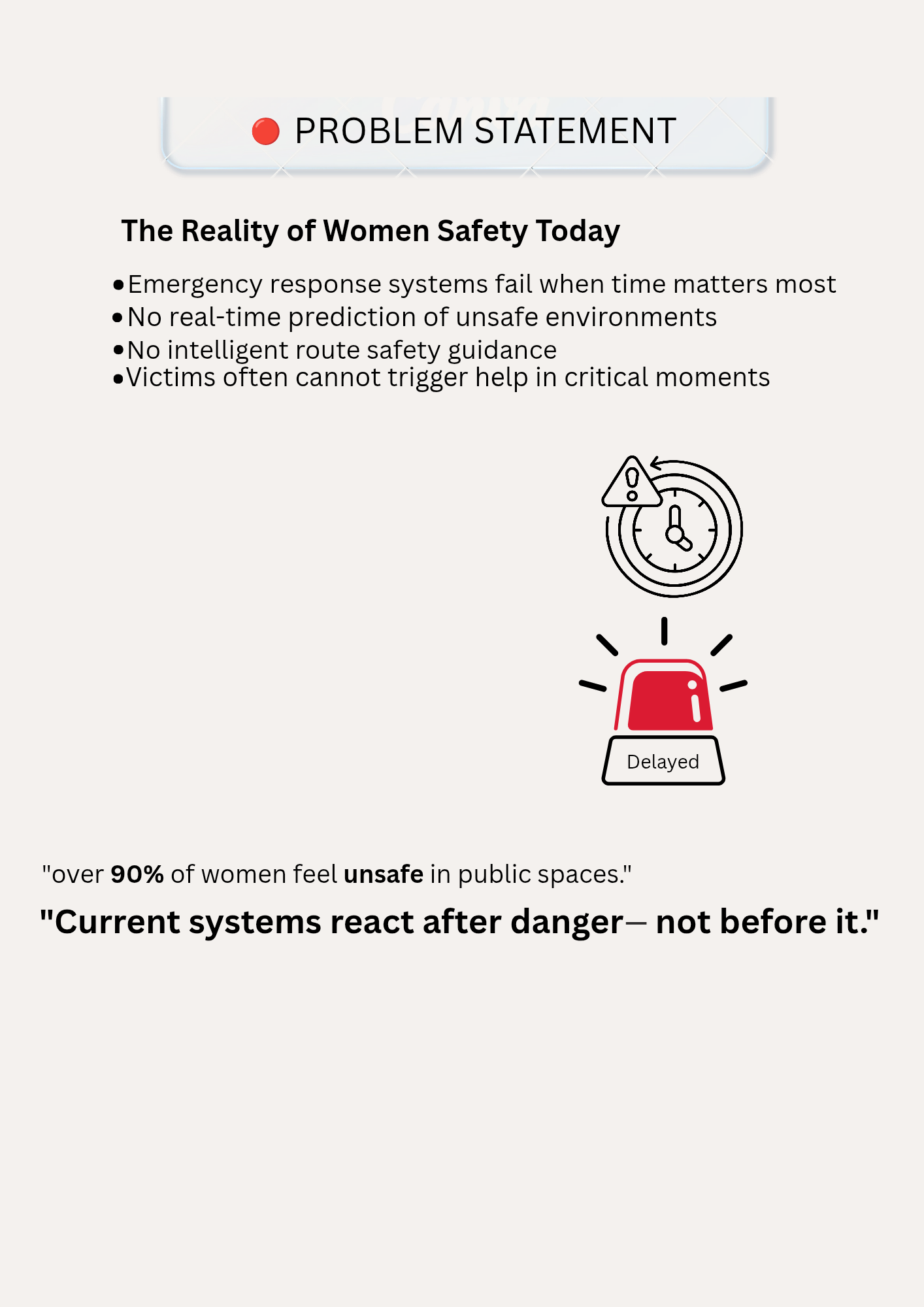
Problem Statement
-
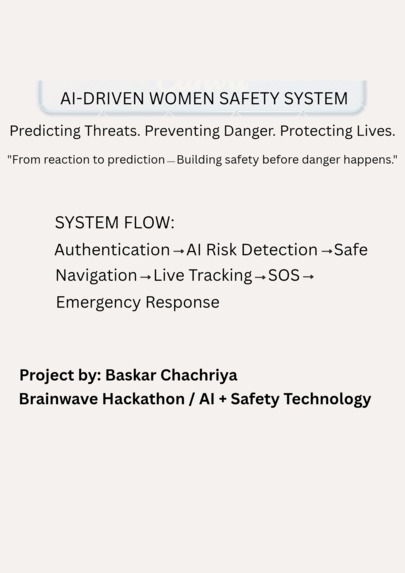
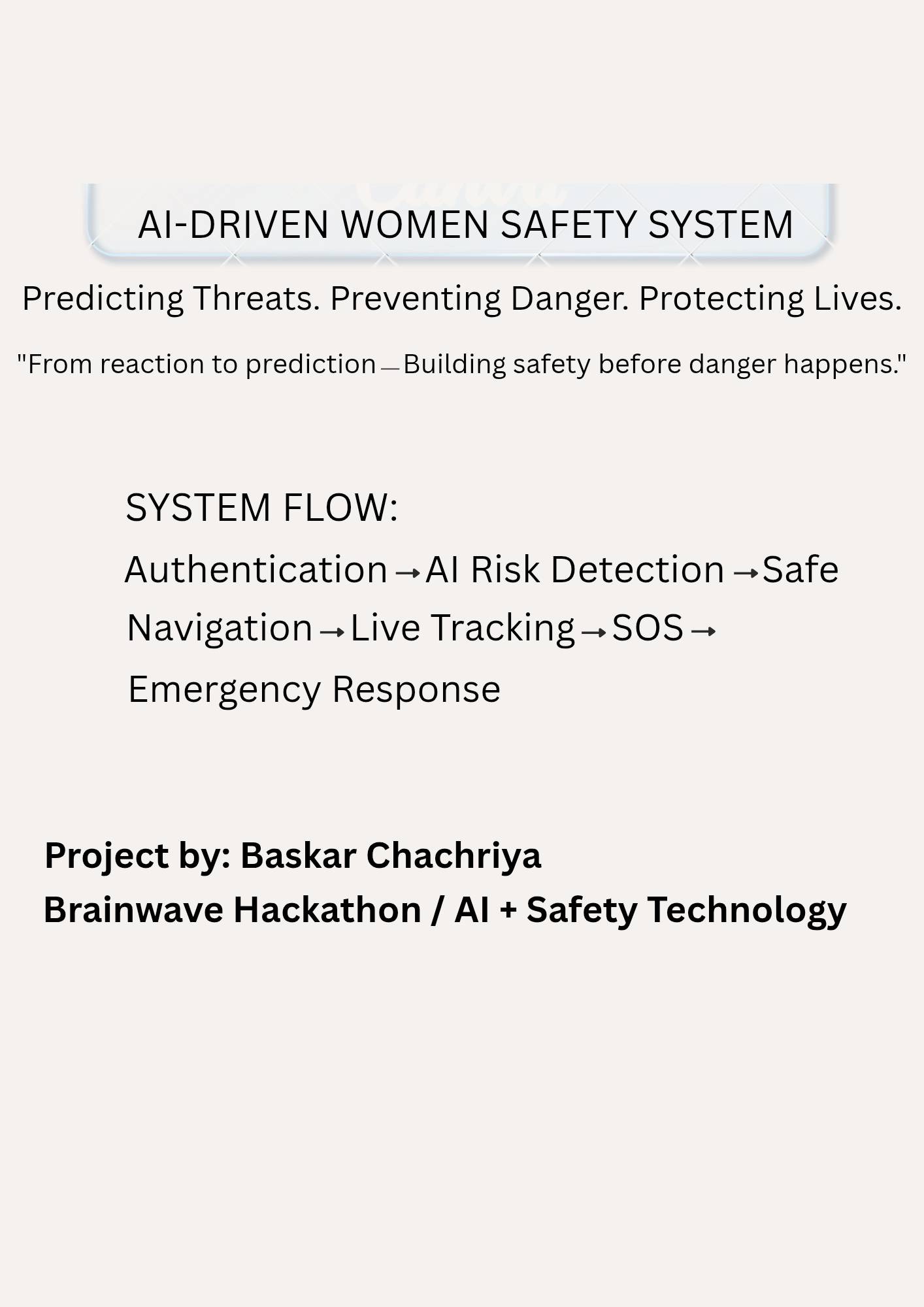
System Flow
-
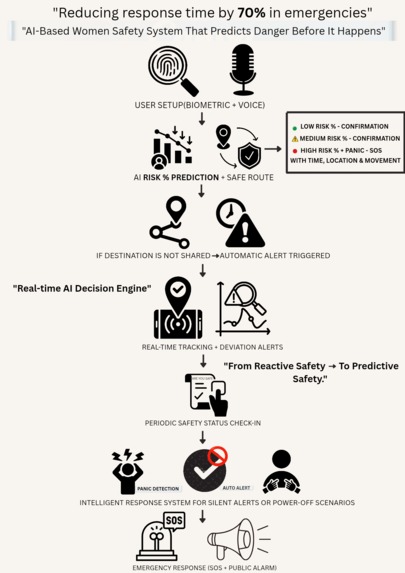
Design
-
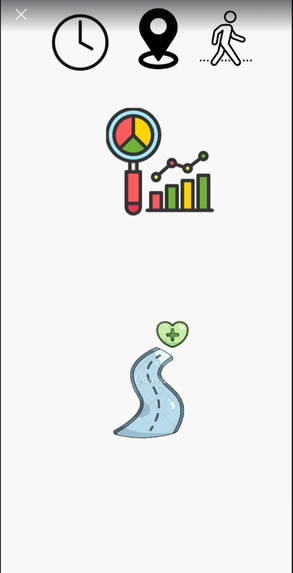
UI screens
-

-
-



Inspiration
The idea for PreSentry AI was born out of a real-life, unsettling experience. While traveling at 5:00 AM to give my JEE exam, I was stopped by a group of people who asked unexpected, probing questions about avoiding street violence. That moment of vulnerability made me realize a harsh reality: women constantly have to live defensively, mapping out safe hours and routes in their heads. When looking at existing safety applications, I noticed they were all entirely reactive—they only trigger after danger has already occurred. I wanted to design something that intervenes before a crisis happens.
What it does
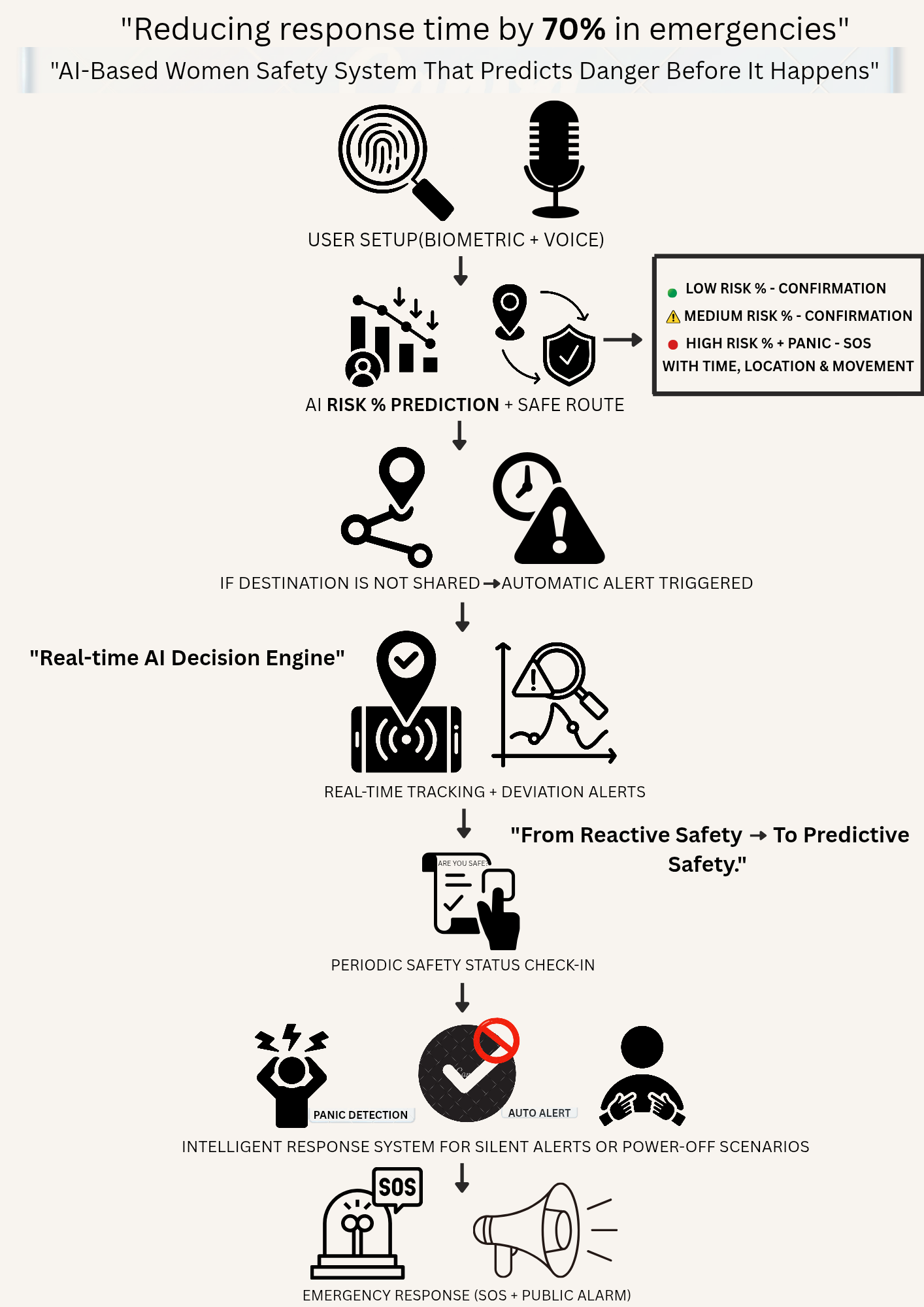
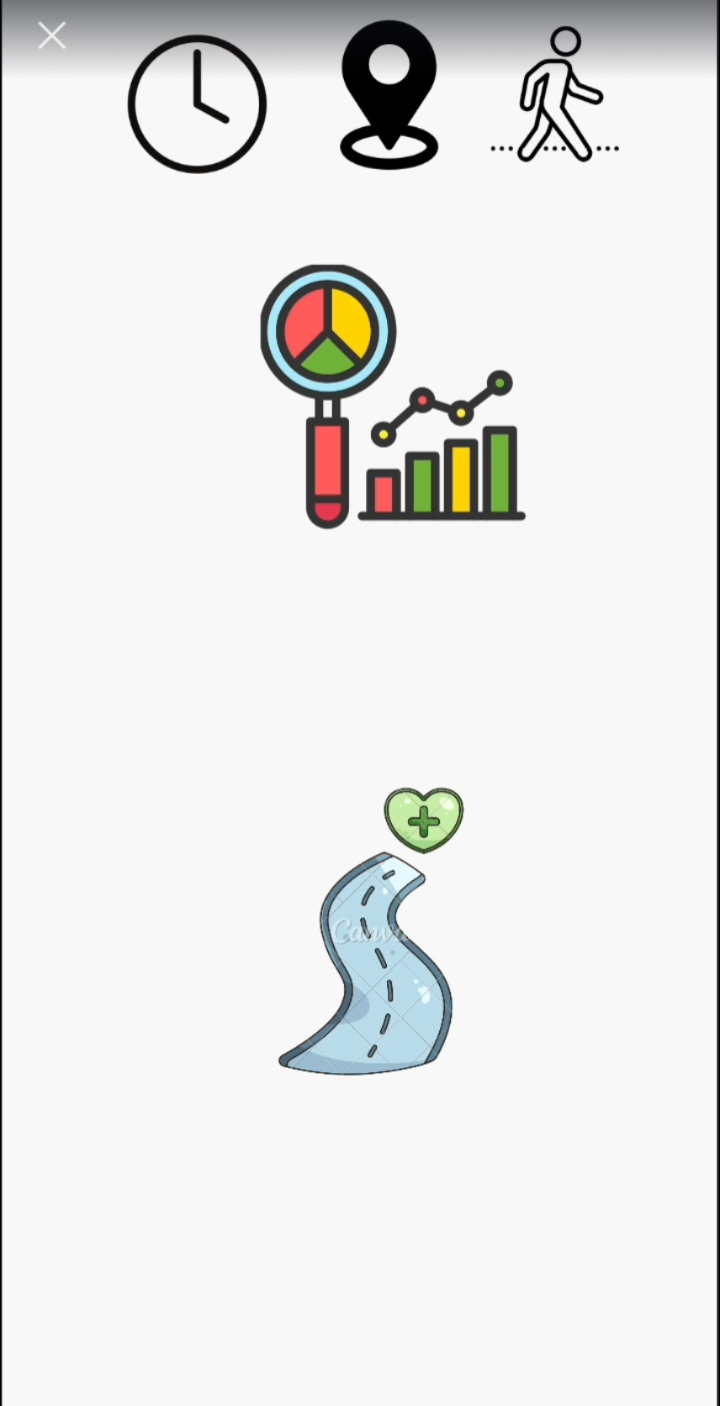
PreSentry AI is a real-time, AI-powered predictive safety ecosystem designed to protect women proactively. Instead of waiting for a user to press an SOS button during an attack, our system continuously analyzes contextual data like live location, time, and movement patterns to predict potential risk factors (Low, Medium, or High). It offers smart safe-route navigation by avoiding high-risk areas. If the system detects a major anomaly—such as a sudden route deviation or an unexpected phone power-off—it automatically triggers silent emergency alerts and live location updates to trusted contacts and local authorities, dropping response times by up to 70%.
How we built it
Focusing strictly on product execution for the Design Track, we engineered the entire user experience from a "human-first" perspective. We utilized Figma to wireframe and design high-fidelity mobile UI/UX screens, prioritizing clean interfaces that remain fully accessible during high-panic moments. The system's inner workings were mapped out using comprehensive architectural flowcharts that define how the user onboarding (biometric/voice registration), the Backend AI Risk Engine, and the automated trigger protocols seamlessly talk to each other without requiring active manual inputs from the user.
Challenges we ran into
One of our biggest design hurdles was balancing extreme security with rapid accessibility. We had to figure out how a user could securely register their biometric and voice data without making the onboarding process tedious. Another massive challenge was designing the Hands-Free/Silent Activation interface—we had to carefully brainstorm how the app interface would gracefully handle critical phone shutdowns or signal losses so that it remains a reliable lifesaver without causing accidental false alarms during daily use.
Accomplishments that we're proud of
We are incredibly proud of shifting the safety paradigm from "Reactive Response" to "Predictive Prevention." Creating a robust technical architecture flowchart that maps complex AI risk matrices into simple, intuitive user interfaces was a massive win. We successfully designed a prototype that proves safety technology can act intelligently in the background, offering women true peace of mind without requiring constant interaction with their smartphone screens.
What we learned
Through this hackathon, we gained deep insights into Product Thinking and Accessibility Design. We learned that creating a successful tech solution isn't just about beautiful layouts; it's about understanding human behavior under extreme stress. We also mastered how to structure backend logic for predictive AI models—understanding how time, geographic isolation, and movement velocity can be quantified visually into clear, actionable risk levels for the user.
What's next for PreSentry AI
The future of PreSentry AI lies in expanding beyond smartphone screens into cross-platform accessibility. Our next milestone is to design UI layouts for AI Glasses and Smart Wearables (IoT). This integration will allow the system to use stealth embedded cameras for threat detection and accept micro-voice commands, ensuring that even if a perpetrator forcibly takes a user's phone, PreSentry AI continues to track, protect, and stream live audio/video data to emergency responders.
Built With
- ai/mlconcepts
- canva
- projectthinkingframeworks

Log in or sign up for Devpost to join the conversation.