Inspiration
As frequent travelers, we often find ourselves trying to pass short intervals of downtime productively. Too often, these spare minutes evaporate into mindless scrolling or waiting around without meaning. Time is our most precious resource, and we realized it was being wasted. We frequently try to solve this by striking up conversations with people nearby sometimes you meet someone incredible who you never would have crossed paths with otherwise. However, without a shared context, it can be incredibly difficult to find people you genuinely click with. With the goal of turning wasted time into meaningful human connection, we built Present.
What it does
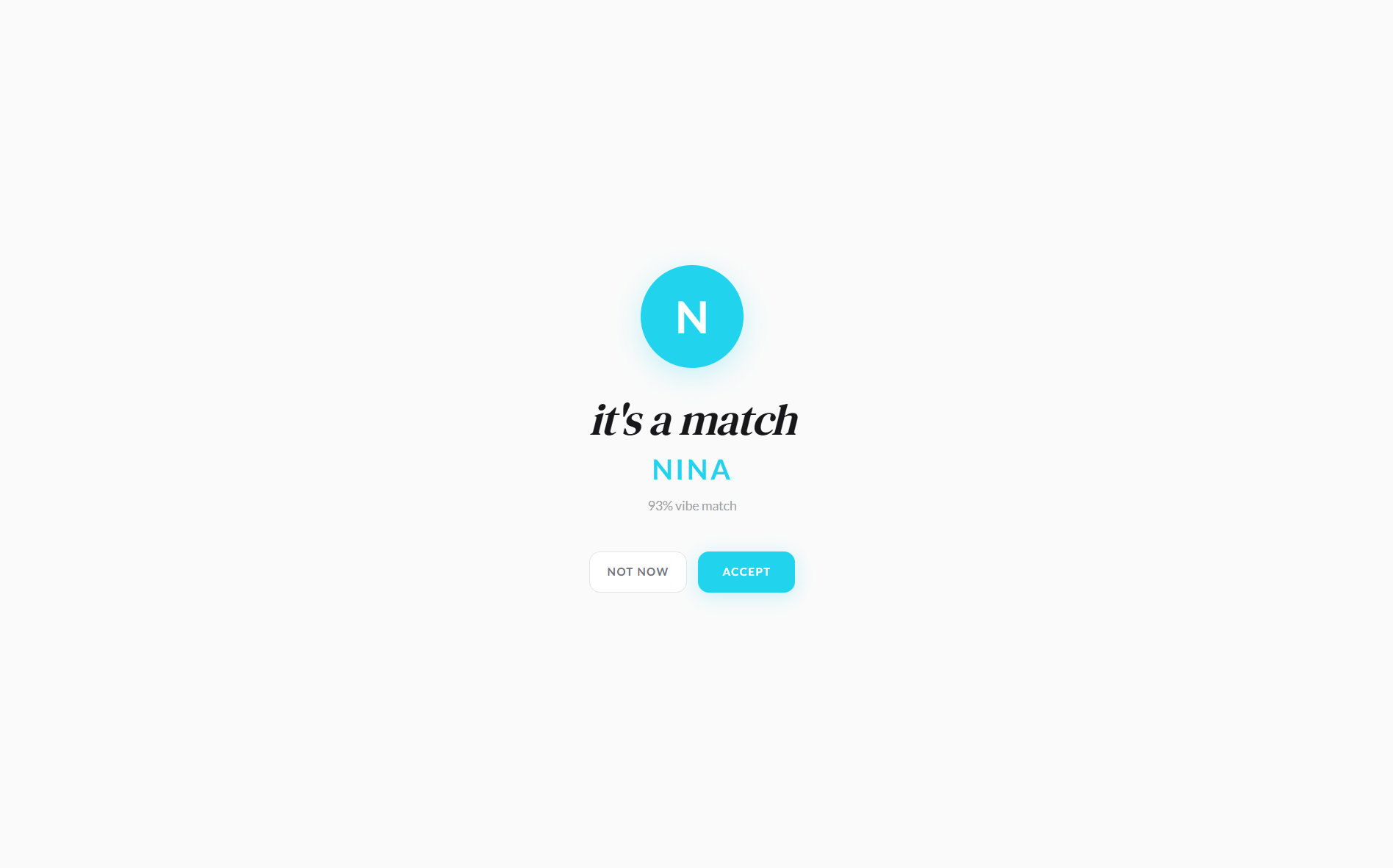
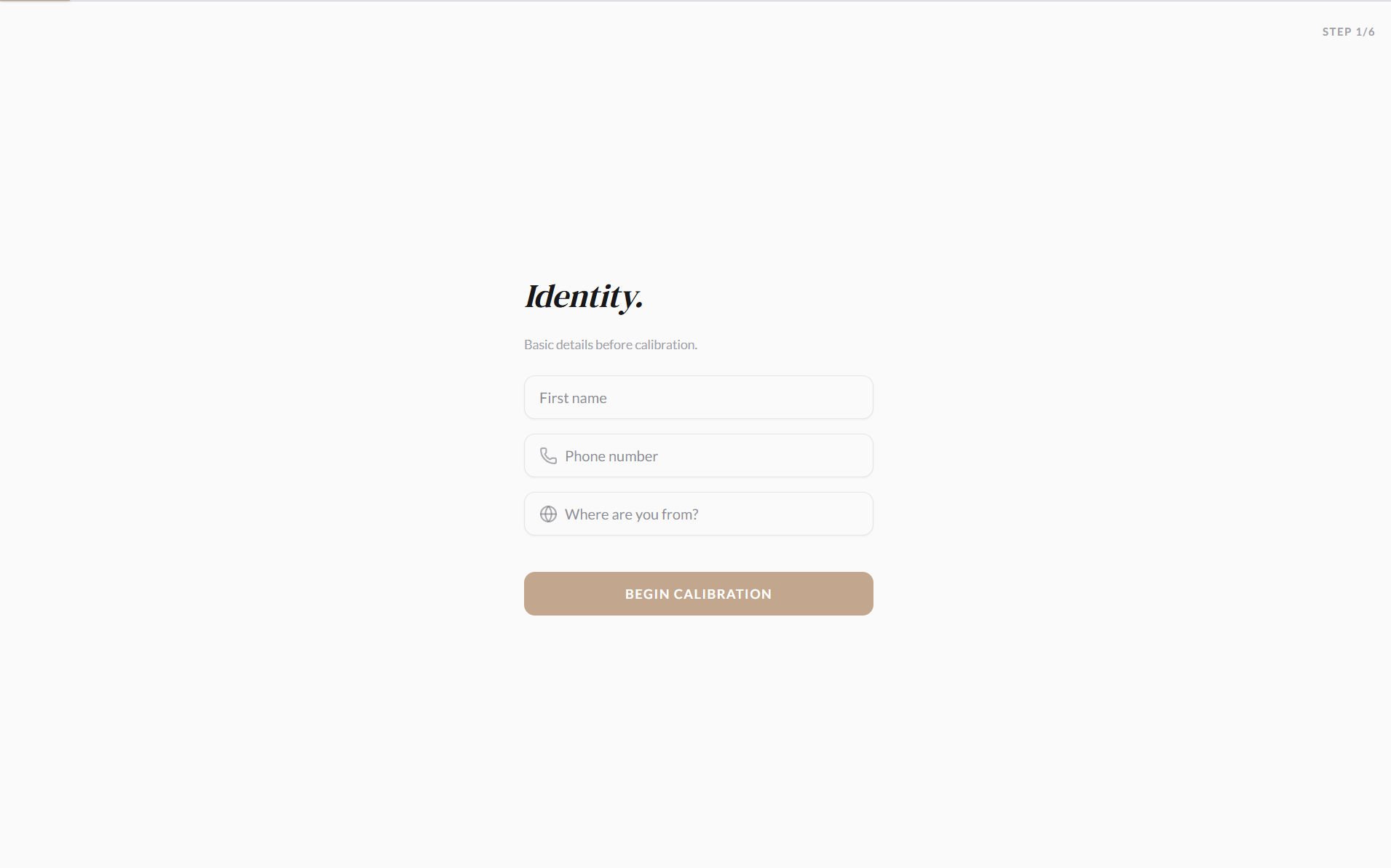
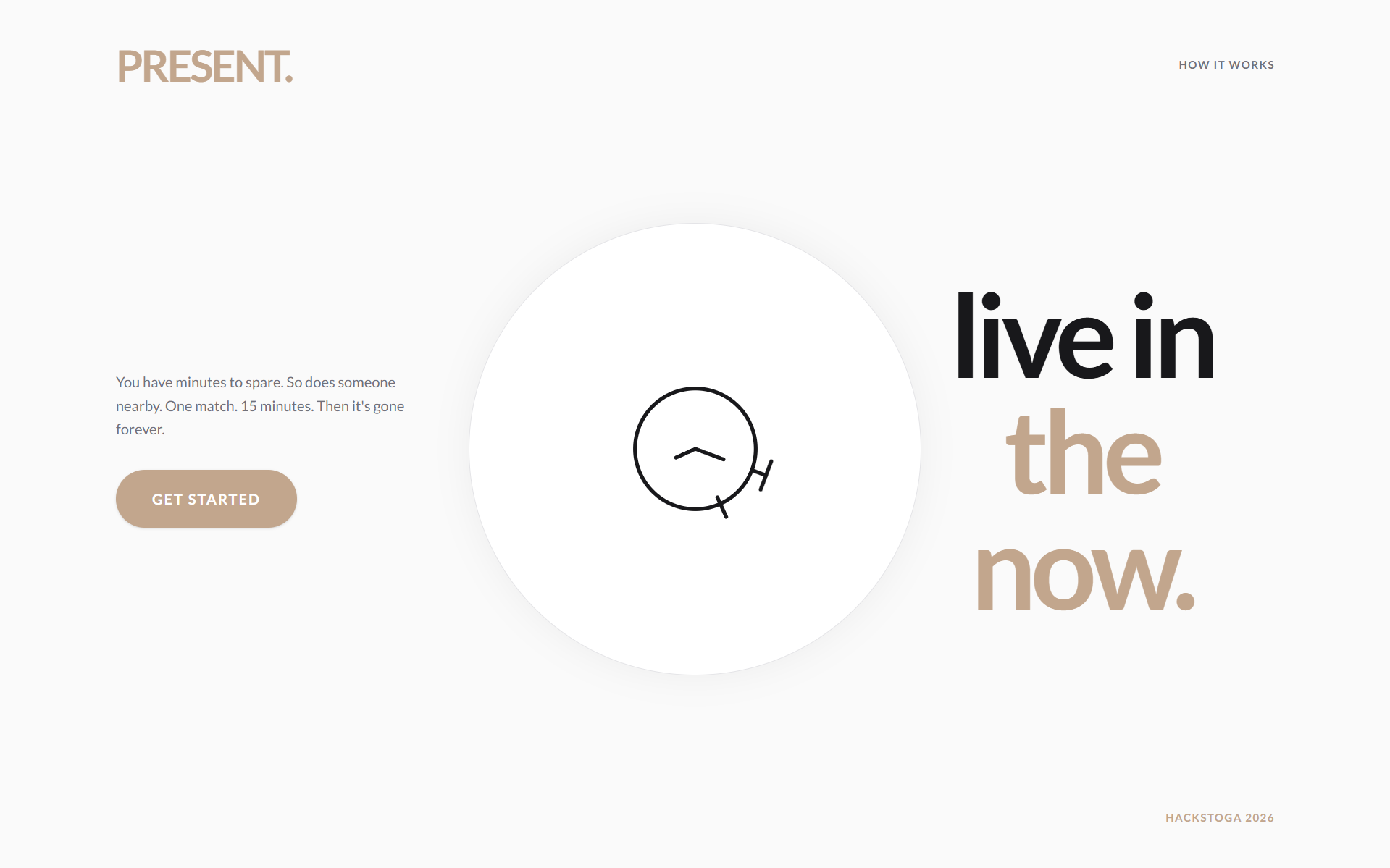
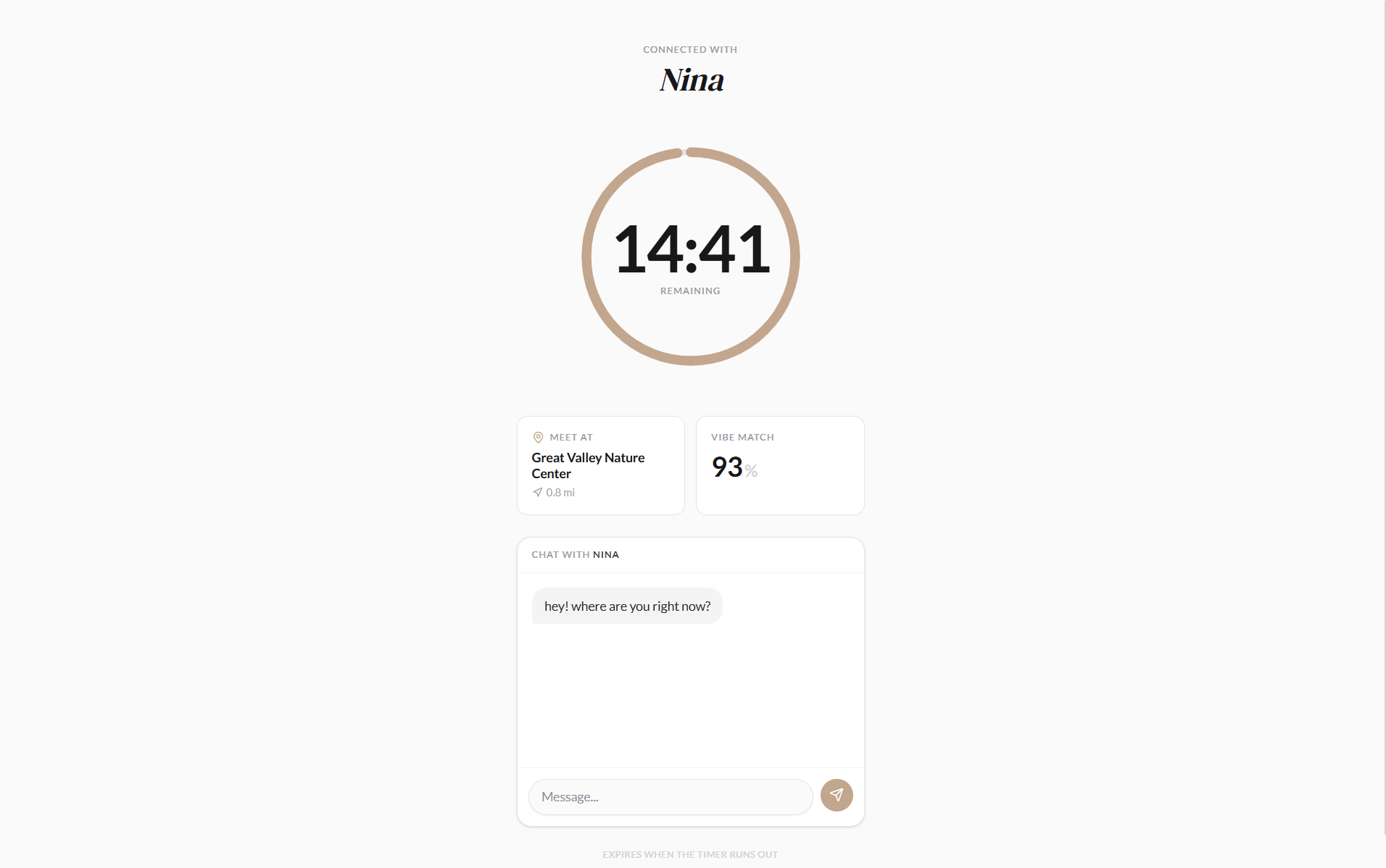
Present transforms idle waiting time into spontaneous, high-quality interactions. It simplifies the friction of meeting new people in the real world by utilizing a custom personality matching algorithm. Upon sign-up, users complete a rapid Myers-Briggs-inspired personality assessment and select their core interests. When a user has free time, the app uses this data to instantly match them with nearby individuals who have overlapping downtime and highly compatible ensuring that every spontaneous meetup is with someone they will actually mesh with.
How we built it
We prioritized speed and visual quality. We built the core logic and functional MVP using Claude Code to accelerate our development time. Once we had a working backend and prototype routing, we shifted our focus to the user experience. We rapidly iterated on the design, replacing basic elements with highly polished, modern UI components sourced from 21st.dev and shadcn/ui. The final application is deployed and hosted on Vercel.
Challenges we ran into
Moving from a local prototype to a deployed app came with friction. We initially forgot to properly initialize and clone our Git repository, which caused significant headaches when trying to push our codebase to Vercel for live hosting. Additionally, relying heavily on AI generation for our initial MVP left us with a large amount of "AI slop" and spaghetti code. We had to spend crucial hackathon hours manually refactoring, debugging, and cleaning up the architecture so the app would be stable for the demo.
Accomplishments that we're proud of
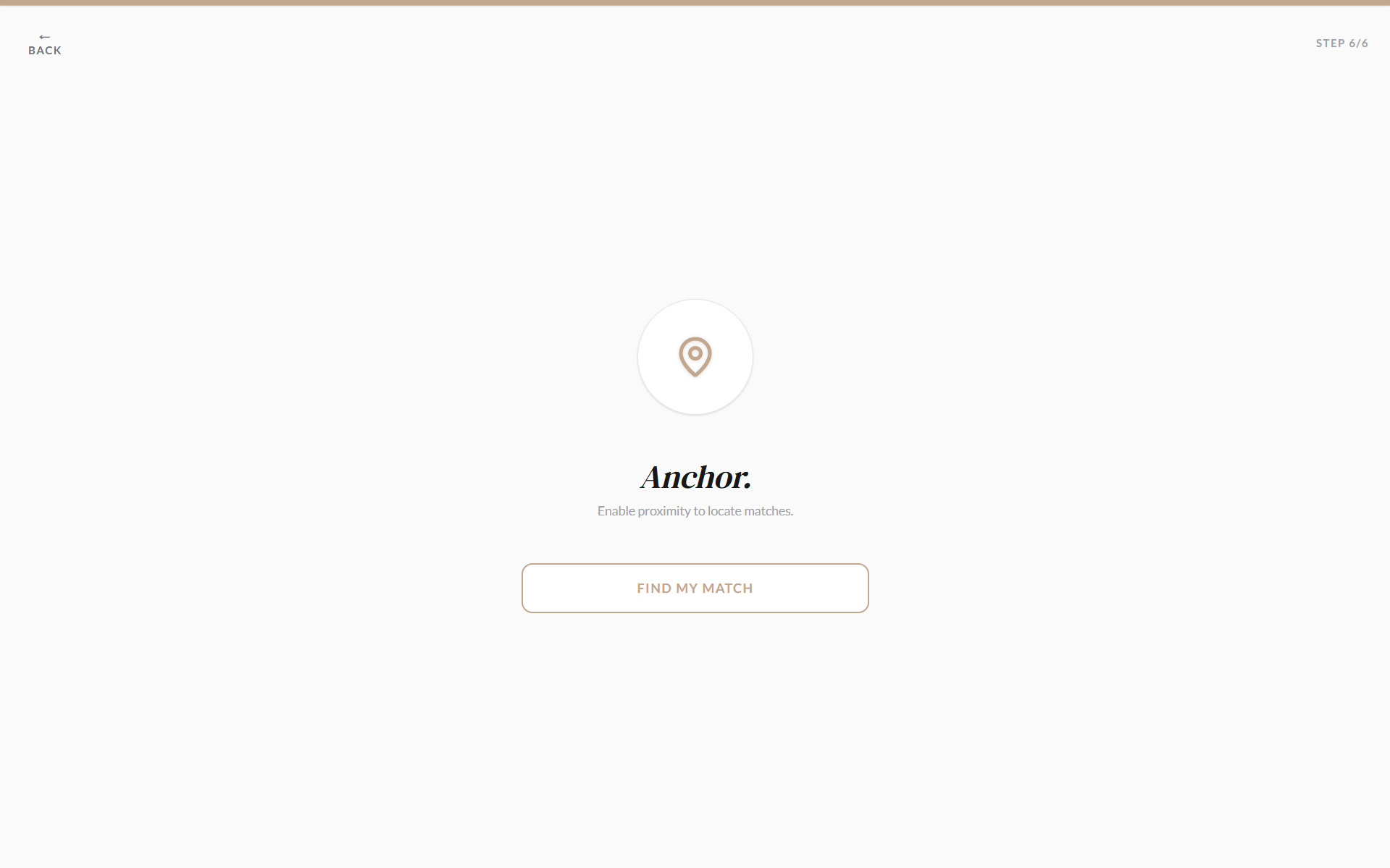
We are incredibly proud of shipping a fully functional, end-to-end web app within the hackathon time limit. More importantly, we achieved a highly polished, premium UI that looks stunning and scales flawlessly to mobile devices which is critical for a hyper-local, on the go social app.
What we learned
What's next for Present
We learned that while AI coding tools are incredible for speed, they require strict architectural oversight; knowing how to read, refactor, and clean up generated code is just as important as writing it. We also gained deep, handson experience with modern frontend UI libraries like shadcn and mastered the Git toVercel deployment pipeline (the hard way).
Built With
- framer
- javascript
- nextjs
- supabase
- vercel

Log in or sign up for Devpost to join the conversation.