Inspiration
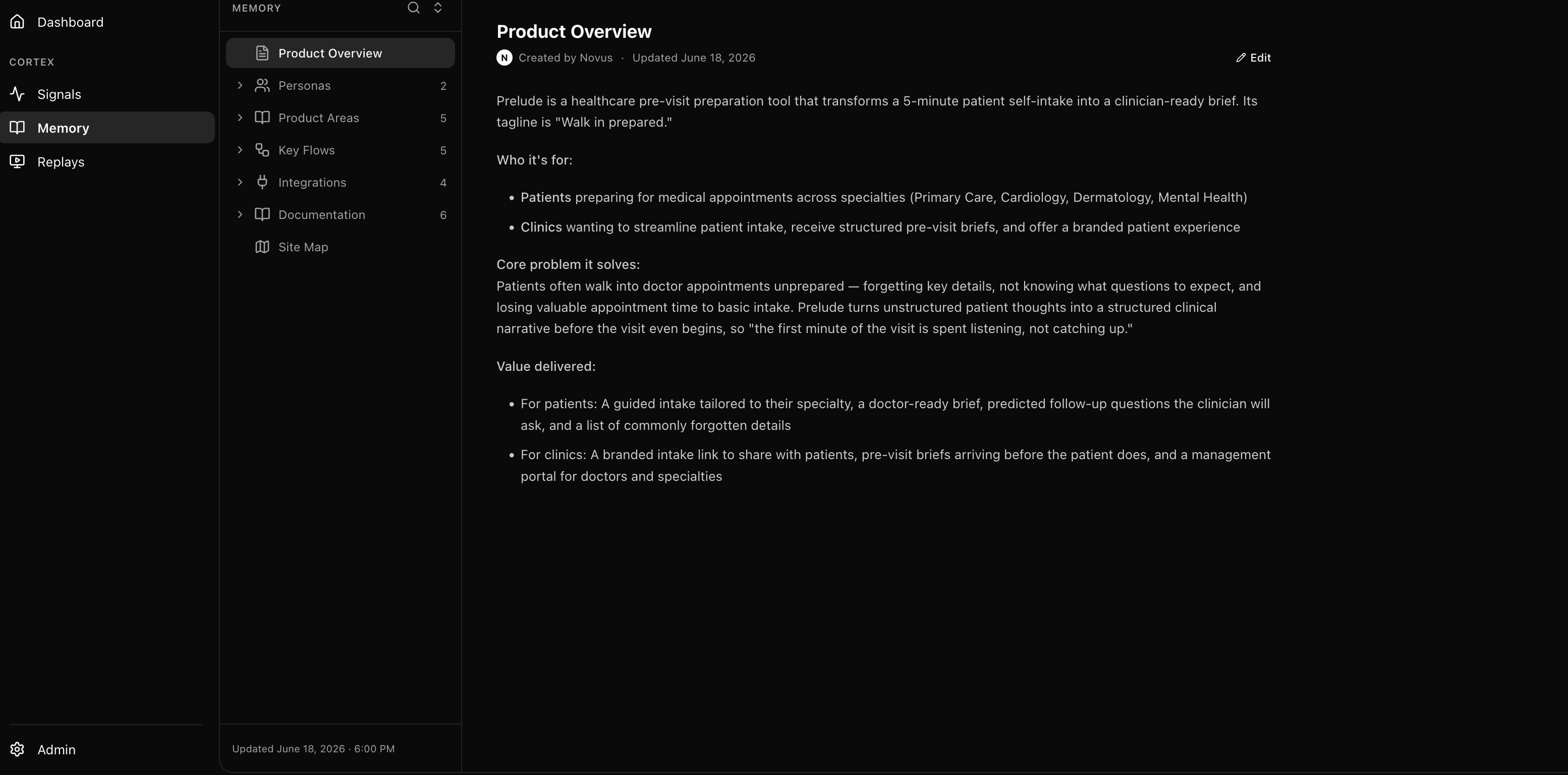
You get about seven minutes with your doctor. A big chunk of it disappears into questions you've answered a dozen times before — when did this start, what makes it worse, what medications are you on, any family history. By the time the real conversation begins, the clock is almost out. Patients walk in unprepared and walk out wishing they'd remembered to ask the thing that was actually bothering them.
I kept noticing that the prep step — the part that would make those seven minutes count — simply didn't exist. Plenty of tools help doctors after the visit. Almost nothing helps the patient before it. Prelude is my attempt to fill that gap: give patients a way to walk in prepared, and give doctors a head start before the patient even sits down.
What it does
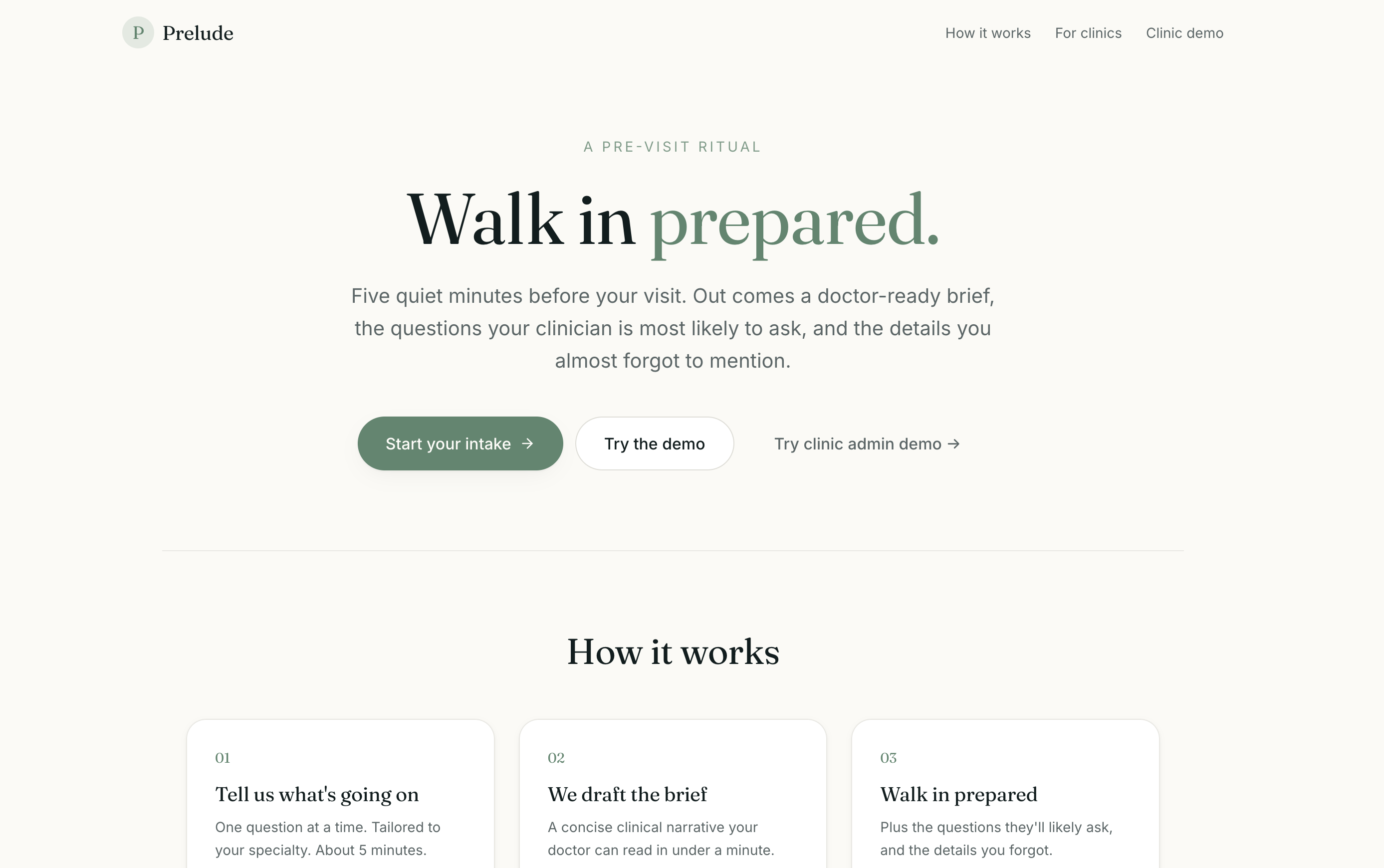
Prelude turns a 5-minute self-intake on your phone into a doctor-ready clinical brief.
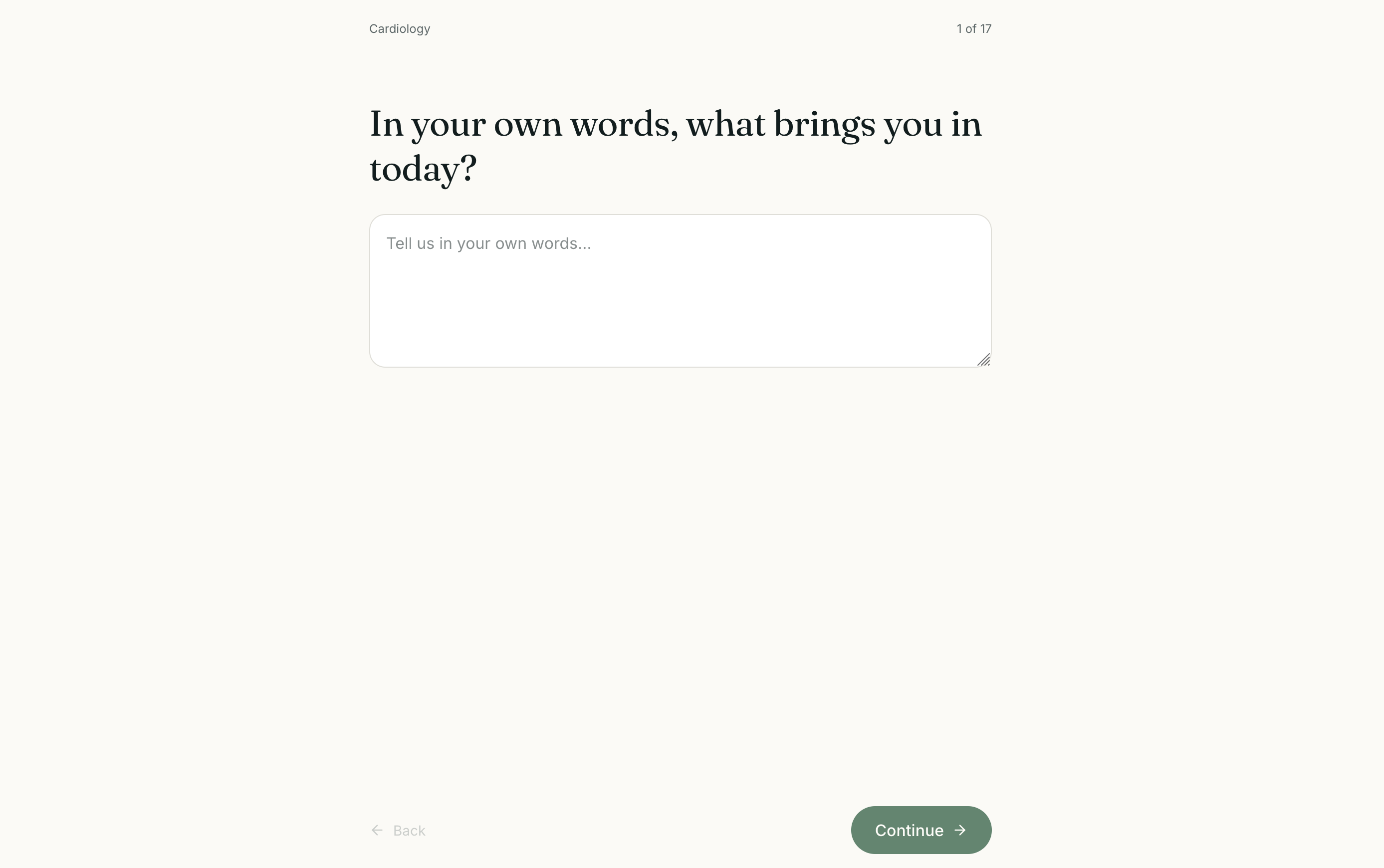
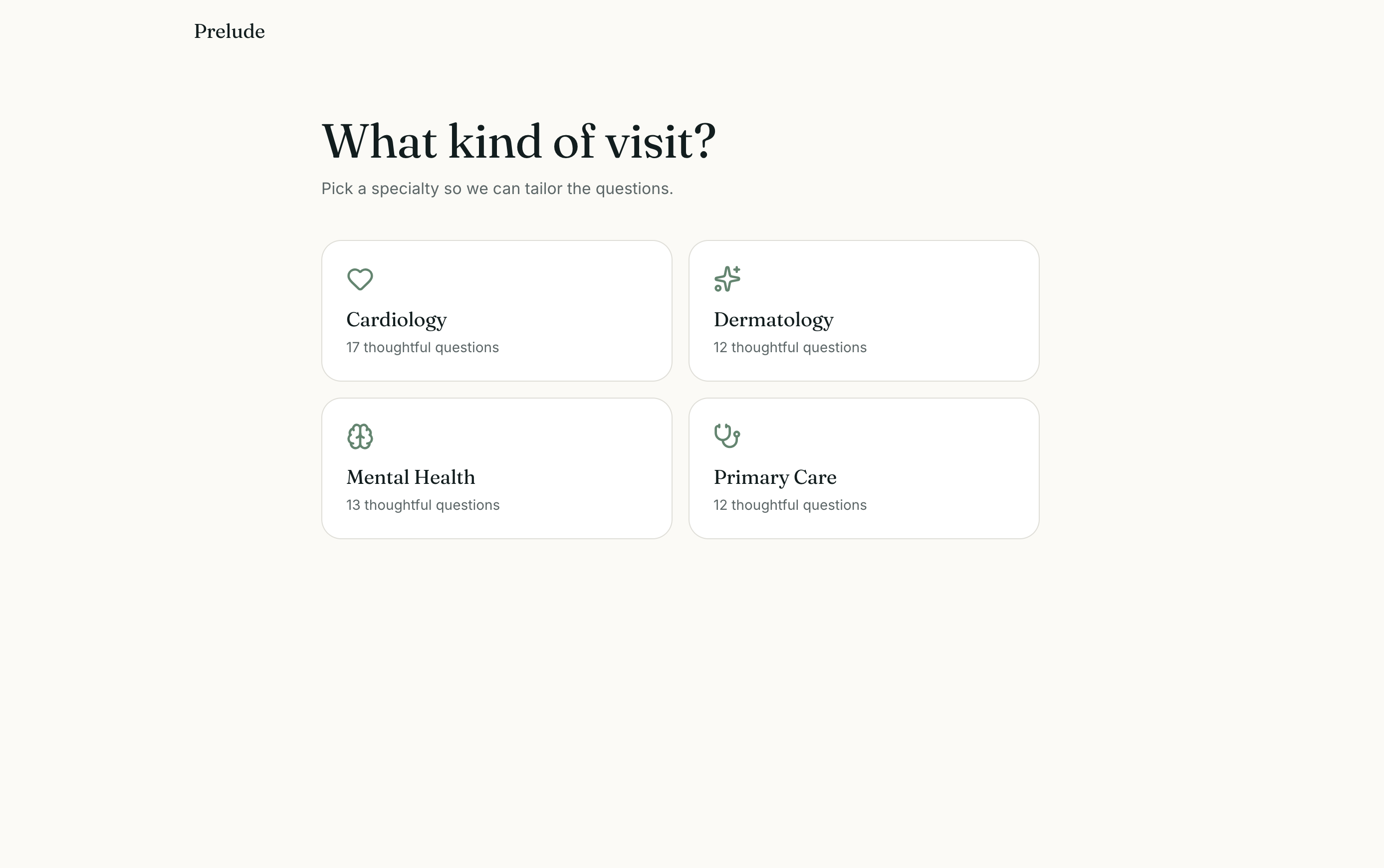
You pick your specialty, answer 12–18 adaptive questions (one at a time, skip what doesn't apply, voice or type), and Prelude produces three things:
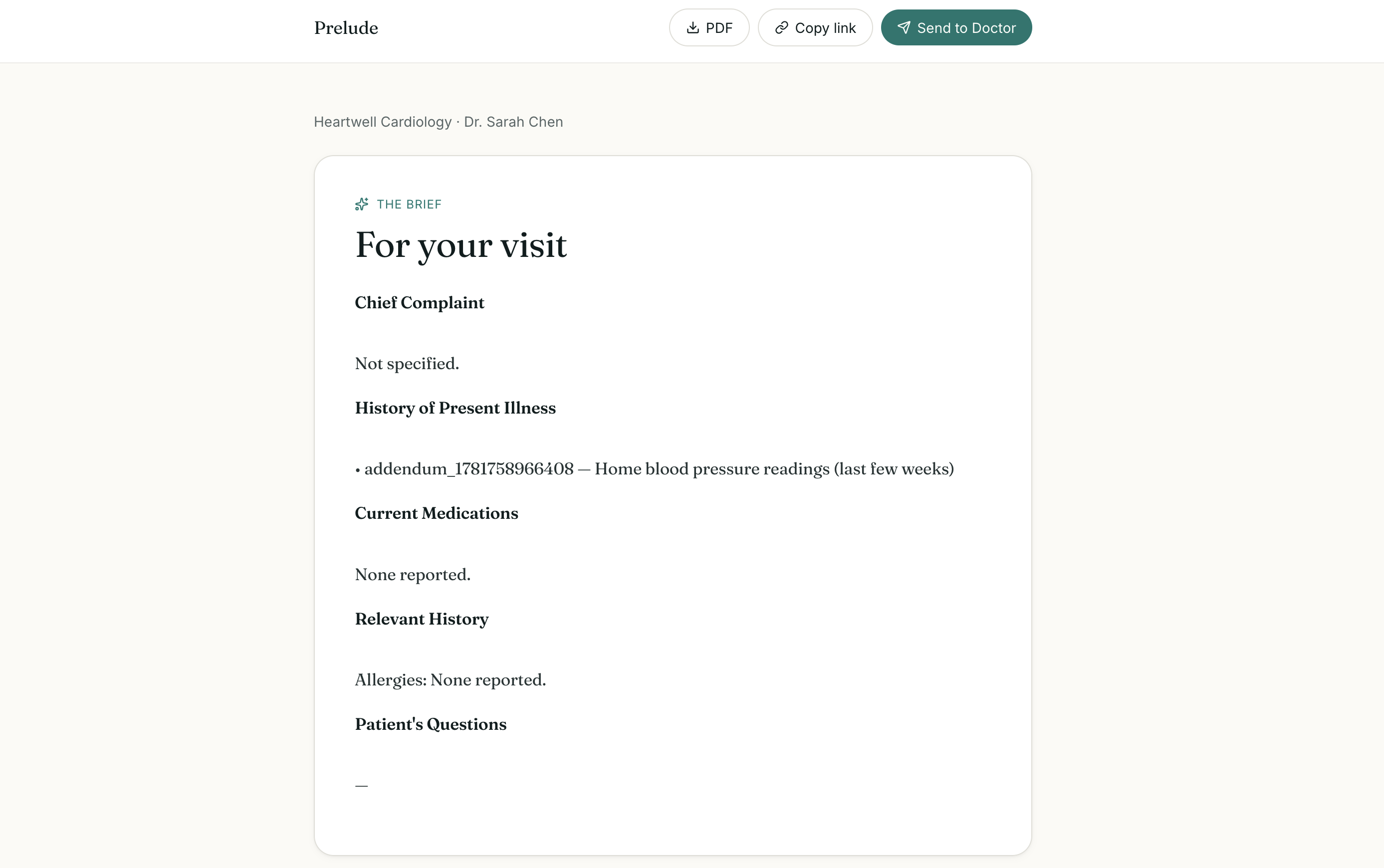
- The Brief — a clean one-pager in standard clinical HPI narrative: chief complaint, history of present illness, current medications, relevant history, and your own questions for the doctor.
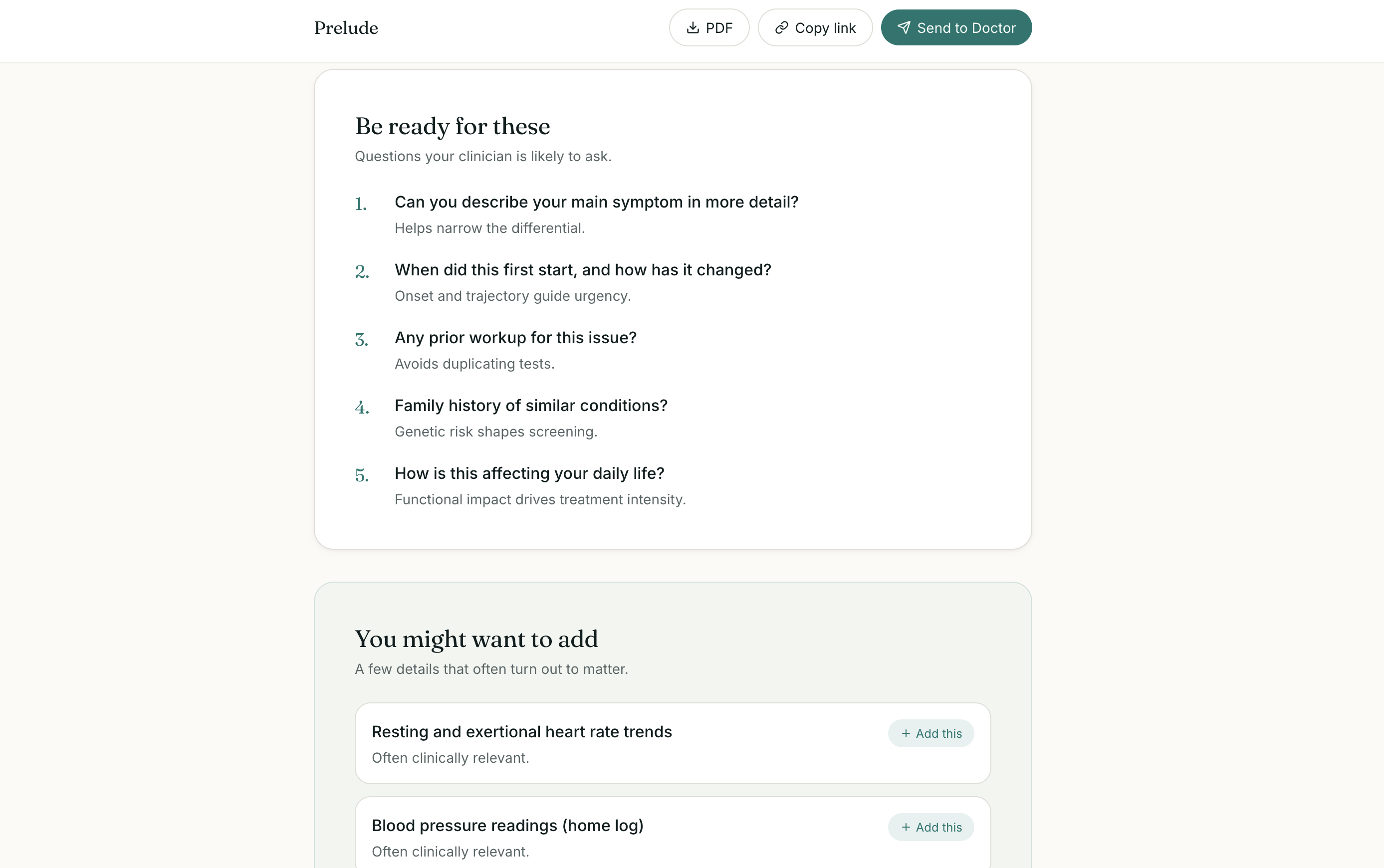
- Doctor's Next Questions — the 5–7 follow-ups the specialist is most likely to ask, each with the clinical reason behind it, so you're never caught off guard.
- What's Missing — clinically relevant details you didn't think to mention, which you can add with one tap to regenerate the brief.
You then send the brief to your doctor by email — no login required on their end.
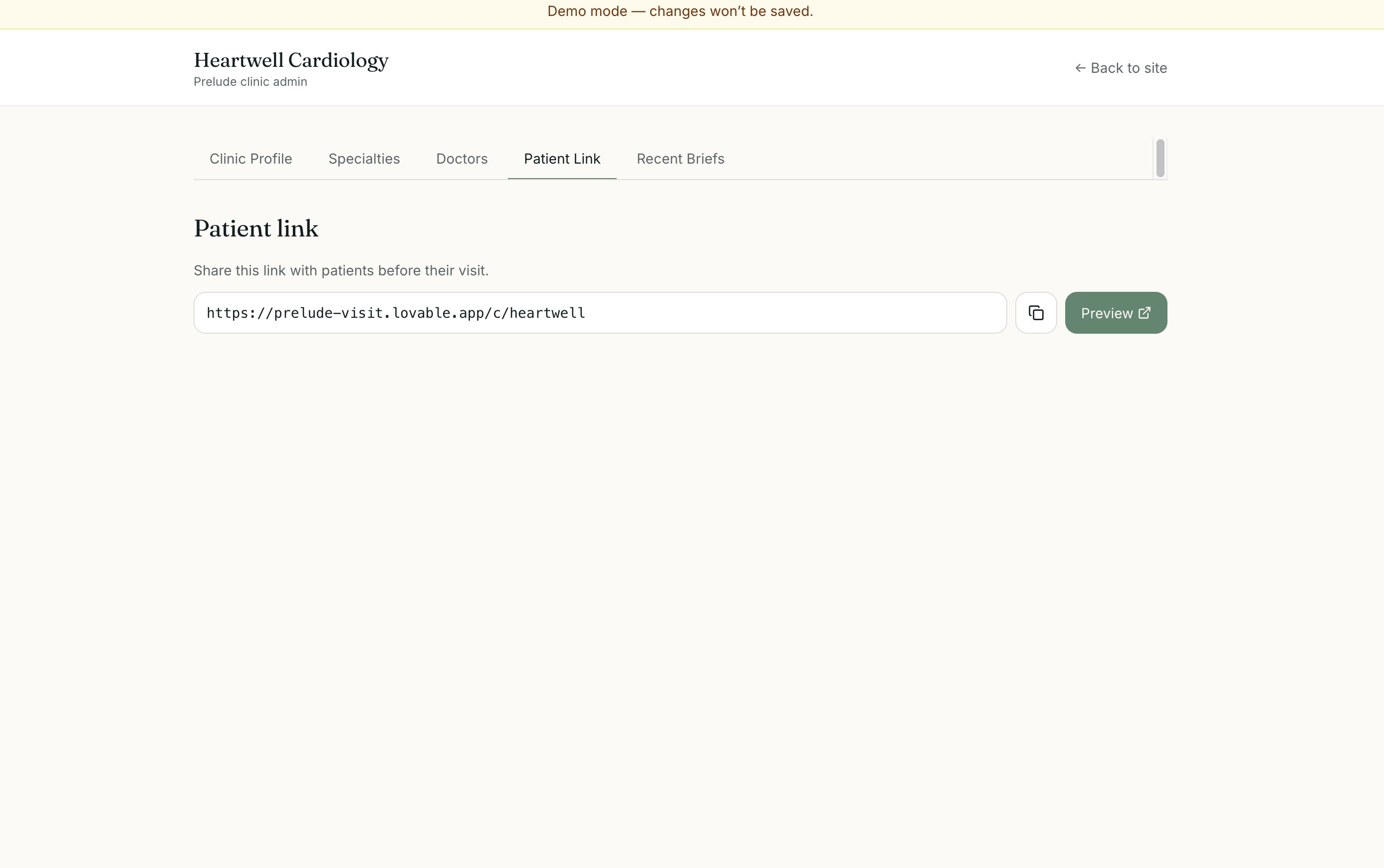
It's also built for clinics. A practice can configure its brand, specialties, and doctors in under five minutes, get a branded patient link to drop into appointment confirmation emails, and see incoming briefs in a simple dashboard. The same product works standalone for an individual patient or deployed across a whole clinic.
How we built it
I built Prelude end-to-end as a deployed web app with an AI-powered backend. The core is a structured intake engine where each specialty's questions, brief-generation prompt, and clinical checklists live as configurable data — so adding a new specialty is a data change, not a code change.
Three sequential AI flows do the heavy lifting: one drafts the brief as a clinical scribe would, one reasons as the relevant specialist to predict likely follow-up questions, and one acts as a thorough clinician spotting gaps the patient missed. The brief is exportable as a PDF and sendable by email with the clinic's branding.
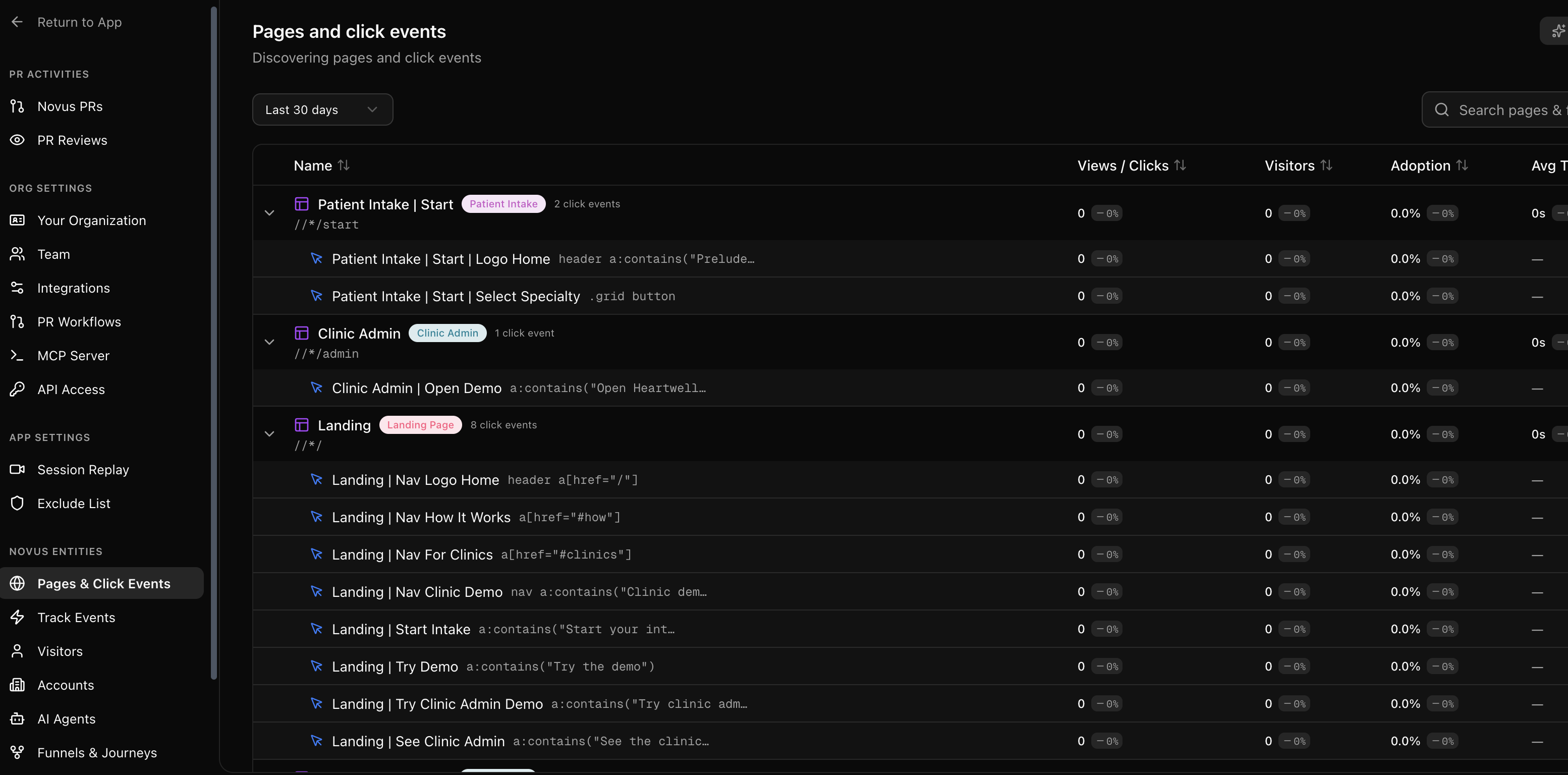
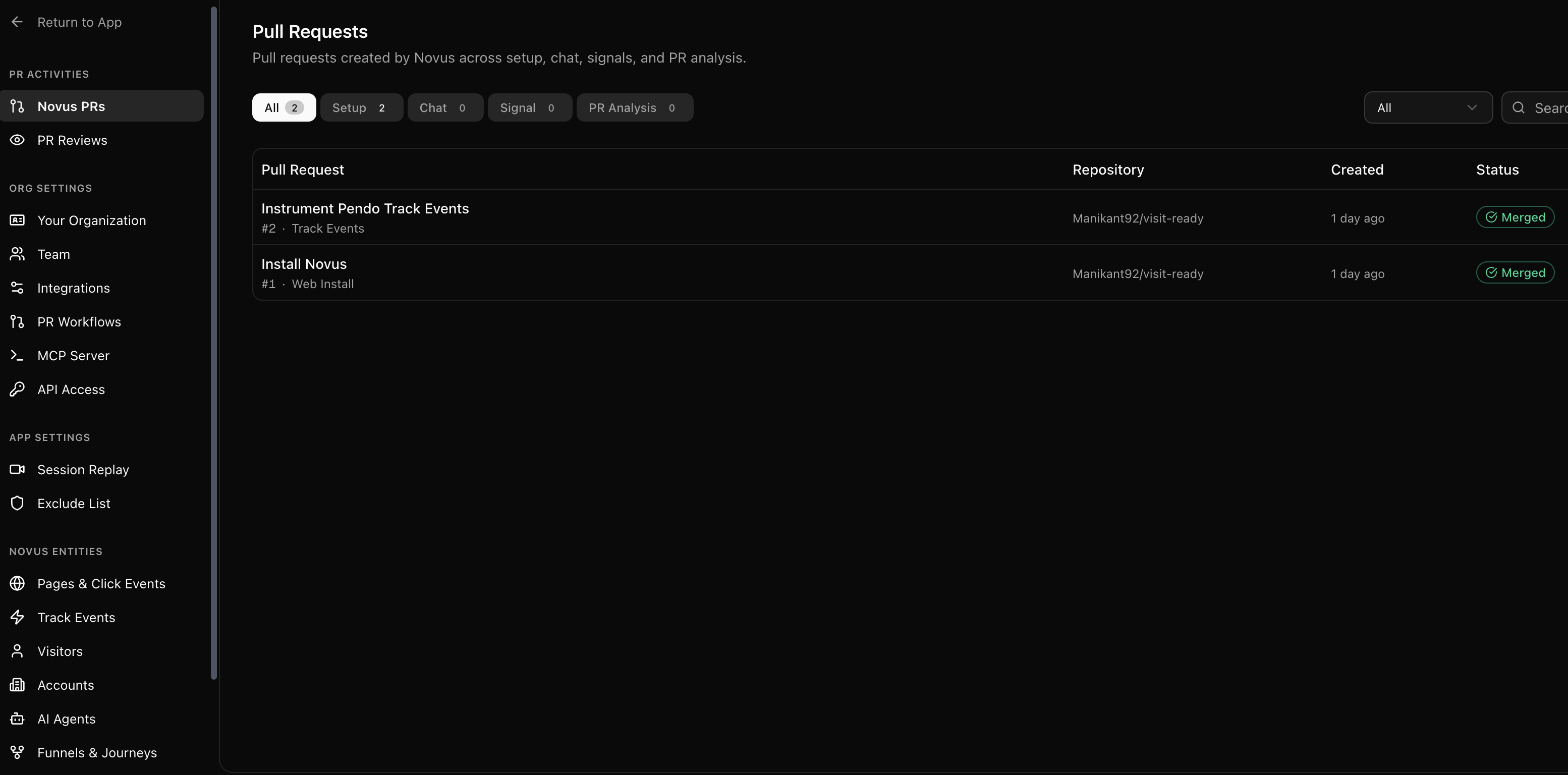
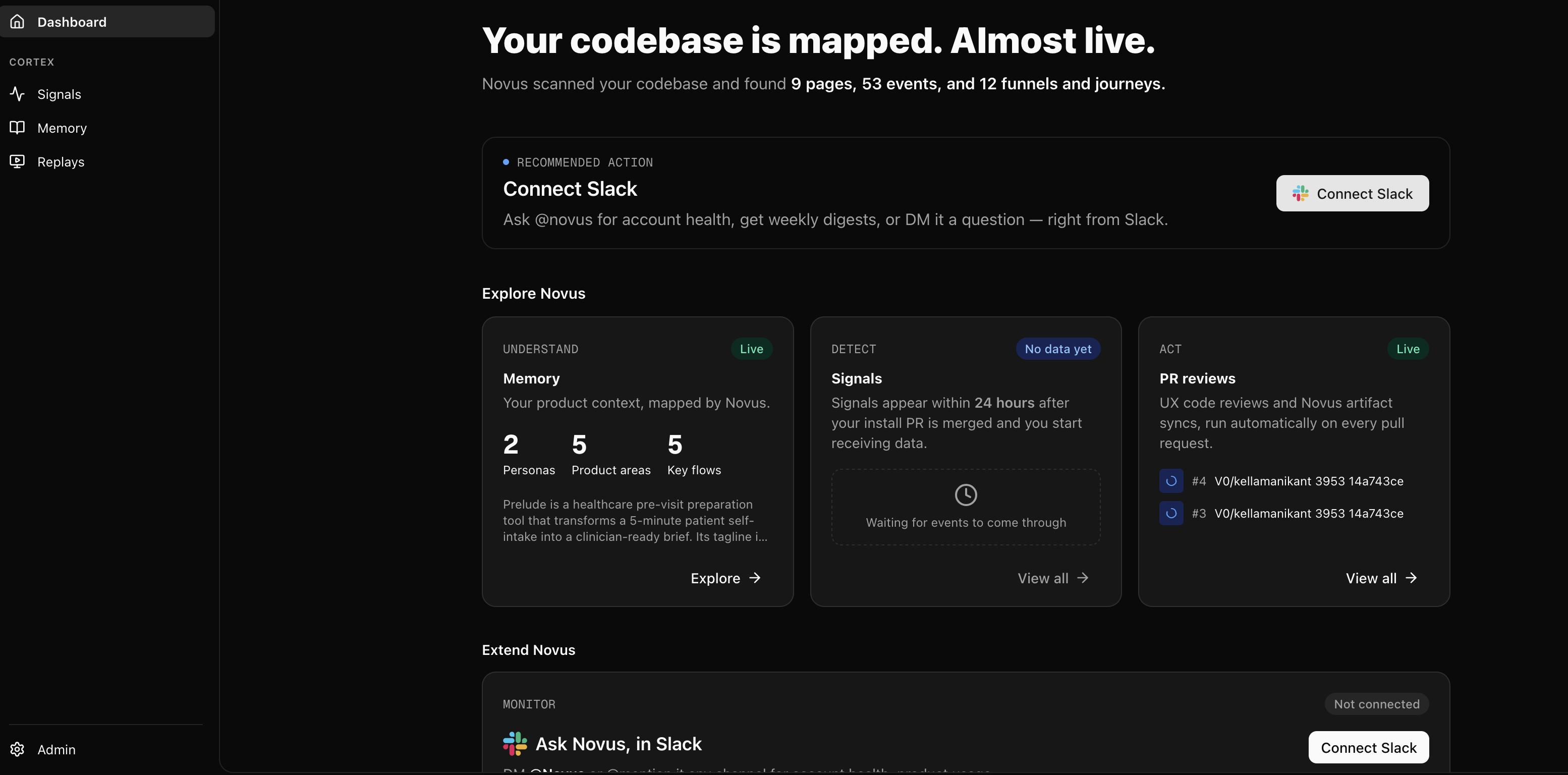
On top of that sits a clinic admin layer — branding, specialty configuration, doctor management, branded patient routing, and a privacy-conscious brief inbox that shows metadata without exposing clinical content to administrators. I installed Novus.ai to measure how real users move through the flow.
Challenges we ran into
The hardest part wasn't engineering — it was restraint. Healthcare invites scope creep at every turn: doctor dashboards, scheduling, reminders, EHR integrations. The discipline was keeping Prelude helpful but never diagnostic, and shipping a tight, coherent product instead of a sprawling half-finished one.
Getting the AI to behave like a clinical scribe rather than a chatbot took real prompt iteration — it had to write in proper HPI narrative, never offer a diagnosis or treatment, and preserve the patient's own words in quotes when their answers were vague. The "What's Missing" feature was the trickiest: it has to surface genuinely relevant gaps without ever sounding alarming.
Safety was the other constant. The app had to detect emergency symptom combinations mid-intake and surface an urgent-care prompt before continuing — getting that to feel responsible without being frightening took several passes.
Accomplishments that we're proud of
A working product, not a demo. A stranger can land on the URL right now, run the full flow, and get a genuinely useful brief at the end.
The two features beyond a plain summary — Doctor's Next Questions and What's Missing — are what make Prelude feel less like a form and more like a thoughtful assistant. Those are the moments people sit up at.
And the dual nature: it's both a standalone patient tool and a clinic-deployable system, without becoming two separate products. The same intake powers an individual patient and a branded clinic deployment.
What we learned
That the best healthcare products often aren't the ones doing the most — they're the ones that fit cleanly into an existing workflow without asking anyone to change their behavior. Doctors don't want another portal to log into; they want an email. Patients don't want a medical record system; they want to not forget the important thing.
I also learned how much the framing of an AI feature matters. The exact same underlying capability reads as helpful or alarming depending entirely on the copy around it. In healthcare, tone is a feature.
What's next for Prelude — Pre-Visit Brief for Patients & Clinics
The immediate next step is the longitudinal loop: each visit's outcome becomes context for the next visit's prep, so Prelude builds a quiet, useful health timeline over time.
Beyond that, the path runs through real clinic pilots — measuring how much appointment time it actually saves — and, when a clinic is ready to use it with real patient data, the compliance work that real healthcare demands (HIPAA, signed agreements with every vendor that touches patient information). The natural buyers are telehealth platforms, concierge medicine practices, specialty clinics, and patient advocacy services — anyone whose business depends on making a short appointment count.
The goal stays simple: nobody should walk into a doctor's office unprepared again.
Built With
- lovable
- postgresql
- react
- supabase
- tailwindcss
- typescript
- vite

Log in or sign up for Devpost to join the conversation.