-
-
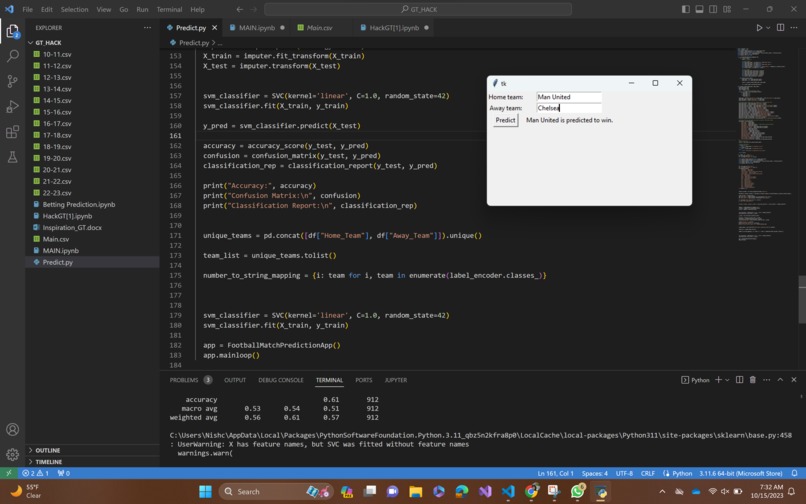
The tkinter window is the local 'front end'
-
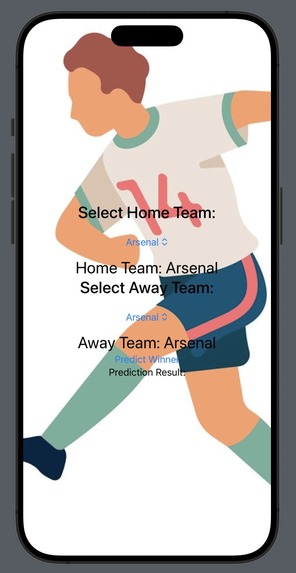
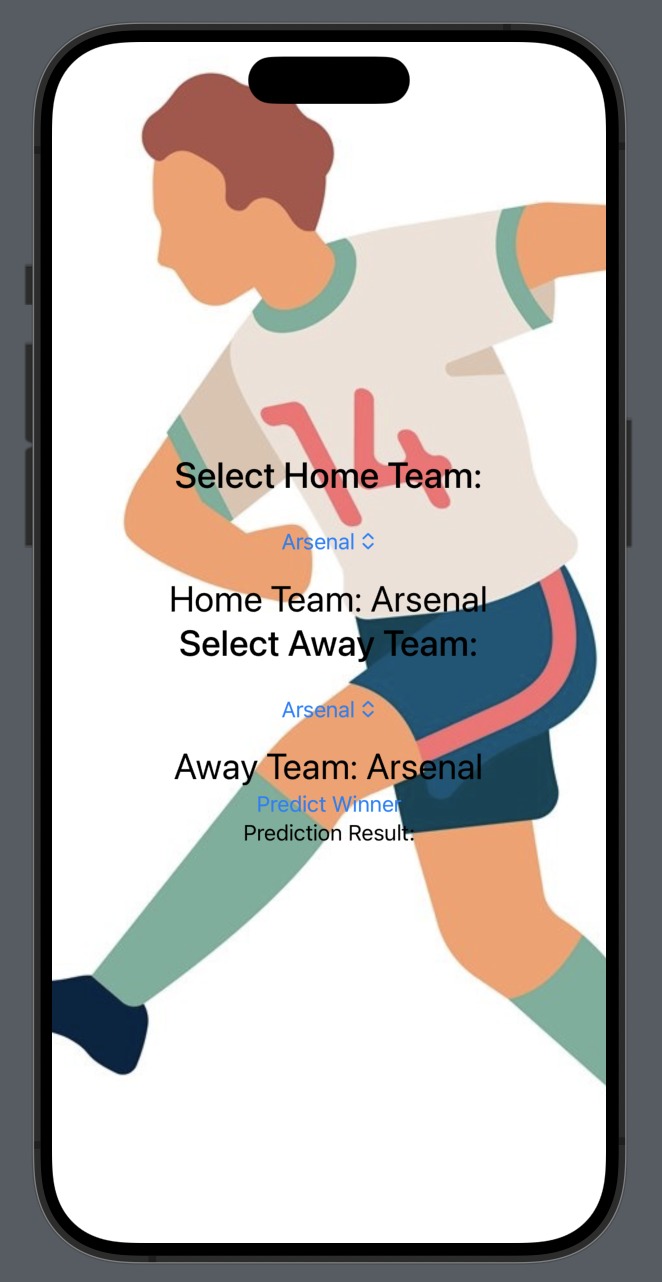
Result page of out ios development
-
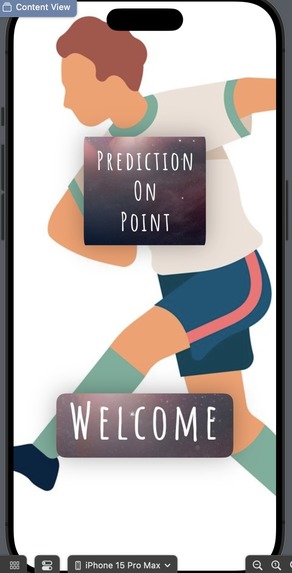
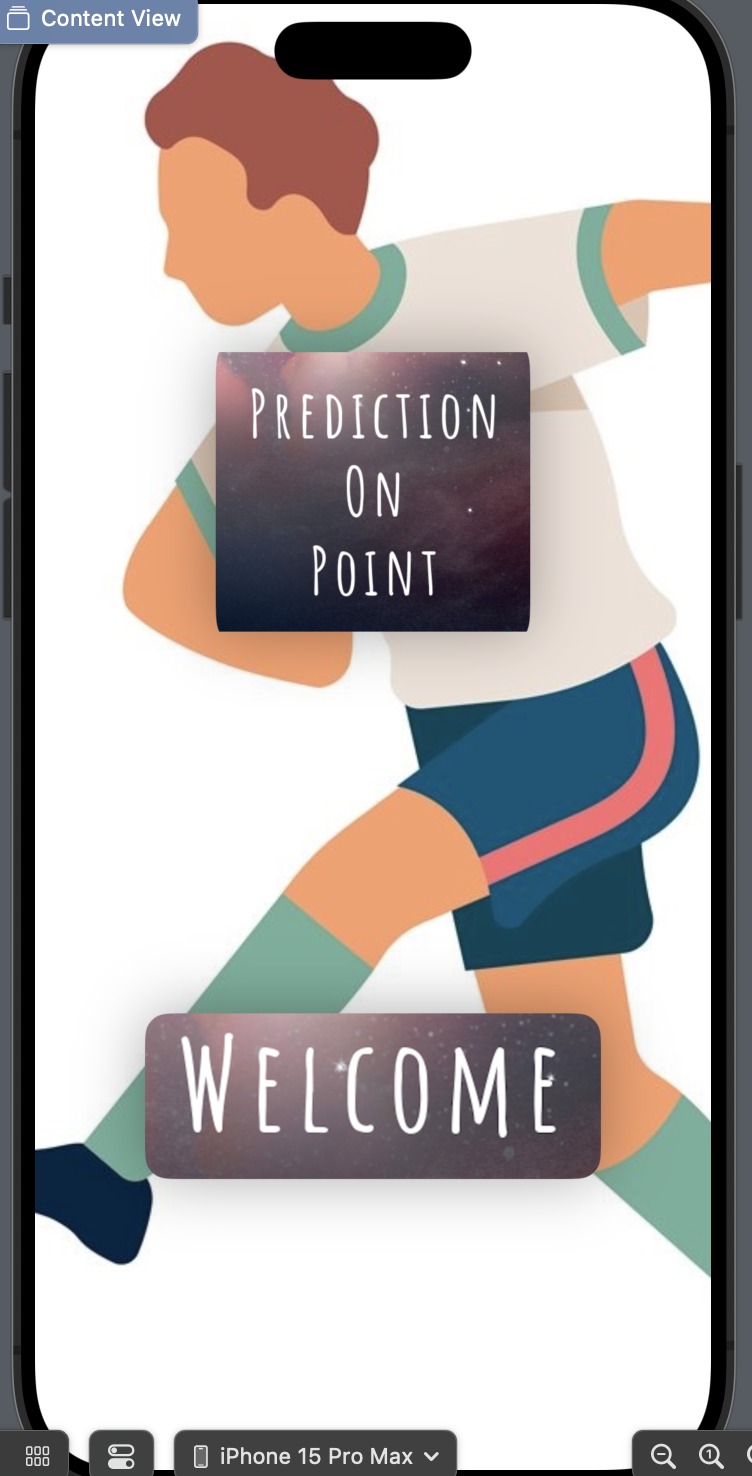
Welcome page of our ios development
Inspiration
Our intense love of sports and our enjoyment of putting wagers on our favorite teams served as the foundation for this effort. We've come across several people over the years who make wise bets based on their thorough understanding of team statistics and their expertise in the area. However, we discovered that current platforms frequently fall short of capturing the thoughts and forecasts of these devoted bettors who devote a lot of effort to scrutinizing team performance. We were inspired by this revelation to develop a system that especially combines input from these seasoned aficionados since we thought their passionate forecasts would improve the precision of match results. We saw the unrealized potential of utilizing these fans' fervor and commitment to better the world sports betting as fellow sports enthusiasts. Hence, we decided to start with the most famous and unpredictable league : Premier League
What it does
Our prediction model considers a wide range of variables, such as wagers made on the home team, wagers on a draw, wagers made on the away team, shots taken by the home and away teams, shots on target, corners for the home team, attempts at corners by the away team, fouls committed by both teams, and yellow and red cards shown to both sides.
How we built it
We started by scrapping information from the internet, but then we came across a website that offered information from six different betting applications, which contained crucial information like goals scored and allowed, shooting statistics, successful tackles, and red cards, among other things. We averaged the data from all betting applications while keeping the other characteristics stated above to build a comprehensive dataset. We gathered this data, combined it with comparable data from the previous 10 years, and created a consolidated dataset with about 5000 rows and fewer than 20 columns. This was followed by machine learning using a "Support Vector Machine." To improve the model's performance, we changed a few datasets and their effects. We then created an iOS mobile application that receives input from users, delivers it to our Python prediction file, and outputs it.
Challenges we ran into
The creation of the iOS application and ensuring smooth communication between the Swift and Python files were the largest challenges for us. Given the inherent unpredictable nature of the Premier League, choosing the best machine learning model also created a hurdle. To find a model that could control the volatility in this intensely competitive English league, we had to do a lot of research.
Accomplishments that we're proud of
We take satisfaction in developing an effective data collection system that is based on in-depth analysis of the factors that influence a team's success. We were successful in both the analysis of the gathered data and the creation of a comprehensive machine learning model. We are also happy that HackGT served as the basis for our first iOS app development competition.
What we learned
Our journey has been a worthwhile educational opportunity. We gained technical expertise in fields including machine learning, Swift programming, data research, processing, and analysis. As the line for food stretches for nearly a mile, we also discovered some unanticipated lessons, such as the value of getting there early. Being first in line not only ensures that you get a meal, but also earns you offers of over $30 from people who arrive just before serving time.
What's next for Prediction on Point
With our current success, we intend to reach out to more leagues and sports. The development of forecasting algorithms for the NFL and the future World Cup in 2026 is our immediate objective.

Log in or sign up for Devpost to join the conversation.