Inspiration
Technology plays an important role in healthcare to booking appointments to predicting the best airflow to slow down the spread of Covid. I want to implement a tech solution to benefit healthcare thus I choose this problem statement.
What it does
My solution classifies patients into high, medium and low priority based on their medical history regardless of age and gender. Based on the priority, the patients would be deployed to the hospital that has less waiting time so that patients who really need urgent medical attention may receive it fast
How we built it
I prepared the given sample Hospital Admissions Data by doing these steps:
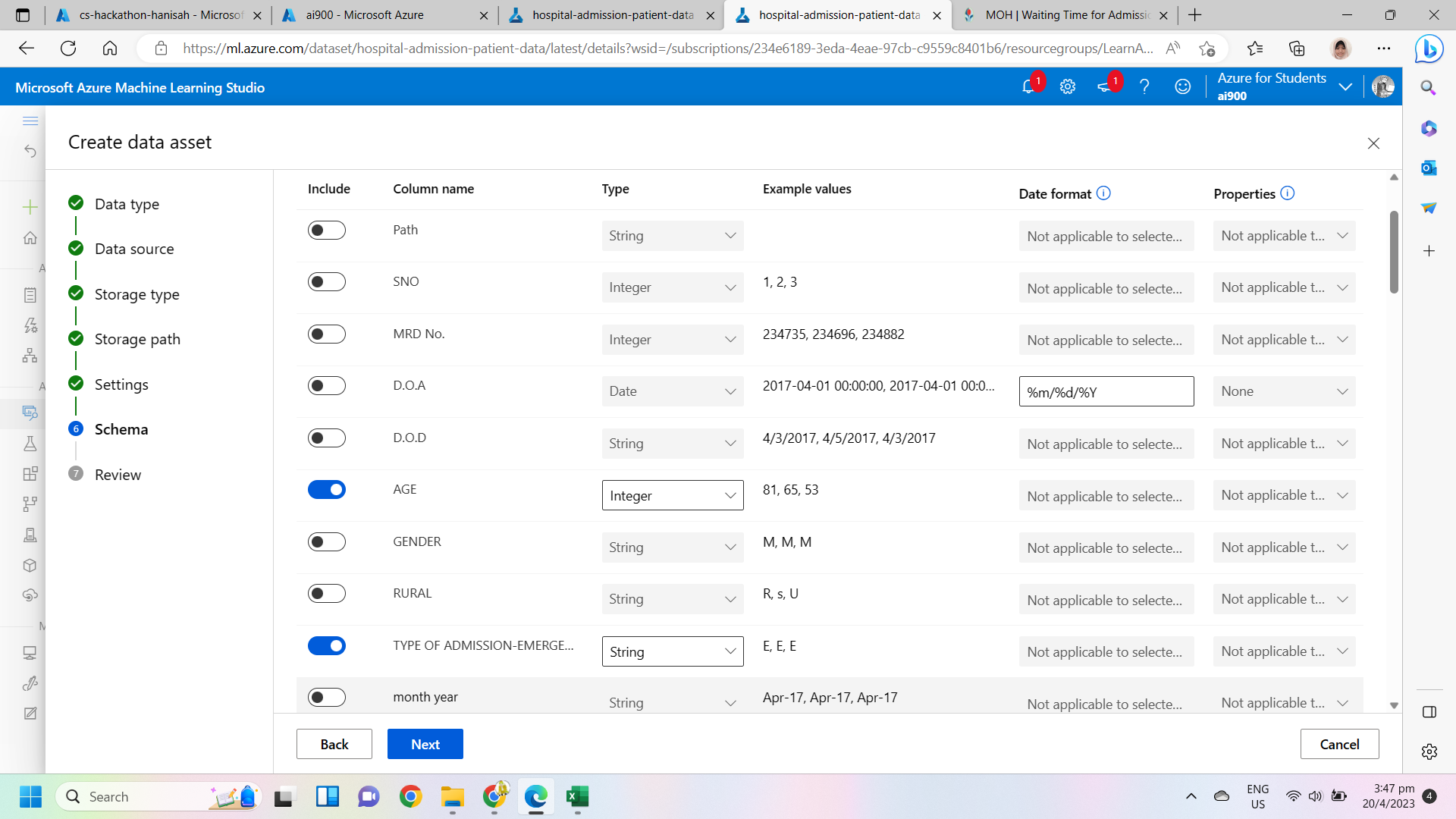
- I chose appropriate columns such as their health data, duration of stay in the intensive care unit etc. and deleted the unrelated columns such as serial number, date of arrival etc.
- I also deleted the columns that had data relating to blood test (glucose, creatine etc.) as the blood data test signifies the presence of aliments which the other columns already indicate
- Following the responsible AI practices, to practice Fairness I deleted the age and gender column to ensure that only the medical history affects the priority of getting urgent medical care
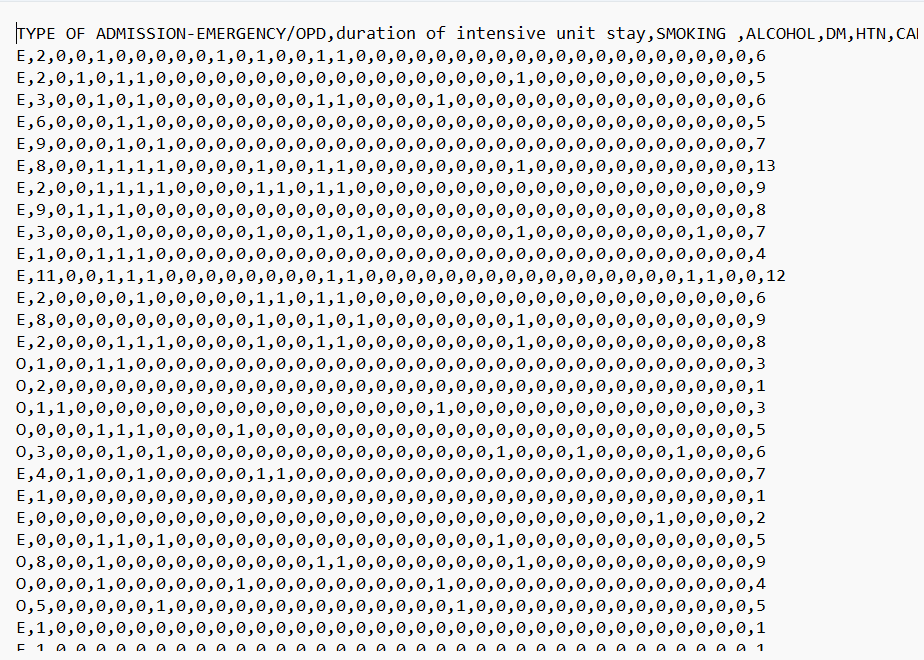
- I replaced the null and empty values with 0 so that the AI can recognise that null and empty means lack of value.
- What I had left was binary data of peoples medical history (1 if they have the alliment and 0 if they do not have the alliment). I also added a numeric value based on the duration of stay in the intenstive care unit in days (B3), IFS(B3<4,1,B3<8,3,B3>7,5)
- Based on these data, I added another column that takes the sum of these numeric values and classify the values as low, medium, high priority
After cleaning the data, I used Microsoft Azure Machine Learning Studio to create a automated ML job based on the data.
Now I had a model that can label a patient medical record to a priority. The next step was to allocate high priority patients to a hospital that has more beds available (in real world can use real-time data) thus solving the problem stataement.
Challenges we ran into
I feel that since I deleted a lot of columns, there might be essential data that is lost which could have helped with the priority decision. I also feel that my model accuracy is not that good I also forgot to delete my resources so I paid quite a lot of money I also forgot to take video of my project before deleting my resources....:(
Accomplishments that we're proud of
Im proud of completing the whole AI lifecycle because it took me a lot of learning to actually understand the whole process and even then I feel that I could use more practise
What we learned
What's next for Predict hospital average waiting time - PaloIT Statement 1
If this gets implemented in real life, whats next is to connect the model to a real-time data of bed occupency numbers so that patients can be allocated to a hospital that has beds available.

Log in or sign up for Devpost to join the conversation.