-
-
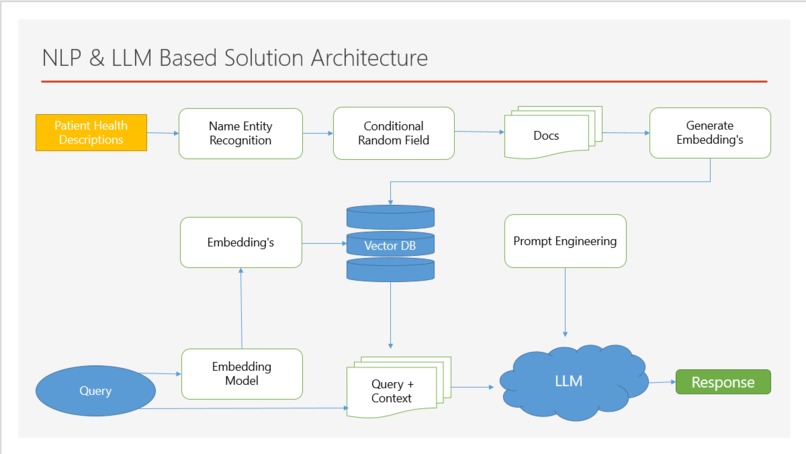
Prealth - Project Architecture

Inspiration
Globally, there is a significant need for effective disease diagnosis due to the complexity of disease mechanisms and patient symptoms, posing significant challenges in early diagnosis and treatment.
Diagnostic information is often obtained through a patient's history and physical examination, but it can be challenging due to ambiguous indications and symptoms that require trained health experts. Countries with limited health professionals, struggle to provide adequate diagnostic procedures for their population. Medical tests are often expensive and difficult for low-income individuals to afford. Overdiagnosis, a common occurrence, can lead to unnecessary treatment and negatively impact health and the economy. The National Academics of Science, Engineering, and Medicine report states that most people will encounter at least one diagnostic mistake during their lifetime. Factors influencing misdiagnosis include lack of proper symptoms, rare disease conditions, or incorrect disease inclusion in consideration.
Machine-learning-based disease diagnosis (MLBDD) offers a cost-effective, predictive, and efficient alternative to traditional methods, as it doesn't require human intervention and doesn't exhaust as quickly as humans. This could enable the development of a method for diagnosing diseases in unexpected cases where patients are outnumbering healthcare personnel.
What it does
In remote corners of world, where access to medical care is a distant dream, we envision a transformative solution that harnesses the power of technology to bring healing within reach. By leveraging artificial intelligence, Natural language processing and data-driven insights, we can revolutionize the way medical therapy is prescribed, ensuring the most isolated communities receive the right treatment based on initial symptoms and diagnosis.
Imagine a scenario where individuals in remote areas, often disconnected from the mainstream healthcare system, can access a virtual platform which can understand their symptoms and provide accurate initial diagnoses. Prealth, fueled by the latest advancements in AI, analyzes data input by users and generates preliminary medical assessments. By considering a wide array of symptoms, it becomes a beacon of hope for those who would otherwise be left without guidance.
The true magic lies in the ability of Prealth to recommend suitable medical therapies tailored to the individual's condition. Drawing from a vast database of medical knowledge, the AI not only identifies the ailment but also suggests appropriate courses of action, medication, and lifestyle modifications. This groundbreaking approach ensures that even in areas where medical expertise is scarce, individuals can make informed decisions about their health and take proactive steps towards recovery.
Moreover, this predictive platform extends beyond mere diagnosis and prescription. It serves as an educational tool, empowering communities with knowledge about preventive measures. By fostering a culture of health awareness, we aspire to create lasting improvements in the well-being of these communities.
How we built it
Overall Architecture Given In Video as well as Image Media.
Challenges we ran into
Limited Infrastructure:
Telecommunication Infrastructure: Remote areas often lack robust internet connectivity, making it challenging to establish and maintain an online platform for medical consultations. The way to solve this can be through intelligent management of data storage and offline copy.
Data Collection and Accuracy:
Data quality issues in terms of comprehensive health records, doctors not recommending the treatments
Data size is not significant to cover 100% of all symptoms and their associated treatments
Health Literacy and User Education
Low Health Literacy: Some community members may have limited understanding of medical concepts, making it challenging to convey complex information or instructions.
User Training: Providing effective education on using the platform and understanding the recommendations is essential but may be challenging in areas with low literacy rates.
Cultural Sensitivity and Trust:
Cultural Beliefs: Cultural practices and beliefs related to healthcare may impact the acceptance and adherence to recommended therapies, requiring a culturally sensitive approach.
Building Trust: Gaining the trust of communities is crucial for the success of the project. Establishing trust may take time and necessitate community engagement efforts.
Regulatory and Ethical Considerations:
Compliance with Regulations: Adhering to local and national healthcare regulations is imperative but may be complicated by variations in regulatory frameworks across regions.
Ethical Data Handling: Ensuring the privacy and security of user data is essential, and navigating ethical considerations in data collection and storage is a persistent challenge.
Follow up and Monitoring:
Emergency Response: Developing protocols for emergency situations and facilitating timely responses in case of complications is crucial but may be hindered by limited resources.
Accomplishments that we're proud of
Technology Adoption:
Successful Implementation of AI: The integration of artificial intelligence in the initial symptom analysis and diagnosis process has proven effective, showcasing the feasibility and potential of technology-driven healthcare solutions in resource-constrained settings.
Data-Driven Insights:
Accurate Initial Diagnoses: The utilization of data-driven insights has contributed to more accurate initial diagnoses, enabling individuals in remote areas to receive tailored medical therapy recommendations aligned with their specific health conditions.
Innovative Solutions for Limited Resources:
Adaptability: Our project has showcased adaptability by developing innovative solutions to address challenges posed by limited infrastructure, scarce resources, and unique geographical constraints.
What we learned
Context Matters:
Lesson: The success of healthcare interventions in remote areas is highly dependent on understanding and respecting the local context, including cultural nuances, beliefs, and existing healthcare practices.
Technology's Transformative Potential:
Lesson: Embracing and leveraging technology, particularly artificial intelligence, can be transformative in addressing healthcare gaps. However, it requires careful consideration of the technological infrastructure and the ability of the community to adopt and adapt to these innovations.
Collaboration is Key:
Lesson: Successful healthcare initiatives in remote areas necessitate collaboration with local stakeholders, including community leaders, healthcare providers, and governmental authorities. Building trust and partnerships are foundational to project success.
Adaptability is Essential:
Lesson: Flexibility and adaptability are crucial when working in resource-constrained environments. Solutions need to be tailored to the unique challenges of each community, and the ability to adjust strategies based on feedback and evolving circumstances is paramount.
Data Privacy and Security are Non-Negotiable:
Lesson: Maintaining the privacy and security of user data is a top priority. Adhering to ethical standards and legal requirements is not only a responsibility but also crucial for building and retaining trust within communities.
Continuous Training and Capacity Building:
Lesson: Ongoing training and capacity building for local healthcare providers and community health workers are essential. This ensures the sustainability of the project and strengthens the local healthcare ecosystem.
Measuring Impact and Iterative Improvement:
Lesson: Implementing mechanisms to measure the impact of the project is crucial. Regular evaluation, feedback loops, and a commitment to continuous improvement allow for the refinement of strategies and the enhancement of outcomes over time.
What's next for Prealth (Predictive Health)
Expansion to Additional Regions:
Objective: Extend the reach of the platform to cover new remote regions that face similar challenges in healthcare access. This expansion could be guided by careful analysis of healthcare disparities and collaboration with local stakeholders.
Enhanced Technological Integration:
Objective: Continuously improve and expand the technological capabilities of the platform. This may include refining the AI algorithms for more accurate diagnoses, incorporating machine learning for personalized recommendations, and optimizing the user interface for accessibility.
Mobile Application Development:
Objective: Develop a user-friendly mobile application that can operate on low-bandwidth networks. This would make the platform more accessible to individuals in remote areas who may primarily use mobile devices for internet access.
Community Health Worker Integration:
Objective: Strengthen partnerships with community health workers, empowering them with training and tools to facilitate the use of the platform within their communities. These workers can act as intermediaries, assisting community members in navigating the platform and understanding medical recommendations.
Telemedicine Features:
Objective: Integrate telemedicine capabilities to facilitate remote consultations between healthcare providers and individuals in need. This would enable real-time communication, clarification of doubts, and more personalized guidance.
User Feedback and Iterative Improvement:
Objective: Establish mechanisms for collecting user feedback and use it to iteratively improve the platform. Act on suggestions, address concerns, and adapt the platform to evolving user needs and technological advancements.
Built With
- angular.js
- azure
- chromadb
- databricks
- dolly-v2-12b-model
- fastapi
- mlflow
- python
- pytorch
- restapi
- retrieval-augmented-generation
- sentance-transformer


Log in or sign up for Devpost to join the conversation.