Inspiration
- Financial systems today act only after default happens, making recovery costly and damaging customer trust.
- We asked: Can we detect financial stress before it becomes visible?
- Inspired by early-warning systems, we built a solution focused on prevention, not recovery.
What it does
- Detects early financial distress 2–3 weeks before delinquency.
- Combines financial + behavioral signals for accurate risk scoring.
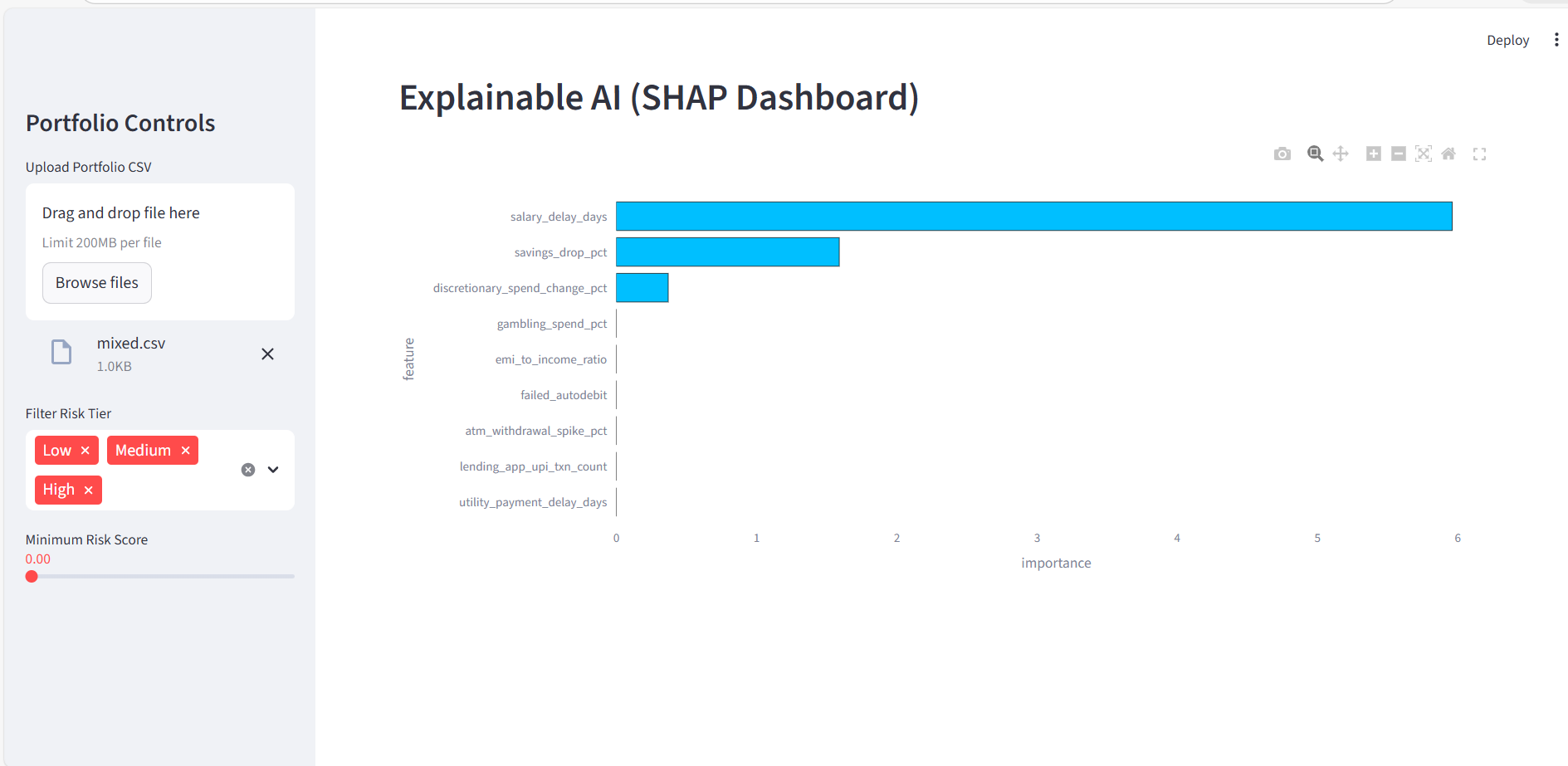
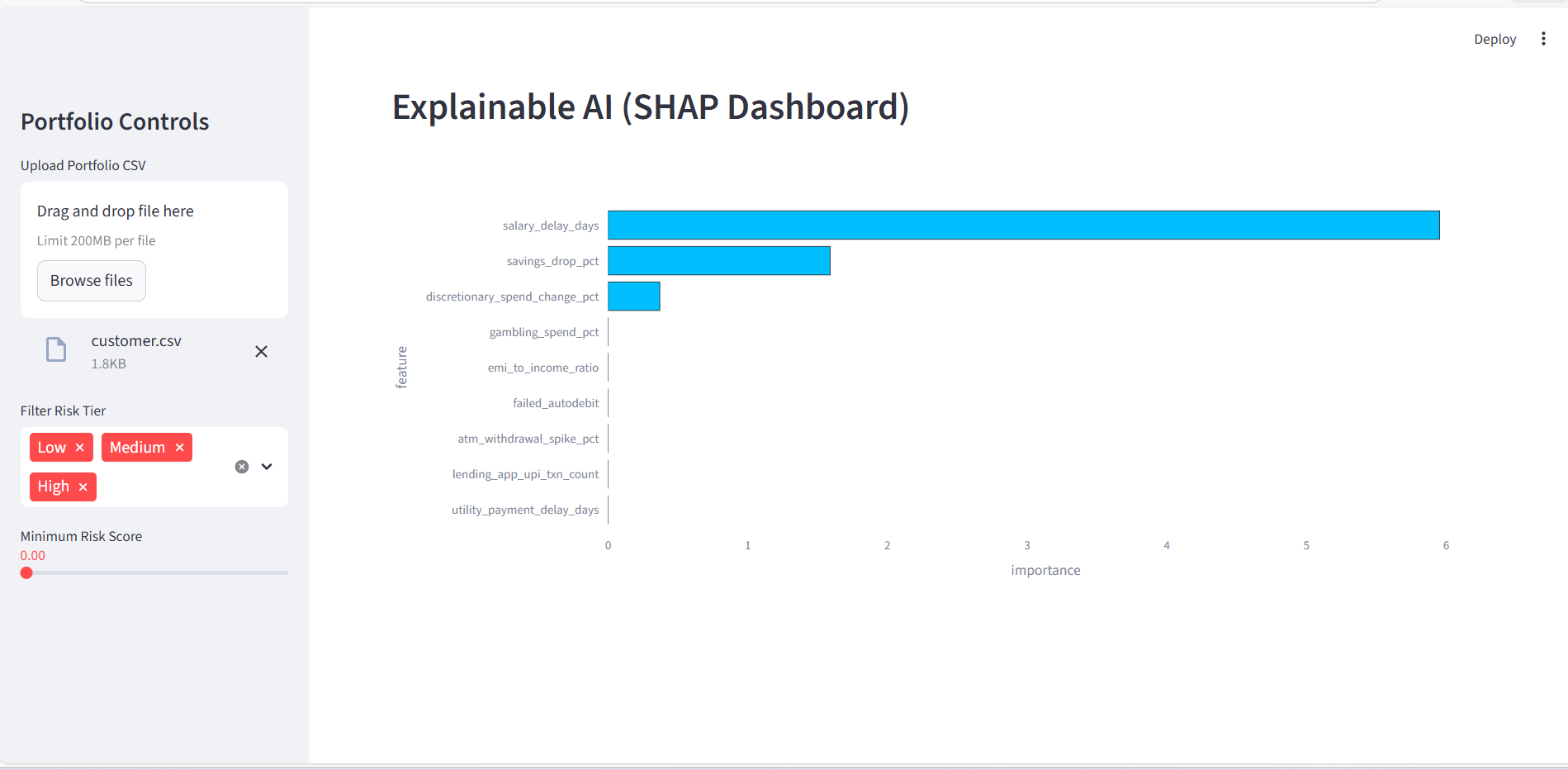
- Explains why a customer is at risk (transparent AI).
- Recommends personalized, supportive interventions.
- Enables human oversight for responsible decision-making.
- Not just prediction—a decision intelligence system for prevention.
How we built it
- Leveraged Zerve AI for end-to-end autonomous workflows.
- Engineered behavioral features (payment cycles, spending spikes, loan stacking).
Built:
- Ensemble models (XGBoost + LightGBM) for stability
- Attention-based DL for behavior understanding
- Integrated SHAP explainability for transparency.
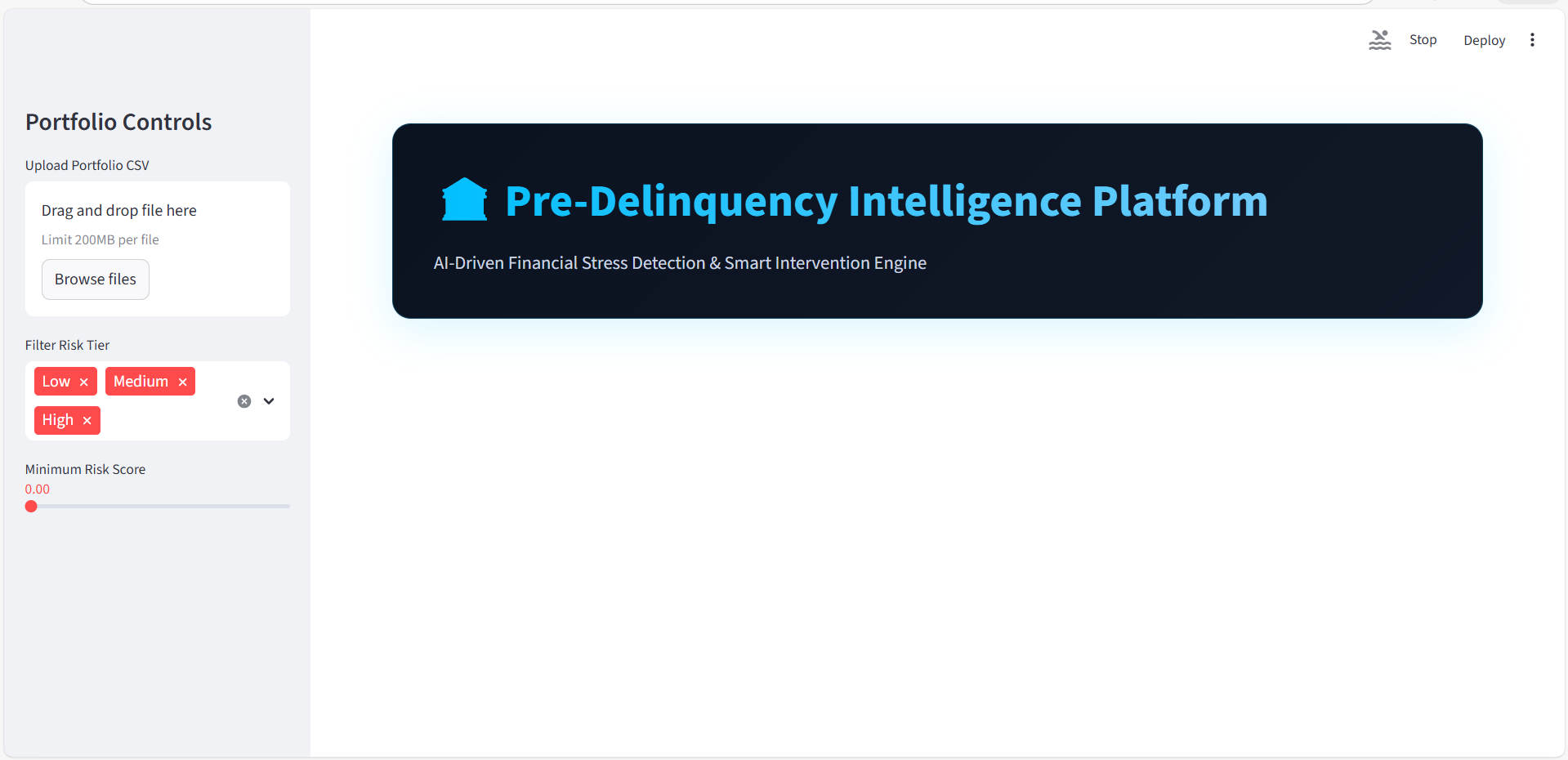
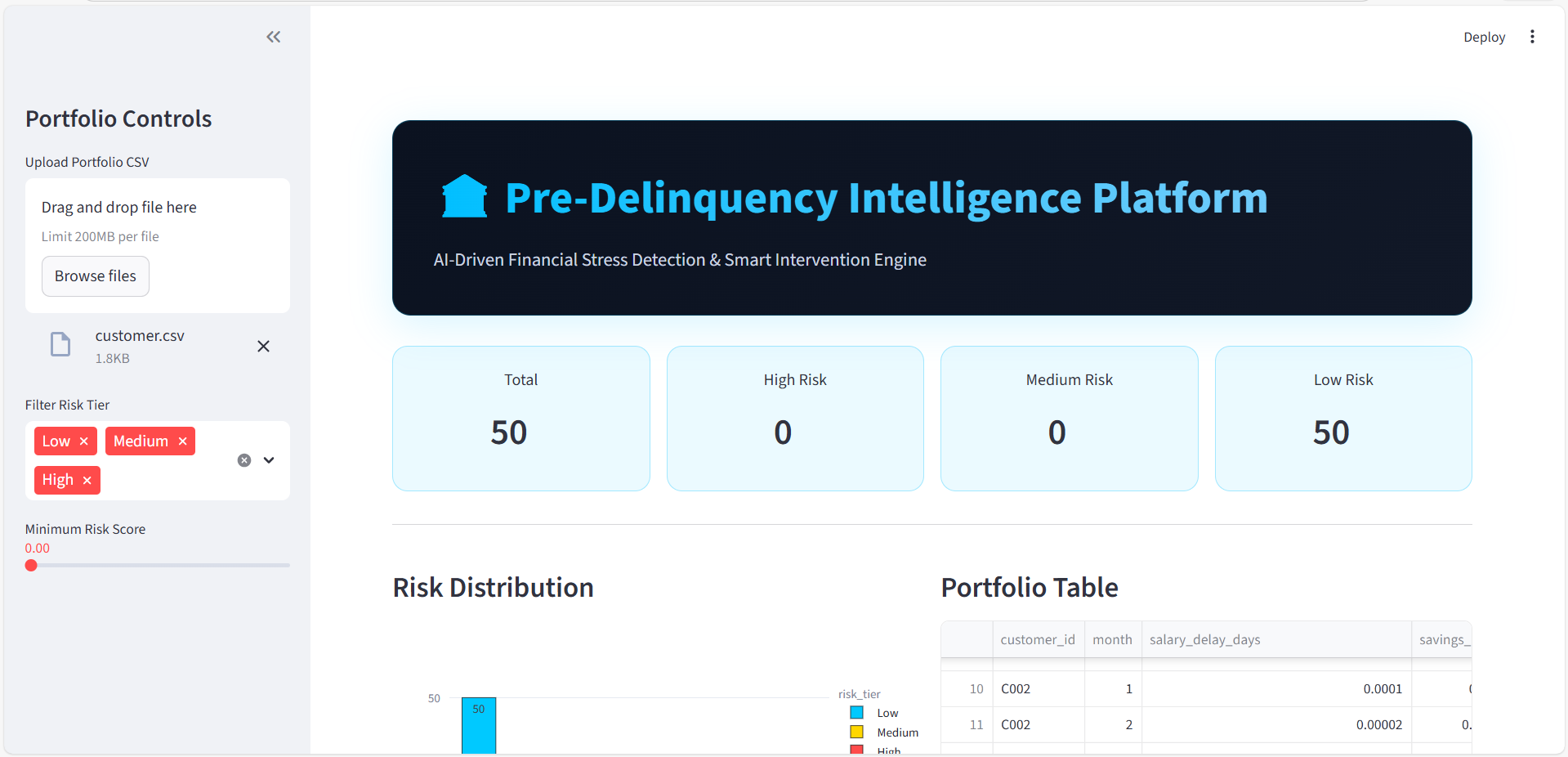
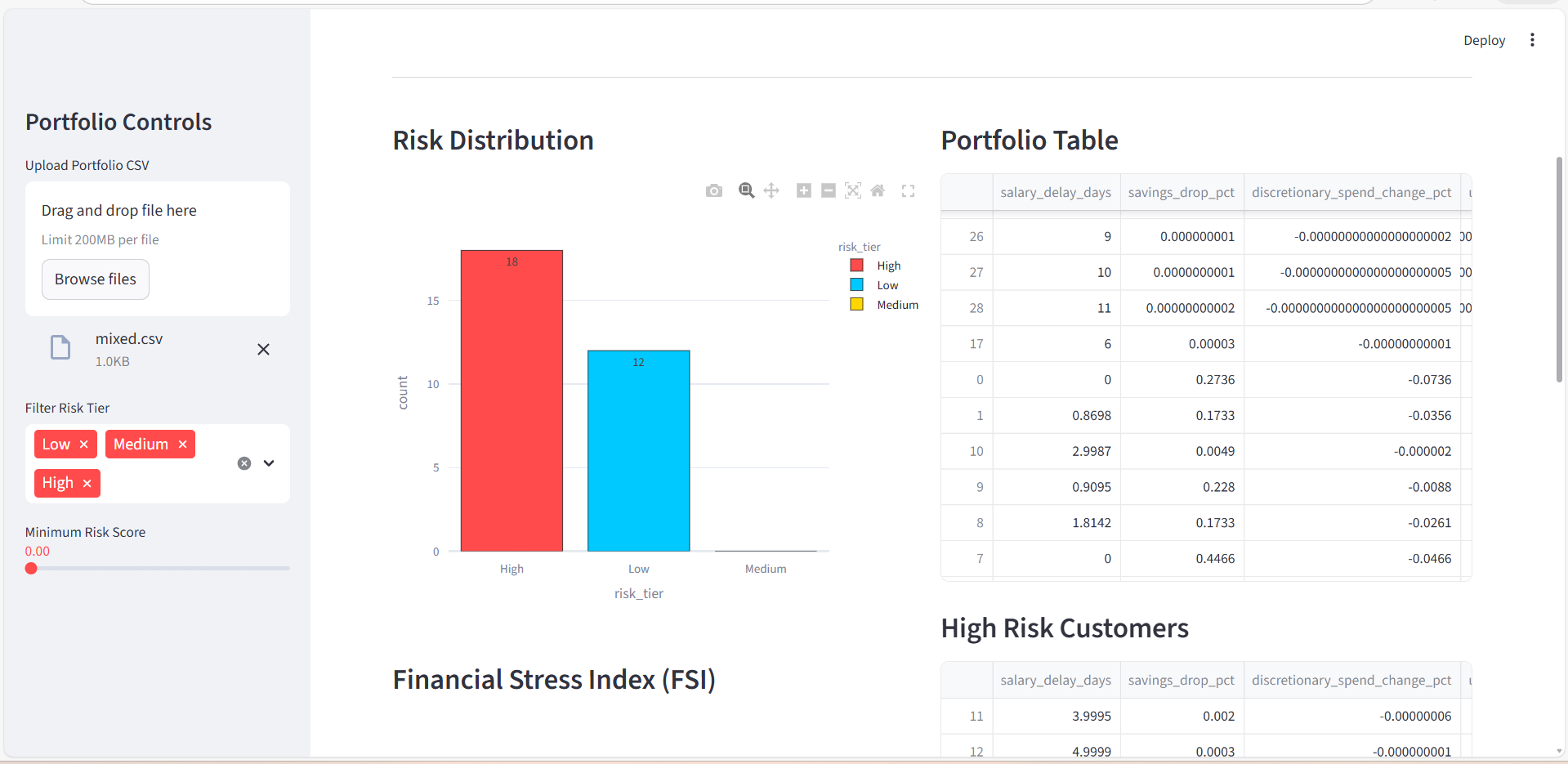
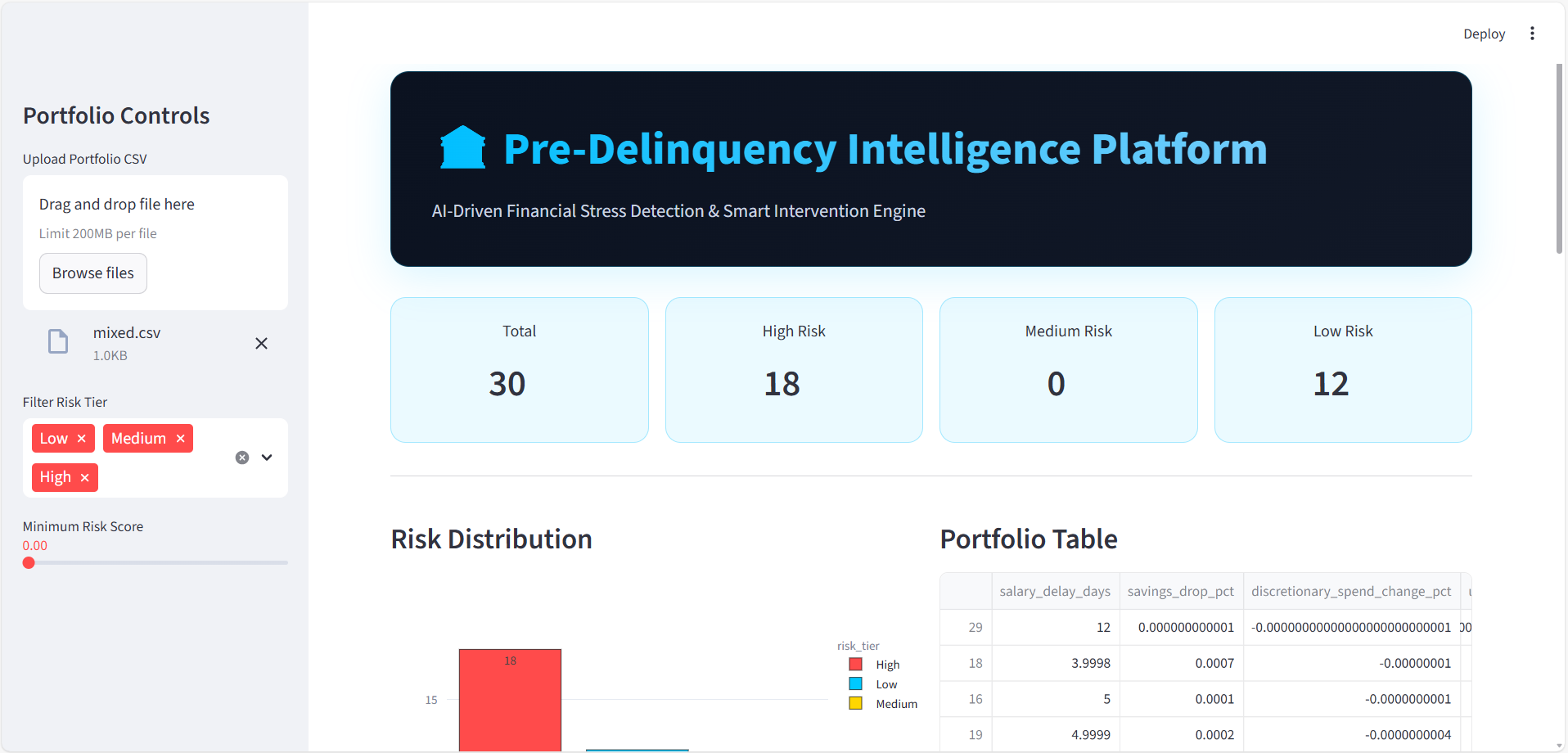
- Developed a real-time API + interactive dashboard.
Challenges we ran into
- Real-world data limitations → used realistic synthetic datasets.
- Capturing behavioral dynamics, not just static data.
- Balancing accuracy, interpretability, and fairness.
- Designing interventions that are supportive and ethical.
Accomplishments that we're proud of
- Built a full pipeline: detect → explain → act → learn.
- Created a system that shifts finance from reactive to proactive.
- Delivered a deployable, real-world-ready prototype.
- Ensured trust, transparency, and human governance.
What we learned
- Prediction without action has limited impact.
- Behavioral insights unlock deeper risk understanding.
- Trust in AI comes from explainability + human control.
- AI-native platforms like Zerve enable rapid innovation.
What's next for Pre-Delinquency Detection & Customer Support Engine
- Integrate real-time financial data streams.
- Use LLMs for adaptive, personalized interventions.
- Add continuous learning via feedback loops.
- Deploy in real fintech environments for validation.
Expand into a full financial health intelligence platform.

Log in or sign up for Devpost to join the conversation.