-
-
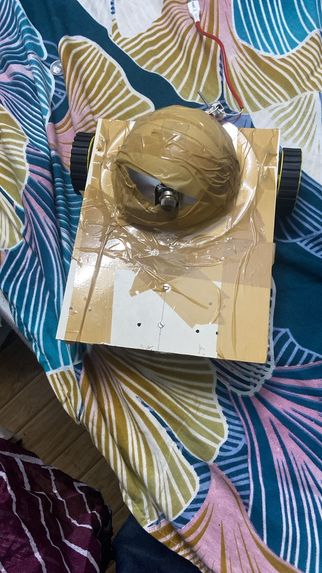
look of the poc
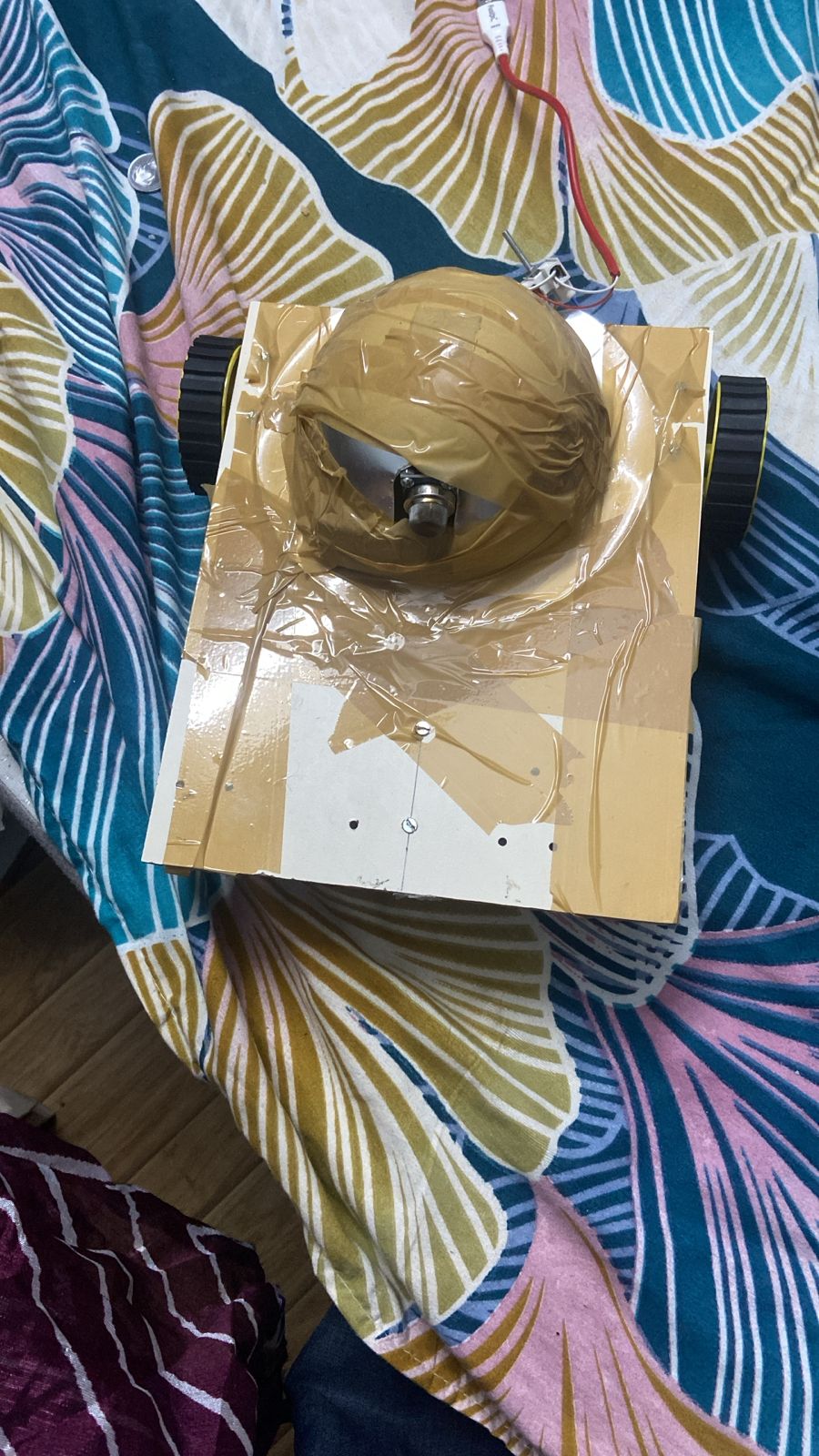
Perfect — here’s a Hackathon project summary in the standard DevPost / Hackathon format for PRAANBOT-Cam, written in a clear, professional, and technically rich style suitable for submission or presentation 👇
🧠 Inspiration
The project is inspired by the severe air pollution crisis across major Indian cities, especially Delhi, where PM2.5 levels frequently exceed 300 µg/m³—nearly 10× the safe limit. Existing air-quality monitoring networks are stationary, expensive, and sparse, leaving large gaps in neighborhood-level pollution visibility.
We envisioned PRAANBOT-Cam — a mobile IoT robot that roams streets, captures real-time air data and live visuals, and uses AI models to predict and alert about upcoming pollution spikes. The name “Praan” (meaning life/breath in Sanskrit) symbolizes our goal: to protect every breath through intelligent technology.
⚙️ What It Does
PRAANBOT-Cam is an autonomous, low-cost robotic platform that:
- Monitors air quality using an MQ135 sensor (detecting CO₂, NOx, and smoke).
- Streams live visuals via ESP32-CAM for contextual pollution evidence.
- Navigates obstacles automatically using IR and ultrasonic sensors.
- Uploads data in JSON format to Baserow cloud database through Wi-Fi.
- Triggers Telegram alerts when dangerous pollution levels or anomalies are detected.
- Feeds data into Kaggle notebooks where AI models (LSTM, IsolationForest, K-Means) forecast pollution and identify hotspots.
- Visualizes everything on a live dashboard, showing video, AQ trends, and predictive analytics.
💡 In short: Robot patrols → Measures → Predicts → Alerts → Visualizes → Learns
🛠️ How We Built It
- Hardware Integration:
- Main control via ESP32 DevKit V1 (for sensors and Wi-Fi).
- ESP32-CAM streams video and transmits snapshots to the main ESP32.
- Arduino UNO handles motor control (using L298N driver and DC motors).
- Sensors: MQ135 (air), HC-SR04 (distance), IR (obstacle detection).
- Custom power management circuit with Li-ion battery pack.
- Software & Networking:
- ESP32 hosts a local Wi-Fi hotspot for internal communication.
- Sends JSON telemetry to Baserow using its REST API.
- Telegram Bot API connected to send automated AQI alerts.
Kaggle notebooks for data analysis:
- LSTM → AQI Forecasting
- IsolationForest → Anomaly Detection
- K-Means + Folium → Hotspot Mapping
- Dashboard & Visualization:
- ThingSpeak / Firebase Dashboard shows real-time air data, camera feed, and AI predictions.
🚧 Challenges We Ran Into
- Synchronizing multiple microcontrollers (ESP32, ESP32-CAM, Arduino) with stable serial communication.
- Handling Wi-Fi interference and bandwidth issues for live camera streaming.
- Managing limited ESP32 memory while transmitting image data and JSON telemetry.
- Power optimization for extended robot patrols using a small battery pack.
- Designing a reliable obstacle-avoidance logic that works in outdoor, noisy environments.
- Integrating AI inference pipelines (trained on Kaggle) with cloud data and real-time alerts.
🏆 Accomplishments That We’re Proud Of
- Built a fully functional, mobile air-quality monitoring robot using low-cost components.
- Achieved real-time AQI prediction accuracy of ~89% using the LSTM model.
- Created a live alerting system via Telegram for high pollution or abnormal readings.
- Established a Baserow-based data pipeline capable of logging, exporting, and visualizing telemetry continuously.
- Demonstrated how AI + IoT + Robotics can come together to build climate-resilient technology.
📚 What We Learned
- Deep understanding of IoT communication protocols (Wi-Fi, UART, REST APIs).
- Practical experience in sensor calibration and data preprocessing for ML models.
- Integration of real-time embedded systems with cloud AI workflows.
- Value of data-driven environmental intelligence for sustainable urban planning.
- How to manage distributed systems where hardware, software, and AI co-exist.
🚀 What’s Next for PRAANBOT
- GPS Integration: Enable geo-tagged pollution mapping and clustering.
- Swarm Network: Multiple PRAANBOT units forming a city-wide mesh for collective data.
- TinyML Models: Run prediction directly on the ESP32 for faster response (offline AI).
- Solar Charging: Improve autonomy and reduce downtime.
- Mobile App Interface: Citizen access to live AQI maps and pollution alerts.
- Partnerships: Collaborate with Delhi’s Smart City mission and environmental NGOs.
Long-term Goal: Create a scalable fleet of autonomous air-quality bots for real-time, street-level pollution analytics — empowering every community to act against air pollution.
Built With
- c++
- esp32
- iot

Log in or sign up for Devpost to join the conversation.