-
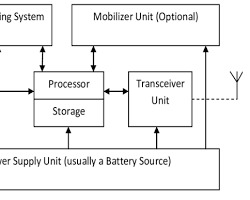
components-interaction

Inspiration
As an IOT undergraduate, solving the problems with sensors has always been exciting. This idea was born from a simple observation. Though the problem looks simple, the effects are disaster. with the help of IOT we came forward to solve this problem.
What it does
It aims to enhance the safety and efficiency of electrical pole lights by implementing a sensor-based monitoring system.
How we built it
Building SafeTerra involved combining sensor technology, IoT connectivity, and robust data processing. Here’s how we approached each component:
- Hardware Design Sensors: We selected earth leakage sensors, ground continuity testers, and earth resistance sensors to monitor key safety parameters. Each sensor was calibrated for sensitivity to detect even slight deviations. Microcontroller & Communication: We used a Raspberry Pi for data processing and an ESP32 for IoT communication, allowing the system to wirelessly send real-time data to a central server. Power Supply: To support continuous monitoring in outdoor environments, we implemented battery backup and explored solar power options for sustainability.
- Software Development Embedded Programming: We programmed the Raspberry Pi to collect sensor data, process thresholds, and trigger alerts when predefined limits were exceeded. Data Transmission: Using MQTT, sensor data is securely transmitted to a cloud-based platform, providing remote access for maintenance teams. Centralized Monitoring Platform: We developed a web dashboard using Node-RED and Grafana for real-time data visualization, historical analysis, and alert management.
- Alert and Response System Real-Time Alerts: The system issues immediate audio-visual alerts locally. Remotely, SMS and email notifications are triggered for the maintenance team. Predictive Analysis: Leveraging AI algorithms, SafeTerra predicts potential faults, enabling preventive maintenance and enhancing long-term reliability.
Testing and Calibration Field Testing: We tested SafeTerra in various environments, calibrating the sensors and refining the alert thresholds for accuracy. User Feedback: Feedback from maintenance teams helped us fine-tune the dashboard interface, ensuring a user-friendly experience.
Challenges we ran into
Building SafeTerra presented several challenges across both the hardware and software components:
Sensor Accuracy and Calibration Challenge: Achieving precise and reliable readings from leakage and earth resistance sensors required rigorous calibration, as slight errors could lead to false alerts. Solution: We performed extensive testing in controlled conditions and implemented periodic calibration routines to ensure consistent accuracy.
Real-Time Data Transmission Challenge: Transmitting large amounts of sensor data in real-time from remote locations with potential connectivity issues was difficult. Solution: We used MQTT for lightweight, efficient data transfer and included local storage as a backup to store data if the connection was lost.
Power Management Challenge: Ensuring continuous power to the system, especially in outdoor or remote areas, where stable power is often unavailable. Solution: We implemented battery backup with solar panel support to enable autonomous operation and minimize downtime.
Environmental Factors Challenge: Weather conditions and environmental exposure posed a risk to sensor accuracy and hardware longevity. Solution: We used weatherproof enclosures and selected industrial-grade sensors that withstand temperature, humidity, and dust.
False Positives and Threshold Setting Challenge: Setting accurate thresholds was critical, as false positives could create unnecessary alerts, while lax thresholds could miss important warnings. Solution: Through field testing, we refined thresholds and incorporated machine learning algorithms to adapt threshold levels based on historical data patterns.
User Interface and Alert Management Challenge: Developing an intuitive interface for maintenance teams while ensuring timely, actionable alerts. Solution: We created a user-friendly dashboard with real-time alerts, customizable notifications, and data visualization to simplify monitoring and response.
Cost Efficiency Challenge: Balancing feature-rich design with cost-effective hardware for scalability. Solution: We focused on modular design and prioritized essential features, allowing the system to be cost-efficient without sacrificing reliability.
Accomplishments that we're proud of
What we learned
Through building SafeTerra, we learned the importance of precise calibration, real-time data management, and resilient hardware for reliable safety monitoring. We discovered the value of balancing functionality with cost efficiency, and the need for user-friendly interfaces that make complex data easily actionable. Overall, this project highlighted the challenges and rewards of developing a scalable, IoT-based solution for critical infrastructure safety.
What's next for Safeterra
Next steps for SafeTerra involve enhancing the system’s functionality and scalability:
Advanced Predictive Analytics: Implement machine learning to predict faults before they occur, further reducing downtime and maintenance costs.
Expanded Connectivity Options: Add support for 5G and NB-IoT for wider coverage in remote areas.
Mobile App Integration: Develop a companion app for remote alerts, real-time monitoring, and streamlined communication with maintenance teams.
Scalability for Larger Deployments: Adapt SafeTerra’s architecture to handle thousands of sensors in large-scale operations, such as industrial parks or smart cities.
Improved Resilience and Redundancy: Implement backup sensors and enhance self-diagnosing capabilities to ensure data accuracy and reliability under any conditions.
User Feedback Integration: Gather ongoing feedback from users to refine UI/UX, improve alert accuracy, and simplify maintenance workflows.
By advancing these areas, SafeTerra can evolve into a comprehensive, scalable solution for grounding and electrical safety management.
Built With
- alarms
- buzzers
- clamp-on-resistors
- css
- current-transformers
- html
- javascript
- lora-module
- matlab
- mqtt
- node.js
- python
- raspberry-pi
- sensors

