-
-
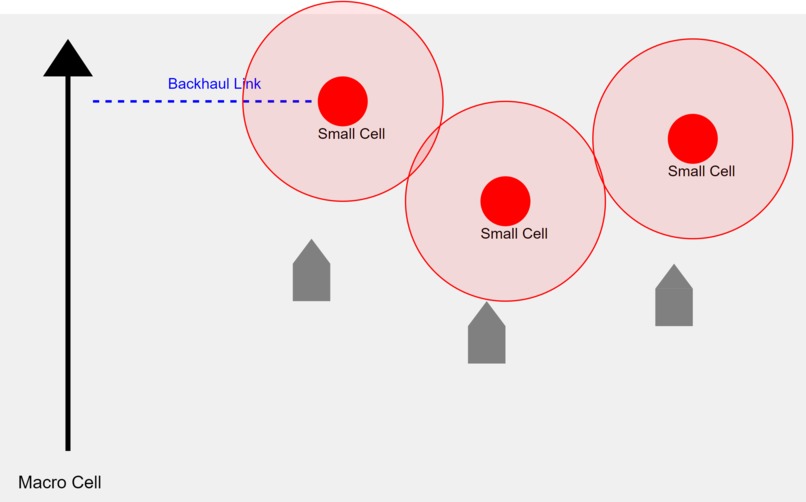
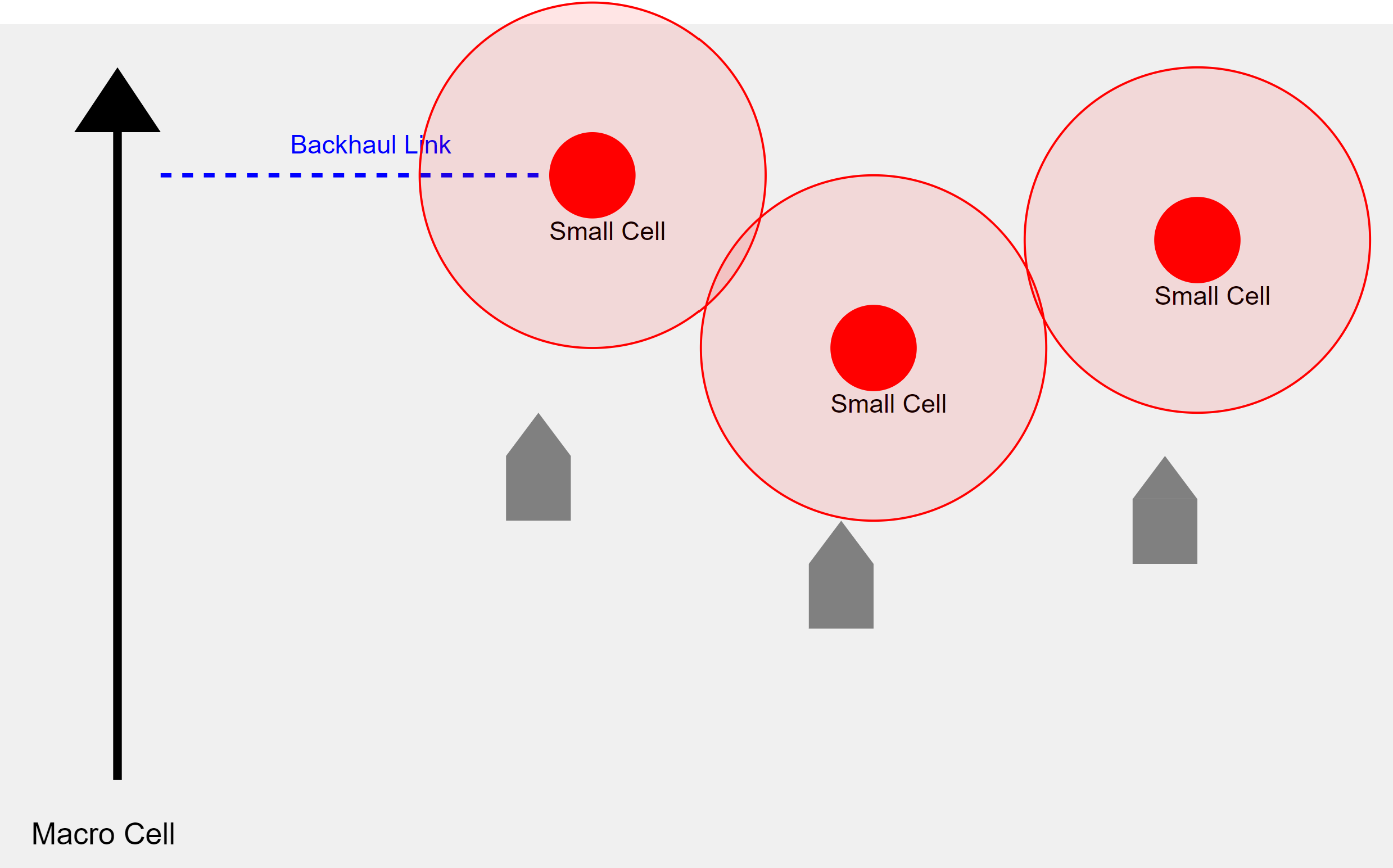
powerguard layout
Inspiration
The lack of reliable connectivity in remote areas, where communication is vital for humanitarian aid, safety, and economic development, inspired us to create PowerGuard. By addressing the digital divide, we hope to empower communities that are often forgotten, providing them with the tools to access essential services like healthcare and education. Our goal is to create a solution that safeguards access to information and resources for those in need, especially marginalized populations.
What it does
PowerGuard enhance cellular service in smaller geographic areas, such as urban neighborhoods, rural villages, or indoor environments. They are critical for improving network capacity, especially in high-traffic areas or places where traditional infrastructure is limited.
How we built it
We built PowerGuard using a modular system that integrates:
Search Google on hopeful solutions. Do more research on the working principle and challenges on this solutions. Come up with solutions on the problems. Build a demo using python and make a graph of the small cells base station.
Renewable energy sources such as solar power to ensure the system can operate independently. Encryption protocols to secure communication and protect privacy. Our team combined hardware (sensors, solar panels, communication nodes) with custom-built software to manage data transmission, user interfaces, and system monitoring.
Challenges we ran into
1, The localized nature means many small cells are needed to cover larger areas, which can increase deployment costs.
2, We need reliable backhaul connections, which can be challenging in remote areas with limited infrastructure.
3, The installation of PowerGuard requires physical mounting locations (like poles or buildings), which may not always be available in certain environments.
4, The need for continuous power supply is essential. In remote areas, alternative power solutions may be necessary.
5, Regular maintenance is needed, and managing multiple small cells can present logistical challenges.
Accomplishments that we're proud of
We are proud of developing a scalable solution that brings reliable communication to remote areas, ensuring that vulnerable populations are connected to the services and support they need. Successfully integrating renewable energy sources into the system was a major milestone, as it allows PowerGuard to function sustainably even in off-grid locations. The ability to maintain data privacy and security in such an environment is another significant accomplishment.
What we learned
We learned a great deal about the complexity of building communication systems for remote environments, particularly how to manage limited power resources, environmental factors, and secure data transmission. We also gained insights into the specific needs of communities without access to reliable connectivity, which shaped our design choices to be more inclusive and adaptable.
What's next for PowerGuard
The next step for PowerGuard is to conduct field tests in various remote communities to fine-tune its functionality and ensure its reliability in real-world conditions. We plan to expand the system’s capabilities by incorporating more advanced data analytics for better decision-making and potentially partnering with humanitarian organizations to deploy PowerGuard at scale. Additionally, we aim to enhance the platform’s user interface to make it even more accessible for non-technical users in the communities it serves.


Log in or sign up for Devpost to join the conversation.