-
-
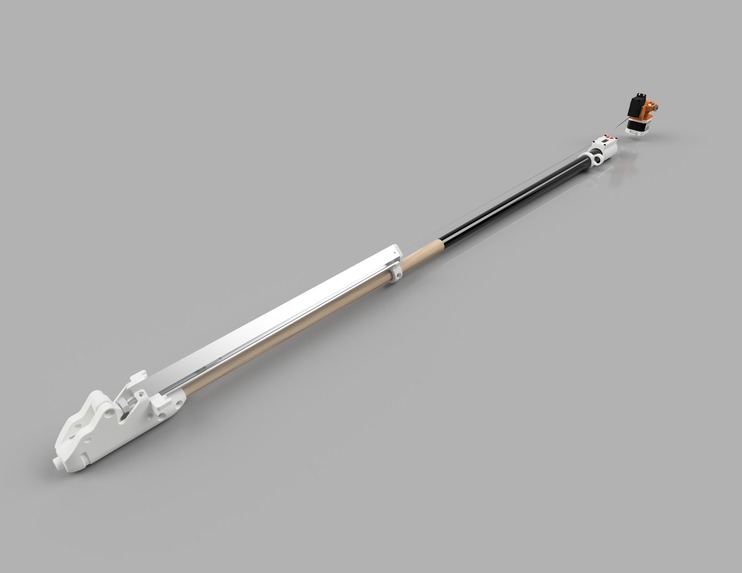
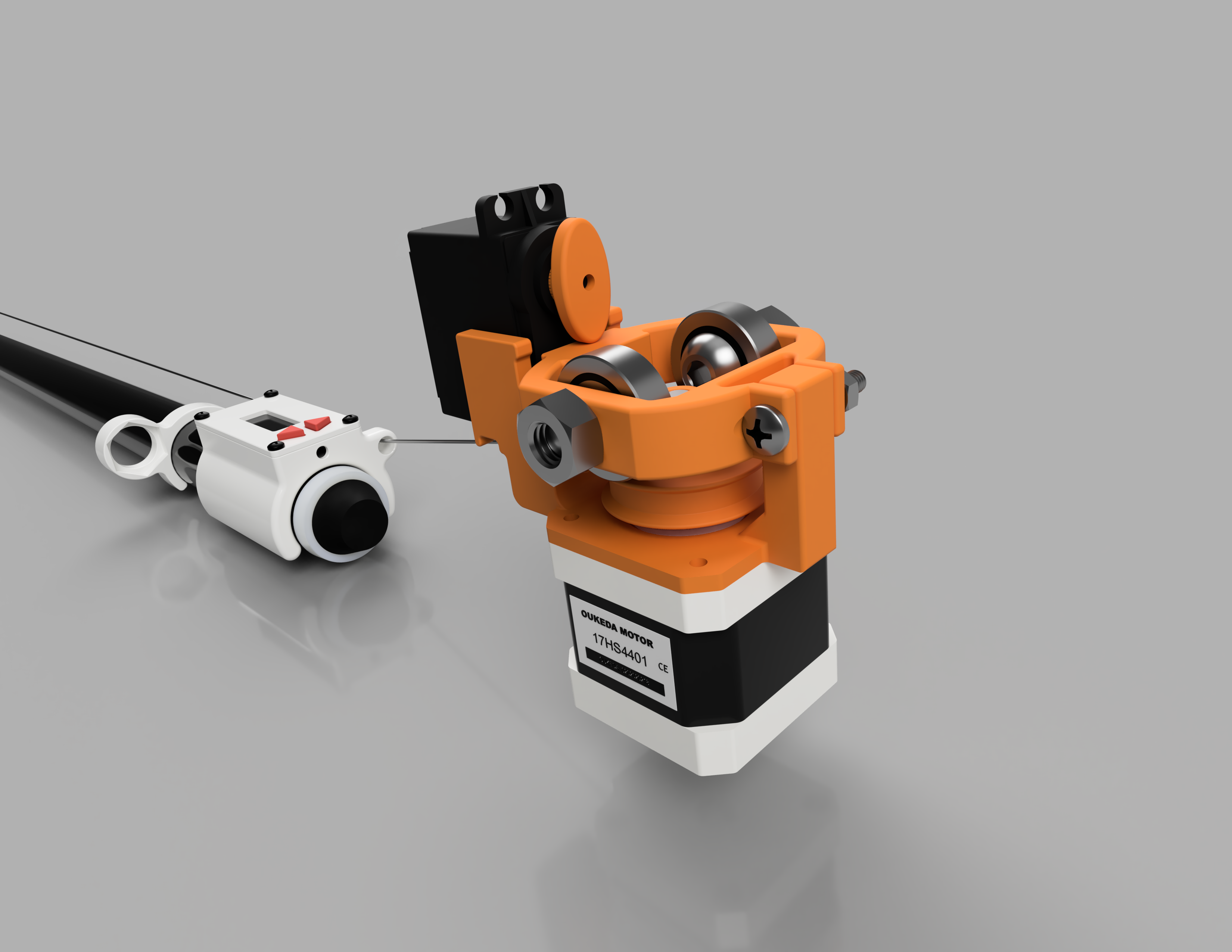
Rendering of final assembly
-
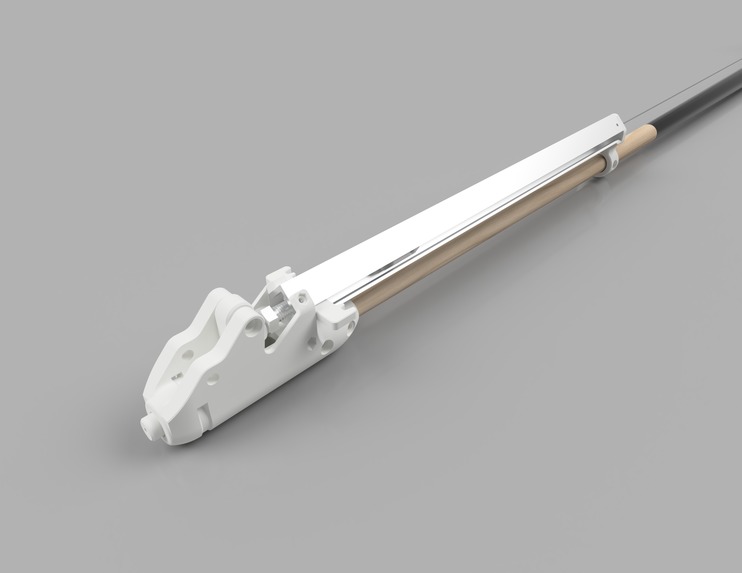
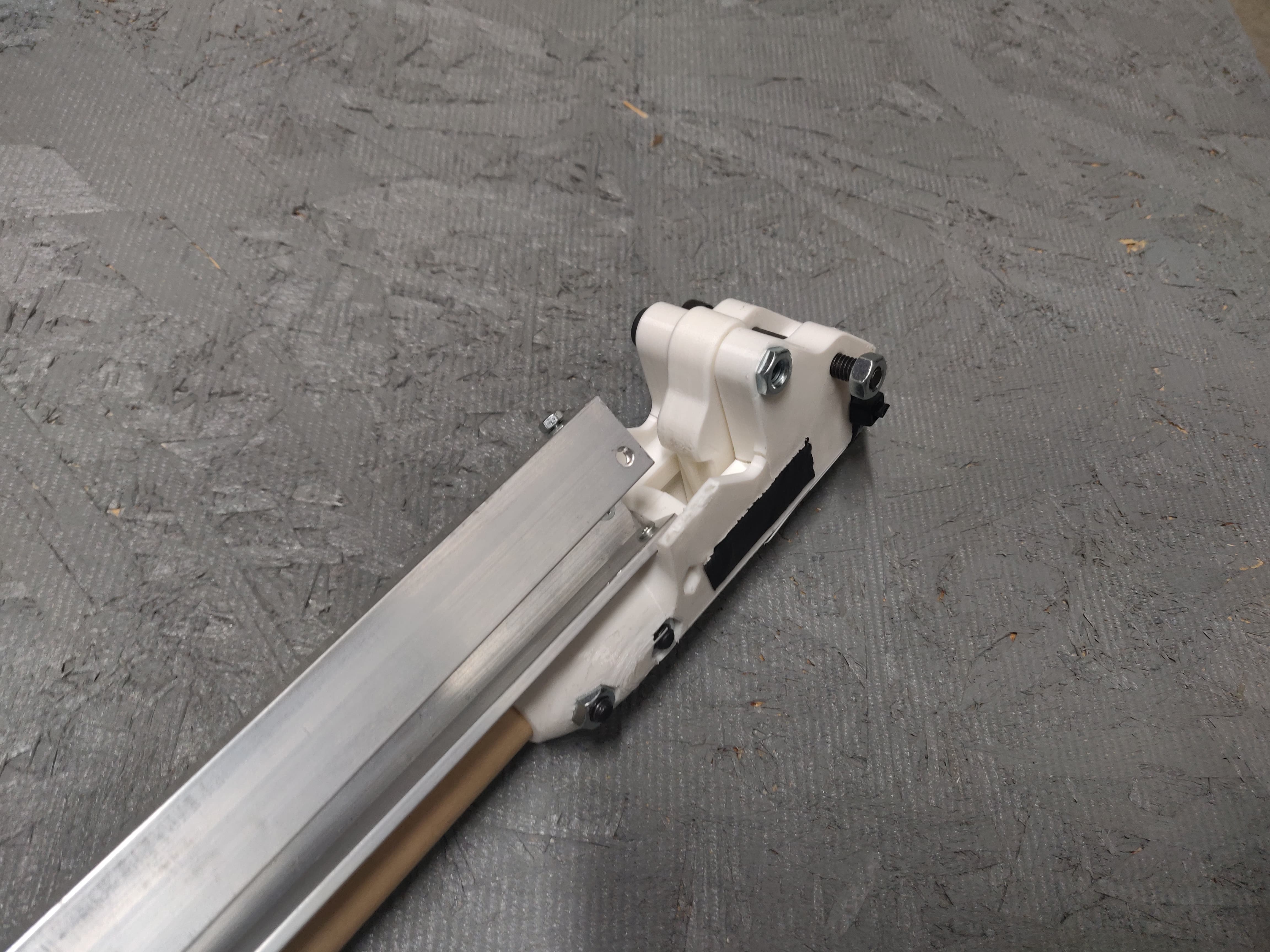
Close up view of front mechanism
-
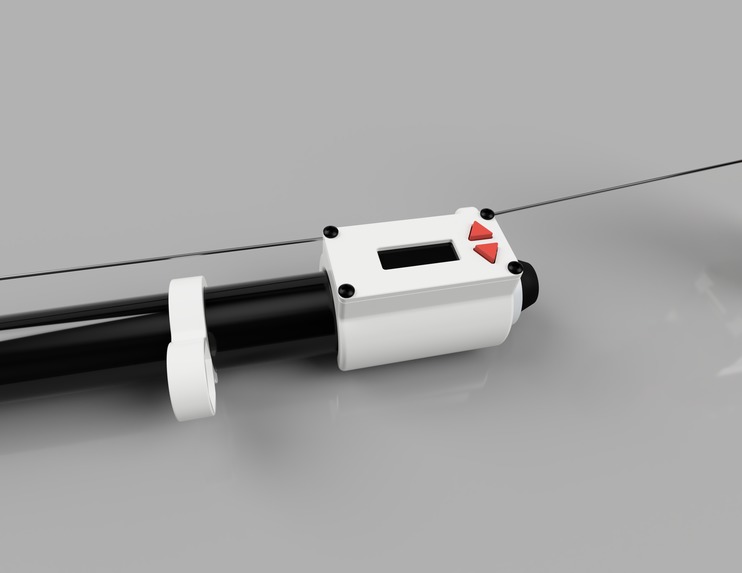
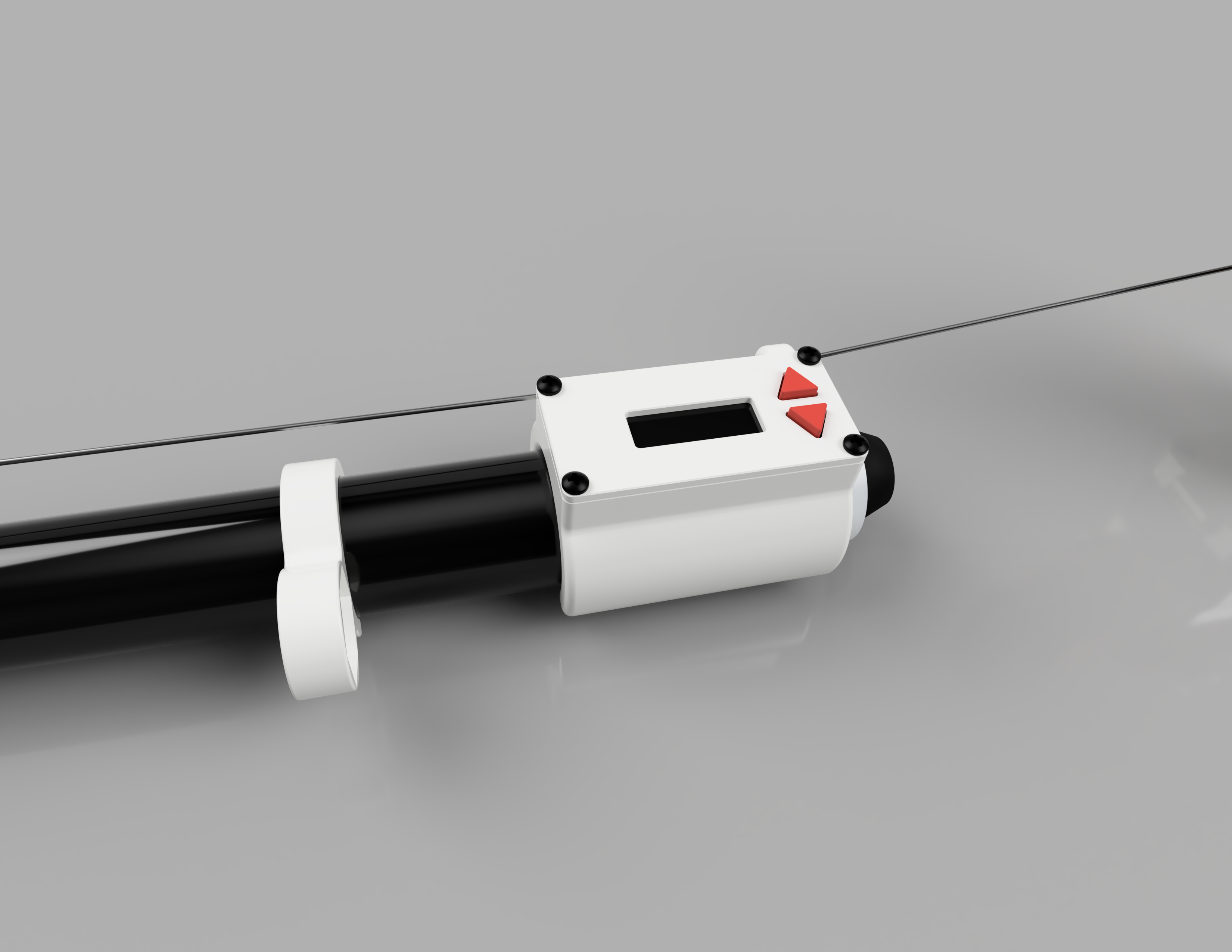
Close up view of controller
-
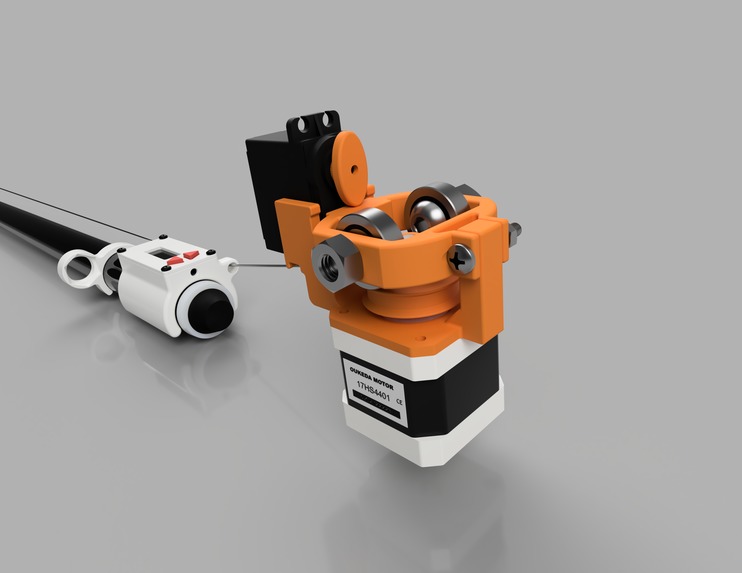
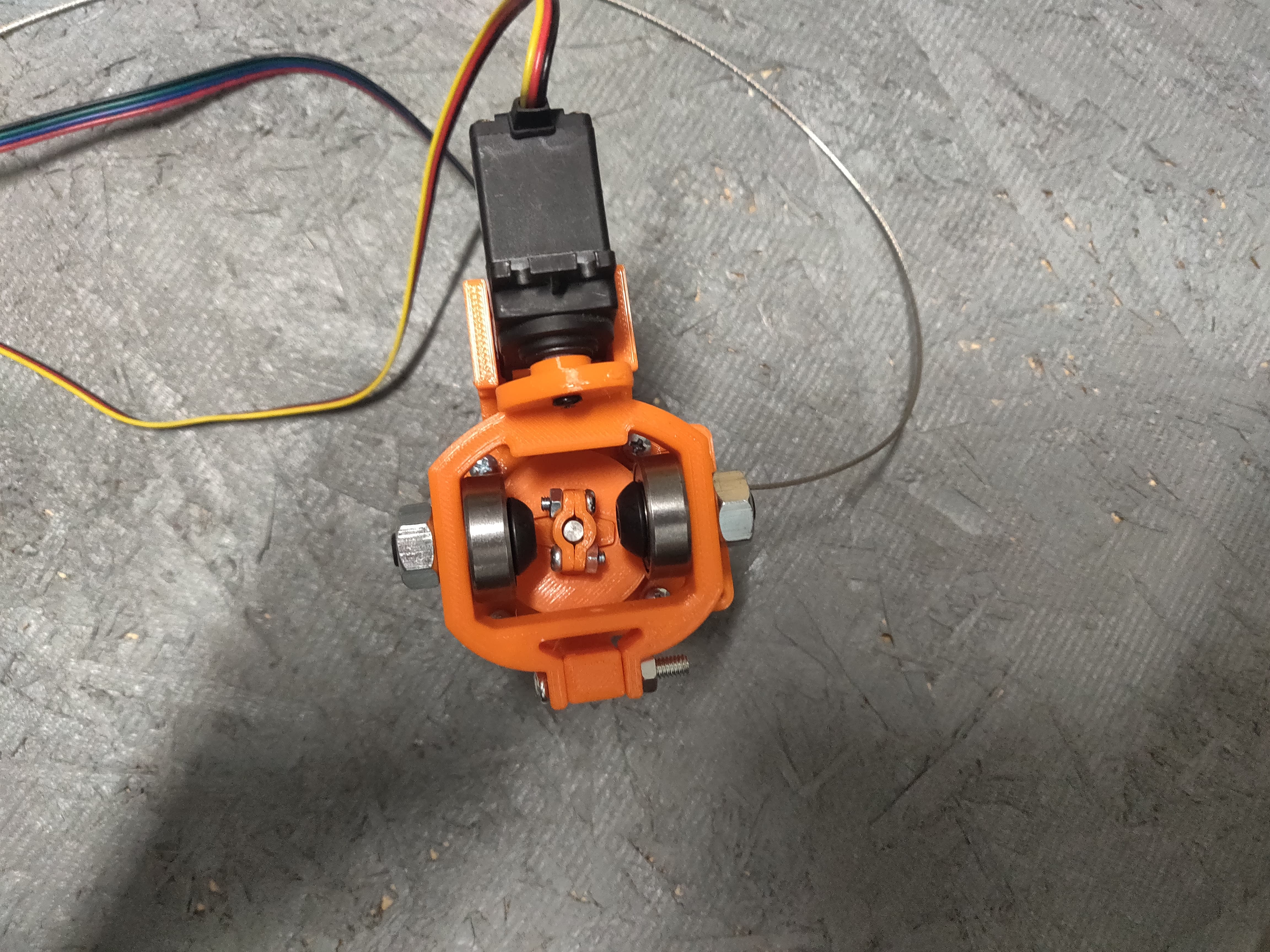
Close up view of pulley mechanism
-
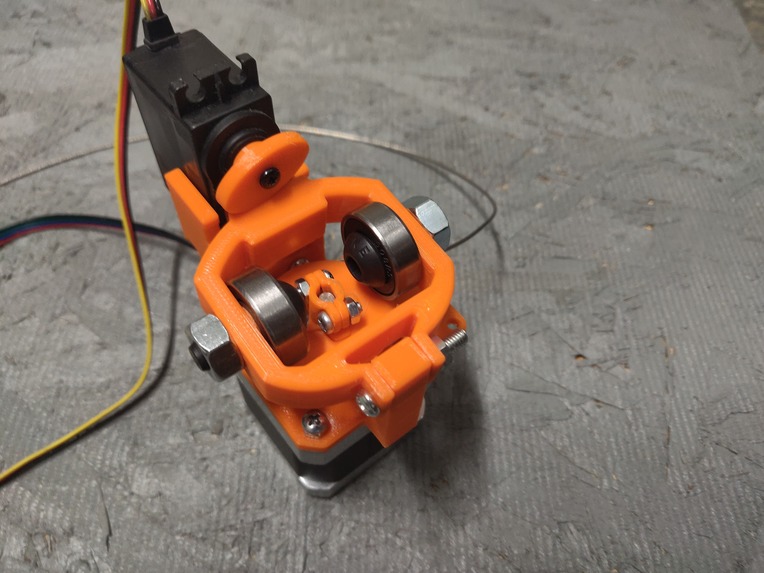
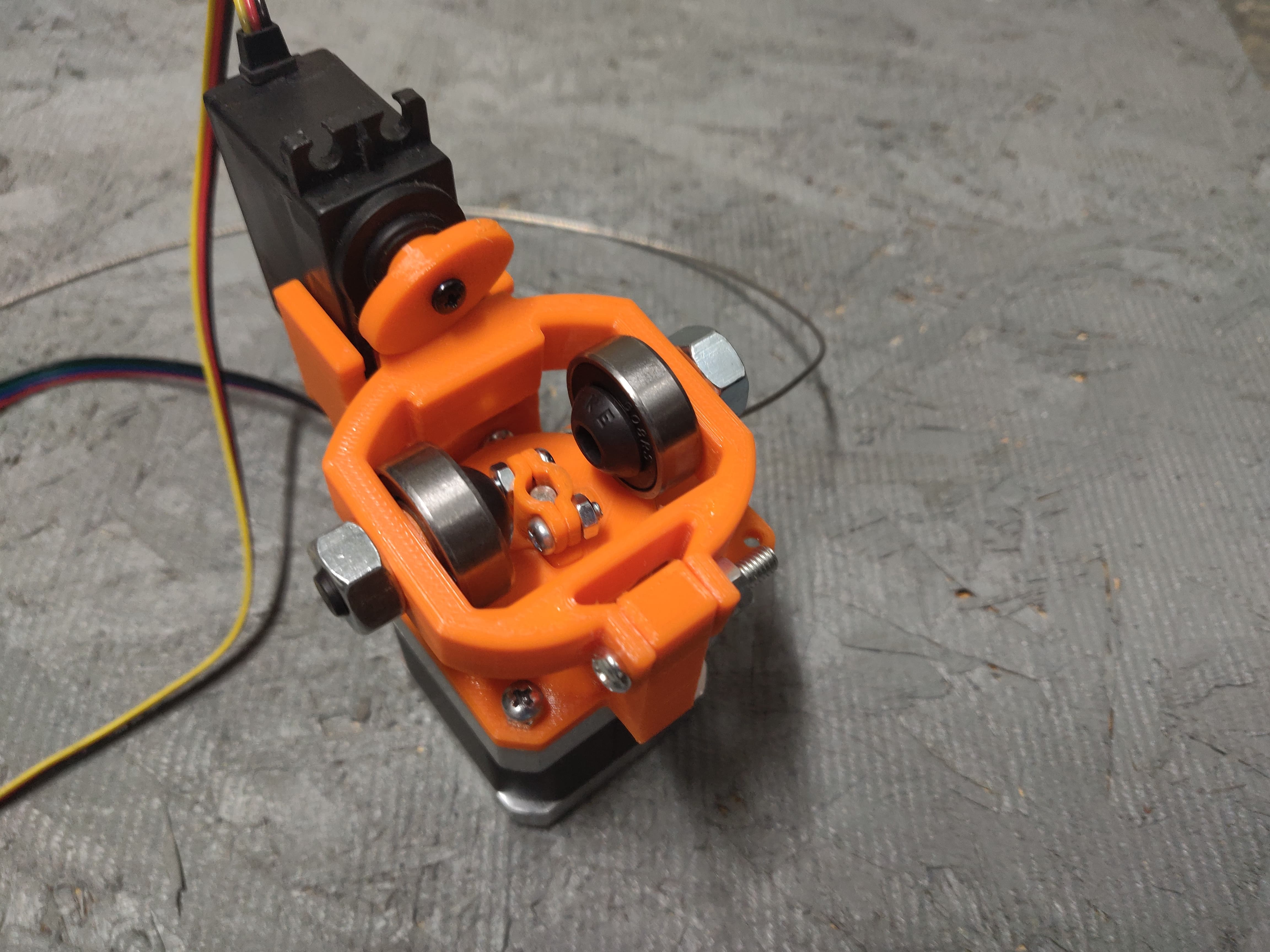
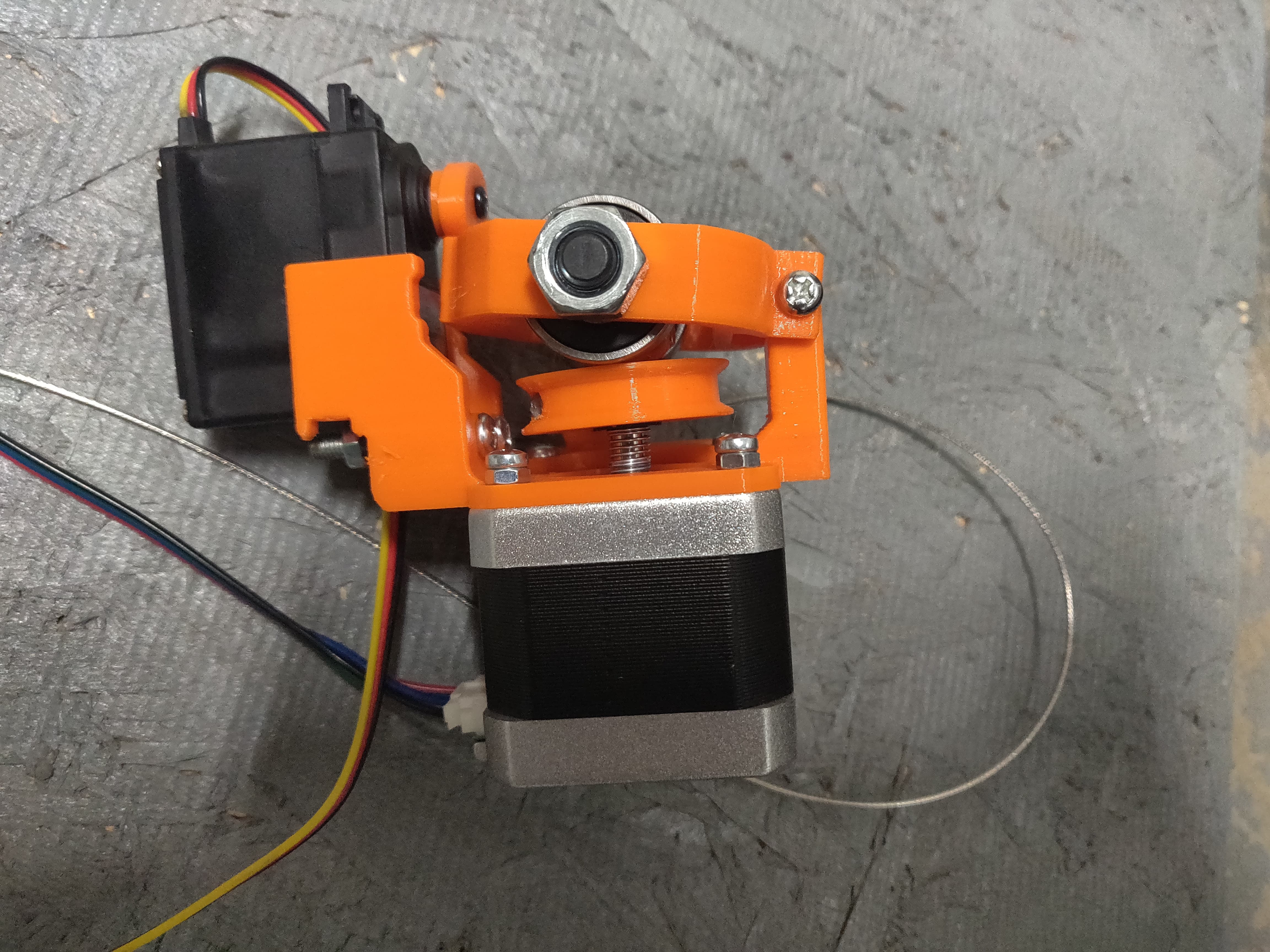
The motor mechanism
-
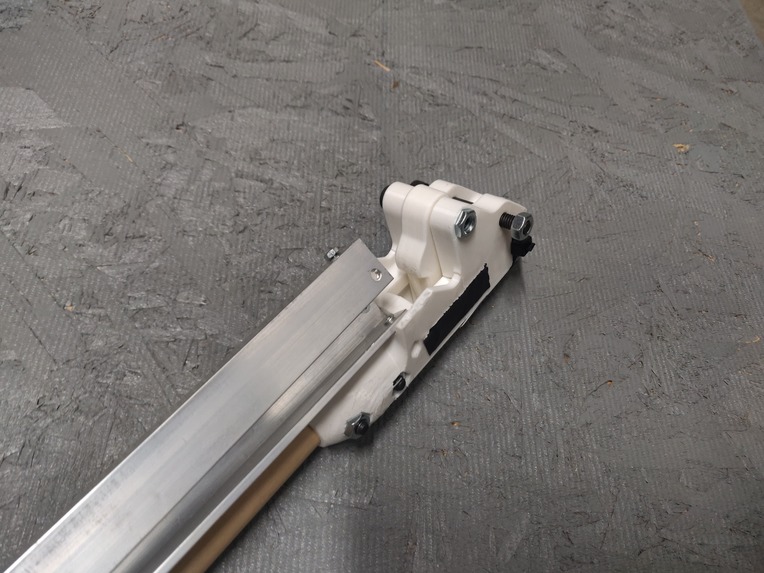
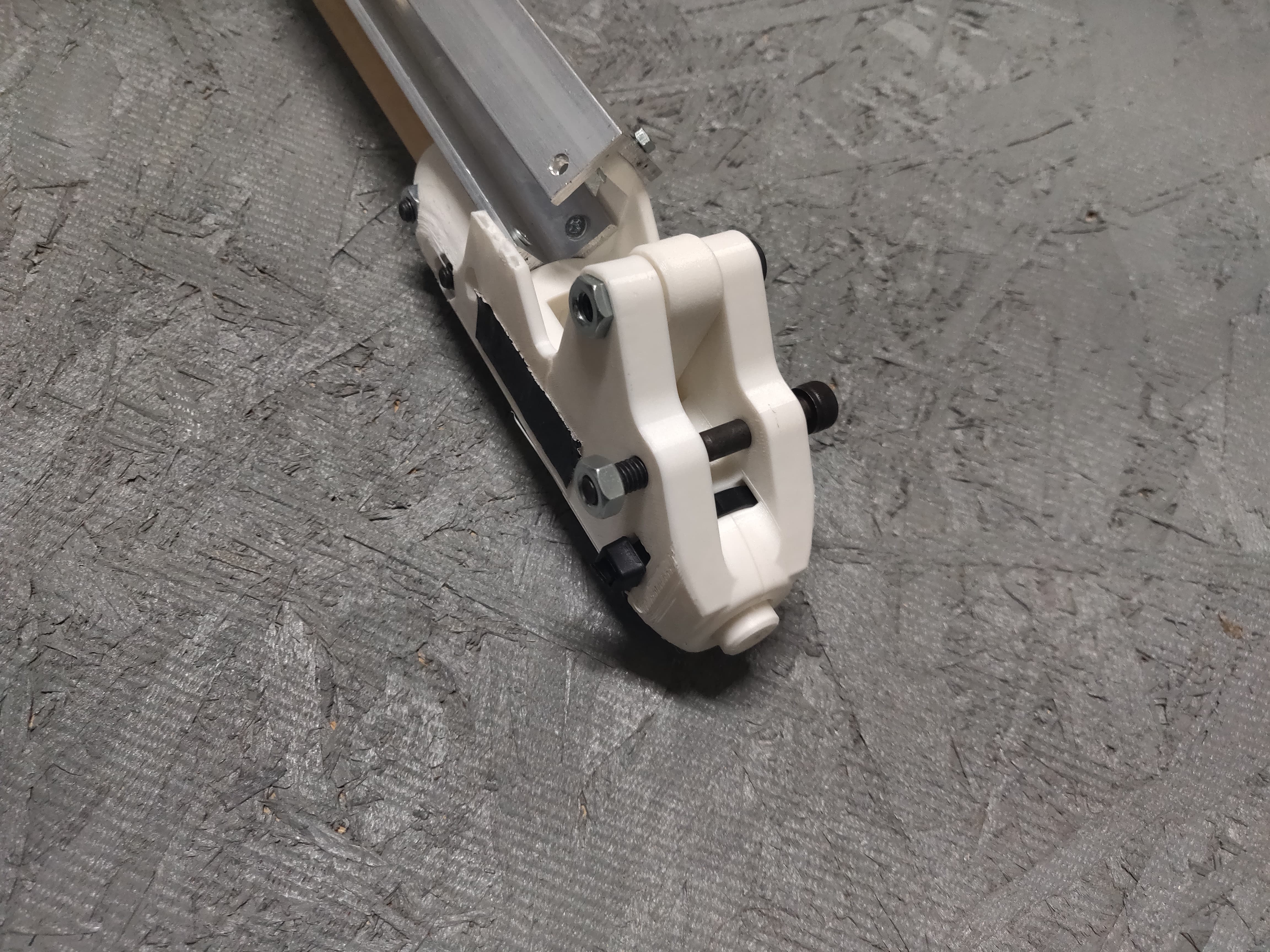
The front mechanism again
-
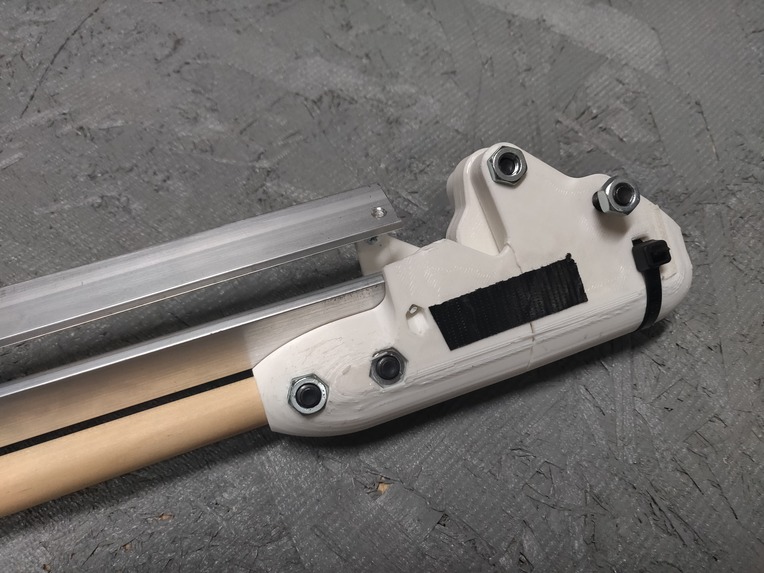
The front mechanism ft. the tape that holds the broken pieces together
-
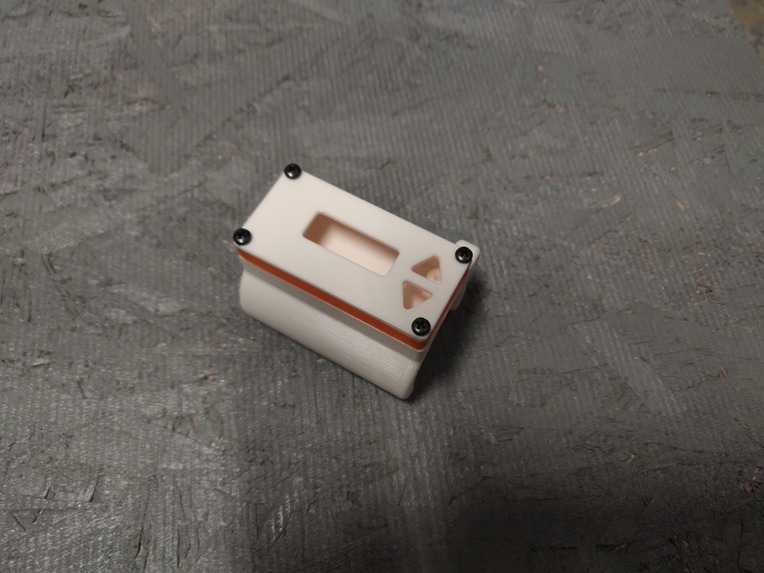
The controller housing
-
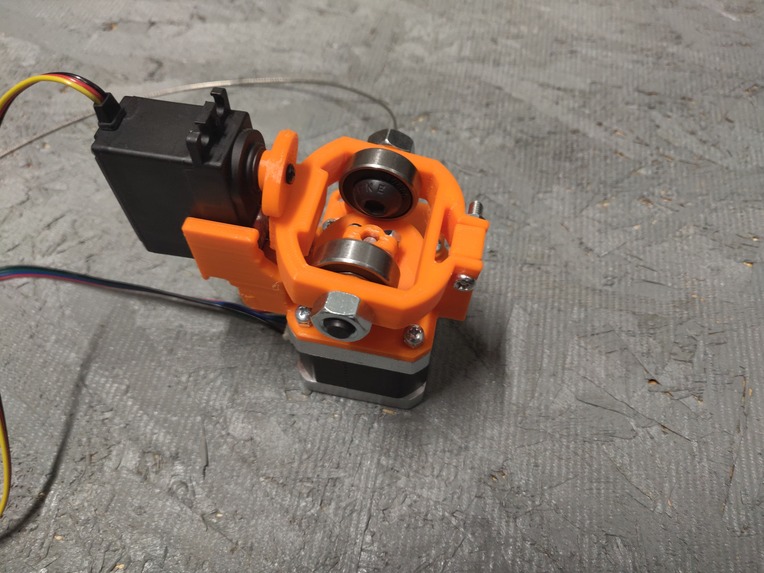
The motor mechanism
-
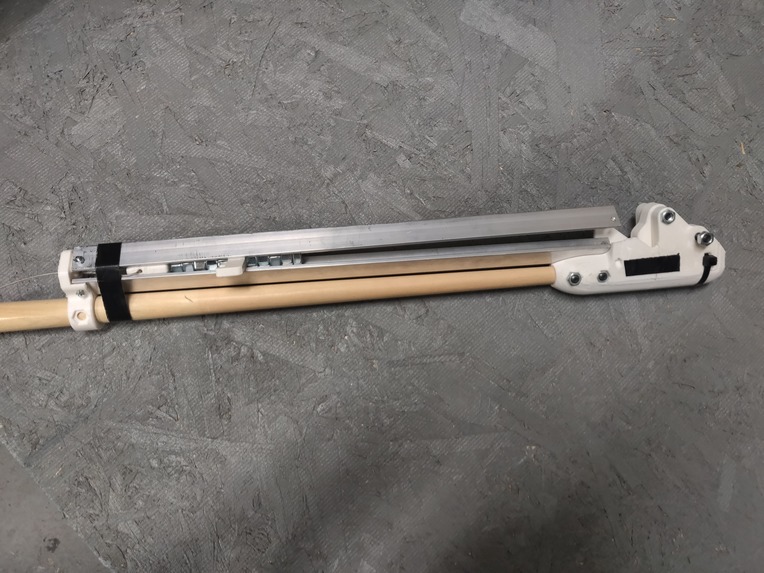
The front mechanism with the slide rails and hammer
-
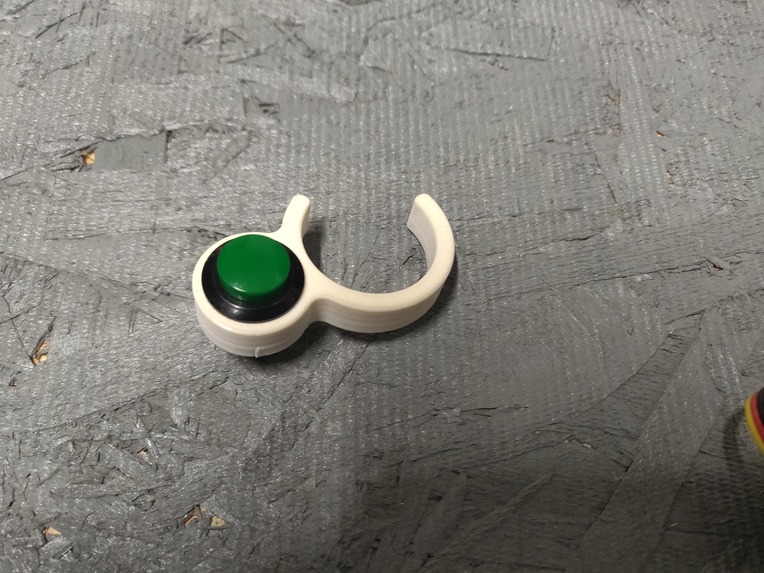
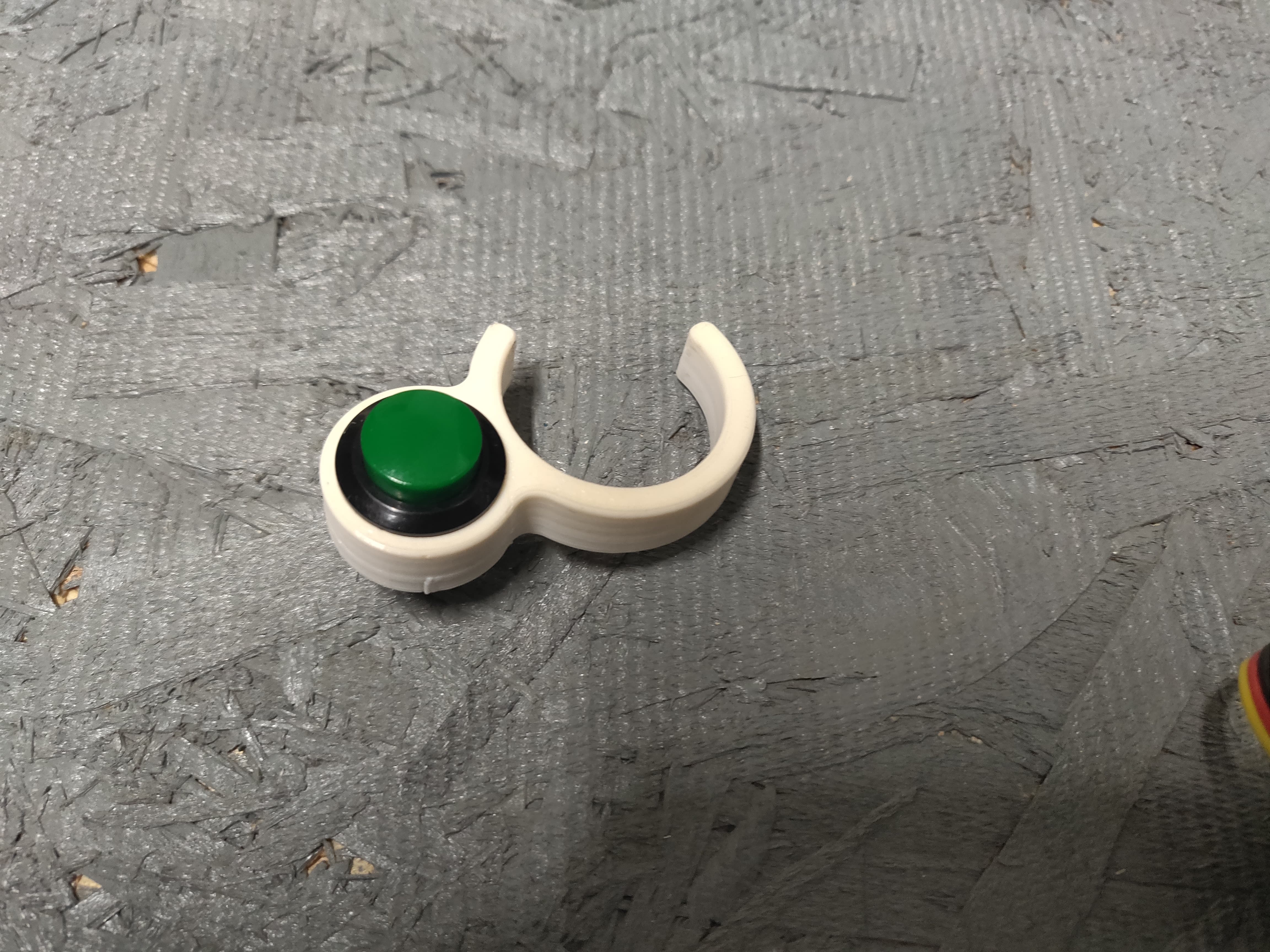
The trigger button
-
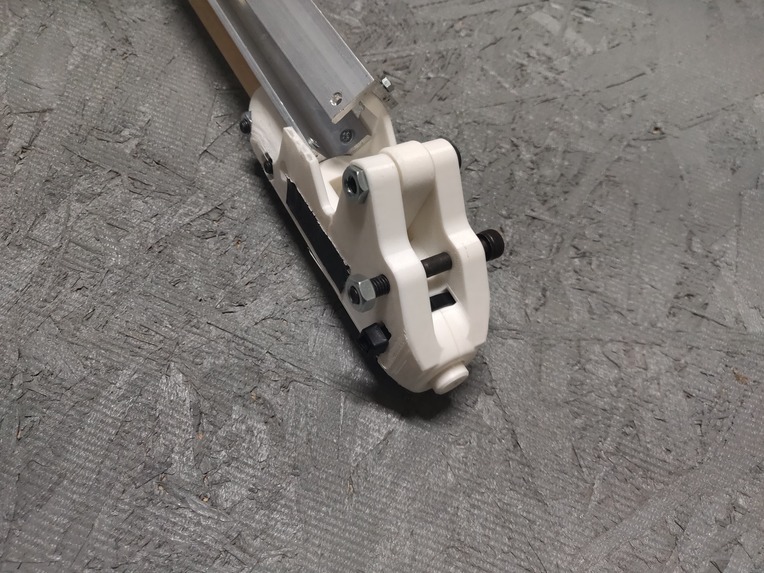
The front mechanism again...again
-
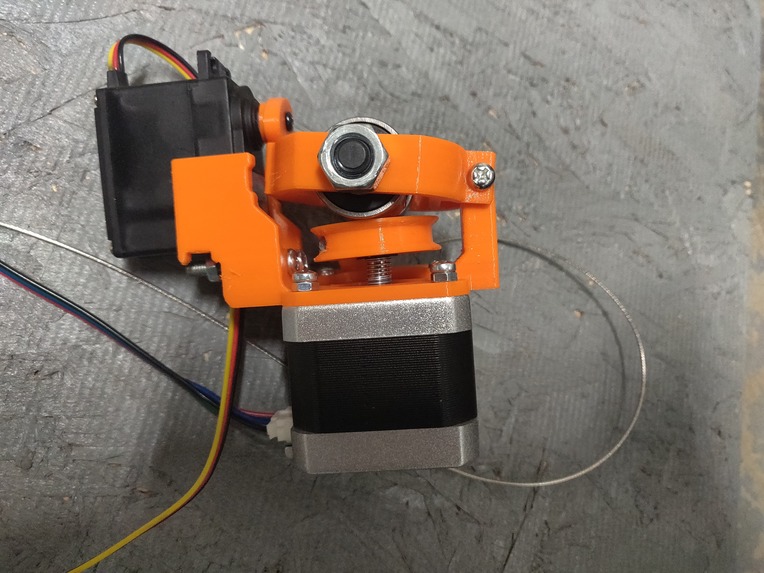
The motor mechanism
-
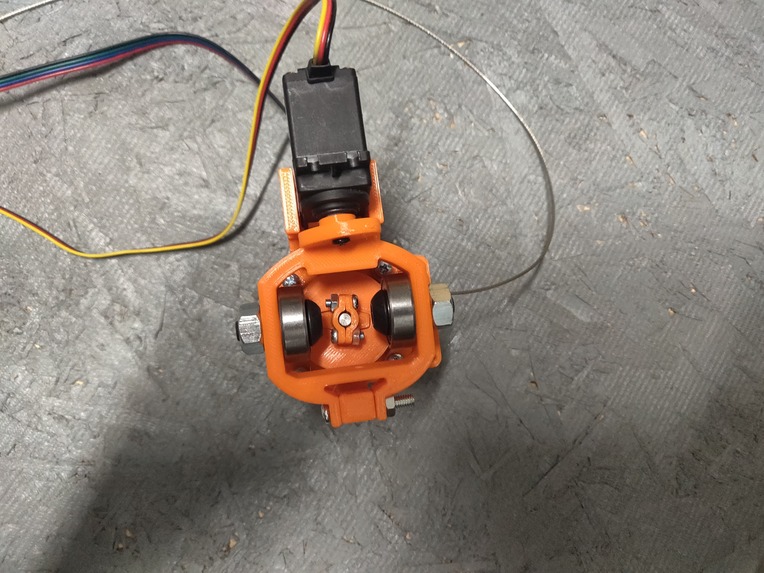
The motor mechanism
Inspiration
This whole project started with the Youtube channel “Stuff Made Here” and his projects that use robotics and human augmentation to break sports. To be completely honest here, we wanted to just take on an engineering challenge even if it was ridiculous, so his channel served as a great inspiration. So on Friday morning, like any sane team of engineers, we scrolled through the list of sports on WIkipedia and decided to make a robotic cue stick.
What it does
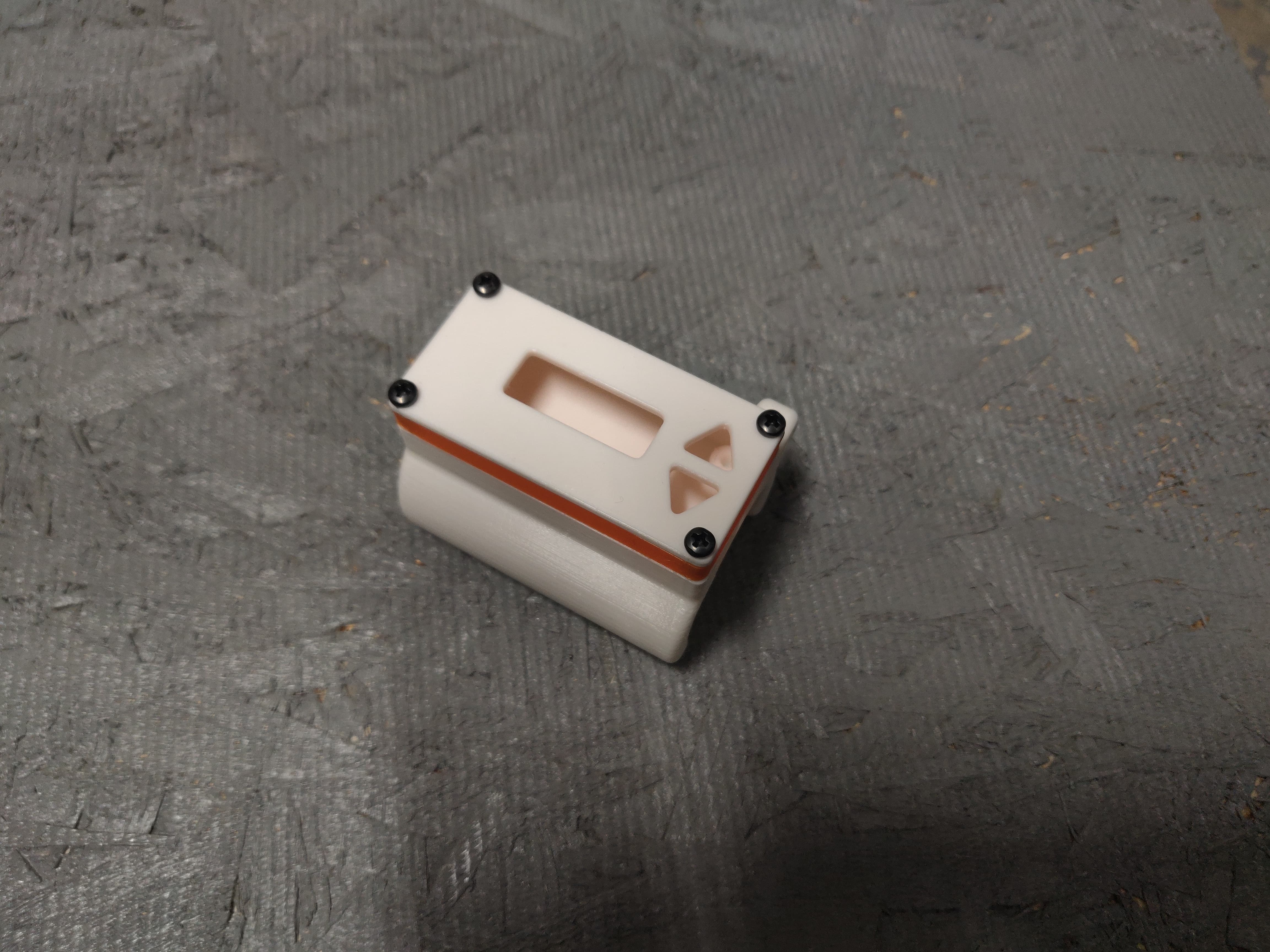
This robotic actuated pool cue has relatively simple functionality. It uses a plunger at the end of a pool cue to propel a cue ball at the press of a button. It has a screen to allow the user to control the power output and a trigger button to control firing. Unfortunately, early in the testing stage the mechanism underwent a rapid unscheduled disassembly and this prevented further development as 3D printing new parts would take too long.
How we built it
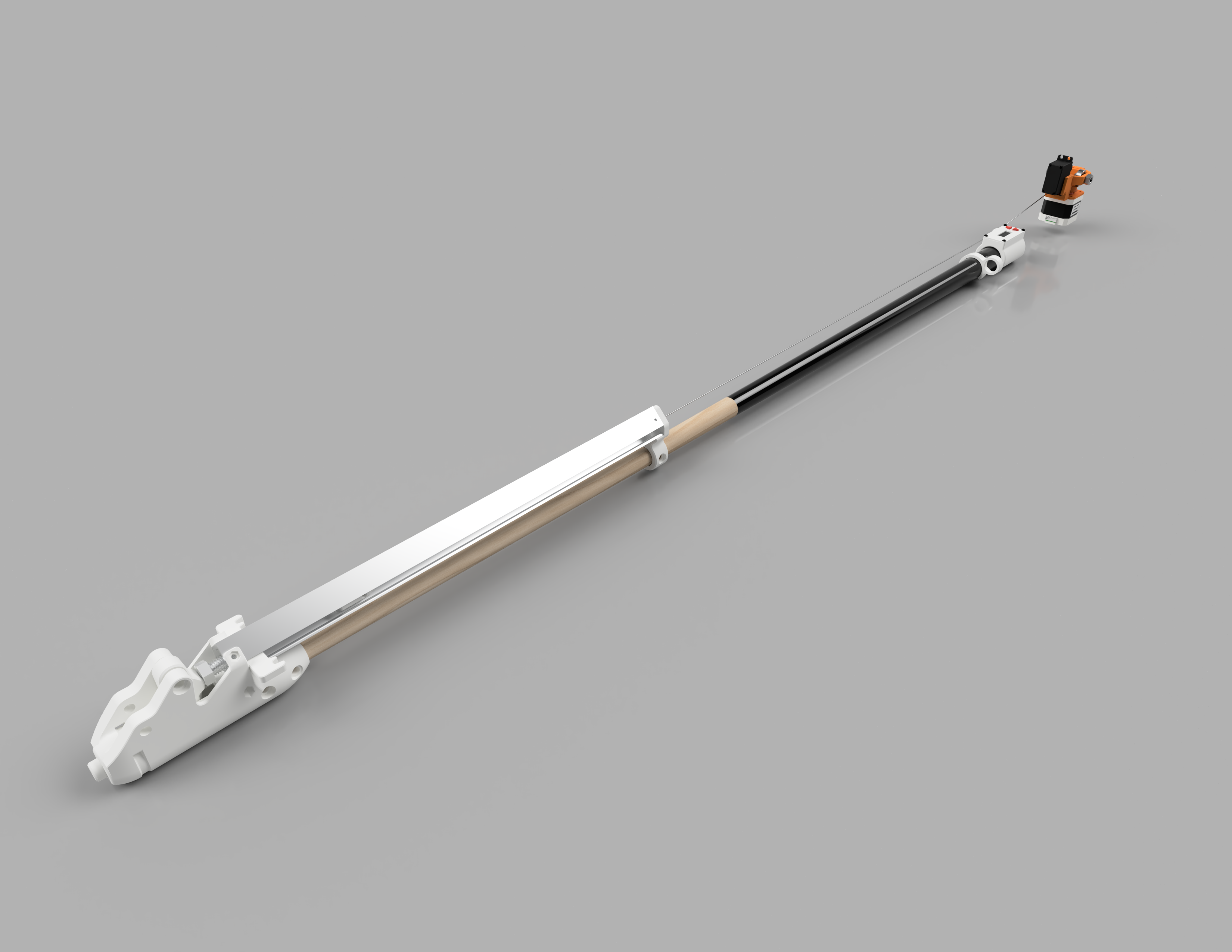
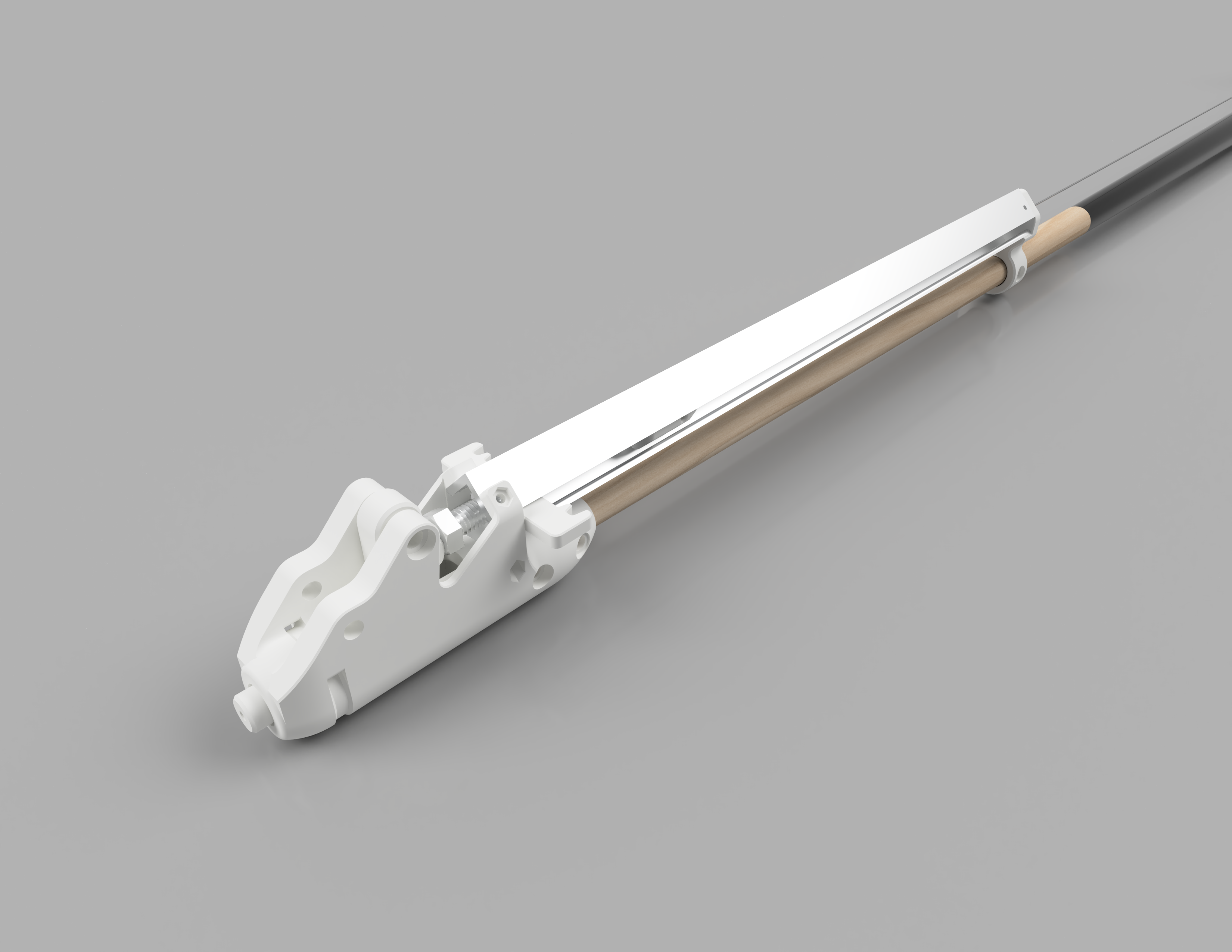
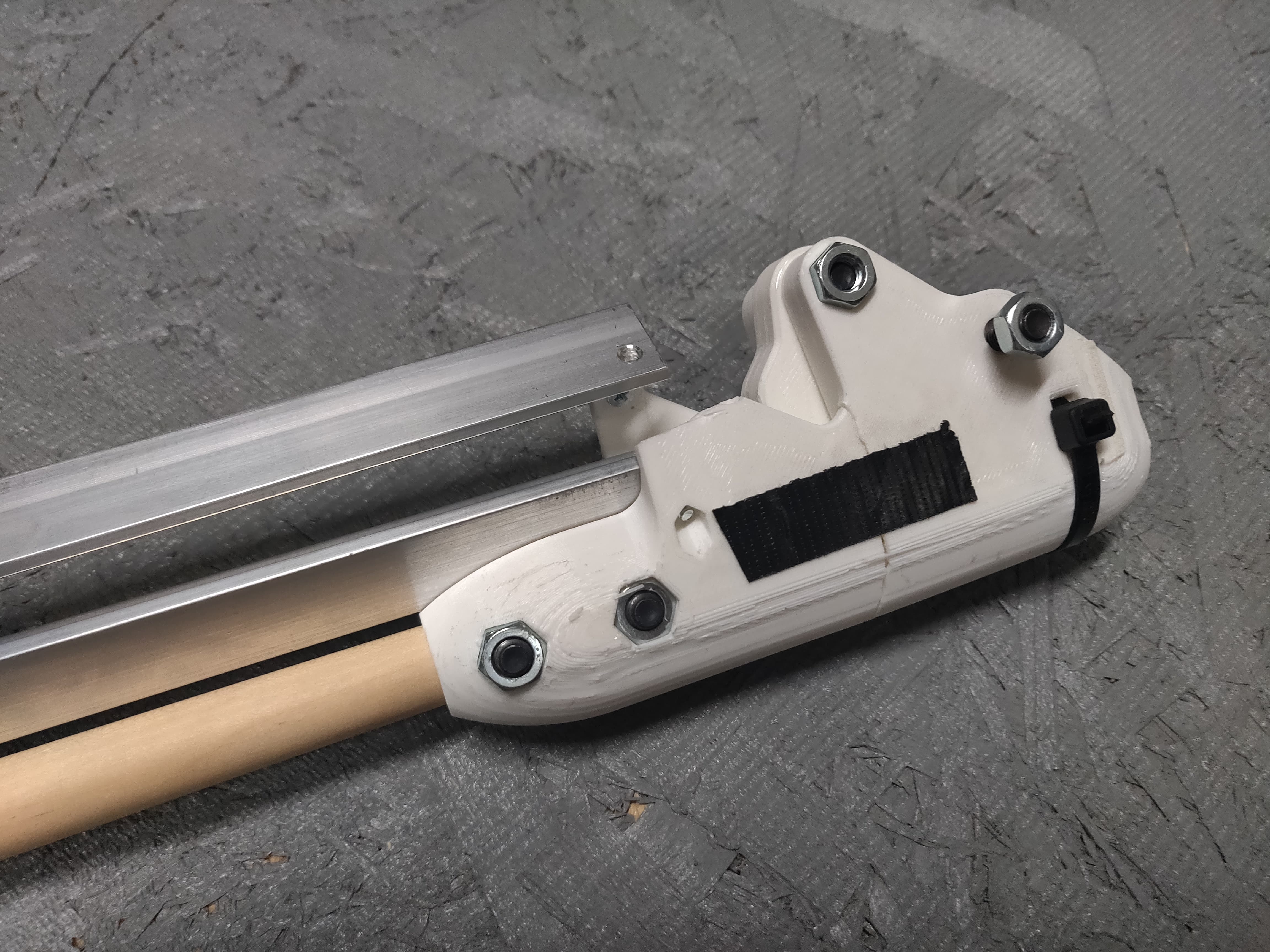
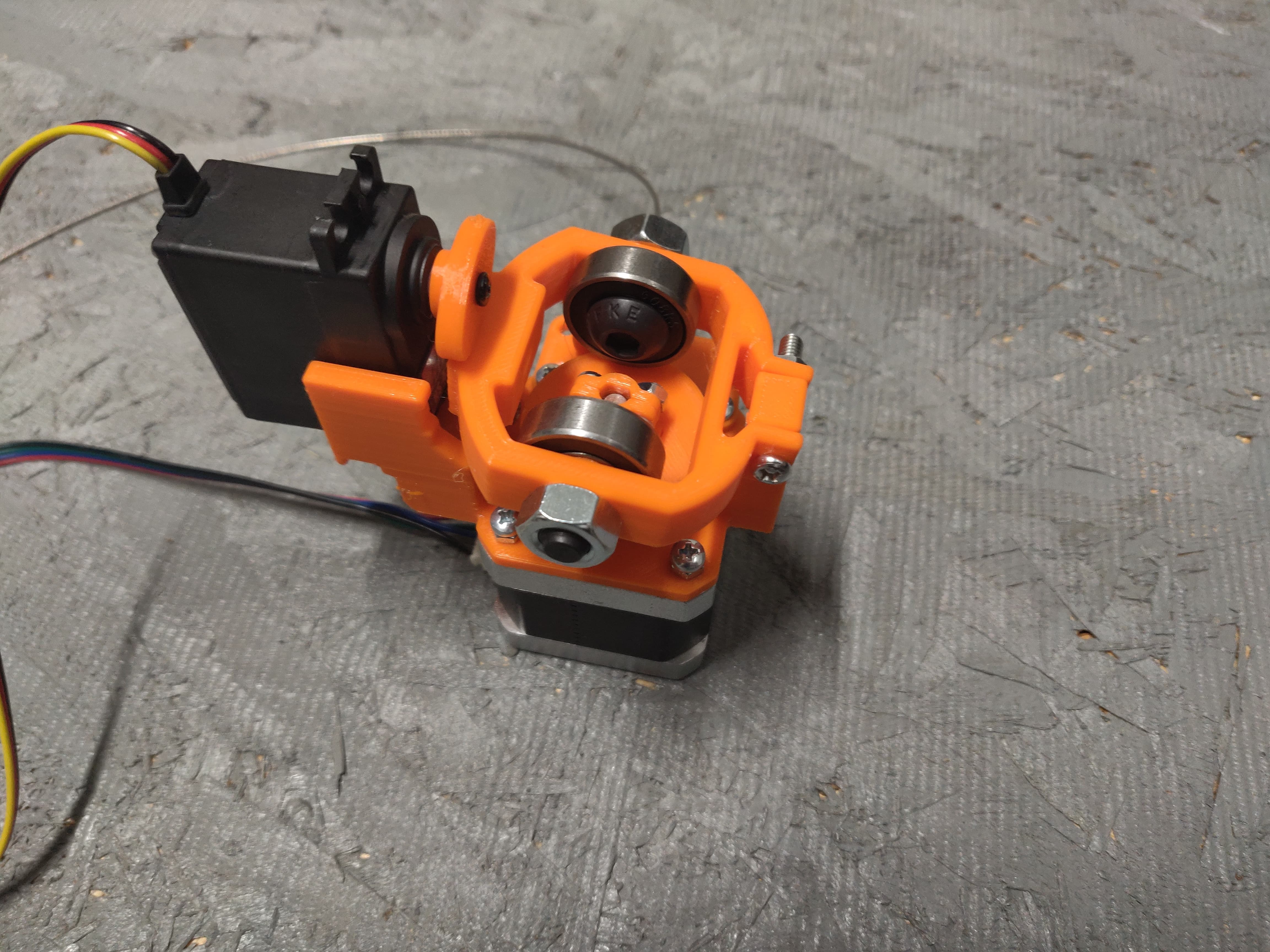
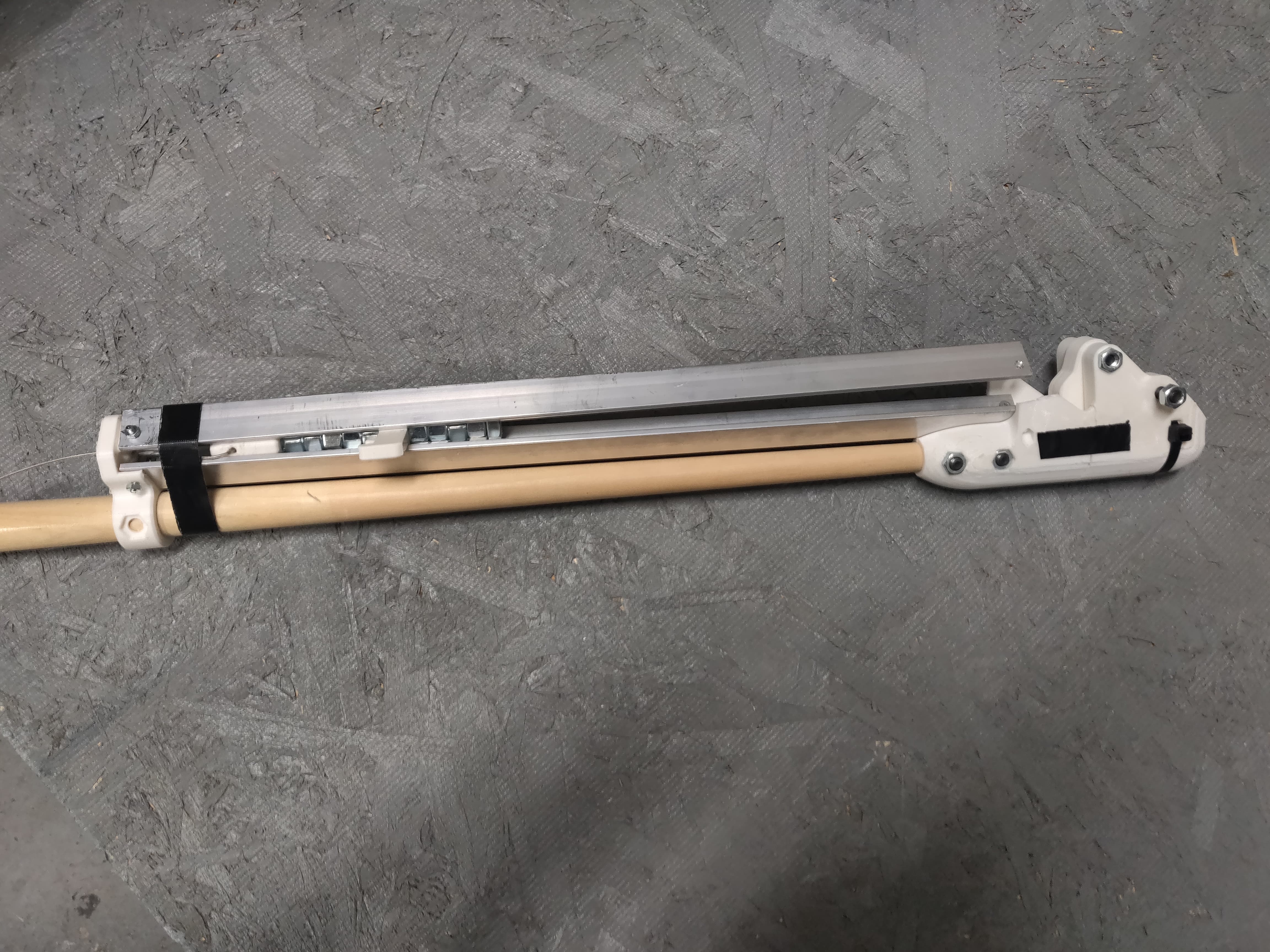
This project started with a lot of drawing and planning so that we could know how we wanted the mechanism to function. After the early brainstorming, a lot of the work was in CAD. This helped us solidify our ideas and gave us models we could 3D print. Our main goal in the beginning was to get the CAD done as quickly as possible so we could start the 3D printing as it takes a while. The mechanism has two major parts. One is a winch mechanism. This uses a stepper motor on a pulley to pull on a cable actuating the second mechanism. This pulley also could be disengaged from the motor shaft to release the weighted hammer. This functionality was performed by a servo. The second mechanism had a heavy weight on a linear slide. We called this the hammer. It would be pulled back and then released to slam into a lever. This lever would multiply the speed of the hammer and transfer the force to the plunger. This plunger slid out of the end of the pool cue pushing on the ball.
After we had some parts printing, we finished the rest of the CAD and started sourcing any parts we didn't have on hand. We had to design the mechanism in such a way that we did not need to order specialty parts, so everything we did not have was from Ace Hardware. After the CAD was finished, we started on the electronics. This involved wiring an OLED to an Arduino with level shifters along with adding a servo and stepper motor driver to power the mechanism. Around when we finished this, the prints were finishing. This let us start modifying the pool cue as we printed the final parts. We then assembled everything and decided to test the mechanism by hand to make sure it worked. Then, if it did, we would add the motor mechanism. Unfortunately, the mechanism failed during the early testing completely stalling our progress.
Challenges we ran into
One of the biggest challenges we had was that, if we did not have the parts required on hand, we could not use them. Therefore, we could not use specialty parts so we only used basic hardware and stuff we had. This was limiting as the only motor for the winch we had on hand was a nema 17 stepper motor.
Another challenge we had was that manufacturing the parts takes a very long time. Some would take many hours to print and, therefore, iteration is inherently slow. This meant that, after the parts broke, we did not have time to fix it.
Accomplishments that we're proud of
Despite the lack of success, we are proud that we got as much accomplished as quickly as we did. We were able to ideate the design, CAD every part of the mechanism, and assemble the entire mechanism within two days. This is extremely challenging when it comes to hardware.
What we learned
We learned about the structural limits of 3D printed parts (or at least thin walled PLA parts) and we learned about electronics. We had to learn how to use the OLED display we had with an Arduino and the programming required to try to make the design function. Most importantly, we learned a lot about time management, tight deadlines, and part failures.
What's next for Power Cue: Robotic Pool Cue
We are currently not planning on moving forward with this project at this time as its main purpose was to be a fun engineering project that we would do for this hackathon. That said, if we were to move forwards, the steps we would take are as follows:
We would change the design. The design we chose was rushed and had a few major flaws. Even with more development, it could never be as streamlined as we would like. In the future, we would design a hollow pool cue with a hollow aluminum tube on the end to allow for the mechanism to be internal. Additionally, we would make the electronics more integrated and the motor more compact to allow for a better user experience and we would add a laser pointer to the tip to allow for easier aiming. We would test the design on a pool table to verify that it works as intended and helps the user during the game.


Log in or sign up for Devpost to join the conversation.