-
-
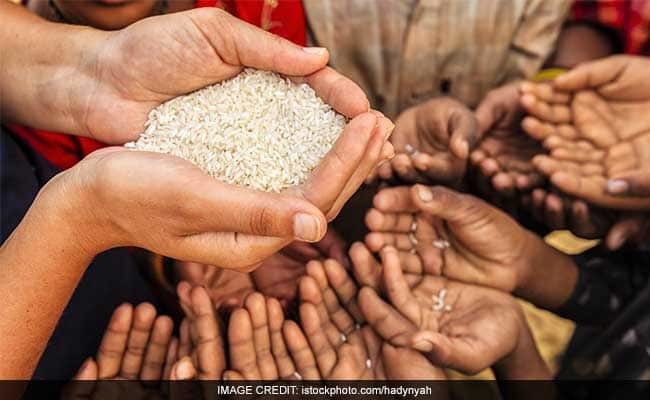
“Poverty is the parent of revolution and crime"
-
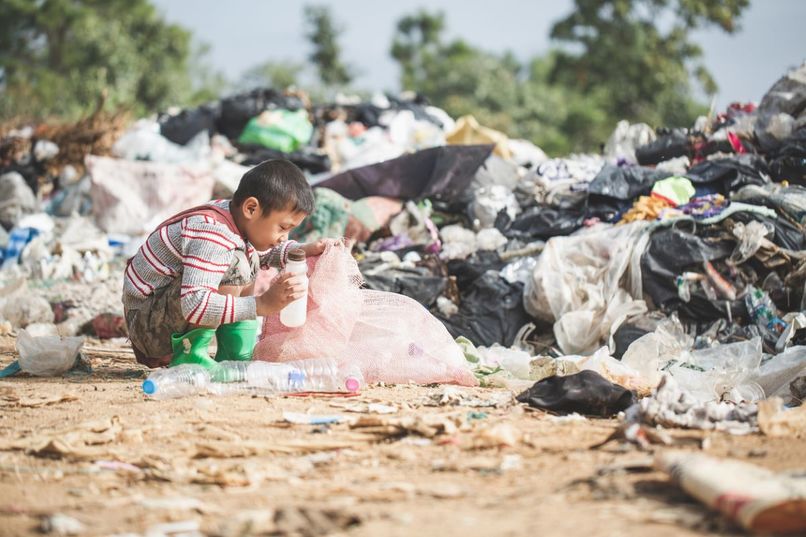
“The greatest disease in the West today is not tuberculosis or leprosy; it is being unwanted, unloved, and uncared for.” —Mother Teresa.
-
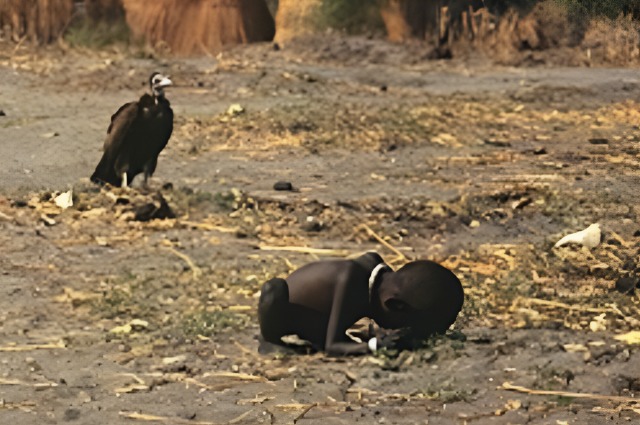
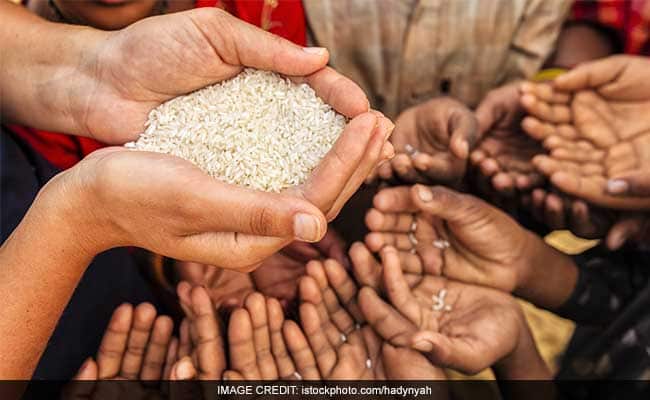
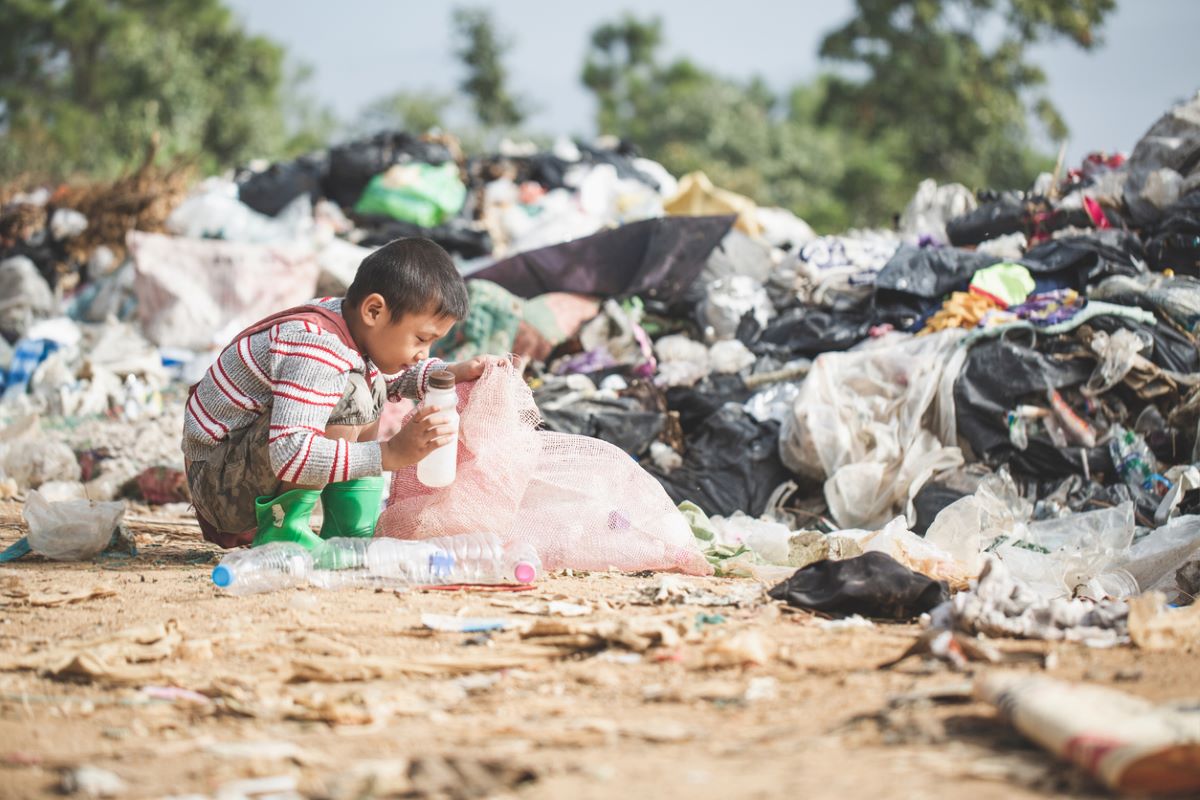
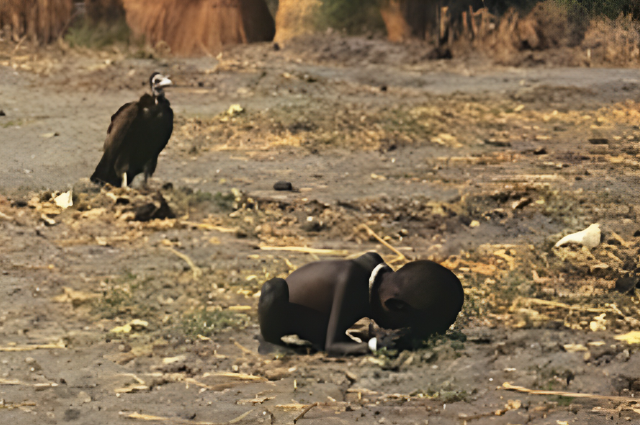
PROBLEM STATEMENT: Understanding the Multifaceted Challenges of Poverty: A Comprehensive Problem Statement
Poverty remains a persistent and complex global issue, affecting millions of individuals and communities across the world. Despite numerous efforts to address this challenge, it continues to thwart progress in achieving sustainable development and social equity.
Key Dimensions of the Problem:
1) Economic Deprivation: Poverty is fundamentally rooted in economic deprivation, where individuals lack the financial resources necessary to meet their basic needs for food, shelter, education, and healthcare.
2) Health Disparities: Poverty is intricately linked to health disparities, as individuals in impoverished conditions often face challenges in accessing healthcare services, proper nutrition, and sanitation.
3) Social Exclusion and Discrimination: Those in poverty often face stigma, limited social support, and unequal opportunities, which exacerbate their economic struggles and hinder their ability to fully participate in society.
Here are several strategies that can contribute to addressing poverty:
1) Access to Quality Education: Ensure that everyone has access to quality education, including vocational training, to enhance employability and income-earning potential. Financial Literacy: Include financial education in school curricula and community programs to empower individuals with the knowledge to manage their finances effectively. Employment Opportunities:
2) Job Creation: Implement policies that foster economic growth and job creation, especially in sectors that have the potential to absorb a large number of workers. Support for Small and Medium-sized Enterprises (SMEs): Provide support and resources for the development of small businesses, which are often significant contributors to job creation.
3) Basic Infrastructure: Invest in infrastructure development, including roads, electricity, and water supply, to create an environment conducive to economic growth and development. Rural Development: Focus on the development of rural areas to reduce urban-rural disparities and improve the overall standard of living. Gender Equality:
4) Anti-Corruption Measures: Implement and enforce measures to combat corruption, which can hinder economic development and exacerbate poverty. Inclusive Policies: Develop policies that address the needs of marginalized and vulnerable populations, ensuring that no one is left behind. Community Involvement:
5) Global Partnerships: Foster international cooperation and partnerships to address global issues such as trade imbalances, debt relief, and fair access to resources.
It's important to note that the effectiveness of these strategies may vary depending on the specific context and the root causes of poverty in a particular region. A holistic and collaborative approach involving government, civil society, and the private sector is often necessary to make a meaningful impact on poverty reduction.
The team has taken great efforts to bring this to the table....Hope it is appreciated...Thank you

Log in or sign up for Devpost to join the conversation.