-
-
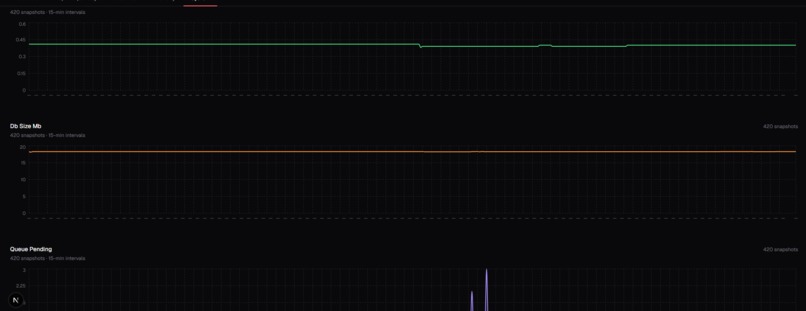
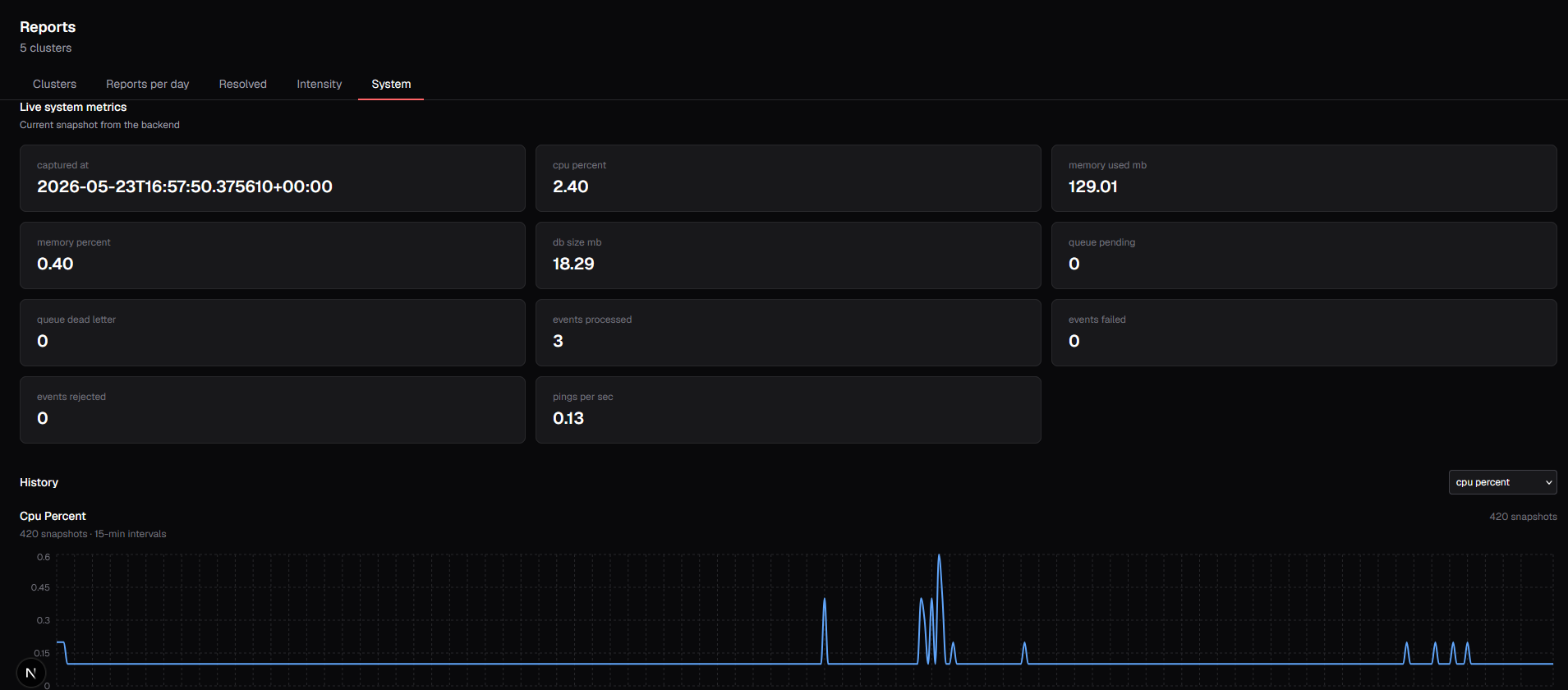
Expanded system information
-

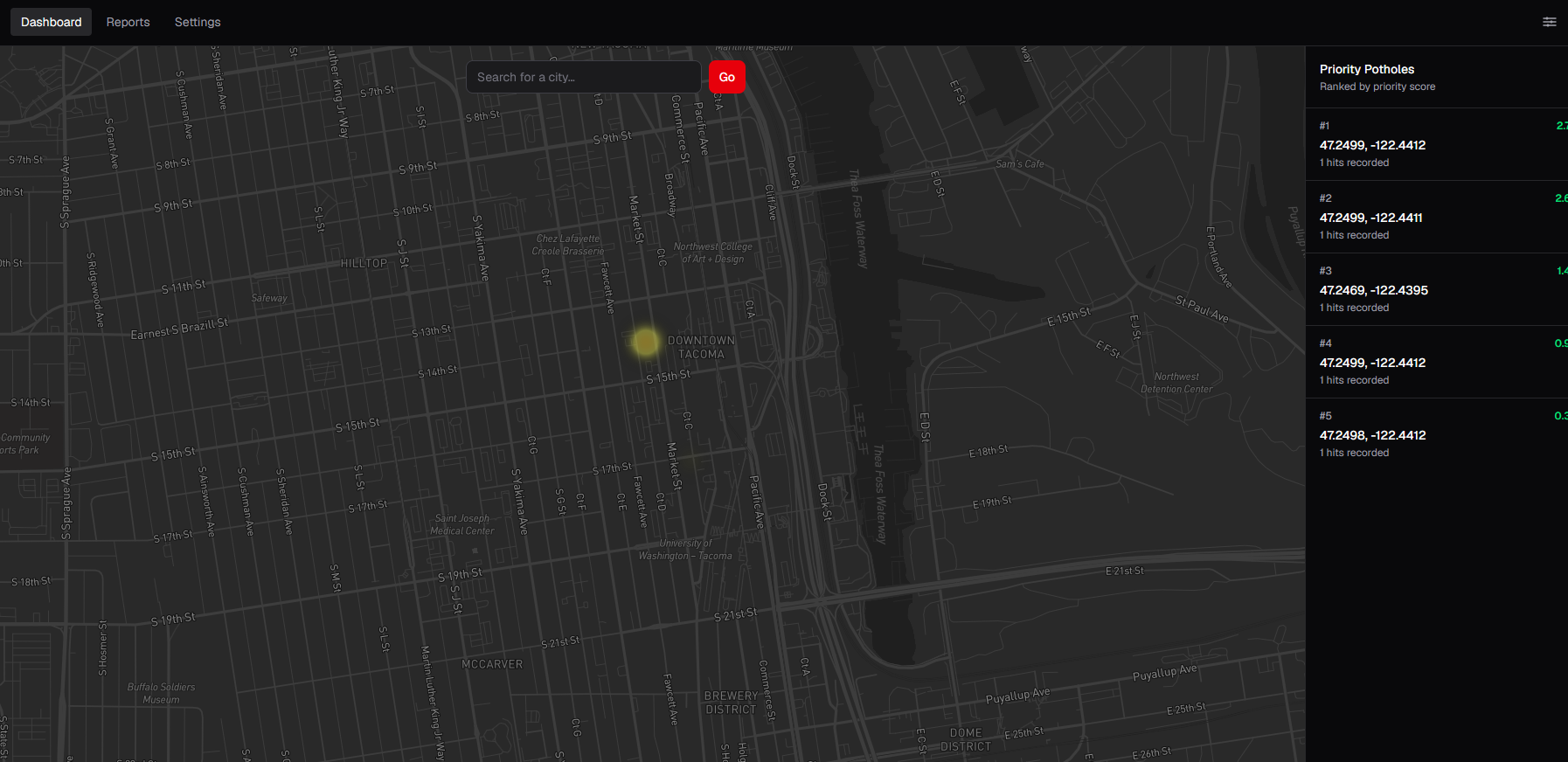
Homepage for dashboard
-
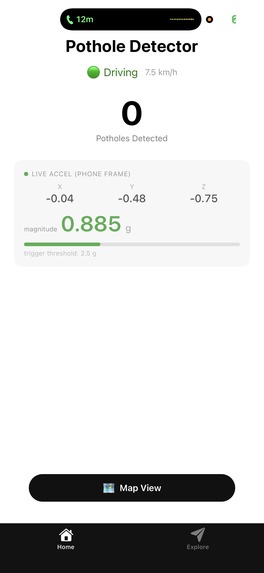
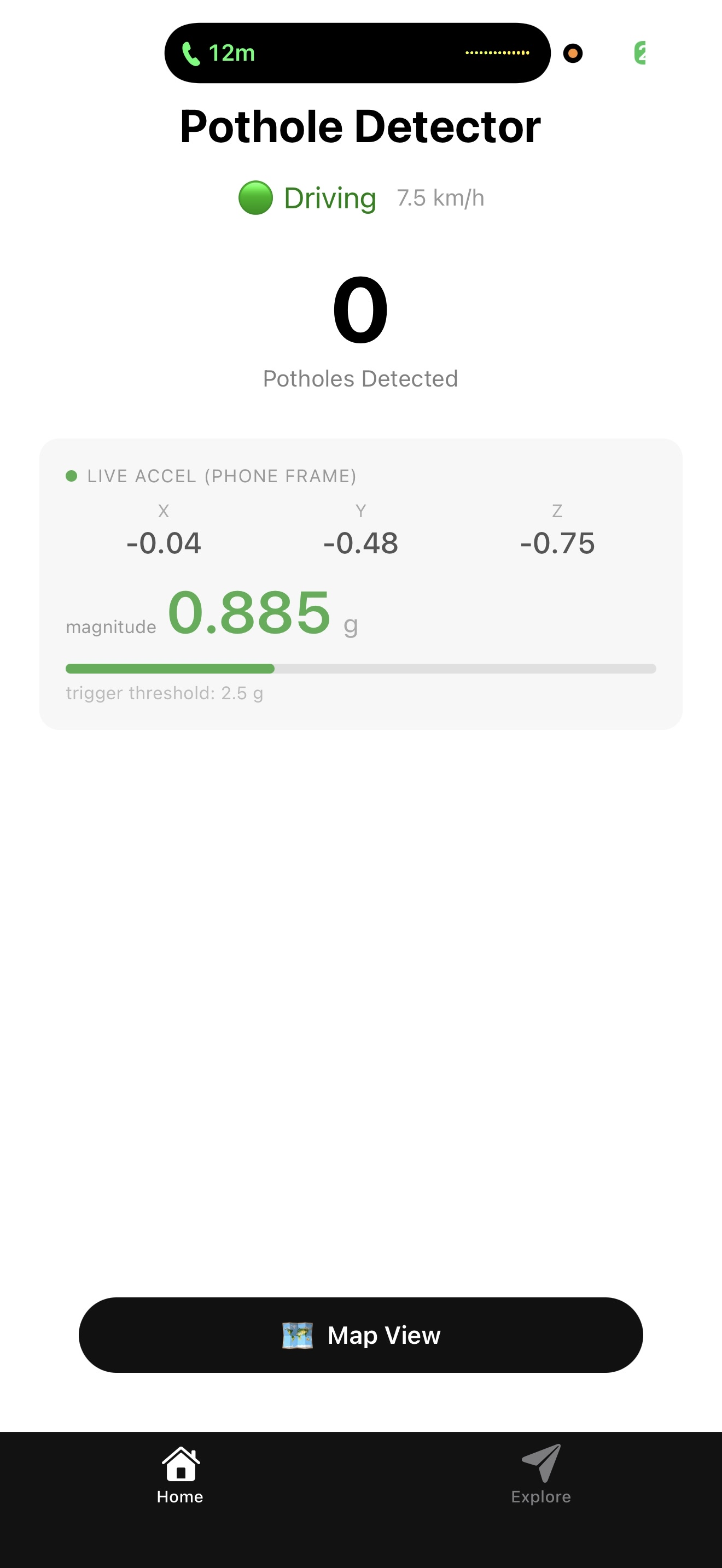
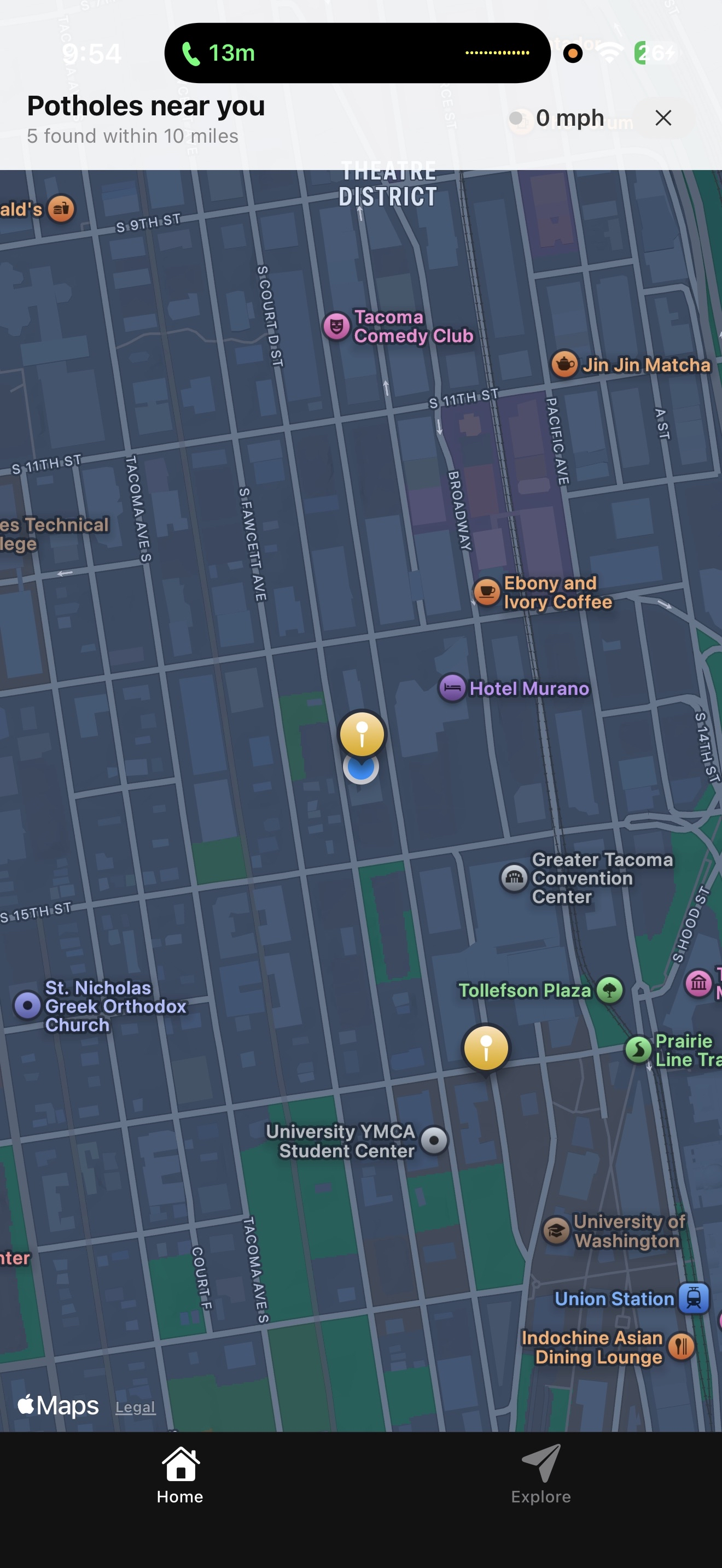
Mobile App with data
-
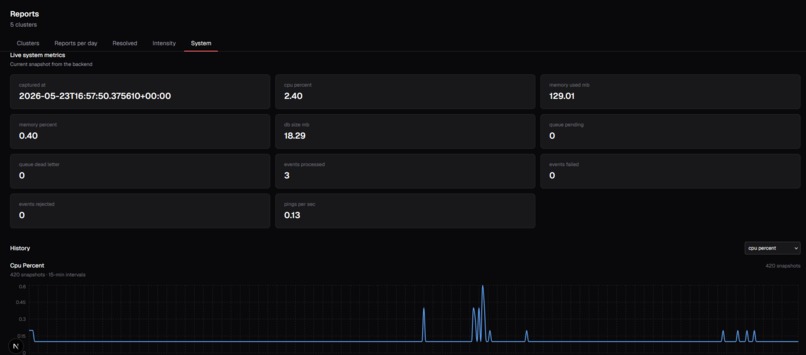
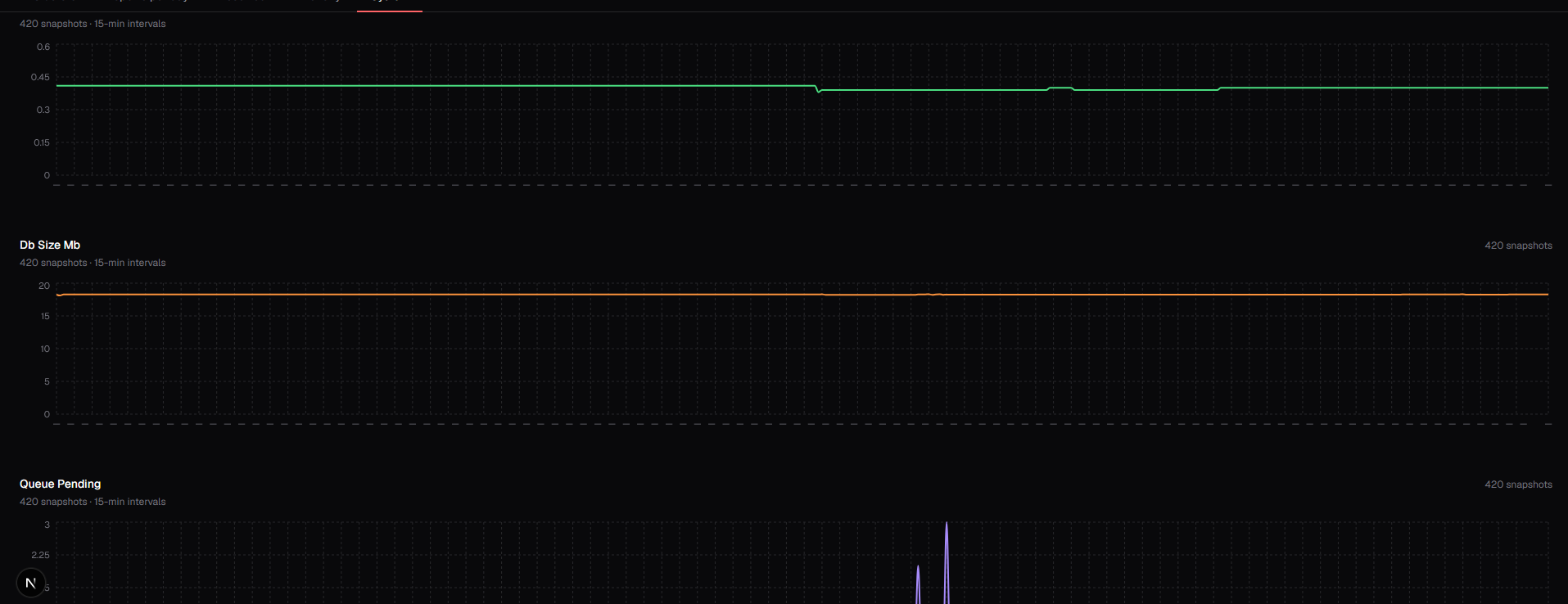
System information on dashboard
-
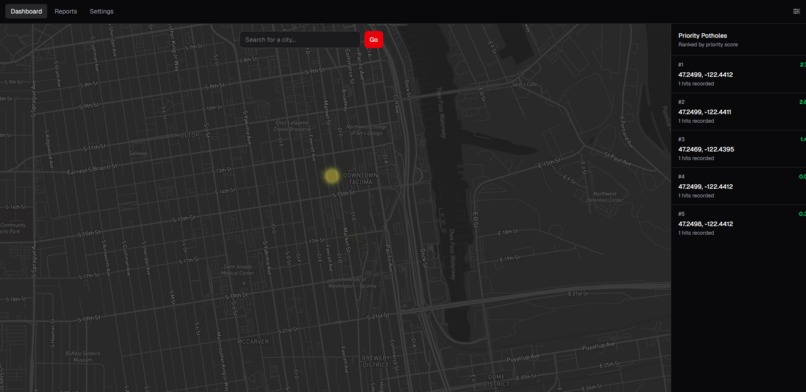
Map for potholes
-
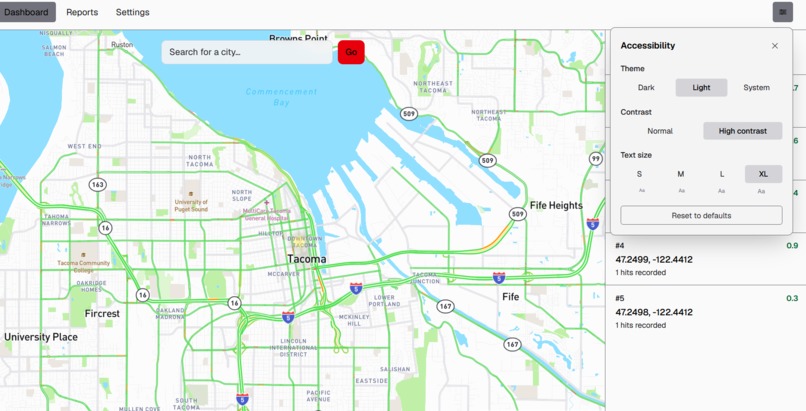
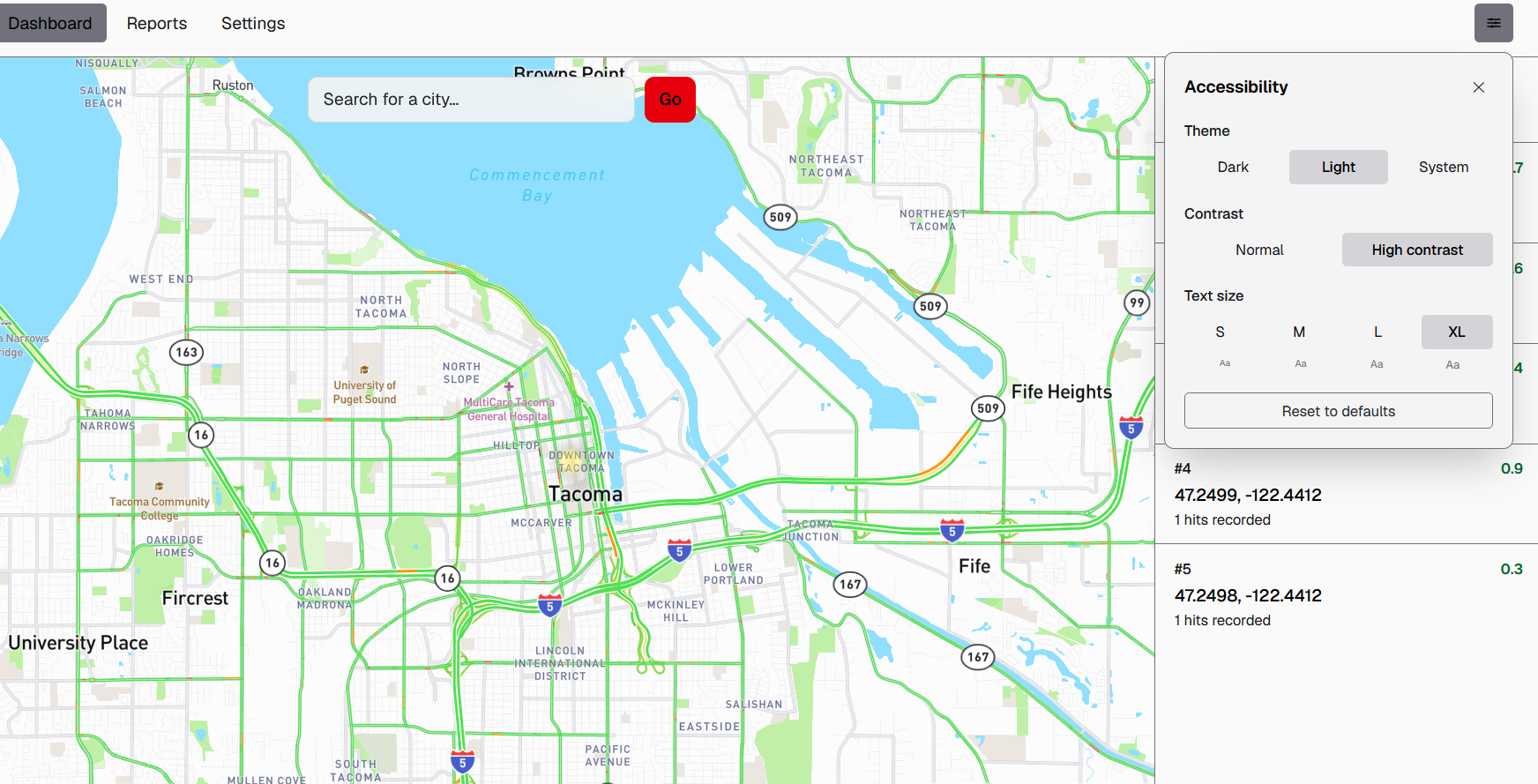
Accessability options for dashboard
-
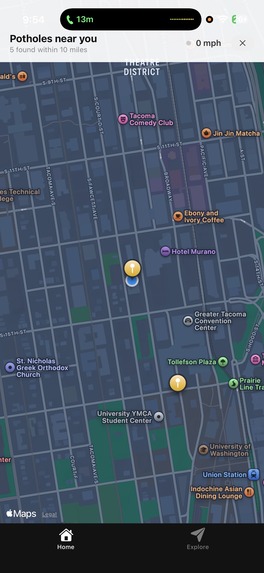
Map view on Mobile app

Inspiration
Hitting potholes sucks, and can cost a lot of money. An app like this is relatively low cost investment in terms of infrastructure and dev time (as evident by us getting a prototype working for the hackathon)
What it does
You have the mobile app, it detects if you've hit a pothole and then tells our server. The server has an API which can be viewed thru a dashboard
How we built it
We started by white boarding our tech stack and how our data is gonna flow, and we put each team member onto an app which was separate enough to be completely in their own repos. Each team member used Claude/ChatGPT to assist in rapid development. After the core apps were in a good state, we started discussing connecting the apps, talking about how our data would be structured and passed between each other.
Challenges we ran into
It was really ambitious, lots of content to cover, lots of moving parts. Each person basically had a whole app to develop on their own.
Accomplishments that we're proud of
We have a working app that is usable by anyone with the expo-go application, and the backend server is fully containerized running on my home machine and accessible by anyone
What we learned
Lots of new technologies were studied, we got some new experiences or refreshers. Maybe focusing on a smaller core application and then hand waving the back-end stuff might be more appropriate for a hackathon in the future.
What's next for Pothole Detector
Might polish it, keep expanding on the dashboard functionality and making sure everything works properly.----
Built With
- docker
- expo-sensors
- expo.io
- fastapi
- neon
- next.js
- python
- react
- react-native
- sql
- sqlite
- supabase
- typescript

Log in or sign up for Devpost to join the conversation.