Inspiration
The problem? Potholes. Every year, potholes cause over three billion dollars of damage to vehicles, force cities to spend millions of dollars to fix them, and disrupt traffic whenever you are most in a hurry. This personal and economic pain is what inspired us to create a solution: Pot-Hole Risk Assessor.
What it does
Our creation is placed underground beneath important roads, and assesses the likelihood of a pothole forming by using sensors to gather data. This data is then compared to historical trends and scientific analysis, and if it matches the indications of a pothole formation, will alert the necessary authorities so the problem can be fixed before major damages are caused.
How we built it
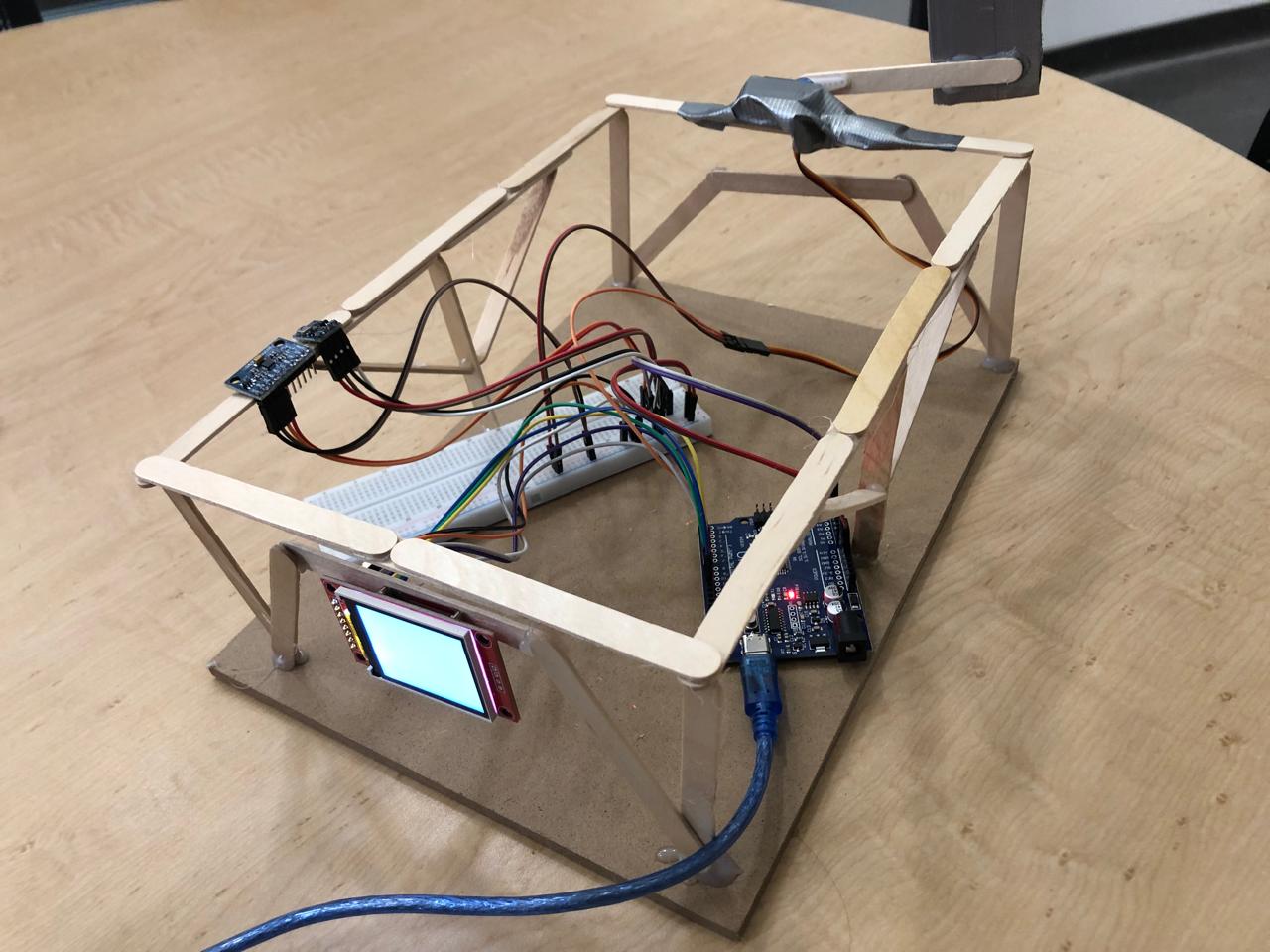
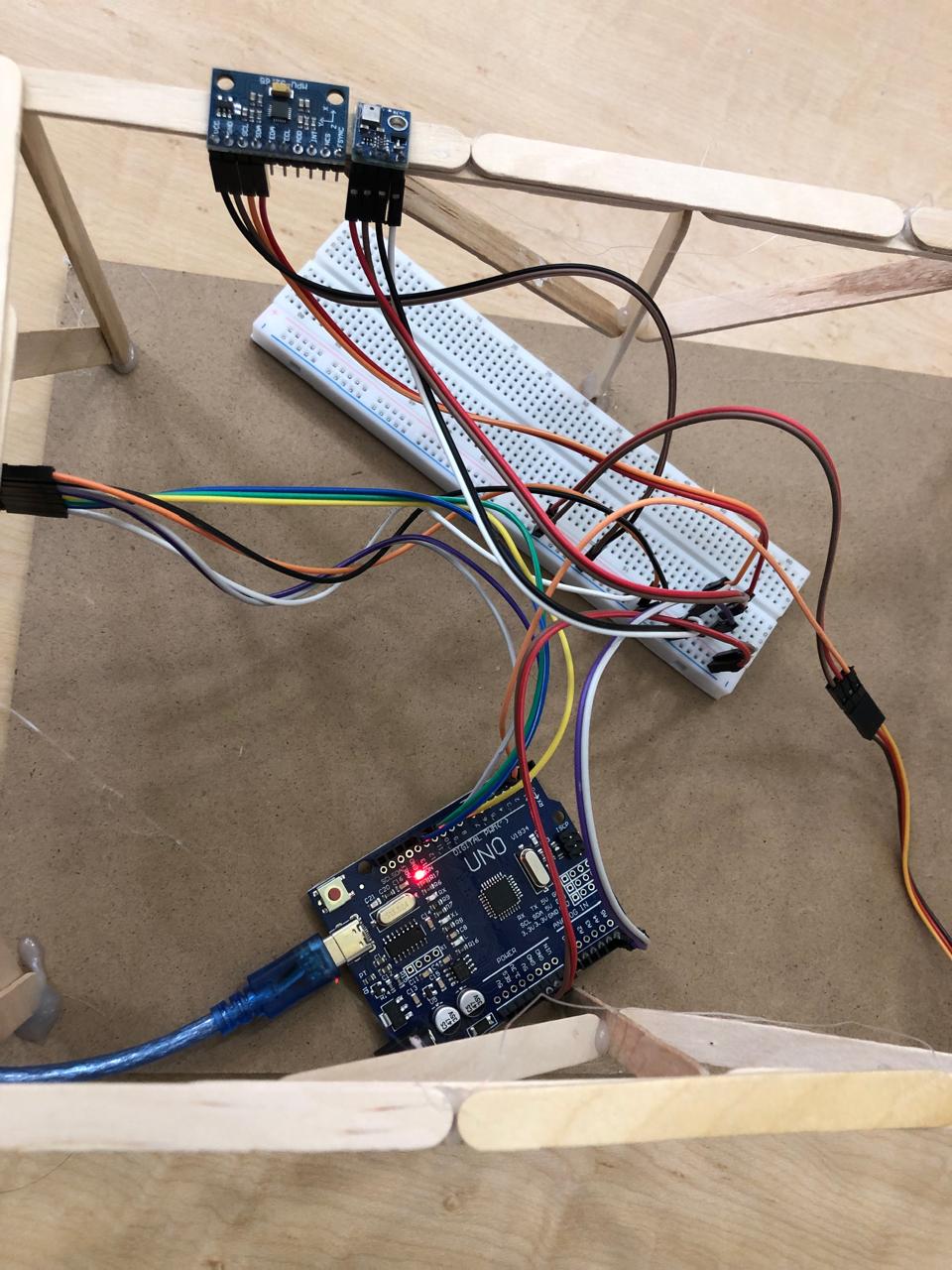
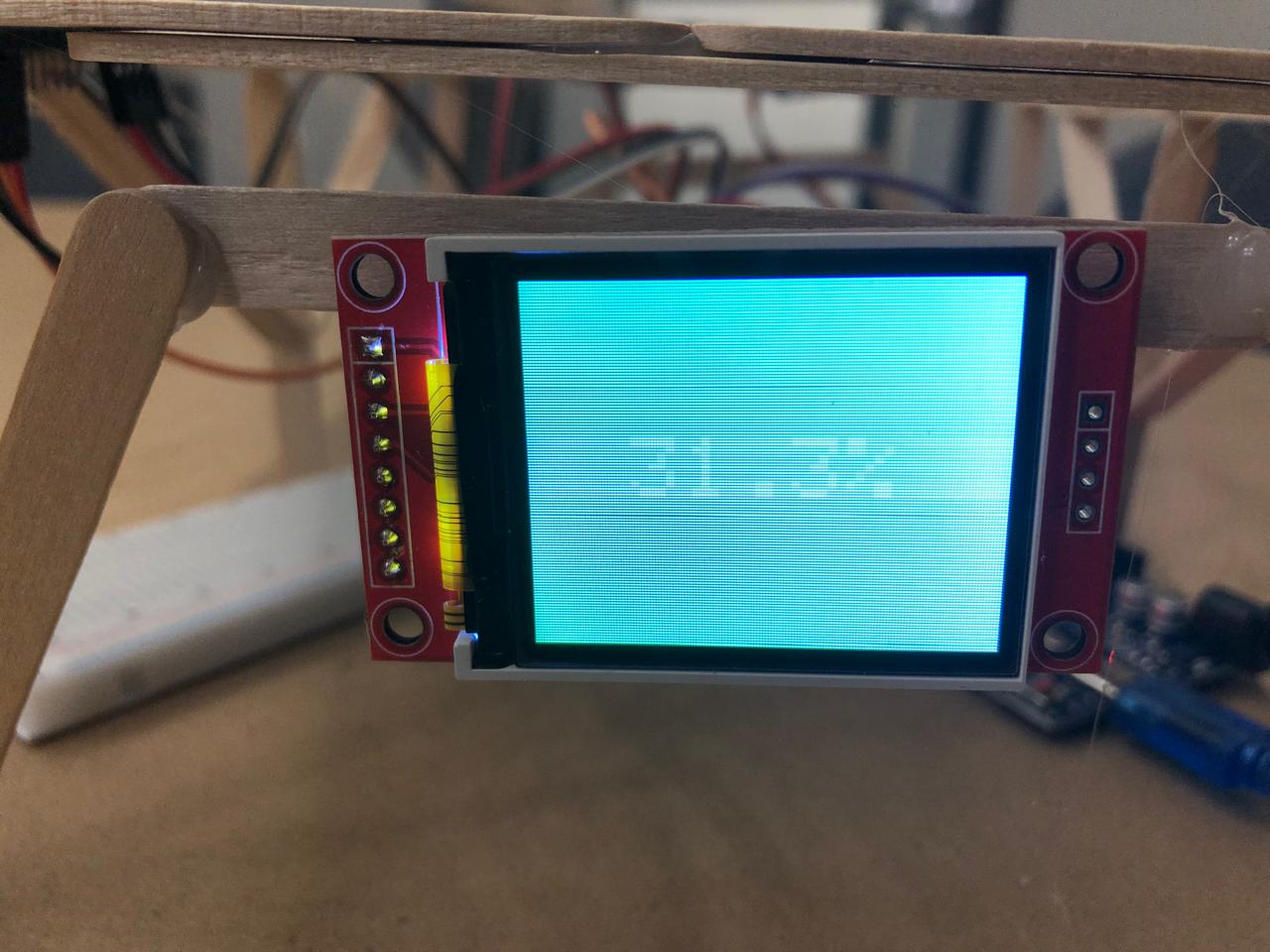
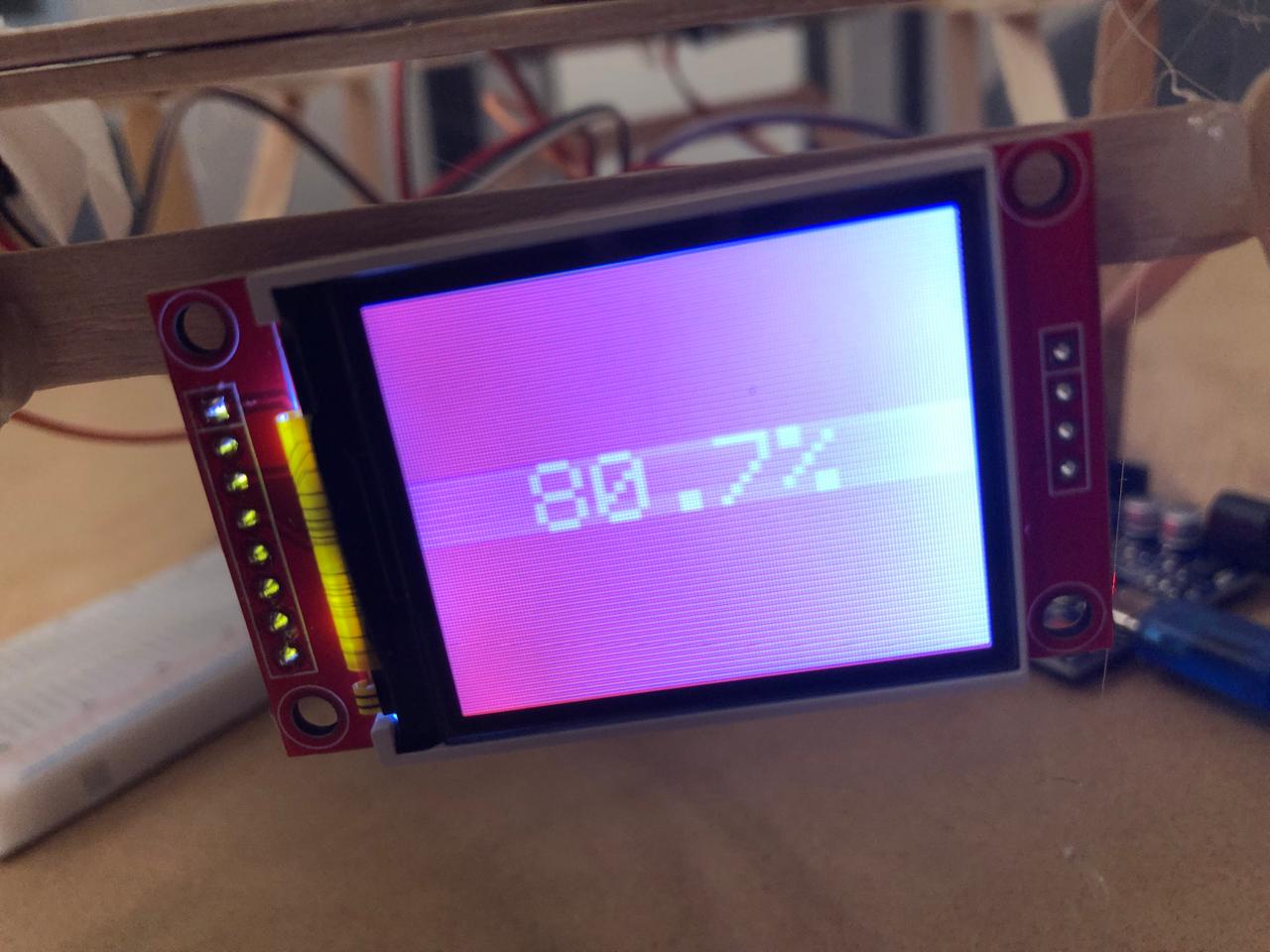
Our prototype combines a humidity sensor, accelerometer sensor, rotation motor, and an LCD display. The humidity and accelerometer sensor are used to gather important data, such as humidity levels underneath the road and significant ground movements (both of which are telltale signs of pothole formations). If the data collected exceeds a predefined threshold, then the rotation motor will activate and alert the necessary authorities. The LCD display constantly displays humidity levels, and will flash a warning if the levels exceed the threshold. We also created a protective box for our prototype, allowing safe retrieval and reuse in the event of the ground caving.
Challenges we ran into
Our biggest challenge was using the rotation motors, which we originally planned to use two of. One motor functioned fine, but the second motor would never activate. We tried many fixes such as manipulating our backend code, using different wire connections, and an entirely different motor, but none worked and we settled with just using one. But our problems did not end there, after adjusting our code, the motor activation became inconsistent and did not behave as desired. We ended up overcoming this obstacle by adjusting the use of the motor in our final prototype.
Accomplishments that we're proud of
We are proud of how our final product turned out, despite the challenges we faced. Our product successfully gathers, analyzes, and displays data, and has all the functionalities we expected to implement. Beyond the technical aspect, we are also proud of our teamwork and problem-solving skills, which helped us decipher problems and ultimately finish our design.
What we learned
Throughout this project, we gained a deeper understanding of hardware such as Arduino Uno, sensor data analysis, and software-hardware integration. We also learned the importance of flexibility in robotics, and how to overcome seemingly impossible challenges. Additionally, we improved our skills in coding, working with hardware, and collaborating efficiently whilst under time pressure.
What's next for Pot-hole risk assessor
The future of Pot-Hole Risk Assessor is bright, especially after successful testing of our prototype model. There are many variations and upgrades to our design that can be implemented, such as full pothole prevention through self dehumidification and sensor adaptations so the product can be used in other contexts. Furthermore, with the relatively cheap cost of reproducing our product in mass, it is very possible for our creation to be implemented in real-life scenarios, and stop


Log in or sign up for Devpost to join the conversation.