-
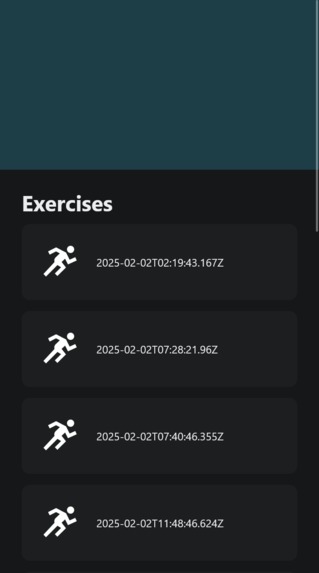
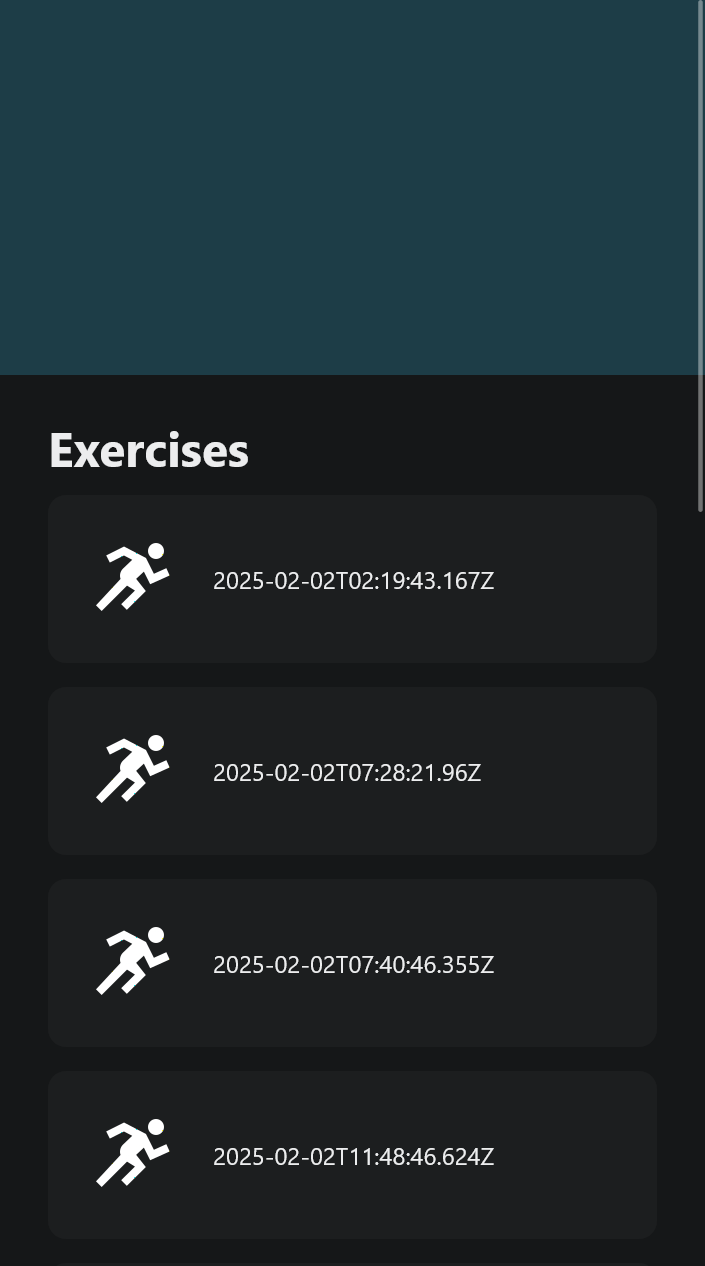
Homepage showing all exercises
-
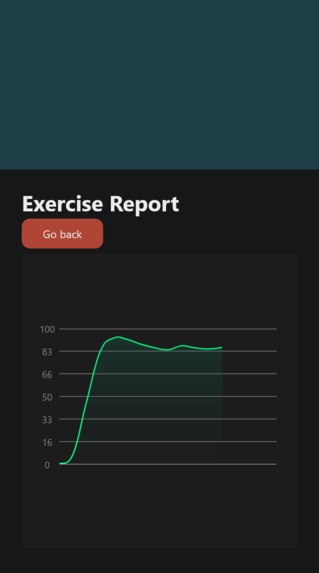
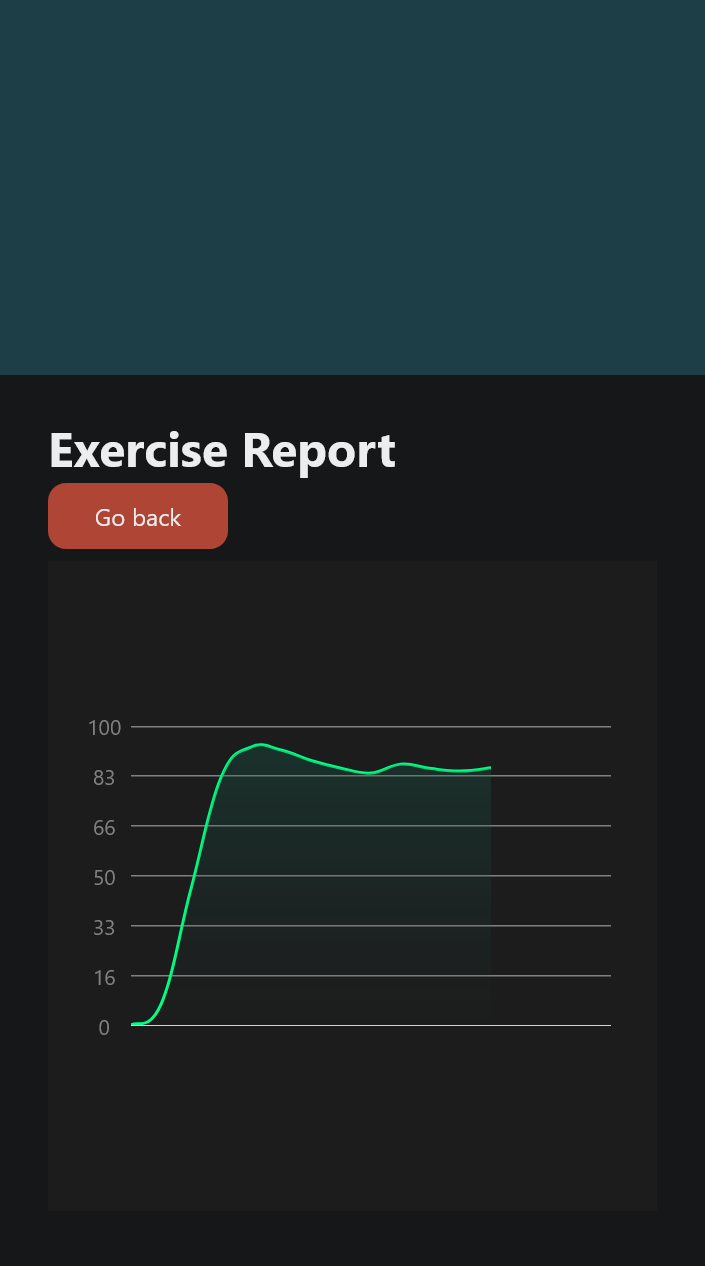
Exercise posture report at the end of an exercise
-
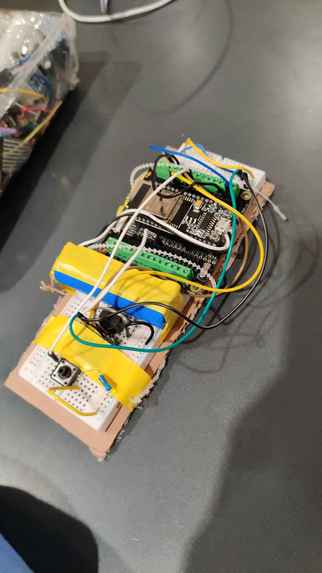
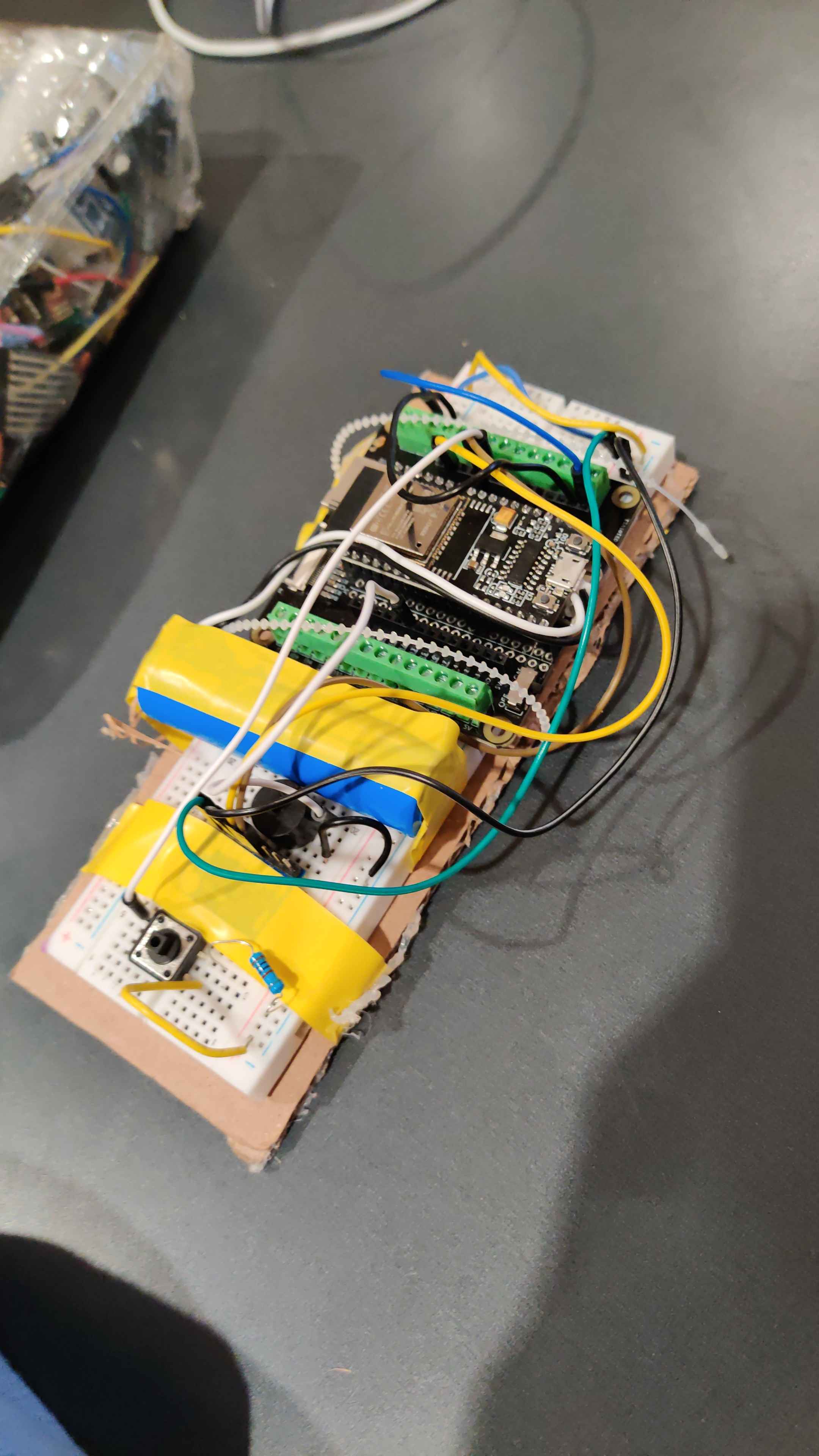
Actual Device
Inspiration
Maintaining proper posture during physical activities is a challenge many of us face, and its importance cannot be overstated. Improper posture can lead to a host of injuries ranging from minor strains to severe musculoskeletal damage. Our team observed that many gym enthusiasts—and even professional athletes—sometimes neglect the subtle cues of their body alignment during intense workouts, leading to cumulative injuries over time. This issue, combined with the rise of mobile health technologies, inspired us to develop PosturePal. We wanted to create a solution that not only identifies improper posture but does so in real time, preventing injuries before they occur. PosturePal embodies our commitment to health, technology, and proactive care by leveraging the smartphone's gyroscope to monitor and correct posture during exercise routines.
What it does
PosturePal is a robust mobile application that monitors and analyzes a user’s posture during workouts. Key functionalities include:
- Real-Time Posture Analysis: By utilizing the device’s built-in gyroscope sensor, PosturePal continuously tracks the orientation of the user’s back relative to a perfectly vertical line. The app captures even the slightest angular deviations to determine whether the posture aligns with optimal workout form.
- Immediate Feedback: When a deviation from the ideal posture is detected, the app instantly notifies the user through visual cues, haptic feedback, and even audio alerts if desired. This immediate response helps users correct their form on the fly, reducing the risk of strain or injury.
- Data Logging and Analysis: Every session is recorded, allowing users to review historical posture data. This feature provides insights into recurring issues and helps tailor personalized exercise recommendations to gradually improve overall posture.
- Customizable Sensitivity: Recognizing that each user’s body and workout routine is unique, PosturePal allows users to adjust sensitivity settings. This ensures that the feedback is both relevant and non-intrusive.
How we built it
Our development approach was both comprehensive and modular, focusing on delivering a high-quality user experience through efficient frontend and robust backend systems.
Frontend Development:
- React Native & Expo: We chose React Native along with Expo for the frontend to guarantee a consistent and responsive user experience across both iOS and Android platforms. This allowed us to rapidly prototype, test, and deploy features with minimal friction.
- Sensor Integration & Calibration: Leveraging Expo’s sensor libraries, we accessed the gyroscope data directly. The process involved calibrating sensor readings to filter out noise and counteract sensor drift. We developed a calibration routine that adjusts for various user environments, ensuring that even slight deviations are accurately detected.
- User Interface & Experience: A critical aspect was designing an intuitive interface that conveys real-time posture information effectively. Our UI includes:
- Real-Time Visual Feedback: Graphs and indicators dynamically display the user’s posture, making deviations immediately apparent.
- Haptic Feedback: In addition to visual cues, users receive gentle vibrations when their posture deviates beyond a set threshold.
- Customizable Settings: Users can tailor alert mechanisms, sensitivity levels, and even visual themes to suit their preferences.
Backend Development:
- Golang for High-Performance Processing: The backend, written in Golang, is optimized for real-time processing. Golang’s concurrency features allow our system to handle multiple streams of sensor data simultaneously without compromising performance.
- Real-Time Data Analytics: The backend processes continuous gyroscope data streams to detect posture deviations quickly. Our algorithms compare incoming data against established thresholds, then trigger immediate feedback and logging mechanisms.
- Scalability and Cloud Integration: We designed our backend to be highly scalable, employing MongoDB for storage and processing to handle an increasing number of users. This ensures that the app can grow seamlessly without performance bottlenecks.
Challenges we ran into
Developing PosturePal was an intricate process with several technical and practical challenges:
- Sensor Calibration and Noise Reduction: Gyroscope sensors are inherently prone to noise and drift. We spent significant time refining calibration routines and implementing filtering algorithms to extract meaningful data while discarding irrelevant noise.
- Real-Time Data Processing: Delivering real-time feedback required us to optimize both the frontend and backend. Ensuring that sensor data was processed and feedback was provided almost instantaneously involved a deep dive into performance tuning and efficient code design.
Accomplishments that we're proud of
- Sensor Data Transfer: We successfully integrated a gyroscope-based tracking system that delivers near-instantaneous posture correction alerts, drastically reducing the risk of workout-related injuries.
- Robust and Scalable Backend: Our backend, built in Golang, efficiently processes real-time sensor data while maintaining scalability and reliability.
What we learned
- Sensor Technology Mastery: Diving into gyroscope data gave us a profound understanding of sensor calibration, noise reduction, and data fusion techniques. We learned how to extract valuable insights from raw sensor data, which is a transferable skill across many mobile and IoT projects.
- Backend Scalability: Building a robust backend in Golang not only reinforced our understanding of real-time data processing but also underscored the significance of designing systems that can scale gracefully in response to increased user demand.
🍃 Prize Track: Best Use of MongoDB
For our database solution, we leveraged MongoDB Atlas to create a robust workout tracking system. We implemented comprehensive schema validation to ensure data integrity, built secure RESTful API endpoints for CRUD operations, and utilized environment variables for secure configuration management. Our MongoDB implementation handles workout data with coordinate points efficiently, complete with proper error handling and connection management for production readiness.
🏗️ Prize Track: Best Use of Terraform
As first-time Terraform users, we ambitiously tackled infrastructure as code for our deployment process. While we wrote configurations for MongoDB Atlas cluster provisioning, we faced some challenges getting it fully operational during the hackathon timeframe, forcing us to manually deploy our MongoDB cluster & backend service on Render. Though we didn't achieve full automation, this experience gave us valuable insights into infrastructure as code practices and laid the groundwork for future improvements to our deployment pipeline.
What's next for PosturePal
- Broadening the Application Scope: We aim to extend PosturePal beyond workout sessions to everyday use cases. Imagine an app that helps office workers, students, and even drivers maintain proper posture throughout their day, preventing long-term health issues associated with poor alignment.
- Advanced Machine Learning Integration: Future updates can incorporate machine learning algorithms that analyze long-term posture trends, enabling the app to provide personalized coaching and predictive analytics. This will help users not only correct their posture in real time but also understand and address the underlying habits leading to poor posture.
- Wearable Device Integration: We are exploring partnerships with wearable tech manufacturers to integrate data from smartwatches, fitness bands, and other devices. This multi-sensor approach will improve the accuracy of posture detection and offer a more holistic view of user health.
- Expanded Sensor Fusion: While the gyroscope remains our primary sensor, we are investigating how additional sensors, can be integrated to offer even more comprehensive posture analysis.
- User Personalization and Adaptive Feedback: Future iterations will focus on adaptive feedback mechanisms that learn from each user’s unique movement patterns and progressively fine-tune the advice given, creating a more personalized and effective training tool.
Conclusion
PosturePal is not just an app—it’s a commitment to promoting health, preventing injuries, and empowering users with the tools they need to improve their posture in real time. Our journey so far has been filled with valuable lessons, technical challenges, and impressive milestones. As we look to the future, we are excited to push the boundaries of mobile health technology even further, making posture correction accessible and effective for everyone.
Built With
- github
- golang
- json
- mongodb
- react-native
- rest
- terraform
- typescript

Log in or sign up for Devpost to join the conversation.