Inspiration
PostOne was inspired out of the uncertainty regarding mail delivery and the increasingly problematic issue of mail theft. The thought process behind PostOne was to utilize leading cloud services and MLM technologies to provide a notification service for mail delivery and potential mail theft.
What It Does
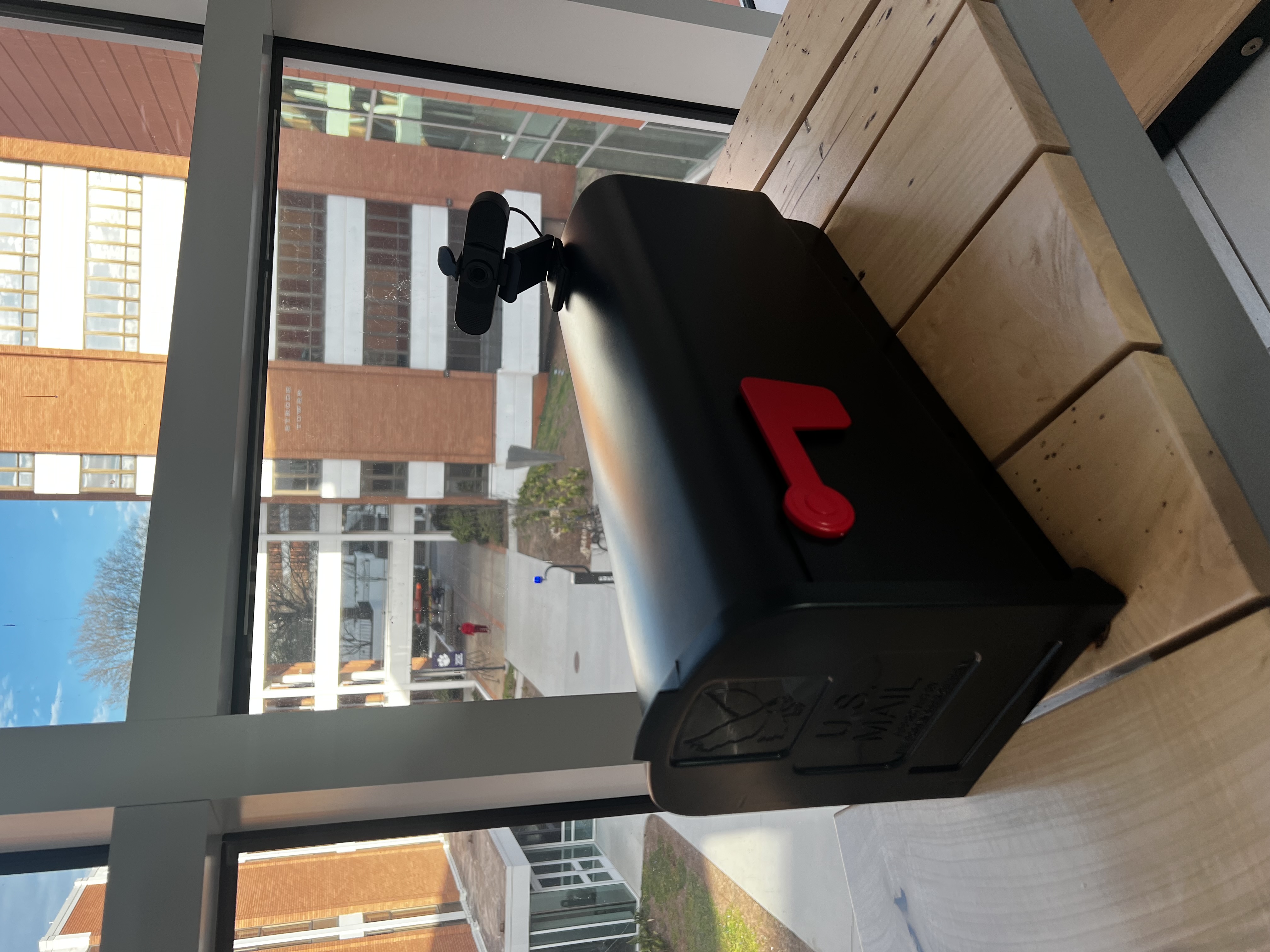
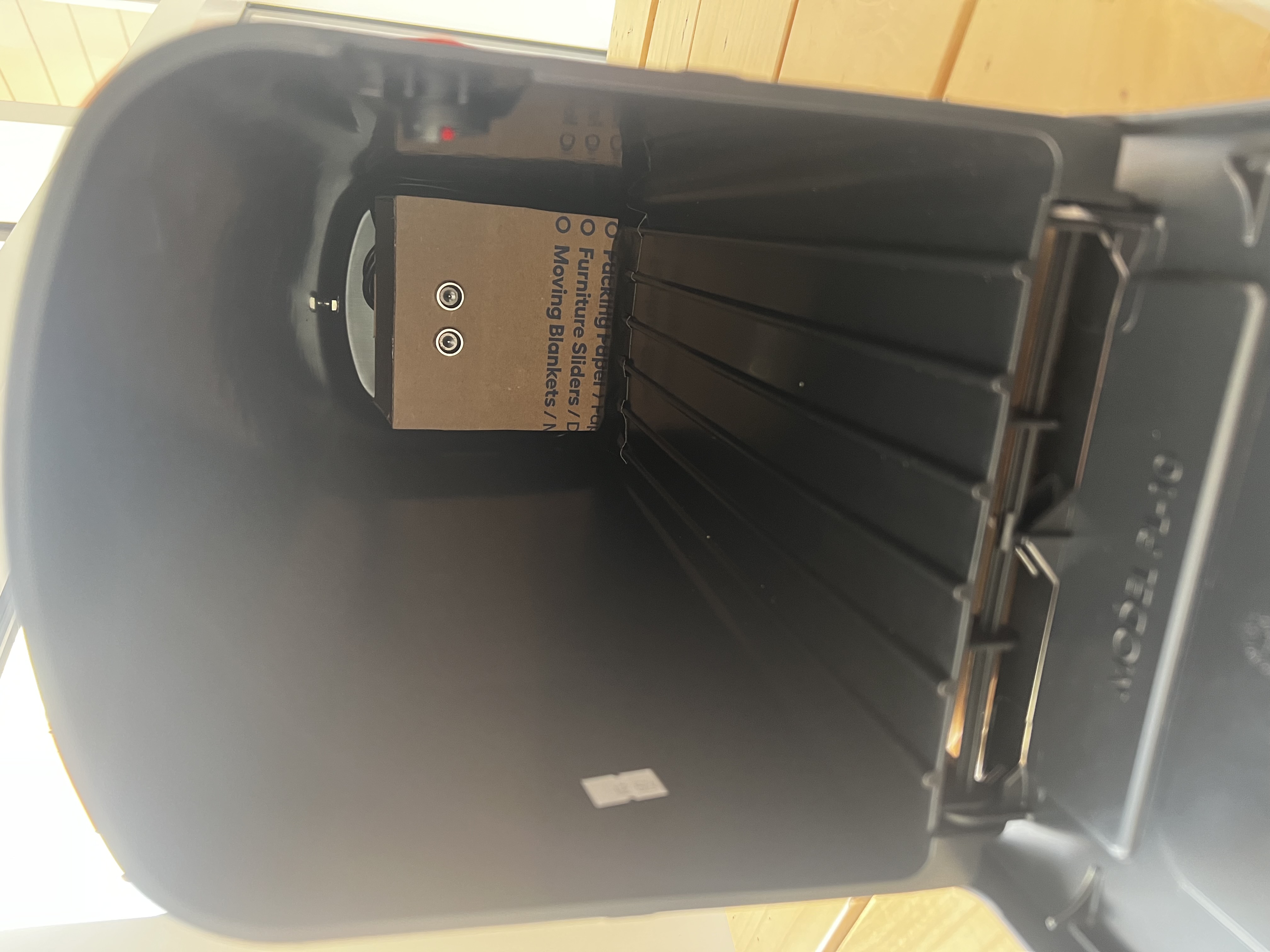
PostOne sits inside the mailbox and waits for someone to open it. When the mailbox door opens, an image is taken of the person who opened it, and an email is sent to a user that their mailbox has been opened, as well as whether or not the person who opened it is a recognized user. If the person is recognized, the email contains the name of that person. An image of the person is also attached to the email.
How We Built It
PostOne was built using a combination of physical materials, software scripts, and cloud services. We split up and each worked on one of those three pieces. We started by working on functionality for the Raspberry Pi , which included obtaining proper measurements from the ultrasonic sensor and taking photos with the camera. From there, we learned and implemented AWS services to store and process these images, along with a call to a Lambda Function that analyzes the photo for known users and utlizes Simple Email Service to send an email to the user.
Challenges We Ran Into
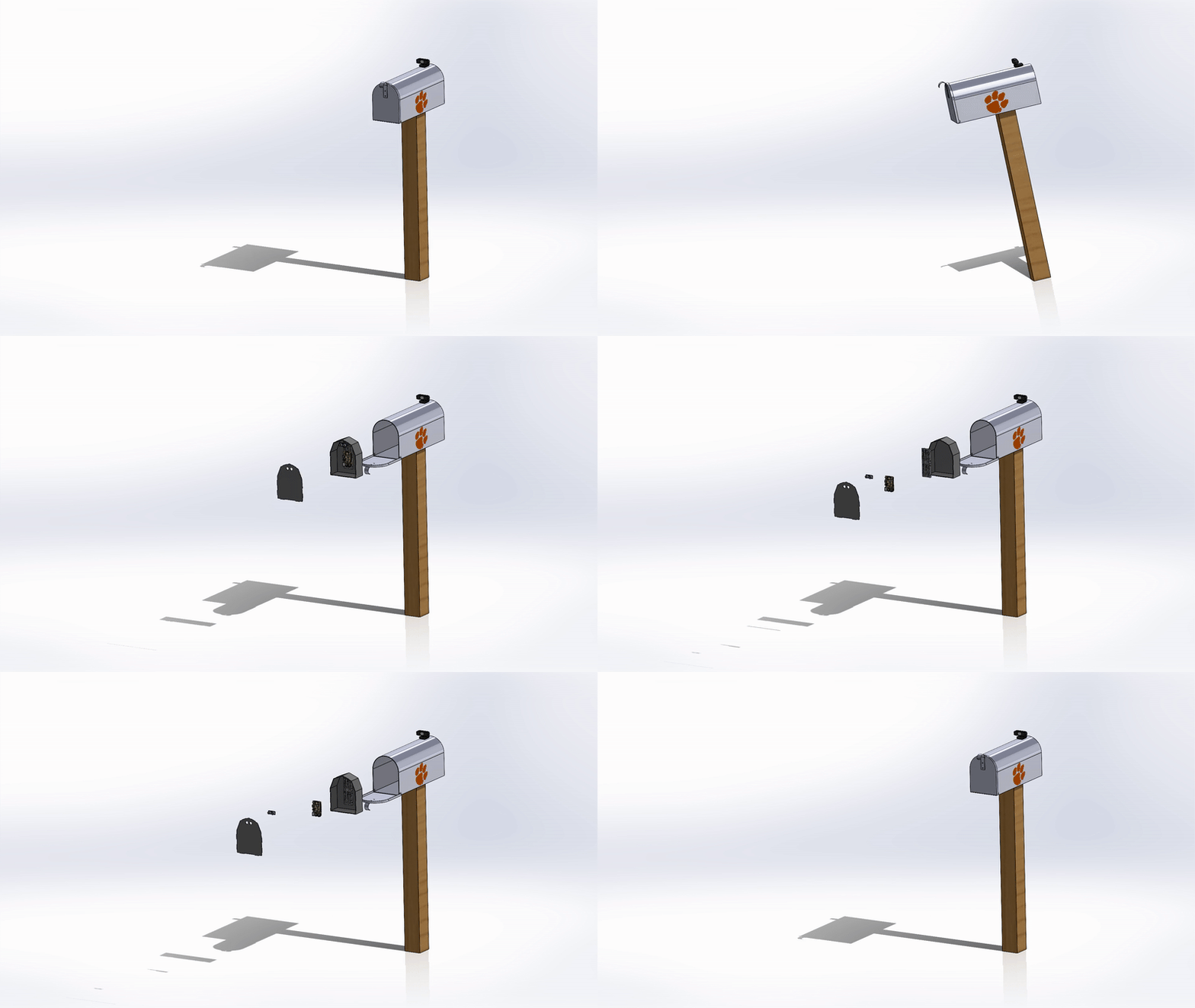
We had two main challenges. From a materials perspective, we had no access to a makerspace, given that all Clemson makerspaces are closed on weekends. This proposed a lack of 3D Printing, Laser Cutting, and other services we were hoping to rely on. To solve this issue we purchased a plastic mailbox, cardboard material to hold the RaspberryPi components, and a few tools to cut and assemble our prototype. To properly cut out measurements from our 3D models, we used library printing services to create paper stencils for our Pi module. The second issue we ran into was implementing the proper email messaging system in AWS. When originally starting our project, we planned to utilize Simple Notification System to send emails to users. This worked for plaintext arguments, however when we tried to style our email with HTML and CSS elements, we ran into issues with SNS. We found out that AWS also offers a service called Simple Email System, in which we could customize our emails like we had wanted. Then, another issue arose, in which SES had a quota limit of 200 emails per twenty-four hours. For the sake of testing emails (upwards of which 200 were sent), we chose to use SNS and then for the final prototype, we switched to SES.
Accomplishments That We're Proud Of
Something we are proud of was our utilization of image recognition. This was done through Amazon Rekognition, an AWS service. This allowed us to scan, store, and compare the faces that PostOne had obtained while in use. This feature is most noticeable in the emails we send to users, in which the subject line contains either the recognized users name or an unauthorized user message.
What We Learned
In the creation of PostOne, we gained a lot of experience related to AWS and learned about wide variety of topics. The three we want to highlight are S3, RasberryPi Sensor/Camera Processing, and Amazon Rekognition. Using S3 as a simple storage service, we learned how to input image data and use S3 triggers to call lambda functions. We also gained an understanding of RasberryPi Sensor/Camera processing in which we learned how to use ultrasonic sensors and a webcam linked into a RaspberryPi to provide data. Finally, after spending some time reading Amazon Rekognition documentation, we learned how to implement facial recognition services to store and compare the faces that the PostOne camera collected.
What's Next For PostOne
Given that PostOne was created in a span of less than 24 hours, we hope to iterate and improve on the software and hardware involved with creating the project. Our future goals would involve making the electronics more efficient so it could run on a small solar panel. We would also like to make the signup process more complete so multiple users could have mailboxes and each have their own account to control their known faces. Another idea we came up with but did not have time to get to was adding a logo recognition feature so we could detect delivery drivers instead of them being unrecognized by default.

Log in or sign up for Devpost to join the conversation.