-
-
-
-
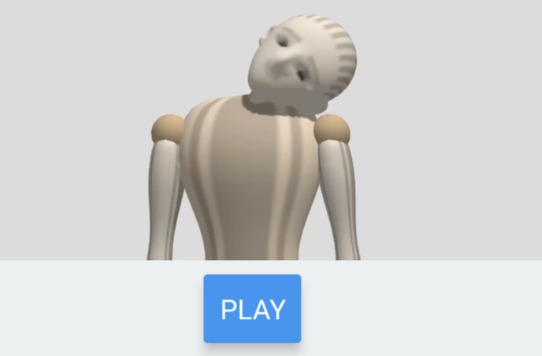
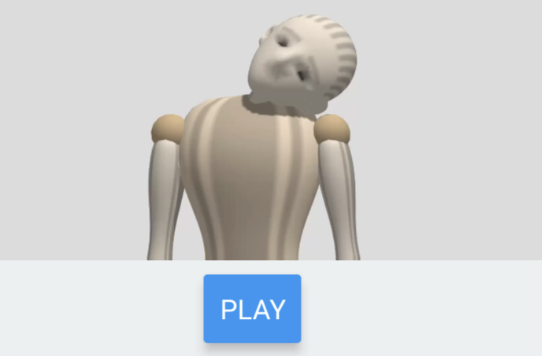
Picture of our 3D model animation
-
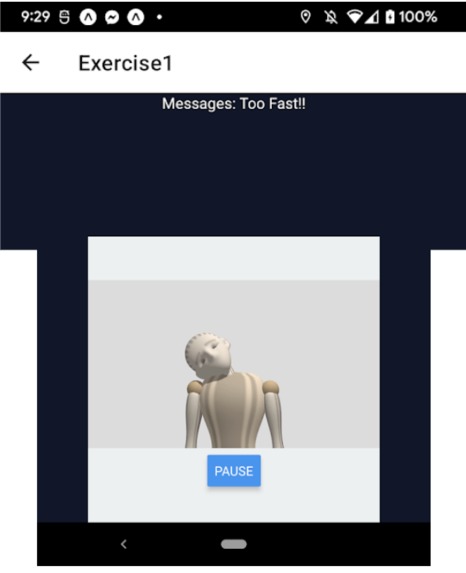
Picture of our app in real time performing a guided therapy exercise with 3D model.
-
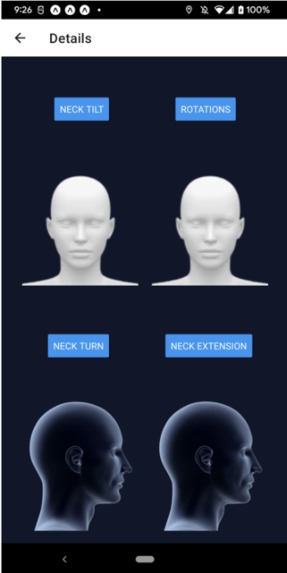
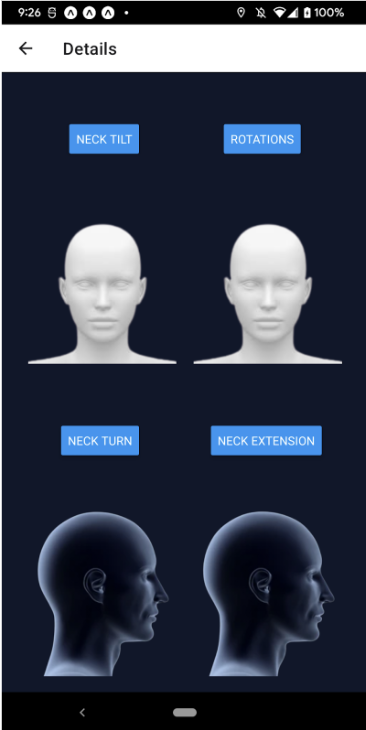
Picture of our exercise options page on our mobile application
-
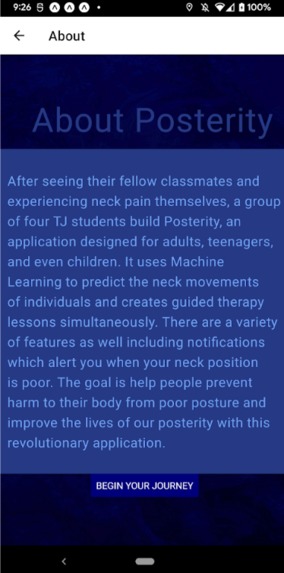
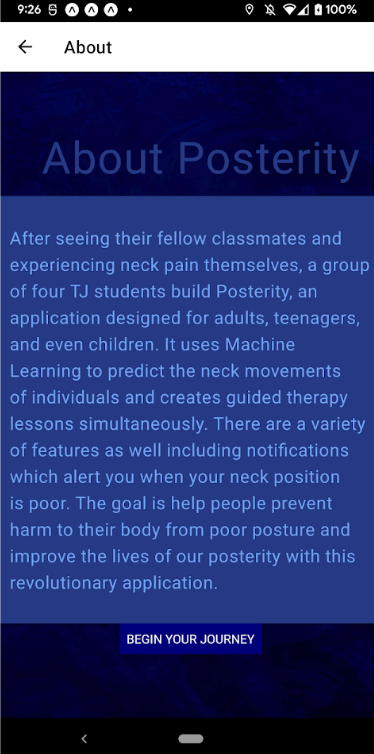
Picture of our about page in the mobile application
-
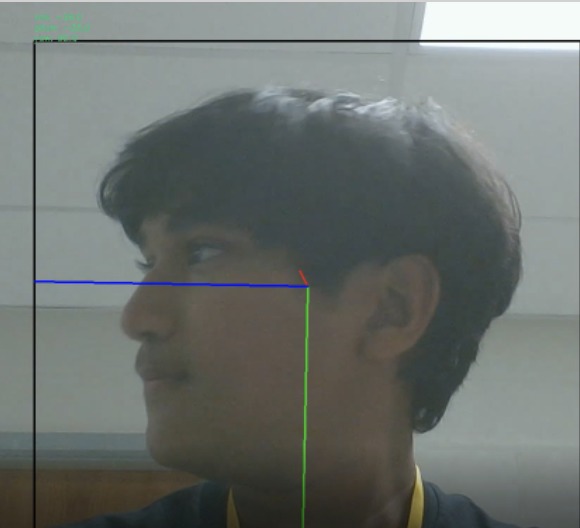
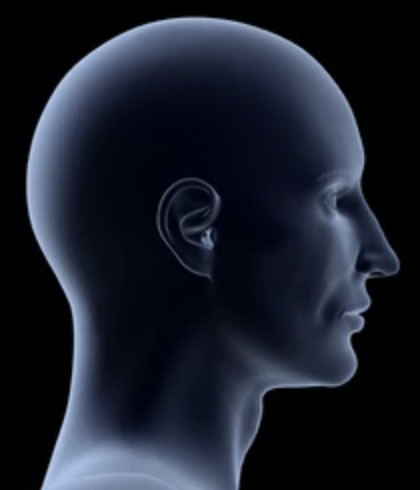
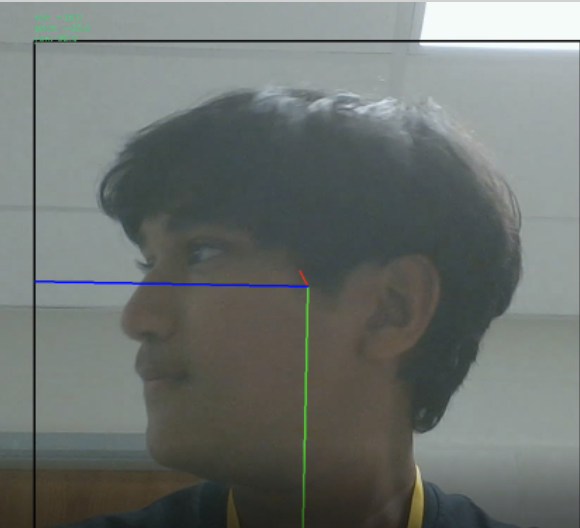
Use of ML model to predict the values of the head position.
-
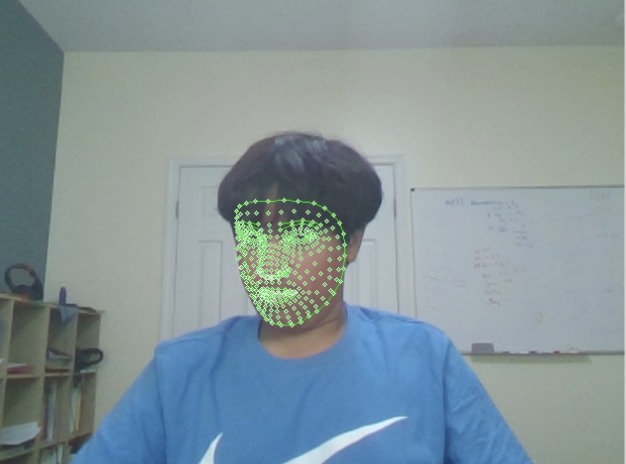
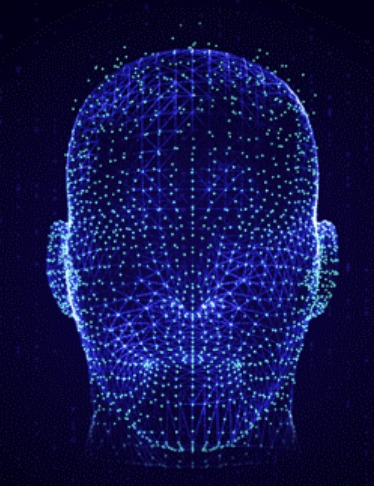
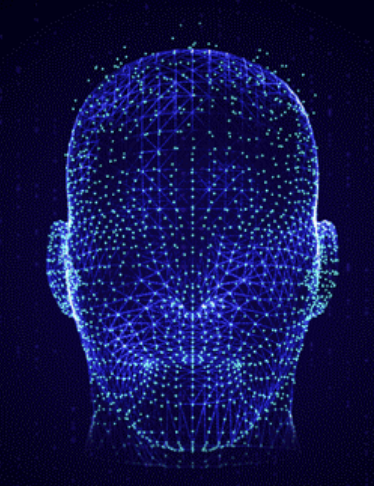
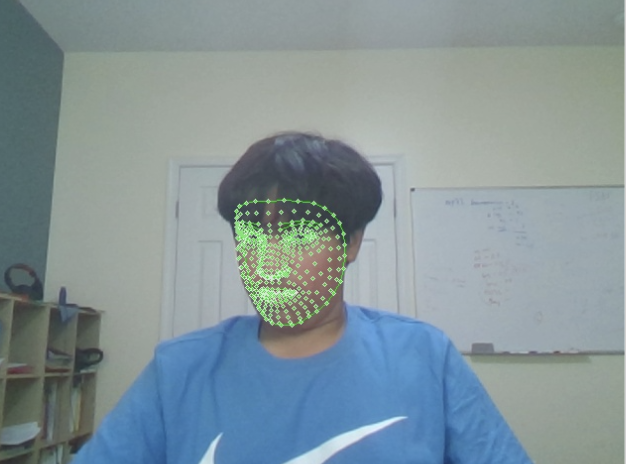
Face detection
-
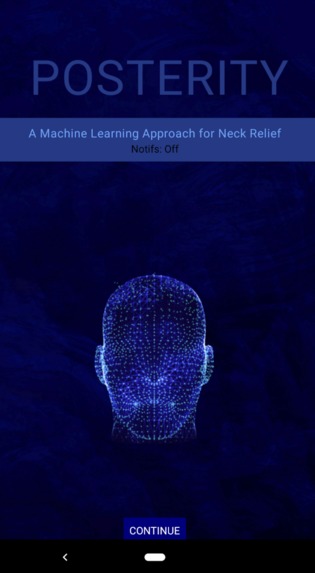
Picture of the home screen page on our mobile application.

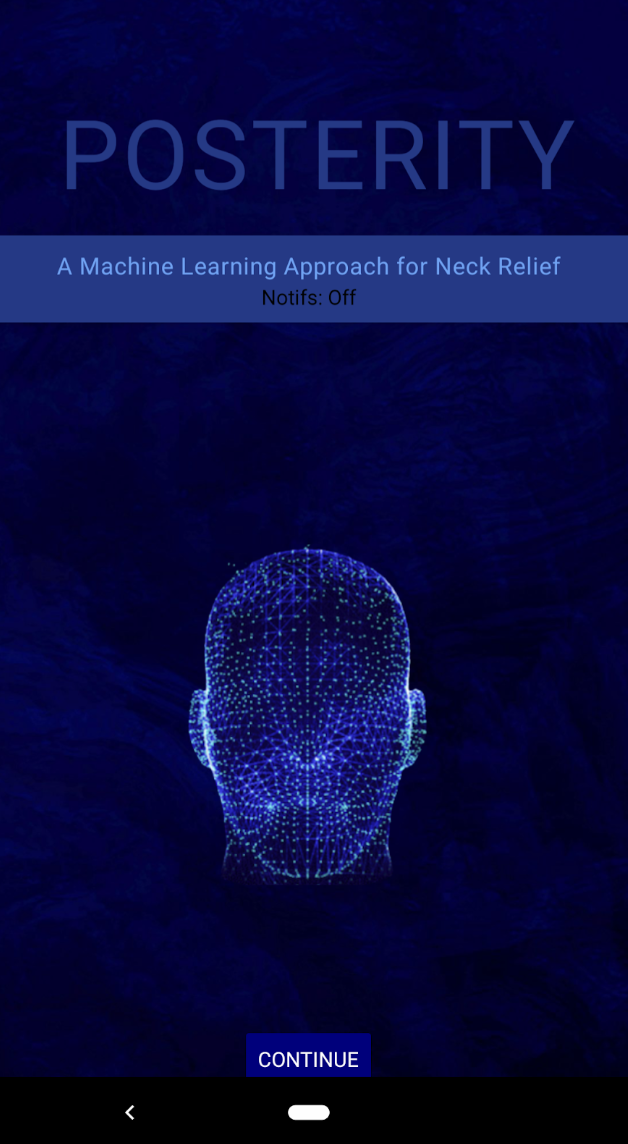
Inspiration
We were inspired by our own neck pain and experience as students at TJ. Every day, we see our friends and fellow scholars working and having poor posture. We researched the effects of neck pain and bad posture and found that it leads to several drastic spinal cord and bodily issues. Not only adolescents in high school, but also adults, and even young children are facing this issue in our increasingly technology-dependent world.
What it does
Our app aims to solve this problem of bad posture using guided therapy. We used ML to predict the motion of various peoples' necks while exercising and provide a self-oriented experience designed to benefit each person in their own way. Additionally, users can decide which exercises to perform daily and our app will filter out the best exercise patterns tuned to the individual. Another core functionality is that even when minimized, our app will send notifications if the neck posture is poor, and we use a gyroscope to do this, which is integrated into our backend.
How we built it
We used React-Native to create our mobile app and the platform of JavaScript. We used Machine Learning and several data sets and videos to train our model. We also used a few sensors including a gyroscope and accelerometer. We used VSCode as our IDE when developing the full stack for our website and used the software expo to run simulations of our application in real-time.
Challenges we ran into
Initially, we wanted to build a web application but realized it is difficult to integrate a gyroscope and accelerometer, which is essential to performing the basic functions of our app. This is why we had to switch to a mobile app, which turned out to be an amazing decision. Additionally, it was difficult to train our machine learning model to a viable accuracy, but we found the proper data sets and created our own videos to optimize its efficiency, and it turned out to be very successful.
Accomplishments that we're proud of
We trained an efficient ML model using data sets to be able to detect poor neck posture, which can help the lives of many people of all age groups, including children, adults, and teenagers. We also built a mobile application and we are proud of this achievement since it is accessible to many people across the world in the modern society where over 90% of individuals have access to a smartphone.
What we learned
We all, as a group, developed our skills in various frameworks and programming. Most of all, we learned leadership and collaboration, since we split up tasks to achieve the most efficiency. Previously, we only had knowledge of ReactJS frameworks, but after realizing the limitations of this platform when building complex mobile applications, our team had to adjust to React-Native Expo. Through this process, we all learned the ins and outs of this marvelous framework and integrated our sensors and machine learning model to create a well-rounded application.
What's next for Posterity
We plan to integrate several other exercises into our app including back, arm, leg, and chest exercises since our 3D model which focuses on guided practice can expand to include all of the body parts, meaning that we can introduce more ML algorithms and processes to focus on all the body parts. Once we can reach this accomplishment and goal, our app can benefit many people around the world and in the future, our posterity.
Built With
- expo.io
- javascript
- ml
- python
- react-native
- tensorflow


Log in or sign up for Devpost to join the conversation.