-
-

Logo Bigger
-

Onboarding Screen
-

Second onboarding screen
-
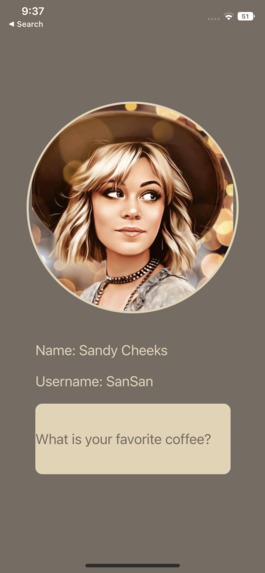
Profile screen
-

Login Screen
-

Home Screen
-

Logo
-

Upload Photo Screen







Inspiration
A love of coffee and a desire to build a community were the driving forces behind the founding of the platform PostCafe. As a lover of coffee, I found it challenging to keep track of the various varieties I tasted and remember which ones I liked and which ones I didn't. Along with a partner who had the same interest, we therefore came up with the idea to develop a digital platform that would make it more simple for coffee enthusiasts to share their experiences, suggestions, and discover new coffee shops. We also wanted to develop a community of coffee lovers where individuals could share their passion of the coffee and learn about new tastes and experiences.
What it does
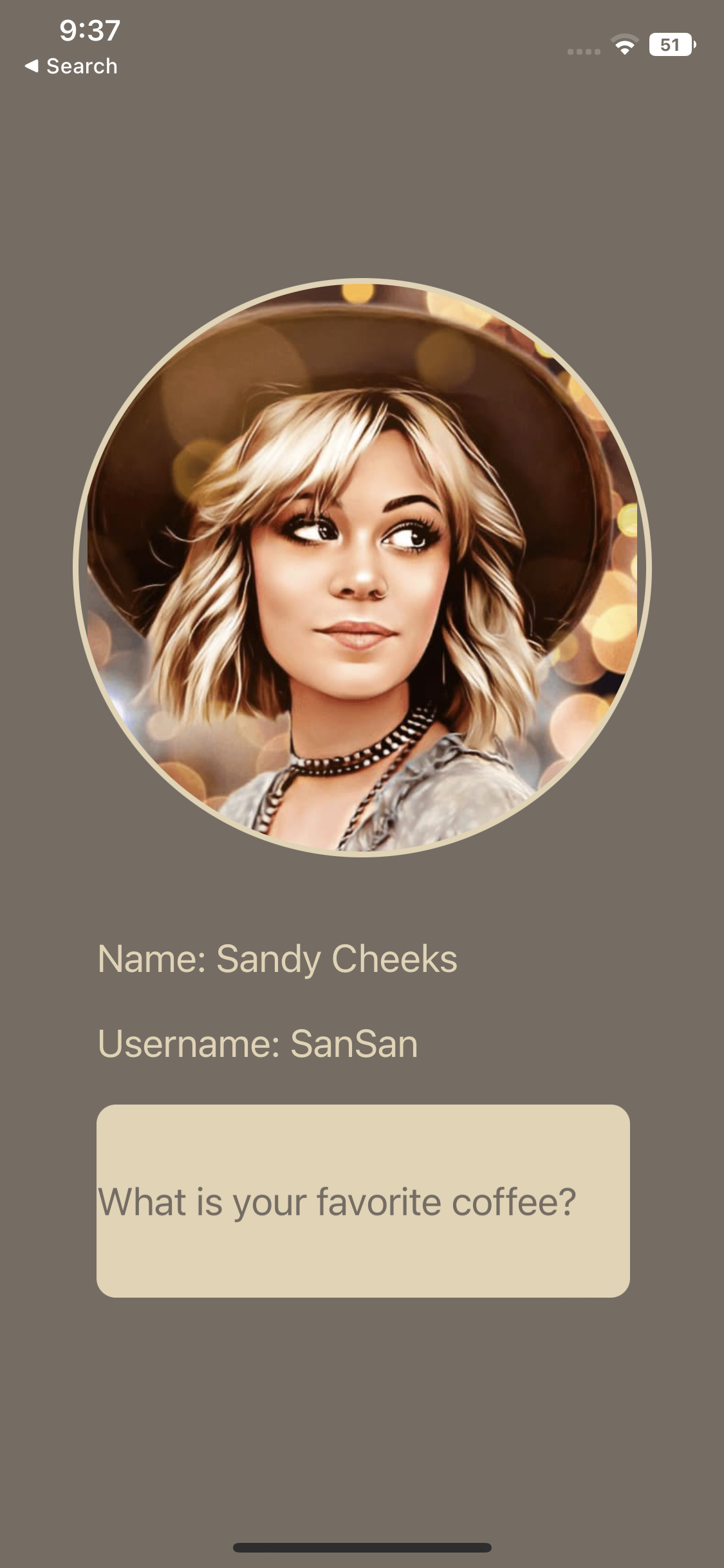
Our app features a login screen, and a welcome screen with a simple guidance through the app's features. Through firebase, we are able to store the data such as username, name, and password. We also have a list that allow users to track their progress and document their journey. In addition to posting pictures, users can also apply a date and small comment section which includes questions like the name of the coffee and how users felt about it. Users also get an access to their personal profile page that includes a profile picture, username, and bio, where they can showcase their coffee experiences and connect with other coffee enthusiasts. Our app also includes a rating system with a coffee bean icon (from 1 to 10) to rate their coffee experience. In addition, the navigation tab bar in the below enables users to move between profile and home tab. Also, we included a post button within the tab which connects directly to the camera and camera roll. When the photo is selected, the screen displays the selected image.
How we built it
PostCafe is a mobile application that is built using JavaScript with React Native library. By using React Native, we were able to build PostCafe applicable for both iOS and Android platforms using a single codebase, which makes it more efficient and cost-effective to develop and maintain. To store and manage the data for the app, we used Firebase, a Baas platform from Google. By using Firebase, the PostCafe app can easily store and manage user data, such as profile information, coffee experiences, and comments, in real-time. To make the app more convenient for the users, we expanded the use of react native by implementing libraries such as react native navigation, action-button, gesture-handler, image-picker, onboarding-swiper, and ratings.
Challenges we ran into
Building the PostCafe app was a challenging process, as the team faced several difficulties while working with command lines such as react-native-navigation, react-native-paper, and so on. One of the main challenges was that these command lines are not always easy to use, especially for those who are not familiar with the react-native ecosystem. This caused problems such as exporting and importing between js files. Another issue we faced was working with Github. We were not familiar with Github's interface and how to use it effectively, which caused difficulties in collaboration and version control. Also, as React Native is a relatively new technology, its ecosystem is still evolving, and since it requires understanding of JavaScript and the native code (Objective-C, Swift, and Java), we often encountered bugs and issues with different libraries and command lines.
Accomplishments that we're proud of
Despite the downsides, we have taken steps to work through the issues and accomplish their goals. We researched and troubleshooted the problems we encountered with the command lines and Github. This involved going through online documentations and forums to understand the root cause of the issues and finding solutions. Also, we utilized debugging tools and techniques to identify and fix bugs. We used development tools like React Native Debugger and chrome dev tools for javascript. Although we primarily planned to finish the UI only as a submission due to technological difficulties, through this effective troubleshooting techniques, not only were we able to implement firebase, but set up a framework to grow the personal coffee diary platform to a user-interactive social media for the topic.
What we learned
PostCafe was the first app that we built, and the process taught me the importance of planning, testing, and debugging. In the process, there were several times where we had to code from the scratch, deleting and rewriting continuously to improve the platform's effectiveness. This continuity gradually improved my skills in paying attention to detail and planning. On top of that, we learned how to work with data storage and management, user authentication, and other backend services, while exploring through firebase, which was a new concept to both of us. And most of all, we learned how to work as a team, and how to communicate effectively with each other as a developer, a designer, and a project manager to deliver a high-quality product.
What's next for PostCafe
The closest step for now is to make the PostCafe a shareable and interactive platform, so users can connect and share their coffee experiences with others. Also, we aim to make a function where users can make their own library of photos and posting it. After that, the main technological improvement we look forward to apply in this platform is virtual token system or an in-app purchase system that enables online coffee order. Also, by implementing the reward system for accomplishments such as coffee-streak on certain coffee brand or coffee shop, it could act as a substitution for stamp card. This would be a crucial step if we are to make any kind of partnerships between coffee shops and advertisements in the future.

Log in or sign up for Devpost to join the conversation.