-
-
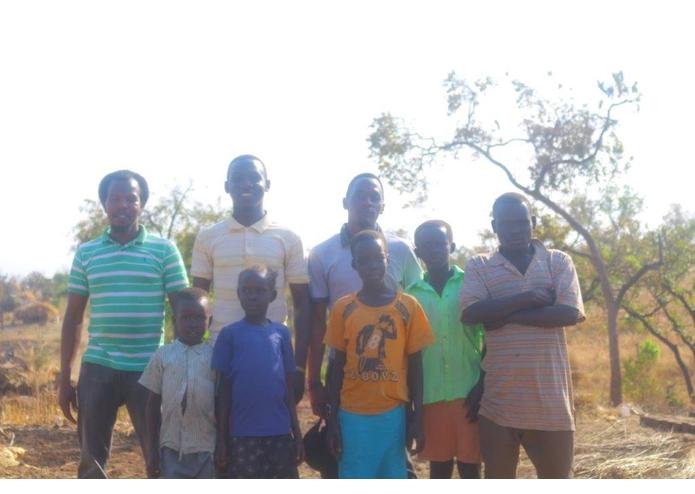
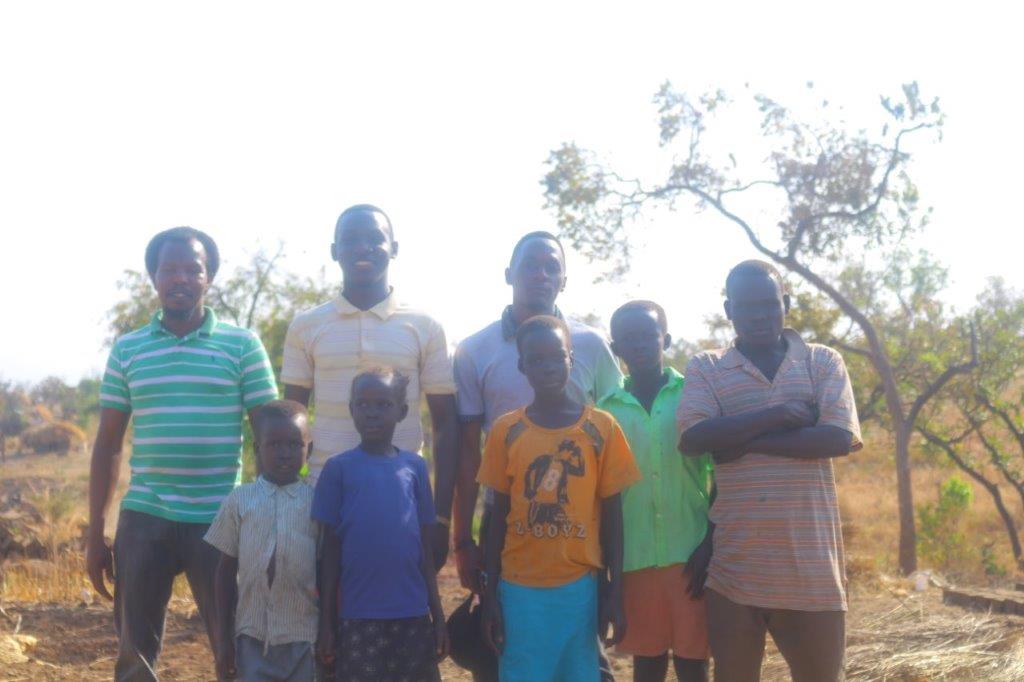
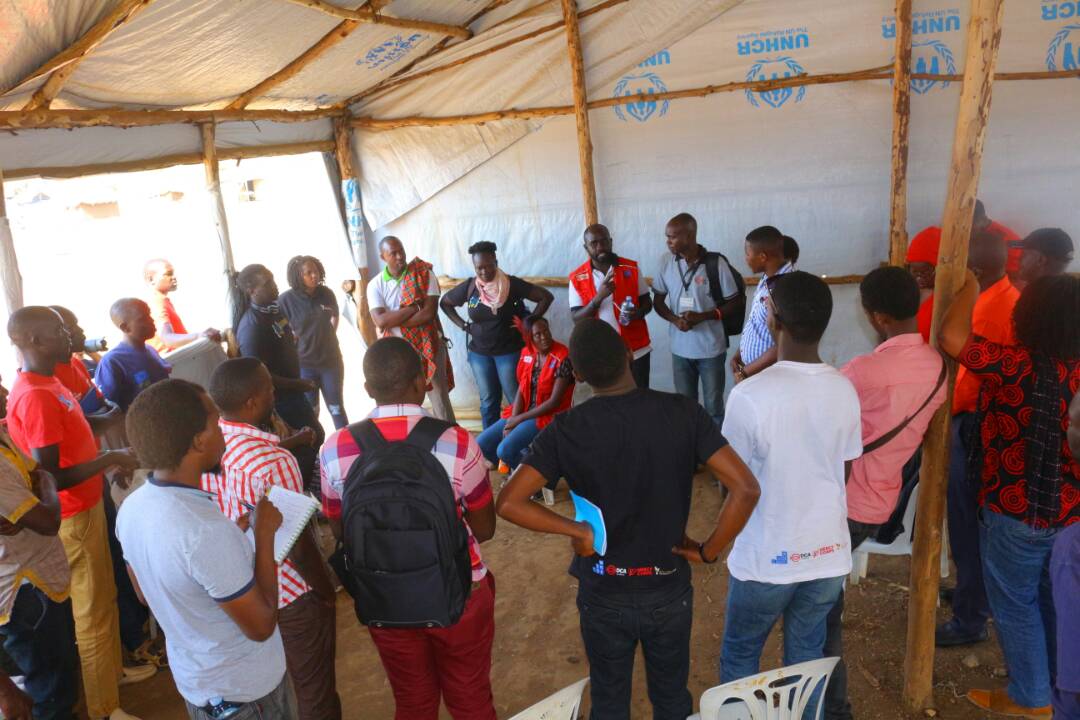
Bidibidi settlement zone 3 village
-
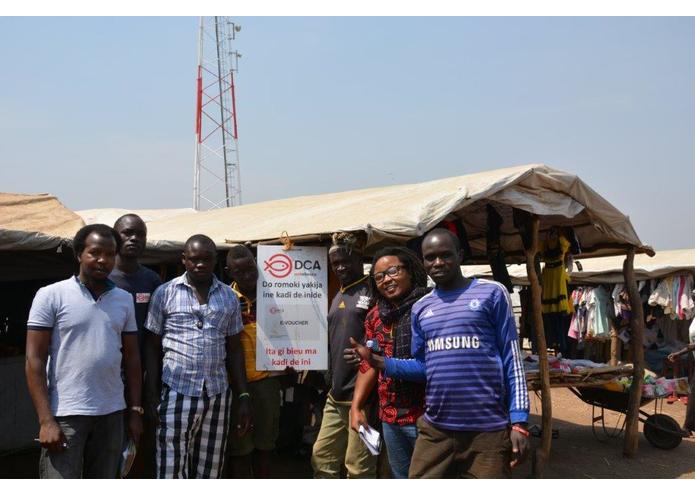
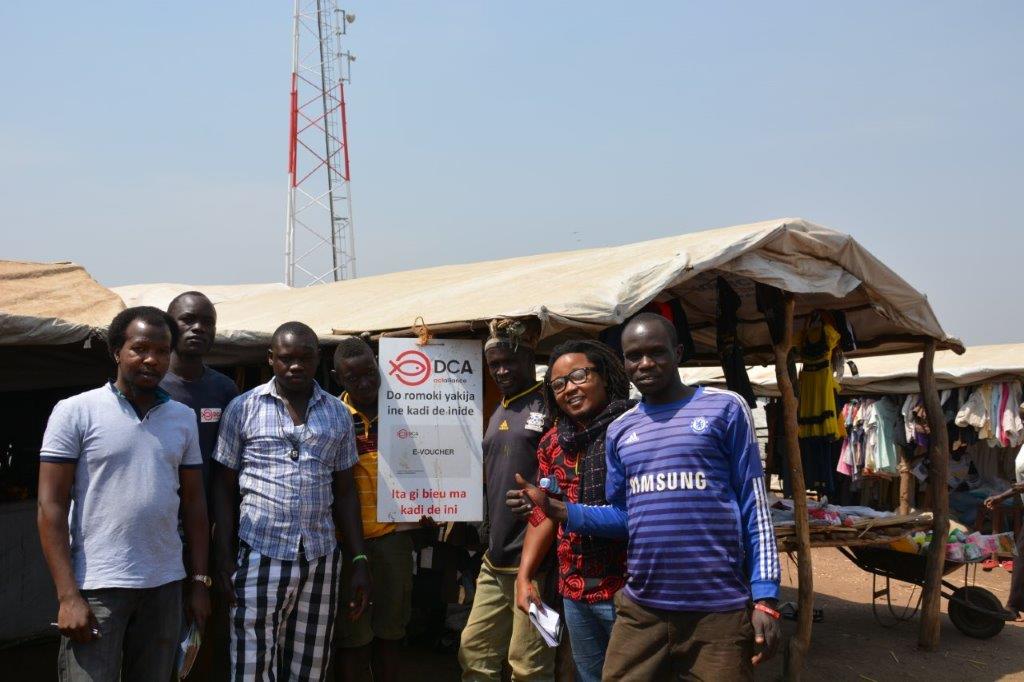
bidibidi settlement zone 1 market digital cash point
-
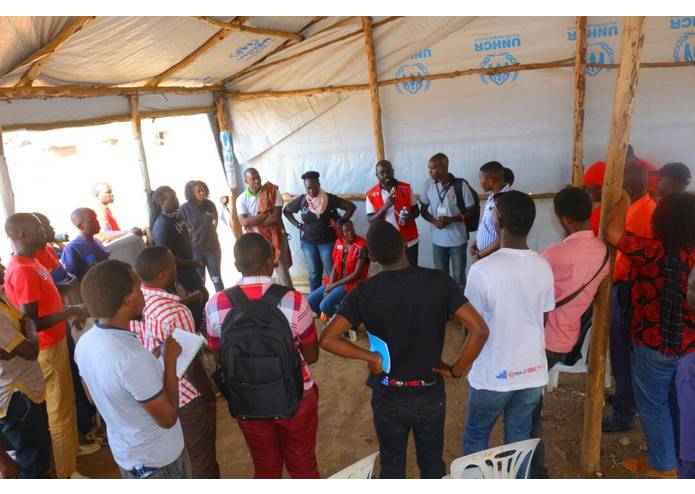
bidibidi settlement zone 2 community center
-
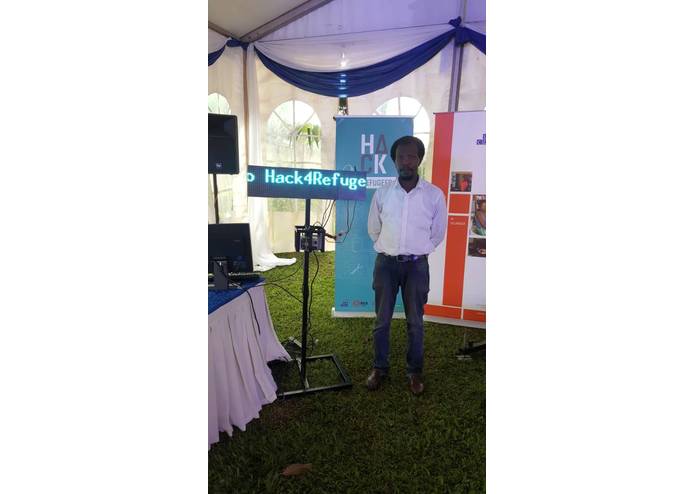
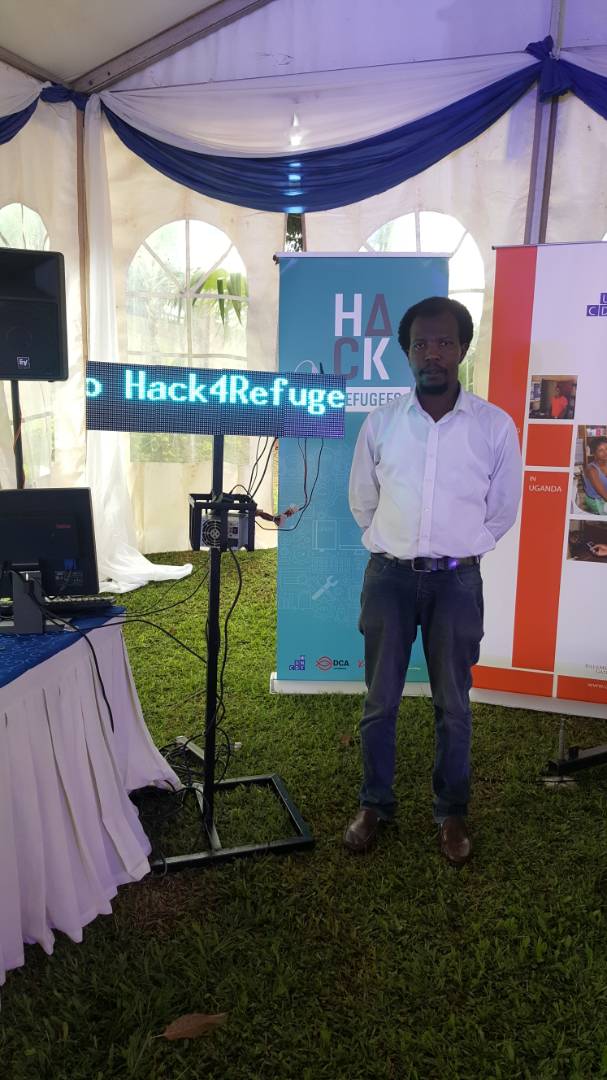
Hack4Refugees Demoday
-
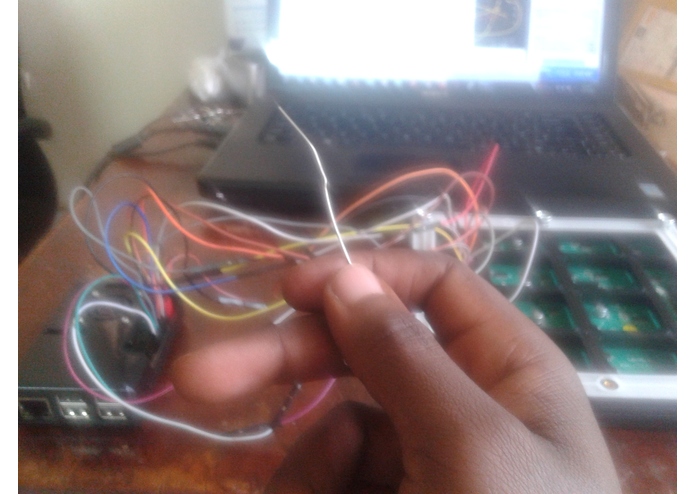
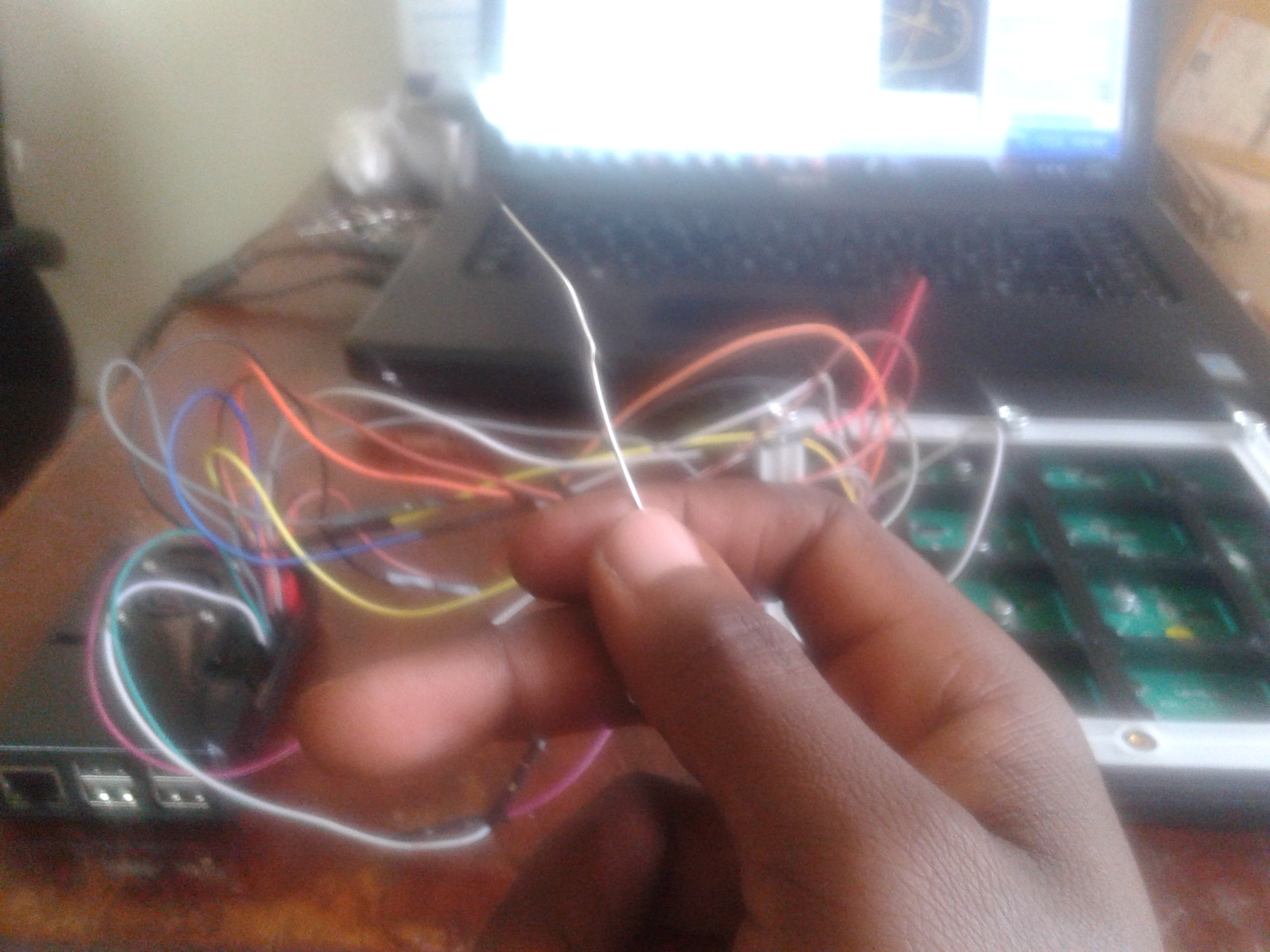
RGB Diplay panel assembly
-
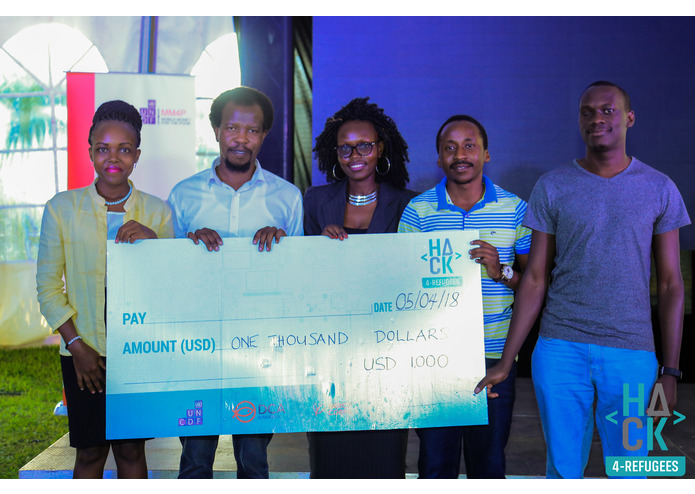
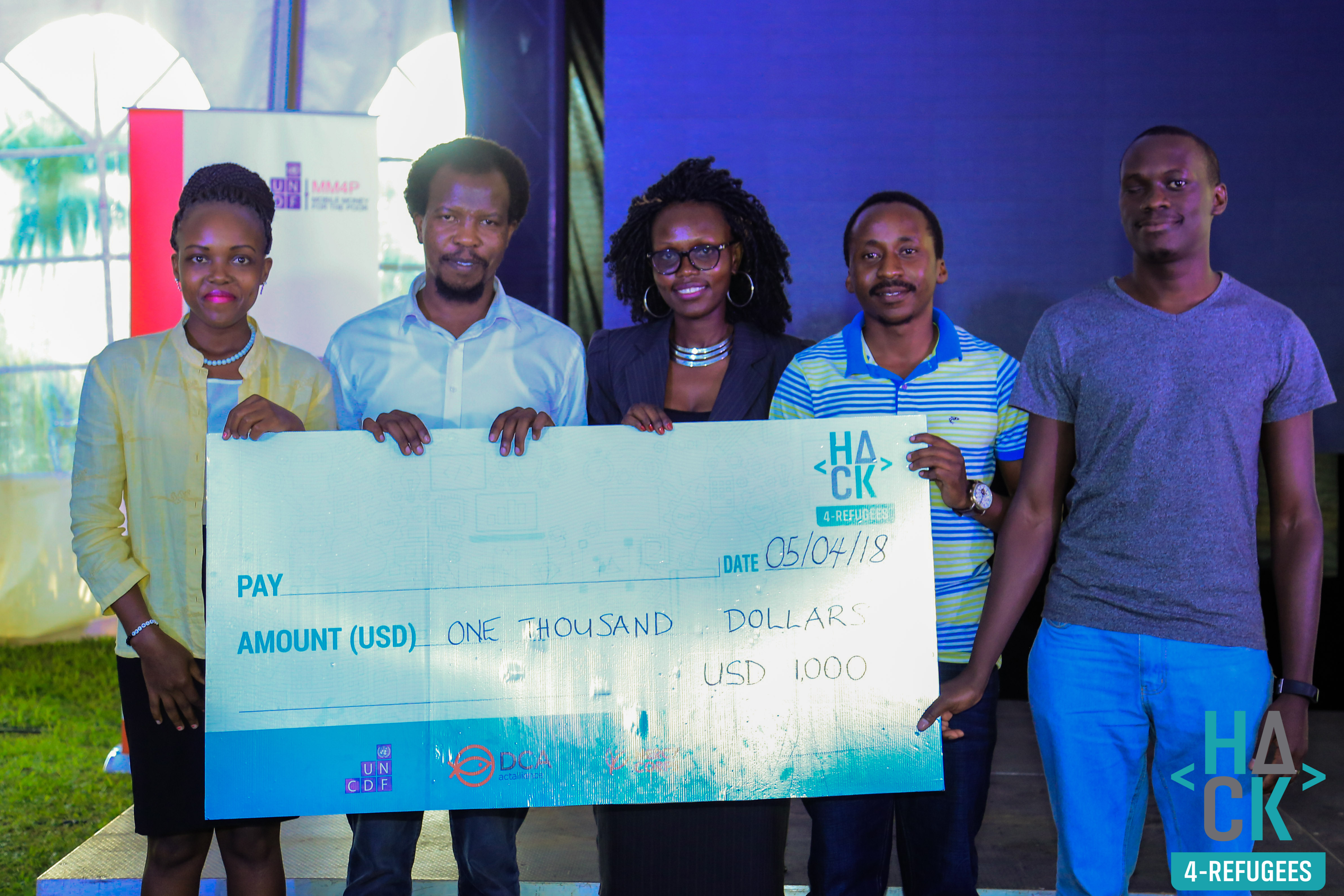
Demoday prize
Inspiration
Information channels at the Ugandan refugee settlements are choking under the weight of limited resources. mobile phone penetration is about less than 30,000 users out of over 287,801 people(bidibidi settlement). In this population, 14% men, and 86% female and children. the phones are in the hands of the men leaving the women without a channel to receive pertinent information. Language barrier also exits of mainly an arabic speaking christian population.
What it does
With the use of an RGB LED digital displays capable of displaying relevant information to refugees and the host communities 24/7, and in real time in a language they can understand for the literate along with audio messages for the illiterate as sent by UNHCR implementing partners. We plan to erect these structures at centers of heavy traffic flow including at junctions, markets, community centers and more.
How we built it
This all started at at hackathon dubbed hack4refugees where we were given categories of challenges at the refugee settlement in northern Uganda, bidibidi settlement. We chose the information dissemination category and our tool for the hack day was Facebook messenger. We built a chatbot that was to be a resource for refugee information and also a channel of communication. The chatbot had features including language translation as the refugee community speaks mainly arabic, we also added a missing persons feature where refugees could register a missing person, and if that person chatted with the bot we would connect the two. We also added a looking for jobs feature where the community can hon the skills they have such as teachers, masons, and the like to find work within and outside the settlement. On passing through the different stages of hackathon and proving to the judges our concept was valid, we went on to acceleration where we were then sent to real settlement, Bidibidi, to test our solution.
On reaching the bidibidi settlement, we discovered that phones were a very scarce resource and also not that about 85% of the phone used at the settlement were mainly feature phones and smartphones were an absolute rarity. We then rethought our solution and came up with the RGB LED Display to serve all users whether offline or online 24/7
Challenges we ran into
The UNCHR implementing partners didn't find our project in line with what they are had already planned to use to disseminate information. Mercy Corps and DCA had a joint venture where they purchased over 20,000 phones which they hoped to increase coverage in the 15 zones of the bidibidi settlement straining their budgets further.
Accomplishments that we're proud of
On the Hack4Refugees demo day at the UNCDF offices in Kampala, we were recognized for our hard work and innovation and were awarded USD 1,000 prize.
What we learned
We learned that having a good idea is not enough, one should have the skills to adapt to whatever the environment throws at us. This also includes a marketing strategy and a working business model.
What's next for BitShelter
We have integrated Facebook graph API into our application to display information using popular/trending hashtags and posts in communities including text, images, and video to drive more traffic to our platform We're currently building our business model around advertising as we've noticed that the power of digital displays has not been embraced in the country thus only small number in kampala the capital city.
Built With
- android
- c++
- facebook-graph
- rgb-led-diplay-panels
Log in or sign up for Devpost to join the conversation.